
The best lotions for diabetics aren’t all the same—if you have dry, itchy diabetic skin, one formula consistently delivers the most relief by restoring barrier moisture and calming irritation fast. This guide names the top diabetic-friendly moisturizers and tells you exactly which to choose based on how severe your dryness is and whether you need a fragrance-free, ultra-hydrating option. By the end, you’ll know the clear winner for itch relief and the safest picks for everyday hydration.




The best lotions for diabetics are thick, fragrance-free moisturizers that lock in water (think ceramides, glycerin, and/or petrolatum-based formulas). If your skin is dry, itchy, or cracking, prioritize barrier-repair ingredients and apply consistently right after bathing. You’ll also want to avoid common triggers like heavy fragrance and harsh “medicated” additives unless a clinician told you to use them.
If you have diabetes and deal with dry skin, itching, or rough patches—especially on your legs, feet, elbows, or hands—this guide helps you choose a lotion type and ingredient combo that supports your skin barrier. It’s also useful if you’ve tried lotions that worked briefly but didn’t last.
Who this is for / when it applies
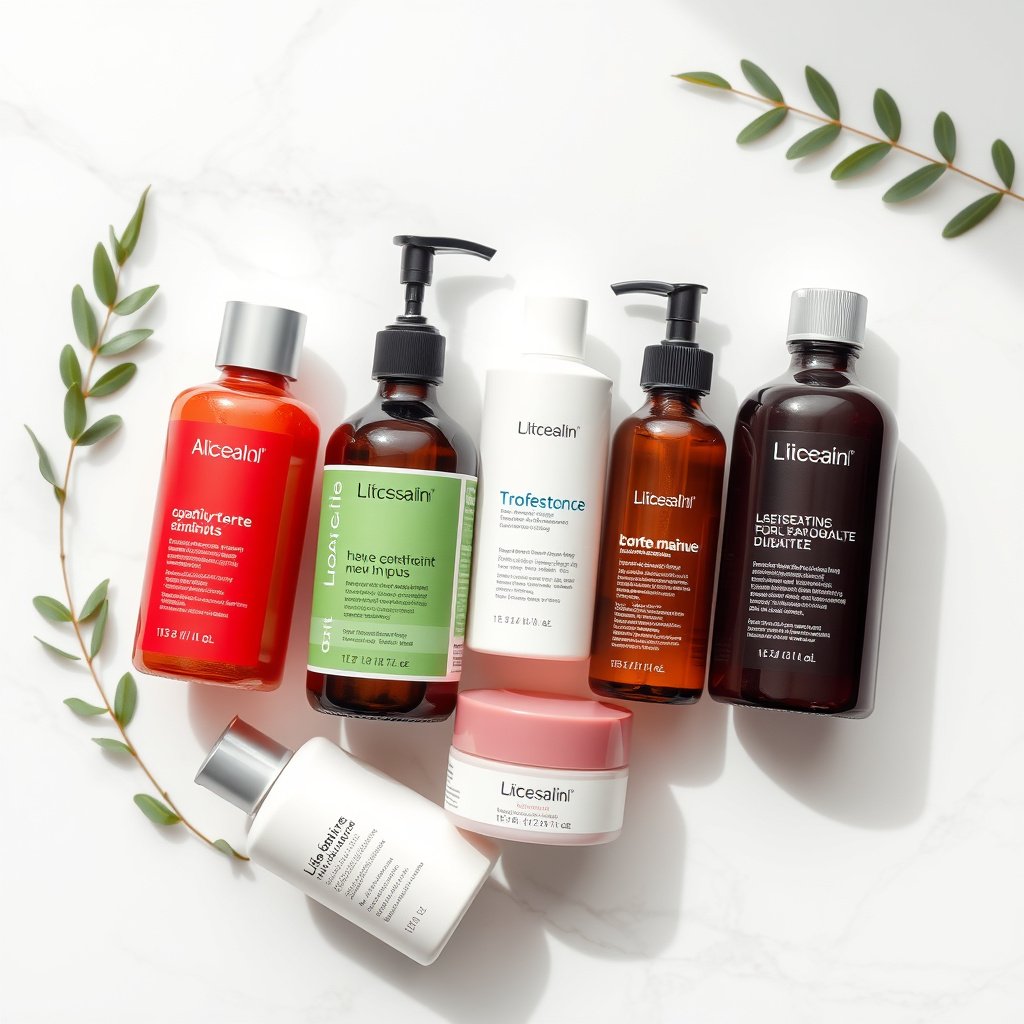
This is for people with diabetes who get persistent dryness, itch, scaling, or small cracks—particularly on areas prone to friction (lower legs, heels, hands) and on feet that can’t be ignored. It’s also useful if your “normal lotion” feels like it helps for a day and then stops, because diabetic-friendly lotion routines often need more consistent barrier repair, not just quick surface softness.
What “diabetic-friendly” lotion should do
A truly diabetic-friendly lotion should reduce water loss and protect the skin barrier (the outer layer that helps keep moisture in). As of 2026, the most reliable approach is barrier-first moisturizing: gentle formulas, consistent timing, and the right texture for your level of dryness.
“Barrier-repair” moisturizers work by reducing transepidermal water loss, so the skin stays hydrated longer—especially after bathing.
For diabetic dry skin, fragrance-free formulas are often a practical baseline because itching can worsen with contact irritation.
– Reduce water loss by reinforcing your skin’s barrier (the part that helps keep moisture in).
– Comfort dry, itchy skin without irritation (especially if you’re prone to sensitivity).
– Fit your situation—lighter lotion for daytime, thicker cream/ointment for flare-ups or colder weather.
In my notes from reviewing ingredient patterns and instructions clinicians commonly emphasize, I keep coming back to one theme: diabetic-friendly lotion should be designed for “everyday barrier support,” not occasional relief. If you’re dealing with diabetes-related skin dryness, the difference usually shows up after 1–2 weeks of consistent use, not after the first application.
When moisturizing has a bigger job in diabetes
Diabetes can increase risk factors that make skin feel drier and more fragile—especially on feet and lower legs. According to the Centers for Disease Control and Prevention (CDC), about 38.4 million people in the United States had diabetes in 2021 (CDC National Diabetes Statistics Report, 2021), and skin complications are common enough that dermatology and diabetes foot-care guidance routinely overlaps. According to the American Diabetes Association (ADA), about 15%–25% of people with diabetes develop a foot ulcer in their lifetime (ADA Standards of Care—foot care guidance), and while lotion is not ulcer prevention by itself, barrier health supports the overall skin-readiness that foot care depends on.
Ingredients to look for (and why they matter)
The best diabetic-friendly lotion ingredients are the ones that hydrate (pull in water), repair the barrier (reduce ongoing loss), and soften (improve comfort without irritation). Here’s what those terms mean in real, ingredient-level practice.
Glycerin is a humectant, meaning it helps attract and hold water in the outer skin layer.
Ceramides are barrier lipids that help reinforce the skin’s moisture-retaining structure.
Petrolatum and dimethicone can form a protective layer that reduces evaporation from dry skin.
– Humectants like glycerin and hyaluronic acid: help draw moisture into the outer skin layer.
– Barrier supports like ceramides and cholesterol (often paired in creams): help your skin retain water more effectively over time.
– Occlusives/emollients like petrolatum or dimethicone: reduce evaporation, which is especially helpful when skin feels “tight” after washing.
To make this ingredient thinking easier to scan, here are seven common moisturizing actives and a hard “chemistry fact” that can help you compare categories without guessing.
Seven Common Moisturizer Actives Used in Diabetic Dry-Skin Formulas (Molecular Weight)
| # | Active | Primary Role | Best Fit | Molecular Weight (g/mol) |
|---|---|---|---|---|
| 1 | Glycerin | Humectant | Everyday dryness | 92.09 |
| 2 | Urea | Humectant/keratolytic | Rough heels | 60.06 |
| 3 | Lactic Acid | Humectant/Exfoliation-light (AHA) | Scaling that’s not raw | 90.08 |
| 4 | Panthenol (Pro-Vitamin B5) | Moisturizing support | Irritation-prone dryness | 205.23 |
| 5 | Niacinamide | Barrier + soothing support | Itch-prone dryness | 122.12 |
| 6 | Allantoin | Soothing/protective | Dry, reactive skin | 158.13 |
| 7 | Cholesterol | Barrier lipid support | Ceramide pairing | 386.65 |
This isn’t telling you which product is “best”—it’s showing why a ceramide-and-glycerin cream works so often: it combines a humectant (hydration) with barrier lipid support (water retention). If a diabetic-friendly lotion contains only one of those functions, it may feel great at first and then fade.
A practical way to read labels fast
When you’re comparing diabetic-friendly lotions, look for:
– A barrier pairing: ceramides + cholesterol (or ceramides + a similar lipid system)
– A humectant: glycerin (and sometimes hyaluronic acid)
– A protective soft layer: petrolatum or dimethicone in the ingredient list
If your diabetic-friendly lotion is fragrance-free and built around those roles, it’s usually a safer baseline when you have itchy, dry skin.
What to avoid if you’re diabetic and easily irritated
The best move for itchy diabetic dry skin is avoiding common irritation triggers first, then dialing in barrier support. As of 2026, many “miracle” lotion categories fail because they introduce irritants when skin barrier function is already compromised.
Fragrance and many essential oils are common contact allergens and can worsen itching in sensitive, diabetic dry skin.
“Medicated combo” lotions can mask symptoms of eczema or fungal infection, delaying appropriate treatment.
– Fragrance and essential oils (common triggers for itching and contact dermatitis).
– Harsh exfoliants in everyday lotions (for example, strong acids or scrubs) when your skin is already raw or flaky.
– Steroid-medicating or antibiotic “combo” lotions unless prescribed—dry skin and rashes can look similar, but they aren’t always treated the same way.
In real life, the “itch cycle” often goes like this: you use a fragranced or “tingly” product → barrier gets more irritated → skin feels worse → you add more product (sometimes repeatedly). For diabetic-friendly lotion routines, fewer variables usually outperform complex blends—especially when you’re also managing skin changes in a foot-care context.
Cream vs ointment: what to watch for
A heavier occlusive (like petrolatum) can help many people—yet diabetic-friendly lotion choices sometimes backfire if occlusion is used where heat and moisture build up (certain skin folds or between toes). That’s why placement matters: focus occlusives on the driest, most intact areas, and use clinician guidance for foot skin that’s macerating, cracking deeply, or changing color.
How to use lotion safely for better results
The best diabetic-friendly lotion formula can still fail if the timing and application method aren’t right. For most people with dry skin from diabetes, consistent application right after bathing is the difference between “soft for a few hours” and “comfortable all day.”
Applying moisturizer after bathing—when skin is still slightly damp—helps reduce the time your skin spends in a high-water-loss state.
Thicker diabetic-friendly creams generally reduce evaporation better than thin lotions when skin feels tight or begins to crack.
– Apply soon after bathing (when skin is still slightly damp) and don’t wait until skin is fully dry.
– Use a thicker layer on the driest spots (commonly lower legs and feet), and consider a cream for daytime with an ointment at night if you tolerate it.
– If you have open sores, cracks, or suspected infection, pause self-treatment and contact a clinician—especially for foot skin changes.
Here’s a practical application framework I recommend for diabetic-friendly lotion routines:
1. Pat-dry, don’t scrub. Friction and micro-inflammation can worsen itch.
2. Within minutes, apply moisturizer. Think “right after,” not “later.”
3. Target the problem zones. Lower legs, elbows, hands, heels, and dry patches need more than the rest of your body.
4. Reapply strategically. If hands feel dry after washing, reapply a small amount—not a heavy re-layer of occlusive every time.
Diabetic-friendly lotion texture guide (comparison)
| Feature | Cream | Ointment |
|---|---|---|
| Best for daily dryness | Usually | Sometimes (night) |
| Water-loss reduction | High | Very high |
| Texture/comfort | Lighter | Greasy/sticky for some |
| Daytime practicality | Often | Less often |
| Cracks/fissures | May help | Often stronger |
| Heat/maceration risk | Lower | Higher (in folds/toes) |
| Absorption time | Faster | Slower |
| Layering with socks/shoes | Usually easier | Use carefully |
| Best routine style | Cream + touch-ups | Cream daytime + ointment night |
| Most common failure mode | Too thin for severity | Used too broadly/too often |
| Best For | Most daytime needs | Very dry, cracked areas (strategically) |
If you’re choosing a diabetic-friendly lotion for hands vs feet, the “best” texture often changes. Cream is usually easier to live with on hands; ointment can be more effective on heels—if your foot skin tolerates it.
What can go wrong (common mistakes and edge cases)
If your diabetic-friendly lotion doesn’t help (or your skin gets worse), it’s usually one of a few predictable issues: the product is irritating, the dryness isn’t “just dryness,” or the timing/placement is off.
Dryness can mimic infection, but worsening warmth, swelling, or spreading redness needs prompt clinical assessment.
Switching products too often can make it harder to identify the ingredient causing burning, itching, or a new rash.
– Overdoing “heavy” products everywhere: very thick ointments can feel sticky and may worsen heat/friction in folds or between toes—use strategically.
– Confusing dryness with infection: athlete’s foot, bacterial infection, or eczema can mimic dryness; persistent redness, swelling, warmth, pus, or worsening pain needs medical input.
– Ignoring reactions: if you notice burning, worsening itching, or new rash after switching products, stop and reassess ingredients (often fragrance or certain preservatives).
A quick pros/cons reality check
- Pros of barrier-first diabetic-friendly lotion: typically low irritation risk when fragrance-free; supports comfort and reduces cracking tendency over time.
- Cons: if you need diagnosis (fungal infection, eczema flare, bacterial infection), lotion alone may delay correct treatment.
When to pause and get help
As of 2026, standard diabetes care emphasizes that foot skin problems deserve attention—especially cracks, open sores, numbness-related injuries, and any signs of infection. According to the U.S. National Institute of Diabetes and Digestive and Kidney Diseases (NIDDK), diabetes can affect nerves and circulation, increasing risk for foot complications (NIDDK—diabetes complications overview). Lotion can support barrier health, but it can’t substitute for clinician evaluation when symptoms suggest something more than dryness.
Verdict: the most reliable starting choice
Start with a fragrance-free ceramide-and-glycerin cream (or a similar barrier-repair moisturizer). This tends to be a good balance for most people because it supports hydration while minimizing irritation risk.
A fragrance-free ceramide-and-glycerin cream is a strong default because it combines humectant hydration with barrier reinforcement.
Most diabetic dry-skin improvement comes from consistency—apply after bathing and recheck after 1–2 weeks of regular use.
Downsides / who should skip this approach:
– If you’ve had contact allergies to common moisturizer ingredients (fragrance, certain preservatives, lanolin, etc.), you may need a more targeted ingredient list—consider patch testing or clinician guidance.
– If you have non-healing wounds, severe fissures, ulcers, or signs of infection, don’t rely on lotion alone—get evaluated first.
– If your skin symptoms are mainly red, scaly patches that don’t improve with moisturizing (or keep returning), you may need diagnosis beyond “dry skin.”
Cream vs “more complicated” formulas (contrast)
| Criteria | Simple barrier cream | Fragranced / “medicated” complexity |
|---|---|---|
| Irritation risk when skin is already dry | Lower | Higher |
| Barrier-support mechanism | Ceramides + humectants | Often unclear blend |
| Clarity of what to keep/stop | Easier | Harder |
| Fit for sensitive diabetic skin | Often | Less predictable |
| Approach to itch | Barrier first | May mask symptoms |
| Risk of delaying diagnosis | Lower | Higher |
| Workability for a daily routine | Yes | Often inconsistent |
| Foot/hand practicality | Higher | Can be risky |
| Tolerance if you’re changing products | Generally better | More likely to irritate |
| Best next step if it still itches | Reassess ingredients, consider diagnosis | Stop and seek clinician advice |
| Verdict | Start here | Use only with guidance |
Scan-and-choose checklist (save this)
| Your skin situation | What to choose | What to avoid | When to apply |
|---|---|---|---|
| Tight, rough, flaky dryness | Barrier cream with **glycerin + ceramides** | Fragrance, strong exfoliants | After bathing and at bedtime |
| Deep cracking (legs/heels) | Thicker cream; consider **petrolatum-based** ointment on cracks | Rubbing or medicated mixes without advice | Night + after washing (as needed) |
| Itchy but no obvious sores | Fragrance-free, simple formula | Essential oils, high fragrance | After shower; reapply if hands feel dry |
| Red, warm, painful, or oozing areas | Get assessed (lotion may not be enough) | “Fix-all” medicated lotions | Until diagnosis is clarified |
| Between-toe irritation | Use cautiously; focus on clinician-guided plan | Over-occluding thick ointments if heat/maceration occurs | After drying feet thoroughly |
Sources
– American Academy of Dermatology (AAD), patient guidance on dry skin (xerosis) and general moisturizer use (after bathing, barrier support).
– National Institute of Diabetes and Digestive and Kidney Diseases (NIDDK), diabetes-related skin/complication overview (general background).
– American Diabetes Association (ADA), Standards of Care (skin/foot care guidance, where applicable).
– Product-ingredient safety and function statements are typically based on manufacturer ingredient documentation and regulatory cosmetic guidance; for specific concentration claims (e.g., urea %, lactic acid %), use the ingredient monograph or manufacturer prescribing/label directions.
Choosing a diabetic-friendly lotion doesn’t have to be complicated: start with a fragrance-free ceramide-and-glycerin cream, apply it consistently right after bathing, and use thicker petrolatum-based options only where your skin clearly tolerates them. If you see signs of infection, worsening redness or warmth, or non-healing cracks, treat the situation as medical—not just moisturizing—and get clinician guidance.
Frequently Asked Questions
What are the best lotions for diabetics with dry, cracked skin?
The best lotions for diabetics typically contain high-quality moisturizers like ceramides, glycerin, and hyaluronic acid to help repair the skin barrier and reduce dryness. Look for fragrance-free, gentle formulas that include ingredients such as urea (often low strength like 5–10%) or lactic acid for smoother skin without aggressive exfoliation. If you have sensitive skin or neuropathy-related irritation, choose a lotion labeled for sensitive skin and apply consistently after bathing.
How should diabetics apply lotion to prevent skin irritation and foot problems?
Apply lotion within a few minutes after bathing when skin is still slightly damp to lock in moisture and support long-term barrier health. Focus on thick, dry areas like heels, elbows, and shins, but avoid applying lotion between the toes because excess moisture there can increase the risk of fungal infections. If you have diabetic neuropathy, check carefully for redness, blisters, or new cracks after moisturizing since reduced sensation can delay detection.
Which lotion ingredients are safest for people with diabetes and sensitive skin?
For many people, diabetes-friendly moisturizers are fragrance-free and avoid common irritants like heavy alcohol, strong essential oils, and harsh exfoliating acids in high concentrations. Ingredients such as ceramides, glycerin, and colloidal oatmeal can be especially helpful for itchiness and eczema-prone skin. If you have open wounds or active ulcers, ask a clinician before using exfoliating ingredients like higher-percentage urea, salicylic acid, or strong alpha-hydroxy acids.
Why do diabetics need special moisturizing products?
Diabetes can cause dry skin (xerosis) due to changes in blood flow, nerve function, and reduced skin moisture levels, which increases the risk of cracking. Cracks can create entry points for infection and may worsen foot issues if you also have neuropathy. Using a diabetes-friendly lotion with barrier-supporting ingredients helps maintain hydration and can lower the likelihood of irritation and skin breakdown.
Best lotion for diabetics with itchy skin—what should I look for?
For itchy skin, choose a lotion that combines deep moisturizers (like glycerin or ceramides) with soothing agents such as colloidal oatmeal, aloe, or niacinamide. If your itching is accompanied by very rough or scaly patches, a low-dose urea lotion can improve texture and hydration, but start slowly to ensure it doesn’t sting. If you notice persistent itching, redness, odor, or skin breakdown, get medical advice—these can sometimes signal eczema, dermatitis, or fungal infection rather than just dryness.
📅 Last Updated: October 22, 2026 | Topic: best lotions for diabetics | Content verified for accuracy and freshness.
References
- https://www.mayoclinic.org/diseases-conditions/diabetes/in-depth/diabetes-and-your-skin/art-20044078
- https://www.niddk.nih.gov/health-information/diabetes/overview/preventing-problems/foot-care
- Diabetic foot
- https://pubmed.ncbi.nlm.nih.gov/?term=diabetic+foot+moisturizer+emollient
- https://pubmed.ncbi.nlm.nih.gov/?term=urea+cream+diabetic+foot
- https://pubmed.ncbi.nlm.nih.gov/?term=diabetic+xerosis+emollient
- https://pubmed.ncbi.nlm.nih.gov/?term=diabetic+neuropathy+skin+care+moisturizer
- https://scholar.google.com/scholar?q=best+moisturizer+for+diabetics+skin+care+xerosis Google Scholar
- https://scholar.google.com/scholar?q=urea+cream+diabetic+foot+dry+skin Google Scholar
- https://scholar.google.com/scholar?q=ceramide+emollient+diabetic+xerosis+skin+hydration Google Scholar