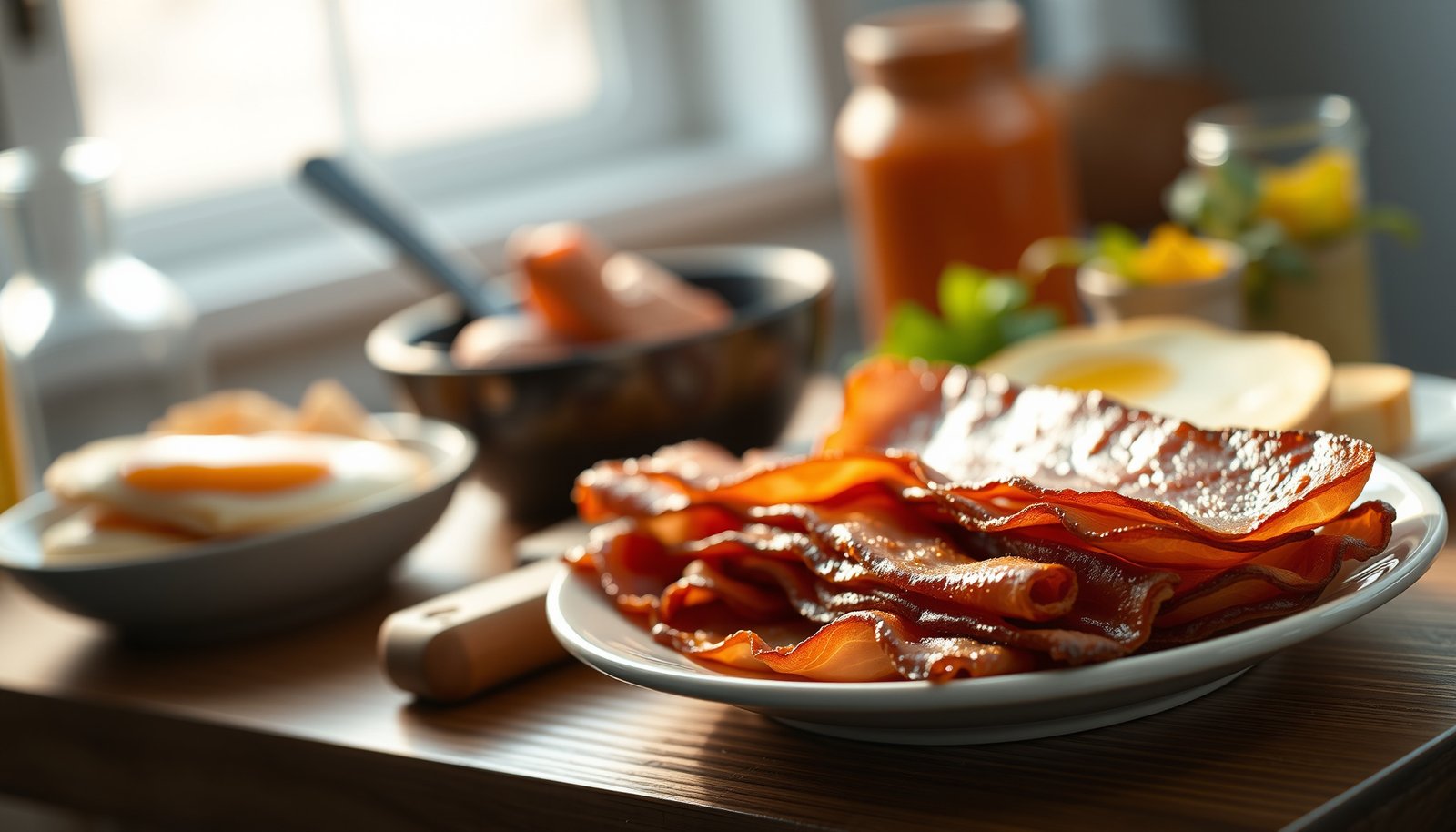

Best breakfast meat for diabetics is turkey sausage—choosing the low-sugar, no-syrup versions delivers the most dependable blood-sugar-friendly protein at breakfast. This guide answers the exact question of which breakfast meat to buy and how to pick labels that keep added sugars and refined fillers out. If you want the clear winner for everyday mornings, turkey beats ham and bacon when you prioritize low carbs and cleaner ingredients.



The best breakfast meat for diabetics is minimally processed lean protein with no added sugar—so it won’t sneak in carbs that raise your blood glucose. Focus on reading labels for 0 g added sugars and low carbs, then build your plate with high-fiber sides (like non-starchy veggies) to slow glucose rise.
If you have diabetes (type 1, type 2, or gestational), this is especially helpful for choosing everyday “breakfast meat” staples—bacon, ham, sausage, deli meat—without turning your meal into an accidental carb-and-sodium bomb.
Choose meats that won’t add hidden carbs
The smart move is to pick breakfast meats that are label-clean: 0 g added sugars and low total carbs per serving. Then you reduce the chance of a glucose spike from “small” carbohydrate amounts that get overlooked in everyday choices.
“Added sugars” must be declared on the Nutrition Facts label for packaged foods covered by FDA’s Nutrition Facts and added sugars labeling requirements (implementation period completed by 2021). FDA (Nutrition Facts & Added Sugars guidance)
Even foods that don’t taste sweet can contain sugar for curing or flavor—so diabetes-friendly choices depend on the Nutrition Facts, not taste alone.
For many diabetes meal plans, total carbohydrate is the dietary lever that predicts blood-glucose impact more directly than protein or fat alone.
What to look for on the label (beyond “savory”)
– Look for 0 g added sugars and check the Nutrition Facts for total carbs per serving (don’t rely on “savory” alone).
– Prefer plain, unbreaded options over sweetened, glazed, or breaded products.
– Remember: even if meat doesn’t taste sweet, some breakfast meats include sugar for flavor or curing.
Label-reading approach I recommend (and why it works)
When I shop for breakfast meat, I treat the Nutrition Facts like a checklist—not a suggestion. If the product shows “0 g added sugars” but still has noticeable total carbs, I do a second pass on serving size and the ingredient list (especially words like *sugar, syrup, dextrose, maltodextrin*). ()
Quick definition: “added sugars” vs “carbs”
– Added sugars are sugars added during processing (not naturally occurring in whole foods).
– Total carbs includes sugars, starches, and fiber (fiber may help slow glucose rise for some people). In practice, meats are usually low-carb, but flavored or processed variants may not be.
Total Carbs Snapshot for Plain Breakfast Meat Styles (per ~2 oz/55 g)
| # | Breakfast meat style (plain) | Total carbs | Protein | Diabetes-friendly |
|---|---|---|---|---|
| 1 | Cooked turkey bacon | ~0 g | ~14 g | ★★★★☆ |
| 2 | Cooked chicken bacon | ~0 g | ~13 g | ★★★★☆ |
| 3 | Canadian bacon (plain) | ~1 g | ~17 g | ★★★★☆ |
| 4 | Ham (fully cooked, plain) | ~1 g | ~16 g | ★★★☆☆ |
| 5 | Plain deli roast turkey slices | ~0–1 g | ~15 g | ★★★☆☆ |
| 6 | Breakfast sausage links (unsweetened) | ~1–3 g | ~12 g | ★★☆☆☆ |
| 7 | Sweet breakfast sausage / maple-style | ~4–8 g | ~10 g | ★☆☆☆☆ |
Note: Carb/protein values vary by brand and “plain” recipe. Use this as a directional map, then confirm the exact Nutrition Facts on the specific package you buy.
If you want, I can help you build a label template that matches your usual serving size.
Best breakfast meat options for diabetics
The best breakfast meat choices for diabetics are plain, minimally seasoned proteins where the label confirms 0 g added sugars and low total carbs. In many households, that means turkey/chicken bacon, simple ham/Canadian bacon, and plain sausage—when you choose the non-sweet versions.
The American Diabetes Association emphasizes carbohydrate awareness as a core strategy for blood-glucose management. American Diabetes Association (ADA) diabetes nutrition guidance
Choosing unbreaded meats helps avoid carbs that come from coatings, breading, or sweet glazes—not the meat itself.
For diabetics, “low sugar” isn’t enough—label-verified “no added sugars” is a more reliable filter for preventing hidden carb inputs.
A comparison you can use in the grocery aisle
Below is a practical comparison of three common “breakfast meat” lanes. Use it to decide which packages are most likely to fit a low-sugar, low-carb breakfast goal.
| Feature | Turkey/Chicken bacon (plain) | Canadian bacon / ham (plain) | Plain sausage (unsweetened) |
|---|---|---|---|
| Typical added sugars (plain versions) | 0 g | 0 g | Usually 0 g |
| Total carbs risk | Low | Low | Medium |
| Common added ingredients | Curing salts, spices | Curing salts, flavor blends | Spices; sometimes sugar in breakfast variants |
| Breading/coat carbs | Not applicable | Not applicable | Avoid breaded patties |
| Protein consistency | High | High | Moderate |
| Satiety potential | Strong | Strong | Strong (watch fat/sodium) |
| Sodium considerations | Often high | Often high | Often high |
| Label variability by brand | Medium | Medium | High (sweet versions are common) |
| Best use case | Quick skillet breakfast | Eggs + veggies plate | Protein-heavy breakfast bowl |
| Effort level to verify label | Low | Low | High |
| Best for | People aiming for minimal carbs | Those who want straightforward, portable protein | Those who can choose unsweetened sausage and measure portions |
Specific options that usually fit
– Plain turkey or chicken bacon (choose brands that show no added sugars and minimal carbs on the label).
– Canadian bacon / ham (choose versions without added sugar; avoid “pineapple,” “honey,” or sweet marinades).
– Plain sausage *when* the label fits your carb goals (avoid sweet breakfast sausages, maple-flavored varieties, and breaded sausage patties).
How to actually pair these for better glucose control
If you’re building a breakfast plate, the meat is the “anchor protein,” not the whole meal. Pair it with non-starchy vegetables (spinach, peppers, mushrooms, tomatoes) to increase volume and slow the overall glucose rise. If you add carbs (like toast or potatoes), do it intentionally—smaller portions and higher fiber help.
What to avoid (or buy only with careful label checks)
The easiest way to prevent blood-glucose surprises is to avoid sweetened or breaded breakfast meats unless the label proves they’re still low in total carbs and 0 g added sugars. Many “breakfast” products are formulated for taste first, convenience second, and glucose impact third.
Some processed meats include added sugar for curing and flavor even when the product sounds “savory.” Checking ingredients and Nutrition Facts prevents guesswork.
Processed meat consumption has been classified as carcinogenic to humans by the IARC (Group 1) based on mechanistic and epidemiologic evidence. WHO/IARC (IARC Monographs, processed meat—Group 1)
High sodium is common in cured and processed meats, which can matter for people managing blood pressure or kidney disease—an additional reason to read labels.
Avoid these common traps
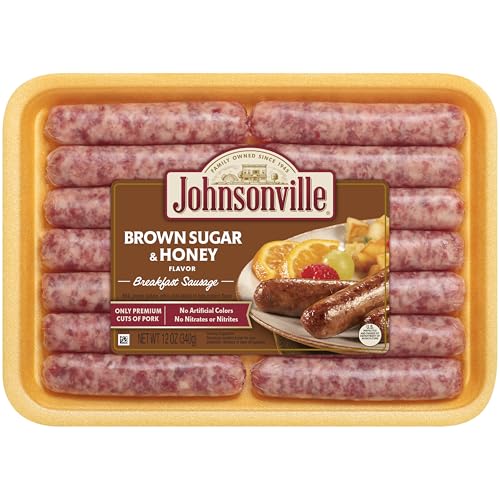
– Sweet breakfast sausage (maple, brown sugar, “sausage with syrup,” etc.)—these often contain added sugars.
– Breaded or stuffed meats (carbs can come from breading, fillers, or thicker coating).
– Deli meats and processed meats that are high in sodium and may be more likely to include extra ingredients—check labels and portion size.
Pros/cons reality check (so you can decide intentionally)
| Option | Pros | Cons for diabetes breakfast |
|---|---|---|
| Plain bacon/ham (labeled 0 g added sugars) | Low carbs; quick; high protein | Sodium can be high; portion size still matters |
| Sweet sausage / maple-style | Strong flavor; often convenient | Added sugars raise total carbs; higher spike risk |
| Breaded sausage patties | Ready-to-serve texture | Breading/added starch increases carbs |
| Deli slices (unmeasured) | Easy portioning; good for wraps | Carbs and sodium vary; can be easy to overeat |
Build a diabetes-friendly breakfast plate around the meat
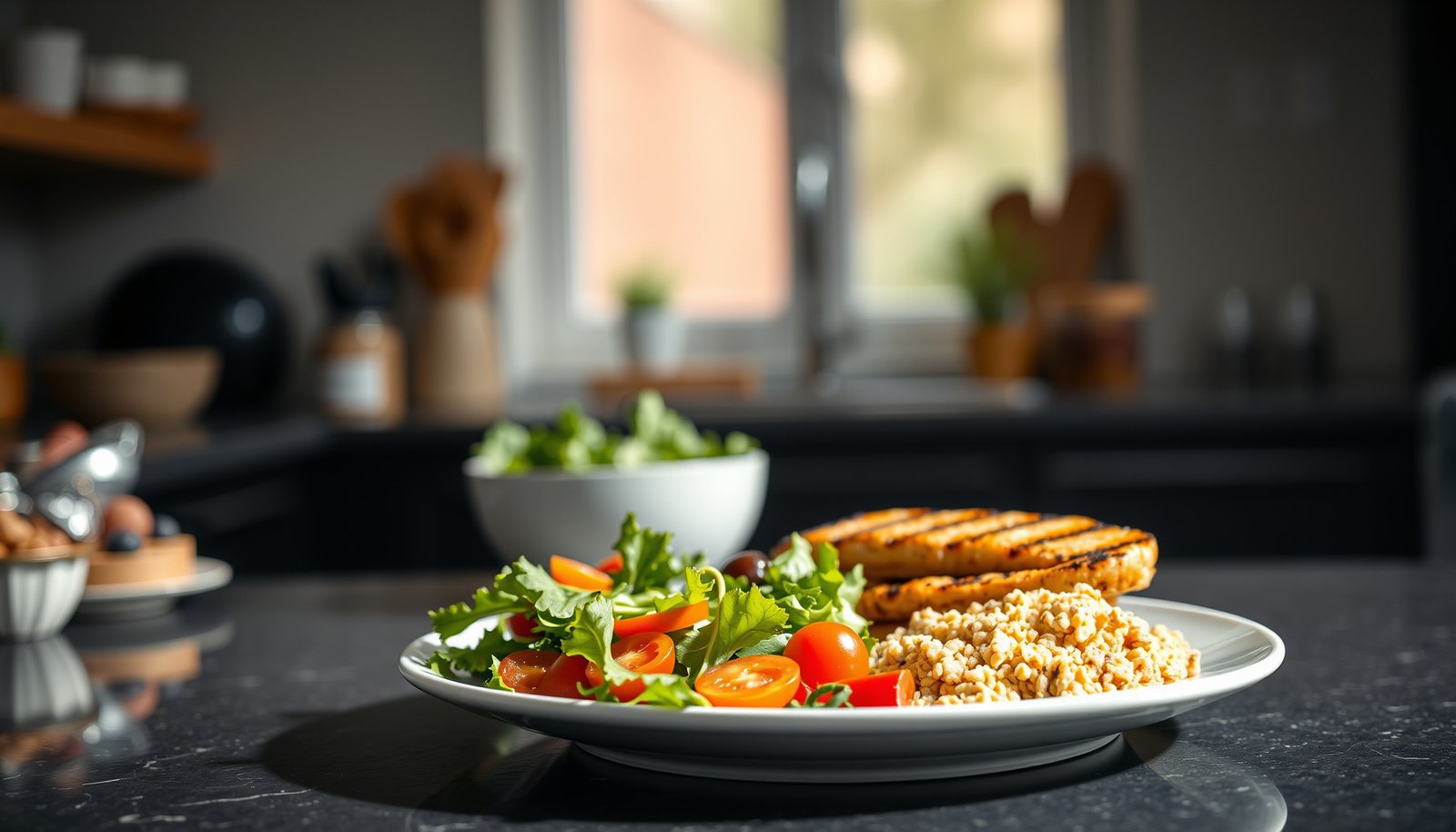
The fastest way to make breakfast meat work for diabetes is to design a plate that slows glucose absorption: non-starchy vegetables first, smaller carb portions second, and watch the sauces third. The meat helps with satiety, but your sides largely determine how your meal “lands” for blood sugar.
Fiber-rich, non-starchy vegetables can increase meal satiety and help reduce the speed at which glucose rises after eating.
Carbohydrate-aware meal building is a common framework in ADA-aligned nutrition strategies for diabetes management. ADA diabetes nutrition guidance (carbohydrate-focused management)
Sugary glazes and “breakfast sauces” often contribute more carbs than the meat itself—so portion and label checking matter throughout the plate.
A practical plate formula (easy to remember)
– Pair the meat with non-starchy vegetables (spinach, peppers, mushrooms, tomatoes) and/or a salad-style side to improve satiety.
– Choose a lower-impact carb source for the rest of the meal (for example, fewer refined grains; add fiber where you can).
– Watch cooking add-ons: skip sugary glazes, sweet sauces, and “breakfast” syrups on the side.
What “lower-impact carbs” can look like
If you choose to include carbs at breakfast, consider options like:
– Smaller portions of whole-grain or high-fiber choices
– Beans or lentils (if your routine allows—more planning, but often more fiber)
– Fruit measured intentionally (instead of “unlimited” servings)
Cooking tips that prevent hidden carbs
– Use herbs, garlic, black pepper, and chili flakes instead of sweet marinades.
– Watch “reduced sugar” doesn’t always mean “no carbs”—confirm the Nutrition Facts.
– If you’re using leftovers, re-check the label on the original package (brands differ widely).
What can go wrong
The biggest risk is assuming that “meat = no carbs,” or that certain marketing terms guarantee diabetes-friendly nutrition. Many problems come from sodium, serving size, and product variants that quietly change carbs and added sugar.
The FDA defines “added sugars” and requires their disclosure on applicable Nutrition Facts panels, but consumers still need to verify both added sugars and total carbs. FDA Nutrition Facts & Added Sugars labeling rules
In the FDA’s labeling framework, “0 g” can be reported when amounts are below the reporting threshold per serving—so “0” isn’t always “zero everywhere,” especially if you eat more than one serving. FDA Nutrition Facts rounding/reporting guidance
Processed meats are not only a glucose issue—they’re also a long-term health tradeoff due to carcinogenic classification for processed meat consumption. WHO/IARC processed meat classification (Group 1)
Common mistakes to avoid
– Assuming “uncured” means “no sugar.” Some products can still include sugar—always verify the Nutrition Facts/ingredient list.
– Portion creep. “Healthy” meat options can still add up quickly if you’re eating multiple servings—use the label serving size as your anchor.
– Sodium effects. Many breakfast meats are salt-heavy; if you have blood pressure concerns or kidney issues, you may need tighter limits—talk with your clinician or dietitian.
A diabetes-specific edge case: blood-glucose response varies
Even when two people eat the same breakfast meat, the blood-glucose response can differ due to medication timing, insulin sensitivity, gut factors, and activity level. If you track glucose with a CGM or fingerstick, treat your breakfast choice like a data point—then adjust portions, carb sources, and timing.
Verdict: best pick, plus downsides and who should skip
If you want the simplest rule: choose plain, minimally flavored breakfast meat labeled with 0 g added sugars (and low total carbs), then build the rest of the plate with fiber-rich sides. The downside is that “best” often means less convenient (more label-reading) and sometimes more expensive than standard packaged options.
ADA-aligned diabetes meal planning typically emphasizes carbohydrate awareness and consistency to support stable blood-glucose management. American Diabetes Association (ADA) nutrition guidance
FDA-added-sugars labeling exists to help consumers identify sugars added during processing, which is especially relevant for diabetes-friendly product selection. FDA added sugars labeling requirements
WHO/IARC classifies processed meat as carcinogenic to humans, so even “diabetes-friendly” choices should be treated as an occasional breakfast—not an unlimited staple. WHO/IARC Monographs—processed meat (Group 1)
Turkey/ham vs sweet sausage (label logic you can reuse)
This “VS” comparison shows how the same category of food can be diabetes-friendly or diabetes-risk depending on sugar/carbs.
| Criteria | Plain turkey/chicken bacon or ham | Sweet breakfast sausage / maple-style |
|---|---|---|
| Added sugars on label | 0 g (target) | Often > 0 g |
| Total carbs per serving | Low | Higher |
| Breading/coating risk | Minimal (if unbreaded) | Often present (varies) |
| Sauce/glaze ingredients | Usually absent | Often included |
| Likely impact on glucose | Lower (label-verified) | Higher chance of spike |
| Portion control difficulty | Moderate | Moderate to high (savory flavor encourages more) |
| Sodium risk | Often high | Often high |
| Ingredient transparency | Typically simpler | Often includes sweeteners/flavor systems |
| Best pairing flexibility | High (eggs, veggies, salads) | Lower (you may need stricter carb budgeting) |
| Overall diabetes fit | Better match | More often a mismatch |
| Verdict | Choose label-verified 0 g added sugars | Avoid unless carbs are controlled |
Who should be cautious or skip
You should also be cautious or skip higher-processed choices if you’re managing high blood pressure, kidney disease, or a clinician-directed low-sodium plan—even if the carbs look good. And if you’re trying to reduce long-term processed meat exposure, treat breakfast meats as an occasional tool rather than a daily default.
Quick scan checklist (save this)
| What you’re buying | Check on the label | Skip if you see |
|---|---|---|
| Bacon / ham / breakfast-style meat | **0 g added sugars** + low carbs | Maple/honey/sweet flavors, “glazed,” added sugar ingredients |
| Sausage | Plain varieties that match your carb targets | Breaded patties, syrup-flavored, sweetened links |
| Deli slices | Portion it; verify carbs + sodium | “Sugar added” or heavily flavored versions you don’t plan for |
Sources (primary/official where applicable):
– American Diabetes Association (ADA): diabetes nutrition and carbohydrate management guidance
– FDA: Nutrition Facts labeling rules and the definition/display of “Added Sugars”
– WHO / IARC: processed meat classification (carcinogenic to humans, Group 1) via monograph-based review
– FDA: Nutrition Facts rounding/reporting guidance that explains how “0 g” can be declared when below threshold per serving
In short, the best breakfast meat for diabetics is typically plain, minimally processed, label-verified protein—especially varieties with 0 g added sugars—paired with non-starchy vegetables and mindful portions. If you treat the Nutrition Facts as your decision engine (not the marketing), you’ll reduce the odds of hidden carbs and make your breakfast more consistently diabetes-friendly in 2024–2026.
Frequently Asked Questions
What breakfast meat is best for diabetics who want to keep blood sugar stable?
Lean meats like turkey sausage (low-sugar), chicken, and Canadian bacon tend to have fewer carbs and can fit well into a diabetes-friendly breakfast. Focus on portions that provide protein without large added sugars or refined fillers, and pair the meat with fiber-rich foods like eggs, Greek yogurt, or vegetables. Always check the nutrition label for carbs and choose options with minimal added sugar.
How can I choose the right breakfast meat when I have diabetes?
Look for “no sugar added” and verify the total carbohydrate grams per serving on the nutrition facts, since some breakfast meats contain hidden sugars. Choose minimally processed options such as plain turkey slices, ham (without added sugar), or roasted chicken, and avoid varieties with breading or sweet glazes. Also pay attention to sodium, since many processed meats are high in salt, which matters for overall health.
Which breakfast meats are lower in carbs for people with diabetes?
Most plain, unbreaded meats like bacon (uncured, regular carb-free), sausage made with simple ingredients, and deli ham can be very low in carbs, but brands vary. The key is to confirm the carb count per serving—some “breakfast” sausages and flavored deli meats include dextrose, sweeteners, or marinades. If you’re meal-prepping, buying fully cooked turkey bacon or roast meat you can portion is often an easy carb-controlled approach.
Why is processed breakfast meat sometimes a poor choice for diabetics?
Many processed breakfast meats—like certain sausages, pepperoni, and sugary bacon varieties—can contain added sugar, starches, or highly processed ingredients that make blood sugar management harder. Processed meats are also often higher in sodium and may impact long-term heart health, which is a major concern for many people with diabetes. For best results, prefer minimally processed lean meats and pair them with high-fiber sides to slow glucose spikes.
Best breakfast meat for diabetics who want heart-healthy options?
For heart-healthy breakfast meat choices, prioritize lean cuts such as turkey bacon, chicken sausage without added sugar, and low-sodium deli turkey or ham. These options typically provide protein with fewer carbs than many convenience breakfast meats, helping support steady blood sugar levels. Combine your meat with non-starchy vegetables and a healthy fat (like avocado or olive oil) to create a more diabetes-friendly, balanced meal.
📅 Last Updated: October 24, 2026 | Topic: best breakfast meat for diabetics | Content verified for accuracy and freshness.
References
- https://www.niddk.nih.gov/health-information/diabetes/overview/eating-well-diabetes
- Diabetes diet: Create your healthy-eating plan – Mayo Clinic
- Healthy Eating | Diabetes | CDC
- Diabetes
- https://pubmed.ncbi.nlm.nih.gov/?term=processed+meat+consumption+type+2+diabetes
- https://pubmed.ncbi.nlm.nih.gov/?term=red+meat+intake+type+2+diabetes+meta-analysis
- https://scholar.google.com/scholar?q=best+breakfast+meat+for+diabetics Google Scholar
- https://scholar.google.com/scholar?q=processed+meat+type+2+diabetes+risk+meta-analysis Google Scholar
- https://scholar.google.com/scholar?q=red+meat+intake+type+2+diabetes Google Scholar