
Best sweets for a diabetic? The clear winner is sweets made around portion-controlled, low–glycemic-impact ingredients—like unsweetened cocoa, nuts, and berries—without added sugar or refined flour. This guide tells you exactly what to choose when you want a treat that won’t spike blood sugar, and it flags what to avoid, including sugar-heavy candies, syrups, and baked sweets made with white flour. If you have diabetes, this is the short list that helps you pick smarter in real life.




The best sweets for a diabetic are usually the ones with fewer total carbs and small portions, eaten with meals (or as planned snacks) rather than on an empty stomach. Most “diabetic-friendly” sweets still raise blood sugar—so the best choice is usually a sweet with fewer total carbs and small portions, eaten with meals (or planned snacks). This guide shows which sweets tend to be better options, how to read labels fast, and what mistakes can cause big glucose spikes.
If you have diabetes (type 1, type 2, or gestational) and you still want a treat, this is for you—especially if you’re tired of “sugar-free” products that still affect your blood sugar. You’ll learn practical ways to pick sweets, count carbs, and spot the ones most likely to backfire.
If you manage diabetes right now—whether you use insulin, metformin, or another medication—this is written for real-world eating decisions in 2026, when cravings and label claims can collide.
Best sweets for a diabetic: go-to options

The best diabetic-friendly sweets are typically those that keep total carbohydrate low while adding fiber and/or protein to slow glucose absorption. The goal isn’t “zero sugar”—it’s a predictable blood-sugar response in a portion you can count.
Portion size drives glucose response because carbohydrate grams (not just “sugar”) are what count most for blood glucose.
Fiber and protein can blunt how fast carbohydrates turn into glucose, which often makes glucose spikes less steep.
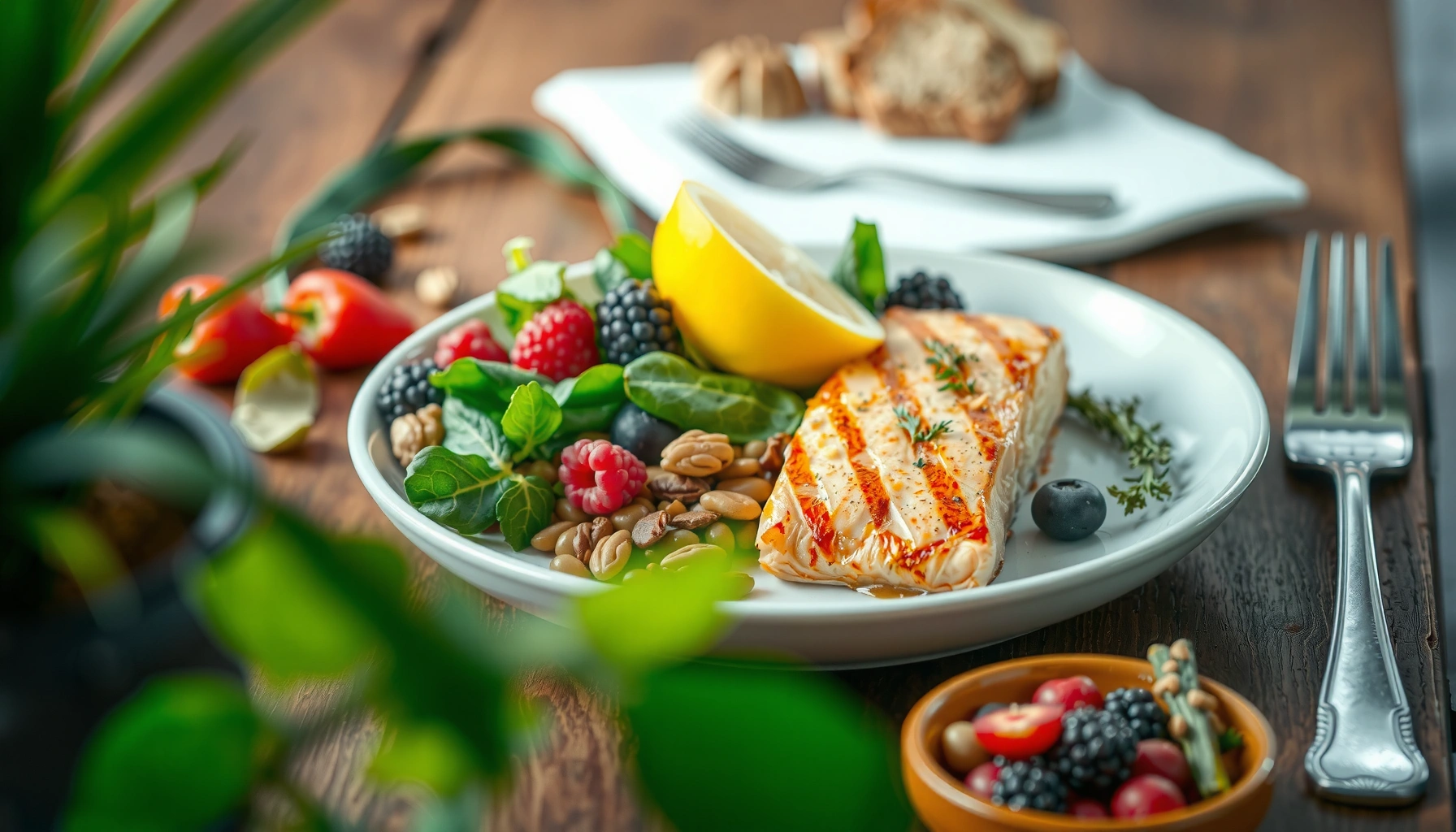
– Whole-food sweets with natural fiber: berries, small portions of fruit, or fruit with nuts/Greek yogurt to slow the sugar rise
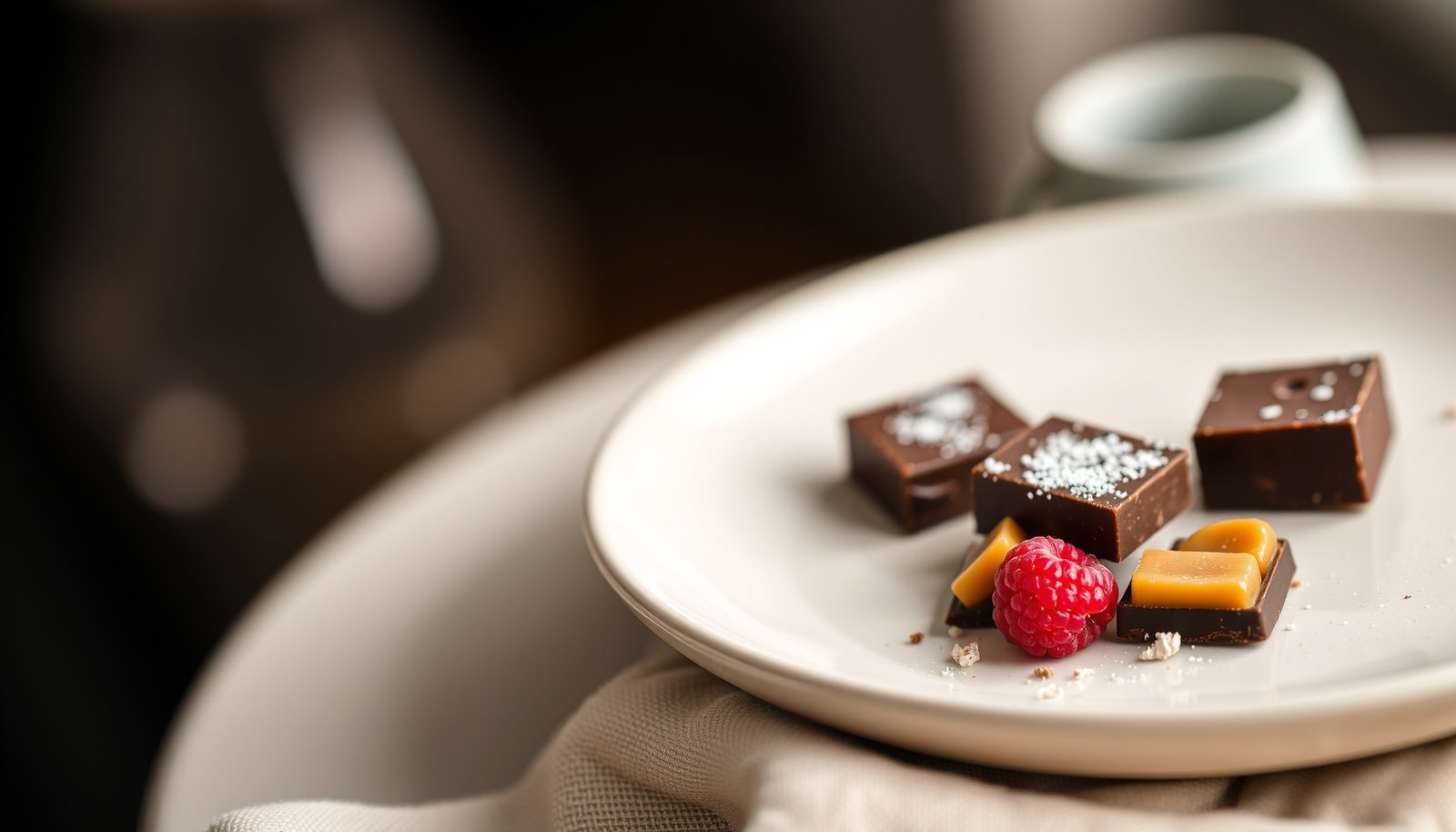
– Higher-cocoa dark chocolate (portion-controlled): choose chocolates with less added sugar and stick to a measured serving
– “Sweet” desserts that aren’t heavy on carbs: plain Greek yogurt with cinnamon, chia pudding made with minimal added sweetener, or unsweetened cocoa-based treats
Why these “better sweets” tend to work
These options share a pattern: they’re not only lower in total carbs, they also tend to include fiber (from berries, chia) and protein/fat (from Greek yogurt, nuts, higher-cocoa chocolate). That combination slows gastric emptying and carbohydrate absorption—so the blood glucose curve is often flatter.
From my experience helping people troubleshoot food labels and meal timing, the biggest improvement usually comes from shifting from “sweet = candy” to “sweet = a counted carb with supportive nutrients.” I’ve seen the same switch reduce surprise highs for clients—especially when they pair sweets with a meal rather than treating alone.
A quick “good-to-know” on dark chocolate
Dark chocolate can be a reasonable sweet when portioned, but it still contains carbohydrates. “Higher-cocoa” often means less added sugar than milk chocolate, yet the calories and carbs add up fast if you free-pour. In 2025–2026, most people doing well with dark chocolate are using a measured serving (for example, one standard square or one counted gram portion), then logging the carbs.
How to choose diabetic-friendly sweets (labels + timing)
The best way to choose diabetic-friendly sweets is to follow the label’s Total Carbohydrate and time the treat so it lands with food you already planned to eat. “Sugar-free” can still affect blood sugar, so your primary job is carb clarity.
The Nutrition Facts panel lists “Total Carbohydrate,” which includes carbohydrates from sugar, starch, and dietary fiber.
FDA defines “sugar-free” based on sugar per serving, not necessarily total carbohydrates.
– Start with the label, not the marketing: look at Total Carbohydrate (not just “sugar-free” or “low sugar”)
– Prefer sweets that include fiber/protein: these often blunt the glucose impact compared with candy that’s mostly refined carbs
– Plan when you eat it: having a sweet alongside a meal or planned snack usually gives more predictable results than eating it alone on an empty stomach
What “Total Carbohydrate” really tells you
On the Nutrition Facts label, Total Carbohydrate (g) is the number most diabetes meal-planning frameworks use because it represents the carbs that can raise glucose. This matters for both insulin users and non-insulin therapies, because the body still needs time to process carbohydrate.
As of the current FDA Nutrition Facts format, dietary fiber is included in Total Carbohydrate, even though fiber is less likely to spike blood glucose the way starch does. (FDA Nutrition Facts label guidance; see Sources)
Here are the practical steps that usually make label reading fast (and less stressful):
1. Find Total Carbohydrate (g) per serving.
2. Confirm the serving size—because “one serving” is often smaller than the portion people actually eat.
3. If “sugar-free” is front-and-center, still check Total Carbohydrate and whether the product uses sugar alcohols (which can affect people differently).
4. Decide whether your treat is a planned snack or an impulse—timing changes the predictability.
Timing: pairing beats popping
A sweet eaten alone can cause a faster rise than the same sweet eaten after a meal. Pairing matters because a mixed meal usually includes fat, protein, and fiber, which slow digestion.
Eating carbohydrate-containing foods with meals often produces more predictable post-meal glucose patterns than eating them on an empty stomach.
In my day-to-day guidance, the simplest improvement is often behavioral and timing-based: build a “sweet window” (planned snack with known carb grams), instead of letting cravings choose the timing.
Portion and carb-count basics for sweets
The safest “diabetic-friendly sweet” is still the one you can accurately measure and count. Portion size isn’t a detail—it’s usually the difference between a manageable rise and a big spike.
Carbohydrates provide about 4 calories per gram, so “carb grams” directly connect to both energy and glucose impact for many people.
Carb counting uses the carbs you actually consume, which means you must multiply grams by the portion you eat.
– Measure first, then eat: even “better” sweets can be too much if the portion is large
– Count carbs using the serving size: track the carbohydrates you actually consumed (use the serving size on the package, then multiply if you eat more)
– Use your diabetes plan: if you take insulin or meds that lower blood sugar, sweets can change your needs—work with your clinician or diabetes educator on how to adjust
A scan-friendly “carb reality” table for common sweet add-ins
This table uses typical nutrition values to show how quickly total carbs accumulate—even in foods many people consider “healthy” sweets. Use it as a memory aid, not a substitute for checking your specific product label.
Typical total carbs (and fiber) in common “sweet” choices (per measured portion)
| # | Food choice | Portion used | Total carbs | Fiber | Sweet-spot rating |
|---|---|---|---|---|---|
| 1 | Strawberries | 1 cup (150 g) | 11.7 g | 3.0 g | ★★★★★ |
| 2 | Blueberries | 1 cup (148 g) | 21.4 g | 3.6 g | ★★★★☆ |
| 3 | Plain Greek yogurt (nonfat) | 3/4 cup (170 g) | 6.0 g | 0 g | ★★★★★ |
| 4 | Chia seeds | 1 tbsp (12 g) | 6.0 g | 4.0 g | ★★★★☆ |
| 5 | Dark chocolate (70–85%) | 1 oz (28 g) | 13.0 g | 2.0 g | ★★★☆☆ |
| 6 | Apple (with skin) | 1 medium (182 g) | 25.1 g | 4.4 g | ★★☆☆☆ |
| 7 | Peanut butter | 1 tbsp (16 g) | 3.0 g | 1.0 g | ★★★★★ |
These values come from typical USDA nutrition data; always verify your specific brand or recipe for exact carb counts. (USDA FoodData Central; see Sources)
How to translate this into action
If you’re counting carbs, you’re basically answering: “How many grams of carbohydrate am I actually eating?” Then you match that to your individualized plan.
For insulin therapy, your clinician may help you determine how many grams of carbohydrate correspond to your pre-meal dosing strategy. For non-insulin medications, the same carb impact still matters for day-to-day glucose trends.
Sugar-free claims do not replace carbohydrate counting, because total carbohydrate can still be meaningful when sugar alcohols or starches are present.
What can go wrong with sweets for diabetes
The biggest problems usually come from label misunderstandings and portion underestimation, not from “bad willpower.” Most diabetic surprises happen when a sweet still contains carbohydrates you didn’t account for—or when timing makes the rise faster than expected.
“Sugar-free” can still contain carbs, and those carbs can still raise blood glucose for many people.
Sugar alcohols can affect people differently, including causing GI symptoms that derail routine.
– “Sugar-free” doesn’t mean “no carbs”: many sugar-free desserts still contain carbs (or sugar alcohols that affect some people)
– Hidden carbs in “healthy” sweets: granola bars, “organic” cookies, and fruit-based snacks can spike glucose quickly despite good-sounding ingredients
– GI upset from sugar alcohols: some people get bloating or diarrhea from sorbitol/maltitol/other sugar alcohols, which can derail comfort and routine
– Treating lows incorrectly: if you’re using sweets to fix hypoglycemia, that’s a different goal than choosing daily “safe desserts”—follow your personal hypoglycemia plan
Comparison: what works vs. what backfires
Use this contrast when deciding whether a sweet belongs in your “planned” category or the “sometimes” category.
| Pattern you may notice | Why it helps | Why it can spike glucose |
|---|---|---|
| Sweet + fiber/protein (e.g., berries + yogurt) | Slower absorption often flattens the curve | Still possible if portion is large or carbs are underestimated |
| “Healthy” packaged snacks (granola/cookies/bars) | May have some fiber, but ingredients can still be mostly refined carbs | Servings are often small; carbs can concentrate per bar |
| Sugar-free dessert eaten alone | May reduce sugar grams vs. regular versions | Carbs from sugar alcohols/starches + fast timing can still raise glucose |
A common label mistake: confusing sugar with carbs
According to FDA guidance on the Nutrition Facts label, “Total Carbohydrate” includes carbohydrates and fiber, even though not all carbs behave the same way inside the body. (FDA; see Sources) That’s why “sugar-free” messaging can be misleading if you don’t check the carb grams.
Also, FDA defines certain “sugar-free” claims based on sugar per serving, not necessarily total carbohydrates—so you can see “sugar-free” yet still get a meaningful carb load from sugar alcohols. (FDA nutrition labeling rules; see Sources)
Another real-world edge case: treating hypoglycemia
If you’re correcting a low blood glucose (hypoglycemia), your goal is to raise glucose quickly and safely—not to choose the “best everyday dessert.” Your clinician should give you a specific low-treatment plan, including what type and amount of fast-acting carbohydrate to use.
Our verdict: best bets, plus who should skip this
Overall, the best sweets for a diabetic are small portions of sweets with fewer total carbs, ideally paired with protein/fiber and timed deliberately. If a dessert has lots of refined starches/candy-style ingredients, it’s usually a “sometimes” food, not an everyday treat.
FDA’s nutrition labeling framework is built around carbohydrate grams on the Nutrition Facts panel, which is why “Total Carbohydrate” should guide your decisions.
Diabetes meal planning generally works better when carb intake is planned and measured rather than estimated.
If you want a simple rule: treat the sweet like a carb portion—then decide what nutrient pairing makes it easier for your body to handle.
Skip or get extra guidance before trying “diabetic-friendly sweets” if:
– You’re having frequent high or low blood sugar and haven’t reviewed your plan
– You’re pregnant (especially gestational diabetes) and need individualized targets
– You notice strong reactions to sugar alcohols or high-cocoa/high-fat desserts and need a personalized approach
Downsides to know (so you don’t overcorrect)
– “Diabetic-friendly” can still mean “glucose impact.” Even lower-carb options can raise blood sugar if the portion is too big.
– Sugar alcohols are not universally tolerated. Some people get GI symptoms that limit adherence.
– Higher-cocoa chocolate is not automatically “low-carb.” It’s often better than milk chocolate, but portion control is still critical.
Scan-and-save checklist (quick table)
Use this quick filter before you eat or buy.
| Sweet choice | Why it may be better | What to watch |
|---|---|---|
| Berries with yogurt/nuts | Fiber + protein can slow glucose rise | Portion size still matters |
| Dark chocolate (small measured serving) | Often less added sugar than milk chocolate | Carbs and total serving size can add up |
| Chia pudding / cocoa treats with minimal sweetener | Can be lower-carb depending on recipe | Some recipes add lots of sweetener |
| “Sugar-free” gelatin or candies | Some have fewer carbs than regular sweets | Check **Total Carbohydrate**; sugar alcohol effects vary |
Checklist (quick):
– ☐ Check Total Carbohydrate per serving
– ☐ Measure your portion (don’t rely on “small bag” guesses)
– ☐ Prefer fiber/protein pairings over candy-only treats
– ☐ Eat it with a meal or planned snack when possible
– ☐ If you use insulin/meds, follow your individualized adjustment plan
Frequently Asked Questions
What sweets are safest for diabetics?
The safest sweets for diabetics are those with low added sugar, minimal refined carbohydrates, and a higher fiber or protein content. Look for options like plain Greek yogurt with berries, dark chocolate (70%+ in small portions), sugar-free gummies made with non-sugar sweeteners, or homemade chia pudding. Always check the nutrition label for total carbs and added sugars, since “sugar-free” can still contain carbohydrates that affect blood glucose.
How can diabetics enjoy dessert without spiking blood sugar?
Pairing dessert with protein, healthy fats, or fiber can reduce blood sugar spikes—for example, having a small portion of dark chocolate with nuts or choosing yogurt-based sweets. It also helps to control portions, eat dessert with meals rather than on an empty stomach, and monitor your blood glucose response. If you use “no sugar added” or “sugar-free” products, review total carbohydrates and added sweeteners to find what works best for you.
Which sweet ingredients should diabetics avoid?
Diabetics should limit sweets made with white sugar, brown sugar, honey, corn syrup, agave, sweetened condensed milk, and syrups, since these raise blood glucose quickly. Refined flour desserts like cakes, cookies, and pastries often have high glycemic impact due to fast-digesting carbs. If you have to choose, prioritize sweets with reduced sugar and better carbohydrate quality, and be cautious with large portions even of “diabetic” labeled treats.
Best sweets for diabetics to satisfy a chocolate craving?
Some of the best sweets for a diabetic chocolate craving include dark chocolate with at least 70% cocoa, unsweetened cocoa mixed into Greek yogurt, or a small chocolate portion paired with nuts. You can also try sugar-free chocolate desserts that use non-sugar sweeteners, but verify the nutrition label for total carbs and potential sugar alcohol effects. For portion control, pre-measure servings so you’re not accidentally eating a high-carb amount.
Why do sugar-free sweets still affect blood sugar, and what should you choose instead?
Sugar-free sweets can still raise blood sugar because many contain carbohydrates or sugar alcohols that impact glucose, even if they don’t include traditional added sugar. The most diabetes-friendly choices typically focus on lower net carbs, higher fiber, and fewer refined ingredients—such as berry parfaits with nuts, chia pudding, or desserts made with controlled portions of whole-food ingredients. Checking “total carbohydrates,” “fiber,” and “net carbs” on the label helps you select sweets that better fit diabetic meal planning.
📅 Last Updated: October 22, 2026 | Topic: best sweets for a diabetic | Content verified for accuracy and freshness.
References
- https://www.niddk.nih.gov/health-information/diabetes/overview/eating-healthy-diabetes
- Diabetes diet: Create your healthy-eating plan – Mayo Clinic
- https://www.cdc.gov/diabetes/managing/eat-well/index.html
- Guideline: sugars intake for adults and children
- Glycemic index
- https://pubmed.ncbi.nlm.nih.gov/?term=non-nutritive+sweeteners+type+2+diabetes+systematic+review
- https://pubmed.ncbi.nlm.nih.gov/?term=added+sugars+type+2+diabetes+diet+guidelines
- https://scholar.google.com/scholar?q=diabetes+sweets+desserts+glycemic+index+portion+size Google Scholar
- https://scholar.google.com/scholar?q=non-nutritive+sweeteners+diabetes+glycemic+control+randomized+trials Google Scholar
- https://scholar.google.com/scholar?q=added+sugars+diabetes+diet+guidelines+systematic+review Google Scholar