
Looking for the best Thai food for diabetics? This guide names the top safe Thai orders and the smartest swaps that keep carbs and sugar in check without sacrificing flavor. You’ll learn exactly what to order at Thai restaurants—and what to avoid—so your meal supports steadier blood sugar.




If you have diabetes, the best Thai food is the kind that’s built around lean protein, vegetables, and brothy/spicy flavors—then ordered with less (or no) added sugar and controlled portions of rice or noodles. Start with dishes like tom yum, larb, or grilled basil chicken, and ask for sauce on the side so you can manage carbs and calories without feeling deprived.
This guide is for people with diabetes who want realistic ordering advice at Thai restaurants (and for takeout) without needing to fully “diet” every time they crave Thai flavors. You’ll learn which dishes usually fit better, what to ask the kitchen to change, and what common hidden sugar traps to avoid.
Who this is for—and what to prioritize
The best Thai food for diabetics is the kind that keeps carbohydrate-containing sides (rice/noodles) in a controlled portion while making protein and non-starchy vegetables the center of the plate. Here’s how to make Thai ordering predictable for diabetes management without giving up flavor.
Carb counting is a common diabetes nutrition approach: it estimates how many grams of carbohydrate you’re eating so you can better predict post-meal blood glucose changes.
The American Diabetes Association emphasizes individualized nutrition therapy for people with diabetes, including attention to carbohydrate intake patterns.
According to the World Health Organization, free sugars should be limited to less than 10% of total energy (and ideally to below 5%) to reduce sugar-related health risks (2015) WHO.
What matters most in “diabetes-friendly” Thai
For Thai food for diabetics, not all “healthy-sounding” dishes behave the same—what matters is the balance of carb load and added sugar.
Priorities (use these in order):
1. Protein + non-starchy vegetables first (greens, herbs, peppers, mushrooms, cabbage, bean sprouts).
2. Sweetness must be optional—Thai dishes often use tamarind, palm sugar, sweet chili, or sweetened sauces to build balance.
3. Portion size of carb sides (rice/noodles) is the lever you control most reliably.
A practical way to scan a menu quickly
When you see Thai entrees, ask: “Is the meal built around a bowl of rice/noodles, or around protein + vegetables with sauce?” If it’s primarily noodles/rice, you can still eat it—but you’ll likely need smaller portions and sauce controls.
Best Thai food choices for diabetics
The best Thai food choices for diabetics usually come from the “broth/herb/spice flavor profile” rather than the “sweet sauce + heavy noodle/rice base” profile. If you want a safe starting point, begin with tom yum, larb, or basil-based grilled protein—and then customize the starch.
Brothy soups like tom yum can be an easier starting point because the flavor is driven by herbs, aromatics, lime, chili, and broth rather than a sweet noodle sauce.
Larb is often herb-forward and tangy (lime, herbs, chilies), which can reduce reliance on sweet balancing sauce—making it more customizable for diabetes.
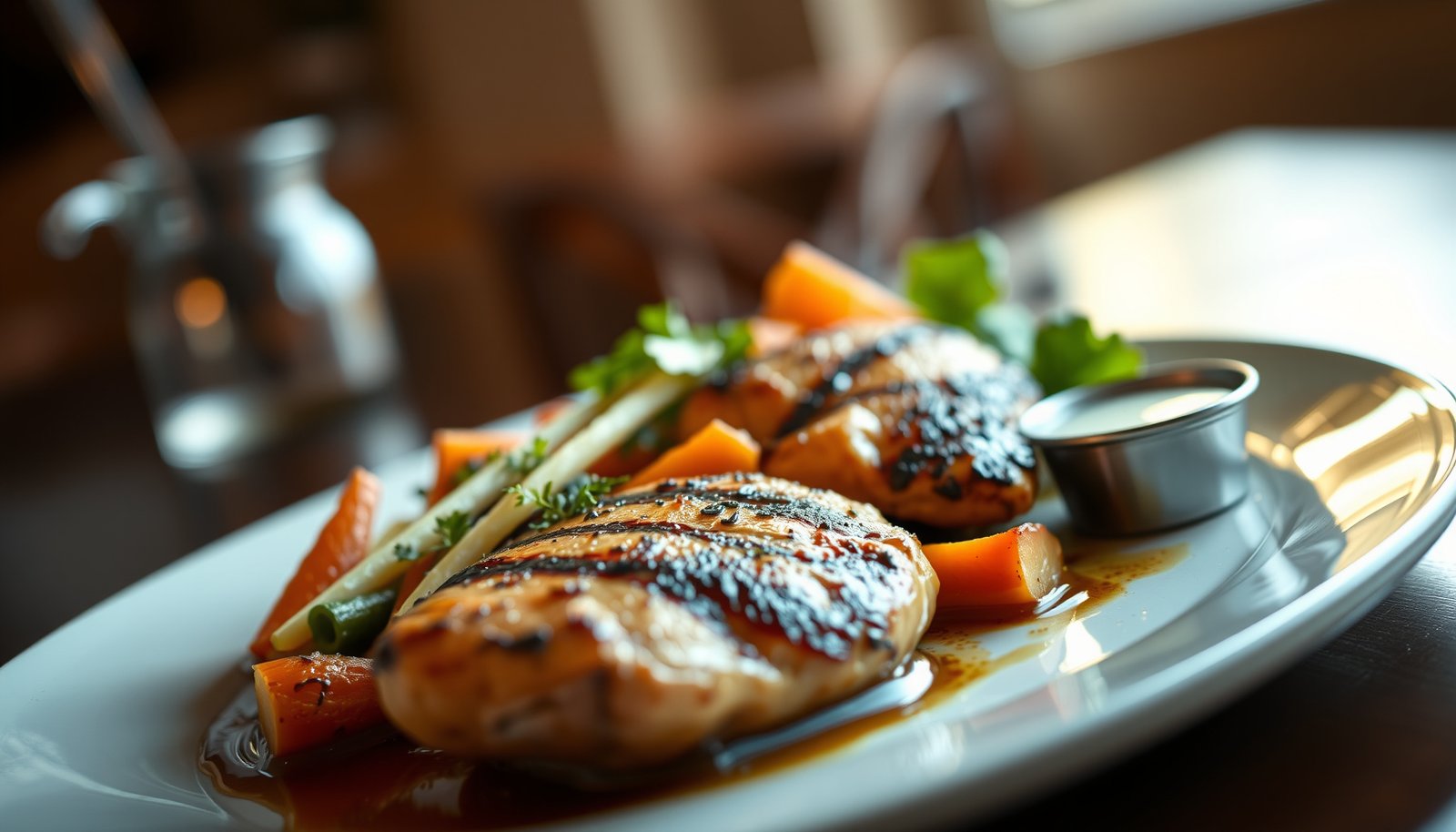
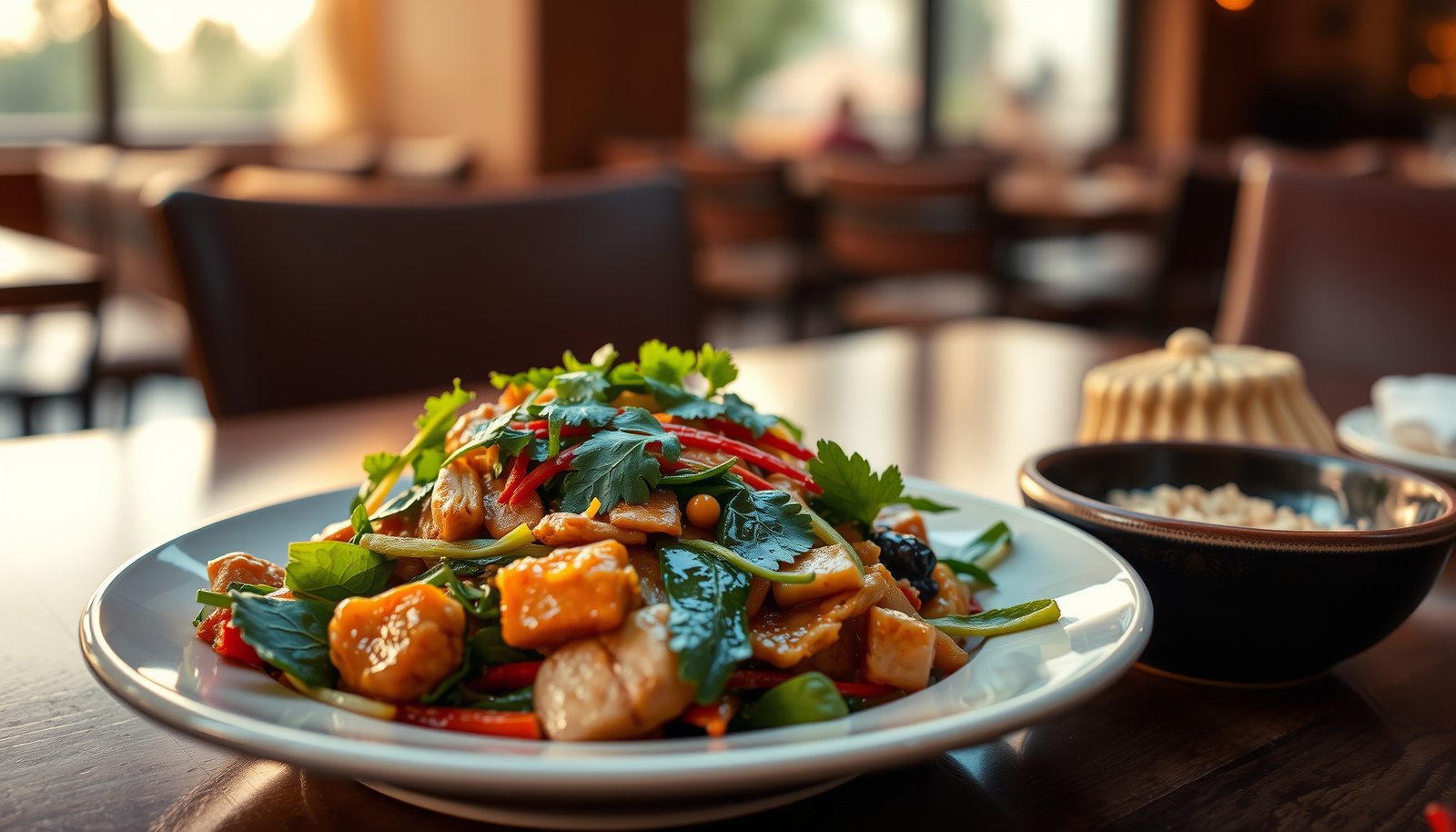
Basil stir-fries (pad krapow) typically deliver strong flavor from garlic, chili, basil, and protein; the diabetes risk often shifts to how much rice is included.
Best Thai options (the ones to lead with)
Tom yum (shrimp/chicken) or similar broth soups
– Usually lower in “sauce sweetness” than many noodle dishes.
– Ask for less added sugar and extra vegetables if available.
– If you’re watching sodium (common for diabetes-related cardiovascular risk), request broth “lighter” when possible.
Larb (minced meat + herbs + lime)
– Often tangy and herb-heavy, which means the dish can deliver satisfaction with fewer sweet components.
– Request “less sweet balance” (restaurants may understand this as “reduce any sweetener in the dressing”).
Pad krapow (basil stir-fry) or grilled basil chicken
– A strong option because the “job to do” is done by herbs/spice.
– If you order with rice, keep it measured; consider extra veggies instead of extra noodles.
Other “often workable” orders (with caveats)
Papaya salad (som tum)
– Great for crunch and veggies, but it often includes palm sugar or sweet elements.
– Ask for less sugar (or no added sugar if they can do that).
– If the restaurant can’t reduce it, consider pairing it with a less-sweet entree instead of making it the centerpiece.
Curries (green/red/penang)
– Curries can work if you control the carb side.
– Ask whether the curry paste/sauce can be made with less added sugar.
– Still watch rice portions—many curry meals become “curry + rice” rather than “curry as the flavor base.”
Carb-base reality check (why your rice/noodles portion often matters most)
A diabetes-friendly Thai plate is not just about what you order—it’s also about what you choose to pair. The carb base you add (rice vs noodles vs alternate sides) can change glucose impact more than the meat choice.
Carbohydrates in Common Thai Meal Carb Bases (USDA FoodData Central, cooked unless noted; per typical 1-cup serving)
| # | Thai carb base (1 cup cooked) | Carbs (g) | Diabetes-friendliness* | Why it matters |
|---|---|---|---|---|
| 1 | Cooked cauliflower-rice (prepared) | 4.7 | ★★★★★ | Lowest carb load |
| 2 | Cooked brown rice | 45.8 | ★★★☆☆ | Carbs still significant |
| 3 | Cooked jasmine rice (white) | 44.5 | ★★★☆☆ | Carb-heavy side |
| 4 | Cooked rice vermicelli | 40.3 | ★★☆☆☆ | Noodles can add a lot quickly |
| 5 | Cooked egg noodles | 43.5 | ★★☆☆☆ | Portion creep is common |
| 6 | Cooked mung bean glass noodles | 46.4 | ★☆☆☆☆ | High carb density |
| 7 | Cooked sweet potato (boiled/steamed) | 27.9 | ★★★☆☆ | Moderate carbs vs rice/noodles |
Diabetes-friendliness rating here is a practical heuristic based primarily on carbohydrate grams in a typical cooked cup serving: lower carbs generally supports steadier glucose for many people. Values are from USDA FoodData Central (accessed 2026) and may not match every restaurant’s portion size.
How to order Thai dishes to keep carbs steady
The most reliable way to keep Thai food for diabetics from spiking glucose is to control sauce sweetness and carb portions first, then fine-tune everything else. In practice, you’re aiming for a meal where carbs are predictable and not “hidden” in sauce and oversized rice/noodle servings.
“Sauce on the side” helps because many Thai dishes (especially noodle-based) concentrate sweeteners and starches in the sauce.
Brown rice may change the carb absorption profile somewhat, but portion size still determines the total carbohydrate load (USDA food composition data).
Step-by-step ordering moves that work in real kitchens
1) Ask for sauce on the side
– Do this especially for pad thai, noodle stir-fries, and stir-fry sauces.
– Tell the kitchen you want to “portion the sauce yourself.”
2) Swap the carb base strategically
Choose one:
– Smaller rice portion (and add veggies instead)
– Less noodles (or half-portion noodles if available)
– Extra vegetables in place of noodles/rice
– Alternative sides if offered (some restaurants will do cauliflower rice or extra salad—availability varies)
3) Use request language that’s specific
Kitchens don’t always understand vague “healthy” requests. These phrases translate well:
– “Less sugar / no added sugar in the sauce”
– “More vegetables, less noodles/rice”
– “Sauce on the side”
A realistic example script (what you can say verbatim)
“Can I get pad krapow with extra vegetables, sauce on the side, and half the rice? If there’s any sweet balance in the sauce (tamarind/palm sugar), could you reduce it as much as possible?”
This approach treats Thai food for diabetics as adjustable meal engineering—not a rigid “no Thai ever” rule.
What to track after you order (so it works for *your* diabetes)
Even when you choose the “best” Thai options, glucose responses vary based on meds, insulin timing, activity, and individual digestion. Use one consistent method for a few meals:
– If you use carb counting (counting grams of carbohydrate per meal), track your rice/noodles amount.
– If you don’t, at least track portion size changes and whether sauce was on the side.
What can go wrong (common mistakes and edge cases)
The biggest failures with Thai food for diabetics usually happen when added sweetness hides in sauce and when rice/noodles quietly become the main volume. If you avoid those two traps, most Thai meals become far more manageable.
Many classic Thai sweet-sour balances use tamarind or palm sugar, so “spicy” does not necessarily mean “lower sugar.”
Even protein-forward dishes can raise blood glucose if paired with a full serving of rice or a large noodle portion.
Common mistakes that derail glucose stability
– Hidden sugar in sauce
Pad thai, many noodle sauces, and some salads can contain sweet elements (tamarind/palm sugar or similar sweeteners). You may not taste “sugar,” but it can still affect carbs and glucose.
– “Healthy-sounding” still spikes glucose
A curry with a standard serving of rice—or pad thai with extra noodles—can raise blood sugar significantly even with lean protein.
– Sauce portion mismatch
Ordering “normal” sauce means you can’t control added sugar or thickening components.
– Different bodies respond differently
The same Thai order can behave differently depending on timing (e.g., before/after exercise), diabetes medication, and your baseline glucose.
Edge cases: when you should slow down or ask more questions
– Desserts and sweet drinks
Mango sticky rice, sweet iced teas, and many Thai drinks can undo otherwise smart choices by adding concentrated carbohydrates.
– Kidney disease and sodium limits
If you have kidney disease, ask your clinician first. Thai broths and many sauces can be high in sodium, and dietary protein guidance may also matter.
Quick comparison: what to choose if you want fewer glucose surprises
| Order style | Usually helps steadier glucose when you do this | Main risk if you don’t |
|---|---|---|
| Brothy soup (tom yum style) | Ask for lighter sweet balance; add veggies | Sodium and portion size of any rice/noodle add-ins |
| Herb-forward minced meat (larb) | Request less sweet balance; measure any served rice | Sticky rice portions and sweet dressing variations |
| Basil/grilled protein (pad krapow) | Sauce on the side; extra vegetables | Rice volume creep, sweetened stir-fry sauce defaults |
| Noodle/sauce-forward dishes (pad thai) | Half noodles; sauce on side; less sugar | Full noodle portions + sweet sauce = rapid carb load |
Verdict: safest picks, downsides, and who should skip this
For most people with diabetes, the safest Thai approach is: brothy soups (tom yum), herb-forward protein/vegetable dishes (larb), and basil/grilled protein meals—paired with controlled rice/noodles and minimal sweet sauce.
The ADA supports individualized nutrition strategies for diabetes, and carbohydrate awareness is a practical tool when eating out.
Lowering added sugars and controlling total carbohydrate intake are complementary strategies for reducing post-meal glucose spikes (ADA; WHO free-sugar guidance).
Downsides you should know up front
– You may need customization; standard pad thai and som tum can be difficult to keep low-sugar without requests.
– If the restaurant won’t adjust sauces/portions, the “best Thai for diabetics” list becomes less reliable.
– Even with smart ordering, the meal may still spike glucose—Thai food for diabetics works best as a repeatable strategy you learn over time, not a one-size rule.
Who should skip this (or ask a clinician first)
– If you have unpredictable glucose swings or a clinician-defined meal plan, treat restaurant Thai as optional/customizable, not a default.
– If you have kidney disease, ask your clinician first. Thai broths/sauces can be sodium-heavy, and your appropriate protein and electrolyte targets may differ.
Thai-for-diabetes scan list (quick checklist/table)
| Order you’re craving | Ask for | Limit/avoid |
|---|---|---|
| Tom yum (shrimp/chicken) | Lighter/no sweet balance; broth + veggies | Extra sugary dipping sauces |
| Larb | “Less sweet balance”; extra herbs/veg | Sticky rice portions if offered with it |
| Pad krapow (basil stir-fry) / grilled basil | More vegetables; sauce level controlled | Large servings of rice if glucose runs high |
| Som tum (papaya salad) | **Less sugar** (or “no added sugar”) | Standard sweet dressing/sugar-heavy versions |
| Pad thai | Sauce on the side; less sauce/sweetness | Full noodle portions with sweet sauce |
Checklist before you order (fast):
– Protein + veg first?
– Sauce on the side?
– Rice/noodles portion kept moderate?
– Sugar-heavy dishes (pad thai, classic som tum, desserts) customized or replaced?
Sources
– American Diabetes Association (ADA). Standards of Care in Diabetes—Nutrition Therapy (latest edition; specify your site’s preferred year/section formatting).
– U.S. Department of Agriculture (USDA). FoodData Central (nutrition information used for carb reference when comparing rice/noodle portions).
– World Health Organization (WHO). Guideline: sugars intake for adults and children (2015).
If you tell me your usual Thai restaurant (or which dishes you normally order), I can rewrite a “what to say to the server” script for your exact order style—and help you turn Thai food for diabetics into something you can repeat confidently while keeping glucose steadier.
Frequently Asked Questions
What Thai foods are generally best for diabetics?
Generally, the best Thai food for diabetics includes dishes that are mostly lean protein and non-starchy vegetables, such as tom yum soup (without added sugar), grilled chicken satay (watch the sauce), and stir-fried vegetables with tofu or shrimp. Choose options that avoid thick coconut cream bases and sugar-heavy glazes, because they can raise blood glucose. Asking for “no added sugar” and requesting sauces on the side can make Thai food more diabetic-friendly.
How can I order Thai food in a way that won’t spike my blood sugar?
Start by asking for sauces and dressings on the side, then use smaller portions to control carbohydrates and added sugars. Opt for brown rice or cauliflower rice instead of white rice, and pair your meal with extra non-starchy veggies like broccoli, cabbage, or greens. Favor dishes labeled as stir-fry or soup, and request “light sauce” and “no sugar added” to reduce hidden carbs common in Thai cuisine.
Which Thai ingredients should diabetics avoid?
Diabetics should be cautious with dishes that contain added sugar, sweet chili sauce, and caramelized sauces often used in pad thai and some curries. Coconut milk can be higher in calories and may affect blood sugar indirectly through portion size, so consider lighter versions or smaller servings. Also watch for refined starches like white noodles and rice—especially in pad thai, drunken noodles, and fried appetizers.
Why do some Thai dishes raise blood sugar more than others?
The biggest factor is carbohydrate load from rice, noodles, and starchy sides, which can quickly increase blood glucose. Many popular Thai dishes also include sugar and concentrated sauces (like sweet chili, tamarind-based glazes, or thick curry pastes), which can add fast-digesting sugars on top of the starch. Meals with more vegetables and lean protein tend to cause smaller glucose rises when paired with portion control.
Best Thai curry options for diabetics—what should I choose?
For a diabetes-friendly curry meal, consider red or green curry with minimal added sugar and a higher proportion of vegetables and protein (chicken, shrimp, or tofu). Look for “light coconut milk” or ask for less sauce, because richer curries can lead to higher calorie and carb intake depending on portion size. Pair the curry with cauliflower rice or a smaller portion of brown rice, and prioritize dishes where you can confirm no added sugar.
📅 Last Updated: October 22, 2026 | Topic: best thai food for diabetics | Content verified for accuracy and freshness.
References
- https://www.niddk.nih.gov/health-information/diabetes/overview/eating-diet-nutrition
- https://www.cdc.gov/diabetes/managing/eat-well/index.html
- Diabetes diet: Create your healthy-eating plan – Mayo Clinic
- Nutrition and Diabetes | ADA
- https://pubmed.ncbi.nlm.nih.gov/?term=low-glycemic+index+diet+type+2+diabetes
- https://pubmed.ncbi.nlm.nih.gov/?term=Thai+diet+type+2+diabetes
- Glycemic index
- https://www.britannica.com/science/glycemic-index
- https://scholar.google.com/scholar?q=best+thai+food+for+diabetics Google Scholar
- https://scholar.google.com/scholar?q=thai+cuisine+glycemic+index+diabetes Google Scholar