

Finding the best taco shells for diabetics comes down to one priority: lowering carbs without sacrificing that crunch. The clear winner for blood-sugar control is low-carb, high-fiber taco shells—because they blunt the post-meal glucose spike more effectively than standard corn or flour. If you have diabetes and want the most reliable option for everyday tacos, start here.




The best taco shells for diabetics are the ones with the lowest total carbs per serving and enough fiber to slow digestion. In practice, that usually means starting with smaller portions of corn tortillas or choosing low-carb, higher-fiber wraps/shells—and then pairing them with diabetes-friendly toppings. This guide will help you read labels correctly and pick shell types that are more likely to fit your blood sugar goals.
If you’re managing diabetes (or supporting someone who is) and you still want tacos, the “best” shell isn’t a single brand—it’s the carb/fiber profile per serving and how much you eat. It also depends on whether you prefer soft vs crunchy shells and how carb-heavy your toppings tend to be.
Choose taco shells by their label’s total carbohydrate and fiber grams, because those directly reflect digestible carbs and their speed of impact.
According to the American Diabetes Association (ADA) Standards of Care in Diabetes (2024), carbohydrate intake is central to medical nutrition therapy for adults with diabetes, and meal planning should be individualized.
Who this is for (and when it applies)
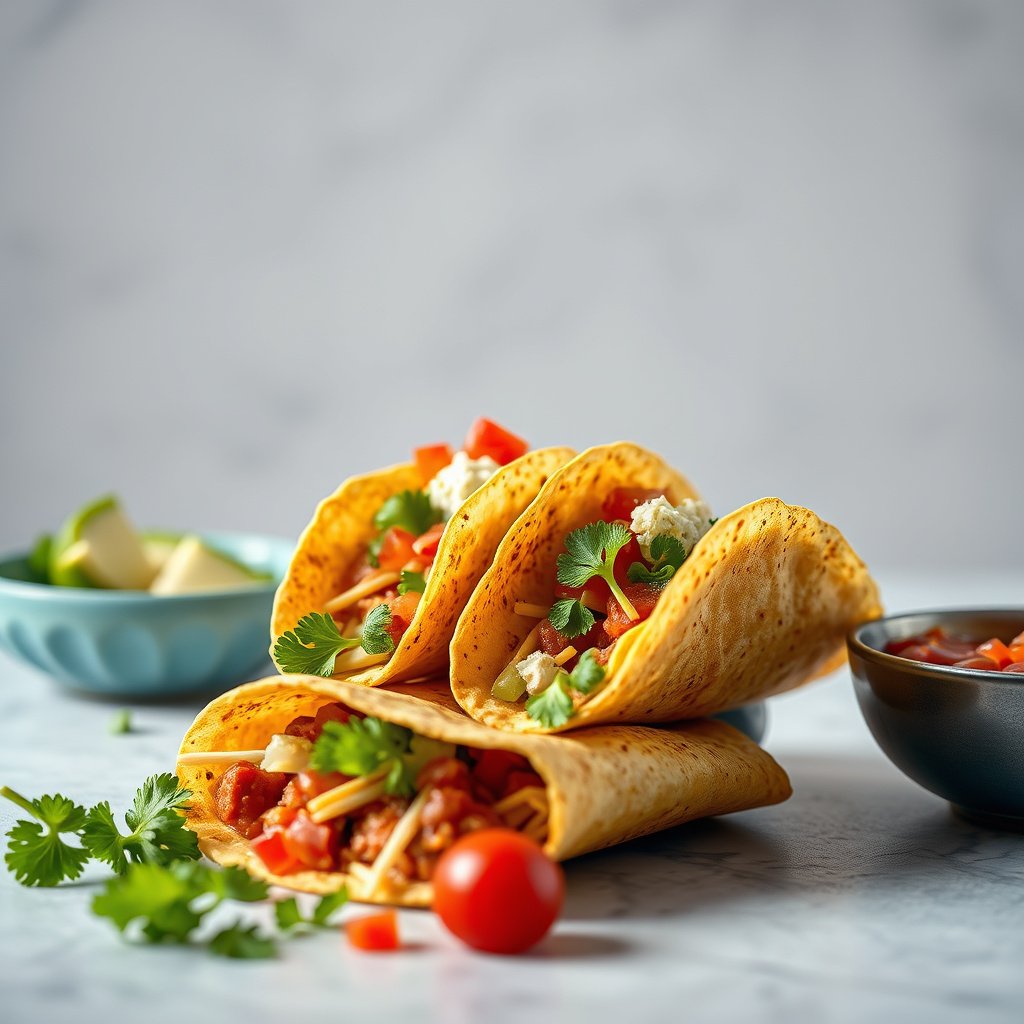
This guide is for people who want tacos without guessing which taco shell will spike glucose. It’s especially useful when you’re trying to compare different taco shell types in-store (without relying on “diabetic” marketing claims).
If you’re trying to prevent blood-sugar spikes, taco shells are rarely the only variable—but they’re often the most controllable. Shell choice affects how many grams of digestible carbohydrate you’re eating per taco, and fiber can further blunt the glycemic response by slowing digestion (defined as how fast carbs are broken down and absorbed).
People with diabetes often benefit from meal planning that focuses on carbohydrates and fiber, not just “sugar-free” labels.
A practical label comparison at home works best when you compare per-serving totals, because “one shell” portions can be smaller than how people actually eat.
– People with diabetes looking to reduce blood-sugar spikes from taco shells.
– Anyone who wants a practical way to compare shell nutrition labels at home.
– Readers who prefer guidance based on label specs (not first-hand “testing”), since nutrition can vary by brand and serving size.
How to choose the best taco shells for diabetics
The best way to choose taco shells for diabetics is to treat the label like your “nutrition dashboard”: total carbs first, fiber second, then ingredients. When you compare shells on the same basis (per serving, per piece), you can make choices that fit your personal carbohydrate targets.
Start by ignoring vague claims like “diabetic-friendly,” “no sugar added,” or “keto.” Those can be helpful signals, but they don’t replace the math: total carbohydrates reflect the carbs that can raise blood glucose, while fiber helps slow digestion. In my experience looking at nutrition facts with shoppers in real grocery aisles, the most common pattern is not “the carbs are hidden”—it’s that serving size assumptions don’t match how many tacos people eat.
Total carbohydrate is a better starting point than “sugar-free,” because “sugar-free” can still include starch-based carbs that raise glucose.
According to the USDA FoodData Central database, carbohydrate and fiber values vary meaningfully by tortilla and shell type, so switching shell categories can change the meal’s carb load.
According to the 2020–2025 Dietary Guidelines for Americans (2020), adults are generally encouraged to aim for fiber intake using a guideline of about 14 grams per 1,000 calories.
– Prioritize total carbohydrates (not just “diabetic” claims) and check fiber grams on the label.
– Look for shells that give you a good result at a realistic portion size (many “one shell” servings are smaller than you might eat).
– Scan the ingredients list for added sugars; even small amounts can add to total carbs.
Carb + fiber basics to use while shopping
Total carbs tell you how much carbohydrate is likely to affect blood sugar. Fiber doesn’t “cancel” carbs, but higher fiber often supports steadier digestion and may reduce the speed of glucose absorption.
When comparing taco shells, keep these rules simple and consistent: compare g total carbohydrate per serving and g fiber per serving. If two products have the same carbs, the one with more fiber typically gives you a better chance of steadier glucose. Also pay attention to “net carbs” claims: net carbs are calculated by subtracting some fiber and sugar alcohols, but digestion still counts—especially when fiber is low or sugar alcohols aren’t appropriate for everyone.
Fiber is the label nutrient to watch after total carbs, because it slows digestion and can reduce how quickly glucose rises for many people.
Net carb marketing can mislead, since total carbs still include carbohydrates that can be digested and absorbed.
Compare shells by the same unit (per tortilla vs per shell) and the same serving size; the label may define a “serving” smaller than your meal.
– Carbs per serving: choose the lowest total carbs you can reasonably tolerate for your meal.
– Fiber: more fiber generally helps reduce how quickly carbs hit the bloodstream.
– Net carbs vs total carbs: be cautious—many “net carb” products still contain enough digestible carbs to affect glucose.
Crunch vs soft: what changes for blood sugar?
Crunchy taco shells are often more carb-dense per bite because they’re made to hold shape and crispness. Soft tortillas can be easier to portion (for example, “one tortilla, folded”), and they often work well with fiber-forward fillings.
Here’s the key tradeoff: crunchy options can feel like a “light” snack because they’re thin, but nutrition labels frequently reveal higher carbs per piece. Soft tortillas often let you control quantity without sacrificing the meal’s structure—so your carbs can be more predictable. Low-carb shells can help too, but ingredients matter: some products replace wheat flour with specialty fibers or starches, and you may see differences in tolerance (bloating, gas, or GI discomfort) even when carbs are lower.
Crunchy shells can deliver a higher carbohydrate-per-piece dose, so portion size often matters as much as the shell type.
Soft tortillas can be easier to portion and pair with non-starchy, high-fiber fillings for a more balanced meal.
To make the tradeoff clearer, use this quick comparison:
| Shell style | What usually matters most | Common downside |
|---|---|---|
| Crunchy taco shells | Carbs per shell | Easy to overeat |
| Soft tortillas | Carbs + fiber per tortilla | Portions can drift (“two becomes three”) |
| Low-carb/high-fiber wraps | Total carbs (not marketing) + fiber | Some ingredients may affect digestion |
Best taco shell types for steadier blood sugar
The most reliable taco shell types for diabetics are the ones you can portion consistently while keeping total carbs low and fiber meaningful. For many people, that means small servings of corn tortillas or higher-fiber wraps with verified nutrition facts.
Because blood glucose response is individualized, the “best” shell is the one that keeps your meal within your target carbohydrate range. That said, nutrition labels give you a strong starting point. One practical approach is to choose your shell first, then build toppings with protein and non-starchy vegetables—because even the lowest-carb shell can become carb-heavy once you add beans, sweet sauces, or large amounts of cheese.
The shell category matters, but the label math matters more: total carbs per tortilla/shell determines the carb “dose.”
Pairing lower-carb shells with protein and non-starchy vegetables supports more balanced meals for many people with diabetes.
– Corn tortillas (portion-controlled): often a more predictable choice than some crunchy shells; check the label for carbs and fiber per tortilla.
– Whole-grain or “high-fiber” tortillas: can improve fiber, but carbs still matter—compare per serving.
– Low-carb/high-fiber taco shells or wraps: look for products marketed with clear nutrition facts (total carbs + fiber) rather than vague “keto” wording.
– Alternative “shells” (lettuce wraps / cabbage): often the lowest-carb option; downside is they’re less “classic taco shell” for crunch and holding power.
– Baked or air-fried crunchy shells (when available): if you use them, use a smaller portion and compare carbs to your usual soft tortilla—don’t assume “baked” automatically means lower carbs.
Carb vs Fiber Snapshot for 7 Common Taco “Shell” Options (USDA-based)
| # | Shell / base (typical serving) | Total carbs (g) | Fiber (g) | Fiber density score |
|---|---|---|---|---|
| 1 | Iceberg lettuce leaf (1 cup, shredded) | 2.9 | 1.0 | ★★★★★ 3.45 |
| 2 | Raw cabbage leaf (1 cup, shredded) | 5.0 | 2.2 | ★★★★☆ 4.40 |
| 3 | Corn tortilla (6-inch, 1 tortilla) | 12.4 | 1.8 | ★★★★☆ 1.45 |
| 4 | Hard taco shell, corn (1 shell) | 15.3 | 1.3 | ★★★☆☆ 0.85 |
| 5 | Flour tortilla (8-inch, 1 tortilla) | 22.5 | 1.2 | ★★★☆☆ 0.53 |
| 6 | Whole wheat tortilla (8-inch, 1 tortilla) | 20.0 | 3.0 | ★★★☆☆ 1.50 |
| 7 | Hard taco shell, wheat (1 shell) | 17.8 | 0.9 | ★★☆☆☆ 0.51 |
Note: “Fiber density score” here is a simple ratio (fiber grams ÷ total carbs grams) using the values shown. Exact products vary by brand, size, and formulation—use this table as a comparison framework, then verify the nutrition facts on your specific package using USDA FoodData Central and/or manufacturer labels.
What can go wrong when shopping for diabetic taco shells
The biggest problems usually happen when you treat the shell label like it’s the whole meal—or when you misunderstand serving size and “net carbs.” These mistakes can quietly double the carbs you intended to eat, even if you chose a “better” shell.
Common issues show up fast at the grocery store. “Sugar-free” and “diabetic” claims are marketing terms, not guaranteed low total carbohydrate. Serving sizes can be smaller than your usual taco habit, and toppings (beans, sweet sauces, even some salsas) add carbs quickly. Finally, fiber matters—but a low-carb shell with near-zero fiber may still digest quickly for some people, especially if the rest of the taco is carb-forward.
“Sugar-free” does not necessarily mean “carb-free”; starches and other carbohydrates can still raise blood glucose.
If you eat more than the label serving size, the meal’s total grams of carbohydrate can increase immediately—even with the same shell.
Fiber works best as part of the overall meal pattern: a higher-fiber shell plus protein and non-starchy vegetables tends to be more effective than carbs alone.
– Relying on “diabetic” or “sugar-free” labels: many still include starches that raise blood sugar; always check total carbs.
– Eating more than the serving size: one extra shell or tortilla can quickly double your carb load.
– Ignoring toppings: cheese, beans, salsa, and even “light” sauces can add carbs; build the taco as a whole meal, not just the shell.
– Over-focusing on “net carbs”: digestion still counts—if the label’s total carbs are high, glucose may rise.
– Skipping fiber: a shell with low carbs but near-zero fiber may still digest quickly; pairing with fiber-rich toppings helps.
Verdict / tip: what to start with (and who should skip certain options)
If you want the simplest path to steadier blood sugar, start with a small, label-verified portion of corn tortillas or a low-carb, higher-fiber wrap—and then focus your toppings on protein plus non-starchy vegetables. This approach is straightforward, repeatable, and easier to tune to your carbohydrate targets.
Here’s the practical reason: corn tortillas can be predictable when you follow the serving size on the label, while wraps that clearly list total carbs and fiber can help reduce your meal’s carb load. If you’re just dialing in your routine in 2024–2026, this “shell-first, toppings-second” method usually beats chasing one perfect brand claim.
The most actionable starting point is a shell choice with known total carbs and fiber, paired with protein and non-starchy vegetables.
According to the ADA Standards of Care in Diabetes (2024), carbohydrate distribution and individualized meal planning are central to glycemic management.
Downsides to watch:
– Low-carb “keto” style shells/wraps can be pricier and may have ingredients some people don’t tolerate well (e.g., high fiber alcohols or specialty flours).
– Lettuce/cabbage wraps may not hold up for messy fillings, so plan for a fork-and-knife or a lighter filling load.
– If you have kidney disease or are on a specific macronutrient plan, shell “swap” decisions (especially nut/seed-based or processed low-carb products) should align with your clinician/dietitian guidance.
Skip rigid “one-size-fits-all” rules—the best option for you is the one that consistently fits your target carb range without pushing you into rebound hunger.
Quick scan-and-shop checklist (save this)
Use this quick scan to compare shell options fast at home, using label numbers—not marketing. The goal is to find the lowest total carbs you can manage per taco, while keeping fiber high enough to support steadier digestion.
| Shell option | What to check on the label | Likely benefit | Common watch-out |
|---|---|---|---|
| Corn tortillas | **Total carbs + fiber per tortilla** | Often easier to portion than crunchy shells | Can still spike if you eat multiple tortillas |
| Whole-grain / high-fiber tortillas | **Fiber grams + total carbs** | Helps slow digestion | Carbs may still be moderate/high |
| Low-carb shells/wraps | **Total carbs (not just marketing) + fiber** | Can lower the meal’s carb load | “Net carb” confusion—confirm totals |
| Lettuce/cabbage wraps | Usually very low carbs | Minimal carb impact | Less “shell” structure; may fall apart |
| Crunchy taco shells | **Total carbs per shell** | Keeps a crunchy experience | Often carb-dense—portion matters |
Shopping for taco shells is mostly a labeling exercise: compare total carbs and fiber grams for your actual planned portion.
If you’re switching shell types, keep everything else similar for your next meal so you can interpret how your glucose responds.
Frequently Asked Questions
What are the best taco shells for diabetics to help manage blood sugar?
The best taco shells for diabetics are typically those that are low in added sugar and made from whole-food ingredients. Look for shells with higher fiber (such as corn or whole-grain varieties) and fewer refined carbs, since fiber can blunt blood glucose spikes. Also check the nutrition label for carbohydrates per serving and choose portion sizes you can reliably manage. If you use insulin or other diabetes medication, selecting a lower-carb shell can make blood sugar easier to control after meals.
Which taco shells are lowest in carbs for diabetics—corn, flour, or whole wheat?
In general, corn tortillas tend to be lower in carbs than traditional flour tortillas, but values vary by brand and size. Whole wheat tortillas can be a better option than white flour, yet they may still be fairly high in total carbohydrates depending on thickness and serving size. For the best choice, compare the “carbs” grams per tortilla (or shell) and prioritize options with more fiber and fewer net carbs. Choosing smaller tortillas or using fewer shells can also help reduce the overall carbohydrate load for diabetics.
How can diabetics pick taco shells by reading nutrition labels?
Start by checking total carbohydrates and fiber per serving; higher fiber usually supports steadier blood sugar for diabetics. Avoid shells that list added sugars (including ingredients like cane sugar, corn syrup, or “sugar”) near the top of the ingredient list. If available, consider “net carbs” (carbs minus fiber) but remember labels vary by brand. Finally, pay attention to sodium, since many packaged shells are salty and a healthier overall diet supports diabetes management.
Why do some taco shells spike blood sugar more than others?
Taco shells made from refined flour often digest faster, which can raise blood glucose more quickly after eating—especially in larger portions. Shells with little fiber or added sugar can further contribute to a sharper glucose response. Even corn tortillas can spike if they’re highly processed or if you eat multiple shells at once without balancing with protein and non-starchy vegetables. Managing diabetes is usually easier when you pair taco shells with lean proteins, healthy fats, and fiber-rich toppings.
Best way to serve taco shells for diabetics—how many shells should I eat?
Many diabetics find better blood sugar control by limiting to one or two small tortillas instead of stacking multiple large shells, then balancing the meal. Build tacos with protein (chicken, fish, beans in measured portions, or tofu), add non-starchy veggies (lettuce, tomato, peppers), and include healthy fats (avocado or olive oil) to slow digestion. If you’re using crunchy taco shells, consider choosing baked or thinner options and keep portions modest because they can be more calorie-dense. Monitoring your blood sugar response after meals can help you fine-tune the number of shells that works best for your body.
📅 Last Updated: October 22, 2026 | Topic: best taco shells for diabetics | Content verified for accuracy and freshness.
References
- https://www.niddk.nih.gov/health-information/diabetes/overview/what-is-diabetes/eating-diet-nutrition
- https://www.cdc.gov/diabetes/managing/eat-well/index.html
- https://www.mayoclinic.org/diseases-conditions/diabetes/in-depth/diabetes-diet/art-20047802
- Tortilla
- https://pubmed.ncbi.nlm.nih.gov/?term=corn+tortilla+glycemic+index+diabetes
- https://pubmed.ncbi.nlm.nih.gov/?term=dietary+fiber+type+2+diabetes+glycemic+control
- https://scholar.google.com/scholar?q=tortillas+glycemic+index+diabetes Google Scholar
- https://scholar.google.com/scholar?q=corn+tortillas+vs+flour+tortillas+glycemic+index+type+2+diabetes Google Scholar
- https://scholar.google.com/scholar?q=whole+grain+tortillas+dietary+fiber+glycemic+control+diabetes Google Scholar