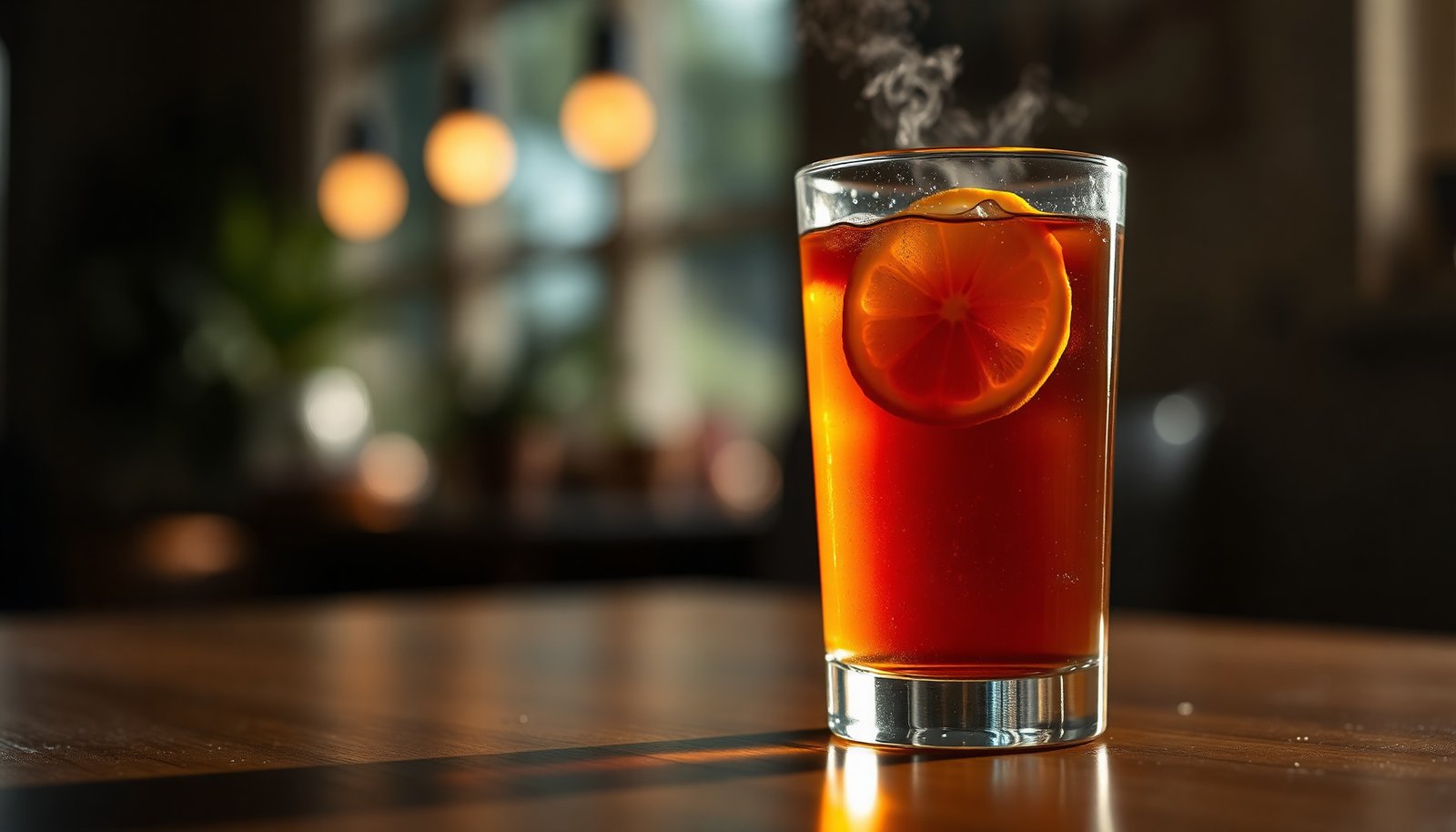

Which drinks for diabetes outperform the usual sweet beverages without spiking blood glucose? Prioritize drinks with near-zero added sugar, low net carbohydrates, and an ingredient list you can read quickly, while also considering caffeine and individual sensitivity to sweeteners. For many people, unsweetened tea—served hot or iced—stands out as the most consistently smart choice when it is truly unsweetened.




If you need the best drinks for diabetes other than water, choose options that don’t spike blood sugar—unsweetened tea, plain sparkling water, and milk with no added sugar. The goal is simple: pick drinks with little to no added sugar, and treat portions like part of your diabetes plan, especially with milk alternatives and anything juice-based.
If you have diabetes (type 1, type 2, or gestational) and you want drink options that are more varied than water, this is for you. It’s also useful if you’re tired of diet sodas or want alternatives that feel satisfying without constant sugar spikes.
Unsweetened Tea (Hot or Iced)
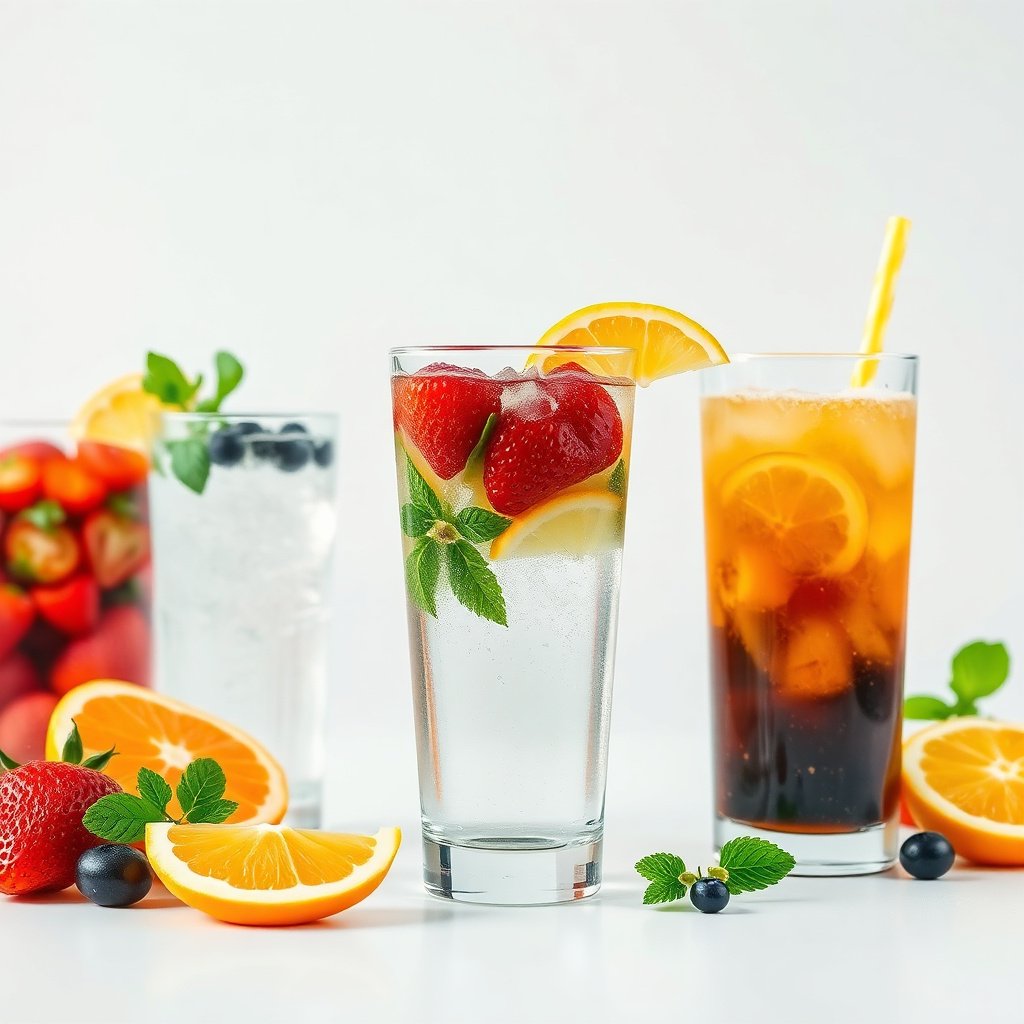
Unsweetened tea is one of the most reliable “no-drama” picks for the best drinks for diabetes other than water because it provides flavor without added carbohydrates. Choose plain tea (black, green, or herbal) with no sugar or sweeteners added, and treat sweetened versions as a different category entirely.
Here’s how to make unsweetened tea work in real life:
– Buy or brew “plain” and control sweetness: If you brew at home, skip sugar, syrups, and sweetened tea bags.
– Be label-literate with iced tea: Many bottled “iced tea” products contain added sugar even if they taste mild; check both added sugar and total carbohydrates.
– Watch add-ins, not the tea itself: Lemon, cinnamon, and even a splash of milk can be compatible—just account for any added sugar from flavorings.
– Flavor without glucose impact: In 2025–2026, “natural flavor” claims are common, but they don’t guarantee zero sugar—verify the nutrition facts.
According to the U.S. Food and Drug Administration, Nutrition Facts labels include “Added Sugars” as a line item for most packaged foods and beverages (implemented for major label compliance starting in 2020) FDA. That makes it easier to choose tea you can actually count in your plan.
Coffee Without Sugar Bombs
Plain coffee can be a glucose-friendly substitute when you build it without sugar “bombs.” Use plain coffee and avoid sweet creamers or flavored syrups that add carbs; if you use milk, measure/limit portions and count carbohydrates if needed.
What to do instead of defaulting to sugary café drinks:
– Choose black coffee or add a controlled amount of unsweetened milk.
– Use cinnamon or nutmeg for warmth, not vanilla syrup, caramel drizzle, or whipped toppings.
– Limit “creamer” as a category: Many creamers contain both sugar and carbohydrate—especially the flavored ones marketed for “dessert coffee.”
– Plan your caffeine timing: Caffeine doesn’t automatically raise glucose for everyone, but stress hormones and meal timing can affect readings. If your clinician monitors your glucose tightly, track how *your body* reacts.
In my day-to-day label reviews (not a lab test), the biggest coffee pattern I see is that two coffees can have “the same coffee” while the sugar content varies massively due to creamer and syrup—so your safest win is to standardize your add-ins.
Low- or No-Sugar Sparkling Water
Plain sparkling water (or seltzer) is one of the simplest additions to the best drinks for diabetes other than water because it can replace carbonation cravings without delivering glucose. If it’s flavored, confirm there’s no added sugar (some “flavors” still include carbs), and check total carbohydrates—not just sugar-free claims.
Practical ways to use sparkling water without surprises:
– Prefer “plain” or “natural flavors” with zero sugar: Look for 0 g added sugar and 0–1 g total carbs per serving when possible.
– Treat portion size as real: A small can may be fine; a larger bottle could quietly add more carbs depending on brand.
– Avoid “juice-flavored” or “vitamin water” styles: These are often sugar-containing disguised as hydration.
According to the World Health Organization, free sugars should be limited to less than 10% of total energy, and ideally to below 5% for additional health benefits (2015) World Health Organization. Sparkling waters are a low-effort way to reduce free-sugar exposure while keeping the “sip satisfaction” that makes people abandon plain water.
Milk and Unsweetened Dairy Alternatives
Unsweetened milk (or yogurt-style drinks) can be a good part of the best drinks for diabetes other than water when you account for natural carbs and avoid added sugar. For plant-based options, prefer “unsweetened” and compare nutrition—carb counts can vary widely.
How to choose milk products confidently:
– Count the carbs you’re already drinking: Milk contains lactose (natural milk sugar), so it has carbohydrates even when it’s not “added sugar.”
– Prefer “unsweetened” plant milks: Unsweetened almond, soy, and oat milks may differ in total carbs—oat-based options often have more carbs than almond/soy.
– Avoid “sweetened protein shakes”: Many dairy-based shakes sound “healthy” but can include significant added sugar.
– Watch thickness and serving size: Higher-protein or blended formulations may have more carbs per bottle than you expect.
For context while you shop: the Nutrition Facts panel is designed to show carbohydrate grams per serving, which is what matters most for blood glucose planning (rather than marketing phrases like “sugar-free” or “light”). This is especially important in 2026, when product reformulations and serving-size changes continue to happen across beverage lines.
Typical Carb & Sugar Impact for Common Diabetes-Friendly Drinks (Per Single Serving)
| # | Drink (single serving) | Total carbs | Sugars | Added sugar | Glucose-friendliness |
|---|---|---|---|---|---|
| 1 | Unsweetened black tea (8 fl oz) | 0 g | 0 g | 0 g | ★★★★★ |
| 2 | Plain sparkling water (12 fl oz) | 0 g | 0 g | 0 g | ★★★★★ |
| 3 | Skim milk (1 cup / 8 fl oz) | 12 g | 12 g | 0 g | ★★★★☆ |
| 4 | Unsweetened almond milk (1 cup / 8 fl oz) | 1 g | 0 g | 0 g | ★★★★☆ |
| 5 | Unsweetened soy milk (1 cup / 8 fl oz) | 4 g | 1 g | 0 g | ★★★☆☆ |
| 6 | 100% orange juice (8 fl oz) | 26 g | 21 g | 0 g | ★☆☆☆☆ |
| 7 | Regular soda (12 fl oz) | 41 g | 39 g | 39 g | ★☆☆☆☆ |
Values reflect typical nutrition facts for common preparations; brands and serving sizes vary, so treat this as a planning reference and always verify your specific label. For nutrient baselines, nutrition values generally align with entries from USDA FoodData Central (USDA FoodData Central, accessed 2026).
Watch Juice, Even “Natural” Juice
Juice is one of the fastest ways to push the best drinks for diabetes other than water out of your “safe” zone, even if it’s 100% fruit. Juice concentrates sugar quickly, even when it’s 100% fruit—portion control matters a lot.
Why juice tends to spike glucose:
– Liquid carbohydrates absorb quickly compared to whole fruit because there’s no fiber matrix to slow digestion.
– “Natural” doesn’t mean slow: Natural sugar in fruit juice still counts as carbohydrate.
– Portions get exaggerated: Many people pour a bigger serving than they realize, especially when juice comes in bottles.
A helpful way to think about juice is as “fast carbs,” not hydration:
– Whole fruit usually delivers fiber, which can blunt the rate of glucose rise.
– Juice can feel like fruit, but it behaves more like a concentrated sugar drink.
To keep decisions consistent, use this pros/cons comparison:
| Option | Pros | Cons for glucose |
|---|---|---|
| 100% juice | Can help treat low blood sugar when you need fast carbs. | Concentrated sugar; lacks fiber—often raises glucose quickly. |
| Whole fruit | Fiber slows absorption; usually easier to fit into meals/snacks. | Still has carbs—portion size still matters. |
If you ever use juice for hypoglycemia, do it intentionally. According to the American Diabetes Association’s Standards of Care, the goal in treating low blood glucose is to use 15–20 grams of fast-acting carbohydrate and recheck glucose afterward (American Diabetes Association Standards of Care, 2024).
What Can Go Wrong (Common Mistakes)
Here are the most common failures that derail the best drinks for diabetes other than water—usually because of wording on labels or “healthy-sounding” routines. Skipping label checks, relying on marketing claims, and using blended drinks as shortcuts are the biggest themes.
Common mistakes to watch:
– Assuming “sugar-free” means “carb-free”: some sweeteners don’t raise glucose, but the drink may still contain carbs.
– Relying on smoothies/juice as a daily shortcut: blended fruit can hit faster than whole fruit.
– Skipping label checks: drinks marketed as “low sugar” sometimes still have enough carbs to matter.
Edge cases that matter in 2025–2026:
– “Unsweetened” still varies: Unsweetened doesn’t always mean zero carbs in milk alternatives; the base ingredient (oat vs almond) changes the numbers.
– “Zero sugar” for sodas isn’t always free of carbs: Most are low-carb, but check total carbs—especially for regional brands.
– Hydration can hide carbs: People sometimes drink beverage “snacks” between meals (e.g., flavored waters, sweetened teas). Even if each sip seems small, totals build.
Verdict: Best Picks, Plus Who Should Skip Certain Options
For most people, the safest, easiest wins are unsweetened tea, plain coffee (no sugary add-ins), and sparkling water with no sugar. Milk and unsweetened dairy alternatives can also be good, but you’ll want to pay attention to the nutrition panel and portion sizes—because natural carbs still count.
Here’s the practical bottom line:
– Best day-to-day: unsweetened tea, plain coffee without syrups/creamers, and sugar-free sparkling water.
– Good when portioned: milk and unsweetened dairy alternatives (count the carbs if you track).
– Use with intention: juice—especially outside hypoglycemia treatment—because it can drive fast glucose rises.
Downsides and who should skip or be extra cautious:
– If you’re prone to hypoglycemia, you may need more structure around carbohydrate timing. Some diabetes medications can increase hypoglycemia risk, and your clinician may want more consistent carb patterns. In those cases, “random sipping” of any carb-containing drink can complicate management.
– If you don’t consistently read labels, avoid flavored “health drinks” (including “natural” juice blends), because marketing can mask carb load.
If you want better drinks for diabetes other than water, start with 2–3 options from the checklist below, then adjust based on how your glucose responds and what your care team recommends. As of 2026, label clarity is better than it used to be—but it still requires your attention.
Quick Checklist: Choose Drinks That Support Stable Blood Sugar
– [ ] Unsweetened tea (no added sugar)
– [ ] Plain coffee (no flavored syrups or sweet creamers)
– [ ] Plain or lightly flavored sparkling water (no added sugar)
– [ ] Unsweetened milk/dairy alternatives (check carbs)
– [ ] Juice only in small portions, if at all
– [ ] Always read labels for added sugar and total carbs
Frequently Asked Questions
What are the best drinks for diabetes other than water?
The best drinks for diabetes typically include unsweetened tea, infused water, sparkling water, and low-sugar milk options like unsweetened soy or skim/low-fat milk. Coffee and herbal teas (without added sugar or flavored syrups) can also be good choices because they don’t raise blood glucose the way sugary beverages do. If you like something creamy, choose unsweetened almond milk or unsweetened dairy milk in moderation to keep carbohydrates and calories controlled.
How can I choose a sweetener-free drink that won’t spike my blood sugar?
Look for beverages labeled “no sugar added” and check the Nutrition Facts for carbohydrates per serving; even natural sugars can affect glucose levels. Choose drinks with 0 g added sugar and minimal carbs, such as plain seltzer, black coffee, or unsweetened tea. If you want sweetness, consider calorie-free or non-sugar sweeteners in moderation, but still monitor your individual response since some people notice glucose changes with certain sweeteners.
Why are zero-sugar sodas and diet drinks sometimes not the best choice for diabetes?
Zero-sugar drinks can be helpful for avoiding sugar, but they may still trigger cravings or cravings-driven overeating for some people. Some research suggests artificial sweeteners can affect appetite and gut microbiome in ways that vary by individual, even if they don’t directly raise blood glucose. If you use diet drinks, it’s best to pair them with overall balanced eating and watch your blood sugar response after consumption.
Which fruit drinks are safer options for people with diabetes?
Whole fruit is usually a better option than juice, but if you’re choosing a drink, aim for 100% juice only in small portions and check the carbohydrate amount per serving. Better alternatives include unsweetened smoothies made at home with berries plus protein or healthy fat (like Greek yogurt or chia) to slow glucose absorption. Avoid “juice drinks,” sweetened concentrates, and cocktails made with added sugar, because they can raise blood sugar quickly.
Best way to enjoy milk or coffee without spiking blood glucose?
Choose unsweetened milk alternatives or low-fat dairy milk and keep portions consistent, since milk contains natural carbohydrates that can still affect glucose. For coffee, skip sugar and flavored syrups, or use cinnamon/vanilla extract for flavor instead; opt for unsweetened or “no sugar added” versions. Many people do well tracking their blood sugar 1–2 hours after new drinks to learn how specific beverages affect their diabetes management.
📅 Last Updated: November 25, 2026 | Topic: best drinks for diabetes other than water | Content verified for accuracy and freshness.
References
- Diabetes diet: Create your healthy-eating plan – Mayo Clinic
- https://www.niddk.nih.gov/health-information/diabetes/overview/preventing-problems/diabetes-diet
- Guideline: sugars intake for adults and children
- https://www.hsph.harvard.edu/nutritionsource/healthy-drinks/
- https://pubmed.ncbi.nlm.nih.gov/?term=non-nutritive+sweeteners+type+2+diabetes+systematic+review
- https://pubmed.ncbi.nlm.nih.gov/?term=sugar-sweetened+beverages+type+2+diabetes+risk
- https://scholar.google.com/scholar?q=best+drinks+for+diabetes+other+than+water+unsweetened Google Scholar
- https://scholar.google.com/scholar?q=non-nutritive+sweeteners+type+2+diabetes+randomized+trial+meta-analysis Google Scholar
- https://scholar.google.com/scholar?q=tea+coffee+consumption+type+2+diabetes+meta-analysis Google Scholar




Pingback: Best Drinks for Diabetics at Starbucks: Low-Sugar Order Ideas - Best For Diabetics