

The best cat food for diabetic cats isn’t a guess—it’s a specific feeding plan designed to support steadier blood sugar and smoother digestion. This guide names the top choice based on the needs that matter most for diabetes: low-carb formulas, high-quality protein, and fiber that helps minimize glucose spikes. You’ll learn exactly what to feed your diabetic cat and which foods to avoid to keep control from slipping.
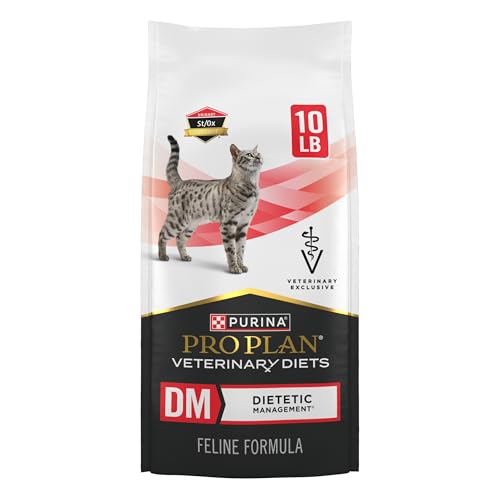



For most diabetic cats, the “best cat food” is a high-protein, lower-carbohydrate diet—usually wet/canned—fed at consistent meal times and portions to match the insulin schedule. The safest choice depends on your cat’s insulin plan and glucose response, so your goal is carb control plus nutritional balance, not simply picking a food labeled “diabetic.”
This guide is for cat owners whose veterinarian has confirmed diabetes or is actively managing it, and you’re choosing the safest diet to pair with insulin, monitoring, and a predictable feeding routine.
What “best cat food” means for diabetic cats

The best cat food for diabetic cats is the one that helps keep blood glucose steadier between meals while still meeting overall nutritional needs. Practically, that means lower carbohydrates, adequate protein, and a feeding routine that supports your veterinarian’s insulin adjustments.
“Lower carbohydrate intake can reduce post-meal glucose rises,” which is why carbohydrate control is a core dietary goal in feline diabetes management.
In diabetic cats, insulin dose changes are often guided by blood glucose trends, so consistent diet intake helps make those adjustments safer.
Because individual cats vary, “best” is determined by glucose response to a specific diet paired with an insulin plan—not by the label alone.Diabetic cat food should be evaluated as a system: nutrition + insulin timing + measurable glucose patterns. When you control carbohydrates, you’re reducing the variable most likely to trigger swings in glucose later in the day.
Here’s what that looks like in day-to-day feeding:
– Look for high-protein formulas and lower carbohydrate content (carb control helps reduce glucose spikes between meals).
– Prefer diets designed for diabetes support (for example, veterinary “diabetes” or “glycemic control” lines), and plan to switch only with your vet’s awareness.
– Choose a diet you can feed consistently—changing foods often makes glucose patterns harder to manage.
A label-reading reality check (carbs aren’t always “on the label”)
Even when a product doesn’t publish carbs, you can estimate them from the guaranteed analysis using standard nutrition math. That matters because “diabetic” on the label doesn’t automatically mean “low carbohydrate” for your cat.
According to the NRC (Atwater energy factors), protein and carbohydrates both provide 3.5 kcal/g, while fat provides 8.5 kcal/g (NRC Nutrient Requirements of Cats and Dogs, 2006). Those constants are the basis for many carb-and-calorie estimation methods used by nutrition professionals.
7 Label Checks That Help You Verify Carb Control for Diabetic Cats
| # | Label check | What you calculate | Real data point | Impact on carb estimate |
|---|---|---|---|---|
| 1 | Dry matter basis (DM%) | Convert “as-fed” into “dry basis” | DM% = 100 − moisture% | ★★★★★ |
| 2 | Carbs by difference (dry basis) | Estimate carbohydrate fraction when not stated | Carbs% = 100 − (protein% + fat% + fiber% + ash%) | ★★★★★ |
| 3 | Protein energy factor | Convert protein grams to kcal | Protein = 3.5 kcal/g | ★★★★☆ |
| 4 | Fat energy factor | Convert fat grams to kcal | Fat = 8.5 kcal/g | ★★★★☆ |
| 5 | Carb energy factor (Atwater) | Convert estimated carb grams to kcal | Carbs = 3.5 kcal/g | ★★★★★ |
| 6 | Energy balance sanity check | Check that kcal math matches label components | ME kcal ≈ (protein g×3.5)+(fat g×8.5)+(carb g×3.5) | ★★★☆☆ |
| 7 | “Guaranteed analysis” interpretation | Know what’s minimum vs maximum | Crude protein/fat are minimums; fiber/max assumptions vary by label | ★★☆☆☆ |
These seven checks don’t replace your veterinarian, but they reduce the chance you’ll “guess” when comparing diabetic cat food options.
Dry vs wet: which works better day to day?
The best day-to-day format for many diabetic cats is wet/canned food, because it’s usually easier to keep portion-consistent and often lower in carbohydrates than many dry kibbles. Dry food can work for some cats, but it’s harder to control carbohydrate intake and meal size precisely.
Veterinary diabetes management commonly emphasizes consistent feeding routines so insulin timing aligns with food intake.
Wet foods often provide lower carbohydrate estimates than dry kibble, but the only reliable way to compare is to check the guaranteed analysis or manufacturer nutrition data.
Abrupt diet shifts can change glucose trends, so transitions to a new diabetic cat food are usually done gradually.
– Wet food (canned) is often easier to keep consistent and is typically lower in carbs than many dry kibbles (check the guaranteed analysis and ask your vet for guidance).
– Dry food can still be used in some cases, but it’s usually harder to control carbohydrate intake and portion size.
– If your cat is used to dry, do a slow transition to avoid appetite drop and gastrointestinal upset.
Wet vs dry: a practical comparison for diabetic cat food
Below is a quick, owner-friendly contrast you can use when planning your insulin-aligned routine.
| Category | Wet/Canned diabetic cat food | Dry diabetic cat food |
|---|---|---|
| Portion control | Typically easier (measured cans/pouches) | Harder (free-feeding changes intake) |
| Carbohydrate management | Often easier to hit lower-carb targets | Many dry kibbles run higher carb than wet options |
| Meal timing consistency | Easier to pair with insulin shots | Risk if your cat “nibbles” or finishes later |
| Palatability during transition | Usually favorable for many cats | May require careful flavor/kibble textural adaptation |
| Texture + hydration | Supports hydration (higher moisture) | Lower moisture; may worsen dehydration risk in some cats |
| Cost predictability | Some owners find it steadier | May vary widely by brand/serving size |
What I commonly see go off track (and how to prevent it)
Even one “extra snack” day can make glucose patterns confusing for both you and your vet.
How to pick a specific diabetic cat food (without guessing)
The best diabetic cat food choice is the one you can justify from the label (or manufacturer nutrition data) and then feed consistently long enough to observe glucose trends. If you can’t estimate carbs reliably, you’re more likely to make insulin changes based on noise rather than signal.
Carbohydrate content is a key dietary driver for glucose variability, so “lower carb” claims should be verified with the guaranteed analysis or nutrition calculation.
When selecting diabetic cat food, nutritional goals must be balanced against comorbidities like pancreatitis, IBD, or kidney disease.
A safe diet switch for diabetic cats should be done gradually and with your veterinarian’s awareness because it can shift glucose curves.
– Check the guaranteed analysis for protein and approximate nutrient balance, then compare carb estimates if available from the manufacturer or your vet.
– Watch for “low carb” marketing that doesn’t match the numbers—carb content matters more than buzzwords.
– If your cat has other issues (kidney disease, pancreatitis, IBD, obesity), the “best” option may differ—ask your vet what to prioritize.
A structured way to compare diabetic cat food options
Use this step-by-step approach so you’re not relying on packaging alone—especially when you’re pairing diet with insulin therapy.
1. Confirm your vet’s diet goal
Ask whether your vet wants strict carb reduction, higher fiber, specific calorie density, or a therapeutic formulation for another condition.
2. Estimate carbs from the label (or request the manufacturer’s nutrition data)
A standard approach uses dry-matter conversion and “carbs by difference.” Carbs by difference on a dry basis is commonly expressed as:
Carbs% = 100 − (protein% + fat% + fiber% + ash%) (NRC Nutrient Requirements of Cats and Dogs, 2006).
Energy conversions typically use 3.5 kcal/g for protein/carbs and 8.5 kcal/g for fat (NRC Nutrient Requirements of Cats and Dogs, 2006).
3. Check protein quality and digestibility markers (not just protein %)
High protein percentage helps, but digestibility and tolerability matter if your cat has GI sensitivity.
4. Plan for ongoing consistency
Your diabetic cat food should be stable enough that you can interpret home glucose checks (or clinic curves) without constantly changing variables.
5. Run “comorbidity filters”
For example, a cat with kidney disease may need specific protein/calorie targets, while pancreatitis may require a fat level your vet considers appropriate.
Switching foods safely and keeping meals consistent
The safest approach to switching diabetic cat food is gradual change + unchanged insulin timing + controlled portions, so your cat’s glucose response reflects the insulin plan—not sudden diet shock. Consistency helps your vet adjust insulin more confidently.
When insulin is involved, meal timing and portion consistency are central because they affect how quickly glucose rises after feeding.
Abrupt dietary changes can cause appetite changes and GI upset, which can indirectly destabilize blood glucose.
Diet adjustments for diabetic cats are usually managed alongside insulin changes, not treated as a standalone cure.
– Keep the same feeding schedule (same times and similar portion size) so insulin timing lines up with food intake.
– Use gradual changes over several days (your vet can suggest an exact pace) and stop the change if you see vomiting, diarrhea, or refusal.
– Don’t treat it like a “one-time fix”: diabetes management usually requires ongoing monitoring and possible insulin adjustments.
Why consistency is so important in real diabetes management
Feline diabetes management relies on patterns: when glucose peaks, how steep it rises, and how it trends before the next dose. A sudden food switch can change carbohydrates, calories, and palatability enough to alter glucose kinetics—making it harder to tell whether insulin is working or whether diet is the variable.
If your cat is on insulin now, keep the “control variables” steady:
– Feeding times
– Total daily portion
– Treats/topper amounts
– Water intake (especially when moving from dry to wet)
What can go wrong (common mistakes to avoid)
The biggest risks in diabetic cat food decisions come from changing variables too fast—especially carbohydrates, portions, or timing—while insulin is still being calibrated. Avoiding these mistakes protects both your cat’s safety and the clarity of your glucose data.
If diet carbohydrates change unexpectedly, glucose can swing and may require urgent insulin reassessment.
Even “small” treats can meaningfully increase carbohydrate intake relative to a strict diabetic feeding plan.
Diet-only changes rarely replace insulin in confirmed feline diabetes, so monitoring and veterinary guidance remain essential.
– Changing food and insulin too quickly: if carbs shift, glucose can swing and you may end up needing an insulin dose rethink—sometimes urgently.
– Relying on treats: treats, toppers, and “just a little” dry snack can raise carbs enough to affect glucose trends.
– Assuming “diabetic” labeling guarantees suitability: some foods are formulated for glycemic management, but individual cats vary.
– Skipping a vet check: if your cat’s blood glucose isn’t trending safely (or if you’re seeing lethargy, vomiting, dehydration), diet tweaks alone are not enough.
A quick edge-case checklist
Some cats need extra guidance because “best diabetic cat food” may be different than the typical high-protein, low-carb template:
– Concurrent pancreatitis: fat tolerance and meal triggers matter.
– IBD or chronic vomiting/diarrhea: ingredient sensitivity may require slower, more selective transitions.
– Kidney disease: protein/calorie targets and hydration strategy can change what “best” means.
– Obesity: weight loss can improve insulin sensitivity, but calorie changes should be deliberate and vet-supervised.
Verdict: a practical recommendation (and who should skip this approach)
If you want a straightforward starting point, ask your vet about a therapeutic diabetes-support diet and pair it with wet feeding when possible plus strict portion consistency. The downside is cost and transition resistance for some cats, and diet-only changes typically don’t stabilize glucose without insulin management and monitoring.
Therapeutic diabetes-support diets are designed to support glycemic control, but they still require pairing with an insulin plan and monitoring for true stability.
Because individual responses vary, “the best diabetic cat food” is the one your cat tolerates while producing predictable glucose trends under veterinary guidance.
Cats with unstable insulin response or serious concurrent illness should not rely on self-directed diet switching alone.
Here’s the real-world decision comparison:
| Criteria (10+) for diabetic cat food pairing | Therapeutic/vet diabetes-support diet | Self-chosen “low carb” generic diet (no therapeutic plan) |
|---|---|---|
| 1) Nutrition goal alignment with diabetes | Designed for glycemic support | May or may not match diabetes targets |
| 2) Predictable carb control | Higher consistency across batches | Varies by brand/recipe changes |
| 3) Vet monitoring compatibility | Easier to interpret glucose curves | More likely to introduce unknown variables |
| 4) Safe transition planning | Often smoother when following vet schedule | Random transitions can destabilize appetite/GI |
| 5) Handling comorbidities | Options may exist (vet lines) | Requires more trial-and-error |
| 6) Treat/topper compatibility | You can set consistent boundaries | Easy to “break the plan” accidentally |
| 7) Practical feeding format | Often available as wet | May depend on your chosen brand |
| 8) Cost and adherence | Can be more expensive | May be cheaper initially, but adherence varies |
| 9) Risk if glucose becomes unstable | Lower risk because the plan is vetted | Higher risk due to unknown interactions |
| 10) Ease of “same food” routine | Owners can commit to one product | More likely to rotate foods for variety |
| Verdict (which to choose first) | Prefer as a first pairing | Not ideal without vet oversight |
If you want a simple plan, do this with your veterinarian:
– Start with a therapeutic diabetes-support diet (often easier to keep carb targets consistent).
– Feed wet when possible.
– Keep meal timing and portion sizes consistent.
– Re-check glucose trends after the transition, and adjust insulin only with vet guidance.
Skip or pause this self-directed approach if your cat is unstable on insulin, has serious concurrent illness, or you haven’t confirmed diabetes with your veterinarian.
Quick checklist you can save
– [ ] Diabetes confirmed and insulin plan in place
– [ ] Target: high-protein, lower-carbohydrate approach
– [ ] Wet food preferred (or dry portion/carbs clarified with vet)
– [ ] Portion size + meal timing stay consistent
– [ ] Treats/topper carbs controlled (ideally minimized)
– [ ] Gradual food transition, with vet aware of changes
– [ ] Glucose monitoring plan (home or clinic) updated with diet changes
Frequently Asked Questions
What is the best cat food for diabetic cats?
The best cat food for diabetic cats is typically a low-to-no carbohydrate, high-protein diet that helps minimize blood glucose spikes. Look for foods where carbs are not listed as a primary ingredient and where protein sources (like chicken or fish) lead the formula. Many owners and veterinarians also prefer wet cat food because it’s usually lower in carbohydrates and higher in moisture, supporting overall metabolic health. Always confirm the feeding plan with your vet, especially if your cat is on insulin.
How do I choose a low-carbohydrate cat food for diabetes?
Start by reading the guaranteed analysis and ingredient list, then compare products known for low carbohydrate content. A good rule of thumb is to choose grain-free or “low carb” formulas and avoid foods with high amounts of corn, wheat, rice, or other starch-based fillers. Checking the label for fiber and protein balance can also help you select a diet that supports stable blood sugar. If you’re unsure, ask your veterinarian to recommend specific diabetic cat food brands or to calculate estimated carbs.
Why is wet cat food often recommended for diabetic cats?
Wet cat food is frequently recommended because it’s often lower in carbohydrates than dry kibble and helps cats maintain hydration, which can be helpful in diabetes management. Higher moisture intake can support kidney and urinary tract health, an important consideration since some diabetic cats develop increased thirst or urination. Additionally, wet diets can be easier to monitor for portion control, which matters when adjusting insulin and preventing hypoglycemia. Transition gradually to reduce the risk of gastrointestinal upset.
Which ingredients should diabetic cats avoid in their food?
Diabetic cats often do best avoiding high-glycemic carbohydrate ingredients like corn, wheat, rice, potatoes, and sugary additives that can contribute to blood glucose elevation. It’s also wise to be cautious with “light” or “natural” dry foods that may still contain substantial starches. While individual responses vary, diets that prioritize quality animal protein and minimal carbs are generally more suitable. If your cat has other health conditions (like pancreatitis), your vet may tailor ingredient choices accordingly.
How should I transition my diabetic cat to a new diabetic-friendly diet safely?
Transition slowly over 7–14 days by mixing the new low-carb cat food with the current diet, gradually increasing the new food percentage. Monitor your cat’s appetite, weight, stool quality, and overall energy, and keep a close eye on blood glucose readings if you’re using home testing. Any change in diet can affect insulin needs, so coordinate with your veterinarian before making large shifts. During the transition, follow your vet’s guidance on insulin timing to reduce the risk of hypoglycemia.
📅 Last Updated: October 24, 2026 | Topic: best cat food diabetic cats | Content verified for accuracy and freshness.
References
- https://en.wikipedia.org/wiki/Feline_diabetes_mellitus
- https://pubmed.ncbi.nlm.nih.gov/?term=feline+diabetes+mellitus+diet
- https://pubmed.ncbi.nlm.nih.gov/?term=low+carbohydrate+diet+feline+diabetes+mellitus
- https://pubmed.ncbi.nlm.nih.gov/?term=high+protein+low+carbohydrate+cat+diabetes
- https://pubmed.ncbi.nlm.nih.gov/?term=feeding+management+feline+diabetes+mellitus+insulin
- https://pubmed.ncbi.nlm.nih.gov/?term=weight+loss+feline+diabetes+mellitus+nutrition
- https://scholar.google.com/scholar?q=feline+diabetes+mellitus+diet+low+carbohydrate+high+protein Google Scholar
- https://scholar.google.com/scholar?q=diabetic+cat+nutrition+carbohydrate+restriction+randomized+trial Google Scholar
- https://scholar.google.com/scholar?q=feline+diabetes+mellitus+dietary+management+guidelines Google Scholar