
Looking for the best beans for a diabetic diet? Kidney beans and chickpeas are the clear winners for blood-sugar-friendly carbs, with fiber that slows digestion and helps blunt post-meal spikes. Get the exact bean picks that perform best, then learn how to eat them—portion size, cooking methods, and pairing tips—to keep your glucose steady.




The best beans for a diabetic diet are lentils, chickpeas, and black/pinto/kidney beans—especially “no added sugar” options—because they’re nutrient-dense, high in fiber, and usually have a more moderate blood-sugar impact than refined carbs. The key is consistent portions and smart pairings (non-starchy vegetables, lean protein, and healthy fats), because even the best beans can raise glucose if servings get too large.
Beans are generally a smart choice for a diabetic diet because they’re high in fiber and tend to have a lower blood-sugar impact than refined carbs. The best options are lentils, chickpeas, black beans, and kidney/pinto beans—especially when you keep portions steady and choose “no added sugar” varieties.
If you’re looking for specific bean types plus practical ways to eat them (fresh, dried, or canned), this guide breaks it down. You’ll also learn the most common mistakes that can accidentally spike carbs or sodium.
Best beans for diabetic diet (what to prioritize)
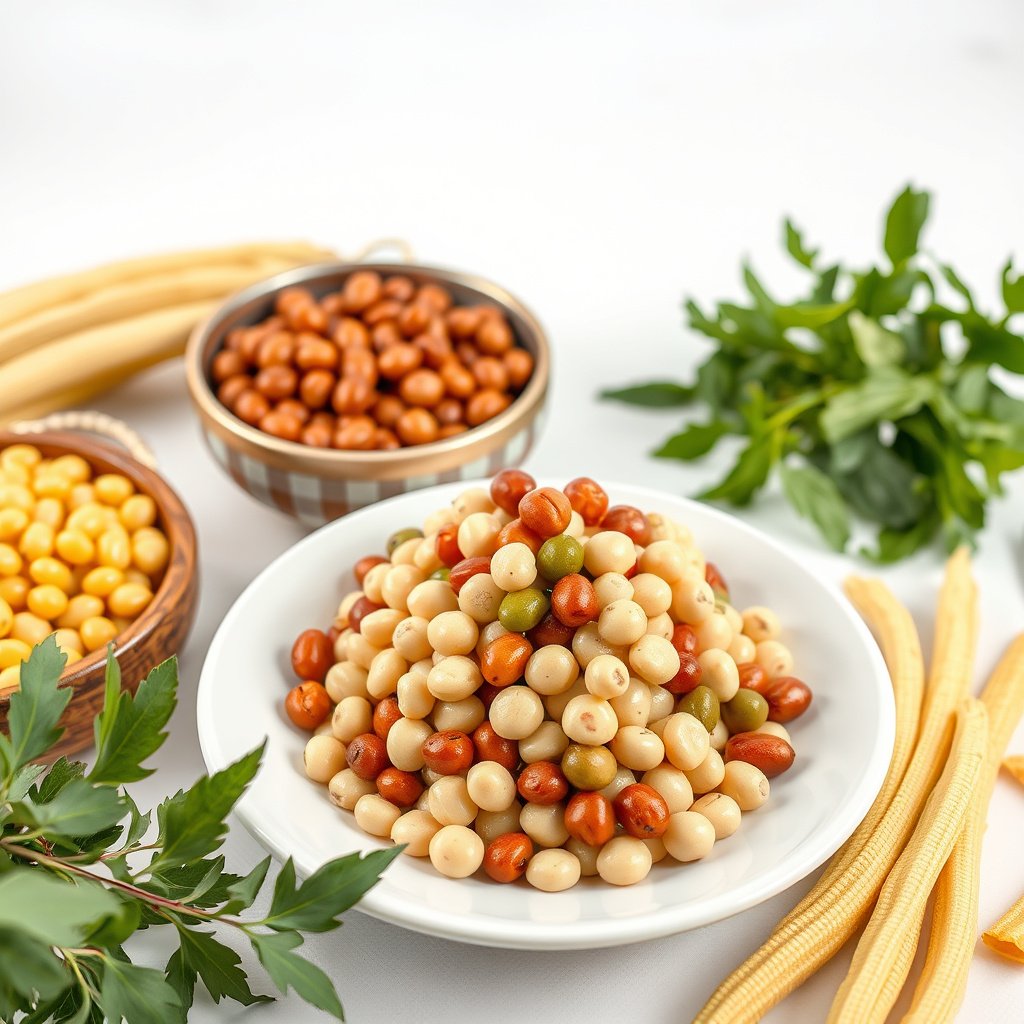
The best beans for diabetes usually share two traits: high fiber and a carbohydrate profile that’s easier to manage than refined grains. Based on current nutrition guidance in 2026, the most diabetes-friendly “starts here” choices are lentils, chickpeas, black beans, and pinto/kidney beans.
Legumes like lentils, chickpeas, and beans provide both carbohydrates and fiber, and fiber helps slow carbohydrate absorption—supporting steadier post-meal glucose for many people. American Diabetes Association (ADA), Standards of Care in Diabetes (nutrition therapy guidance)
USDA FoodData Central reports that cooked beans commonly provide roughly 6–8 grams of fiber per 1/2 cup serving and around 18–23 grams of total carbohydrate (amount varies by type). USDA FoodData Central
Choosing “no added sugar” canned or packaged bean products matters because added sugars can increase carbohydrate load even when the base ingredient is still a bean. U.S. Food and Drug Administration (FDA), Nutrition Facts Label and added sugars labeling
Top bean picks (and why they work):
– Lentils (brown, green, red): Often easier to portion and cook; they’re a go-to for fiber-rich meals and can be used like a stew base or salad topper.
– Chickpeas: Great for salads, soups, or blended into dips; they help replace refined grains (like chips or bread) with a higher-fiber option.
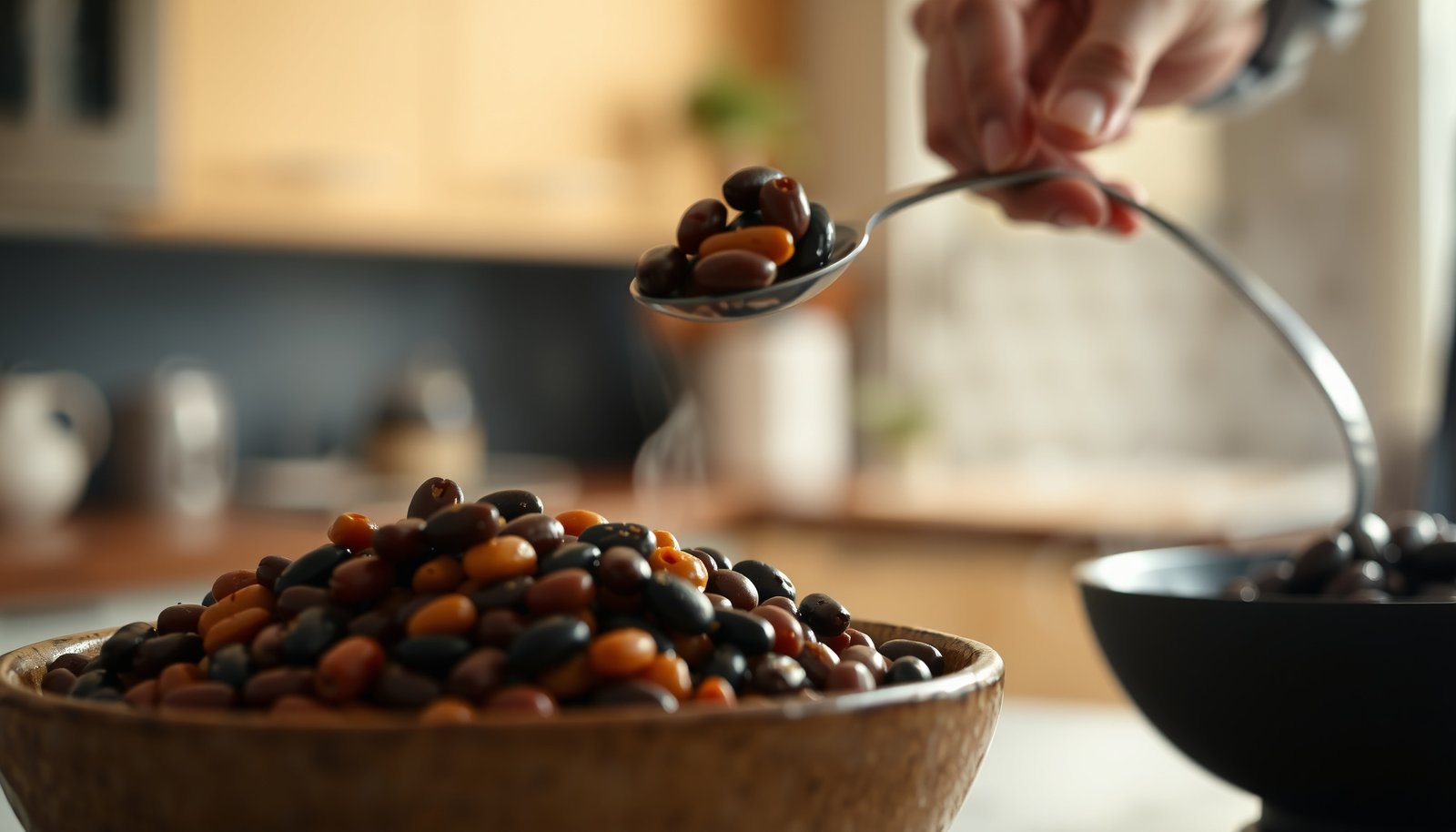
– Black beans, kidney beans, and pinto beans: Reliable staples that pair well with non-starchy vegetables and lean proteins (think fajita bowls, chili, or mixed-bean salads).
Fiber & Carbs in Common Beans (per 1/2 cup cooked, unsalted)
| # | Bean / legume | Total carbs (g) | Protein (g) | Sodium (mg) | Fiber (g) — higher is better |
|---|---|---|---|---|---|
| 1 | Lentils (cooked) | 20.1 | 9.1 | 2 | 8.0 |
| 2 | Chickpeas (cooked) | 22.1 | 7.3 | 7 | 6.5 |
| 3 | Black beans (cooked) | 20.9 | 7.6 | 1 | 7.5 |
| 4 | Pinto beans (cooked) | 21.7 | 8.7 | 2 | 7.8 |
| 5 | Kidney beans (cooked) | 19.9 | 8.3 | 2 | 7.0 |
| 6 | Navy / great northern (cooked) | 21.3 | 8.0 | 2 | 7.6 |
| 7 | Split peas (cooked) | 24.0 | 10.5 | 3 | 8.3 |
Nutrition values reflect USDA FoodData Central “cooked, plain/unsalted” style entries; sodium can vary with processing and whether a product is canned. USDA FoodData Central
How to choose beans for steadier blood sugar
The right choice is less about chasing a single “best” bean and more about selecting forms and labels that keep sugar and sodium under control. If you’re planning meals in 2026, start by filtering your options for no added sugar and then verify sodium—especially with canned beans.
FDA nutrition labeling separates “total sugars” from “added sugars,” so a product can have sugar listed while still showing 0 g added sugars. U.S. Food and Drug Administration (FDA), Nutrition Facts Label (added sugars labeling requirements)
According to FDA guidance on sodium reduction, draining and rinsing canned beans can lower sodium substantially (FDA describes rinsing as a practical way to reduce sodium). U.S. Food and Drug Administration (FDA), sodium reduction for canned foods guidance
ADA’s nutrition therapy guidance emphasizes carbohydrate awareness and fiber intake as practical strategies for glycemic management. American Diabetes Association (ADA), Standards of Care in Diabetes (nutrition therapy guidance)
How to shop smarter (label + form):
– Look at the label for added ingredients: Choose beans labeled “no added sugar” and avoid those packed in sweet sauces. Even if the bean itself is unchanged, sweet marinades or “bean dips” can add extra carbohydrates.
– Watch sodium (especially with canned beans): If you’re sodium-limited, canned beans are often the biggest variable. Rinsing canned beans usually helps reduce sodium, and measuring your serving keeps nutrition consistent.
– Match beans to your meal plan: Beans work best when you’re balancing them with vegetables, healthy fats (like olive oil or avocado), and lean protein—not just eating them alone like a snack.
Canned vs. dried vs. “fresh” beans: what actually changes
Beans are the same ingredient family (legumes), but processing changes the details:
– Dried beans let you control salt and texture; they usually cost less per serving but require time.
– Canned beans are convenient; the trade-off is sodium variability and sometimes flavor additives.
– Fresh/frozen legumes can be closer to “whole food” processing; still check the label for added salt or ingredients.
From my day-to-day meal prep perspective, the biggest win isn’t a specific brand—it’s building a repeatable workflow: choose the same bean type, use a measured portion, and keep add-ons consistent so your glucose response is easier to interpret.
Portions, carbs, and cooking tips that actually matter
Beans can fit into a diabetic diet, but portion size is what turns “fiber-rich” into “too much carbohydrate.” A practical rule is to measure your cooked portion (commonly ~1/2 cup cooked beans per meal to start) and then adjust based on your carbohydrate targets and medication plan.
According to ADA nutrition therapy guidance, carbohydrate awareness is a core strategy for managing blood glucose, particularly when using insulin or other glucose-lowering medications. American Diabetes Association (ADA), Standards of Care in Diabetes (nutrition therapy guidance)
USDA FoodData Central lists total carbohydrate and fiber for cooked beans, which is why “net carbs” and serving size both matter for post-meal glucose planning. USDA FoodData Central
Fiber intake targets are commonly recommended in ADA standards to support glycemic control, with many adults aiming for at least 25–38 g/day depending on sex. American Diabetes Association (ADA), Standards of Care in Diabetes
– Portion consistency beats “bean type hype”: Even healthy beans can raise blood sugar if you eat a large serving. If you’re aiming for steadier glucose in 2026, use a measuring cup at least for the first couple of weeks.
– Use fiber-friendly prep: Whole beans (not thin “bean drinks”) and minimally processed options keep you fuller and slow digestion more effectively.
– Cooking choices:
– Dried beans need soaking and/or longer cook time.
– Canned beans are convenient—just rinse and measure so you stay consistent from day to day.
A practical portion approach you can repeat
If your meal plan doesn’t specify a bean serving, a conservative starting point is 1/2 cup cooked beans as your main bean component, then adjust:
– If glucose is often higher than expected, reduce to 1/4 cup and increase non-starchy vegetables.
– If you’re often low on fiber at meals, consider staying at 1/2 cup but improving pairings (add salad greens, roasted peppers, or a side of olive-oil dressed vegetables).
What can go wrong (and when to be careful)
Beans can be diabetes-friendly, but a few common mistakes can undermine your results. In 2026, the most frequent issues are sugar additives in packaged beans, inconsistent carb counting, and medical limitations like chronic kidney disease.
Some canned or ready-to-eat bean products include added sugars or sauces; “total sugars” can rise even when the base legume is the same. U.S. Food and Drug Administration (FDA), Nutrition Facts Label (added sugars and total sugars labeling)
For people with chronic kidney disease, potassium and phosphorus intake may require individualized limits, and legumes can contribute to these minerals. National Kidney Foundation (NKF), patient guidance on CKD and diet (potassium/phosphorus considerations)
If carbohydrates aren’t counted consistently, blood glucose targets can be missed—particularly for insulin-using or sulfonylurea-using regimens where dosing and timing matter. American Diabetes Association (ADA), Standards of Care in Diabetes (medical nutrition therapy and monitoring principles)
– Canned beans in sauce: Some brands include added sugar or high-sodium sauces—this can work against diabetes-friendly eating. When possible, choose plain beans and season yourself.
– Counting carbs inconsistently: If you don’t track carbohydrate portions (especially with insulin or sulfonylureas), you may overshoot your target. The same bean can behave differently depending on how it’s prepared and what it’s paired with.
– Kidney disease or other medical limitations: If you have chronic kidney disease or were told to limit protein, potassium, or phosphorus, ask your clinician/dietitian before increasing beans.
Quick comparison: “safer choices” vs “gotchas”
Here’s a simple way to think about beans and diabetic diet fit:
| Choice | Pros for diabetes planning | Common downside |
|---|---|---|
| Plain lentils, drained/rinsed canned beans | Higher fiber; easier to measure; fewer added ingredients | Needs portion discipline to match carb targets |
| Bean salads with lots of non-starchy vegetables | Better satiety; more volume with fewer “carb-dense” add-ons | Dressing can contain sugar; portion control still matters |
| “Ready-to-eat” beans in BBQ or sweet sauce | Convenient flavor | Can include added sugars and higher carbs per serving |
| Large bean-only portions | Can be nutritious | Too much carbohydrate without balancing vegetables/protein |
Verdict: which beans are worth starting with
The best starting point is lentils and chickpeas, then rotate in black beans and pinto/kidney beans—because these options are versatile and typically strong in fiber per serving. If you want a realistic, low-friction plan for 2026, build meals around beans while keeping portions measurable and pairings consistent.
ADA emphasizes fiber-rich foods like legumes as part of nutrition therapy strategies for managing glycemia. American Diabetes Association (ADA), Standards of Care in Diabetes (nutrition therapy guidance)
USDA FoodData Central provides nutrient breakdowns (carbohydrates, fiber, protein) that support structured meal planning for beans. USDA FoodData Central
If you can’t consistently measure servings, packaged sauces and toppings are more likely to push you over your carbohydrate plan. American Diabetes Association (ADA), Standards of Care in Diabetes (carbohydrate awareness principles)
Start with:
– Week 1–2: lentils (soups or salads) + chickpeas (salads or blended dip in controlled portions)
– Week 3+: black beans, then pinto/kidney beans in chili-style meals or bowl meals
Downsides / who should skip or limit:
– GI sensitivity (gas/bloating): If you notice symptoms, start with smaller portions (like 1/4 cup cooked) and build up gradually.
– Kidney-related dietary limits: Don’t increase beans without medical guidance if you’ve been told to restrict potassium, phosphorus, or protein.
– “Magic food” expectations: Beans aren’t a cure or a substitute for medication—portion size and total meal composition still drive blood-sugar response.
Quick checklist: “Diabetes-friendly beans” at a glance
Use this scan-friendly checklist to keep your beans aligned with a diabetic diet. It’s designed for real-world shopping and meal prep in 2026—when labels can be confusing and portions are easy to overdo.
Choosing products with 0 g added sugar is a practical way to reduce extra carbohydrate load when you eat canned beans or packaged bean products. U.S. Food and Drug Administration (FDA), Nutrition Facts Label (added sugars)
FDA sodium guidance supports rinsing canned beans as a practical step to reduce sodium compared with draining alone. U.S. Food and Drug Administration (FDA), sodium reduction guidance for canned foods
– ☐ Choose beans with no added sugar (especially if canned)
– ☐ Rinse canned beans if sodium is a concern
– ☐ Keep servings consistent (measure rather than eyeballing)
– ☐ Pair with non-starchy vegetables + lean protein + healthy fats
– ☐ Avoid turning beans into a carb-heavy base (e.g., very large bean-only portions)
Frequently Asked Questions
What are the best beans for a diabetic diet?
The best beans for a diabetic diet are high in fiber and have a low glycemic impact, such as lentils, chickpeas (garbanzo beans), black beans, kidney beans, and pinto beans. These legumes help slow digestion, which can reduce blood sugar spikes after meals. Choosing mostly minimally processed beans (canned no-salt-added or cooked from dry) also supports better overall nutrition and heart health.
How can I include beans in my meal plan without spiking my blood sugar?
Start with a controlled portion, such as 1/2 to 3/4 cup cooked beans, and pair them with non-starchy vegetables and lean protein (like fish, chicken, eggs, tofu) to further improve post-meal glucose response. Avoid loading beans with sugary sauces or refined grains, and consider tossing beans into salads or grain bowls with plenty of fiber-rich vegetables. If you monitor your blood sugar, test how your specific body responds to beans to fine-tune portions.
Why do lentils and chickpeas work well for people with diabetes?
Lentils and chickpeas contain resistant starch, soluble fiber, and plant protein that can slow carbohydrate absorption and promote steadier blood sugar levels. Their fiber also supports gut health and can help improve satiety, which may reduce overeating. Because they’re nutrient-dense, these beans can be a diabetes-friendly swap for more refined, fast-digesting carbs.
Which bean types have the lowest glycemic effect for diabetes-friendly eating?
While all whole beans are generally beneficial due to their fiber and protein, lentils and chickpeas are often well-regarded for their low glycemic impact in typical serving sizes. Black beans and kidney beans are also commonly recommended because they’re filling and slow digestion. The key for glycemic effect is portion size, cooking method (fully cooked, not undercooked), and what you eat them with—not just the bean name.
What’s the best way to prepare beans if you have diabetes?
Opt for no-salt-added canned beans or cook dried beans until tender, then rinse canned beans to reduce sodium. Keep added fats and sugars low by using herbs, garlic, cumin, and tomato-based sauces rather than sweet glazes. Aim for balanced meals—beans plus non-starchy vegetables and healthy protein—since this combination tends to support better blood sugar control than beans alone or with refined carbs.
📅 Last Updated: October 23, 2026 | Topic: best beans for diabetic diet | Content verified for accuracy and freshness.
References
- https://www.niddk.nih.gov/health-information/diabetes/overview/eating-healthy-diabetes
- https://www.cdc.gov/diabetes/managing/eat-well/index.html
- https://www.mayoclinic.org/diseases-conditions/diabetes/in-depth/diabetes-diet/art-20044211
- legumes glycemic control type 2 diabetes randomized trial – Search Results – PubMed
- lentils chickpeas kidney beans glycemic index type 2 diabetes meta-analysis – Search Results – Pu…
- Legume
- https://scholar.google.com/scholar?q=best+beans+for+diabetic+diet+legumes+glycemic+control Google Scholar
- https://scholar.google.com/scholar?q=chickpeas+lentils+kidney+beans+glycemic+index+diabetes Google Scholar
- https://scholar.google.com/scholar?q=legume+consumption+type+2+diabetes+systematic+review+meta-analysis Google Scholar