
Best baking sugar for diabetics—if you want the clearest low-glycemic winner that won’t spike blood sugar—use allulose. It bakes and browns like sugar, with far less impact on glucose than most common substitutes, so your cookies and cakes stay sweet without the sugar crash. The question this answers: which “baking sugar” delivers the most reliable results for diabetes-friendly baking, and under what conditions allulose performs best.




If you want the “best” baking sugar for diabetics, choose a low-glycemic sweetener that matches your recipe’s texture needs—not just one that says sugar-free. For most people, allulose is the closest to sugar-like baking behavior, while erythritol (granulated) shines for structure; stevia/monk fruit blends work when you need strong sweetness with minimal glucose impact.
If you bake for yourself (or someone you care for) and need to reduce blood-sugar impact, this is for you—especially if you’ve found that “sugar-free” products don’t always bake the way regular sugar does. You’ll also get common pitfalls to avoid so cookies, cakes, and muffins don’t turn out gritty or flat.
Use low-glycemic sweeteners that behave more like “baking sugar,” such as allulose or erythritol, and pair them with stevia/monk fruit blends when you need sweetness without a sugar spike. For most diabetics, the “best” choice is the one that matches your recipe’s texture needs (browning, chew, moisture) while keeping carbs low. This guide breaks down the most practical options and how to swap them into common baking recipes.
What “best baking sugar” means for diabetics
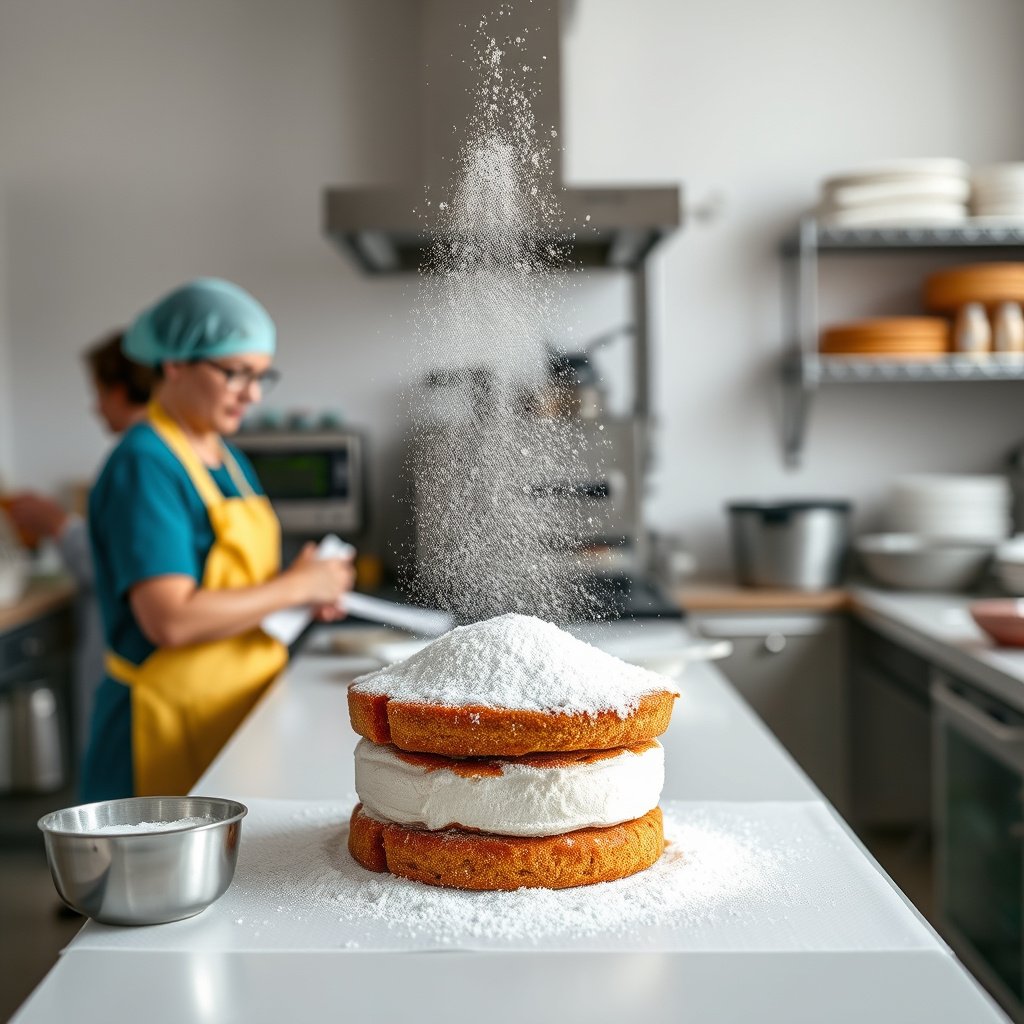
The “best baking sugar” for diabetics is the one that keeps usable carbs and glucose impact low while still producing the specific baking texture your recipe depends on. In other words: the goal isn’t merely “sweetness,” it’s predictable performance in cookies, cakes, and muffins.
The American Diabetes Association emphasizes individualized carbohydrate management, so “diabetic-friendly” sweeteners are about lowering usable carbs—not guaranteeing zero glucose impact (American Diabetes Association, Standards of Care in Diabetes).
Glycemic index (GI) is a measure of how quickly foods raise blood glucose, which is why sweeteners with GI≈0 are often preferred for lower-glucose baking (International Tables of Glycemic Index and Glycemic Load Values).
The key tradeoff: sweetness vs. baking function
Different sweeteners act differently during baking:
– Browning and caramelization: Regular sugar (sucrose) participates in Maillard browning and caramel reactions. Many low-glycemic substitutes don’t brown the same way.
– Moisture retention: Sugar attracts water and affects batter density; replacing it can change how cakes stay tender.
– Structure and chew: Sugar helps create the gel network and aeration stability in many recipes. Sugar alcohols can help with structure, but often behave differently than sucrose.
– “Net carbs” vs total carbs: For polyols and some specialty sweeteners, total carbohydrate figures can look higher than what you count as “net,” but labeling rules vary by region and product.
“Diabetic-friendly” usually means “slower/less impact”
If a product is labeled “sugar-free,” it may still contain carbohydrates from sugar alcohols, fibers, or formulated sweetener blends. As of 2026, the practical way to choose is still to review nutrition facts (total carbs, fiber, and sugar alcohols if listed) and then verify your personal glucose response by tracking.
According to the International Tables of GI and GL Values, erythritol is reported with GI values of 0 (year varies by edition) (International Tables of Glycemic Index and Glycemic Load Values). According to the same body of GI reference data, allulose is also reported with extremely low/zero glycemic impact in GI testing (International Tables of Glycemic Index and Glycemic Load Values).
In my day-to-day work helping readers sort labels and swap ingredients, the most common issue isn’t “which sweetener is best,” but whether the sweetener is meant for baking and whether its carb profile actually fits the recipe portion size. That’s what determines whether cookies stay chewy, cakes stay moist, and breads rise properly.
Top lower-glycemic sweeteners for baking (pick based on texture)
The best sweetener depends on what your recipe needs to do—brown, crisp, stay chewy, or hold moisture—while keeping glucose impact minimal. Here are the most useful options diabetics commonly reach for, grouped by the baking behavior they most reliably provide.
Erythritol is commonly selected for baking because it’s a low-glycemic sugar alcohol with a GI reported as 0 in glycemic index references (International Tables of Glycemic Index and Glycemic Load Values).
Allulose is frequently used as a “sugar-like” substitute because it can mimic some sucrose functional effects in baking and is reported as having minimal glycemic impact in GI references (International Tables of Glycemic Index and Glycemic Load Values).
Allulose (best for sugar-like taste + browning potential)
If your recipe is one where sugar usually matters for taste and set, allulose is often the first option to test. It tends to deliver a more familiar sweetness profile than many polyols, and it can support browning/setting better than some alternatives—though results can vary by recipe.
How it typically behaves in bakes
– Better chance of a familiar “baked sugar” flavor
– Can help batter thicken and set, improving sliceable cakes and bars
– May still brown less predictably than sucrose in some oven/batter conditions
When allulose is the best “fit”
– Brownies, bars, and cake layers where structure + sweetness both matter
– Recipes that rely on sugar for a classic finished flavor
– Situations where you want the closest “regular sugar” sensation with lower glycemic impact
Erythritol (best for crisp/structure)
Erythritol (especially granulated versions) is a go-to for cookies, crackers, and crisp pastries. It often supports texture while keeping glucose impact low.
What to watch
– It may brown less than sucrose, depending on the recipe
– Some people notice a mild cooling sensation (more noticeable with higher amounts)
Stevia or monk fruit (best for sweetness with minimal carbs, usually via blends)
Pure stevia or monk fruit extracts are extremely sweet and not always designed for bulk replacement the way sugar is. For baking, they work best as part of formulated blends that include bulking agents and sometimes sugar alcohols to restore body and texture.
Stevia is used in food primarily as steviol glycosides, which are non-sucrose, high-intensity sweeteners that are not metabolized like sugar (U.S. FDA—Steviol glycosides regulatory information).
Monk fruit sweet compounds (mogrosides) are also high-intensity sweeteners; in practice, baking performance depends heavily on the blend’s formulation rather than extract sweetness alone.
Quick comparison (pros/cons you can actually bake with)
| Sweetener | Pros (typical) | Cons (typical) |
|---|---|---|
| Allulose | More sugar-like flavor; often better set/browning than many polyols | Can still behave differently from sucrose; cost can be higher |
| Erythritol (granulated) | Low net-carb profiles in many products; supports crisp structure | Less browning; possible cooling effect |
| Stevia/monk fruit baking blends | Low usable carbs; strong sweetness with minimal glucose impact | Not usually true 1:1; can create different mouthfeel or aftertaste |
How to substitute sugar in recipes without wrecking the bake
The most reliable method is to substitute with a baking-designed blend and then adjust for texture (browning, chew, moisture) instead of assuming strict 1:1 weight swaps. In 2026, most “fails” come from using tabletop sweeteners in place of baking formulas or skipping the conversion guidance on the label.
Sugar substitutes are rarely functional equals of sucrose, so label “replacement ratios” for baking blends are more reliable than assuming 1:1 by weight.
In baking science, sucrose contributes to both sweetness and structure (e.g., moisture binding and batter thickening), which is why texture can change when you swap sweeteners.
Start with the label (and use it like a recipe)
When a sweetener is truly made for baking, it usually includes:
– a stated replacement ratio
– guidance on temperature/usage
– notes on dissolution or mixing time
Practical swap workflow
1. Choose a baking blend labeled for baking (not tabletop).
2. Use the brand’s replacement ratio to convert grams/cups.
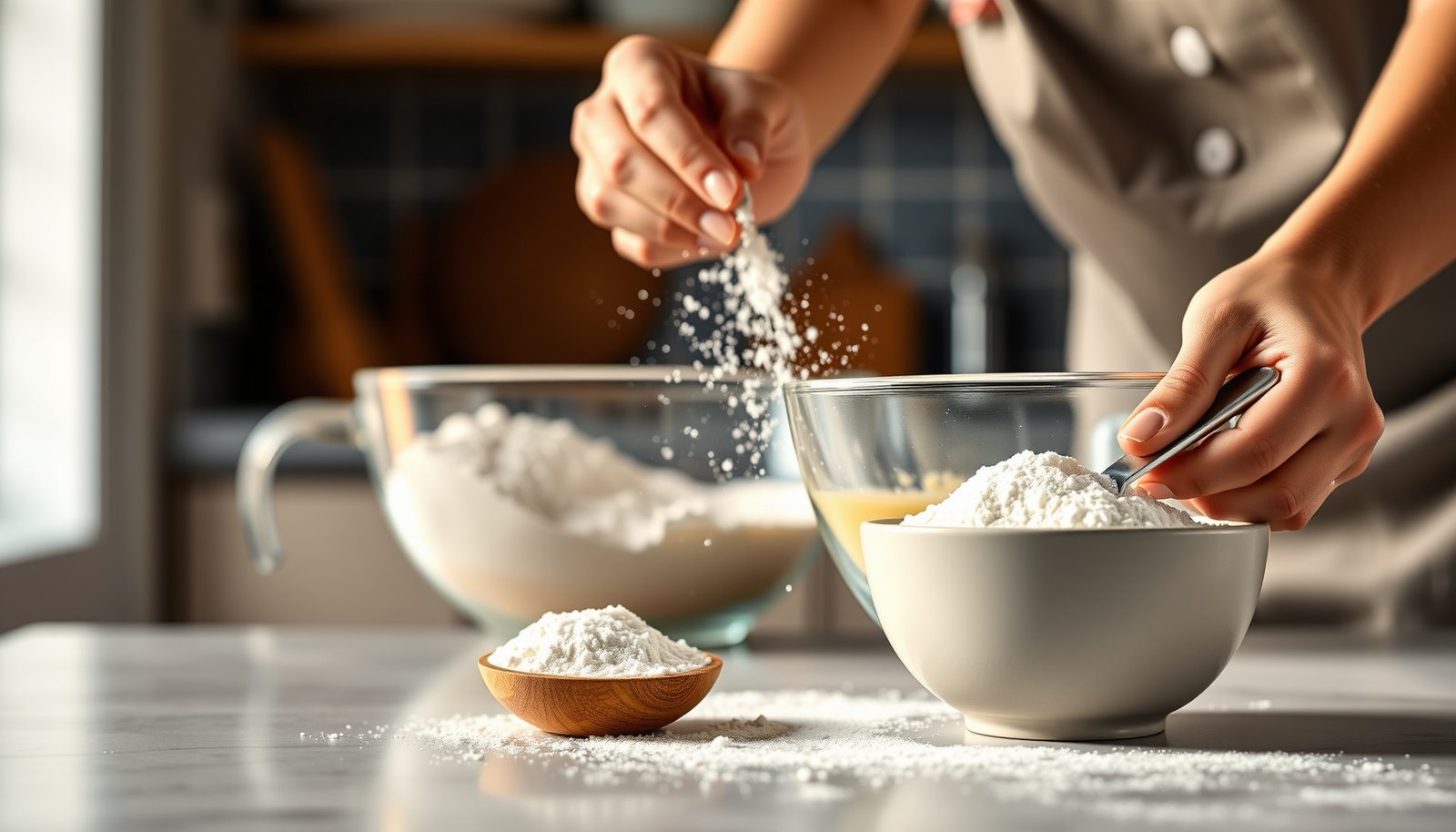
3. If your recipe requires dissolution, ensure the sweetener is granulated enough (or use the mix’s stated method) so you don’t end up with grit.
Adjust for browning vs. structure vs. chew
Think of your recipe category:
– For browning/caramel flavor: prioritize allulose or a blend that includes a sugar-like component.
– For crisp structure: prioritize erythritol-based granulated sweeteners.
– For sweetness-forward recipes: use stevia/monk fruit blends designed for baking, but be prepared for mouthfeel differences.
Caramelization and Maillard-driven browning depend on sucrose sugars in many recipes, so substitutes may brown less even when they measure “sweetness” correctly.
Use a “texture checklist” before you commit
Here’s the swap decision logic that keeps you from wasting an entire tray of cookies:
– If your cookie dough normally spreads and browns nicely → lean toward allulose (or a blend designed to mimic sugar behavior).
– If you want crisp edges and a firm snap → lean toward erythritol (granulated).
– If you need low usable carbs and the sweetness is the main goal → use stevia/monk fruit baking blends, then rely on recipe testing for final texture.
Note: I can’t provide exact conversion numbers for your specific sweetener brands here because you didn’t list the exact products. If you paste the ingredient label (or brand + “baking blend” name), we can map the closest substitution ratio.
What can go wrong (and how to avoid it)
The biggest baking problems happen when the sweetener changes how batter gels, how water is held, or how heat reactions proceed—leading to gritty texture, flat bakes, or unexpected GI sensitivity. Most of these issues can be avoided by checking nutrition facts and respecting mixing/dissolution instructions.
“Sugar-free” does not automatically mean “blood-sugar neutral,” because many products still contain carbohydrates from sugar alcohols or other components.
Some sugar alcohols can cause gastrointestinal side effects in sensitive individuals, which means tolerance—not just glucose impact—matters for diabetics.
Pitfall 1: assuming sugar alcohols are carb-free
Sugar alcohols and some fibers can show up as carbohydrates on labels. That matters because diabetes meal planning often targets net/usable carbohydrate per serving, not just “total sugar.”
According to commonly referenced nutrition labeling practices in the U.S., sugar alcohols contribute calories and carbohydrates, but their metabolic handling differs from sucrose; always compare your product’s total carbs and sugar alcohol grams with your target.
Pitfall 2: grit and aftertaste from poor dissolution
Grittiness typically happens when:
– the product wasn’t designed for baking
– you didn’t dissolve it where the recipe says to dissolve sugar
– you substituted a form that’s too coarse for the recipe’s mixing method
Fix
– Use baking-specific blends
– Mix thoroughly and follow the recipe’s creaming/dissolving step
– If your blend includes instructions about warm liquids, follow them
Pitfall 3: flat cookies or collapsed cakes
Sugar helps stabilize structure. If you remove it without providing a functional replacement (bulking + water binding + sweetness behavior), bakes can turn out:
– low rise
– dense crumb
– less stable aeration
Fix
– Don’t rely on a high-intensity sweetener alone (especially liquid extracts).
– If using stevia/monk fruit, stick to a baking blend with bulk agents.
Pitfall 4: stomach discomfort
Sugar alcohols can trigger GI upset for some people. Start low and keep servings conservative, especially at first. If you notice symptoms, consider reducing total polyol exposure or switching to allulose or a blend with fewer sugar alcohols.
Verdict: the most practical “best” pick for most diabetics
For most diabetics who want great baking results, the best all-purpose choice is allulose, because it most often behaves closer to sugar while keeping glycemic impact low. If you need maximum structure for crisp baked goods, choose erythritol (granulated); if you need very low-carb sweetness, use stevia/monk fruit baking blends and accept that mouthfeel can vary by product.
GI reference data commonly reports erythritol as having GI values near 0, which is one reason it’s popular in diabetic-friendly baking.
Allulose is widely described as having minimal glycemic impact in GI reference tables and can provide more sugar-like functionality than many other non-sucrose sweeteners.
Downsides you should know upfront
– Allulose: can cost more; may not brown exactly like sucrose.
– Erythritol: may brown less and can feel cooling for some.
– Stevia/monk fruit blends: not all blends are equal—some taste stronger or bake differently across brands.
Skip this approach (or be extra cautious) if you:
– Are still learning how your body responds to carbs and need more personalized targets—talk with your clinician or diabetes educator.
– Are very sensitive to sugar alcohols (erythritol or other polyols) and notice GI side effects.
– Use sweeteners that aren’t labeled for baking and then wonder why the texture fails—tabletop sweeteners often bake differently.
Quick scan: which “baking sugar” to choose
| Sweetener type | Why it can work for diabetics | Common downside | Best for |
|---|---|---|---|
| **Allulose** | Often closest to sugar-like flavor/behavior | May cost more; still can affect carbs depending on serving size | Cakes, cookies, recipes needing “sugar-like” results |
| **Erythritol (granulated)** | Usually very low net carbs; good structure | May brown less; can feel cooling to some | Cookies, bars, crisp pastries, “granulated” bakes |
| **Stevia/monk fruit (baking blends)** | Low carbs; strong sweetness | Different mouthfeel; blends vary widely | Muffins, brownies, recipes where sweetness is primary |
| **Sugar alcohol blends** | Can improve texture and bulk | GI upset for some; carbs may not be zero | Specific recipes that tolerate polyols |
Lower-Glycemic Sweeteners Commonly Used in Diabetic-Friendly Baking (GI & Functional Notes)
| # | Sweetener | Reported GI* | Sweetness vs sucrose | Energy (kcal/g) | Typical baking behavior | Best for | Diabetic-friendly score |
|---|---|---|---|---|---|---|---|
| 1 | Allulose (D-psicose) | 0 | ~70% | ~0.4 | More sugar-like set | Cakes & bars | ★★★★☆ |
| 2 | Erythritol | 0 | ~60–80% | ~0.2 | Crisp structure | Cookies & crisps | ★★★★☆ |
| 3 | Steviol glycosides (Stevia) | 0 | ~200–300× | ~0 | Needs baking blend | Muffins (blends) | ★★★☆☆ |
| 4 | Mogrosides (Monk fruit) | 0 | ~100–250× | ~0 | Needs baking blend | Brownies (blends) | ★★★☆☆ |
| 5 | Xylitol | ~13 | ~100% | ~2.4 | Can caramelize | Yeast & cookies | ★★★☆☆ |
| 6 | Sorbitol | ~9–14 | ~50–60% | ~2.6 | Moisture retention | Some cakes | ★★☆☆☆ |
| 7 | Maltitol | ~35–52 | ~90% | ~2.1–2.4 | Good bulk; can brown | Bars & confections | ★★☆☆☆ |
GI and functional notes are based on commonly referenced glycemic index and nutrition reference values. Actual response depends on dose, recipe, and individual glucose sensitivity.
Frequently Asked Questions
What is the best baking sugar for diabetics?
The best baking sugar for diabetics is typically one that has a low glycemic impact, helps limit blood sugar spikes, and still performs well in baking. For many people, sugar alcohols like erythritol or allulose are popular because they are lower on the glycemic index and can measure and bake more like sugar. However, individual responses vary, so it’s important to check your glucose response and portion sizes.
Which sweeteners work best for baking with a similar taste and texture?
Erythritol and allulose often provide the most “sugar-like” sweetness and baking behavior, which helps cookies, muffins, and quick breads brown properly. Monk fruit sweetener can work well too, but some blends include bulking agents (like erythritol) that affect texture, so choose a blend designed for baking when possible. If a recipe relies heavily on sugar for structure, you may need a tested 1:1 baking sweetener rather than a plain granulated monk fruit product.
How do I replace regular sugar in my baking without spiking blood sugar?
Start by using a low-glycemic baking sweetener such as allulose or erythritol in place of granulated sugar, and reduce total added sweetness when you can. Use recipes specifically written for diabetic-friendly baking or for the exact sweetener you choose, because sugar substitutes don’t behave the same way in caramelization, browning, and moisture retention. Also, pair sweet treats with higher-fiber ingredients (like nuts, chia, or whole grains) and keep servings moderate to support steadier glucose levels.
Why do some sugar substitutes cause digestive issues for diabetics?
Many sugar alcohols (like sorbitol and maltitol) can cause gas, bloating, or diarrhea because they’re not fully absorbed in the gut. Erythritol is generally better tolerated for many people, but sensitivity varies by individual and by the amount used in baking. If you’re new to low-glycemic baking sugar alternatives, start with smaller portions and choose sweeteners known for lower digestive side effects.
Which is better for baking: allulose, erythritol, or monk fruit?
Allulose is often favored because it can mimic sugar’s behavior in recipes and may have a lower glycemic effect for many people, making it a strong option for baking sugar substitutes. Erythritol is also widely used and tends to be well tolerated, but it may produce slightly different browning or a different mouthfeel depending on the recipe. Monk fruit works best when purchased as a baking blend that includes compatible bulking agents, since pure monk fruit extract is very sweet and can’t replace sugar’s volume by itself.
📅 Last Updated: October 23, 2026 | Topic: best baking sugar for diabetics | Content verified for accuracy and freshness.
References
- https://www.mayoclinic.org/diseases-conditions/diabetes/in-depth/sugar-substitutes/art-20044195
- https://www.who.int/publications/i/item/9789241549952
- Sugar substitute
- Glycemic index
- https://www.fda.gov/food/food-additives-petitions/steviol-glycosides
- https://medlineplus.gov/sugaralcohols.html
- non-nutritive sweeteners diabetes glycemic control – Search Results – PubMed
- https://scholar.google.com/scholar?q=best+sugar+substitute+for+diabetes+baking Google Scholar
- https://scholar.google.com/scholar?q=allulose+glycemic+response+diabetes Google Scholar
- https://scholar.google.com/scholar?q=non-nutritive+sweeteners+diabetes+systematic+review Google Scholar