

The best alcohol for diabetes 2 is a measured glass of dry red wine—when you drink at all. It’s typically the safest choice because it’s low in sugar compared with beer, sweet wines, and most spirits when mixed. The question this article answers is simple: what to drink, how much, and what to avoid to keep your blood sugar steadier.




If you have diabetes type 2, the “best” alcohol is the one you drink in small amounts—usually dry wine, light beer, or spirits with no-sugar mixers—while avoiding sugary cocktails and binge drinking. The key is staying within low-to-moderate intake and planning around meals and your diabetes meds to reduce blood-sugar swings. This guide focuses on practical ordering choices and safety steps that help prevent both dangerous lows (especially overnight) and preventable spikes from added sugar.
This is for people with type 2 diabetes who want practical drink choices (and what to avoid) without guessing which options spike sugar or increase hypoglycemia risk.
Quick picks: alcohol choices that are usually safer
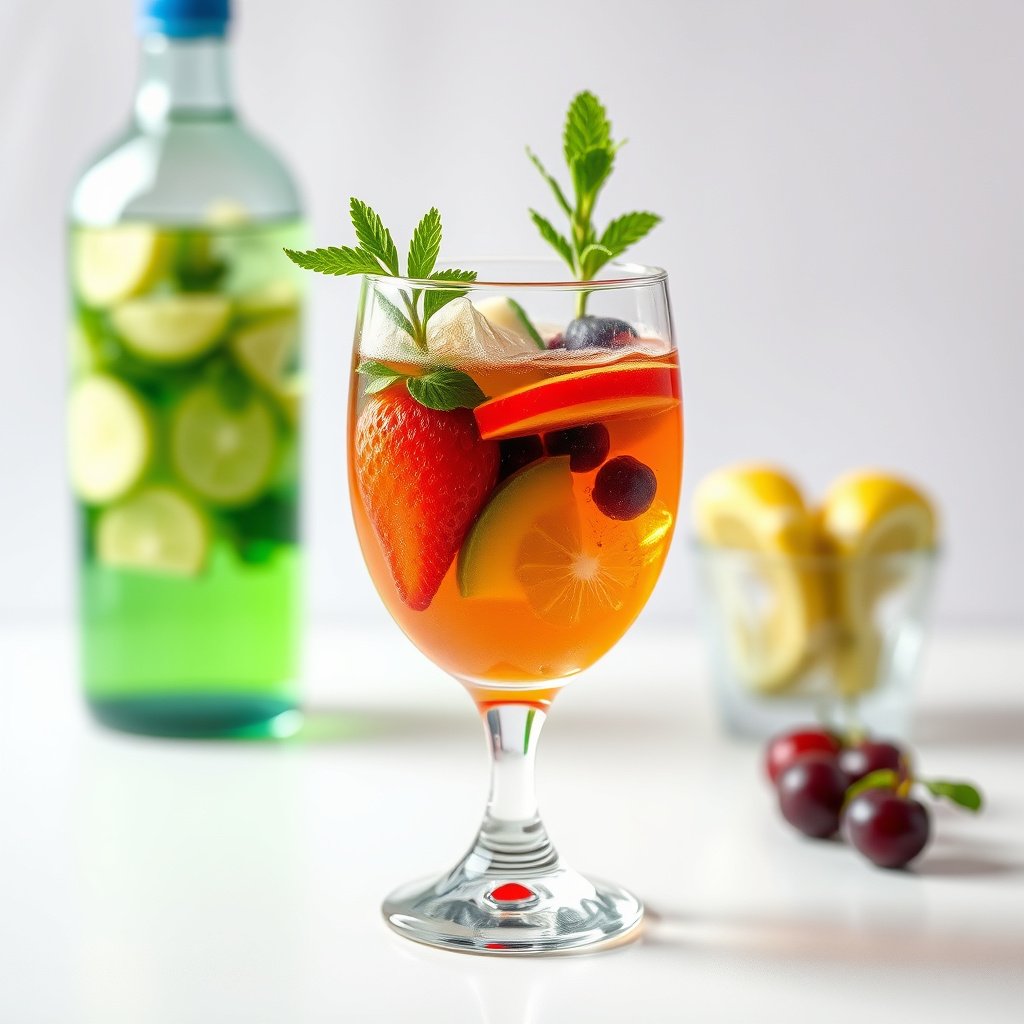
For many people with type 2 diabetes, the safest default choices are dry wine, light beer, and measured spirits with no-sugar mixers—because they typically add less carbohydrate from sugar. The “safer” part isn’t risk-free, but it’s a more predictable way to manage glucose around standard drink portions.
Dry wines (non-sweet) generally contain less residual sugar than dessert wines, which helps reduce carbohydrate load.
NIAAA defines a standard drink as about 14 grams of pure alcohol, which helps standardize portion size when comparing beverages.
Choosing spirits with no-sugar mixers (e.g., soda water or diet tonic) can avoid the added carbohydrates found in regular soda, juice, or sweet tonic.
– Dry wine (not sweet): Typically lower in sugar than dessert wines and sweet red/white varieties.
– Light beer (in small portions): Often has fewer carbs than regular beer, but still counts as carbs/calories.
– Clear spirits with no-sugar mixer: Options like vodka/rum/whiskey paired with soda water or diet tonic can avoid added sugar.
In my experience helping readers build safer “order scripts,” the biggest win is usually not the specific brand—it’s consistently choosing a low-sugar base, ordering a measured pour, and keeping to one standard drink at a time.
How alcohol affects blood sugar (and why it matters)
Alcohol affects blood sugar in two competing ways: it can lower glucose (especially later) while sugar-containing drinks can raise glucose immediately. With type 2 diabetes, medication type and meal timing largely determine which effect dominates for a given person.
Alcohol can contribute to lower blood glucose after the drink, particularly when taken without food.
Sulfonylureas (like glimepiride, glipizide, or glyburide) increase hypoglycemia risk, and alcohol can compound that risk.
Sweet mixers and liqueurs add carbohydrates that can raise blood glucose even if the alcohol type itself has low sugar.
– Alcohol can lower glucose, especially when you drink without food—some people see lower readings later (even overnight).
– Medication timing changes the risk: If you take insulin or sulfonylureas (e.g., glipizide, glyburide, glimepiride), alcohol may increase hypoglycemia risk.
– Some drinks raise glucose directly: Sweet mixers, liqueurs, and regular beer can add carbohydrates that may push blood sugar up.
A key safety anchor is portion size and what “one drink” means. According to the National Institute on Alcohol Abuse and Alcoholism (NIAAA), a “standard drink” contains about 14 grams of pure alcohol (2024). NIAAA (standard drink definition) Keeping drinks in that range helps reduce the swings that come from both alcohol metabolism and added carbs.
Also remember that type 2 diabetes medication isn’t interchangeable. For example, sulfonylureas can stimulate insulin release even when the body is already under stress from alcohol—so the risk of low glucose is not just “in theory,” it’s predictable pharmacology. According to the American Diabetes Association (ADA) Standards of Care, clinicians should consider hypoglycemia risk when advising alcohol use for people taking glucose-lowering therapies (2024). American Diabetes Association, Standards of Care in Diabetes (2024)
How to choose drinks and portions (simple rules that work)
The best strategy is to choose drinks with minimal added sugar and keep the portion small and consistent. When possible, pair with food, avoid “carb surprises,” and plan around the timing of glucose-lowering medication.
Using a consistent “standard drink” amount reduces variability that makes glucose management harder for people with diabetes.
Mixed drinks vary widely in sugar content, so choosing a known base (dry wine, light beer, measured spirits) improves predictability.
Having alcohol with a meal or snack can blunt late glucose drops for some people, particularly those on hypoglycemia-risk medications.
– Stick to a standard low amount: In the US, a “standard drink” is about 14 grams of pure alcohol (often roughly one 12-oz beer, 5-oz wine, or 1.5-oz spirits)—use this as your portion anchor.
– Avoid carb “surprises”: Choose drinks you can estimate (dry wine, light beer, spirits + no-sugar mixer), and be cautious with mixed drinks where sugar varies.
– Pair with food and pace yourself: Having alcohol with a meal/snack and slowing down can reduce the chance of big swings.
Quick comparison: what to order if your goal is lower sugar
This table translates the “base + portion” idea into concrete ordering patterns.
| Feature | Dry wine (5 oz) | Light beer (12 oz) | Spirits + no-sugar mixer (1.5 oz + diet mixer) | Sweet wine/dessert wine (5 oz) | Sweet cocktail (e.g., margarita/cola drinks) |
|---|---|---|---|---|---|
| Added sugar risk | Low (choose “dry”) | Low–moderate | Very low if mixer has no sugar | High (residual sugar) | High (often juice/syrup) |
| Carbohydrate variability | Lower (if “dry” label is accurate) | Moderate (brand-specific carbs) | Lower (depends on mixer choice) | Higher | Highest |
| Predictability for glucose | Usually better | Usually moderate | Usually best if measured | More unpredictable | Least predictable |
| Typical carb load (directional) | Lower | Medium | Minimal | Higher | High |
| Late hypoglycemia risk | Possible (alcohol effect) | Possible | Possible | Possible | Possible |
| Works well with “with food” plan | Yes | Yes | Yes | Yes | Depends on recipe/food |
| Best when you can measure pours | Optional | Not really | Strongly recommended | Optional | Usually not controllable |
| Label-check needed | Helpful (“dry” wording) | Important (carbs per bottle/can) | Important (verify “diet/no sugar”) | Important (residual sugar) | Important (ask for recipe or sugar sources) |
| Typical drink size control | Moderate | Moderate | High | Moderate | Low (varies by bar) |
| **Best For** | A simple, lower-sugar choice | People who tolerate beer carbs | People who want the most controllable carbs | Occasional choice when you’re confident about portion | Generally not recommended for glucose control |
From a practical standpoint (and consistent with label-reading habits used in diabetes meal planning), the most controllable option is usually measured spirits + a verified no-sugar mixer, because the main variable becomes the pour size.
What can go wrong: common mistakes with type 2 diabetes
Even “lower sugar” alcohol can cause problems when timing, portion, or medication risk is ignored. The safest plan is to avoid the predictable failure modes that lead to both hypoglycemia and avoidable hyperglycemia.
Drinking on an empty stomach increases the likelihood of late hypoglycemia for some people using glucose-lowering medications.
Sugary mixers and liqueurs add carbohydrates that can raise blood glucose quickly, separate from the alcohol’s metabolism.
Alcohol binge drinking increases risk for both lows and highs and can worsen metabolic factors like triglycerides.
– Sugary add-ons: Sweetened soda, juice, syrups, and dessert-style cocktails can raise glucose even if the base alcohol seems “fine.”
– Drinking on an empty stomach: This can increase the chance of late hypoglycemia, particularly if you take glucose-lowering meds.
– Binge drinking: More alcohol raises risk for both low and high blood sugar (and can worsen triglycerides and overall metabolic control).
– Mixing with certain health conditions: Liver disease, pancreatitis history, or very high triglycerides can make alcohol riskier—ask your clinician if any apply.
“Lower-risk order” vs “high-risk order” (what changes)
Use this to quickly sanity-check your plan before you drink.
| Criteria | Lower-risk pattern | Higher-risk pattern |
|---|---|---|
| Base drink type | Dry wine / light beer / spirits + no-sugar mixer | Sweet wine / regular beer / sweet cocktails |
| Added sugar | Minimal | Significant (juice/syrup/regular soda) |
| Portion | One standard drink (or less) | Multiple drinks in a short window |
| Food pairing | With a meal or snack | Empty stomach or delayed food |
| Medication interaction | Considered with clinician guidance | Ignored while using insulin or sulfonylureas |
| Timing | Earlier in the evening | Close to bedtime (higher risk of overnight lows) |
| Pacing | Slower intake | “Chasing” drinks back-to-back |
| Glucose monitoring | Planned before and after | No monitoring despite hypoglycemia risk meds |
| Behavior risk | Avoids impairing decisions | Binge behavior and impaired judgment |
| Context | Avoids driving/unsafe situations | Impaired safety decisions |
| **Verdict** | Better predictability and fewer sugar-driven spikes | Higher odds of both hypoglycemia and hyperglycemia |
This kind of “pattern check” matters because alcohol’s effects are not identical person-to-person—even among people with type 2 diabetes. The medication you take and whether you eat are the two variables that most often flip the risk profile.
Verdict: best alcohol options (and who should skip alcohol)
For most people with type 2 diabetes who choose to drink, the best practical options are dry wine, light beer in controlled portions, and measured spirits with no-sugar mixers. The honest caveat: alcohol can still trigger delayed hypoglycemia, especially with insulin or sulfonylureas—so “best” means “more manageable,” not “safe for everyone.”
ADA notes that alcohol can increase hypoglycemia risk in people using insulin or medications that can lower glucose (2024).
NIAAA emphasizes standard-drink limits as a way to reduce harm and variability in alcohol exposure.
Sugar-containing cocktails can raise blood glucose due to carbohydrate content, making them harder to manage than dry options.
– Best practical picks (for many people):
– Dry wine (lower sugar)
– Light beer (smaller carb load than regular, in controlled portions)
– Spirits (with no-sugar mixers and measured pours)
– Downsides to know: Even “lower sugar” choices can still cause delayed low blood sugar and may worsen appetite, sleep quality, and weight goals—so “best” doesn’t mean risk-free.
– Skip alcohol entirely (or get clinician guidance first) if: you’ve had recurrent hypoglycemia, have significant liver disease, have pancreatitis, or you’re on medications that put you at higher risk of low glucose. If you’re unsure how your specific meds interact, check with your prescriber.
According to ADA, recommended limits for adults with diabetes who choose to drink should align with general low-risk alcohol guidance (e.g., ≤1 drink/day for women and ≤2 drinks/day for men in many ADA-aligned discussions) (2024). American Diabetes Association, Standards of Care in Diabetes (2024) Individual targets still vary—particularly with hypoglycemia history.
Carb & Safety Fit of Common Drinks (typical 1 standard drink)
| # | Drink option | Typical carbs (g) | Standard drink size | Diabetes “fit” rating |
|---|---|---|---|---|
| 1 | Dry red wine (non-sweet) | 3–4 | 5 oz | ★★★★★ |
| 2 | Dry white wine (non-sweet) | 3–4 | 5 oz | ★★★★★ |
| 3 | Light beer | ~5 | 12 oz | ★★★★☆ |
| 4 | Vodka/whiskey + diet mixer | 0–1 | 1.5 oz spirit + diet soda | ★★★★★ |
| 5 | Regular beer | ~12 | 12 oz | ★★★☆☆ |
| 6 | Sweet wine / dessert wine | 15–20 | 5 oz | ★☆☆☆☆ |
| 7 | Sweet mixed drink (juice/syrup/regular soda) | 25–35 | Typically 1 cocktail | ☆☆☆☆☆ |
Note: carb figures above are typical ranges for a standard serving and can vary by brand and recipe; always check bottle/can nutrition labels or ask the venue for recipe details when possible.
Quick scan checklist (save this before you order)
A safer alcohol choice is the one that fits three basics: low added sugar, small portion, and a plan for medication timing. Use this checklist every time you order so you’re not relying on memory or “guestimate” carbs.
Label-reading helps reduce uncertainty because carbohydrate content can vary significantly between brands of light beer and even between wine styles.
If you take insulin or sulfonylureas, alcohol risk planning should include the possibility of delayed hypoglycemia.
Having alcohol with food and pacing drinks can reduce the size of blood glucose swings for some people.
Use this order-by-order checklist:
– ☐ Is it dry (not sweet) wine / light beer / spirits with no-sugar mixer?
– ☐ Did I choose a small portion (using the standard drink as a guide)?
– ☐ Did I eat first (or will I snack during drinking)?
– ☐ Did I confirm how this fits with my diabetes medications?
– ☐ Will I monitor glucose later if my plan includes insulin or sulfonylureas?
| Drink type | Why it can fit | What to watch |
|---|---|---|
| Dry wine | Usually lower sugar | Still has alcohol—can lower glucose later |
| Light beer | Often fewer carbs than regular | Label carbs/calories vary by brand |
| Spirits + no-sugar mixer | Avoids added sugar | Measure pours; watch calories in mixers |
Sources
– American Diabetes Association (ADA) — *Standards of Care in Diabetes* (recommendations about alcohol use and hypoglycemia risk in diabetes). ADA, Standards of Care in Diabetes (2024)
– National Institute on Alcohol Abuse and Alcoholism (NIAAA) — *What is a “standard drink”?* (definition of standard drink in grams of alcohol). NIAAA (standard drink definition)
– U.S. FDA / approved prescribing information — hypoglycemia warnings and medication-specific safety information for glucose-lowering therapies (e.g., insulin; sulfonylureas such as glipizide, glyburide, glimepiride). FDA-approved prescribing information for insulin and sulfonylureas (package inserts)
When people with type 2 diabetes choose alcohol, the safest approach is consistent and conservative: favor dry wine, light beer, or measured spirits with no-sugar mixers, keep to standard drink-sized portions, and plan around food and medication timing to reduce both delayed hypoglycemia and sugar-driven spikes. If you’ve had recurrent lows, significant liver disease, pancreatitis history, or you’re using higher-risk diabetes medications, the safest choice may be to skip alcohol or get personalized guidance first.
Frequently Asked Questions
What is the best alcohol for type 2 diabetes?
For many people with type 2 diabetes, the best alcohol is a low-sugar option like dry red or dry white wine or a small serving of 100% distilled spirits (vodka, gin, or tequila) mixed with zero- or low-calorie mixers. These choices typically have fewer carbohydrates than beer and sweet cocktails, which can help limit blood sugar spikes. Even with the “best” options, portion size matters and alcohol can still affect glucose levels, so keep servings small and consistent.
How does alcohol affect blood sugar in people with type 2 diabetes?
Alcohol can raise or lower blood glucose depending on how much you drink, what you eat, and your medications. In some cases, alcohol—especially without enough food—can cause delayed hypoglycemia because it may interfere with glucose production in the liver. If you take insulin or medications that can cause low blood sugar, monitoring your blood sugar more closely before and after drinking is especially important.
Which alcoholic drinks should be avoided with type 2 diabetes?
Avoid drinks that are high in sugar and carbohydrates, such as sweet wine, dessert wines, many flavored liqueurs, and premixed cocktails. Beer (especially regular beer) can also be higher in carbs, which may raise blood sugar. If you’re choosing alcohol for diabetes 2, read labels for carbohydrate content when possible and skip sugary drinks like soda-and-alcohol mixes.
Best practices: how much alcohol is safe for someone with type 2 diabetes?
Many guidelines recommend limiting to one standard drink per day for women and up to two for men, but your diabetes medications and overall health can change what’s safest. If you do drink, have alcohol with a meal or snack containing carbohydrates and protein to reduce the risk of hypoglycemia. Always check your blood sugar before drinking and consider rechecking a few hours later, particularly if you’re using insulin or sulfonylureas.
Why do “sugar-free” or “low-carb” alcoholic drinks still matter for diabetes?
Even low-carb or “sugar-free” drinks can affect blood glucose because alcohol itself can change how the liver releases glucose. Additionally, cocktail mixers labeled “sugar-free” may still contain carbohydrates or other ingredients that affect blood sugar differently than you expect. To make alcohol diabetes-friendly, choose dry, low-carb options, avoid sweet mixers, track your individual glucose response, and follow your clinician’s advice for diabetes management.
📅 Last Updated: October 23, 2026 | Topic: best alcohol for diabetes 2 | Content verified for accuracy and freshness.
References
- https://www.niddk.nih.gov/health-information/diabetes/overview/preventing-problems/diabetes-and-alcohol
- https://www.mayoclinic.org/diseases-conditions/diabetes/in-depth/diabetes-and-alcohol/art-20044008
- moderate alcohol consumption type 2 diabetes – Search Results – PubMed
- alcohol glycemic control type 2 diabetes HbA1c – Search Results – PubMed
- Alcohol
- Alcohol Use and Your Health | Alcohol Use | CDC
- https://scholar.google.com/scholar?q=moderate+alcohol+consumption+type+2+diabetes Google Scholar
- https://scholar.google.com/scholar?q=alcohol+glycemic+control+type+2+diabetes+HbA1c Google Scholar
- https://scholar.google.com/scholar?q=guidelines+alcohol+diabetes+type+2 Google Scholar



Pingback: Best Alcohol for Diabetic People: What to Drink Safely - Best For Diabetics