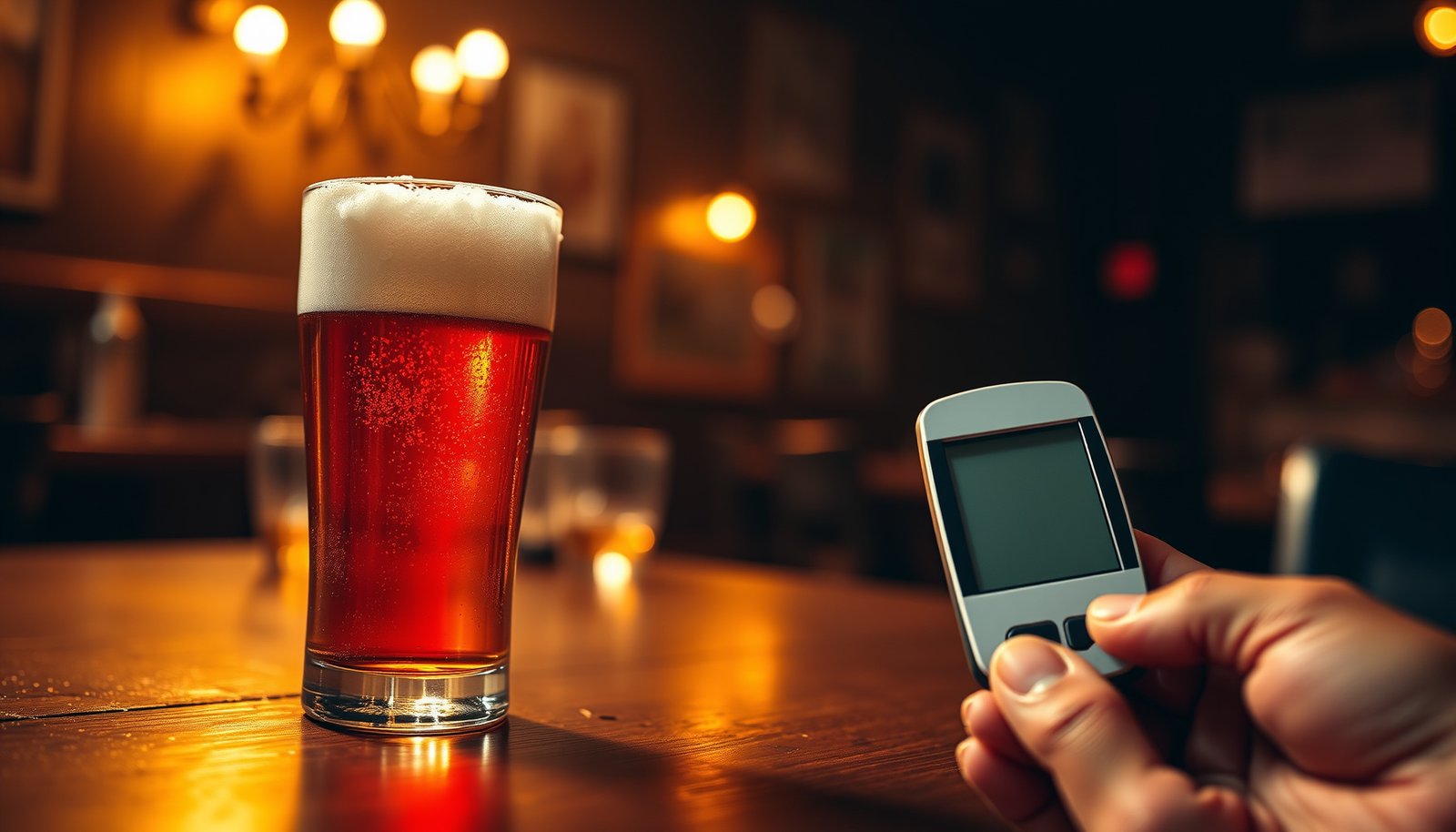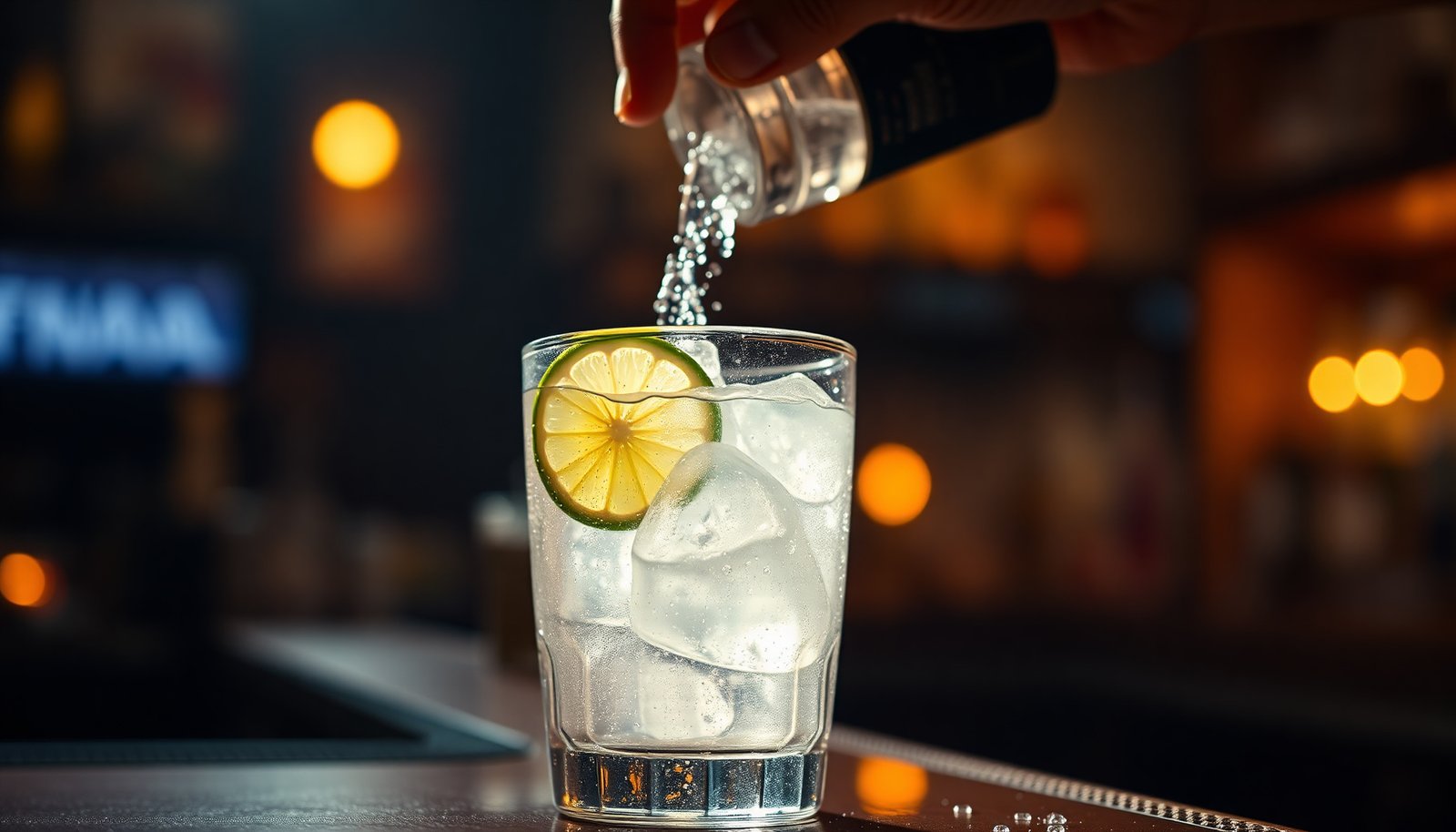

For people with diabetes, the biggest risk with alcoholic beverages is not the alcohol—it is the hidden sugar and carbohydrates in cocktails and sweet wines. The best choices come from a simple filter: lowest added sugar, clear carbohydrate counts, moderate portions, and drinks that pair well with how you monitor glucose. When you apply that standard, dry wine and carefully measured spirits with zero-sugar mixers typically outperform beer, sweet liqueurs, and many mixed drinks.




If you have diabetes, the best alcohol drinks are usually the ones with the lowest carbs and sugar—think dry options and spirits mixed with zero/low-carb mixers. You’ll also want to follow portions and watch your blood glucose because alcohol can lower levels for several hours, especially if you take insulin or certain pills. In this guide, you’ll learn what to pick, what to limit, and how to drink more safely.
If you’re managing diabetes (type 1 or type 2) and still want to enjoy alcohol occasionally, this is for you—particularly if you’ve noticed drinks can affect your glucose. Use it as a “decision checklist” when choosing beverages and planning your night.
What to look for in alcohol when you have diabetes
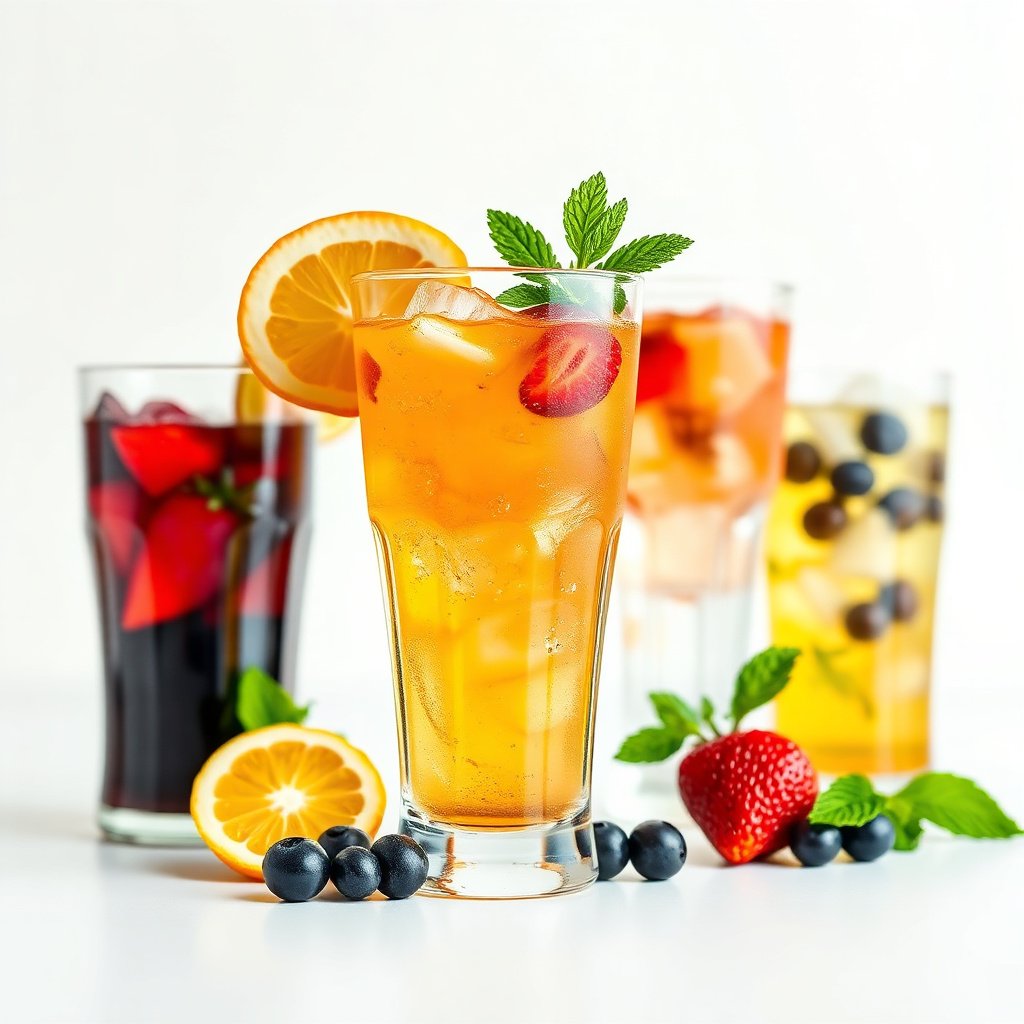
The best starting point is to choose drinks that keep total carbohydrates and added sugar as low as possible—because that’s the part most directly tied to post-drink glucose. Alcohol itself can also shift glucose regulation, so the “safest” choice depends on both the drink label and how your diabetes medication works.
– Prioritize drinks with the fewest carbs and no added sugar (the label matters more than “light” marketing).
In the U.S., nutrition labels report total carbohydrate per serving, and that’s what you should compare across beverages. As of 2026, many canned cocktails and flavored seltzers clearly list grams of carbs, but you still have to check the serving size.
– Prefer dry styles (e.g., dry wine) and skip sweet, fruity, or “cocktail” drinks unless you’ve checked the carbs.
“Dry” is primarily a flavor/fermentation term, but dry wines generally contain less residual sugar than sweet wines—so they usually land lower on carbs per serving.
– Consider how alcohol affects glucose alongside your medication—risk isn’t the same for everyone.
For diabetics using insulin or sulfonylureas (like glipizide or glyburide), alcohol increases the chance of hypoglycemia (low blood glucose) because it can interfere with the liver’s ability to release glucose during the hours after drinking.
Best alcohol drinks for diabetics (generally lower sugar)
The best alcohol drinks for diabetics are typically the simplest ones: dry wine or straight spirits plus mixers that add little to no carbohydrate. This approach reduces the “sugar spike” risk while also making your intake easier to estimate and dose around.
– Dry wine (especially varieties labeled “dry”): typically lower in carbs than sweet wines.
If you’re choosing between a “dry red,” “dry white,” or a “dessert” wine, prioritize the words dry and table wine on the label and check the grams of carbohydrate per serving.
– Dry spirits (vodka/gin/tequila/whiskey) with zero-carb or low-carb mixers like club soda or sugar-free soda.
Spirits contain little to no carbohydrate by themselves, but the mixer can change everything—tonic, juice, and many “cocktail mixers” add measurable carbs.
– Light beer (if you choose it): often fewer carbs than regular beer, but still check the label and portion.
Beer carbs vary by brand and style. “Light” may reduce carbs, but it doesn’t make beer carb-free, and portion size still matters.
Typical Carbs in Common Drinks (Standard Servings)
| # | Drink (typical serving) | Total carbs | Added sugar | Diabetes-friendliness |
|---|---|---|---|---|
| 1 | Dry red wine (5 oz / 148 ml) | ~4 g | ~0–1 g | ★★★★☆ |
| 2 | Dry white wine (5 oz / 148 ml) | ~3 g | ~0–1 g | ★★★★☆ |
| 3 | Vodka + club soda (1.5 oz spirit + 4–6 oz mixer) | ~0–1 g | 0 g | ★★★★★ |
| 4 | Light beer (12 oz / 355 ml) | ~6–8 g | ~0–2 g | ★★★☆☆ |
| 5 | Regular beer (12 oz / 355 ml) | ~12–15 g | ~0–3 g | ★★☆☆☆ |
| 6 | Sweet wine / dessert wine (5 oz / 148 ml) | ~10–16 g | ~8–14 g | ★☆☆☆☆ |
| 7 | Margarita (mixed, ~8 oz / 240 ml) | ~25–35 g | ~20–30 g | ★☆☆☆☆ |
*Note: Carb values vary by brand and recipe. Always confirm the exact grams on the label or ask for nutrition details when ordering. For diabetes planning, use the drink’s serving size you actually consumed—not a generic assumption.*
Drinks to limit or avoid
The drinks most likely to derail glucose control are the ones that combine alcohol with substantial sugar and easily absorbed carbs. Even if alcohol alone lowers glucose later, added sugars can cause a mixed, unpredictable “up then down” pattern.
– Sweet wine, dessert wine, and flavored liqueurs: they’re usually higher in sugar and carbs.
Liqueurs often behave like concentrated sweet beverages, so “small pours” can still add meaningful carbohydrate.
– Margaritas, daiquiris, piña coladas, and other sweet cocktails: often contain added sugar and syrup.
Syrup, juice blends, and sweetened sour mixes are frequent contributors. A “single cocktail” can also be multiple servings depending on the bar’s standard measure.
– Regular soda + alcohol mixes: easy way to overshoot carbs even if the alcohol itself seems “small.”
Many people choose diet soda to manage carbs; if you use regular soda, you may accidentally double your carbohydrate intake without noticing.
How to drink more safely (so glucose doesn’t crash)
The safest way to enjoy alcohol with diabetes is to reduce carbohydrate load and actively manage the risk of delayed hypoglycemia. That means planning ahead, pairing drinks with food, and monitoring glucose according to your diabetes care plan.
– Eat first: having food with alcohol can reduce glucose swings for many people.
A meal or substantial snack slows alcohol absorption and provides glucose so your body isn’t trying to rely on stored reserves while drinking.
– Slow down and track: sip over time and monitor your blood sugar as you’ve been advised by your clinician.
According to the American Diabetes Association, alcohol can lead to hypoglycemia—particularly in those using insulin or insulin secretagogues—so glucose monitoring matters even if you feel “fine.” American Diabetes Association (Standards of Care in Diabetes)
– Choose consistent drinks: sticking to one “safer” option makes it easier to predict how you respond.
If you order dry wine all night (instead of alternating wine, then beer, then cocktails), you reduce the number of variables affecting your blood glucose trajectory.
- Dry spirits + club soda
- Pros: Usually minimal carbohydrate; easier to estimate intake when you stick to one mixer.
Cons: Still can cause delayed glucose drops—especially with insulin/sulfonylureas. - Dry wine
- Pros: Often lower carbs than sweet wine; simpler than most cocktail recipes.
Cons: Alcohol effects can still lower glucose for hours; wine portions can vary (5 oz vs. 8–10 oz).
What can go wrong (common mistakes and edge cases)
Even with careful drink selection, diabetes physiology can make alcohol unpredictable—especially at night and the next morning. The common failures here are about timing, medication interactions, and “sugar-free” assumptions.
– Hypoglycemia risk: alcohol can lower blood glucose—this is especially concerning if you use insulin or sulfonylureas.
Alcohol can suppress glucose production by the liver, which increases risk when your medication is already driving glucose down.
– “Sugar-free” isn’t always carb-free: some mixers or drinks still contain carbs, so verify the nutrition info.
Sugar-free doesn’t automatically mean “zero carbohydrate.” Ingredients like alcohol sugars or sweeteners can still show up as carbs depending on the product.
– Late-night lows: glucose changes can happen after the effects of alcohol wear off, so don’t ignore overnight trends.
Planning matters: if you’re drinking late, consider whether your clinician wants you to check overnight or adjust your plan for the next day.
As a practical caution, keep your alcohol intake within standard drink limits. According to the U.S. Dietary Guidelines, a standard drink contains about 14 grams of pure alcohol. U.S. Dietary Guidelines for Americans, 2020–2025 And binge drinking is defined by the National Institute on Alcohol Abuse and Alcoholism as ≥5 drinks for men or ≥4 drinks for women in about 2 hours—patterns that can dramatically increase hypoglycemia risk. NIAAA (binge drinking definition) In 2026, many bars still don’t present alcohol content clearly, so portion awareness remains essential.
Verdict: a practical rule for choosing the best drink
If you want the safest starting point, choose dry wine or spirits with zero/low-carb mixers, confirm the carb count on the label, and keep portions modest. Skip sweet cocktails and dessert-style drinks unless you can accurately account for the carbs—and ask your diabetes care team what’s safest for your specific meds.
Downsides to this approach: even “low-carb” drinks can still trigger delayed lows, and bar pour sizes can exceed what you planned. This matters most if you use insulin or sulfonylureas, where the risk profile is different than for some people on metformin alone.
Who should skip alcohol (or be extra cautious): people with a history of severe hypoglycemia, those with unstable glucose control, and anyone whose clinician has advised avoiding alcohol. If you’re not sure how alcohol interacts with your medication, don’t guess.
Quick scan: best picks vs. “pause and check”
| Category | Safer direction | What to double-check |
|---|---|---|
| Wine | Dry wine | Total carbs per serving (label) |
| Spirits | Vodka/gin/tequila/whiskey with zero-carb mixer | Mixer carbs + cocktail sweetness |
| Beer | Light beer (label-verified) | Carbs and how many servings |
| Cocktails | Skip most pre-mixed sweet drinks | Syrups, juice, and add-ins |
Checklist before you order
– ✅ Check carbs/sugar on the label (or ask if available)
– ✅ Choose “dry” styles or simple spirit + zero/low-carb mixer
– ✅ Eat beforehand and drink slowly
– ✅ Monitor glucose if that’s part of your plan
– ✅ Avoid sweet cocktails and dessert drinks
Frequently Asked Questions
What are the best alcohol drinks for diabetics?
The best alcohol drinks for diabetics are low-sugar options like dry red or white wine, extra-dry rosé, and clear spirits (vodka, gin, tequila) mixed with zero-sugar soda water. These choices generally minimize added carbohydrates that can spike blood glucose. If you drink, keep portions modest—about 1 standard drink—and pair alcohol with a meal or snack to reduce glucose swings.
Which alcohol beverages should diabetics avoid?
Diabetics should avoid sugary cocktails, sweet liqueurs, and mixers like regular soda, juice, or tonic with sugar because they can raise blood sugar quickly. Be cautious with beer and hard cider if they are not low-carb, since regular varieties often contain more carbohydrates. Also limit “dessert” wines and flavored alcohols, which commonly have added sugars and can be hard to estimate for carbs.
How can diabetics drink alcohol without spiking blood sugar?
Drink slowly and choose low-carb alcohol drinks for diabetics, such as dry wine or spirits with sugar-free mixers. Always monitor your blood glucose before drinking and consider checking again during and after, since alcohol can affect glucose levels for hours. Eating beforehand and staying hydrated can also help prevent both hyperglycemia and delayed hypoglycemia.
Why can alcohol be risky for people with diabetes?
Alcohol can cause blood sugar fluctuations because it can interfere with the liver’s ability to release glucose, especially with certain diabetes medications. Some drinks also contain carbohydrates that raise blood glucose, particularly sweet cocktails and beers. This combination is why people with diabetes need safer drink choices and careful glucose monitoring when drinking alcohol.
Best practices: Which diabetes-friendly mixers and portion sizes work best?
For diabetes-friendly alcohol, use sugar-free mixers like diet soda, soda water, sparkling water, or sugar-free tonic, and avoid regular juice or sweetened drinks. Stick to a standard portion size—typically 5 oz (wine), 12 oz (beer), or 1.5 oz (liquor)—and consider limiting to one drink per occasion unless your clinician advises otherwise. If you use insulin or medications that can lower blood sugar, discuss safe alcohol limits with your healthcare team.
📅 Last Updated: November 25, 2026 | Topic: best drinks for diabetics alcohol | Content verified for accuracy and freshness.
References
- Search – NIDDK
- Mayo Clinic
- Search results for diabetes alcohol – NHS
- https://www.niaaa.nih.gov/alcohol-health/overview-alcohol-consumption/moderate-drinking
- https://pubmed.ncbi.nlm.nih.gov/?term=alcohol+hypoglycemia+diabetes
- https://pubmed.ncbi.nlm.nih.gov/?term=alcohol+consumption+type+2+diabetes+meta-analysis
- https://scholar.google.com/scholar?q=alcohol+diabetes+hypoglycemia+insulin Google Scholar
- https://scholar.google.com/scholar?q=alcohol+and+diabetes+guidelines+ADA Google Scholar
- https://scholar.google.com/scholar?q=moderate+alcohol+consumption+type+2+diabetes+risk+meta-analysis Google Scholar