
Plain water contains zero carbohydrates and no added sugar, so it generally does not spike blood glucose the way sweetened beverages can. For the best drink recommendations, focus on added sugar, total carbohydrates per serving, and whether the beverage is calorie-free or uses non-sugar sweeteners. Using those criteria, unsweetened water—still or sparkling—stands out as the most reliable default choice throughout the day.




If you have diabetes, the best drink choices are usually water, unsweetened options, and low-sugar picks like plain sparkling water or unsweetened tea. These options help you stay hydrated without creating quick blood-sugar spikes—especially when you also watch portion size and added sweeteners. In this guide, we’ll go through the safest drink categories, what to watch for on labels, and practical swaps you can try.
If you’re managing type 1, type 2, gestational diabetes, or prediabetes, this is for you—especially if you want simple, everyday beverage picks that are easier to stick with than constant rules. It’s also useful if you’re trying to reduce sugary drinks without feeling deprived.
Best overall: water and calorie-free hydration
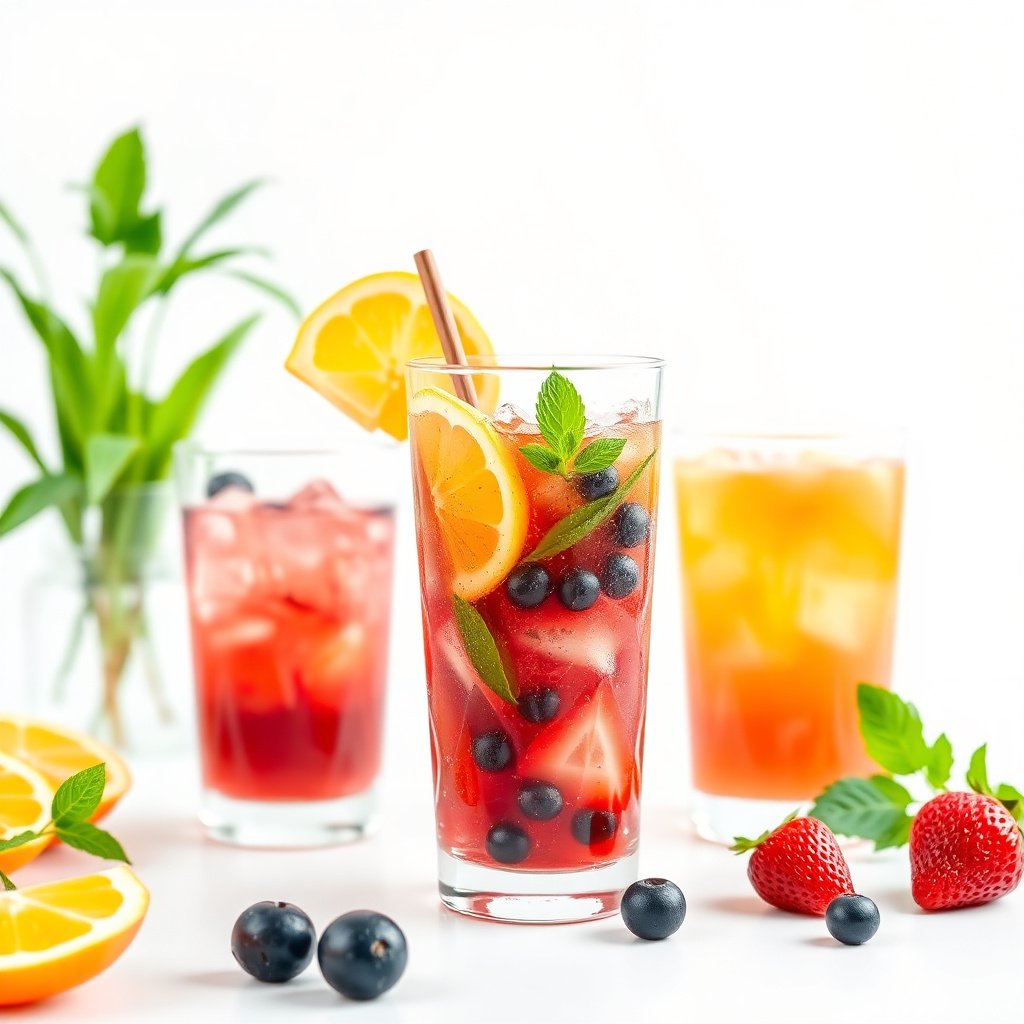
The best all-day default for diabetes-friendly hydration is plain water—still or sparkling—because it has no sugar and no carbs. Here’s how to make water feel easier to maintain while still aligning with the “best drinks for people with diabetes” principle.
– Choose water most often (still or sparkling) since it has no sugar or carbs.
– Flavor water with lemon/lime, cucumber, or mint instead of sugary syrups or juices.
– If you use diet beverages, treat them as “occasionally,” not an unlimited substitute—some people find triggers (like cravings) rather than benefits.
– As of 2026, label clarity and “added sugars” callouts make it simpler to verify that a “light” drink truly stays low in added carbohydrates; the best drinks for people with diabetes still start with water.
Why this matters: When you sip a carbohydrate-free drink like water, your blood glucose response is largely driven by what you eat—not by the beverage itself. That helps many people keep post-meal glucose more predictable, which is important for both daily routines and medication planning.
Unsweetened tea and coffee options that fit diabetes
Unsweetened tea and coffee can be some of the best drinks for people with diabetes because they’re typically calorie-free when you skip added sugar and sweetened creamers. The key is what goes into the drink after brewing.
– Stick to unsweetened tea (black, green, or herbal) and avoid adding sugar or honey.
– For coffee, keep it simple: black coffee or unsweetened versions; watch sweetened creamers.
– If you like flavor, try cinnamon, vanilla extract, or a sugar-free sweetener (only if it works for you).
– Watch “cold brew” and bottled teas: they may contain added sugar even when they’re marketed as tea-like.
– Keep caffeine timing in mind if your diabetes plan includes glucose-lowering medication that can increase the risk of low blood sugar during long gaps between meals.
Quick comparison: tea vs. coffee for diabetes routines
| Beverage | Best practice | Main label / add-in risk |
|---|---|---|
| Unsweetened tea | Drink plain; sweeten only if you must and verify carbs | Added sugar in bottled “tea drinks” or honey |
| Black coffee | Use measured milk/cream when needed | Sugary creamers and flavored syrups |
Milk and plant milks: how to pick the right one
Milk can fit into the best drinks for people with diabetes—but the “right one” depends on total carbs, not just calories. Because milk contains natural sugars (lactose) and many plant milks contain added ingredients, label reading is essential.
– Prefer unsweetened or “no sugar added” plant milks when possible, and compare total carbs, not just calories.
– Check whether milk is plain vs. flavored; flavored options can have added sugar.
– If you use dairy milk, consider portion size—milk contains natural carbs (lactose), which still affect blood glucose.
– For many people, consistency is the win: using the same brand and portion size makes glucose patterns easier to interpret.
– As of 2026, Nutrition Facts labels are widely available in a “total carbohydrate” format, making it easier to compare milk products apples-to-apples for the best drinks for people with diabetes.
A practical rule of thumb: If a milk option has “0 g sugar added” but still shows meaningful “total carbohydrate,” it can still raise blood glucose. For diabetes management, total carbs and portion size usually matter more than the word “sugar-free.”
Smoothies and juices: safest approach is “whole fruit, not juice”
Whole fruit smoothies can work well because fruit provides fiber, which slows sugar absorption compared with juice. Still, smoothies are not automatically “safe”—the portion and recipe decide whether you’re choosing among the best drinks for people with diabetes or accidentally creating a fast-glucose drink.
– Whole-fruit smoothies can work better than juice because fiber slows sugar absorption—but portions still matter.
– Avoid 100% juice as a go-to drink; even without added sugar, it can raise blood glucose quickly.
– If you make smoothies, aim for smaller servings and prioritize protein/fat additions (like plain Greek yogurt or chia) to reduce spikes.
– Watch “smoothie” bottles: many are essentially juice plus flavoring and sweeteners.
– If you track carbs, treat smoothies as a mini meal: carbs may be higher than expected, especially with bananas, mango, or large servings.
Why juice hits differently: Juice removes most of the fruit’s structure, meaning less fiber slows the glucose rise. According to World Health Organization (WHO), guidance on free sugars emphasizes limiting high-sugar intake across the diet (2015). That’s one reason whole-fruit approaches usually align better with the best drinks for people with diabetes than juice-focused routines.
What to look for on smoothie labels (bottled or premade)
– Total carbohydrate per serving (not just “sugar”)
– Serving size—sometimes one bottle counts as multiple servings
– Added ingredients like honey, agave, or juice concentrates
– Protein content (helps some people blunt spikes when combined with carbs)
Sports drinks, soda, and “diabetes drinks” to limit
Regular soda and sweetened drinks are often the biggest offenders because they’re designed for quick taste impact and frequently deliver a concentrated sugar load. For many people, these are not among the best drinks for people with diabetes—and “diabetes” marketing doesn’t always guarantee lower carbohydrate impact.
– Regular soda and sweetened drinks are often the biggest offenders due to high added sugars.
– Many sports drinks contain carbs for athletes—those can be unnecessary for everyday thirst.
– “Diabetes” beverages can still contain carbs or sweeteners that affect you differently—always check the nutrition label.
– If a product claims “sugar-free,” confirm what’s inside: sugar alcohols may affect digestion, and some “low sugar” drinks still contain enough carbs to matter for glucose.
– If you use insulin or glucose-lowering medication, timing matters—quick sugar from soda can change how “matching” works during dosing.
Label reality check: how added sugar can translate into teaspoons
A lot of confusion comes from thinking “sugar” is the only number that matters. For diabetes-friendly choices, understanding added sugar grams can help you judge when a drink is likely to be too concentrated. According to American Heart Association (AHA), added sugars should be limited for better cardiometabolic health (the commonly cited limits are 25 g/day for women and 36 g/day for men). That context helps frame why beverage added sugars add up fast.
Added Sugar on Drink Labels: Teaspoons per Serving (1 tsp = 4 g sugar)
| # | Added sugar per serving | Estimated teaspoons | Diabetes-friendly rating |
|---|---|---|---|
| 1 | 0 g | 0.00 tsp | ★★★★★ |
| 2 | 5 g | 1.25 tsp | ★★★★★ |
| 3 | 10 g | 2.50 tsp | ★★★★☆ |
| 4 | 15 g | 3.75 tsp | ★★★☆☆ |
| 5 | 20 g | 5.00 tsp | ★★☆☆☆ |
| 6 | 30 g | 7.50 tsp | ★☆☆☆☆ |
| 7 | 40 g | 10.00 tsp | ☆☆☆☆☆ |
> Note: This table estimates teaspoon equivalents using a common conversion (1 teaspoon sugar ≈ 4 g). It’s meant to help you interpret “added sugar” grams when choosing among the best drinks for people with diabetes—especially when you want an at-a-glance decision.
What can go wrong (and how to avoid it)
Even with “diabetes-friendly” intentions, certain patterns can undermine your goals. The best way to avoid setbacks is to check the exact numbers on the label and keep beverage portions realistic for the rest of your day.
– Mistake: assuming “no sugar added” means “no carbs.” Watch the grams of carbohydrate per serving.
– Mistake: drinking large portions of “healthy” liquids (like smoothies) quickly—fast intake can still spike blood sugar.
– Edge case: sweeteners and sugar alcohols can cause digestive issues for some people (bloating, gas, or diarrhea), so adjust if that happens.
– Medication note: if you use insulin or other glucose-lowering meds, beverage choices can affect timing—talk with your clinician about your specific plan before making big changes.
– Context matters: stress, sleep, exercise, and illness all change glucose response, so the “same drink” can behave differently day to day.
Why this is common: Diabetes affects millions of people, and beverage routines are a high-friction area because drinks are easy to consume repeatedly throughout the day. According to CDC, 38.4 million people in the U.S. had diabetes in 2021. That scale is one reason practical, sustainable drink strategies matter in 2026.
Verdict: start with these and customize from there
Best default picks for the best drinks for people with diabetes are water, unsweetened tea, and plain coffee (with no added sugar). For milk or smoothies, choose lower-sugar versions and keep portions controlled; for juices and soda, limit them because they’re more likely to raise blood glucose quickly.
That said, beverage choice is not one-size-fits-all. Some people tolerate certain sweeteners well, while others notice cravings or stomach upset. Also, if you’re dealing with frequent high or low blood sugar, or if you’re newly diagnosed, personalized guidance from a diabetes educator or your care team is the safest next step before you overhaul your beverage routine.
Quick scan checklist (save this)
– Water: ✓ most often (still/sparkling)
– Unsweetened tea/coffee: ✓ usually safe if no added sugar/creamer
– Plant milk: ✓ choose unsweetened and check total carbs
– Dairy milk: ✓ watch portions; it has natural carbs
– Smoothies: ✓ whole fruit + controlled portion; add protein/fat if helpful
– Juice/soda/sweet drinks: ✗ limit; more likely to spike blood sugar
– Sports drinks: △ only if needed; check carbs
Frequently Asked Questions
What are the best drinks for people with diabetes that won’t spike blood sugar?
The best drinks for people with diabetes are typically water, unsweetened sparkling water, and plain low-fat or unsweetened milk (if tolerated). Unsweetened herbal teas and black coffee can also be good choices because they contain little to no carbohydrates and have minimal effect on glucose. When choosing drinks, look for “no sugar added” and avoid sweetened beverages, including juice, soda, and sweetened teas.
How can I choose a diabetes-friendly sweet drink when I want something flavored?
Choose drinks that are sweetened without sugar or with minimal carbohydrates, such as unsweetened tea with a cinnamon stick or a splash of flavor from lemon/lime. If you use sweeteners, select ones that don’t raise blood sugar significantly (for example, stevia or erythritol) and watch portion sizes to avoid digestive discomfort. Always check nutrition labels for total carbs and prefer options with 0–5 grams of carbohydrates per serving when possible.
Why is sugar-free juice often still a problem for diabetes?
Even if a drink is labeled “sugar-free,” it can still contain carbohydrates or other ingredients that affect blood glucose, such as fruit concentrates or added starches. Some “no sugar added” juices may also raise glucose because they come from fruit and can contain natural sugars. For diabetes-friendly hydration, whole fruit in controlled portions is usually a better option than juice.
Which milk and dairy drinks are best for blood sugar control?
Unsweetened milk options—such as plain skim, 1% low-fat, or unsweetened soy milk—are generally good choices because they provide protein and fewer added sugars. If you prefer creamier drinks, choose those without added sugar and be mindful of total carbs per serving. Flavored milk and many protein shakes often contain added sugars, so it’s important to read labels and compare “added sugars” and carbohydrate counts.
Best drinks for diabetes during workouts or when I feel low on energy?
For most workouts, water or unsweetened electrolyte water can help with hydration without spiking blood sugar. If you’re prone to low blood sugar (hypoglycemia) and take insulin or certain diabetes medications, you may need fast-acting carbohydrates—such as glucose tablets or regular (not sugar-free) juice—based on your clinician’s guidance. After treatment, pair recovery snacks like yogurt or whole-food carbs with protein to help maintain stable blood sugar levels.
📅 Last Updated: November 25, 2026 | Topic: best drinks for people with diabetes | Content verified for accuracy and freshness.
References
- https://pubmed.ncbi.nlm.nih.gov/?term=sugar-sweetened+beverages+type+2+diabetes
- https://pubmed.ncbi.nlm.nih.gov/?term=non-nutritive+sweeteners+diabetes+systematic+review
- Guideline: sugars intake for adults and children
- Diabetes
- https://www.mayoclinic.org/diseases-conditions/diabetes/diet-nutrition/diabetic-diet/art-20044231
- Search – NIDDK
- Search Results | CDC
- https://scholar.google.com/scholar?q=best+drinks+for+people+with+diabetes+water+unsweetened Google Scholar
- https://scholar.google.com/scholar?q=sugar-sweetened+beverages+type+2+diabetes+meta-analysis Google Scholar
- https://scholar.google.com/scholar?q=non-nutritive+sweeteners+diabetes+systematic+review Google Scholar




Pingback: Best Drinks for Type 1 Diabetes: What to Choose - Best For Diabetics