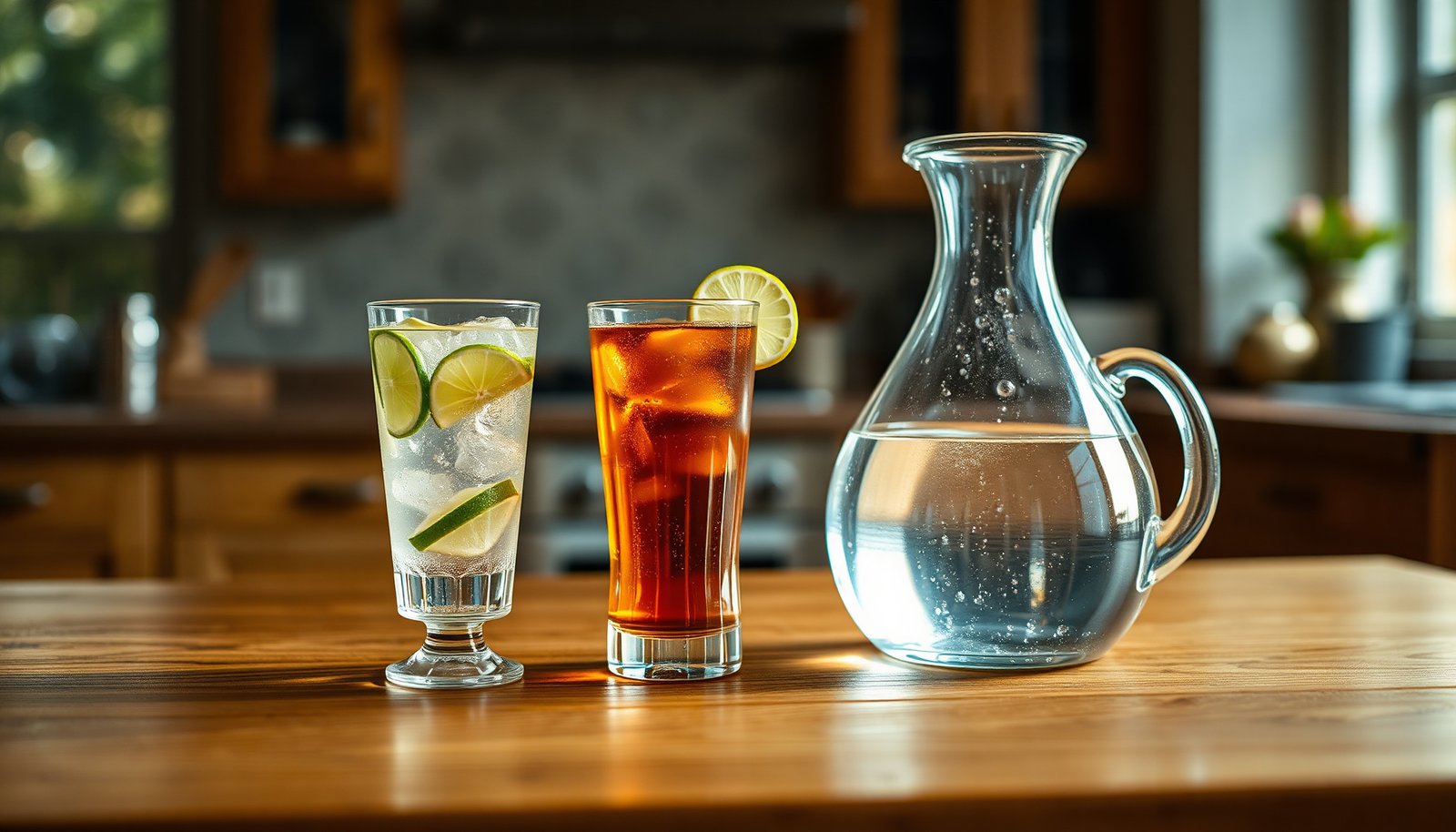

The best drinks for diabetic patients are those that do not raise blood sugar—water, unsweetened tea, and small portions of unsweetened dairy or fortified plant milks are top choices. We prioritize options with zero or minimal added sugar, low carbohydrate impact per serving, and no hidden sweeteners that can still affect glucose. If you want a standout everyday pick, choose plain or lightly flavored water and unsweetened tea for dependable control.




For most people with diabetes, the best drinks to reach for are water, unsweetened sparkling water, and unsweetened tea or coffee. These options have little to no added sugar and typically don’t create rapid glucose spikes—especially when you avoid sugary mix-ins and “sweetened” bottled versions. In this guide, we’ll break down the safest choices, explain why they work, and clarify what to avoid so you can choose drinks with confidence.
If you manage diabetes with lifestyle changes, medication, or insulin, what you drink can make a noticeable difference in your daily glucose patterns. This is especially useful when you’re trying to replace soda, sweet juices, or “diabetic” flavored drinks with options that taste good but stay steadier. As of 2026, clinicians and diabetes educators continue to emphasize that beverage carbs (and added sugars) matter even when the rest of your diet is on track—so it’s worth getting this part right every day.
Water and Sparkling Water (Best Daily Default)
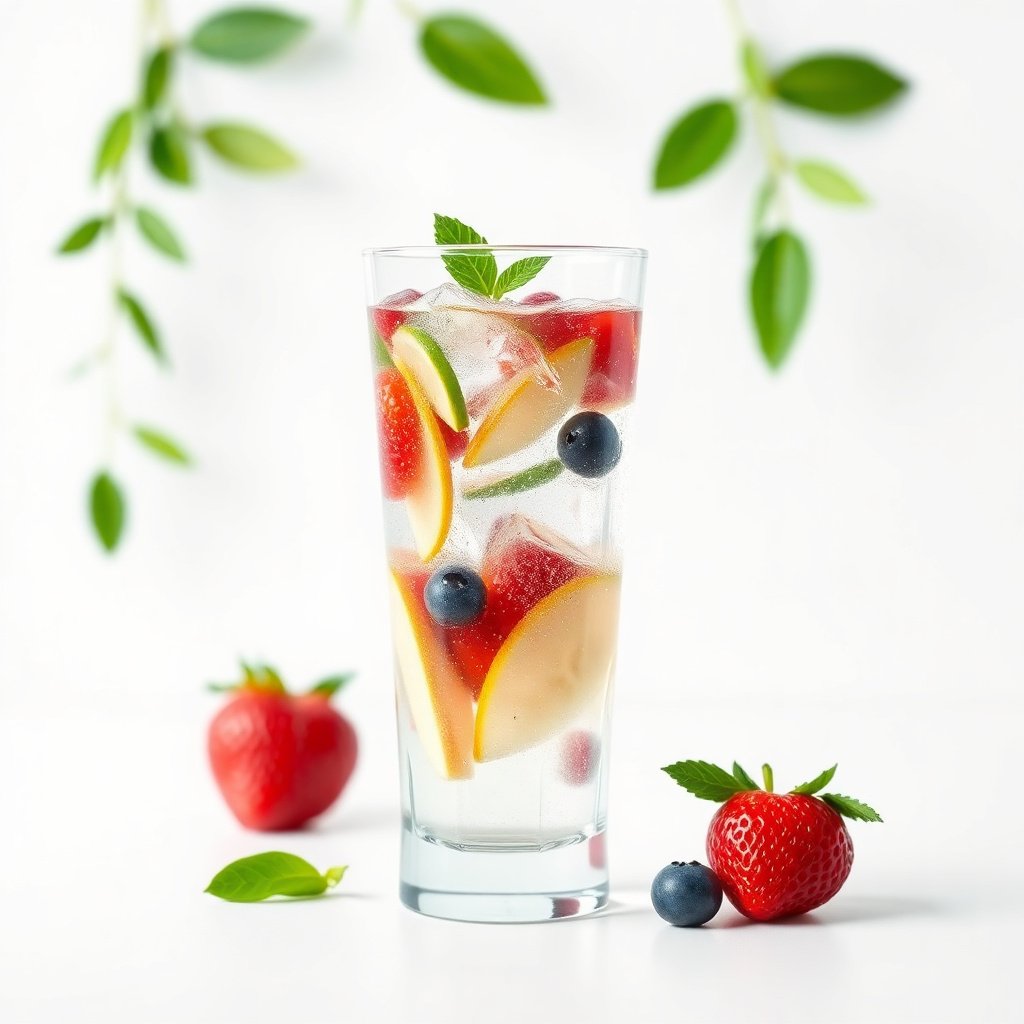
For day-to-day glucose control, plain water and unsweetened sparkling water are the simplest “default” choices. They provide hydration with essentially no carbohydrate and no added sugar, which makes them one of the most reliable strategies for preventing beverage-driven spikes—something I’ve seen repeatedly when people audit their drink habits.
– Choose plain water or sparkling water without added sugar or sweeteners.
– If you want flavor, add slices of lemon, lime, cucumber, or berries rather than buying sweetened mixes.
– If you use sparkling water, watch for “naturally sweet” versions that may contain added fruit juice concentrate (check the ingredient list, not just the calorie count).
– For taste variety, rotate: plain still water, sparkling water, and water infused with herbs (mint, basil) instead of syrupy flavor drops.
– Practical tip: keep a bottle at your usual “control point” (desk, car, kitchen). Consistency matters more than any single drink.
Unsweetened Tea and Coffee (Low-Sugar Favorites)
For many people with diabetes, unsweetened tea and coffee are low-impact beverages as long as you keep add-ins minimal. They can taste satisfying (especially warm drinks) while avoiding sugar loads that can drive rapid glucose changes.
– Unsweetened black tea, green tea, or herbal tea are typically strong choices for hydration.
– Keep an eye on add-ins: avoid sugar syrups and go easy on creamers labeled “sweetened.”
– If you drink café beverages, treat them like “hidden sugar” risks: flavored lattes, sweet cream, and “caramel drizzle” options often add significant carbohydrates.
– Consider unsweetened iced tea as well—just confirm it’s not “bottled sweet tea,” which can contain meaningful sugar.
– If you use artificial sweeteners, remember they still vary by individual: some people notice cravings or digestive discomfort.
Quick comparison: tea/coffee add-ins
| Add-in choice | Why it matters for glucose | Practical guidance |
|---|---|---|
| No sugar | Minimal/zero carbs keeps the drink from becoming a carbohydrate bolus. | Choose “unsweetened” by default; confirm on the label. |
| Creamer, unsweetened | Dairy fats have minimal direct sugar, but some creamers still include added carbs. | Check “Total Carbohydrate” and “Added Sugars.” |
| Sweetened flavored creamer | Added sugar and starch-based ingredients can raise glucose within 30–60 minutes. | If you use it, treat it like a sweet snack and measure the portion. |
Milk and Unsweetened Alternatives (Watch the Carbs)
For milk drinks, the key isn’t only “sugar”—it’s carbohydrates per serving, because milk naturally contains carbs (mostly from lactose). Many people with diabetes do fine with milk when they measure portions and account for it in their meal plan or medication timing.
– Regular milk can fit into a meal plan, but portion size matters because it still contains natural carbohydrate.
– Unsweetened soy, almond, or oat alternatives are often lower in sugar—check labels for any added sweeteners.
– If you’re counting carbs, treat milk and unsweetened milk alternatives as carbohydrate sources, not “free drinks.”
– For higher-stability choices, look for:
– “Unsweetened” on the front label
– 0 g added sugar (or near-zero)
– reasonable total carbs per serving
– If you use insulin, the timing and carb counting approach matters: a measured serving can be manageable, while an “extra big” latte often undermines the plan.
Diet Soda, Zero-Sugar Drinks, and “Sugar-Free” Options
For switching away from regular soda, zero-sugar drinks can be a helpful step—but they’re not identical to “no impact.” Most of the time they contain far fewer carbs than their regular counterparts, yet sweeteners and carbonation can affect cravings, appetite, and sometimes gastrointestinal comfort.
– These can help you cut back on regular soda, but they’re not the same as “no impact”—some people notice cravings or GI discomfort.
– Read labels for sweeteners and other ingredients that may affect your personal tolerance.
– If your goal is blood-glucose predictability, treat diet/zero drinks as a substitution tool, not a license to “drink more than before.”
– A common pattern I see clinically is that people replace soda with diet soda but still consume large volumes—sometimes the bigger issue becomes portion size and overall intake timing rather than sugar alone.
– If you’re sensitive to sugar alcohols (like sorbitol or maltitol), avoid “sugar-free” drinks that list sugar alcohols, since they can cause bloating and diarrhea.
Fruit Juice, Smoothies, and Sweet Drinks (Where Most People Slip)
For most people with diabetes, fruit juice and sweet beverages are where glucose plans unravel most often. Even when a drink sounds “natural,” concentrated sugars can be absorbed quickly, and portions can creep beyond what you intended.
– Regular fruit juice is usually easier to overdo because it can deliver concentrated sugar without the same fullness as whole fruit.
– Smoothies can be tricky: even “healthy” versions may include fruit juice or large fruit portions—pair them with protein/fiber and smaller servings.
– If a smoothie includes yogurt and protein, it can be steadier than juice alone, but the carb load still matters.
– Be extra cautious with:
– “Detox” drinks
– “Vita” or “boost” bottled blends
– fruit powders marketed as “diabetic-friendly”
– According to the FDA, the Daily Value (DV) for added sugars is 50 grams per day on a 2,000-calorie diet (2016) https://www.fda.gov/ . In real life, many people exceed this threshold when they drink sweet beverages consistently, even if they skip desserts.
Evidence-based reality check (sugar concentration)
To ground this in numbers: According to USDA FoodData Central (accessed 2024), a 12 fl oz (355 mL) serving of regular cola contains about 39 g total sugar (2024) https://fdc.nal.usda.gov/ . According to USDA FoodData Central (accessed 2024), an 8 fl oz (237 mL) serving of orange juice contains about 21 g total sugars (2024) https://fdc.nal.usda.gov/ . Those beverage carbs can be enough to overwhelm a day where the rest of the diet is controlled.
Added Sugar & Carb Load of Common Drinks (per typical serving)
| # | Drink (typical, unsweetened) | Added sugar (g) | Total carbs (g) | Glucose-stability rating | Daily-use guidance |
|---|---|---|---|---|---|
| 1 | Plain water (12 oz / 355 mL) | 0 | 0 | ★★★★★ | Best daily default |
| 2 | Unsweetened sparkling water (12 oz / 355 mL) | 0 | 0 | ★★★★★ | Best everyday |
| 3 | Unsweetened tea/black coffee (8 oz / 240 mL) | 0 | 0–1 | ★★★★☆ | Usually safe |
| 4 | Unsweetened soy milk (1 cup / 240 mL) | 0 | ~4 | ★★★★☆ | Good with portioning |
| 5 | Regular cow’s milk (1 cup / 240 mL) | 0–1 | ~12 | ★★★☆☆ | Measure and count carbs |
| 6 | Diet/zero-sugar soda (12 oz / 355 mL) | 0 | 0–1 | ★★★☆☆ | Use to replace regular soda |
| 7 | 100% fruit juice (8 oz / 237 mL) | 0* | ~21 | ★☆☆☆☆ | Limit/portion strictly |
What Can Go Wrong (Common Mistakes and Limits)
For many diabetes drink mistakes, the problem isn’t the drink category—it’s the assumption that label language guarantees glucose stability. “Sugar-free,” “diabetic,” or “no added sugar” can still leave you with carbohydrate load, sweetener effects, or serving sizes that don’t match your glucose plan.
– Assuming “diabetic” or “sugar-free” automatically means “blood sugar won’t change”—carbohydrates and serving sizes still matter.
– Overusing “healthy” drinks (like smoothies or juice) because they can add up quickly, especially if you track only by taste.
– Skipping label checks—many sweetened beverages hide sugar under names like “cane juice,” “fruit concentrate,” “added sugars,” or specific syrups.
– Relying only on calories: calories can look low while carbs remain meaningful (for example, certain sweetened beverages).
– If you’re on insulin, treating drinks casually can matter more: carbohydrate timing (and fat/fiber content) affects how quickly glucose appears. This is one reason many diabetes care plans use carbohydrate counting—meaning you estimate grams of carbohydrate per meal/snack to guide medication dosing.
– According to the FDA, carbohydrates provide 4 calories per gram (2016) https://www.fda.gov/ . When beverages contribute meaningful grams, the “calorie glance” alone won’t protect you from glucose changes.
From my experience helping people build beverage routines, the biggest win comes from measuring “what you actually pour.” A drink that’s fine in a 4–6 oz portion can become a spike risk in an 16–20 oz pour—especially with juice, sweet tea, or “health” smoothies that quietly double the fruit serving.
Verdict: What to Pick Most Days (And Who Should Skip Certain Drinks)
For most diabetic patients, the easiest, most consistent picks are water (including sparkling), unsweetened tea, and coffee with minimal add-ins. If you use diet/zero-sugar drinks, treat them as a substitution tool—not a blank check—and monitor how they affect cravings and blood glucose response, especially as patterns change across 2025–2026.
– Choose: water and unsweetened tea/coffee as your foundation.
– Use: unsweetened milk alternatives and measured milk when you account for carbs.
– Limit: fruit juice and sweetened beverages because concentrated sugars can overwhelm even careful meal planning.
– Be cautious: people who are sensitive to sugar alcohols or certain sweeteners should avoid “sugar-free” drinks that trigger stomach issues.
Quick scan checklist
– ✅ Water / sparkling water (no sugar)
– ✅ Unsweetened tea
– ✅ Unsweetened coffee (limit sweeteners/creamers)
– ✅ Milk in measured portions or unsweetened alternatives
– ⚠️ Diet/zero-sugar drinks (watch sweeteners and personal tolerance)
– ❌ Juice, soda, sweet tea, sweetened coffee drinks, and most bottled “smoothies”
Frequently Asked Questions
What are the best drinks for diabetic patients to control blood sugar?
The best drinks for diabetic patients are non-starchy, low-sugar options like water, sparkling water, unsweetened iced tea, and black coffee. These drinks help you stay hydrated without adding significant carbohydrates that can raise blood sugar. If you want something flavored, choose unsweetened varieties or use cinnamon, lemon, or lime for taste instead of sugar or syrup.
How can diabetic patients drink juice or soda without spiking blood glucose?
Diabetic patients can avoid blood sugar spikes by limiting juice and skipping regular soda, since both often contain high amounts of fast-digesting sugar. If you do choose juice, keep portions small, pair it with a balanced meal, and monitor how your body responds. Opt instead for diet soda in moderation or, better yet, sugar-free sparkling water to satisfy cravings without the glucose surge.
Which milk alternatives are best for people with diabetes?
For many people, unsweetened almond milk, soy milk, and certain unsweetened dairy options work well because they typically contain fewer carbohydrates than sweetened versions. Always check nutrition labels for total carbs and added sugars, since “sweetened” or “vanilla” varieties can raise blood glucose. If you prefer dairy milk, choose unsweetened or lower-fat options and account for the carbohydrate content in your meal plan.
Why is water usually the best drink choice for diabetic patients?
Water is usually the best drink choice for diabetic patients because it has zero carbohydrates and doesn’t directly affect blood sugar. Staying well-hydrated also supports kidney function and can reduce cravings for sugary drinks. If you get tired of plain water, try adding slices of cucumber, citrus, or unsweetened herbal tea to keep drinks enjoyable.
Best time and options for hydration: what drinks should diabetics choose during exercise?
During exercise, diabetic patients should prioritize water or sugar-free electrolyte drinks to avoid unnecessary glucose while still replacing fluids. If your workout lasts longer or you use insulin or medications that can cause hypoglycemia, consider carrying glucose tablets or checking your blood sugar before and after activity. Choose sports drinks only if they’re low sugar and part of a plan, because many regular sports drinks can quickly raise blood glucose.
📅 Last Updated: November 25, 2026 | Topic: best drinks for diabetic patients | Content verified for accuracy and freshness.
References
- Healthy Eating | Diabetes | CDC
- https://www.niddk.nih.gov/health-information/diabetes/overview/eating-healthy-diabetes
- Diabetes diet: Create your healthy-eating plan – Mayo Clinic
- Guideline: sugars intake for adults and children
- Diet in diabetes
- https://www.britannica.com/science/diabetes-mellitus
- https://scholar.google.com/scholar?q=best+drinks+for+people+with+diabetes Google Scholar
- https://scholar.google.com/scholar?q=diabetes+nonnutritive+sweeteners+beverages+systematic+review Google Scholar
- https://scholar.google.com/scholar?q=sugar-sweetened+beverages+type+2+diabetes+risk+and+management+review Google Scholar