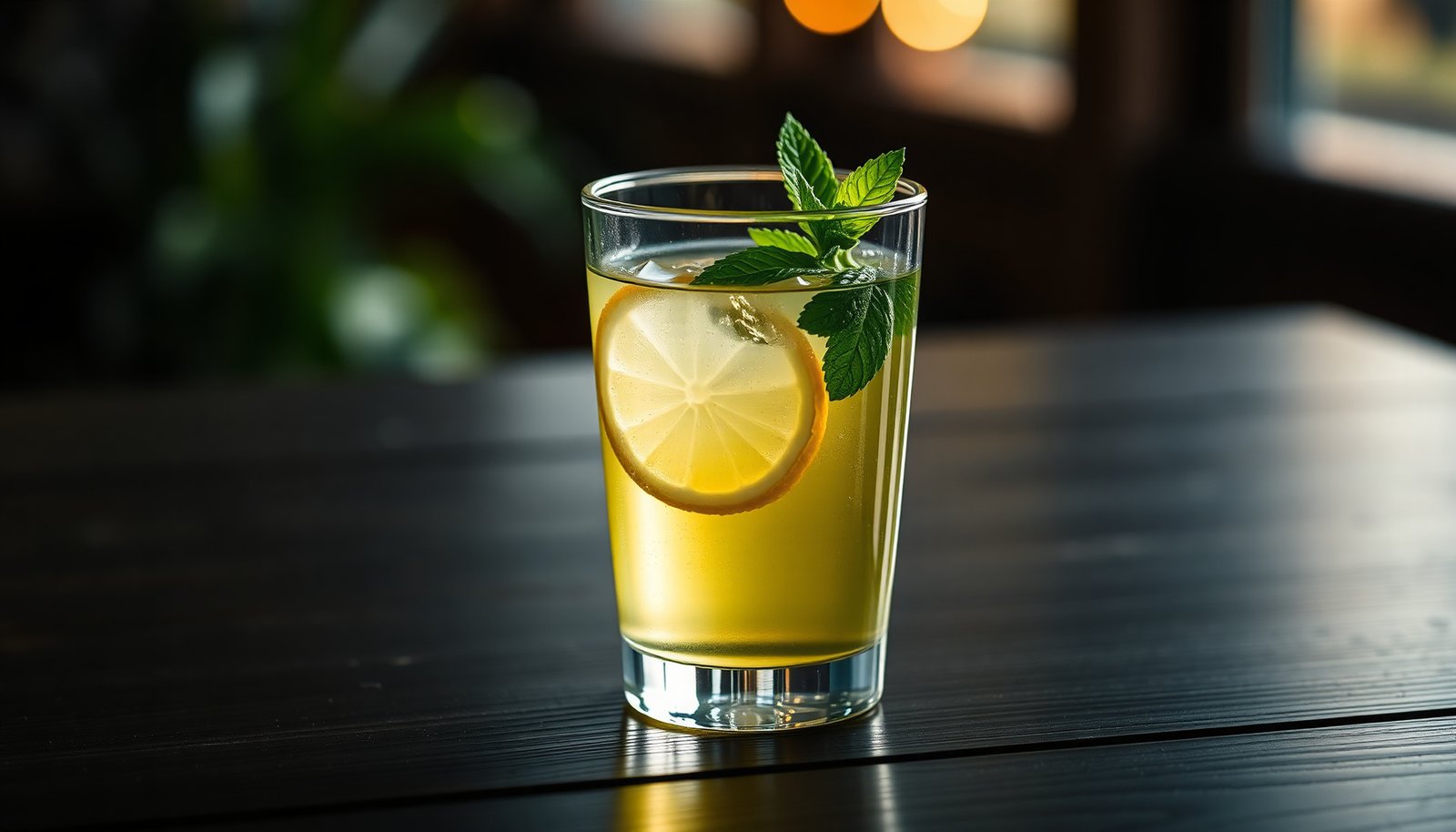

You reach for a drink after meals and wonder which option can help keep blood sugar steadier. For the recommendation you can trust, we weigh each choice by added sugar, overall carbohydrate load, likelihood of causing spikes, and what fits a diabetes-friendly routine. The standout pick is unsweetened tea, such as plain green or black tea, because it delivers flavor with virtually no sugar and minimal impact on glucose.



If you’re looking for the best drink to reduce diabetes risk or help manage blood sugar, choose unsweetened, low- or no-calorie drinks—especially water, unsweetened tea, or plain coffee. These options avoid the rapid glucose spikes that come from added sugar and fruit juice, while helping you stay hydrated without extra carbs. This guide will help you pick the safest drink and spot the common “healthy-sounding” choices that can backfire.
If you have prediabetes, type 2 diabetes, or you’re trying to prevent diabetes, this is for you. It’s also helpful if you’re already drinking tea/coffee but want a clearer “yes/no” framework for what to choose day to day.
Best drink to reduce diabetes: start with water or unsweetened tea
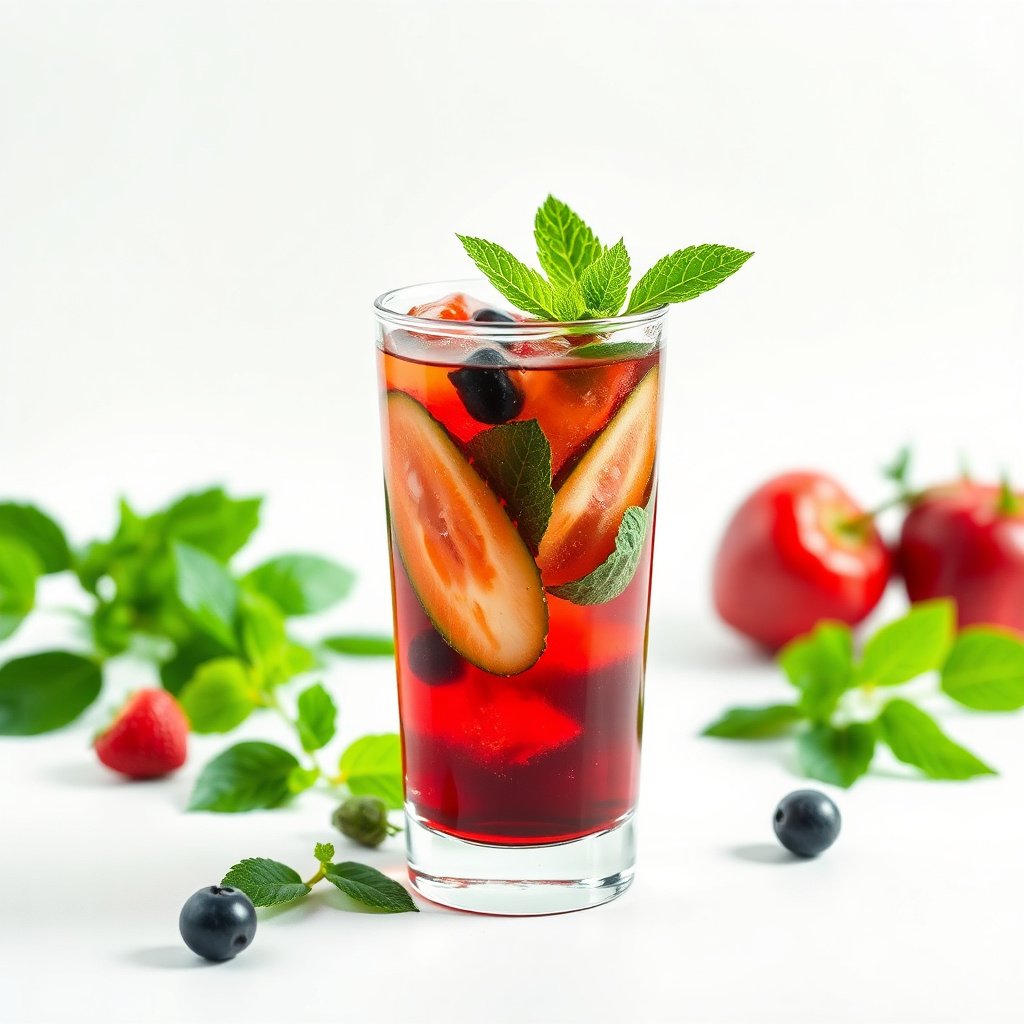
The best drink to reduce diabetes-related blood sugar swings is usually water, with unsweetened tea as a close second option. This is because water and properly prepared unsweetened tea add zero or near-zero carbohydrate load, meaning they don’t trigger the quick glucose rise that comes with added sugars.
– Plain water is the default “best bet” because it has no sugar and no carbs. Water also supports healthy digestion and helps you stay consistent with hydration—consistency matters when blood sugar management is the goal.
– Unsweetened tea (black, green, or herbal with no added sweeteners) is a common alternative that can fit into a daily routine. If you add milk, cream, or sweeteners, you change the carbohydrate and calorie profile—so keep the base drink unsweetened.
– Aim for “drinkable” consistency: a switch you can keep doing most days matters more than a one-off change. Many people do best when they “default” to water, then rotate with unsweetened tea or plain coffee.
From a metabolic-health perspective, the key concept is carbohydrate dose. When a beverage contains added sugar (or concentrated fruit sugars), it delivers glucose faster than whole foods do—especially without the fiber found in fruit, beans, and whole grains. That’s why water and unsweetened tea are consistently the most reliable choices for blood sugar support.
Also, this is relevant at a population level: according to the CDC, about 96 million US adults had prediabetes (2019–2020), and another CDC estimate puts about 38 million people living with diabetes (2021). With so many people working on prevention and control, drink selection becomes one of the easiest levers to standardize.
Unsweetened tea or coffee—why these are often the safer picks
The next-best beverages for most people managing prediabetes or type 2 diabetes are unsweetened tea and plain coffee, because they can be low-carb when prepared without sugar, syrups, or sweetened creamers. They also tend to be easier to stick with than “willpower-only” strategies.
– These drinks typically provide very few carbs when no sugar, syrups, or sweetened creamers are added. In practice, the biggest risk isn’t the tea or coffee itself—it’s what gets added (sweeteners, flavored syrups, honey, or “healthy” bottled blends).
– Tea and coffee may contain plant compounds/antioxidants that people discuss in relation to metabolic health. For example, polyphenols in tea are often studied for their potential impact on oxidative stress and insulin sensitivity—but they’re not a replacement for diabetes medication or medical care.
– If caffeine affects you (sleep, anxiety, heartburn), consider caffeine-free options or limit timing—especially later in the day. Sleep disruption can worsen insulin sensitivity in some people, and that can indirectly harm blood sugar control.
From a framework standpoint, diabetes nutrition is commonly organized using concepts from the American Diabetes Association (ADA) Standards of Care and practical tools like carbohydrate awareness (counting carbs when needed) and glycemic load (how much a food raises blood glucose, accounting for both quality and quantity of carbs). Water and unsweetened tea/caffeine-free tea are usually “low glycemic load” drinks because they contain little to no carbohydrate.
Important note for real-world behavior: the most common failure mode is “accidental sweetness.” Even a “small” sweetener dose can add up quickly across a day of tea/coffee. If you’re using tea/coffee already, the most actionable upgrade is to make your base drink unsweetened and keep add-ons minimal.
Avoid these drinks that can raise blood sugar fast
The beverages most likely to worsen blood sugar swings are the ones with added sugar or highly concentrated fruit sugars, particularly when consumed quickly. If your goal is to reduce diabetes risk or improve glucose stability, it’s smart to treat sugary drinks as “fast carbs with a liquid delivery system.”
– Soda and sweetened drinks: added sugar can quickly push blood glucose higher. Liquid sugar absorbs rapidly because the drink bypasses chewing and slows less than whole foods do.
– Fruit juice (even “100% juice”): it’s concentrated sugar without the same fiber you’d get from whole fruit. That means juice often raises glucose faster than eating an orange, apple, or berries.
– Sweetened teas/energy drinks/sports drinks: these often contain hidden sugars or “carb” calories that add up. Even when they’re marketed as “natural” or “electrolyte-balanced,” many still deliver significant carbohydrates.
Here are a few nutrition anchors that explain the pattern:
– According to the USDA FoodData Central, a 12 fl oz serving of regular cola contains about ~39 g sugar (accessed 2026).
– According to the USDA FoodData Central, an 8 fl oz serving of 100% orange juice contains about ~20–22 g sugar (accessed 2026).
– According to the CDC, prediabetes affects about 96 million adults in the US (2019–2020), which is why small daily choices—like drink sugar—matter at scale (and for you personally).
Typical Sugar & Carb Load in Common Drinks (per serving)
| # | Drink (typical serving) | Calories | Total sugar (g) | Net carbs (g) | Diabetes-friendly rating |
|---|---|---|---|---|---|
| 1 | Water (1 cup / 8 fl oz) | 0 | 0 | 0 | ★★★★☆ |
| 2 | Unsweetened black tea (1 cup / 8 fl oz) | 2 | 0 | 0.5 | ★★★★☆ |
| 3 | Plain brewed coffee (1 cup / 8 fl oz) | 2 | 0 | 0 | ★★★☆☆ |
| 4 | Regular cola (12 fl oz) | 140 | 39 | 39 | ★☆☆☆☆ |
| 5 | 100% orange juice (8 fl oz) | 110 | 21 | 21 | ★☆☆☆☆ |
| 6 | Sports drink (12 fl oz) | 80 | 21 | 21 | ★☆☆☆☆ |
| 7 | Sweetened iced tea (12 fl oz) | 150 | 34 | 34 | ★☆☆☆☆ |
How to read this table: if you’re choosing between water, unsweetened tea, and plain coffee versus soda/juice/sweetened drinks, the carbohydrate and sugar numbers explain most of the blood sugar difference for many people—especially when drinks replace water throughout the day.
How to choose the right drink routine (without overthinking it)
The simplest routine for lowering diabetes risk is to make water your default and use unsweetened tea or plain coffee as structured variety. This prevents the “I’m being healthy but it’s still sweet” trap.
– Make your “default” drink something you can reach for easily: water first, then unsweetened tea/black coffee.
– Keep a habit boundary: if it tastes sweet, check for added sugar or sweeteners—your goal is usually zero added sugar.
– If you want flavor, go for non-sweet add-ons (like lemon or cinnamon) instead of syrups or bottled mixes.
Below is a quick decision structure you can follow when you’re choosing a beverage in 20 seconds or less.
| If you want… | Choose this more often | Avoid this most of the time |
|---|---|---|
| Hydration | Water (still or sparkling) | Sweetened drinks, soda |
| Warm comfort | Unsweetened tea; plain coffee (no sugar) | Flavored syrups, sweet creamers |
| Cold refreshment | Iced unsweetened tea; water with lemon | Bottled “tea drinks” with added sugar |
Also, pay attention to label structure. In 2026, many packaged beverages still list sugar under both “Total Sugars” and “Added Sugars,” but not everyone checks both. If the label indicates added sugar, you should treat the drink like a higher-glucose-risk choice even if it’s otherwise “natural.”
Finally, remember that hydration needs are personal. If you increase water intake, do it gradually, and if you have kidney disease or require fluid restriction, you should follow your clinician’s guidance before making major changes.
What can go wrong (and who should skip certain options)
The safest default drinks—water, unsweetened tea, and plain coffee—are generally simple, but a few edge cases can still cause problems for some people. The main risks are medication interactions, acid irritation, and caffeine-related sleep disruption.
– If you take diabetes medications (especially insulin or sulfonylureas): changing drinks usually won’t cause a low by itself, but overall eating changes can. If your clinician recommends home glucose monitoring, check how your routine affects your readings rather than assuming “no sugar = no impact.”
– Apple cider vinegar “drinks” and similar claims: vinegar may help some people in certain settings, but it can also worsen acid reflux or stomach irritation—avoid if that’s you. Also, “vinegar tonics” vary widely in concentration, so the practical effect is not consistent.
– Caffeine sensitivity: too much coffee/tea can affect sleep, which can indirectly worsen glucose control for some people. If sleep is a concern, use caffeine-free tea or limit timing.
– Kidney disease or other conditions: if you have kidney issues, discuss any vinegar-heavy routines or frequent electrolyte-heavy drinks with your clinician before making changes.
If you’re wondering whether tea or coffee “counts” as health when diabetes is the focus: the base drink matters more than branding. Water remains the most reliable metabolic choice, and unsweetened tea (plus plain coffee when tolerated) works best when you avoid added sweetness.
Verdict: the best everyday choice (with honest limits)
For most people, the best drink to reduce diabetes-related blood sugar swings is water, with unsweetened tea or plain coffee as practical backups. The downside: these won’t “treat diabetes” on their own—results depend on your full plan (food, activity, medication, sleep). If you’re hoping for a single magic drink, you may feel disappointed; use this as a foundation and pair it with medical guidance.
| Quick scan: pick / skip |
|---|
| ✅ **Pick:** water, unsweetened tea, plain coffee (no sugar/syrups) |
| ✅ **Add flavor carefully:** lemon, cinnamon (no added sugar) |
| ❌ **Skip:** soda, sweetened drinks, juice, energy/sports drinks with sugar |
| ⚠️ **Use caution:** vinegar tonics (reflux/irritation), high-caffeine amounts (sleep/anxiety) |
Frequently Asked Questions
What is the best drink to reduce diabetes blood sugar?
The best drink for supporting stable blood sugar is water, especially plain or sparkling water without sugar. Unsweetened tea (like green tea or black tea) can also help due to antioxidants and minimal impact on glucose. Avoid sugary beverages and fruit juices because they can quickly raise blood sugar and make diabetes management harder.
Which drinks are safest for people with diabetes to drink daily?
Generally, the safest options are water, unsweetened tea, and coffee without added sugar or flavored syrups. You can also consider unsweetened seltzer or infused water (cucumber, lemon, berries) as long as no sugar is added. Milk and plant-based alternatives are okay in moderation, but choose unsweetened versions and watch total carbohydrates.
How can I lower my blood sugar with drinks instead of medication changes?
Start by replacing sugary drinks with zero- or low-calorie options like water and unsweetened tea, which prevents unnecessary glucose spikes. If you drink coffee or tea, keep it unsweetened and avoid “diabetic” sweeteners that still raise cravings or cause digestive issues for some people. For timing, many people find it helpful to drink water with meals and avoid alcohol and juice outside of a plan with their clinician.
Why do fruit juices raise blood sugar even though they’re “natural”?
Fruit juice removes much of the fiber found in whole fruit, so glucose is absorbed faster into the bloodstream. Even “100% juice” can cause a sharp blood sugar increase similar to other sugary drinks because it’s concentrated in sugars. Whole fruits (in measured portions) are usually a better choice than juice when aiming to support diabetes control.
How should I choose between green tea, black tea, and coffee for diabetes?
Green tea is often favored because it contains catechins that may support insulin sensitivity and metabolic health, while black tea also provides polyphenols that can help reduce oxidative stress. Coffee can be beneficial when consumed black or with minimal calories, but watch add-ins like sugar, creamers, and flavored syrups. Choose the drink you tolerate best and keep it unsweetened to avoid undermining your efforts to reduce diabetes risk and improve blood sugar levels.
📅 Last Updated: November 25, 2026 | Topic: best drink to reduce diabetes | Content verified for accuracy and freshness.
References
- Guideline: sugars intake for adults and children
- https://www.niddk.nih.gov/health-information/diabetes/overview/eating-drinking-diabetes
- Diabetes diet: Create your healthy-eating plan – Mayo Clinic
- https://medlineplus.gov/diabetesandnutrition.html
- https://www.cdc.gov/nutrition/data-statistics/sugar-sweetened-beverages.html
- https://pubmed.ncbi.nlm.nih.gov/?term=coffee+consumption+type+2+diabetes+meta-analysis
- https://pubmed.ncbi.nlm.nih.gov/?term=tea+consumption+type+2+diabetes+meta-analysis
- https://pubmed.ncbi.nlm.nih.gov/?term=sugar-sweetened+beverages+type+2+diabetes+systematic+review
- https://scholar.google.com/scholar?q=coffee+tea+type+2+diabetes+meta-analysis Google Scholar
- https://scholar.google.com/scholar?q=sugar-sweetened+beverages+type+2+diabetes+risk+systematic+review Google Scholar




Pingback: Best Drinks for Diabetes Other Than Water: Smart Options - Best For Diabetics
Pingback: Best Drinks for Diabetic Patients: What to Choose - Best For Diabetics