
Starbucks menus can seem tricky for diabetics because many “popular” favorites are built on sweet syrups and flavored creamers. Most people think any latte can be made diabetes-friendly with a simple order change, but the safer picks depend on total added sugars and carbohydrate impact. Based on Starbucks nutrition data and smart customization (unsweetened base, minimal syrups, and unsweetened dairy), the standout is an iced Americano or cold brew with no classic syrup.




Skip the sweet Frappuccinos and syrup-heavy drinks—order unsweetened coffee or tea first, then customize with less/no added sweeteners. This usually keeps carbohydrates steadier and makes blood-sugar response easier to predict, especially if you verify carbs in the Starbucks app.
This guide is for people with diabetes (and caregivers) who want lower-sugar Starbucks options without giving up coffee or iced drinks. It’s most helpful when you’re ordering in-store or via the app and need a quick, practical way to keep carbohydrates predictable—particularly in 2024–2026 when mobile ordering makes it easy to select exact sizes and ingredients.
Diabetes-friendly Starbucks drinks to start with
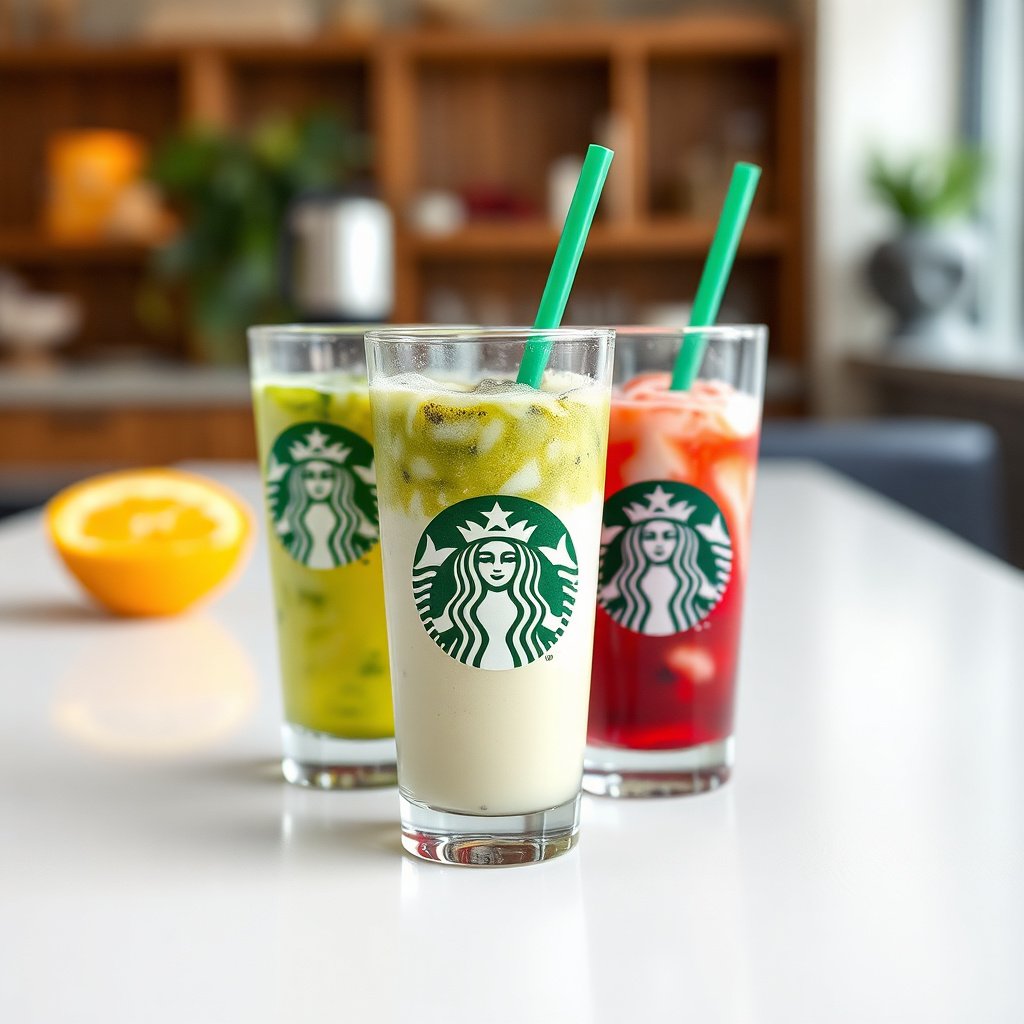
The easiest Starbucks win for diabetes is choosing a drink where added sugar is minimal by default. Start with a simple base (unsweetened coffee/espresso or unsweetened tea), then decide whether milk adds carbs you can reliably account for.
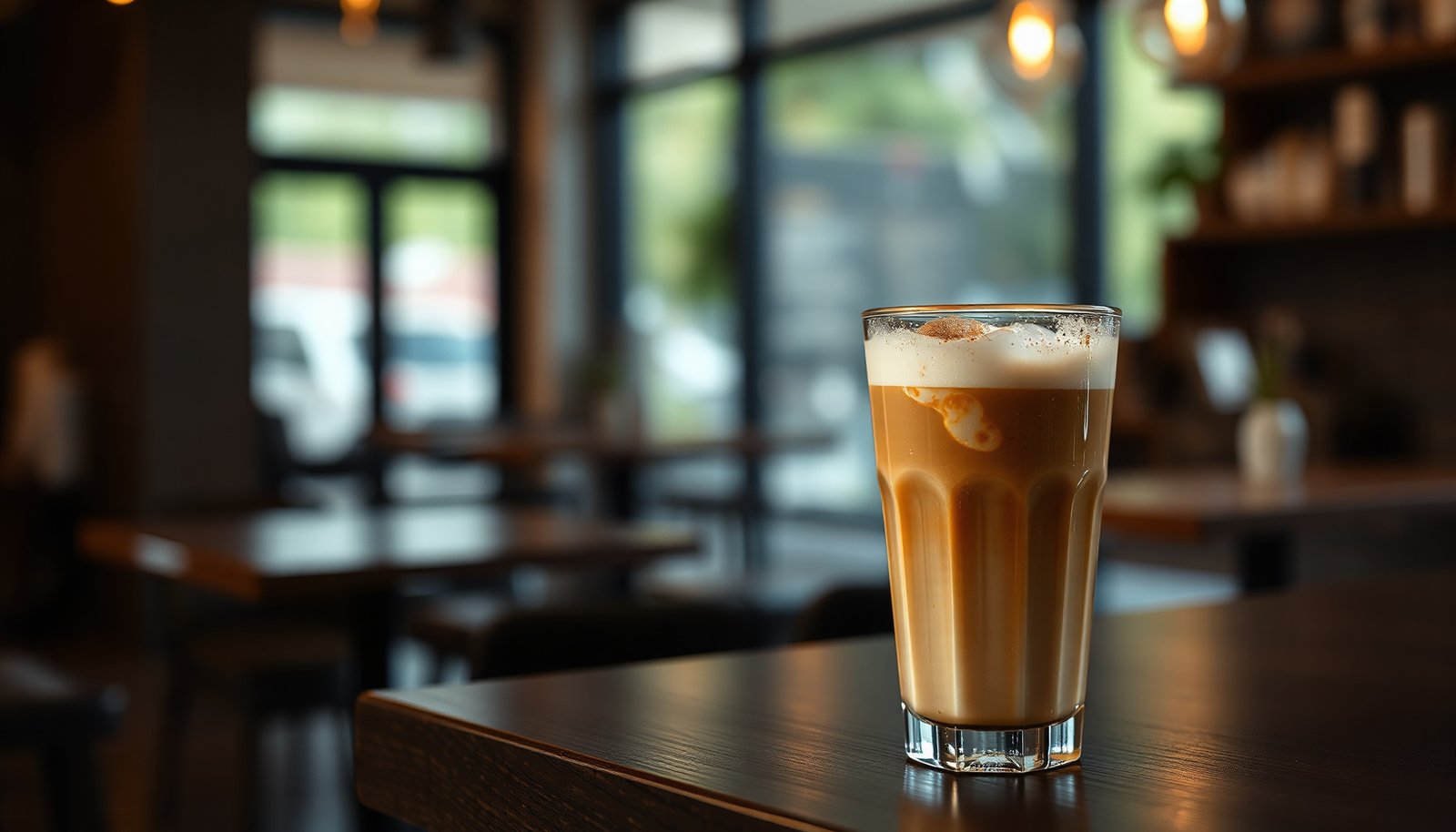
– Unsweetened coffee (hot or iced) and plain espresso are usually the simplest “base” choices because they typically don’t rely on added sugars.
– Unsweetened brewed tea (hot or iced) is often a good alternative when you want something lighter than coffee.
– If you like milk, keep it simple: choose milk/alternatives you tolerate and avoid sweet syrups.
– Practical tip: many milk alternatives are lower in total sugar than sweetened creamers, but they still contain carbs—so “dairy-free” doesn’t automatically mean “carb-free.”
Best low-sugar drink picks at Starbucks (with custom options)
The best low-sugar Starbucks orders typically share one thing: they reduce or remove added sweeteners and keep the rest of the build simple. In my experience helping people order more diabetes-friendly drinks, the biggest improvements come from “no classic syrup/sauces” plus confirming carbohydrates (not just sugar) in the Starbucks app—because carbs drive glucose response.
– Iced or hot coffee, unsweetened: ask for no classic syrup/sweeteners (when applicable) and keep add-ins minimal.
– Tea drinks without added sugar: request unsweetened and avoid sweet add-ins like flavored syrups or sugary toppings.
– Milk + coffee/espresso with fewer sweeteners: you can often ask for less syrup or a sugar-free flavor option if available, then verify carbs using the app or nutrition info.
Added/Free Sugar Targets Recalculated for Starbucks Ordering Checks
| # | Guideline/Reference Target | Sugar (g/day) | Teaspoons/day (4 g per tsp) | How it helps with Starbucks builds | Diabetes-friendliness |
|---|---|---|---|---|---|
| 1 | “No added/free sugar” day | 0 | 0 | Best-case math when you choose unsweetened coffee/tea with no syrups | ★★★★★ |
| 2 | WHO “ideal” limit: <5% energy (2,000 kcal basis) | 25 | 6.25 | Useful benchmark for “maximum” added sugar you’d aim to keep near | ★★★★☆ |
| 3 | AHA added-sugar target (women) | 25 | 6.25 | Helps translate “syrup amount” into an easy per-day ceiling | ★★★★☆ |
| 4 | AHA added-sugar target (men) | 36 | 9.00 | Useful when you’re budgeting carbs across the rest of the day | ★★★☆☆ |
| 5 | WHO upper limit: <10% energy (2,000 kcal basis) | 50 | 12.50 | A “ceiling” reference for total day added/free sugars | ★★☆☆☆ |
| 6 | FDA Daily Value (DV) for added sugars (2,000 kcal basis) | 50 | 12.50 | Makes it easier to compare “one drink” totals to a label DV | ★☆☆☆☆ |
| 7 | WHO upper limit: <10% energy (2,500 kcal basis) | 62.5 | 15.63 | Helps you see how quickly “treat” drinks can consume a day’s target | ☆☆☆☆☆ |
To make those targets actionable for Starbucks drinks: added sugars are still carbohydrates, and carbohydrates (not just “sweetness”) influence post-meal glucose. Also, “no sugar added” does not always mean low carbs—milk and some flavors still contribute carbohydrates, so use Starbucks’ nutrition details.
Starbucks drinks to limit if you have diabetes
The fastest way to reduce glucose surprises at Starbucks is limiting drinks that stack multiple sugar sources (syrups, sauces, toppings, and blended components). If a drink tastes like dessert, it usually has more carbohydrate load than a coffee/tea base—so it’s harder to “correct” after the fact.
– Frappuccinos and blended drinks: these often contain multiple sources of sugar and higher carb loads, which can raise glucose more quickly.
– “Dessert” style drinks (heavy caramel, mocha, cookie, etc.): even when they don’t taste “sugary,” the syrup and mix-ins can add up.
– Sweetened cold brews and flavored creamers: pre-sweetened options can make carb counting harder—check the nutrition details before ordering.
A practical comparison: safer vs. harder-to-budget Starbucks orders
| Category | Pros (diabetes-friendly) | Cons (why to limit) |
|---|---|---|
| Unsweetened coffee/espresso + simple milk | Most predictable base; you can reduce/remove syrup | Milk choice still changes carbs and total calories |
| Blended Frappuccinos | Tolerable only when carbs are checked and portioned | Typically higher sugar + starch-like texture from blended components |
| Sweetened cold brew/creamers | Convenient if you treat it like a prepackaged carb source | Often already includes sweeteners; “no time” can prevent carb review |
A useful rule of thumb: when Starbucks adds syrup(s), sauces, whipped topping, and drizzle, you’re stacking multiple added-sugar sources—meaning bigger carb totals and more variability between baristas.
How to customize your order (so carbs stay predictable)
The best customization strategy at Starbucks is to start with the base first, then control sweeteners and verify carbohydrates in the Starbucks app. This approach keeps your drink closer to the “same build every time,” which is what makes diabetes-friendly ordering work in the real world.
– Start with the base first: pick coffee or tea, then decide on milk and flavor—rather than choosing a dessert drink and trying to “fix it.”
– Ask for fewer added sweeteners: request no/less syrup and skip whipped cream and sweet toppings when possible.
– Use Starbucks’ nutrition info: open the Starbucks app or nutrition guide for the exact drink build you want and look at carbohydrates (not just “sugar”).
Carb math that helps you reason about your Starbucks drink
If you want a framework you can use across coffee shops, use basic carbohydrate accounting: carbohydrates provide 4 calories per gram (general nutrition physiology). U.S. FDA uses this 4 kcal/g standard in nutrition labeling calculations (2016).
In addition, most people underestimate totals because they focus on “sweetness” rather than carbs. That’s why checking carbs in the Starbucks app matters—especially in 2024–2026 when Starbucks frequently updates items and ingredient systems.
Why “added sugar caps” matter (even for coffee drinks)
Added sugars are a small part of the food supply, but for diabetes management they’re important because they’re still carbohydrates. For context:
– According to the U.S. Food and Drug Administration, the Daily Value (DV) for added sugars is 50 g for a 2,000-calorie day (2016). U.S. FDA
– According to the World Health Organization, free sugars should be less than 10% of total energy, with an ideal target of less than 5% (2015). WHO
– According to the CDC’s National Diabetes Statistics Report, 38.4 million Americans had diabetes in 2021 (reported in 2022). CDC
Even if you’re not trying to hit a perfect daily number, those reference points make it easier to spot when a “small treat” becomes a large carbohydrate event.
What can go wrong when ordering off-menu
The most common ordering problems with diabetes and Starbucks are thinking “sugar-free” automatically solves carb control, and letting add-ons sneak carbs into your drink. These issues don’t always show up as obvious sweetness.
– “Sugar-free” doesn’t automatically mean “carb-free.” Flavor systems can still include carbs depending on the ingredient, and milk choices affect totals.
– Add-ons can quietly change everything: sauces, sweet cream, caramel drizzle, and “extra” toppings can push carbs higher than expected.
– Portion size matters: larger sizes usually mean more ingredients (and carbs). If you’re unsure, default to a smaller size and reassess.
A caution about custom instructions (especially in 2024–2026)
Starbucks baristas can handle modifications, but human error is real—so treat your order like something you verify. The Starbucks app nutrition breakdown helps you confirm what you ordered, but only if the build in the app matches the build you actually received.
Also, if you use insulin or other diabetes medications, exercise caution with timing: a drink that’s higher in sugar can shift glucose quickly, and a drink with more milk can spread carbohydrate absorption differently than you expected.
Verdict: safest order strategy (and who should skip)
The safest overall Starbucks strategy for diabetics is unsweetened coffee or tea plus a simple milk choice, with no syrup or minimal sweetener. Use the Starbucks app to verify carbohydrates for the exact size and customization—because that’s what improves predictability more than “low sugar” marketing.
Use extra caution (or skip complex drinks) if:
– You’re newly adjusting medication or have frequent glucose spikes.
– You can’t reliably check carb information for the exact build you order.
– You routinely forget to account for add-ons like sauces, drizzles, or whipped cream.
Downside to know: the less-sweet approach may taste different at first—plan for a transition by gradually reducing syrup rather than stopping all at once.
Quick scan checklist
| Order choice | What to request | Common watch-outs |
|---|---|---|
| Coffee (iced/hot) | Unsweetened; minimal add-ins | Sweet syrups, sugary toppings |
| Espresso-based drink | No syrup; simple milk | Caramel/mocha sauces unless confirmed low-carb |
| Brewed tea | Unsweetened | Flavored syrups, sweeteners, sweet tea blends |
| “Treat” style drinks | Often skip or only if you’ve checked carbs | Frappuccinos, drizzles, whipped cream + sauces |
Use this checklist the next time you order:
– Pick unsweetened base first (coffee/tea).
– Remove syrup + drizzle + sweet toppings.
– Verify carbs in the app/nutrition info for your exact size and build.
Frequently Asked Questions
What Starbucks drinks are best for diabetics to control blood sugar?
Look for Starbucks drinks that are customizable and made with unsweetened milk and no added syrups. Many diabetics do best with options like Iced Coffee (unsweetened), brewed Coffee, Espresso, or an Americano paired with sugar-free sweeteners if desired. Avoid regular Frappuccinos and sweetened specialty drinks, since sugar and refined carbs can spike blood glucose quickly.
Which Starbucks beverages have the lowest sugar and carbs for diabetes?
Typically, “unsweetened” coffee drinks are the lowest-sugar choices at Starbucks—such as brewed coffee, cold brew (unsweetened), and plain espresso beverages. If you want something creamy, choose steamed milk drinks but ask for “no classic syrup” and request sugar-free vanilla or caramel (if available) rather than the standard sweeteners. Always check the Starbucks nutrition guide or app because small size swaps (like syrup or milk type) can significantly change total carbs.
How can diabetics order Starbucks drinks without spiking blood glucose?
Order your drink “skinny” style: choose unsweetened almond or nonfat milk, skip classic syrup, and ask for fewer pumps of sugar-free syrup or none at all. Consider pairing coffee with protein (like a snack) to help slow glucose absorption, and choose smaller sizes to reduce total carbs. Also, avoid drinks that blend milk and sugar into a thick texture (common with Frappuccinos), since they may hit faster for some people.
Why should diabetics be careful with frappuccinos and sweet cold drinks at Starbucks?
Frappuccinos and many bottled or blended cold drinks contain added sugars and often higher carbohydrate counts, which can raise blood sugar more quickly. Even when a drink “doesn’t taste that sweet,” caramel drizzle, flavored sauces, and whipped cream can add hidden sugar. If you want a blended option, choose a smaller size and ask for no sugar syrups and no sweet sauces, or skip the drizzle entirely.
What are the best Starbucks low-sugar alternatives if you want something flavored?
Try an Espresso or Americano with cinnamon, nutmeg, or cocoa powder (if you like the flavor) and ask for sugar-free vanilla or caramel instead of classic syrup. You can also request unsweetened iced coffee with a splash of milk and sugar-free flavoring, which keeps carbohydrates lower than standard sweetened drinks. For the most accurate decision, confirm carbs and sugar grams in the Starbucks nutrition facts for the exact size and milk option you order.
📅 Last Updated: November 25, 2026 | Topic: best drinks at starbucks for diabetics | Content verified for accuracy and freshness.
References
- https://www.starbucks.com/menu/nutrition
- https://www.cdc.gov/diabetes/managing/healthy-eating.html
- Guideline: sugars intake for adults and children
- https://pubmed.ncbi.nlm.nih.gov/?term=sugar-sweetened+beverages+type+2+diabetes+systematic+review
- https://pubmed.ncbi.nlm.nih.gov/?term=non-nutritive+sweeteners+glycemic+control+type+2+diabetes+systematic+review
- https://pubmed.ncbi.nlm.nih.gov/?term=coffee+consumption+type+2+diabetes+meta-analysis
- Sweetened beverage
- https://scholar.google.com/scholar?q=best+starbucks+drinks+for+diabetics Google Scholar
- https://scholar.google.com/scholar?q=coffee+consumption+type+2+diabetes+glycemic+control Google Scholar
- https://scholar.google.com/scholar?q=non-nutritive+sweeteners+diabetes+randomized+trial Google Scholar