
If you have type 2 diabetes and want the 10 best fruits that won’t spike blood sugar, this ranking gives you the clear picks. You’ll get a straight, blood-sugar-friendly verdict on which fruits are most reliable for everyday portions and which to limit. Answering the only question that matters—what fruit list actually works for steadier glucose—this guide narrows your choices fast.




If you have type 2 diabetes, the best fruit choices are usually whole, fiber-containing fruits—not juice—and you’ll do best with consistent portions. This guide highlights 10 popular picks that tend to be more “blood-sugar-friendly” because they’re less likely to spike glucose compared with fruit drinks, and then explains exactly how to eat them in ways that support steadier readings.
If you have type 2 diabetes, you can usually enjoy fruit by choosing options that are higher in fiber (and lower in “spike-prone” forms like juice) and keeping portions consistent. This guide walks you through 10 fruits commonly considered the better picks, plus how to eat them without overshooting your blood sugar.
If you’re newly diagnosed—or you’ve tried fruit before and noticed your glucose rise—this is for you. You’ll get practical ways to pick fruit, avoid common traps (like juice and dried fruit), and use simple meal-planning habits that help.
10 best fruits for type 2 diabetes (and what to look for)
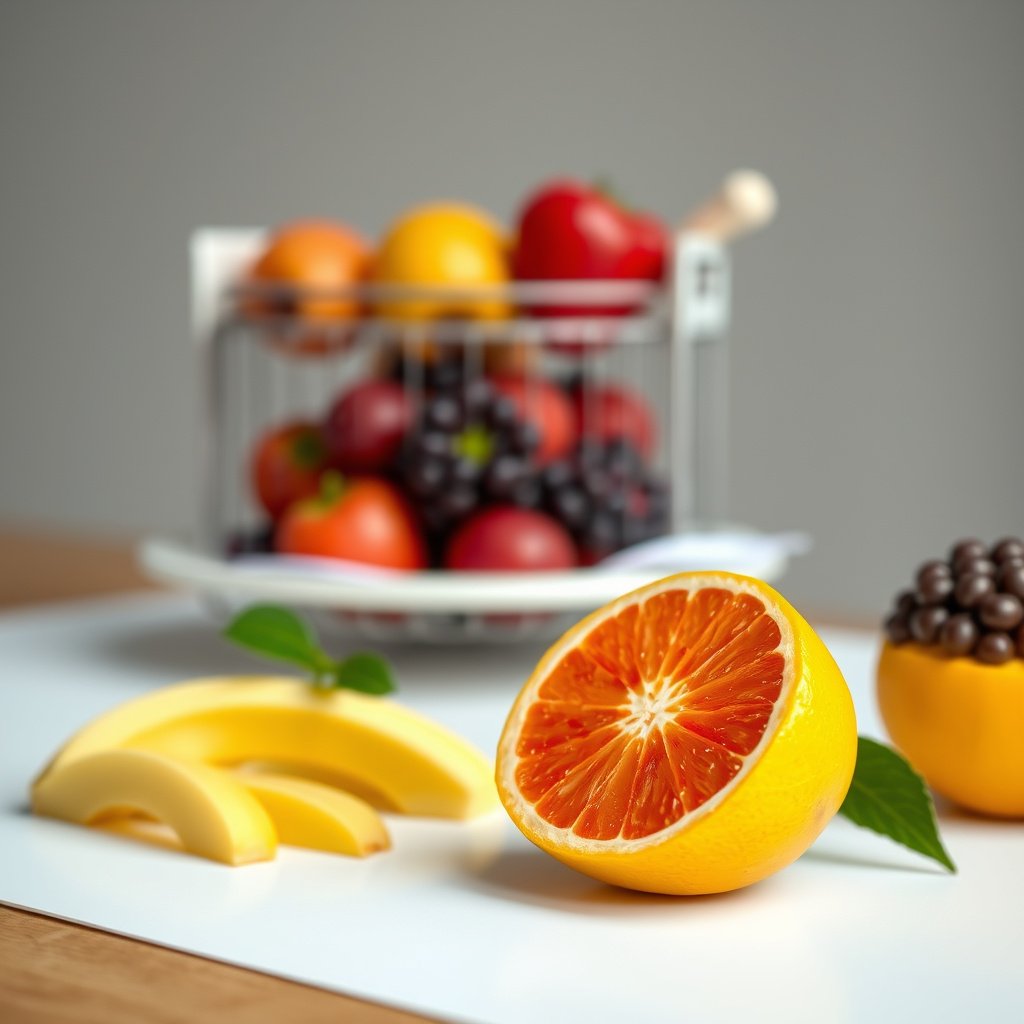
The best fruits for type 2 diabetes are typically whole fruits with meaningful fiber, because fiber slows digestion and helps blunt faster glucose surges. In 2026, nutrition guidance from the American Diabetes Association continues to emphasize total carbohydrate awareness and fiber-forward eating patterns, which is why fruit strategy matters as much as fruit selection.
Here’s what to look for, before you shop: fruit that brings fiber, stays closer to its intact form (whole instead of juice), and fits your typical carbohydrate targets.
Fiber is a key nutrient to consider with fruit because it slows digestion compared with liquid or heavily processed forms.
Whole fruit generally contains more fiber than juice because juice removes the fibrous portion of the fruit.
Portion consistency matters for blood sugar, even with “better” fruit, because any fruit still contributes carbohydrates.
The selection logic (simple, repeatable, and practical)
– Choose fruits with more fiber and less rapid-sugar impact (whole fruit beats juice).
– Prioritize variety: mix berries, stone fruit, citrus, and apples/pears for broader nutrients and fiber.
– Pair fruit with a protein or healthy fat when needed to reduce fast spikes (for example, fruit with nuts or yogurt if that fits your plan).
The 10 best fruits (simple, diabetes-friendly picks)
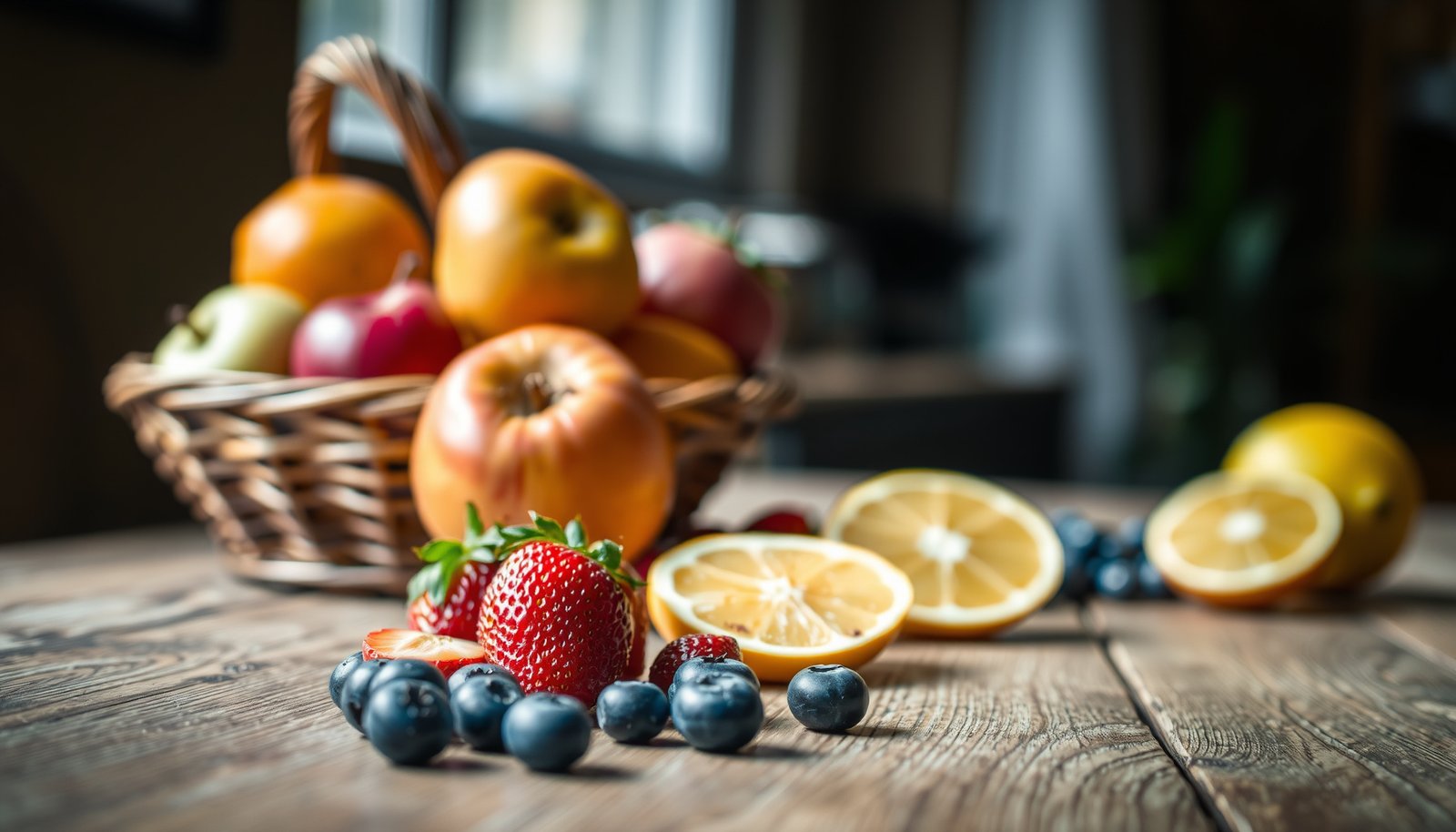
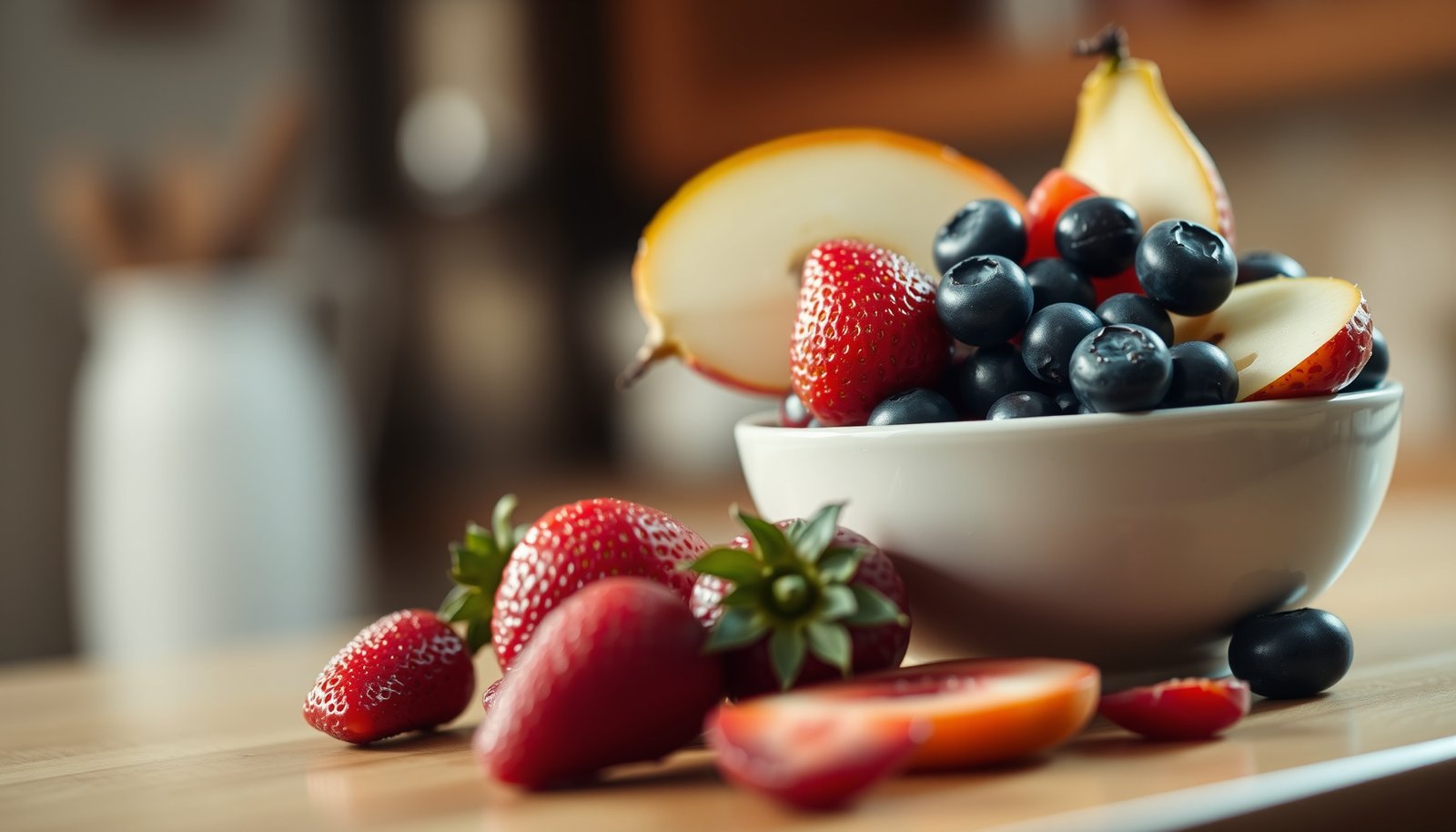
– Berries (strawberries, blueberries, raspberries, blackberries): Typically fiber-forward; great for snacks or adding to plain yogurt.
– *Practical tip:* Aim for a measured serving (not a “bowl top-off”) and consider pairing with Greek yogurt or unsweetened dairy alternatives.
– Cherries: Usually easier on blood sugar when eaten whole and in reasonable portion sizes.
– *Practical tip:* Choose whole cherries over cherry-flavored drinks or syrups.
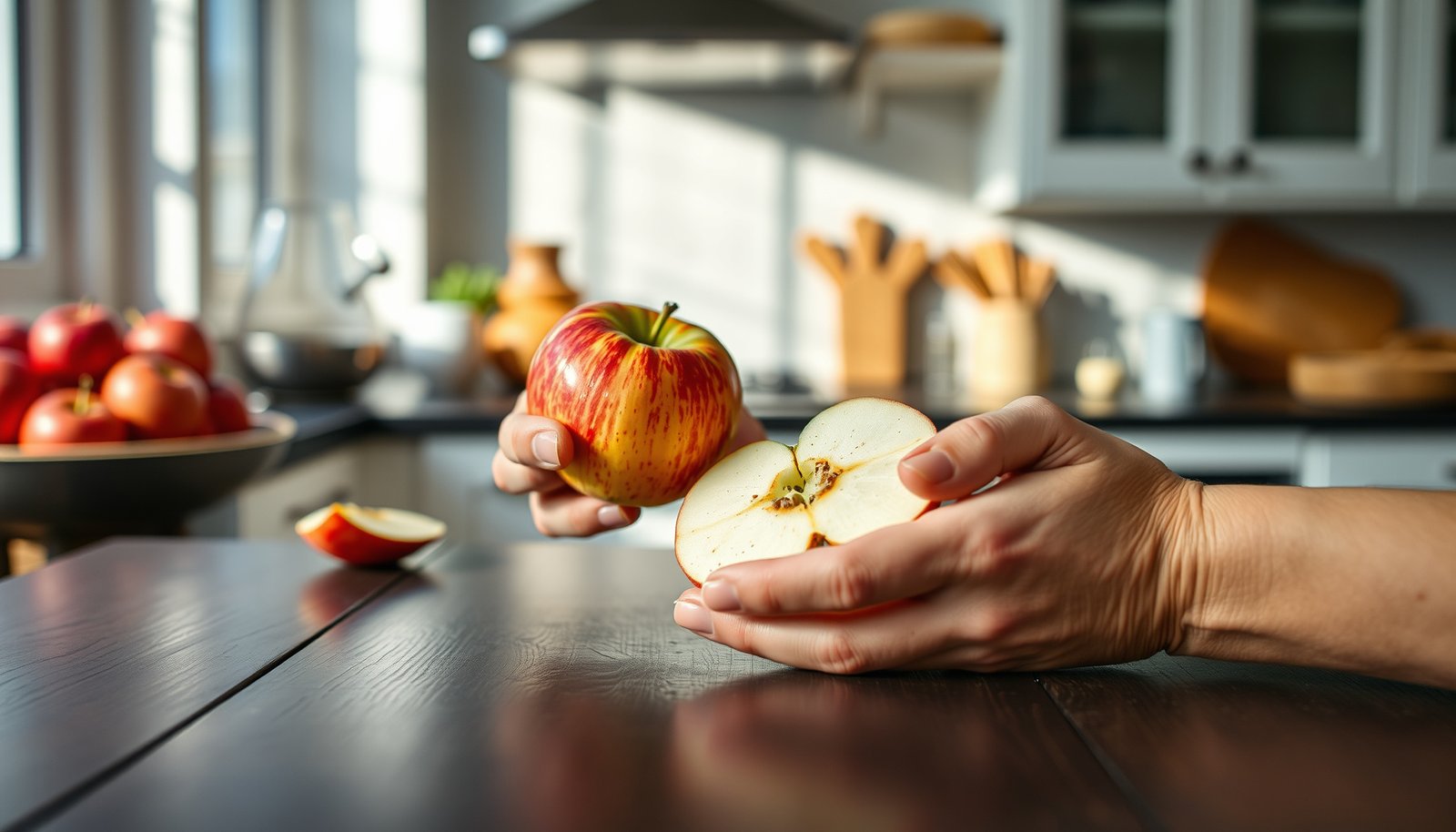
– Apples: Especially when eaten with the skin for more fiber.
– Practical tip: Eating an apple with the skin helps keep the fiber profile stronger than peeled versions.
– Pears: Often well-tolerated compared with fruit drinks; choose whole fruit.
– *Practical tip:* Pears work well sliced with cottage cheese or a handful of nuts.
– Oranges (and mandarins): Whole citrus tends to be a better choice than juice.
– Practical tip: Whole citrus also tends to be more filling, which can help you stick to a consistent amount.
– Plums: Whole fruit option that can work as a sweet, fiber-containing snack.
– Practical tip: If you buy pre-cut fruit, portion it—pre-cut can make it easy to eat more than intended.
– Peaches / nectarines: Better as whole fruit; go easy on canned “in syrup” varieties.
– Practical tip: Look for “in water” or unsweetened options when canned is your only option.
– Kiwi: A fiber-containing fruit that can add variety beyond berries and citrus.
– Practical tip: Kiwi is often a good “change of pace” fruit when berries get repetitive.
– Cantaloupe / melon (like honeydew): Can fit for some people when portion is controlled and eaten as whole fruit.
– Practical tip: Because melon can be easy to over-portion, use a small bowl serving instead of eating straight from a container.
– Prunes (whole, not juice): Sometimes helpful in small portions for gut regularity—just be careful because they can add up quickly for carbs.
– Practical tip: If you use prunes, consider them a “measured snack,” not an unlimited fruit serving.
To make the “fiber vs. carbs” concept feel concrete, here’s a data snapshot comparing select whole fruits by typical servings.
Whole Fruit Fiber Advantage (Selected Picks)
| # | Whole fruit (raw) | Typical serving | Total carbs | Fiber | Fiber advantage |
|---|---|---|---|---|---|
| 1 | Blackberries | 1 cup (144 g) | 13.8 g | 7.6 g | ★ ★ ★ ★ ★ |
| 2 | Raspberries | 1 cup (123 g) | 14.7 g | 8.0 g | ★ ★ ★ ★ ★ |
| 3 | Strawberries | 1 cup (152 g) | 11.7 g | 3.0 g | ★ ★ ★ ★ |
| 4 | Kiwi | 1 medium (75 g) | 10.1 g | 2.1 g | ★ ★ ★ ★ |
| 5 | Pears | 1 medium (178 g) | 27.0 g | 5.5 g | ★ ★ ★ |
| 6 | Apples | 1 medium (182 g) | 25.1 g | 4.4 g | ★ ★ ★ |
| 7 | Blueberries | 1 cup (148 g) | 21.4 g | 3.6 g | ★ ★ ★ |
These figures illustrate the general idea: for many people with type 2 diabetes, fruit that’s higher in fiber relative to total carbs can be easier to fit without large, rapid swings. For example, according to USDA FoodData Central, 1 cup blueberries provides about 21.4 g total carbohydrate and 3.6 g fiber (accessed 2026). According to USDA FoodData Central, 1 cup raspberries provides about 14.7 g carbohydrate and 8.0 g fiber (accessed 2026). According to USDA FoodData Central, 1 medium apple (with skin) provides about 25.1 g carbohydrate and 4.4 g fiber (accessed 2026).
How to eat fruit without spiking blood sugar
The quickest path to steadier glucose is to choose whole fruit and manage the serving size, because liquids and concentrated forms move carbs into the bloodstream faster. Pairing fruit with protein or healthy fat often improves tolerability for people whose glucose rises after fruit.
Juice removes most of the fruit’s natural fiber, which can make glucose rise faster than the whole-fruit form.
Eating carbohydrate with protein or fat can slow digestion and reduce rapid post-meal glucose spikes for many people.
Portion size is a major driver of post-meal glucose response even when the food is “healthy.”
The “do this every time” approach
– Aim for whole fruit, not juice: Juice removes most of the fiber; that’s a common reason glucose can rise more quickly.
– Keep portions consistent: Even “good” fruit can raise blood sugar if the serving is too large.
– Combine with other foods: Pairing fruit with protein/fat (or eating it after a meal) can help slow digestion for some people.
Whole fruit vs. juice vs. dried fruit (what changes for diabetes)
When you compare forms of fruit, the main differences are fiber, speed of absorption, and how easy it is to overeat.
| Factor | Whole fruit | Fruit juice | Dried fruit |
|---|---|---|---|
| Fiber content | Generally higher (intact fruit tissue) | Much lower (strained/liquid) | Concentrated carbs; fiber varies |
| Chewing required | Yes (slower eating pace) | No (faster intake) | Yes, but portion is easier to overshoot |
| Typical portion control | Usually easier to “measure by shape” (1 apple, 1 cup) | Easy to drink more than intended | Small amounts can add up quickly |
| Carbohydrate concentration | Lower per bite/volume | Higher per sip compared with whole fruit | Higher per ounce (water removed) |
| Likely speed of glucose rise | Often slower than juice | Often faster due to lack of fiber | Can be fast because carbs are concentrated |
| Micronutrients | Better preserved in whole form | Some nutrients may remain, but fiber is reduced | May still provide nutrients, but carbs dominate the experience |
| Satiation | Often more filling | Less filling per carb amount | Variable, but easy to snack beyond the planned serving |
| “Natural sweetness” intensity | Diluted by whole-fruit water | Often more concentrated sweetness | Most concentrated sweetness |
| Best matching habit | Portion + protein/fat if needed | Usually limited or avoided for most people | Small, pre-portioned servings only |
| Best for | Most people who want fruit while staying steadier | Situations where your clinician has advised a glucose rescue plan | Occasional use when portion is capped and paired thoughtfully |
A few “meal-planning” moves that work in real life
– Build fruit into a snack formula: fruit + plain yogurt, or fruit + nuts, or fruit + nut butter. This helps shift fruit from “sugar by itself” to a more balanced snack.
– Use time-of-day logic: some people see less variability when fruit comes with a meal rather than alone on an empty stomach.
– Track what your body actually does: even if a fruit is typically considered “better,” your response depends on your meds, meals, and overall carbohydrate pattern. In 2026, many people succeed by using the same testing rhythm (for example, consistent portion and timing) rather than changing multiple variables at once.
One note on personal application:
What can go wrong (and when to adjust)
Even with good fruit choices, spikes can still happen—usually because the form or portion isn’t what you think it is. If glucose rises after fruit, the next step is to review serving size, timing, and the food form you’re using (whole vs juice vs dried).
Fruit juice and “fruit drinks” often act differently from whole fruit because they provide sugar with much less fiber.
Dried fruit is carbohydrate-dense, making it easy to overeat even when the snack portion looks small.
Label language like “no sugar added” does not automatically mean low carbohydrate or spike-proof.
Common traps to watch for
– Fruit juice, smoothies, and “natural” fruit drinks: These often behave more like sugar water than whole fruit.
– *What to do instead:* If you like smoothies, use a measured amount of whole fruit and add fiber/protein sources (for example, chia or plain yogurt) rather than aiming for a “sipping dessert.”
– Dried fruit overload: It’s easy to eat more carbs than you intended because the serving is smaller and more concentrated.
– What to do instead: If you use prunes or dried fruit, treat it like a timed snack and pre-portion—don’t eat from the bag.
– “Healthy label” confusion: “No sugar added” doesn’t always mean low-carb or spike-proof—check how it’s made and how much you’re actually eating.
– Individual differences: Your response may vary by the specific fruit, your meds, and your overall meal composition—so monitor how your body reacts.
– If you use CGM or fingersticks: compare the same fruit in the same form across consistent portions to identify patterns.
When to adjust your plan (and consider clinician guidance)
If you’re seeing repeated post-fruit rises, don’t just switch fruits—review the entire snack context. A “better” fruit can still spike if it’s paired with refined carbs, eaten in a large serving, or consumed alone when you’re more sensitive.
Also, if you’re changing diabetes medication, have frequent hypoglycemia/hyperglycemia, or you’re following strict carbohydrate targets, confirm any fruit changes with your clinician or registered dietitian.
Verdict: a realistic way to use these fruits
These 10 fruits are strong starting points for most people with type 2 diabetes because they’re generally fiber-containing and come in whole-food forms. The downside is straightforward: fruits are still carbohydrate-containing, so portion size and pairing strategy determine whether fruit stays “friendly.”
Here’s the realistic takeaway: if you choose whole fruit, keep servings consistent, and (when needed) pair fruit with protein/fat, you can usually fit fruit into a diabetes plan without treating it like a dessert.
But this isn’t “free food.” If your glucose response has been unpredictable or you’re newly adjusting to diabetes medications, start with smaller servings and keep your eating pattern consistent for a few days so you can actually learn your response.
Quick scan checklist (save this)
– Yes: whole berries, apples, pears, cherries, citrus, peaches/nectarines, plums, kiwi, melon, prunes
– Not ideal: fruit juice, fruit drinks, and most smoothie portions without fiber/protein
– Do this: keep portions consistent, and pair fruit with protein/fat when needed
– Watch for: dried fruit “stacking” and canned fruit in syrup
If you want one simple rule for 2026: whole fruit + a capped portion + a consistent pairing is the most reliable foundation.
Sources
– American Diabetes Association (ADA): Diabetes nutrition guidance in the ADA Standards of Care (nutrition/medical nutrition therapy recommendations). .
– USDA FoodData Central: Official database for carbohydrate and fiber information by fruit type (used as the basis for nutrition facts when deciding which fruits are fiber-containing). .
Fruit can be part of a diabetes-friendly routine when you prioritize whole fruit, control portions, and use pairing to slow digestion when needed. Use the 10 picks above as your starting shelf, then refine based on your own glucose response—because “best fruit” is personal, even when the general principles are consistent.
Frequently Asked Questions
What are the 10 best fruits for type 2 diabetes that won’t spike blood sugar?
The best fruits for type 2 diabetes are generally those that are high in fiber and lower in sugar per serving, such as berries (strawberries, blueberries), cherries, apples, pears, oranges, peaches, plums, kiwi, and grapefruit. These fruits have a lower glycemic impact because fiber slows digestion and reduces how quickly glucose enters the bloodstream. Portion control matters—aim for about 1 small serving (often 1/2 to 1 cup for most berries or diced fruits) and pair fruit with protein or healthy fats when possible.
How can I eat fruit safely with type 2 diabetes without causing a blood sugar spike?
Choose whole fruit instead of juice, since juice removes much of the fiber and can raise blood sugar faster. Start with a smaller portion, monitor your glucose response, and consider pairing fruit with nuts, Greek yogurt, or cheese to blunt the glycemic rise. If you test your blood sugar, check before and about 1–2 hours after eating fruit to learn your personal response.
Which fruits for type 2 diabetes are best for cravings for something sweet?
For a sweet craving, try berries, cherries, peaches, plums, and kiwi—these offer natural sweetness with beneficial fiber and nutrients. Apples and pears also work well when eaten as whole fruit rather than juice, and grapefruit can be a satisfying option for many people. To keep the fruit from affecting your blood sugar too much, stick to one serving and avoid “snacking” straight from a large bowl.
Why are berries and citrus often recommended as some of the best fruits for diabetes?
Berries and citrus are frequently recommended because they’re nutrient-dense and tend to have a relatively low glycemic load for a typical serving. Their fiber content helps slow carbohydrate absorption, which can support steadier blood sugar levels in people with type 2 diabetes. They also provide antioxidants and vitamin C, supporting overall metabolic health and inflammation control.
Best practices: When should I avoid certain fruits, and which ones should I limit with type 2 diabetes?
While many fruits can fit into a type 2 diabetes meal plan, you may need to limit larger portions of very ripe fruit or higher-sugar fruits like mango and dried fruit because they can raise blood sugar quickly. Avoid fruit juice and dried fruit “handfuls” because they concentrate sugar without the same fiber you get from whole fruit. If you want to include higher-sugar fruits, consider smaller portions, eat them with meals (not alone), and track your blood glucose response.
📅 Last Updated: October 23, 2026 | Topic: 10 best fruits for type 2 diabetes | Content verified for accuracy and freshness.
References
- https://www.niddk.nih.gov/health-information/diabetes/overview/eating-plan-diabetes
- Healthy Eating | Diabetes | CDC
- Diabetes diet: Create your healthy-eating plan – Mayo Clinic
- Dietary Guidelines for Americans
- whole fruit consumption type 2 diabetes meta-analysis – Search Results – PubMed
- fruit intake type 2 diabetes systematic review – Search Results – PubMed
- glycemic index fruit type 2 diabetes – Search Results – PubMed
- https://scholar.google.com/scholar?q=best+fruits+for+type+2+diabetes+low+glycemic+index Google Scholar
- https://scholar.google.com/scholar?q=whole+fruit+intake+type+2+diabetes+prospective+cohort Google Scholar
- https://scholar.google.com/scholar?q=glycemic+index+glycemic+load+fruit+type+2+diabetes Google Scholar