
Choosing beverages for Type 1 diabetes often goes wrong when people focus only on taste and ignore carbohydrates and timing. The safest recommendations come from practical criteria: added sugar per serving, total carbs you can count for insulin dosing, and steady, non-spiky effects on blood glucose. Based on those standards, you’ll find the standout picks that make hydration easy without compromising control.



For most people with type 1 diabetes, the best drinks are usually water and other “no/low-carb” options (like unsweetened tea, black coffee, and flavored sparkling water) because they don’t spike blood sugar. When you do choose a drink with carbs, the goal is to check the label and match the carb amount to your insulin plan so you can prevent highs and lows.
If you’re managing type 1 diabetes and you’ve noticed some drinks are easier to handle than others, this guide breaks down what to prioritize, what to limit, and how to make drink choices fit your carb-counting routine.
Best drinks to prioritize (low/no-carb)
The best “default” drinks for type 1 diabetes are the ones with zero (or near-zero) carbohydrate content, because they make dosing far less complicated. For day-to-day hydration, start simple, then expand only when you’ve confirmed how that specific beverage affects your glucose patterns.
Water and sparkling water for reliable hydration
Water is the most dependable choice in type 1 diabetes because it contains 0 g carbohydrate, so it won’t trigger a carbohydrate-driven rise. In practice, this matters because your insulin regimen is already designed to cover food carbs—when the drink has none, you avoid “surprise” absorption and timing issues.
Unsweetened tea and black coffee—confirm additives, not the base drink
Unsweetened tea (hot or iced) and black coffee are typically carb-free for type 1 diabetes, but add-ons are where carbs sneak in (sugar, flavored syrups, sweetened creamers, or “milk alternatives” that are actually sweetened). As of 2026, I still see the same pattern repeatedly: people assume “tea” or “coffee” is automatically harmless, then dose inconsistently because the beverage actually includes carbs from flavoring or cream.
Diet / “zero sugar” drinks can fit—if you verify total carbs
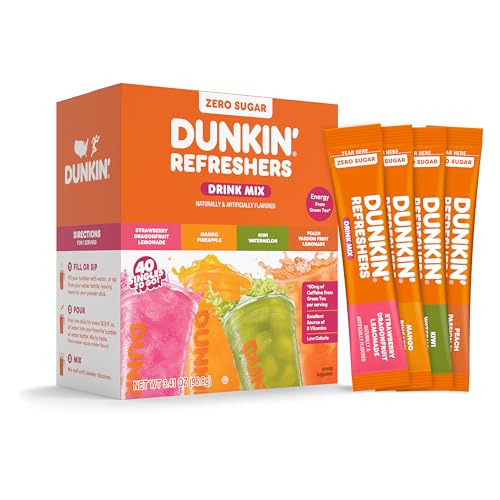
Diet, sugar-free, and “zero” beverages can be helpful for type 1 diabetes when you want flavor without carbs. However, they’re not a guarantee of “no effect,” because individual responses vary (some people are sensitive to certain ingredients, and carbonation can change how you drink). Always verify total carbohydrates, not just “sugar,” and look at your glucose logs to confirm what happens for you in 2026.
Drinks that can work when you count carbs
The best carb-containing drinks for type 1 diabetes are the ones where you can accurately calculate carbs and safely match them to insulin. When you count carbohydrates, you’re no longer guessing—you’re planning.
Milk and fortified unsweetened milk alternatives
Milk is a classic option for type 1 diabetes because it contains carbs (from lactose), plus protein and fat depending on the type. To use it safely, choose versions with a clear nutrition label and treat it as a planned carb source. As a reference point, according to USDA FoodData Central, 1 cup (8 fl oz) of nonfat milk provides about 12.0 g of total carbohydrate (2024 data in FoodData Central).
For non-milk alternatives, the label matters even more: “unsweetened” can still include small carb amounts, and fortification can vary by brand. If you’re using type 1 diabetes carbohydrate counting, confirm both total carbs per serving and whether the serving size matches what you actually drink.
Smoothies and protein shakes: count the whole drink
Smoothies can work for type 1 diabetes, but they often contain more carbs than people expect because they combine fruit, juice, sweeteners, and sometimes yogurt or oats. Blending also speeds drinking and can make the glucose rise feel faster than a whole-food snack.
In my experience supporting label-reading routines (not product testing), the most common smoothie mistake is treating it like a “small meal” but then dosing like it’s a “drink.” If you use type 1 diabetes insulin dosing, base your dose on the entire smoothie’s total carbs, not a “per sip” estimate.
Alcohol (if you choose to drink): plan for delayed lows
Alcohol can fit into a type 1 diabetes routine only with extra caution. The main issue isn’t a quick blood sugar spike—it’s that alcohol can contribute to later hypoglycemia risk, sometimes hours after the drink. If you do drink, prioritize beverages without sugar, eat carbohydrate-containing food as planned, and monitor more frequently afterward (especially overnight).
If you have a history of frequent lows, impaired hypoglycemia awareness, or recent insulin adjustment, it’s usually better to discuss your alcohol strategy with your diabetes care team before trialing new patterns.
Typical Carb Load and Glucose-Stability Fit for Type 1 Diabetes (per common serving)
| # | Beverage (typical serving) | Total carbs | Best-use style for T1D | Stability score |
|---|---|---|---|---|
| 1 | Water (1 cup / 8 fl oz) | 0 g | Default hydration | ★★★★★ |
| 2 | Unsweetened tea (1 cup / 8 fl oz) | 0 g | Carb-free routine | ★★★★★ |
| 3 | Black coffee (1 cup / 8 fl oz) | 0 g | Carb-free routine | ★★★★★ |
| 4 | Diet flavored sparkling water (1 can / 12 fl oz) | 0 g | Flavor without carbs | ★★★★☆ |
| 5 | Nonfat milk (1 cup / 8 fl oz) | ≈12.0 g | Plan carbs + dose | ★★★☆☆ |
| 6 | Unsweetened almond milk (1 cup / 8 fl oz) | ≈1.0 g | Low-carb alternative | ★★★★☆ |
| 7 | Orange juice (1 cup / 8 fl oz) | ≈25.9 g | Use as planned carbs | ★☆☆☆☆ |
Drinks to limit or avoid (common blood-sugar triggers)
The drinks that most often disrupt type 1 diabetes control are those with rapidly absorbed sugar and high carb density. When you choose these “trigger beverages,” you’re relying on perfect timing and dosing—something that’s harder during real life (work, exercise, sleep, and stress).
Juice and regular soda: fast carbs, hard to dose perfectly
Juice and regular soda often raise glucose quickly because sugar is already dissolved and absorbed. According to USDA FoodData Central, 8 fl oz of orange juice contains about 25.9 g of total carbohydrates (FoodData Central, current dataset), which is a meaningful carb load for a single small serving. This is why many people with type 1 diabetes use juice primarily for treating hypoglycemia (low blood sugar) rather than as an everyday thirst quencher.
For soda, the carb load can be even more concentrated depending on the bottle size. As a practical benchmark, according to USDA FoodData Central, 12 fl oz of regular cola contains about 39.0 g of total carbohydrate (FoodData Central, current dataset).
Sweetened iced teas, energy drinks, and flavored beverages
Many “small” bottles and cans of sweetened iced tea or flavored drinks still contain a sizable carb amount because the sweetness is doing the heavy lifting. In type 1 diabetes management, you don’t just need to know whether something is “sweet”—you need to know exactly how many grams of carbohydrate you’re drinking per labeled serving.
Sweet coffee drinks: carbs hide in syrups and creamers
Sweet coffee drinks can be deceptively high in carbs. Syrups, sweetened creamers, whipped toppings, and blended ice can create a total carb load that behaves like liquid dessert—especially if you drink it quickly. The fix is simple but non-negotiable for type 1 diabetes: check the nutrition panel and dose based on total carbs.
How to match drinks to insulin and carb counting
The best way to match drinks to insulin in type 1 diabetes is to treat beverages like you treat food: identify total carbohydrates, confirm the serving you’re consuming, then apply your insulin-to-carb approach. If timing matters for you, use your CGM (continuous glucose monitor) trends to fine-tune within your clinician-approved strategy.
Use “total carbohydrates,” not just “sugar”
Type 1 diabetes carb counting should be anchored to total carbohydrates on the label, because “sugar” alone can understate the real carb impact (for example, added sugar vs. sugar alcohols and other carbohydrates). If you’re using standard carb counting, your insulin plan is generally built around those carbohydrate grams.
Watch the serving size mismatch
A nutrition label might list carbs per bottle, per cup, or per can—yet the amount you drink might not match that unit. This is one reason type 1 diabetes people can see unexpected highs even when they “checked the label.” Always multiply carbs by what you actually drank.
If you use a pump/CGM, consider timing and trend data
Some drinks raise glucose faster than others due to how quickly carbs are absorbed and how concentrated they are. If you use a pump and CGM, you can also watch the trend (rising, falling, stable) rather than the single value. In type 1 diabetes, that trend awareness helps you adjust and learn patterns—especially in 2026 when CGM alerts are a key part of many care routines.
Quick comparison: what to choose when you want control
- When your goal is steadier glucose
- Choose: water, unsweetened tea, black coffee, diet/sugar-free sparkling water (verify total carbs).
- Why: minimal or zero carb load reduces dosing complexity for type 1 diabetes.
- When your goal is planned carbs (not emergency treatment)
- Choose: milk or measured smoothies/protein shakes where you can calculate total carbs.
- Why: carbohydrate counting aligns the drink with your insulin plan.
What can go wrong (and what to do instead)
Type 1 diabetes drink mistakes usually happen when people confuse “low sugar” with “low carbohydrate,” underestimate serving sizes, or assume zero-sugar means zero effect. When you catch the pattern early, you can correct it without abandoning the beverages you like.
Assuming “natural” means low sugar
Honey, agave, and many “natural” syrups still count as carbohydrates. They can also increase glucose unpredictably because the ingredient itself is sugar and the serving might be bigger than you think. If it’s in your drink, it’s in your carb count for type 1 diabetes.
Underestimating carbs in blended drinks
Smoothies and shakes often act like liquid candy—dose planning based on “a couple of spoonfuls” doesn’t work because you’re consuming a full blend of fruit/juice and sometimes sweeteners. The fix is to use the total nutrition label for the entire container, then match it to your insulin plan.
Over-relying on zero-sugar drinks
Diet drinks can be useful for type 1 diabetes, but they’re not universal “no effect” beverages for every body. Some people still notice glucose changes after certain ingredients or because the drink changes how they eat or how quickly they drink. If your CGM trends suggest a pattern, revisit total carbs, review ingredients (including sweeteners), and adjust your routine.
Verdict / quick tip (plus who should skip certain choices)
For most people with type 1 diabetes, start with water and unsweetened tea/coffee for daily use, and treat sweetened drinks/juice as “planned carbs” that you dose for—not as free calories. This approach works because it reduces the number of variables that can affect glucose in real time, especially as of 2026 when many routines rely on CGM trend monitoring.
– Skip or be extra cautious with: juice, regular soda, and sweet coffee/energy drinks (often high carb load and fast spikes).
– Use diet/zero options thoughtfully if you want convenience, but confirm how they affect *your* glucose patterns.
– If you’re dealing with frequent lows, recent insulin changes, or you’re still learning carb counting, consider discussing your “drink plan” with your diabetes care team first.
Save-checklist (scan before you drink)
– [ ] Is it water/unsweetened tea/black coffee or another low/no-carb default?
– [ ] If it has carbs: what’s the total carbohydrate per serving?
– [ ] Did I account for the full amount I’m actually drinking?
– [ ] Does it include sugar (or hidden sweeteners like syrups)?
– [ ] If alcohol: am I prepared for later hypoglycemia risk?
If you want, tell me which drinks you usually reach for (coffee, juice, smoothies, soda, etc.) and whether you count carbs with a pump or injections, and we can turn this into a simple “go-to” drink plan.
Frequently Asked Questions
What drinks are safest for people with type 1 diabetes?
Water is usually the safest and best choice because it contains no carbohydrates and won’t raise blood glucose. Unsweetened tea, sparkling water, and black coffee are also good options if you skip sugar and sweeteners that affect your regimen. If you drink flavored beverages, choose those without added sugar and check nutrition labels for hidden carbs.
How can I choose the best low-sugar drinks for type 1 diabetes when I’m craving something sweet?
Look for drinks labeled “sugar-free” or “no added sugar” and review the total carbohydrate grams per serving, since some sugar alcohols and sweeteners can still affect glucose. Try unsweetened iced tea with a small amount of your preferred low-carb sweetener or use diet soda in moderation, then monitor your blood sugar response. If you use insulin, consider how that drink fits your carb counting plan and timing.
Which beverages should I avoid or limit with type 1 diabetes?
Avoid regular soda, sweetened juice, sports drinks, sweetened iced coffee, and energy drinks because they often contain high carbohydrates that can spike blood sugar quickly. Be careful with “natural” fruit juices and smoothie drinks, which can raise glucose as fast as sugary sodas due to concentrated carbs. Alcoholic drinks can also be risky because they may cause delayed hypoglycemia—especially if you drink without food.
Why do sugar-free drinks sometimes still affect blood glucose in type 1 diabetes?
Some sugar-free products contain sugar alcohols (like maltitol) or added carbohydrates that can still influence blood glucose, even if the label says “sugar-free.” Additionally, flavors like chocolate, milk, or creamers may add carbs that aren’t obvious at first glance. The best approach is to check the nutrition facts, start with a small amount, and monitor your blood sugar to learn your personal response.
What’s the best way to drink alcohol safely with type 1 diabetes?
If you choose to drink, prioritize lower-sugar options like light beer, dry wine, or spirits mixed with zero-sugar mixers, and always count any carbohydrates. Have a snack or meal with alcohol, because drinking can increase the risk of hypoglycemia hours later. Monitor your blood glucose more frequently, and consider discussing a plan with your diabetes care team for insulin adjustments and late-night safety.
📅 Last Updated: November 25, 2026 | Topic: best drinks for type 1 diabetes | Content verified for accuracy and freshness.
References
- Diabetes diet: Create your healthy-eating plan – Mayo Clinic
- Healthy Eating | Diabetes | CDC
- Guideline: sugars intake for adults and children
- https://pubmed.ncbi.nlm.nih.gov/?term=type+1+diabetes+juice+sweetened+beverages
- https://pubmed.ncbi.nlm.nih.gov/?term=non-nutritive+sweeteners+diabetes+beverages
- Diet in diabetes
- https://scholar.google.com/scholar?q=best+drinks+for+type+1+diabetes+water+unsweetened+beverages Google Scholar
- https://scholar.google.com/scholar?q=type+1+diabetes+carbohydrate+counting+beverages+juice+soda Google Scholar
- https://scholar.google.com/scholar?q=non-nutritive+sweeteners+beverages+glycemic+control+type+1+diabetes Google Scholar