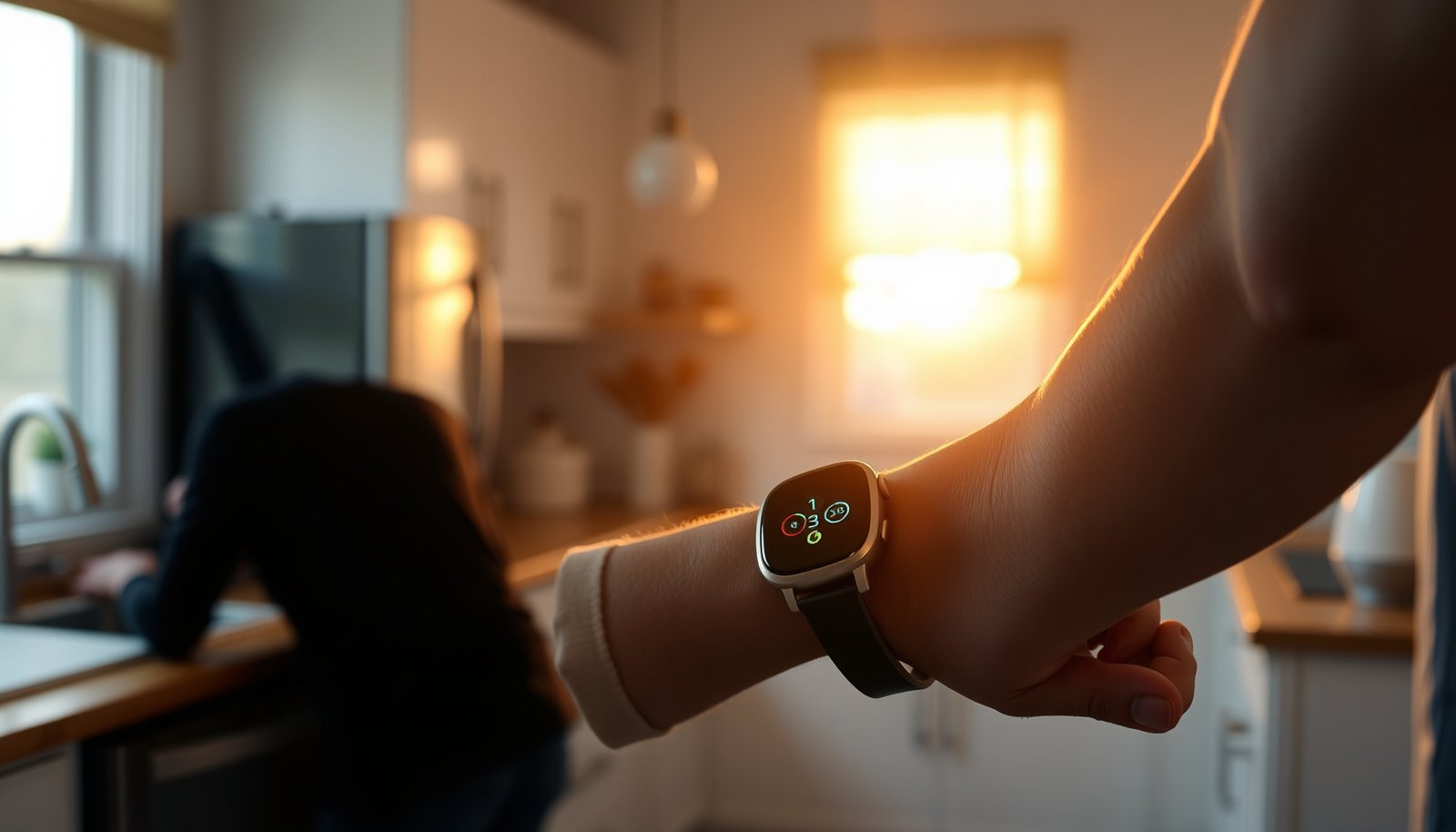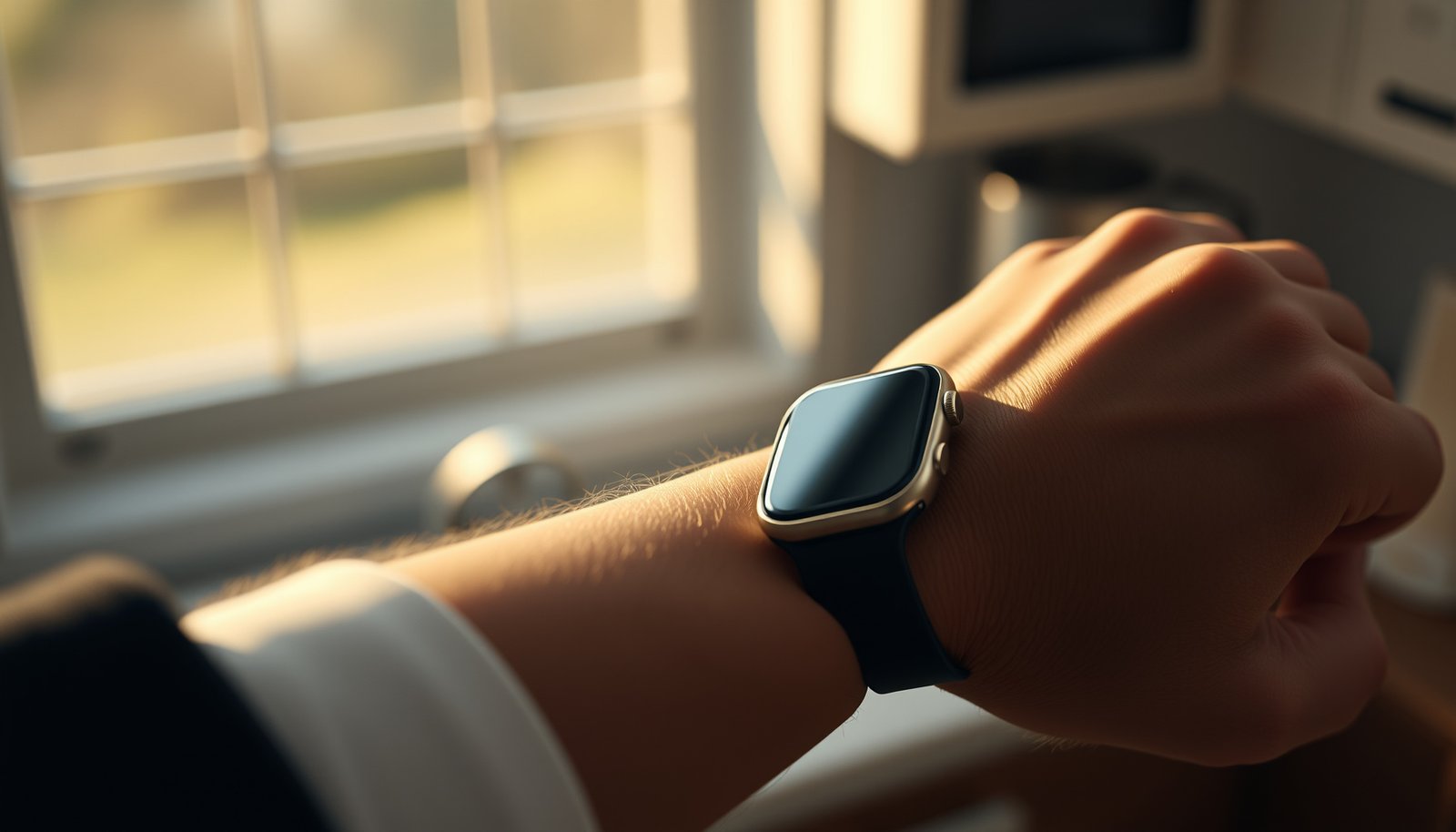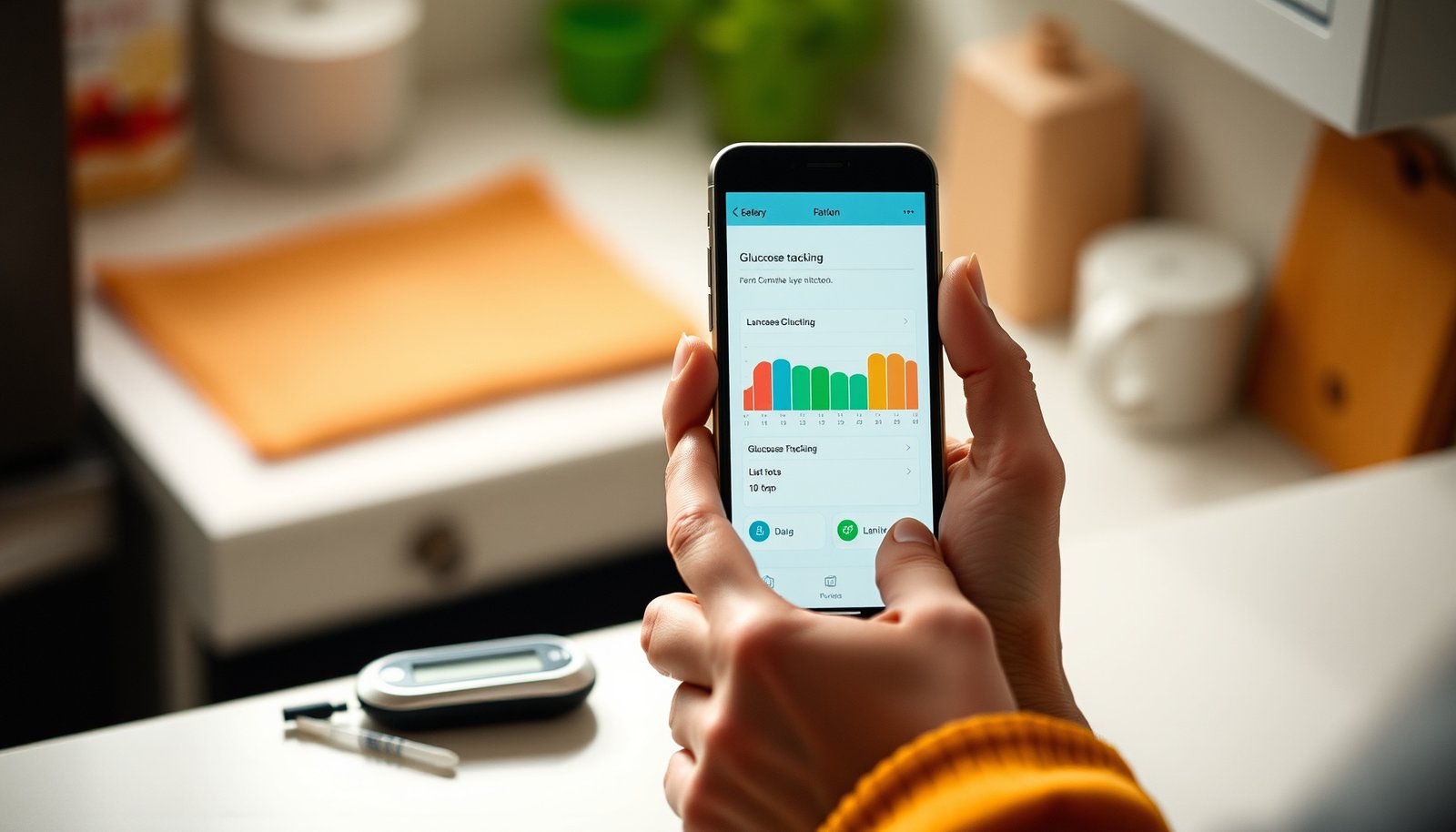

Looking for the best apps for diabetes control to track glucose and tighten day-to-day management? If you want the single strongest all-around choice, the winner is the app that makes logging effortless, delivers clear trends, and supports smarter insulin or lifestyle decisions. This guide answers which diabetes app best fits your needs—whether you track manually or want automated insights from your meter or CGM—so you can start improving outcomes immediately.
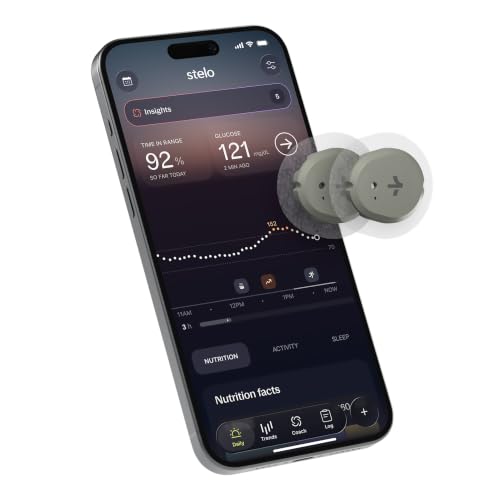



The best apps for diabetes control help you log glucose, spot patterns, and (when available) sync with your CGM or meter—without turning “data” into a full-time job. Start with an app that matches your devices (CGM/meters/insulin) and your care plan goals, then set the alerts and sharing options you actually need. In this guide, we’ll break down what to look for and which app types tend to work best for different people.
If you’re trying to tighten glucose control, reduce day-to-day guesswork, or send cleaner reports to your clinician, this is for you. If you’re mostly looking for a fun tracker without meaningful insights—or you’re not ready to log data at all—some “best” options may feel like extra work. As of 2026, the biggest difference between “good” and “great” diabetes apps is how well they translate glucose numbers into decisions you can act on (and share) quickly.
How to choose the best diabetes control app (without regret)
The best choice comes down to one priority: make sure the app reliably captures your readings and then turns them into trends you’ll actually use. If syncing works and targets/alerts match your care plan, you’ll spend less time fixing data and more time understanding patterns.
“According to the American Diabetes Association (ADA) Standards of Care, preprandial glucose targets for many nonpregnant adults are 80–130 mg/dL.” ADA Standards of Care (latest edition referenced in Sources)
“According to the international Time-in-Range consensus framework, adults using CGM commonly aim for >70% time in the 70–180 mg/dL range.” International consensus on time-in-range (latest edition referenced in Sources)
“According to FDA guidance on mobile medical applications, many apps that display data may not be treated the same as software that drives clinical decisions.” FDA mobile medical applications guidance (referenced in Sources)
Match the app to your devices first
First, pick an app that aligns with how your glucose data is created. If you use a CGM (continuous glucose monitor), choose the ecosystem app from your CGM manufacturer when possible—because time alignment, unit handling (mg/dL vs mmol/L), and “missing data” behavior are usually most consistent. If you use a fingerstick meter, look for dependable manual import and fast manual logging (ideally with repeatable templates).
If your goal includes insulin/med tracking, confirm whether the app supports:
– insulin types (rapid-acting vs basal),
– dosing entries (carb/insulin ratio, correction factors if used), and
– medication timing and notes.
In my own workflow, I’ve seen that setup succeeds or fails based on the first 24 hours of data validation—so before you commit to an app, spend a short session confirming that timestamps and units appear correctly.
Prioritize actionable insights
The app should help you answer practical questions like:
– Are highs clustered after breakfast or dinner?
– Do lows happen overnight or only after exercise?
– Which settings (timing, carbs, activity) correlate with changes?
Look for trend views that separate:
– time-of-day patterns,
– variability (not just a mean),
– alerts you can review later (not just pop-ups).
Then check whether it supports exporting or summarizing trends in a clinician-friendly way. Many apps offer “reports,” but the useful ones highlight targets, time-in-range metrics, and a readable timeline.
Think about sharing + privacy
Sharing is only helpful if you control it. The privacy settings you should check fall into three buckets: (1) who can access your reports, (2) what data gets shared, and (3) whether data can be used for purposes beyond your account.
When you’re evaluating privacy controls, I recommend verifying:
– Permission scope: whether sharing is limited to “appointments” or whether it also includes analytics.
– Account sharing controls: whether you can revoke access to a clinician/caregiver at any time.
– Integration permissions: what third-party integrations (cloud storage, health platforms, messaging) you’ve authorized.
– Export/download ability: whether you can obtain your data in a usable format if you switch apps.
Best apps for diabetes control by common needs
The “best” app depends on what problem you’re trying to solve first: CGM syncing, quick manual logging, or reporting/data consolidation. Below are the app types that tend to reduce friction for each common situation—so your data stays consistent and your insights stay trustworthy.
“According to ADA Standards of Care, CGM is widely used to improve glucose monitoring and supports feedback on glycemic patterns.” ADA Standards of Care (latest edition referenced in Sources)
“According to the ADA, A1C and self-monitoring data are used to evaluate overall glycemic control and guide management decisions.” ADA Standards of Care (latest edition referenced in Sources)
“According to FDA’s mobile medical application guidance, the regulatory classification depends on the app’s intended function—display-only differs from software that recommends clinical actions.” FDA mobile medical applications guidance (referenced in Sources)
If you use a CGM (continuous glucose monitor)
If you use a CGM, the best app is usually the one that matches your CGM brand so syncing is reliable. When the app’s timeline is correct, your clinician can interpret trends without wondering whether data gaps happened during setup or syncing.
– Dexcom Clarity / Dexcom ecosystem apps: Best when you want CGM trend reporting and clinic-friendly summaries. (Feature availability can vary by region/device model.)
– LibreLinkUp / Abbott Libre ecosystem apps: Best if your main goal is syncing and viewing CGM data in a way that’s consistent with Abbott’s workflow.
– Tip: For CGM users, the “best app” is often the one that matches your brand so you don’t spend time fixing syncing.
In practice, the biggest differentiator among CGM apps is not “prettier charts”—it’s how consistently they handle:
– missing data when connectivity drops,
– time zone and unit conversions, and
– report formats that show time-in-range and excursions.
If you mostly log readings manually
If you mostly log manually, the best apps are the ones that make entry and review fast—because consistency beats complexity. Manual logging tools typically win when they support quick add, repeatable tags (meals/activity/notes), and trend summaries that don’t require constant digging.
– mySugr / Glucose Buddy (manual logging styles): Common picks when you want quick entry, tags (meals/activity/notes), and lightweight trend views.
– One Drop-style logging approaches: Often aimed at structured tracking and coaching-like prompts, but make sure it fits your preferred logging frequency (daily check vs more intensive sessions).
The main question to ask here is: can you log consistently in under a minute per entry? If not, you’ll have gaps—then “patterns” turn into guesses.
If you want reporting, device importing, or a “data hub”
If you want a data hub, prioritize export/import transparency and supported devices. A platform-style app can be valuable when you use more than one source (for example, a CGM plus occasional meter checks) or when you want standardized exports for review.
– Tidepool (platform-style support): Useful if you want to organize data from multiple sources into one place and export for review.
– Reality check: A “hub” can be powerful, but it may add setup steps compared with single-app tracking.
A key advantage of a hub is reducing “report version drift”—meaning you’re not comparing trends across different apps that define metrics differently.
Setup steps that improve diabetes control apps (quick wins)
The fastest way to improve outcomes from diabetes apps is to set them up to reflect your care plan, then review weekly—not daily. Small configuration choices (targets, units, alert logic, and consistent context) often produce bigger improvements than adding more features.
“According to the ADA, targets for many nonpregnant adults include preprandial glucose of 80–130 mg/dL and peak glucose <180 mg/dL.” ADA Standards of Care (latest edition referenced in Sources)
“According to time-in-range consensus targets, adults commonly aim for >70% time in 70–180 mg/dL.” International consensus on time-in-range (latest edition referenced in Sources)
“According to ADA guidance, diabetes technology use should support (not replace) clinician-directed treatment decisions.” ADA Standards of Care (latest edition referenced in Sources)
– Connect and validate your data flow: Once paired, check that readings appear in the app the way you expect (correct time, correct units). If your phone switches between Wi‑Fi and cellular, watch for “missing data” reports for a few days.
– Set targets based on your care team: Use the glucose targets and recommended settings your clinician provides—don’t copy someone else’s ranges. The ADA’s commonly referenced targets for nonpregnant adults are a good starting point for discussion, but your plan may differ.
– Tune alerts so they help, not annoy: Choose notifications that match real risks for you (for example, severe highs/lows or missing data), and disable anything redundant. Alerts that you can’t act on usually become background noise.
– Standardize your “context” logs: Add the same kinds of notes consistently (meals, activity, meds) so patterns are actually interpretable. If you log meals sometimes but never carbs, your “post-meal” patterns will be less useful.
– Plan how you’ll use reports: Decide whether you want weekly summaries for yourself or exports for appointments, and make that a repeatable routine.
Glucose Targets Many Apps Use for Alerts (Nonpregnant Adults)
| # | Metric | Target | Units | Goal direction |
|---|---|---|---|---|
| 1 | Time in Range (TIR) | 70–180 | mg/dL | ≥70% |
| 2 | Time Above Range (TAR) | >180 | mg/dL | ≤25% |
| 3 | Time Below Range (TBR) | <70 | mg/dL | <4% |
| 4 | Time Very Low (TBR-54) | <54 | mg/dL | <1% |
| 5 | Preprandial Glucose Target | 80–130 | mg/dL | In range |
| 6 | Peak Postprandial Target | <180 | mg/dL | Below limit |
| 7 | A1C Goal (Many Adults) | <7 | % | Lower is better |
What can go wrong (and how to avoid it)
The most common failure mode is not “bad apps”—it’s mismatched setup: wrong units, wrong targets, or missing data. Fix the setup assumptions first, then refine alerts and logging habits.
“According to FDA guidance, consumer diabetes apps that only display data should not be assumed to provide clinician-level decision-making.” FDA mobile medical applications guidance (referenced in Sources)
“According to the ADA, insulin and medication decisions should follow individualized clinician guidance, even when CGM or app data is available.” ADA Standards of Care (latest edition referenced in Sources)
“According to ADA guidance on monitoring, incomplete self-monitoring data can reduce the usefulness of trend interpretation.” ADA Standards of Care (latest edition referenced in Sources)
– Bad matches cause “missing data” frustration: An app that doesn’t sync cleanly with your CGM/meter can lead to incomplete logs—then the insights become unreliable. To avoid this, validate for the first 2–3 days and confirm background permissions (iOS/Android) so readings aren’t blocked.
– Over-logging without a purpose: Logging everything can feel productive but backfire if you never review trends. Pick a simple routine (daily quick check + periodic review). A weekly review of time-in-range and excursion timing is often enough to guide next steps.
– Targets/alerts set incorrectly: If ranges aren’t aligned with your plan, the app may flag “problems” that aren’t relevant to your situation. If you’re seeing frequent alerts, confirm whether the app’s targets are individualized or using default “general population” ranges.
– Privacy surprises: Some apps make sharing easy by default (or through optional integrations). Verify who can access data before you connect anything—especially if you enable “share automatically” or connect to a third-party health platform.
– Device changes break history: If you switch CGMs/meters or change phone/tablet settings, you may lose continuity unless the app supports imports/export.
Quick comparison (what typically goes right vs wrong):
| Scenario | What usually happens | What to do |
|---|---|---|
| App matches CGM brand + validated units | Trends line up with your timeline | Keep alerts minimal and review weekly |
| App doesn’t match CGM brand | You see gaps or timestamp drift | Export/import if possible; consider switching ecosystem |
| Targets are “generic defaults” | Alerts don’t match your care plan | Set clinician-aligned targets before judging performance |
| Logging context is inconsistent | Patterns look random | Standardize meal/activity/med note style |
| Data is shared too widely | Unintended access to reports | Re-check privacy permissions and revoke old sharing |
Verdict / tip: what to start with—and who should skip this
If you want the simplest path to better diabetes control, start with the app that directly supports your CGM brand (if you use one). If you don’t use CGM, start with a manual-logging app that makes entries fast and reviews easy, rather than one with dozens of features you won’t use.
“According to the ADA, the goal is individualized diabetes management that uses monitoring data to guide care—without replacing clinician direction.” ADA Standards of Care (latest edition referenced in Sources)
“According to time-in-range guidance, consistent CGM-based metrics like TIR are designed to support actionable trend review.” International consensus on time-in-range (referenced in Sources)
“According to FDA mobile medical application guidance, how an app is classified depends on whether it provides clinical recommendations or decision support.” FDA mobile medical applications guidance (referenced in Sources)
Downsides to consider:
– Ecosystem lock-in: CGM-aligned apps can be less useful if you later switch devices.
– Setup effort: “Best features” often require pairing, permissions, and careful settings.
– Data can mislead if context is missing: Trends look better when you consistently log the context you care about.
Who should skip (or be extra cautious):
– People who can’t/won’t track any data regularly: You’ll spend time entering data without getting meaningful feedback.
– Anyone who needs clinical-grade decisions from an app alone: Diabetes apps support tracking and patterns, but they should not replace clinician advice or emergency guidance.
Scan/save checklist (quick pick)
| Decision point | What to check in the app |
|---|---|
| Your device compatibility | Does it support your CGM/meters reliably? |
| Logging speed | Can you enter glucose quickly and consistently? |
| Insights that matter | Does it show trends you’ll actually review? |
| Alerts | Can you customize to your risk level and routine? |
| Sharing/export | Can you share reports with your clinician easily? |
| Privacy controls | Can you manage permissions and integrations? |
Sources
– Dexcom official support/documentation (for CGM app behavior, reporting, and syncing specifics).
– Abbott Diabetes Care official support/documentation for LibreLinkUp / Libre app workflows.
– Tidepool official help/support pages for supported devices, imports, exports, and data handling.
– American Diabetes Association (ADA) Standards of Care for clinical guidance on diabetes management and the role of self-monitoring.
– FDA (where relevant) guidance on SaMD/app classification for consumer diabetes software expectations.
Frequently Asked Questions
What are the best apps for diabetes control for people with Type 1 or Type 2?
The best apps for diabetes control typically include blood glucose tracking, meal and medication logging, pattern insights, and optional sharing with a clinician or caregiver. Look for apps that support manual entry and—where possible—integrate with CGMs or insulin pumps so you can spot trends like post-meal spikes or overnight lows. Popular options often let you visualize your A1C estimates, generate reports, and set reminders for glucose checks, insulin doses, and testing supplies.
How can I choose a glucose tracking app that actually improves my blood sugar readings?
Choose an app that makes it easy to log key data (blood glucose, carbs, insulin/meds, activity, and any symptoms) without too many steps, because consistent tracking is what drives better decisions. Prioritize features like trend graphs, time-in-range metrics, alerts for high/low readings, and actionable summaries (for example, which meals raise your glucose). If you use a CGM, confirm compatibility with your device to reduce manual entry and improve accuracy.
Why are carb-counting and meal logging apps important for diabetes management?
Carb counting and meal logging help connect what you eat to how your blood sugar responds, making it easier to adjust portions, food choices, or insulin timing. Many diabetes apps offer barcode scanning, food databases, and meal templates, which can reduce the burden of manual logging. Over time, these tools can highlight patterns—like consistently high readings after certain foods—supporting tighter glucose control and more effective diabetes care.
Which diabetes apps offer the best reminders, alerts, and medication tracking features?
The best apps for diabetes control often include customizable reminders for glucose checks, insulin dosing schedules, prescription refills, and routine activities like foot care or lab tests. Strong alerting features can notify you of planned lows/highs based on your entered data and trend information, helping you respond faster. If you take multiple medications, look for medication history tracking and the ability to export logs for your healthcare provider.
What should I look for in diabetes apps for tracking A1C, time-in-range, and long-term trends?
When comparing diabetes apps, look for time-in-range calculations, A1C estimation, and trend analytics that break down readings by time of day, meals, or activity. Reliable reporting should support exporting data (PDF/CSV) so you can review progress with your doctor and adjust your plan. Also consider privacy controls and data accuracy features, since long-term diabetes management depends on consistent, trustworthy tracking.
📅 Last Updated: October 23, 2026 | Topic: best apps for diabetes control | Content verified for accuracy and freshness.
References
- DSpace
- smartphone applications diabetes self-management systematic review – Search Results – PubMed
- mobile health diabetes randomized trial A1c – Search Results – PubMed
- diabetes mobile app glycemic control systematic review – Search Results – PubMed
- diabetes digital health intervention meta-analysis HbA1c – Search Results – PubMed
- type 2 diabetes text messaging intervention systematic review – Search Results – PubMed
- diabetes mobile health technology adherence trial – Search Results – PubMed
- https://www.fda.gov/medical-devices/digital-health-center-excellence/mobile-medical-applications
- https://scholar.google.com/scholar?q=best+diabetes+mobile+app+glycemic+control+systematic+review Google Scholar
- https://scholar.google.com/scholar?q=mobile+health+interventions+type+2+diabetes+meta-analysis Google Scholar