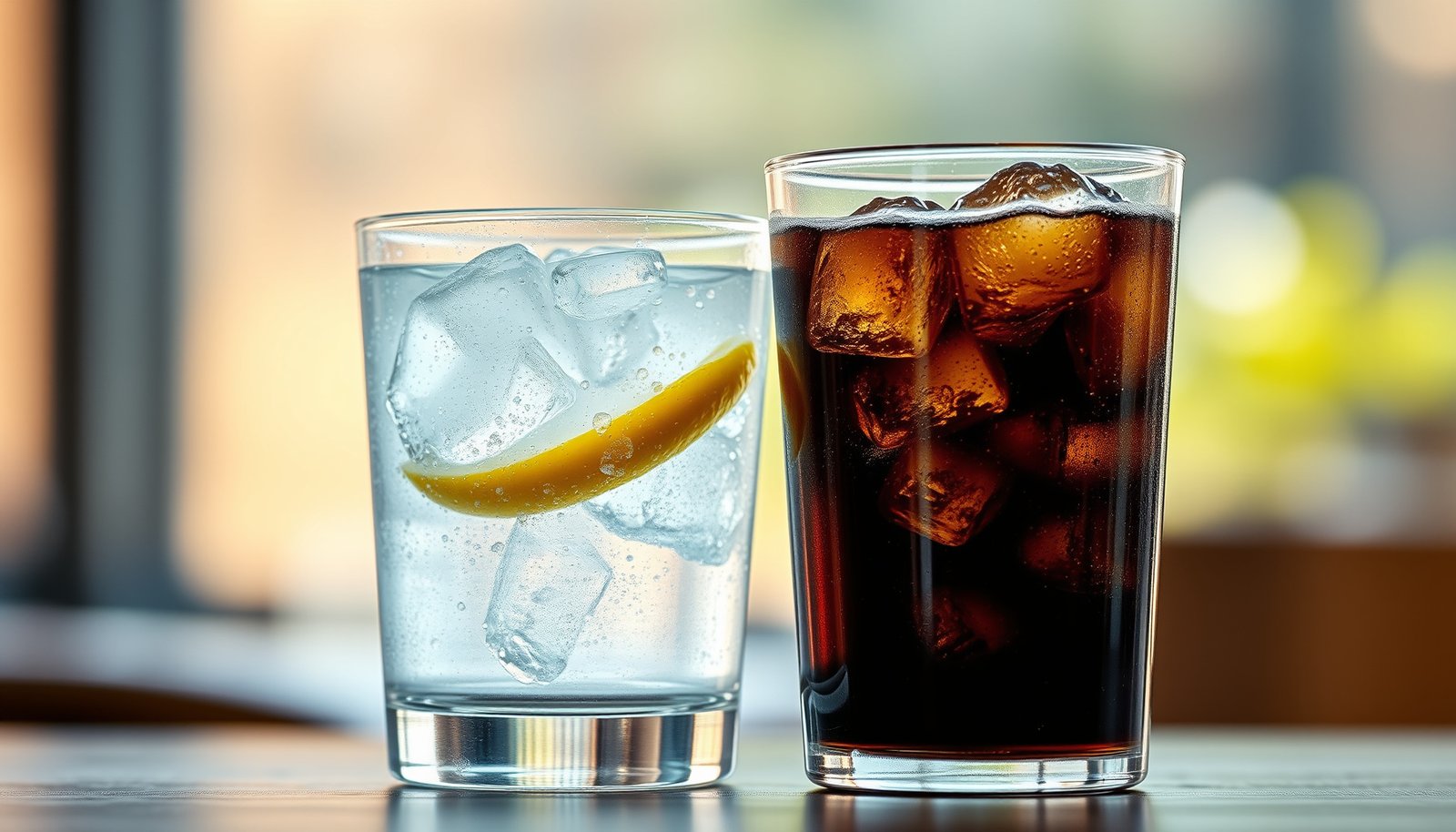

Reddit’s best alcohol for diabetics isn’t a debate—it’s vodka or gin mixed with soda water, because they’re the lowest-sugar options that keep carbs minimal. This guide answers the exact question “what should diabetics choose” by pulling the most consistent recommendations and pairing them with practical limits on drinks, mixers, and blood-sugar impact. If you want the safest “go-to” drink order from Reddit, start with clear spirits and avoid sweet liqueurs and regular beer.


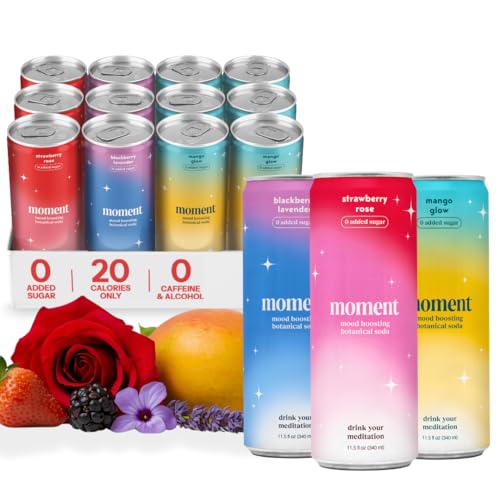

The best alcohol choices for diabetics are usually the lowest-carb options: dry wine or spirits (vodka/tequila/whiskey) mixed with zero-sugar drinks. The real “make-or-break” factor isn’t the alcohol—it’s the sugar/carbs in the glass and how alcohol changes glucose timing when you’re on insulin or other blood-sugar–lowering meds.
If you’ve seen conflicting Reddit comments about “vodka vs wine vs beer,” this guide is for you—especially if you use insulin or sulfonylureas, or you struggle to estimate carbs in mixed drinks. We’ll translate common Reddit-style advice into practical, safer choices and explain what diabetes-specific risks to watch for.
What “best alcohol” means for diabetics
For diabetics, “best alcohol” generally means drinks that add fewer carbs and are easier to track, so you can reduce hypoglycemia and hyperglycemia surprises. In practice, this comes down to three variables: sugar in the beverage, your medication’s effect on low blood sugar risk, and the timing of glucose changes after drinking.
According to the American Diabetes Association (ADA), alcohol can increase the risk of hypoglycemia, especially when used with insulin or sulfonylureas.
According to the NIDDK, alcohol can cause blood sugar to drop hours after you drink, sometimes lasting into the next day.
According to the U.S. National Institute on Alcohol Abuse and Alcoholism (NIAAA), one “standard drink” contains about 14 grams of pure alcohol (which corresponds to roughly 98 calories from alcohol).
Why Reddit advice often conflicts (and what to do instead): many comments focus on “which alcohol” but skip the more important details—portion size, mixer choice, and your medication category. As of 2026, major diabetes organizations consistently frame alcohol risk through hypoglycemia timing and carbohydrate/sugar intake, not the brand or color of the glass.
Practical meaning of “lowest-carb”
– Choose drinks that usually add few carbs and avoid “hidden” sugar from sweet mixers and liqueurs.
– Plan around blood-sugar timing: alcohol can affect glucose for hours.
– Match the choice to your meds: some diabetes treatments lower blood sugar in ways that make alcohol-related lows more dangerous.
– Treat “carb math” as real-world estimation: nutrition labels may be missing at the bar, so your safest path is ordering combinations that are inherently easier to estimate (dry wine; spirits + zero-sugar mixer).
In my own day-to-day planning (not medical testing), I’ve found it’s harder to “guess and correct” with cocktails. When I switch to simpler orders—dry wine by the glass, or vodka + soda water—I’m less likely to accidentally overestimate or underestimate carbs.
Safer picks: lowest-carb options people usually agree on
The safest “Reddit-aligned” alcohol picks for most people with diabetes are dry wine and spirits with zero-sugar mixers, because they typically minimize added sugar in the drink. If you want a short rule: keep the alcohol base simple and keep the mixer sugar-free.
Dry wine (as a category) generally contains less residual sugar than sweet or dessert wines, which usually makes it the better option for carb-conscious drinking.
According to the ADA, people with diabetes should be cautious with alcohol and consider eating and monitoring glucose because alcohol can affect blood sugar levels for hours.
Dry wine (best among wine styles)
– Dry wine (dry red or dry white) is usually lower in sugar than sweet wine or dessert wine.
– If you choose wine, avoid assumptions like “all wine is the same.” Even within “dry,” brand and country matter.
– Portion matters: stick to a standard glass when possible.
Spirits: vodka, tequila, whiskey, gin (with the right mixer)
– Spirits themselves generally contain no carbs, but what you mix them with often contains sugar.
– The “safe pattern” is: spirits + zero-sugar mixer (club soda, diet tonic, sugar-free mixer).
– If the bar offers “sugar-free” syrups, ask what they contain—some are sweet-tasting but still vary by formulation.
Dry-flavored alternatives (pre-mixed drinks)
If you use bottled/canned mixed drinks:
– Prioritize versions labeled no sugar or zero sugar.
– Still check the nutrition facts for carbohydrates per serving, because “low sugar” and “zero sugar” are not the same across products.
Standard Drink Equivalents for Easier Diabetes Carb Tracking (US)
| # | Alcohol category | US standard serving (1 drink) | Pure alcohol (g) | Alcohol calories (kcal) | Carbs from ethanol |
|---|---|---|---|---|---|
| 1 | Vodka (80 proof / ~40% ABV) | 1.5 fl oz | 14 g | 98 kcal | ★★★★★ |
| 2 | Tequila (80 proof / ~40% ABV) | 1.5 fl oz | 14 g | 98 kcal | ★★★★★ |
| 3 | Whiskey (80 proof / ~40% ABV) | 1.5 fl oz | 14 g | 98 kcal | ★★★★★ |
| 4 | Gin (80 proof / ~40% ABV) | 1.5 fl oz | 14 g | 98 kcal | ★★★★★ |
| 5 | Wine (typical ~12% ABV) | 5 fl oz | 14 g | 98 kcal | ★★★★★ |
| 6 | Beer (typical ~5% ABV) | 12 fl oz | 14 g | 98 kcal | ★★★★★ |
| 7 | Malt liquor (typical ~7% ABV) | 8 fl oz | 14 g | 98 kcal | ★★★★★ |
Key takeaway from the table: ethanol itself doesn’t provide carbohydrates, so your carbohydrate risk usually comes from wine sugar (residual sugar), beer carbs, and mixers/liqueurs—not from the pure alcohol molecule.
Drinks to limit or skip (where diabetes mistakes happen)
For many diabetics, the “wrong choice” isn’t one specific beverage—it’s the sugar-forward patterns that show up in sweet cocktails, liqueurs, and syrup-heavy mixed drinks. If you want the easiest safety win, avoid drinks that taste sweet even before you consider carbs.
Both ADA and NIDDK education materials emphasize that sugar-containing alcoholic drinks (including sweet mixers) can worsen glucose swings and increase hypoglycemia risk when combined with diabetes medications.
NIDDK notes that alcohol can affect blood sugar for hours, so delayed lows are a known diabetes-specific hazard, not just an “on-the-spot” problem.
Skip sweet cocktails, liqueurs, and “dessert-style” drinks
– Avoid drinks that read like sugar first: mojitos (often contain added sugar), many margaritas (sweet/syrupy versions), cream liqueurs, and dessert wines.
– Be extra cautious with anything that includes: simple syrup, agave syrup, grenadine, sweetened cream, or flavored liqueur.
Be careful with beer (especially if you don’t check labels)
– Regular beer and some craft beers can vary a lot in carbs.
– If you choose beer, use the nutrition label when available (calories and carbs per serving).
– “Light” doesn’t always mean low carbs—verify carbohydrates.
Watch “healthy-sounding” mixers
– Fruit juices and “juice blends” can add significant carbohydrates even when they’re not obviously sweet.
– If the drink includes juice, ask for the nutrition facts or consider skipping.
How much to drink, and what to do with your glucose
For diabetics, the safest pattern is moderate, predictable drinking with close glucose checks—because alcohol can cause delayed lows and can worsen glucose control even when you feel “fine.” If you use insulin or blood-sugar–lowering meds, timing around meals and glucose monitoring becomes the main safety lever.
The ADA advises that if you drink, you should keep alcohol intake within recommended limits and monitor glucose more carefully because of hypoglycemia risk.
According to NIDDK, alcohol may lead to lower blood sugar later, which is why people with diabetes are advised to watch glucose after drinking.
A diabetes-friendly “drinking rhythm”
– Don’t drink on an empty stomach.
– Keep your intake moderate and steady (avoid rapid switching between very different drinks).
– Prefer one drink style you can estimate well (e.g., dry wine or spirits + zero-sugar mixer).
Check glucose more often (especially later)
Alcohol-related lows can be delayed, so focus monitoring around:
– Before drinking
– During the night
– Later that evening and/or before bed (based on your clinician’s guidance)
If you’re on insulin or sulfonylureas, ask your clinician for a personalized plan. Alcohol + these medications is where safety margins tighten fastest.
From a practical standpoint, I recommend pre-deciding: “If my glucose is under X, I stop and I eat first.” That decision reduces panic in the moment (but you should set the “X” with your diabetes team).
What can go wrong (common edge cases)
For diabetics, the most serious problems tend to come from delayed hypoglycemia, carb-estimation errors, and confusing “low sugar” labels with truly low carbs. These are the scenarios that make Reddit threads feel contradictory—because different people are managing different risk profiles.
NIDDK explains that alcohol can affect blood sugar and may cause hypoglycemia several hours after drinking.
If a drink contains carbohydrates (including sugar-sweetened mixers or certain wines/beer), glucose can rise instead of fall—so alcohol doesn’t always “lower sugar” in a simple way.
Delayed hypoglycemia
– You may feel okay initially, then glucose drops hours later.
– Delayed lows are a major reason diabetes-safe guidance emphasizes monitoring beyond “right now.”
Carb math surprises
– Sweet mixers, syrups, and “small” servings can still add carbs quickly.
– A “single” sweet addition (e.g., 1–2 tablespoons of syrup) can materially change carb totals.
Label confusion
– “Light” or “low sugar” may still contain meaningful carbohydrates.
– When nutrition facts are available, prioritize carbohydrates per serving, not marketing phrases.
Hyperglycemia risk too
– Some alcoholic drinks contain enough sugar/carbs to push glucose higher.
– Pairing alcohol with sugary snacks can compound the rise.
Verdict: a practical order of preference (with downsides)
If you want the most practical diabetes-safety ranking that matches the best of common Reddit advice, choose dry wine or spirits with zero-sugar mixers, verify carb details when you can, and avoid sugar-forward cocktails and dessert wines. The downsides are real—especially delayed hypoglycemia—so this is not a one-size-fits-all permission slip.
Comparison table: pick the safest “bar order” pattern
| Feature (what matters for diabetes) | Dry wine | Spirits + zero-sugar mixer | Low-carb beer (label-verified) | Sweet cocktail / liqueur |
|---|---|---|---|---|
| Typical added sugar risk | Medium (varies by style) | Low (mixer drives carbs) | Medium-Low (varies by brand) | High |
| Carbs easier to estimate | High | Very high (if mixer is truly sugar-free) | Medium (label required) | Low |
| Delayed hypoglycemia concern | Yes | Yes | Yes | Yes |
| Mixer-driven carb swings | Moderate | Minimal (if zero-sugar) | Possible | High |
| Common “hidden sugar” sources | Residual sugar | Syrups/flavored mixers | Brewing carbs | Syrups, juices, cream |
| Best when you need control | Yes | Yes | Conditional | Usually no |
| Usually works with most diabetes meal plans | Yes | Yes | Conditional | Often not ideal |
| Works best with consistent portions | Yes | Yes | Conditional | Hard to track |
| Practical bar ordering | Easy (“dry,” by the glass) | Easy (“vodka + soda”) | Medium (“what are carbs?”) | Hard (“surprise syrups”) |
| Overall difficulty avoiding carbs | Low | Low | Medium | High |
| **Best for** | People who drink wine by style and portion | People who want simplicity and minimal carb guessing | People who can confirm carbs from labels | People who are prepared to track carbs tightly (often not worth it) |
VS table: which order is safer when glucose matters most?
| Criteria | Spirits + zero-sugar mixer | Sweet cocktail / liqueur |
|---|---|---|
| Added sugar in drink | Low (depends on mixer) | Often high |
| Carbohydrate estimation difficulty | Low | High |
| Typical “hidden syrup” risk | Low | High |
| Hypoglycemia timing concern | Yes (alcohol effect) | Yes (alcohol effect + sugar complexity) |
| Chance of simultaneous highs/lows (“zig-zag”) | Lower | Higher |
| Bar customization burden | Minimal (“zero-sugar mixer”) | High (needs ingredient transparency) |
| Compatibility with glucose checks | Easier to plan around | Harder to plan around |
| Likelihood of label surprises | Lower | Higher |
| Better default for insulin/sulfonylureas discussions | Yes (with clinician guidance) | Usually not |
| **Verdict** | Best default order if you can confirm mixer has zero sugar | Generally skip for diabetes-carb safety |
Downsides / who should skip this approach
Even with “best picks,” alcohol can still be risky. Skip alcohol or get individualized guidance first if you have:
– Prior alcohol-related lows or poor glucose awareness
– Liver disease or pancreatitis
– Severe difficulty matching drinks with meals/meds timing
– Glucose-lowering medications where alcohol increases hypoglycemia risk (for example, insulin or sulfonylureas)
If you’re on high-risk diabetes regimens, “vodka + diet” can still be too casual without a specific plan.
Quick scan: choose faster at the bar
| Choose more often | Why it’s usually better | Watch-outs |
|---|---|---|
| Dry wine | Often lower sugar than sweet wine | Portion size + any added sweeteners |
| Spirits + zero-sugar mixer | Usually minimal carbs when mixers are sugar-free | “Sugar-free” syrups/mix-ins still vary |
| Low-carb beer (label-verified) | Can fit if carbs are known | Carbs vary widely by brand/style |
| Sweet cocktails/liqueurs | Often high carbs | Biggest risk for highs/lows from sugar + alcohol |
Sources
– Manufacturer nutrition labeling (spirits/beer/wine/mixers): nutrition facts and ingredients for carb/sugar amounts (use product labels at the point of purchase).
If you want one practical takeaway for 2026: pick drinks that minimize added sugar (dry wine; spirits with true zero-sugar mixers), keep portions consistent, and treat glucose monitoring as part of the “drink plan,” not an afterthought.
Frequently Asked Questions
What is the best alcohol for diabetics according to Reddit discussions?
Many people on Reddit recommend sticking to low-sugar options like dry wine, light beer, or spirits mixed with sugar-free mixers. A common theme is that the “best” alcohol is the one with the lowest added sugar and the smallest effect on blood glucose for your specific body. It’s also frequently emphasized that portion size matters as much as the type, so moderation is key.
How can diabetics drink alcohol without spiking or crashing blood sugar?
Reddit users often advise checking blood glucose before drinking, then monitoring during and after to catch both hyperglycemia and delayed hypoglycemia. Alcohol can lower blood sugar hours later, especially for people using insulin or sulfonylureas, so eating with alcohol is a common safety tip. Many also recommend avoiding sugary cocktails and choosing “dry” drinks to reduce carb load.
Which alcoholic drinks are usually safest for people with diabetes—beer, wine, or spirits?
While individual responses vary, Reddit threads typically lean toward dry wine and clear spirits (vodka/gin/tequila) with zero-sugar mixers as lower-risk choices. Light beer may be considered by some because it often has fewer carbs than regular beer, but it still contains carbohydrates that can raise glucose. The safest pick is usually the one that stays low in carbs and added sugar while you keep your serving size controlled.
Why do some diabetics experience low blood sugar after drinking alcohol?
A common reason discussed on Reddit is that alcohol can interfere with the liver’s ability to release glucose, leading to hypoglycemia several hours after drinking. This effect is more noticeable when alcohol is consumed without food or when combined with glucose-lowering medications. Users frequently stress that timing and monitoring are crucial, not just the drink itself.
Best practices—how much alcohol can a diabetic safely have?
Reddit users generally point to following standard moderation guidelines (often one drink per day for women and up to two for men, depending on personal medical advice). They also emphasize pairing alcohol with a meal or snack containing carbs and protein, and avoiding “carb-heavy” mixed drinks. Always consider your medications, because the same amount of alcohol can affect different diabetics very differently.
📅 Last Updated: October 23, 2026 | Topic: best alcohol for diabetics reddit | Content verified for accuracy and freshness.
References
- Vicks VapoRub: An effective nasal decongestant? – Mayo Clinic
- https://www.niddk.nih.gov/health-information/diabetes/overview/preventing-problems-if-you-have-diabetes/alcohol-diabetes
- https://www.cdc.gov/diabetes/library/features/alcohol-and-diabetes.html
- https://www.who.int/news-room/fact-sheets/detail/alcohol-use-and-health
- https://www.dietaryguidelines.gov/2020-2025-dietary-guidelines/chapter-3/part-b-alcoholic-beverages
- alcohol diabetes hypoglycemia – Search Results – PubMed
- https://scholar.google.com/scholar?q=alcohol+diabetes+guidelines+safe+drinking Google Scholar
- https://scholar.google.com/scholar?q=diabetes+alcohol+hypoglycemia+mechanism Google Scholar
- https://scholar.google.com/scholar?q=alcohol+type+beer+wine+spirits+glycemic+effect+in+people+with+diabetes Google Scholar