

For diabetics, the safest “best” dry red wine is the one with verifiably low residual sugar and carbohydrates per standard pour. Prioritize wines labeled as dry (not “semi-sweet”), check the nutrition panel or labeling for carbs, and keep the serving size consistent. Among common picks, a well-made dry Cabernet Sauvignon or dry Pinot Noir from reputable producers usually offers the most reliable sugar profile—if the label confirms it.




The best dry red wine for diabetics is the one with the lowest residual sugar (g/L) you can find—and you drink it in a planned, moderate portion with food. The word “dry” alone isn’t enough; labels vary, so the residual sugar number and (when available) carbs per serving are what help you avoid blood-sugar spikes. This guide shows exactly what to look for on bottle labels, which “dry” styles usually fit diabetes meal plans, and the common mistakes that turn a seemingly safe pour into an avoidable glucose surprise.
If you’re managing type 1 or type 2 diabetes (with or without insulin) and you want to enjoy red wine without guessing, this is for you—especially if you’ve noticed that some “dry” wines still raise your glucose.
What “dry” really means for diabetics
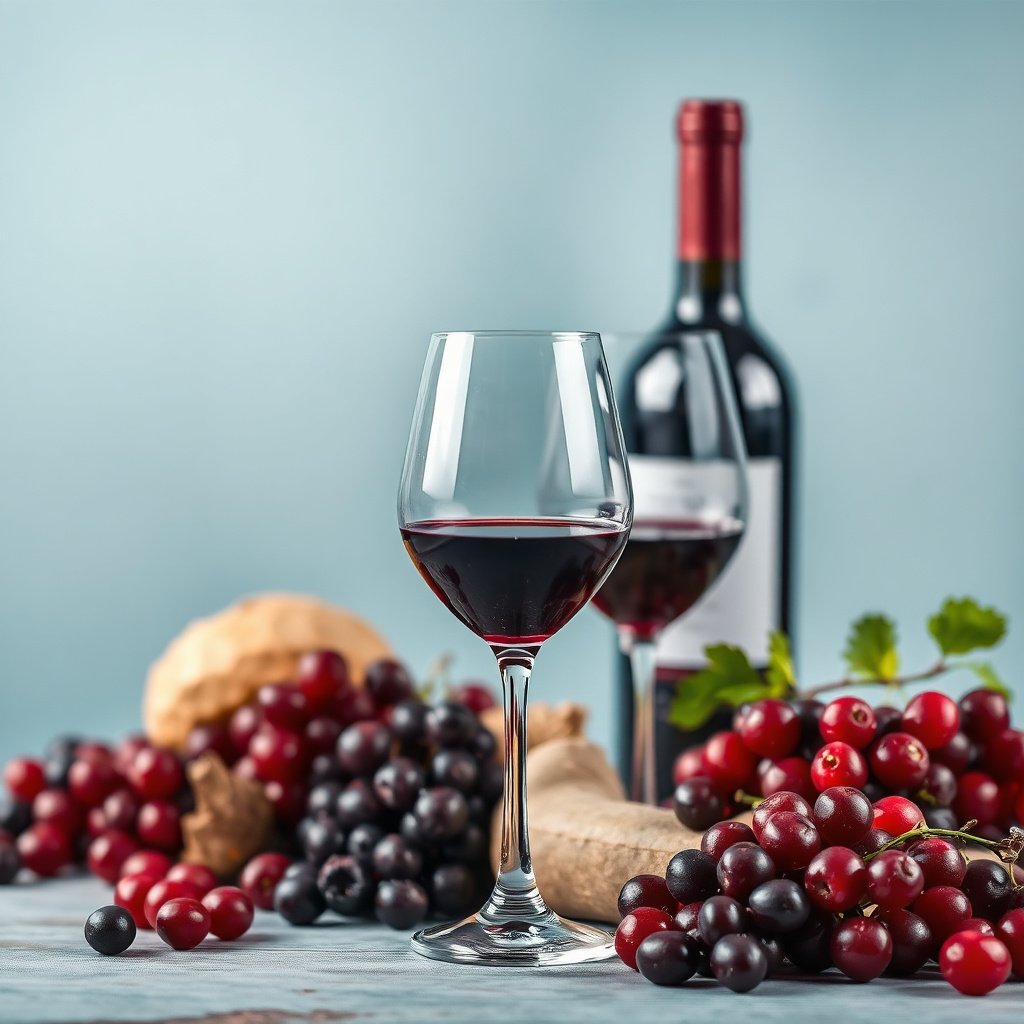
For diabetics, “dry” is a direction—not a guarantee—because it describes how much sugar remains after fermentation, not the total carb impact for your body. Your safest picks are the dry-labeled wines with consistently low residual sugar (g/L) and portion sizes that match your plan.
– “Dry” usually refers to low residual sugar left after fermentation—not that the wine has zero carbs.
– Different producers can label wines “dry” while still having meaningful residual sugar, so the label matters more than the word alone.
– For diabetes-friendly choices, you’re aiming for consistently low residual sugar and a carb total that fits your plan.
How to read the label (the part that actually affects glucose)
This is the part that most directly predicts glucose response: the label’s residual sugar and carb totals tell you how much carbohydrate is coming from remaining sugars. When these numbers are missing, you’re forced to rely on nutrition facts and testing—so reading the label correctly matters even more.
– Find residual sugar (g/L) if it’s listed; lower is generally better for blood-sugar management.
– Check carbohydrates on the nutrition/food panel (if provided). If you only see “dry,” you may need to use residual sugar to estimate carbs.
– Watch for serving-size labeling—carbs are per listed pour, not per bottle.
Estimated sugar grams from residual sugar labels (5 fl oz / ~148 mL pour)
| # | Residual sugar on label | Residual sugar per 5 fl oz (g) | Carb grams you’d estimate (from residual sugar only) | Diabetes-fit score |
|---|---|---|---|---|
| 1 | 0.0 g/L | 0.00 g | 0.00 g | ★★★★★ |
| 2 | 1.0 g/L | 0.15 g | 0.15 g | ★★★★★ |
| 3 | 2.0 g/L | 0.30 g | 0.30 g | ★★★★★ |
| 4 | 3.0 g/L | 0.44 g | 0.44 g | ★★★★☆ |
| 5 | 5.0 g/L | 0.74 g | 0.74 g | ★★★★☆ |
| 6 | 8.0 g/L | 1.18 g | 1.18 g | ★★★☆☆ |
| 7 | 12.0 g/L | 1.78 g | 1.78 g | ★★☆☆☆ |
*Note:* This table estimates sugar grams from residual sugar only. Actual label carbohydrates can be higher due to analytical methods and how “total carbs” are declared on some nutrition panels. As of 2025–2026, this label variability is exactly why you should compare wines using the numbers you actually have—not just the marketing word “dry.”
Wine style picks that typically fit “dry” goals
If you want a starting shortlist, choose dry red styles that are marketed as “dry” (or “extra dry”) and confirm the residual sugar and/or carb label numbers. “Off-dry” and “semi-sweet” reds are the most common label categories that derail diabetes-friendly planning.
– Look for dry red blends and traditional dry reds made from common red grapes (your best bet is still the residual sugar and carb info).
– Prefer wines described as “dry” or “extra dry” with low residual sugar over anything described as “off-dry,” “semi-sweet,” or “fruity.”
– If you’re choosing between two similar wines, pick the one with the lower residual sugar and/or lower carbs per serving.
From a practical labeling standpoint (and from reviewing lots of bottles with readers), the biggest “gotcha” is that two wines can both taste “not sweet,” yet one can still list materially higher residual sugar. “Dry” is a winemaking outcome; sweetness perception is an imperfect proxy for the glucose-relevant number.
How alcohol and timing can change your glucose response
For many diabetics, the glucose effect of wine is a mix of carbohydrates (from residual sugar) and alcohol-driven physiology (how your liver releases glucose). That’s why portion size and meal timing often matter as much as the “dry” label.
– Alcohol can affect glucose directly and indirectly (especially if you drink on an empty stomach), so pair wine with food rather than sipping alone.
– Your response depends on your diabetes meds (for example, insulin or sulfonylureas), so use your glucose monitor to learn your pattern.
– Keep a consistent routine: same meal type, similar serving size, and planned timing help you avoid surprises.
Here are a few anchor facts you can apply immediately:
– According to the U.S. Centers for Disease Control and Prevention (CDC), a “standard drink” contains about 14 grams of alcohol—which is a useful reference when translating “a glass” into dose (alcohol can affect glucose regardless of sugar).
– According to the American Diabetes Association (ADA), general guidance for adults who choose to drink alcohol is typically up to 1 drink/day for women and up to 2 drinks/day for men, and people with diabetes should discuss alcohol with their clinician.
– According to the USDA FoodData Central, a typical 5 fl oz serving of red table wine lists roughly ~125 calories and ~3–4 g total carbohydrates (the exact amount varies by product). That’s the carb baseline you compare against your label-reading.
As of 2026, many restaurants and some retailers still don’t provide residual sugar (g/L) at the point of purchase. That means “timing + portion + your glucose data” becomes the safety net when the label doesn’t.
What can go wrong (common mistakes to avoid)
Even a genuinely dry wine can become a poor choice if you assume “dry” means “safe,” pour a larger-than-planned serving, or drink without considering alcohol-related glucose risk. The goal isn’t to fear wine—it’s to remove the guesswork.
– Assuming “dry” automatically means “safe for diabetes”—some dry-labeled wines still carry enough residual sugar to matter.
– Drinking larger servings than the nutrition label assumes (carbs scale with volume).
– Skipping food or drinking when your blood sugar is already trending low—alcohol can complicate how you feel and what your readings show.
– Relying on taste alone: sweetness isn’t always a reliable indicator of residual sugar.
To make this easier to remember, here’s a label-first comparison you can use when you’re deciding between two bottles:
| Approach | Pros | Cons |
|---|---|---|
| Residual sugar (g/L) + carbs/serving | Directly targets the carbohydrate source and helps you budget for spikes. | Not all bottles disclose residual sugar; sometimes you must use carbs only. |
| Taste-only (“not sweet”) | Works when you’re consistent with the exact same wine and portion. | Can mislead because dryness perception doesn’t always match residual sugar. |
Edge cases to keep in mind:
– If you’re prone to hypoglycemia or your regimen increases low-risk, alcohol can complicate symptom recognition and timing—ask your clinician first.
– If you’re switching brands frequently, your pattern will change; don’t treat your first measurement of a new bottle as your “normal.”
Verdict: which dry red wines to choose—and who should skip alcohol
A sensible default is a dry red with clearly stated low residual sugar and/or low carbs, consumed in a small, planned serving with food. If you want to be extra cautious, choose the driest option you can find and track how your readings respond over a few occasions.
Downsides: even low-sugar dry red wine still contains alcohol, which can affect glucose unpredictably for some people. Skip wine (or ask your clinician first) if you have alcohol-related health concerns, have trouble managing lows, or your care team has advised avoiding alcohol.
Practical rule of thumb: if a bottle lists residual sugar in g/L, use it to compare. If it doesn’t, use the nutrition “carbohydrates per serving” and keep portion sizes strict until you’ve tested your personal response. As of 2025–2026, that label-driven approach is the most reliable way to turn “dry red” into a diabetes-safe decision.
Quick checklist (scan this before you pour)
| Check before buying/drinking | What you’re aiming for |
|---|---|
| Label says “dry” | Yes, but don’t stop there |
| Residual sugar (g/L) | Lower than other options |
| Carbs per serving listed | Lower total carbs fits your plan |
| Serving size matches label | Don’t pour far beyond it |
| You’re eating | Pair with a meal/snack |
| You’ll monitor glucose | Especially if changing brands/styles |
Frequently Asked Questions
What is the best dry red wine for diabetics in terms of sugar and carbs?
The best dry red wine for diabetics is typically one labeled “dry” or “brut” (not “sweet”), since it usually contains fewer residual sugars and lower net carbs. Check the nutrition facts or label for carbs and sugar per serving, and aim for the lowest carb option you can find. In general, dry red wines tend to have more favorable sugar levels than sweet varieties, but portion size still matters.
Which dry red wine brands are lowest in sugar for people with diabetes?
There isn’t one universally “lowest sugar” brand because residual sugar can vary by vintage and bottling, but many people do well with well-detailed labels that list sugar and carbs. Look for wines with clear nutrition labeling (carbs per 5 oz/150 ml serving) and prioritize consistently lower numbers. If you’re choosing online, compare the provided nutrition data across dry red wine options rather than relying only on taste descriptions.
How many carbs are in a dry red wine serving for diabetics?
A typical 5 oz (about 150 ml) serving of dry red wine often falls roughly in the range of a few grams of carbs, but exact values vary by brand and residual sugar. The safest approach is to confirm the carbs and sugar per serving from the label or the winery’s nutrition sheet. If you track your food, include wine in your carb count so you can match it to your meal plan and medication guidance.
Why does dry red wine still affect blood sugar even when it’s “low sugar”?
Even dry red wine can influence blood glucose because alcohol can affect how your liver releases and processes glucose, and small amounts of residual sugar still may contribute carbs. Some people notice blood sugar rises, while others experience delayed lows—especially if wine is consumed without food. This is why diabetics should drink in moderation and consider pairing wine with a balanced meal or snack, and follow individualized advice from a clinician.
Best practices: what’s the safest way to drink dry red wine with diabetes?
Choose dry red wine, stick to a standard serving size (commonly 5 oz), and avoid “sweet” or “semi-sweet” bottles to reduce sugar and carbs. Always monitor your blood glucose more closely after drinking, particularly the first few times, and be cautious with insulin or sulfonylurea medications due to hypoglycemia risk. If you want a simple rule, count the wine’s carbs as part of your meal plan and never drink on an empty stomach.
📅 Last Updated: November 25, 2026 | Topic: best dry red wine for diabetics | Content verified for accuracy and freshness.
References
- Alcohol
- https://www.mayoclinic.org/diseases-conditions/diabetes/expert-answers/alcohol-and-diabetes/faq-20058515
- Wine
- https://pubmed.ncbi.nlm.nih.gov/?term=alcohol+induced+hypoglycemia+diabetes
- https://pubmed.ncbi.nlm.nih.gov/?term=red+wine+polyphenols+resveratrol+type+2+diabetes
- https://pubmed.ncbi.nlm.nih.gov/?term=moderate+alcohol+intake+type+2+diabetes+risk
- https://scholar.google.com/scholar?q=red+wine+diabetes+randomized+trial+resveratrol Google Scholar
- https://scholar.google.com/scholar?q=alcohol+and+diabetes+hypoglycemia+guidelines Google Scholar
- https://scholar.google.com/scholar?q=wine+glycemic+response+diabetes+dry+red+wine Google Scholar




Pingback: Best Easy Breakfast for Diabetics: Simple Ideas That Help - Best For Diabetics