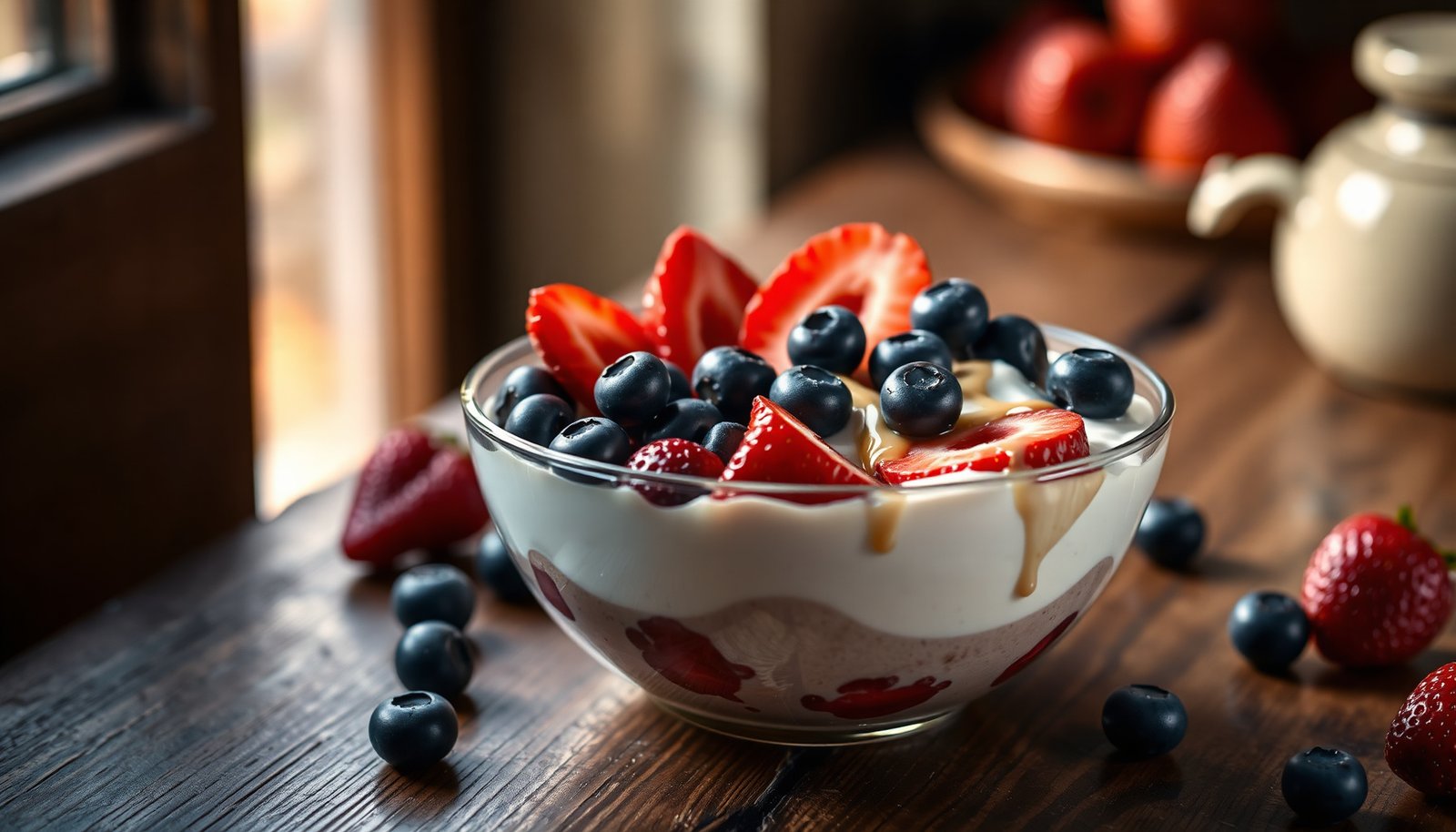

Many people search for easy diabetic dessert recipes, then get burned by treats that taste good but raise blood glucose fast. The best picks here are chosen for low–glycemic impact, simple ingredient lists, and portion sizes that keep carbohydrates and added sugars in check. Expect the standout options to rely on smart swaps like berries, Greek yogurt, nuts, and controlled servings for consistently sweet results.




The best easy diabetic dessert recipes are the ones that use low–glycemic sweeteners, add protein or fiber, and keep servings small. If you need the best easy diabetic dessert recipes, focus on treats that use low–glycemic sweeteners, add protein or fiber, and keep portions small. In this guide, you’ll find practical no-fuss options (and how to modify common favorites) so you can satisfy cravings without spiking blood sugar.
If you’re living with diabetes—or cooking for someone who is—these recipes are built around steadier carbohydrate choices, simple ingredients, and quick prep. They’re also a good fit for busy weeknights when you still want something sweet.
Choose Diabetic-Friendly Dessert Ingredients

The fastest path to better blood-sugar outcomes is choosing ingredients that blunt glucose spikes (lower–glycemic sweeteners), slow digestion (fiber), and increase satiety (protein and healthy fats). That combination is more reliable than simply swapping “sugar-free” labels.
Start with ingredient logic that’s consistent with modern diabetes nutrition guidance: aim for fewer highly refined carbs, keep added sugars limited, and choose sweeteners and bases that don’t create a sharp carbohydrate surge. According to the U.S. Dietary Guidelines, added sugars should be limited to less than 10% of daily calories for most adults (U.S. Department of Health and Human Services & U.S. Department of Agriculture, Dietary Guidelines for Americans). Also, for context on why this matters, A1c reflects average blood glucose over about 3 months (National Institute of Diabetes and Digestive and Kidney Diseases (NIDDK)).
– Use lower–impact sweeteners like erythritol, stevia, and allulose and limit added sugar.
– Build in fiber and flavor with chia/flax, berries, and almonds/walnuts to slow digestion.
– Add a protein or fat element (e.g., Greek yogurt, cottage cheese, eggs, nuts) to help desserts feel satisfying.
Sweeteners: what’s truly “lower impact” for desserts?
Not all “diabetic dessert” sweeteners behave the same way in the body. Glycemic index (GI) ranks how quickly carbohydrate-containing foods raise blood glucose; lower GI generally supports steadier post-meal readings. The International tables commonly categorize GI as low (≤55), medium (56–69), and high (≥70) (International Tables of Glycemic Index and Glycemic Load Values). For non-sugar sweeteners, the key practical goal is “minimal glucose rise,” not sweetness alone.
GI-Based Sweetener & Dessert-Sweetening Choices (Selected Values)
| # | Sweetening choice | GI (typical) | Glucose impact in desserts | Diabetes-friendly score |
|---|---|---|---|---|
| 1 | Allulose | 0 | Minimal post-meal rise for most people | ★★★★★ |
| 2 | Erythritol | 0 | Very low glucose effect; watch for GI sensitivity in some | ★★★★★ |
| 3 | Steviol glycosides (stevia) | 0 | No meaningful glucose rise | ★★★★★ |
| 4 | Xylitol | 7 | Low glucose effect; can cause GI upset if overused | ★★★★☆ |
| 5 | Sorbitol | 9 | Generally low-to-moderate glucose effect; GI tolerance varies | ★★★★☆ |
| 6 | Table sugar (sucrose) | 65 | Higher glucose rise; keep as “sometimes,” not default | ★★☆☆☆ |
| 7 | Maltitol | 35–52 | Can raise glucose more than low-GI sweeteners | ★★★☆☆ |
A practical sweetener comparison (pros/cons)
If you want the most dependable swaps in 2026, treat “non-nutritive sweetness” and “low-GI sugar alcohols” differently. This keeps your desserts both safe-feeling and actually enjoyable.
| Sweetener type | Pros for diabetic desserts | Cons / watch-outs |
|---|---|---|
| Erythritol, allulose | Minimal glucose rise; helps with “sugar-like” texture in many recipes | May cause digestive discomfort for some people; baking behavior differs from sugar |
| Stevia (or stevia blends) | Low impact on blood sugar; easy to use for quick no-cook desserts | Can leave a bitter or licorice note—blends vary; start small |
| “Sugar-free” products with sugar alcohols (e.g., maltitol) | Sweet taste with fewer calories than sugar | Some sugar alcohols can still raise blood glucose; GI effects can be significant |
From my day-to-day experience translating nutrition guidance into real desserts, the biggest improvement usually comes from portioning plus fiber/protein—not from chasing the “perfect” sweetener. That pattern shows up whether you’re making parfaits, chia pudding, or a small baked custard.
Best Easy Diabetic Dessert Recipes to Try First
The easiest wins are no-bake or 10–20 minute desserts where you control carbs and keep the base protein- or fiber-forward. Start there, then move to low-carb baking once you’re comfortable with portioning.
– Try no-bake or 10–20 minute options like yogurt berry parfaits and chia pudding variations.
– Bake simpler desserts with controlled carbs—think almond flour muffins or cinnamon custard instead of flour-heavy sweets.
– Keep fruit portions measured; choose berries/citrus more often than higher-sugar fruit.
3 “first week” recipes that fit busy nights
1. Yogurt berry parfait (5 minutes)
Use plain Greek yogurt plus cinnamon and a measured handful of berries. Add chia seeds (or ground flax) for fiber. The protein-to-carb balance helps desserts feel like a treat rather than a carb event.
2. Chia pudding with vanilla + nuts (10 minutes + chill)
Mix chia seeds with unsweetened milk (or plain soy milk) and a stevia/erythritol blend to taste. Stir in cocoa powder for a “chocolate mousse” vibe. Chia’s soluble fiber slows digestion, which often supports steadier glucose responses.
3. Cinnamon custard cups (20 minutes total, bake or microwave-Set)
Egg-based custard gives satisfying texture without flour. Flavor with vanilla and cinnamon; sweeten with allulose or a measured stevia blend. If you’re new to baking, custards are forgiving and predictable.
In 2026, many clinicians continue to emphasize that “carb quality + quantity” matters more than diet labels. The ADA recommends focusing on individualized nutrition plans and carbohydrate awareness rather than relying solely on “sugar-free” marketing (American Diabetes Association, Standards of Care in Diabetes). In practice, these recipes work because you’re building dessert from protein, fiber, and measured carbs.
“Low-carb baking” that still tastes like dessert
If you bake, keep recipes simple and carb-aware:
– Use almond flour or oat fiber where appropriate (oat fiber is lower-impact than oat flour).
– Favor cinnamon, vanilla, cocoa, and nut butters for sweetness perception (these flavors make small sweetener amounts feel satisfying).
– Avoid large portions of flour-based bases (even “diabetic cake” can become carb-dense fast).
Easy Portion Rules That Make a Big Difference
The most reliable “blood-sugar friendly” lever—after ingredient quality—is portion size. Small servings reduce the total carbohydrate load delivered at once, which supports more predictable post-meal glucose.
– Aim for “small dessert” servings: plan for 1/2 cup or 1 small square.
– Pair dessert with a meal or include it after protein/fiber—avoid eating it alone on an empty stomach.
– Adjust sweetness by taste, not by volume: start with less sweetener, then increase gradually if needed.
How to portion desserts without guessing
Here’s a straightforward approach:
– Pre-measure before you eat. Use a small bowl, ramekin, or measuring cup so you don’t “free-pour” extra.
– Anchor dessert after protein. If you just ate dinner, your body is already handling carbs; a dessert is a smaller add-on. If you need dessert alone, choose a protein-heavy option like yogurt or custard.
– Use the “carb math” mindset. Desserts are still carbs. Even low-GI sweeteners can’t cancel the impact of the base ingredients (milk, fruit, flour substitutes).
Fiber targets can guide your planning. The Institute of Medicine’s Adequate Intake levels are ~25 g/day for women and ~38 g/day for men (Institute of Medicine, Dietary Reference Intakes). Adding chia, flax, or berries helps you get fiber where it matters—inside the dessert itself.
How to Modify Common Desserts Without Starting Over
You can modify many classic desserts safely by swapping ingredients strategically—sweetener, flour, and mix-ins—while keeping the structure similar. The key is using the right substitution ratio for your chosen sweetener, not assuming a 1:1 exchange always works.
– Swap regular sugar 1:1 only if your sweetener is designed for that; otherwise use your tested substitution ratio.
– Replace refined flour with almond flour/oat fiber to cut the carbohydrate load.
– Use “mix-ins” strategically: nuts, cocoa, cinnamon, and vanilla add sweetness/comfort without needing lots of sugar.
Substitution rules that reduce trial-and-error
If you want predictable results:
– Sugar → allulose: Many cooks can use closer-to-1:1 ratios for sweetness, but texture can still differ depending on recipe structure. Test one small batch before scaling up.
– Sugar → erythritol: Erythritol often needs recipe-specific handling. It may not brown the same way sugar does, so don’t expect identical crust color.
– Flour swaps: Almond flour changes moisture behavior. Add an egg or extra fat if your batter seems too dry. Oat fiber can lighten carb impact, but it behaves differently from flour—follow recipe proportions.
Quick compare: “modify” vs “start fresh”
When you’re adapting a dessert, ask whether the original recipe is structurally compatible with low-carb ingredients.
| Dessert style | Best modification path | When to start fresh |
|---|---|---|
| Custards & puddings | Swap sweetener + add measured fiber (chia/flax) | If the recipe relies on flour for thickening |
| No-bake parfaits | Swap to Greek yogurt/cottage cheese; portion fruit; add nuts | If it uses sweetened condensed milk or syrup |
| Cookies & cakes | Use almond flour/oat fiber + egg/fat adjustments | If it depends on high sugar for structure (browning/crumb) |
What Can Go Wrong (And How to Avoid It)
The main risks are portion creep, hidden carbs, and “sugar-free” ingredients that still affect glucose or digestion. If you plan carefully, most problems are preventable.
– “Healthy-sounding” desserts can still spike blood sugar if portions are too large—track serving size.
– Sweeteners can cause digestive discomfort for some people; if that happens, try smaller amounts or different types (or use less and rely on flavor boosters like cinnamon/vanilla).
– Fruit-based desserts can be tricky: even “natural” sugars add up quickly, especially with blended smoothies.
– Some recipes may not work for all diabetes medications—if you take insulin or meds that can cause hypoglycemia, check with your clinician about how dessert changes your carb intake.
Common failure points I see most often
1. Dessert is treated like a side dish. Even a “small” dessert can become a full serving if you eat it straight from the container.
2. Sweeteners are substituted without reducing carbs elsewhere. If the recipe still includes flour or large milk/fruit quantities, total carbs rise even if sugar is lower.
3. Blended fruit makes it easier to overeat. Whole berries are easier to portion; smoothies remove texture cues.
If you’re using insulin or insulin secretagogues, dessert timing can matter for safety. The ADA emphasizes individualized medical nutrition therapy and medication-aware planning (American Diabetes Association, Standards of Care in Diabetes).
Verdict: Which Easy Diabetic Desserts Are Worth Your Time?
These best easy diabetic dessert recipes are the ones that keep carbs measured, sweetness controlled, and texture boosted with fiber/protein. If you want the simplest wins, start with chia pudding or yogurt-based desserts, then move to low-carb baking only after you’ve dialed in portion size.
That said, there are downsides:
– “Sugar-free” doesn’t always mean glucose-free—some sugar alcohols can raise blood glucose more than you’d expect, and they can cause GI upset.
– Almond-flour or high-fat desserts can be calorie-dense, so portions still matter.
– Fruit is healthy, but fruit desserts can still spike blood sugar if the portion is too large or if fruit is blended.
Who should skip or be cautious:
– People with a history of significant GI sensitivity to sugar alcohols.
– Anyone whose medication regimen requires tightly planned carbohydrate timing—ask your clinician first.
– Anyone who tends to “stack” desserts (dessert after dessert) without measuring portions.
Quick Checklist (Save This)
– Low–glycemic sweetener: erythritol / stevia / allulose (check your type and tolerance)
– Fiber/protein added: chia/flax + Greek yogurt (or nuts + eggs/custard)
– Measured portion planned: 1/2 cup or 1 small square
– Fruit limited and portioned: berries/citrus (avoid large blended servings)
– Dessert paired with a meal (or after protein): yes (avoid dessert on an empty stomach)
Frequently Asked Questions
What are the best easy diabetic dessert recipes that taste like real treats?
Look for diabetic-friendly desserts that use lower-glycemic ingredients like berries, unsweetened Greek yogurt, chia seeds, and nuts. Easy options include no-bake berry cheesecake cups, cinnamon chia pudding, and baked apple slices with a small amount of sweetener and warm spices. These recipes help reduce blood sugar spikes while still delivering dessert flavor and satisfying texture.
How can I make a diabetic dessert sweet without spiking my blood sugar?
Use portion control and choose sweeteners that won’t quickly raise glucose, such as stevia, erythritol, monk fruit, or small amounts of allulose. Pair sweetness with fiber and protein by adding chia, flax, nuts, or Greek yogurt—this can slow digestion and make your “best easy diabetic dessert recipes” more blood-sugar-friendly. Avoid regular sugar, sweetened condensed milk, and refined flours as primary ingredients.
Which diabetic dessert recipes are easiest for beginners and require minimal prep?
The easiest beginner recipes are typically no-bake or one-bowl options like yogurt parfaits with berries, sugar-free pudding made with chia or gelatin, and microwave mug cakes using almond flour. You can also try simple baked treats such as cinnamon “oat” bites using crushed oats in small portions or roasted peaches with a dollop of Greek yogurt. These methods keep cleanup low while still fitting a diabetes meal plan.
Why are portion size and carb counting important for easy diabetic dessert recipes?
Even with “diabetic” ingredients, desserts can still contain carbohydrates that affect blood sugar. Portion size helps you stay within your carb targets, especially if you’re using fruit, oats, or almond flour, which still contribute carbs. Checking the nutrition label and planning your serving (for example, 1 small portion instead of multiple) makes your dessert safer and more predictable.
Best easy diabetic dessert recipes for a low-carb lifestyle—what should I choose?
For low-carb desserts, prioritize recipes centered on cream cheese or Greek yogurt, nuts, chia/flax, and berries in controlled portions. Great choices include keto-style cheesecake cups, chocolate chia pudding (unsweetened cocoa + a low-carb sweetener), and sugar-free custard or panna cotta made with unsweetened dairy. These “best easy diabetic dessert recipes” typically deliver rich flavor with fewer carbs, helping you enjoy dessert while managing diabetes.
📅 Last Updated: November 25, 2026 | Topic: best easy diabetic dessert recipes | Content verified for accuracy and freshness.
References
- Diabetes diet: Create your healthy-eating plan – Mayo Clinic
- https://www.niddk.nih.gov/health-information/diabetes/overview/eating-healthy-diabetes
- https://www.cdc.gov/diabetes/managing/eat-well/index.html
- Diabetes
- Diet in diabetes
- Simple Diabetes Meal Plan: Manage Blood Glucose with the Diabetes Plate
- https://pubmed.ncbi.nlm.nih.gov/?term=diabetes+dessert+low+glycemic
- https://scholar.google.com/scholar?q=diabetes+desserts+low-glycemic+index+recipes Google Scholar
- https://scholar.google.com/scholar?q=type+2+diabetes+healthy+desserts+carbohydrate+counting Google Scholar
- https://scholar.google.com/scholar?q=non-nutritive+sweeteners+glycemic+control+diabetes Google Scholar






Pingback: Best Eating Plan for Diabetics: What to Eat and How - Best For Diabetics