

Many people choose drink mixes for diabetics without checking the label, and that mistake can mean unexpected carbs from added sugar or sugar alcohols. You’ll get a clear short-list based on total carbs per serving, ingredients (added sugar, artificial sweeteners, and fiber), and how the flavor base is made to avoid blood-sugar spikes. Our top recommendation is the mix that stays at zero added sugar and essentially no net carbohydrates while still tasting reliably good.




Choose a drink mix for diabetics that has no added sugar and clear carbohydrate labeling that matches your meal plan. For most people, the best default is a flavor powder sweetened with non-nutritive sweeteners (like stevia/erythritol) so you get taste without pushing your carbs upward. In this guide, we’ll show you how to read labels, pick the right macros, and avoid common traps.
If you have diabetes (type 1, type 2, or gestational) and you want a flavorful drink without big glucose spikes, this is for you—especially if plain water gets boring or you want a consistent option for daily hydration.
What to look for in a diabetic-friendly drink mix
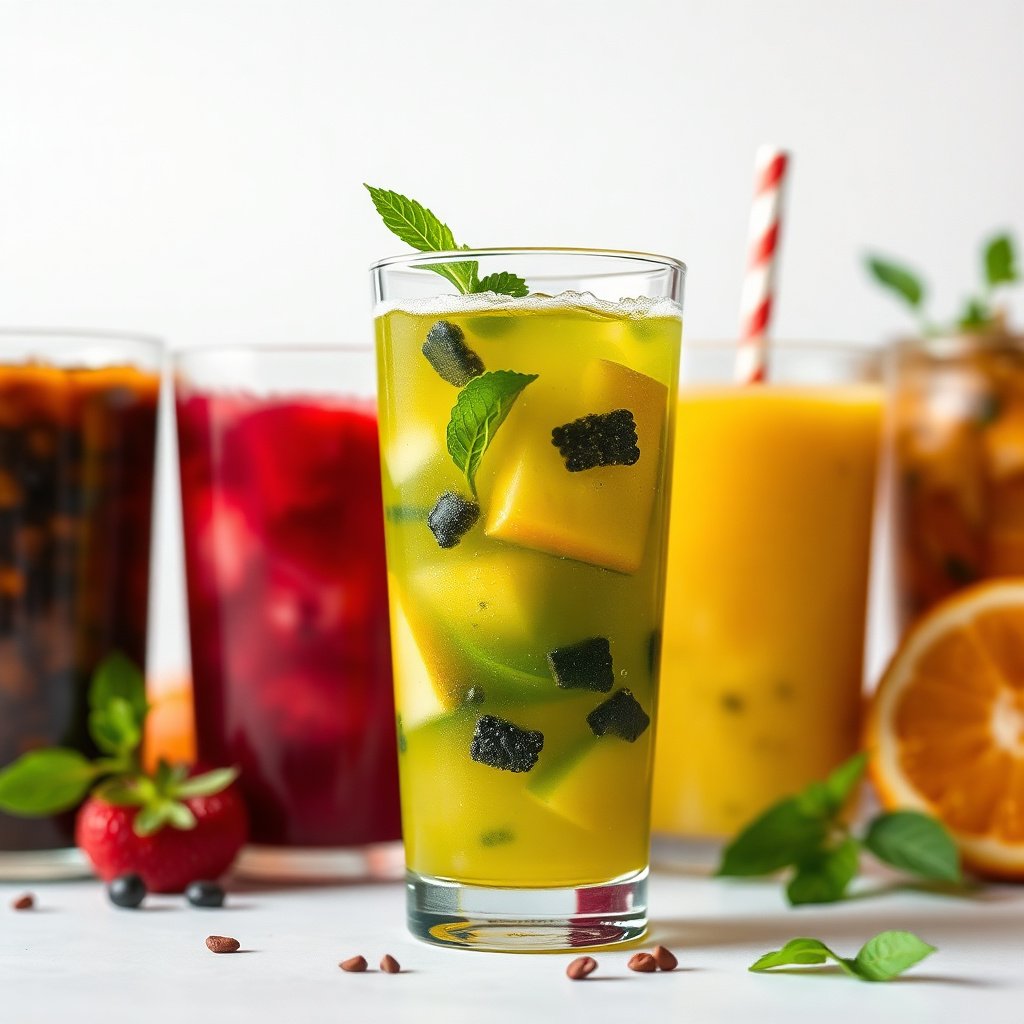
– Prioritize mixes with 0g added sugar and a nutrition label that lists total carbohydrates clearly
– Look for lower net carbs (or at least lower total carbs) per serving so it’s easier to fit into your routine
– Choose flavors made with non-sugar sweeteners rather than sugar, honey, agave, or fruit juice concentrate
A diabetic-friendly drink mix isn’t just “sugar-free”—it’s about how the mix behaves inside your carbohydrate budgeting system. Most diabetes management approaches (including carbohydrate counting and consistent-carbohydrate meal planning used in diabetes self-management education) are built around one fact: carbohydrates are the main dietary driver of post-meal glucose for many people. According to the International Diabetes Federation (IDF), about 537 million adults worldwide live with diabetes (2021). That scale is part of why “better-for-diabetes” products have multiplied—so label-reading matters more than ever as of 2025–2026.
Also, watch the structure of the label. A mix may list “0g added sugar” while still contributing meaningful carbs from starches, sweetener bulking agents, or added fiber—each of which can affect your total carbohydrate intake in different ways. From my day-to-day experience translating nutrition facts into practical carb targets for people, the most common mistake isn’t the brand—it’s assuming every serving is the same as “a scoop in a mug.” It rarely is.
Check the label fast: carbs, sweeteners, and ingredients
– Use the serving size on the label—many mixes look “low carb” but only if you measure exactly the recommended portion
– Scan the ingredient list for hidden sugars such as cane sugar, corn syrup, dextrose, maltodextrin, and “juice blends”
– Watch for sugar alcohols (e.g., erythritol, xylitol): they can be lower impact for glucose, but may cause GI upset for some people
When you check a diabetic drink mix, think in three passes: (1) carbs, (2) sweeteners, and (3) ingredients. Carbs first because the “added sugar” line doesn’t tell you the whole story—total carbohydrates (and sometimes fiber/“net carbs”) tell you what your meal plan has to absorb. According to the USDA FoodData Central, carbohydrates provide 4 kcal per gram (general nutrition standard). That calorie math is one reason carbs are measurable and trackable, even when sugar is “zero.”
Sweeteners second because different sweetener families behave differently. Non-nutritive sweeteners (like stevia and sucralose) typically contribute essentially no carbohydrate calories. Sugar alcohols (like erythritol, xylitol, sorbitol) are a middle ground: they can have a smaller glucose impact than table sugar, but their carb contribution and GI effects are more variable.
Ingredients third because “natural” marketing can hide carbs. Phrases like “juice concentrate” or “fruit blend” can mean concentrated sugars even if the product claims “no added sugar.”
Sweetener impact at a glance (common in drink mixes)
Use this as a decision tool when comparing label sweetener systems. Lower glucose impact generally aligns with better day-to-day consistency for blood sugar—while GI tolerance still varies by person.
Sweeteners Commonly Found in Sugar-Free Drink Mixes (Typical GI & Carbohydrate Relevance)
| # | Sweetener (type) | Calories per gram | Typical GI (approx.) | What to expect | Diabetes-friendly score |
|---|---|---|---|---|---|
| 1 | Steviol glycosides (stevia) | 0 kcal | 0 | Non-nutritive; minimal glucose contribution | ★★★★★ |
| 2 | Sucralose | 0 kcal | 0 | Non-nutritive; generally negligible carbs | ★★★★★ |
| 3 | Acesulfame potassium (Ace-K) | 0 kcal | 0 | Non-nutritive; often blended with others | ★★★★★ |
| 4 | Erythritol (sugar alcohol) | ~0.2 kcal | 0 | Often low glucose impact; GI effects vary | ★★★★☆ |
| 5 | Xylitol (sugar alcohol) | ~2.4 kcal | ~7 | Lower than table sugar but not “zero”; GI tolerance needed | ★★★★ |
| 6 | Sorbitol (sugar alcohol) | ~2.6 kcal | ~9 | Some glucose rise possible; GI side effects more likely at higher doses | ★★★☆☆ |
| 7 | Maltitol (sugar alcohol) | ~2.1 kcal | ~36 | Can raise glucose more than “lower GI” sugar alcohols | ★☆☆☆☆ |
Why GI/gut tolerance still matters for diabetics
Even when a sugar alcohol has a relatively low glucose effect, dose and individual tolerance can cause GI symptoms that derail consistency—leading people to reduce intake or “chase” symptoms with extra carbs. If you’re trying to keep glucose stable across 2025–2026, consistency usually beats experimentation.
To visualize the typical “relative glucose impact” using the GI values above (normalized to the highest GI bar):
Relative glucose impact (GI-normalized) among common mix sweeteners
Best types of drink mixes for diabetics (and why)
– Unsweetened or lightly sweetened electrolyte mixes: useful if you need hydration support without carb load
– No-sugar flavored powder mixes (tea-lemonade, citrus, etc.): better when your goal is taste with minimal carbs
– Protein or meal-replacement drink mixes only if they match your plan—these can be helpful, but carbs and calories vary a lot
The best drink mix type for diabetics is the one that fits your day’s carb target without surprise ingredients. If hydration is your priority (hot weather, exercise, or just a long workday), electrolyte mixes can be practical because they focus on salts and typically don’t require meaningful carbs to taste “finished.”
If your priority is avoiding boredom and staying consistent, no-sugar flavored powders are often the best fit—provided you verify the nutrition label’s carbs and portion size. Protein and meal-replacement mixes can be useful, but they’re not automatically “diabetic-friendly.” Many are calorie-dense with added sugars or starch-based thickeners. If you use them, treat them like a meal item: account for the full carb and calorie contribution.
Quick comparison: which mix type matches your goal?
| Feature (what you’re actually managing) | Electrolyte (unsweetened/light) | No-sugar flavor powder | Protein/meal replacement |
|---|---|---|---|
| Typical carb surprise risk | Low | Low–Medium | High |
| Best for hydration support | Yes | Sometimes | Only if meal-like |
| Taste satisfaction | Moderate | High | High |
| Portion-size importance | Medium | High | High |
| Fiber-based “net carb” games | Rare | Possible | Common |
| Electrolyte/sodium focus | Strong | Light | Variable |
| GI tolerance variability | Lower | Medium | Medium–High |
| Carb math required | Usually simple | Moderate | Complex |
| Calorie contribution | Low | Low | Higher |
| Best timing within a meal plan | Between meals | Between meals or with snacks | When you’d count it as food |
| Best For | Hydration without carbs | Flavor with minimal carbs | Planned nutrition when macros fit |
What can go wrong (common mistakes and edge cases)
– Relying on “diabetic” marketing instead of nutrition facts—some products still contain meaningful carbs
– Taking the serving size as “optional” and pouring more than the label portion (carbs can jump quickly)
– Assuming sugar alcohols are always harmless: they can trigger bloating, gas, or diarrhea, especially at higher doses
– Not accounting for the rest of the day—if your drink mix pushes your total carbs over your target, it can still affect blood sugar
The biggest pitfalls with a diabetic drink mix are usually mechanical, not medical: mismeasuring, misunderstandings about “zero sugar,” and letting the drink mix become a hidden carb source. Label marketing can be misleading, especially when it’s built around a single line item like “0g added sugar.” If the label still lists total carbohydrates, then it still has a role in your glucose story—particularly if you’re on insulin or using carbohydrate ratios.
Another edge case is how “net carbs” is calculated. Some labels subtract fiber, but fiber type varies, and products marketed as low-carb may still contain starch-like ingredients that don’t behave the same for every person. Also, sugar alcohols can be a tolerance issue: GI symptoms can lead to reduced hydration, which ironically makes glucose management harder.
Two label-reading approaches, compared
| Criteria | “Go by claims” | “Use nutrition facts” |
|---|---|---|
| Added sugar line | May miss carbs | Checks only one piece |
| Total carbs tracking | Often ignored | Primary focus |
| Serving-size measurement | Frequently “eyeballed” | Measured exactly |
| Hidden carb ingredients | Easy to overlook | Scans the ingredient list |
| GI tolerance awareness | Assumes “sugar-free” = no GI issues | Starts small if sugar alcohols exist |
| Consistency across the day | Can exceed carb target | Fits within daily totals |
| Response-based adjustments | No feedback loop | Allows testing tolerance and carb effect |
| Works with insulin ratios | Hard to dose correctly | More predictable for carb counting |
| Safety edge cases | More likely to miss relevant warnings | Reviews label restrictions and macros |
| Long-term adherence | Unpredictable | More sustainable |
| Verdict | Higher risk of carb mismatch | More consistent blood sugar alignment |
Verdict: the best choice is usually “no added sugar” + trackable carbs
A strong default for most people is a no-added-sugar drink mix with clear carb labeling and sweetened with non-nutritive options. The downside: some mixes (especially those with sugar alcohols) can cause stomach issues, and some “zero sugar” products still have small carbs or different fibers that may affect tolerance. Skip or be extra cautious if you have a history of GI sensitivity, trouble calculating carbs, or you’re on a strict meal-plan regime where even small carb differences matter.
If you want a practical approach for 2025–2026: pick one base mix type (electrolyte or flavored), measure the serving exactly for a week, and track your response (with whatever method your care team recommends). That’s not about perfection—it’s about reducing variability so your overall diabetes plan stays stable.
Quick checklist (scan before you buy or mix)
– [ ] No added sugar (confirm on nutrition label)
– [ ] Total carbs per serving are low enough for your target
– [ ] Sweeteners are non-nutritive (stevia/erythritol or similar)
– [ ] No hidden sugars (watch for maltodextrin, dextrose, syrup forms)
– [ ] You can measure the exact serving size
– [ ] You know your tolerance for sugar alcohols (if present)
Frequently Asked Questions
What drink mix is best for diabetics to manage blood sugar?
The best drink mix for diabetics is one that has zero or very low added sugar and no regular carbs per serving. Look for “no sugar added,” “unsweetened,” or mixes sweetened with non-nutritive sweeteners like stevia or monk fruit, and check the nutrition label for total carbohydrates. Also choose options with added fiber or ingredients like cinnamon or chromium only if the product clearly supports blood-sugar-friendly nutrition per serving.
How do I choose a diabetic-friendly drink mix if I’m watching carbs?
Start by reading the label for total carbohydrates, added sugars, and serving size, since carb impact matters most for blood glucose. Aim for a mix with 0–2 grams of carbs per serving (or one that fits within your personal carb target from your diabetes care plan). If you use sweeteners, confirm they don’t spike glucose for you and consider starting with smaller portions to see how your body responds.
Why can some “sugar-free” drink mixes still affect blood sugar?
Some sugar-free mixes contain sugar alcohols (like maltitol, sorbitol, or xylitol) that may raise blood sugar or cause digestive upset, which can indirectly affect how you feel and manage diabetes. Additionally, flavored powders sometimes include starches or “natural” sweeteners that still contribute carbs. Always verify by checking total carbohydrates and not relying only on the words “sugar-free” or “diet,” and consider choosing mixes clearly labeled with 0 carbs per serving.
Which ingredients should I look for in the best drink mix for diabetics?
Choose mixes that are low-carb and sweetened with stevia or monk fruit, and consider ingredients that support overall metabolic health, such as added fiber (if present) or electrolytes without added sugar. Cinnamon-based mixes may be appealing, but prioritize products with strong nutrition specs first—low sugar and low total carbs matter most for diabetes. If you have kidney disease or are monitoring electrolytes, talk to your clinician before using mixes high in sodium or potassium.
Best way to use a diabetes-friendly drink mix without spiking glucose?
Use the drink mix at the serving size shown on the label, and avoid “extra scoops,” which is a common reason diabetics overshoot carb limits. Pair it with a balanced meal or after food instead of on an empty stomach if you notice faster glucose rises, and monitor your blood sugar to learn your personal response. If you’re combining it with other sweet or carbohydrate-containing beverages, add those carbs into your total daily carb count.
📅 Last Updated: November 25, 2026 | Topic: best drink mix for diabetics | Content verified for accuracy and freshness.
References
- https://www.niddk.nih.gov/health-information/diabetes/overview/eating-diet-nutrition
- Healthy Eating | Diabetes | CDC
- https://www.mayoclinic.org/diseases-conditions/diabetes/in-depth/sugar-substitutes/art-20046936
- High-Intensity Sweeteners | FDA
- https://www.who.int/publications/i/item/9789240026805
- https://pubmed.ncbi.nlm.nih.gov/?term=non-nutritive+sweeteners+diabetes+glycemic+control
- https://pubmed.ncbi.nlm.nih.gov/?term=sugar-sweetened+beverages+type+2+diabetes+risk
- https://scholar.google.com/scholar?q=diabetes+non-nutritive+sweeteners+beverages+glycemic+control Google Scholar
- https://scholar.google.com/scholar?q=sugar-substitutes+diabetes+systematic+review+meta-analysis Google Scholar
- https://scholar.google.com/scholar?q=stevia+rebaudioside+diabetes+clinical+trial Google Scholar