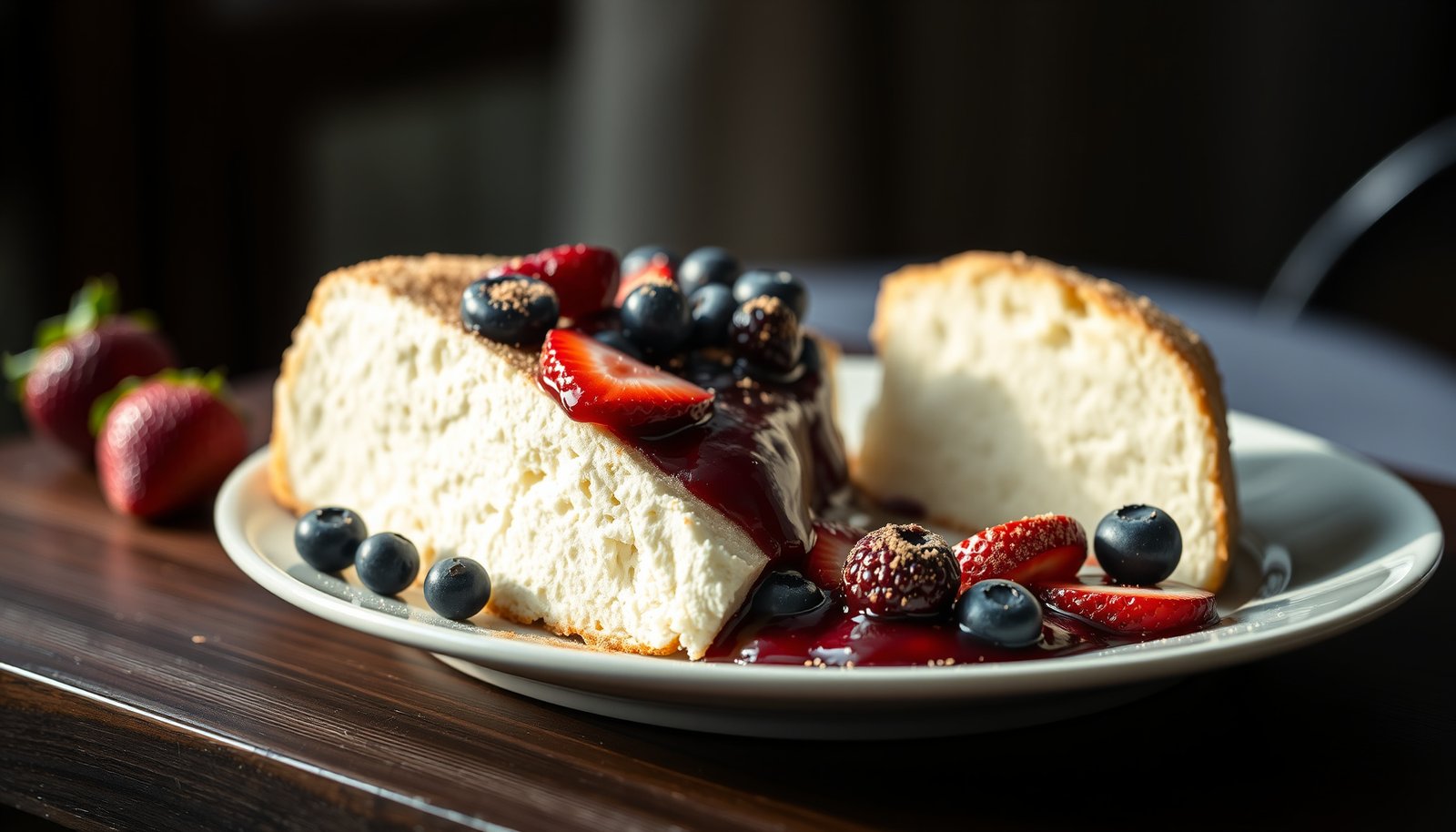

Find the best angel food cake toppings for diabetics that keep sugar low without sacrificing flavor. If you want a clear winner, choose fruit-based toppings—like fresh berries or a no-sugar-added berry compote—because they deliver sweetness with a controlled glycemic impact. You’ll also get practical picks for portion size and easy ways to avoid hidden sugar in syrups and frosting.




For angel food cake with diabetes, the smartest toppings are berries, plain unsweetened dairy (or no-sugar-added alternatives), and flavor boosters like cinnamon or vanilla—then you control the serving size. This approach keeps added sugar low and makes the carb amount more predictable, which is what you need for steadier blood glucose and easier meal planning.
If you have diabetes (type 1 or type 2) and you still want to enjoy angel food cake, this is for you. It’s especially useful when you’re trying to stay mindful of carbohydrates without giving up flavor.
Diabetic-Friendly Topping Rules (Before You Pick Anything)
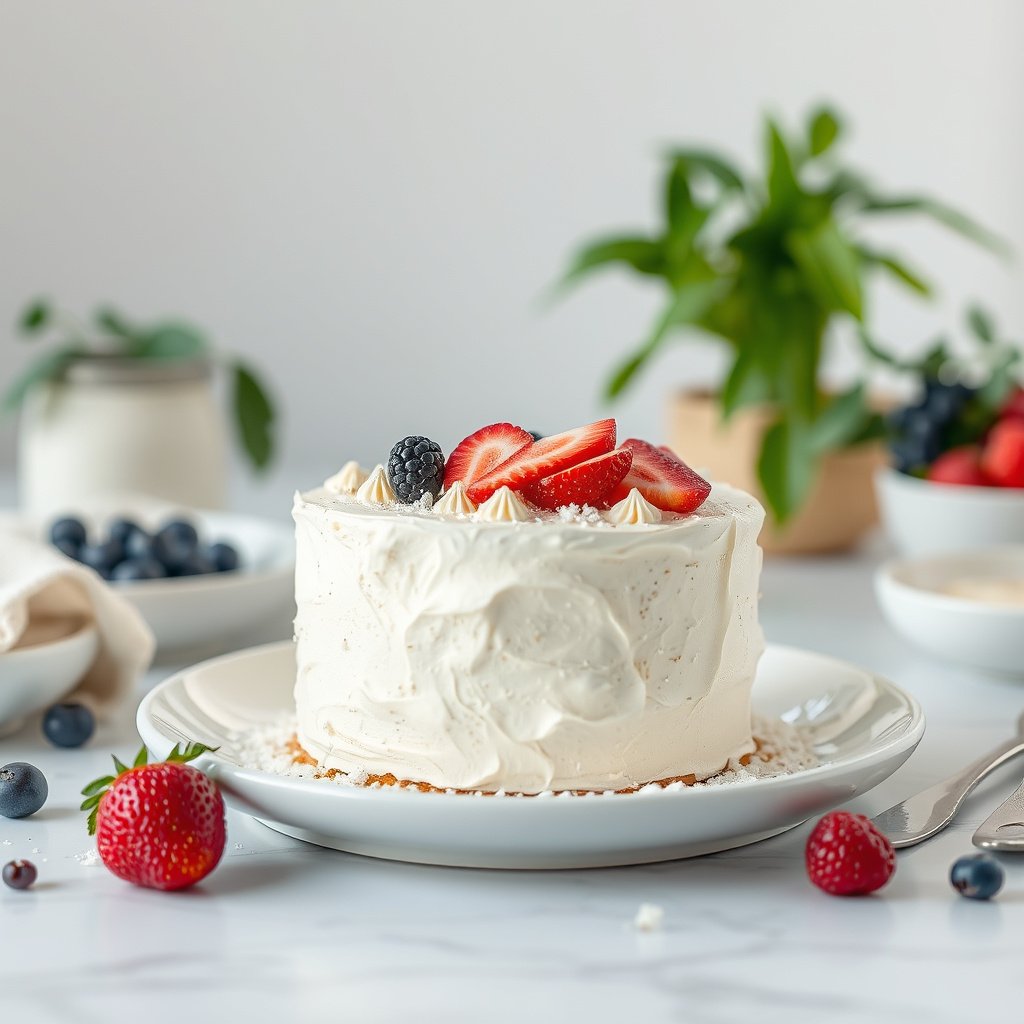
The best first step is to treat toppings like “measurable carbs,” not like harmless garnish. Then you choose ingredients that either contain naturally lower sugar or add volume with fiber and/or protein, so your blood sugar response is more manageable.
– Focus on added sugars and total carbohydrates—not just “sugar-free” wording.
– Keep portions reasonable, because angel food cake itself already contains carbs, even though it’s light.
– Prefer toppings with fiber or protein (like berries + yogurt), since they tend to be more filling than pure sweet sauces.
Added sugars on the Nutrition Facts label must be declared separately, so “low sugar” claims can’t replace reading the actual added-sugar grams. U.S. FDA, 21 CFR 101.9 (Nutrition Facts label requirements)
The FDA’s Daily Value (DV) for added sugars is 50 g/day, which provides a concrete benchmark for how quickly topping choices can add up. U.S. FDA, Nutrition Facts label added sugars DV
The American Diabetes Association emphasizes carbohydrate awareness and individualized planning rather than relying on “sugar-free” marketing. American Diabetes Association, Standards of Care in Diabetes—Nutrition Therapy
In my day-to-day approach to diabetic-friendly dessert planning, the “aha” moment is usually recognizing how fast flavored dairy and compote-style fruit turn into a topping that behaves like a sauce.
Also remember: “net carbs” can be a strategy, but it depends on your diabetes care plan. If your clinician or diabetes educator uses net carbs (total carbs minus fiber and/or certain sugar alcohols), follow that method consistently.
Fruit Toppings That Usually Work Best
The simplest fruit strategy is berries in a measured portion, because they tend to be lower in sugar than many other fruits and are less likely to come in syrup. Use sweetness from texture and aromatics (cinnamon, vanilla, lemon zest) rather than syrupy add-ons.
– Choose berries (fresh or unsweetened frozen) because they’re typically lower in sugar than many other fruits.
– Add sweetness with texture and flavor (cinnamon, lemon zest, vanilla) instead of syrups.
– Watch portion size: even “healthy” fruit can raise blood glucose if you use large amounts.
According to the American Heart Association, added sugars should be limited to 25 g/day for most women and 36 g/day for most men (general public guidance). American Heart Association, Dietary Sugar Recommendations Even though fruit isn’t “added sugar,” large fruit portions can still contribute enough total carbohydrate to matter in diabetes meal planning.
To make portioning easier, here’s a scan-friendly comparison of common “low-added-sugar” toppings and their typical carb load per measured serving.
Carb & Added-Sugar Impact of Common Angel Food Toppings (USDA-based serving benchmarks)
| # | Topping option (unsweetened) | Benchmark serving | Total carbs (g) | Diabetes-friendliness |
|---|---|---|---|---|
| 1 | Blueberries | 1/2 cup (74 g) | 10.5 | ★★★★★ |
| 2 | Strawberries | 1/2 cup (82 g) | 5.2 | ★★★★☆ |
| 3 | Raspberries | 1/2 cup (62 g) | 7.4 | ★★★★★ |
| 4 | Blackberries | 1/2 cup (70 g) | 6.9 | ★★★★☆ |
| 5 | Plain nonfat Greek yogurt | 3/4 cup (170 g) | 6.0 | ★★★★☆ |
| 6 | Unsweetened almond milk | 1 cup (240 ml) | 1.0 | ★★★★★ |
| 7 | Unsweetened cocoa powder | 1 tbsp (5 g) | 2.0 | ★★★★★ |
These values come from USDA FoodData Central entries for commonly used, unsweetened ingredients and standard serving sizes; always verify your exact product’s label because nutrition can vary by brand and preparation. USDA FoodData Central
Creamy Toppings Without the Sugar Spike
The easiest way to get “dessert-like” creaminess is to start with plain, unsweetened yogurt (or an unsweetened dairy alternative) and add flavor in measured amounts. This keeps carbohydrates more predictable than jarred dessert toppings.
– Look for plain/unsweetened Greek yogurt or unsweetened whipped dairy alternatives, then sweeten lightly only if needed.
– If using store-bought toppings, check labels for added sugar and net carbs (if your plan uses that).
– Plain yogurt + a few berries often gives a creamy effect without needing a sugary glaze.
A key nuance: flavored yogurt is where added sugar often hides—even when total carbs look modest. For diabetes-friendly topping planning, treat “flavored” as a trigger to read the nutrition facts every time.
- Better baseline choice:
- Plain/unsweetened Greek yogurt + berries (predictable carbs + protein + fiber).
- More likely to spike carbs:
- Sweetened whipped toppings, cheesecake-style spreads, or yogurt with added syrup—because added sugars add up quickly.
If your diabetes care plan allows low-calorie sweeteners, discuss your preferred options with your clinician; sugar alcohols and some sweeteners can affect blood glucose differently for different people.
Chocolate, Nuts, and Crunch Toppings (How to Do It Safely)
The “safe” way to use chocolate and crunch is to choose unsweetened cocoa or small amounts of dark chocolate and pair with measured nuts. The goal is to keep sweetened syrups out of the topping and control the serving size that drives carbohydrate totals.
– Use small amounts of unsweetened cocoa or dark cocoa blends (check that they aren’t sweetened).
– Add nuts for crunch, but measure—nuts are calorie-dense, and larger portions can change your carb and calorie goals.
– Spices like cinnamon or nutmeg can improve sweetness perception without adding sugar.
Chocolate is tricky because many “cocoa blends” (especially instant hot cocoa mixes) include added sugar. If you want a chocolate vibe, unsweetened cocoa powder is usually the most label-friendly starting point.
What Can Go Wrong (Common Mistakes)
The most common reason diabetes-friendly angel food cake toppings fail is that people accidentally choose ingredients that behave like sweet sauces. Then carbs stop being predictable, and blood glucose can rise more than expected.
– Assuming “sugar-free” means “carb-free.” Many sugar-free products still contain carbs (often from sugar alcohols or other ingredients).
– Over-topping the cake. Even good ingredients can push you over your carb target if the portion gets big.
– Using fruit in syrup or compote form. Added sugars in canned or bottled fruit can raise carbs faster than whole fruit.
– Skipping label checks. Brand-to-brand nutrition can vary a lot—especially for flavored yogurt, whipped toppings, and dessert sauces.
One label-reading detail that matters: “carbohydrate” totals include multiple contributors (sugars, starches, and fiber). If your diabetes plan focuses on total carbohydrates, sugar alcohols may still count depending on your individualized approach. American Diabetes Association, Standards of Care in Diabetes—Nutrition Therapy
Also consider timing. For some people, eating angel food cake without balancing carbs and protein can cause a faster post-meal rise—even if the topping itself is “low sugar.”
Verdict / Tip: Best Choices, Downsides, and Who Should Skip
If you want the most reliable, low-stress plan, choose berries + plain unsweetened yogurt (or a no-sugar-added alternative) and add cinnamon or vanilla extract for sweetness. This combination typically delivers a dessert-like texture while keeping added sugar low and portioning straightforward.
Downsides to keep in mind:
– Even with diabetes-friendly toppings, angel food cake still counts as a carb—you may need to pair smaller cake servings with your chosen topping.
– Some sugar-free desserts can cause digestive upset for certain people (especially sugar alcohols)—so start with a small amount the first time.
You should be extra cautious (or skip certain topping types) if you:
– Have a history of sensitivity to sugar alcohols,
– Are using tight carb targets where even small topping amounts matter,
– Rely on toppings to fully replace insulin/medication adjustments without checking your clinician’s plan.
Quick Scan Checklist (Plus FAQ)
Checklist before you eat
| Topping type | What to check on the label | Why it matters |
|---|---|---|
| Berries | Added sugar (ideally none) | Lower sugar impact vs. syrupy fruit |
| Yogurt | “Plain/unsweetened” + total carbs | Predictable carbs, added protein |
| Whipped/dairy alternatives | Added sugar + total carbs | Creaminess without turning into dessert sauce |
| Cocoa/chocolate | Added sugar + serving size | Small amounts matter a lot |
| Nuts | Portion size | Calorie-dense; portions affect goals |
FAQ
– Can I use honey or maple syrup on angel food cake?
Usually not the best choice for blood-sugar control—those are concentrated sugar sources. If you do, keep portions very small and count carbs.
– Are sugar-free toppings safe for diabetics?
They can be helpful, but “sugar-free” doesn’t automatically mean “carb-free.” Always check total carbohydrates (and consider sugar alcohol effects).
– Do I need to count carbs from the cake topping too?
Yes. Even a “light” topping can add carbs, especially if it’s sweetened sauce or flavored dairy.
– Is whipped cream okay?
It can be, if it’s unsweetened or lightly sweetened and you keep the serving small. Check the nutrition label rather than relying on taste.
Sources
– American Diabetes Association (ADA), Standards of Care in Diabetes—Nutrition Therapy. American Diabetes Association
– U.S. Food and Drug Administration (FDA), Nutrition Facts label requirements for added sugars (see 21 CFR 101.9, including added sugars disclosure). U.S. FDA, 21 CFR 101.9
– USDA FoodData Central (for nutrition benchmarks used in the topping comparison table). USDA FoodData Central
– American Heart Association (general added-sugar limits). American Heart Association
Overall, the most dependable angel food cake toppings for diabetics are berries, unsweetened/low-sugar creamy options, and flavor boosters—paired with careful portions and label reading. Pick one topping category you can measure, start with a conservative serving, and adjust based on your blood sugar response and your clinician’s guidance.
Frequently Asked Questions
What are the best angel food cake toppings for diabetics?
The best angel food cake toppings for diabetics are those with minimal sugar and plenty of flavor, such as fresh berries, sliced peaches, or a spoonful of plain Greek yogurt. You can also use cinnamon, vanilla extract, and a small drizzle of sugar-free syrup to enhance sweetness without spiking blood glucose. Look for toppings labeled “no sugar added” and keep portions small to manage total carbohydrates.
How can I sweeten angel food cake toppings without spiking my blood sugar?
Choose fruit with a lower glycemic impact, such as strawberries, raspberries, and blueberries, and pair it with protein like Greek yogurt or cottage cheese. Using portion control helps too—try 1/3 to 1/2 cup berries instead of large servings of fruit. If you want a “syrup” effect, consider a sugar-free glaze or topping sweetened with stevia or monk fruit rather than honey or regular maple syrup.
Why are fresh berries a good choice for diabetic-friendly angel food cake?
Fresh berries provide natural sweetness plus fiber, which can slow glucose absorption compared with more processed or syrupy toppings. They’re also rich in antioxidants, making them a nutritious match for angel food cake’s light texture. For the best results, avoid sugary berry preserves and instead use whole berries or lightly mashed fruit.
Which diabetic-friendly topping is better: whipped cream, yogurt, or sugar-free icing?
In general, plain Greek yogurt is often the most diabetic-friendly option because it adds protein and can be lower in sugar than many whipped creams or icings. If you prefer whipped cream, choose a reduced-sugar version or use a small amount, since it can still contain added sugars. For sugar-free icing, check the label for total carbohydrates and choose one with minimal net carbs, then use a light layer so you don’t overdo the serving size.
How do I calculate carbs for angel food cake with diabetic toppings?
Start by checking the nutrition label for the angel food cake slice size, then add the carbs from your topping based on the amount you actually use. When selecting toppings, focus on total carbohydrates and net carbs (carbs minus fiber) to estimate your impact on blood sugar. If you’re unsure, measure portions with a kitchen scale or measuring cup, and consider pairing higher-carb toppings (like bananas) with protein-rich options (like Greek yogurt) to reduce glucose spikes.
📅 Last Updated: October 23, 2026 | Topic: angel food cake toppings for diabetics | Content verified for accuracy and freshness.
References
- https://www.niddk.nih.gov/health-information/diabetes/overview/eating-well-diabetes
- Healthy Eating | Diabetes | CDC
- https://www.mayoclinic.org/diseases-conditions/diabetes/in-depth/diabetes-and-sugar-substitutes/art-20044292
- https://www.fda.gov/food/food-additives-petitions/high-intensity-sweeteners-food
- https://ods.od.nih.gov/factsheets/Sugars-HealthProfessional/
- Glycemic index
- nonnutritive sweeteners glycemic control diabetes – Search Results – PubMed
- glycemic index desserts diabetes – Search Results – PubMed
- https://scholar.google.com/scholar?q=non-nutritive+sweeteners+glycemic+control+diabetes Google Scholar
- https://scholar.google.com/scholar?q=glycemic+index+desserts+diabetes+review Google Scholar