
Looking for the 10 best snacks for diabetics that actually keep blood sugar steady? We pick the clear top choices based on low added sugar, high fiber, and satisfying protein or healthy fats so you don’t get the usual spike-and-crash. If you want the smartest, most diabetes-friendly snack list for everyday cravings, this is the one to follow.



If you want the best snacks for diabetics, choose options that pair carbohydrates with protein and/or healthy fats while keeping added sugar and portions under control. That combo slows digestion, softens glucose spikes, and makes “snack time” feel normal—even when you’re managing type 1, type 2, or prediabetes. Below, you’ll find 10 practical snack ideas that are typically easier on blood sugar, plus quick rules for choosing your best option.
If you’re managing diabetes (type 1, type 2, or prediabetes) and want simple snack replacements that don’t feel restrictive, this is for you—especially if you check labels and want practical, repeatable choices.
How to pick diabetic-friendly snacks fast
The fastest way to pick diabetic-friendly snacks is to aim for balance: fiber-rich carbs plus protein and/or healthy fats. Keep portions realistic, and use label-reading to control both added sugar and total carbohydrate.
According to the American Diabetes Association (ADA), A1C reflects your average blood glucose over approximately 3 months, so consistent snack choices matter (ADA Standards of Care, 2024).
According to the U.S. National Academies, adequate daily fiber intake is about 25 g for women and 38 g for men (2005).
Total carbohydrate, not “sugar” alone, is what typically drives blood glucose for most people—so check grams of carbs when comparing snacks.
– Look for balance: fiber-rich carbs + protein and/or healthy fats (helps slow the glucose rise)
– Prefer “plain” options (unsweetened dairy, nuts, veggies) and limit added sugar and refined grains
– Portion size matters as much as ingredient quality—use your meal plan or carb targets if you have them
A practical “label scan” order (so you don’t get stuck)
When you compare two snacks that both claim to be “diabetic-friendly,” scan in this order:
1. Total carbohydrate (g) — typically the most relevant number for glucose.
2. Fiber (g) — higher fiber often means slower glucose rise.
3. Added sugar (g) and total sugars (g) — helpful for overall metabolic health, even if carbs are the main glucose driver.
4. Protein (g) and fat (g) — not “magic,” but they often improve snack staying power.
5. Serving size — many glucose surprises come from eating more than the stated serving.
As of 2026, most nutrition labels are standardized enough that you can make consistent comparisons—just don’t let marketing words replace the numbers.
10 best snacks for diabetics (with quick portion ideas)
The best snacks for diabetics are usually simple, minimally processed foods that naturally combine carbs with protein and/or healthy fats. Here are 10 go-to options with portion anchors you can repeat without overthinking.
According to the NIDDK, people with diabetes benefit from meal planning that accounts for carbohydrates and emphasizes nutrient-dense foods.
Choosing protein-forward snacks (like eggs, tuna, or Greek yogurt) can reduce how quickly blood glucose rises after eating, compared with carb-only snacks.
– Use these as “go-to” options when you need something between meals
– Aim for a snack you can eat without spiking sugar quickly (label reading + portion control are key)
– If a snack is carb-heavy for you, pair it with protein/fat or reduce the portion
Snack picks (choose 1)
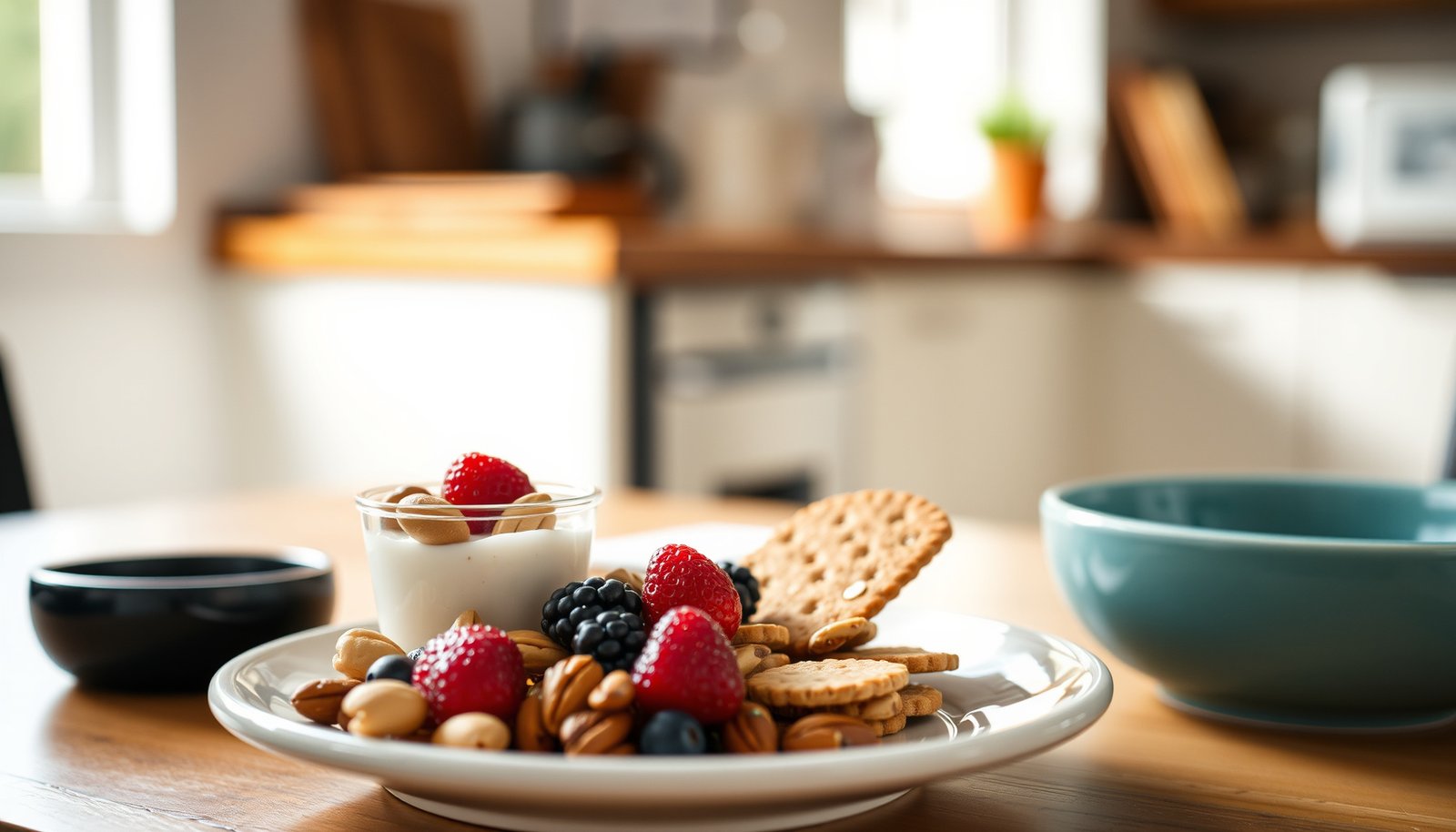
1. Plain Greek yogurt + berries (optionally add chia/flax)
2. Nuts (almonds/walnuts) — grab a small handful
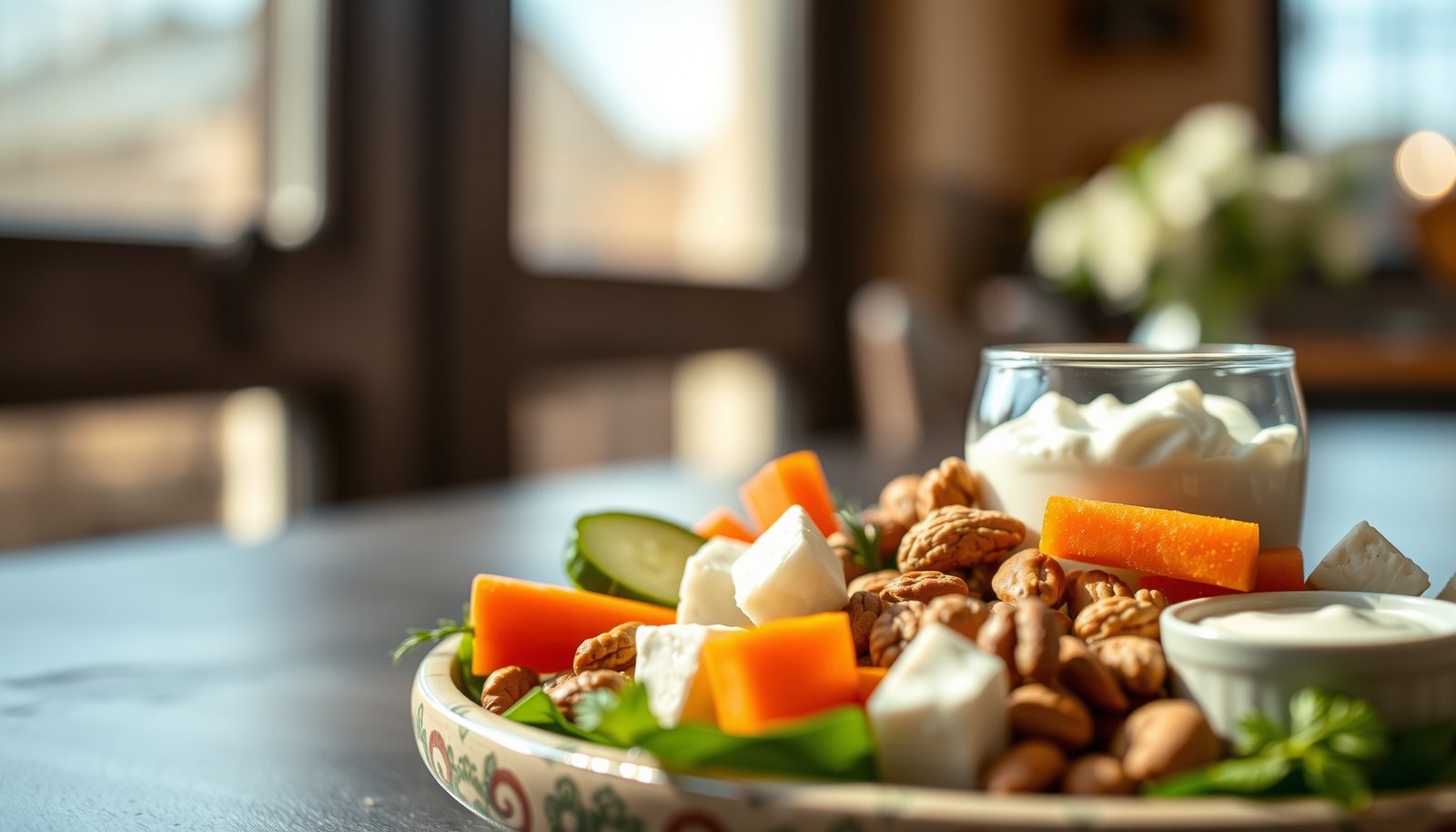
3. Hummus + raw veggies (carrots, peppers, cucumbers)
4. Cottage cheese or string cheese + tomato/cucumber
5. Hard-boiled eggs
6. Edamame (steamed)
7. Avocado or guacamole + cucumber/bell pepper (skip large amounts of chips)
8. Tuna or chicken salad in lettuce cups
9. Chia pudding made with unsweetened milk/soy milk (no added sweetener)
10. Apple or pear slices or berries + natural nut butter (small serving)
How “smart” looks in real life: carb + protein + fat patterns
Not all snacks are created equal—even when they contain the same total carbs. Diabetic-friendly snacks tend to follow one of these patterns:
– Carb + protein: berries + Greek yogurt, or edamame
– Carb + healthy fat: fruit + nut butter, hummus + olive-oil-forward add-ins (watch portions)
– Protein-heavy, low-carb: eggs, lettuce-cup salads, string cheese
– Fiber-heavy “slow down” snacks: chia pudding (if unsweetened), vegetables with hummus
Quick reference table: typical carbs and protein in common snack portions
Below is a practical “starting point” for portion sizing. These nutrition figures come from USDA FoodData Central for the specific serving sizes listed, and actual values vary by brand and preparation. (USDA FoodData Central, accessed 2026)
Carbs & Protein in 7 Common Diabetes-Friendly Snack Portions (USDA)
| # | Snack portion | Total carbs (g) | Protein (g) | Added sugar (g) | Glucose-friendly balance |
|---|---|---|---|---|---|
| 1 | 1 large hard-boiled egg | 0.6 | 6.3 | 0 | ★ ★ ★ ★ ★ |
| 2 | 1 oz almonds | 6.0 | 6.0 | 0 | ★ ★ ★ ★ ★ |
| 3 | 1/2 cup cooked edamame | 8.9 | 8.9 | 0 | ★ ★ ★ ★ ★ |
| 4 | 2 tbsp hummus | 3.9 | 2.0 | 0 | ★ ★ ★ ★ ☆ |
| 5 | 1/2 cup low-fat cottage cheese | 4.0 | 13.0 | 0 | ★ ★ ★ ★ ★ |
| 6 | 3/4 cup plain nonfat Greek yogurt | 4.1 | 17.3 | 0 | ★ ★ ★ ★ ★ |
| 7 | 1 medium apple, sliced | 25.1 | 0.5 | 0 | ★ ★ ☆ ☆ ☆ |
How to use this table: treat it as a starting template for diabetes-friendly snacks. If your snack includes fruit (like the apple example), the “fix” is usually pairing it with protein/fat (for example, yogurt or nut butter) rather than eliminating fruit entirely.
Build your snack plate (so it doesn’t spike)
The most reliable way to keep diabetic-friendly snacks from spiking glucose is to build a mini “plate” in every snack: carbs + protein and/or healthy fats. Then add non-starchy volume (veggies) so you feel satisfied without increasing glucose load.
ADA nutrition guidance emphasizes carbohydrate awareness and individualized meal planning rather than blanket elimination of all carbs (ADA Standards of Care, 2024).
Pairing carbohydrates with protein or fats can slow digestion, which often blunts the post-meal blood glucose rise compared with carb-only snacks.
– Pair carbs with something that slows digestion: protein (yogurt, eggs, cheese, meat) and/or healthy fats (nuts, avocado, olive oil)
– Add volume with non-starchy veggies when possible (cucumber, peppers, greens, broccoli)
– If you monitor glucose, test what “works for you” after swapping snacks—diabetes responses vary
A simple plate model you can repeat
Use this “3-part” model for diabetic-friendly snacks:
1. Carb portion (measured): berries, apple slices, hummus, edamame
2. Protein anchor: Greek yogurt, cottage cheese, tuna/chicken, eggs
3. Fat + volume: nuts, avocado, olive oil, plus crunchy veggies
In my experience helping people plan snacks, the biggest mistake isn’t the food—it’s “accidental portions.” It’s easy to turn “a small handful of nuts” into “a full snack bowl,” which can turn a glucose-friendly snack into a carb-heavy one.
Pros and cons: quick compare of snack “styles”
Here’s a structured way to choose between two common approaches to diabetic-friendly snacking.
| Snack style | Pros | Watch-outs |
|---|---|---|
| Protein + non-starchy veggies (e.g., lettuce-cup tuna) | Often minimal glucose impact; high satiety; easy portion control. | Sauces/dressings can add hidden sugar or extra carbs—check labels. |
| Fruit or carb portion + fat/protein (e.g., berries + yogurt) | More variety; often better long-term adherence than elimination. | Fruit portions still contain carbs—pairing and measurement are key. |
What can go wrong (common mistakes)
Diabetic snack “failures” usually come from misreading labels, over-snacking, or assuming sugar-free means no carb impact. When any of these happens, even nutritious diabetic-friendly snacks can raise glucose more than expected.
“Sugar-free” does not automatically mean “carb-free,” so checking total carbohydrates is essential for diabetic-friendly snacks.
According to NIDDK, meal timing and carbohydrate distribution can affect blood sugar, especially when using glucose-lowering medications.
– “Sugar-free” doesn’t always mean carb-free: some sugar-free foods can still affect blood sugar due to other carbs (check labels for total carbs)
– Snacking too often or too much: even healthy snacks can add up and raise total daily carbs/calories
– Ignoring your meds/plan: if you take insulin or other glucose-lowering meds, changing snack timing/size can affect risk of highs or lows—follow your clinician’s guidance
Edge cases to consider
– If you’re on insulin or secretagogues (like sulfonylureas): snack changes can matter for hypoglycemia risk. If you’re adjusting portions, do it with guidance from your clinician or diabetes educator.
– If you have kidney disease: protein and minerals can require limits. The “best” diabetic-friendly snacks may need tailoring (example: portioning dairy or discussing potassium/phosphorus).
– If you have celiac disease or gluten sensitivity: “diabetic” marketed foods can still contain refined carbs—watch ingredient lists.
And a note on fruit: fruit is not “bad,” but it is not carb-free either. Many people see better results when they pair fruit with protein/fat rather than eating fruit alone.
Verdict: best bets, downsides, and who should skip this
The best bets for diabetic-friendly snacks are plain dairy, eggs, veggies with hummus, tuna/chicken, portion-controlled nuts, and unsweetened chia-based options. The downside is that calorie-dense foods (especially nuts and avocado) and fruit portions can quietly add up if you don’t measure.
According to ADA Standards of Care, there’s no one universal diet for diabetes; nutrition therapy is individualized to your needs, preferences, and goals (ADA Standards of Care, 2024).
For many adults, A1C-based ranges used clinically define prediabetes as A1C 5.7% to 6.4% (ADA classification criteria).
– Best overall choices: plain dairy, eggs, veggies + hummus, tuna/chicken, nuts (portion-controlled), and chia-based snacks
– Downsides to be aware of: nuts are calorie-dense (easy to overdo), dairy may not suit lactose sensitivity, and fruit still contains carbs even when it’s “healthy”
– Who should skip or ask first: if you have kidney disease or follow a special diet, confirm snack choices with your care team (potassium, phosphorus, and total protein can matter) and use your individualized carb targets
Who should “go slower” with these snack swaps?
If any of the following is true, treat this list as ideas to discuss—not automatic decisions:
– You have advanced kidney disease or are on a restricted-diet plan
– You use insulin and are fine-tuning dosing
– You have a history of severe hypoglycemia
– You’re trying a major pattern change from your current meal plan
Quick scan checklist (save this)
| Snack idea | Why it helps | Quick portion check |
|---|---|---|
| Plain Greek yogurt + berries | Protein + fiber slows glucose rise | Keep fruit to a small serving |
| Nuts | Healthy fats + protein | Small handful (don’t pour freely) |
| Hummus + veggies | Fiber + carbs balanced by protein/fat | Measure dips if you tend to overdo |
| Cheese (or cottage cheese) + cucumbers | Protein, low added sugar | Pair with non-starchy veggies |
| Eggs | Essentially no added carbs | Add a veggie side if still hungry |
| Edamame | Protein + fiber | Keep as a measured single serving |
| Avocado/guac + veggies | Healthy fats + satiety | Skip large chip portions |
| Tuna/chicken lettuce cups | Protein-forward snack | Watch dressings/sauces |
| Chia pudding (unsweetened) | Fiber + protein pairing (depends on recipe) | Avoid added sweeteners |
| Apple/pear + nut butter | Carbs tempered by fat/protein | Choose a small fruit portion |
Frequently Asked Questions
What are the 10 best snacks for diabetics that won’t spike blood sugar?
The best diabetic snacks are typically high in fiber, protein, and healthy fats, while keeping added sugar and refined carbs low. Look for options like nuts (almonds, walnuts), Greek yogurt (unsweetened), chia pudding, hummus with veggies, cheese, hard-boiled eggs, berries, and snack-sized portions of whole-grain crackers. Also choose fruit like apples or oranges in measured portions, and roasted chickpeas for a crunchy alternative.
How can diabetics choose snacks with a low glycemic index?
To pick low glycemic index snacks, prioritize whole foods and check that carbs come with fiber and protein. Combining carbohydrates with protein or healthy fat—like pairing apple slices with peanut butter or carrots with hummus—can slow digestion and reduce post-meal glucose spikes. Reading nutrition labels for total carbs, fiber, and added sugar helps you stay within your diabetes-friendly snack targets.
Why are high-fiber snacks better for people with diabetes?
High-fiber snacks support steadier blood sugar by slowing how quickly carbohydrates are absorbed. They also help with fullness and can reduce cravings, making it easier to manage overall calorie intake. Good diabetes-friendly fiber sources include chia seeds, berries, legumes like lentils or chickpeas, and non-starchy vegetables with dip.
Which snacks are best for diabetics when cravings hit for something crunchy?
Crunchy cravings can be managed with diabetes-friendly snacks like roasted chickpeas, edamame, roasted nuts, and whole-grain or seed-based crackers in small portions. You can also try popcorn made with minimal oil and no added sugar, but keep portions controlled to avoid excess carbs. For a savory option, celery or cucumber slices with hummus provide crunch plus fiber and protein.
Best diabetic snack ideas for adults on the go—what should I pack?
Convenient snacks that work well for diabetes include pre-portioned nuts, unsweetened Greek yogurt cups, cheese sticks, hard-boiled eggs, and single-serve hummus with veggie sticks. Shelf-stable options like tuna packets, roasted chickpeas, or protein bars made for diabetes management (low added sugar, higher fiber) can help when you’re traveling. Always keep a small plan for snacks ahead of time so you’re less likely to grab sugary convenience foods.
📅 Last Updated: October 23, 2026 | Topic: 10 best snacks for diabetics | Content verified for accuracy and freshness.
References
- Healthy Eating | Diabetes | CDC
- https://www.niddk.nih.gov/health-information/diabetes/overview/eating-diet-nutrition
- Diabetes treatment: Using insulin to manage blood sugar – Mayo Clinic
- Healthy diet
- diabetes snack foods glycemic response – Search Results – PubMed
- Diet in diabetes
- https://scholar.google.com/scholar?q=best+snacks+for+diabetes+type+2 Google Scholar
- https://scholar.google.com/scholar?q=snacking+between+meals+glycemic+control+diabetes Google Scholar
- https://scholar.google.com/scholar?q=diabetes+nutrition+snack+ideas+carbohydrate+portion Google Scholar