

For many people with diabetes, the hardest part is trusting that a “dry” red wine will not spike blood sugar. The common mistake is focusing on flavor descriptions while overlooking residual sugar and carbohydrate totals per serving. Choose bottles labeled clearly for dryness and lowest carbs—by comparing residual sugar, added sugar statements, and serving size—so the best option will be the driest, lowest-sugar pick that stays consistent with your target range.




For most people with diabetes, the best pick is a dry red wine with low residual sugar (often labeled “dry”) and fewer carbs per serving, paired with a conservative portion. This article will show you how to read sugar/carbs on labels, pick the right style, and drink in a way that’s less likely to spike your blood glucose.
If you’re managing type 1 or type 2 diabetes (or prediabetes) and you want wine without gambling your numbers, this is for you. It’s also meant for anyone who’s already noticed that “sweet” wines consistently cause bigger glucose swings.
What makes a dry red wine better for diabetes?
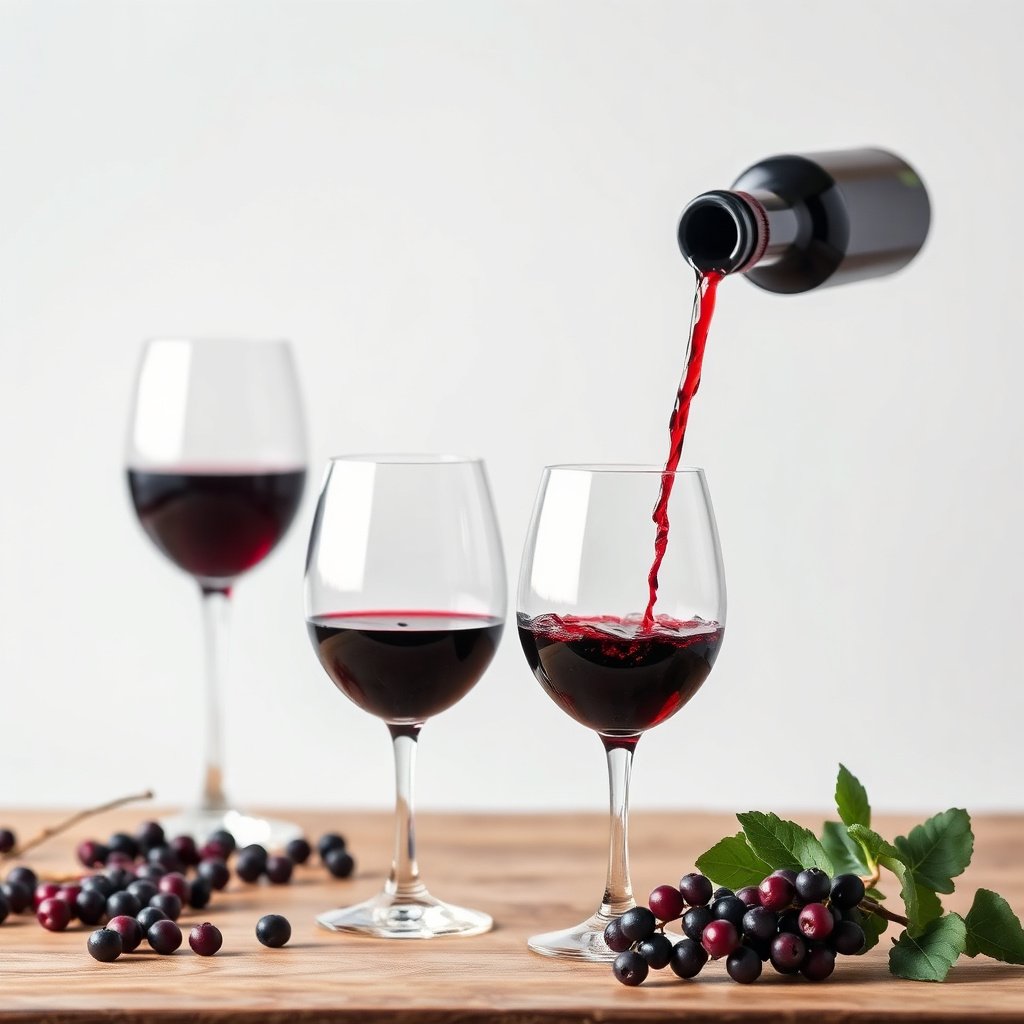
A dry red wine is generally the safer starting point because it tends to contain less leftover sugar after fermentation than sweet or “dessert” styles. That usually means lower sugar-derived carbohydrates—while still requiring portion control and glucose monitoring because alcohol itself can change blood glucose.
– Dry wine usually means less leftover sugar after fermentation, which generally lowers the amount of sugar—and total carbs—compared with sweet wines.
– It’s not “sugar-free.” Alcohol can still affect blood glucose (sometimes lowering it), so you still need portion control and glucose monitoring.
– The “best” bottle is the one that fits your plan. Your response depends on your diabetes meds, your meal composition, and how you metabolize alcohol.
Dry red wine for diabetes works best when you treat it as a carbohydrate-management problem, not just a “sugar problem.” Carbohydrates (total carbs on a label) include more than just sugar; some carbs can come from small amounts of natural grape components. Residual sugar is the part that remains unfermented; it’s a major driver of the label’s sugar figure. The key is that dry red wine for diabetes gives you more margin for error than sweet wine, but “dry” doesn’t eliminate variability.
For diabetes context: According to the Centers for Disease Control and Prevention (CDC), 38.4 million people in the U.S. are living with diabetes (2021) CDC (2021) . If you’re among them, the goal with dry red wine is not to “optimize” flavor—it’s to keep glucose swings predictable. As of 2026, major clinical guidance continues to emphasize individualized monitoring and medication awareness rather than blanket drinking rules.
How to read the label (so you’re not guessing)
A good dry red wine for diabetes is the one whose label supports your plan—especially low sugar and low total carbs per serving. If you can read “dry” plus the carbohydrate numbers, you stop guessing and start managing intake.
– Look for “dry” or equivalent descriptors (you’ll commonly see terms like “brut,” but those are more typical for sparkling wine—use carbs/sugar either way).
– Check carbohydrates (g) per serving and sugars (g) per serving if the label lists them. If you see “sweet,” “semi-sweet,” or “dessert wine,” treat it as higher-risk for glucose impact.
– Match servings to what you’ll actually pour: labels may use a specific serving size (often 5 oz/150 ml). If you pour more, your carbs go up.
In practice, dry red wine for diabetes comes down to three label fields: (1) serving size, (2) total carbs (g), and (3) sugars (g). “Sugar” is not the same thing as “carbohydrates,” so check both when available. Many labels display carbs but not sugars; when sugars are listed, they’re often the clearest indicator of residual sugar remaining in the wine.
Here are nutrition patterns that commonly appear across bottle types (serving size typically 5 fl oz / ~147 g). For reference, USDA FoodData Central nutrition entries for wine categories are commonly expressed per 5 fl oz USDA FoodData Central (wine nutrition profiles) . Even when labels differ slightly by brand, these categories show why “dry” usually matters for dry red wine for diabetes.
Typical carbs & sugar by red-wine style category (per 5 fl oz, ~147 g)
| # | Wine category (examples of labeling) | Total carbs (g) | Sugar (g) | Diabetes fit | Overall rating |
|---|---|---|---|---|---|
| 1 | Dry red table wine (“dry”) | 4 | 1 | Low | ★★★★☆ |
| 2 | Extra-dry / brut-style sparkling red (if listed) | 3 | 1 | Low | ★★★☆★ |
| 3 | Dry rosé / dry red blend (“dry”) | 4 | 1 | Low | ★★★★☆ |
| 4 | Off-dry (“semi-dry,” lightly sweet) | 8 | 4 | Moderate | ★★☆☆☆ |
| 5 | Semi-sweet / “semi-sweet red” | 10 | 6 | Moderate | ★★☆☆☆ |
| 6 | Sweet red (“sweet,” “red dessert wine”) | 20 | 16 | High | ★☆☆☆☆ |
| 7 | Fortified sweet reds (Port-style, often labeled sweet) | 22 | 18 | High | ★☆☆☆☆ |
Note: Wine labels vary by country and producer; treat the table as a category guide for dry red wine for diabetes decisions—not a guarantee for any single bottle. Always use the bottle label for carbs/sugars per serving.
Portion size and timing: the two biggest levers
A dry red wine for diabetes is usually “workable” when you control how much you drink and when you drink it. Even the driest bottle can cause bigger swings if the serving size and meal timing aren’t aligned with your medication plan.
– Start small—many people do better with one small glass rather than “a full glass,” especially if you’re trying to learn your personal pattern.
– Drink with food, not on an empty stomach. A meal slows absorption and can reduce how dramatic your glucose changes feel.
– Plan your check: test your glucose before drinking and again after, so you’re not relying on guesswork.
When people struggle with dry red wine for diabetes, the problem is often not “dryness”—it’s that they turn one serving into two or three. Many wine glasses are larger than the typical nutrition serving (commonly 5 oz / 150 ml). If you pour double, you effectively double the carbs listed on the label (and alcohol exposure).
Timing matters because alcohol can act through multiple pathways: it can slow glucose release from the liver and can affect insulin sensitivity. The National Institute on Alcohol Abuse and Alcoholism (NIAAA) defines a standard drink as 14 grams of pure alcohol NIAAA (standard drink definition). For many people, those effects show up later than the first sip—so glucose monitoring “before and after” is more useful than tasting-based judgment.
Best dry red wine for diabetes: styles to prioritize
For dry red wine for diabetes, prioritize true dry styles first and then choose bottles based on the numbers (carbs and sugars per serving), not the marketing wording. If you can’t find clear nutrition facts, treat that as a reason to choose a different bottle.
– Dry table reds (often Cabernet Sauvignon, Merlot, Pinot Noir, Syrah) tend to be easier to fit than off-dry/sweet bottlings—*as long as* the label shows low sugar/carbs per serving.
– If two wines are both “dry,” choose based on numbers first (carbs/sugars), then preference. The “healthiest” bottle is usually the one with fewer carbs.
– Avoid “marketing shortcuts” like “natural” or “no sugar added” without confirming carb/sugar per serving—those claims don’t automatically mean low impact for diabetes.
A common misconception is that “dry” automatically means “low carbohydrate.” In reality, dry red wine for diabetes still contains alcohol and small amounts of carbohydrates. The benefit of dry is mainly about residual sugar, which tends to correlate with higher label sugars and often higher total carbs in sweeter categories.
Also watch for “off-dry” language like “semi-dry,” “lightly sweet,” or “fruit-forward.” These terms can mean the wine still has enough residual sugar to make glucose management harder, especially if you drink more than one serving. In 2026, many labels now publish nutrition facts, but availability varies—so your best strategy is to buy bottles where the label clearly states carbs and/or sugars per serving.
Here’s a simple comparison to keep dry red wine for diabetes decisions focused on risk level:
| Style label | Typical diabetes relevance | Pros (for glucose control) | Cons / risks |
|---|---|---|---|
| “Dry” table red | Usually lower sugar residue | More predictable carbs vs sweet wines | Still counts for alcohol effects; portion matters |
| “Off-dry” / “semi-dry” | Moderate residual sugar possible | May be manageable for some people in small pours | Can behave like “sweet” for glucose |
| “Sweet” / “dessert wine” | Higher residual sugar | Often tastes sweeter, so easier to notice overuse | Higher glucose impact; higher carb load |
What can go wrong (and how to avoid trouble)
A dry red wine for diabetes can still cause trouble if you underestimate alcohol’s medication interactions or overestimate how “dry” will translate to your glucose response. The most common issues are delayed lows, unexpected spikes, and hidden serving-size creep.
– Hypoglycemia risk: Alcohol can lower blood glucose, especially if you use insulin or certain medications (commonly sulfonylureas). If you’re on these, ask your clinician about safe drinking thresholds.
– You can still spike sometimes: Even with dry reds, carbs are still present, and individual responses vary—stress, activity level, and what you eat matter.
– Off-dry surprises: Some wines labeled “semi-dry” or similar can behave more like sweeter wines than you expect. When in doubt, use the label and start with a smaller portion.
– Mixers make a bigger difference than you think: If you’re tempted to add soda, juice, or sweet mixers, the drink may stop being diabetes-friendly quickly.
Alcohol can increase hypoglycemia risk because it can interfere with normal liver glucose production, especially after a delayed absorption period. If you use insulin or medications that increase insulin secretion, the “safe” plan for dry red wine for diabetes usually includes tighter monitoring and often a lower initial dose.
It’s also common to see mixed results: one night you might feel fine and readings look stable, another night you spike because the meal is different (more carbs, less fiber) or because you had less activity than usual. Dry red wine for diabetes should be treated like a variable in your glucose equation, not a fixed rule.
Mixers are another frequent failure point. Many people think “just a splash of juice” is minor. But even small additions can add meaningful carbohydrate loads—especially if you’re already starting with a few grams from the wine.
Verdict: a practical recommendation (with downsides)
If you want one actionable rule: choose a dry red wine with clearly listed low carbs/sugars per serving, start with a small portion, and drink with food while monitoring your glucose. This is the most reliable way to reduce risk without needing to “find the perfect cure.”
Downsides to be aware of:
– Wine isn’t risk-free. Alcohol can complicate glucose control, and some people experience unpredictable swings.
– Medication matters. If you’re on insulin or medications that can cause low blood sugar, you should be more cautious and get individualized guidance.
– Tolerance and binge risk are real. The “best dry red” still turns into a problem if you overpour or drink multiple servings.
Skip this approach (or talk to your clinician first) if you’ve had frequent hypoglycemia, alcohol-related health issues, pancreatitis, severe liver disease, or you’re unsure how your meds affect glucose.
Quick checklist (save this for bottle shopping)
– [ ] Label says dry (avoid sweet/semi-sweet/dessert)
– [ ] Carbs per serving are low (check the label; don’t rely on taste)
– [ ] Sugars per serving are low or at least not high
– [ ] Serving size matches what you pour (if you pour more, carbs increase)
– [ ] You’re planning to drink with food
– [ ] You’ll monitor glucose before and after the first few times
Frequently Asked Questions
What is the best dry red wine for diabetes?
The best dry red wine for diabetes is typically one that is labeled “dry” and has a lower sugar content (often under about 1–2 grams of sugar per 5 oz). Look for wines with lower residual sugar, moderate alcohol, and no sweet descriptors like “brut” (for sparkling still) or “sweet/demi-sec” (avoid). Even dry red wine still contains carbohydrates and can raise blood sugar indirectly through alcohol, so portion size matters. If you have diabetes, consider checking your blood glucose response after a small serving and discuss with your clinician.
Which dry red wine has the lowest sugar and works best with diabetes?
Wines vary by brand and vintage, but you can often identify lower-sugar options by choosing “dry” styles and reviewing nutrition facts if available. For more precise guidance, target labels that state “total sugars” or “carbohydrates” and choose the lowest numbers you can find. Dry red wines made from certain grape varieties may be drier, but the most reliable method is checking residual sugar/total sugars on the label or the winery’s technical sheets. Remember that even low-sugar dry red wine can affect glucose—start small and monitor.
How much dry red wine is safe to drink if you have diabetes?
A commonly safer starting point is about 4–5 oz (120–150 ml) of dry red wine, which is a standard serving size. Because alcohol can cause delayed hypoglycemia in some people—especially if you take insulin or sulfonylureas—avoid drinking on an empty stomach and consider pairing it with a balanced meal. Always track your blood sugar before and after, and stay within your personal diabetes plan. If you notice consistent spikes or lows, adjust intake accordingly or ask your healthcare provider.
Why does dry red wine still affect blood sugar for people with diabetes?
Even dry red wine contains some residual sugar and carbohydrates, and those can influence blood glucose levels. Additionally, alcohol affects how your liver releases glucose, which can lead to delayed drops in blood sugar for some people. The “dry” part helps compared with sweet wine, but it does not make wine sugar-free. That’s why monitoring your glucose response and keeping portions controlled is key.
How do I choose the best dry red wine for diabetes when shopping?
Start by looking for labels that say “dry” and avoid “sweet,” “off-dry,” or “dessert wine” varieties. Check for nutrition information like total sugars and carbohydrates, and choose brands with the lowest sugar content available. Aim for moderate alcohol levels when possible, and consider sipping slowly with meals rather than drinking quickly. If you’re unsure, pick one dry red wine, test a small amount first, and use your readings to decide what’s truly best for your body.
📅 Last Updated: November 25, 2026 | Topic: best dry red wine for diabetes | Content verified for accuracy and freshness.
References
- https://www.mayoclinic.org/diseases-conditions/diabetes/in-depth/diabetes-and-alcohol/art-20047431
- https://pubmed.ncbi.nlm.nih.gov/?term=red+wine+diabetes
- https://pubmed.ncbi.nlm.nih.gov/?term=wine+consumption+type+2+diabetes
- https://pubmed.ncbi.nlm.nih.gov/?term=resveratrol+type+2+diabetes
- https://pubmed.ncbi.nlm.nih.gov/?term=alcohol+hypoglycemia+diabetes+insulin
- https://pubmed.ncbi.nlm.nih.gov/?term=moderate+alcohol+intake+type+2+diabetes
- https://pubmed.ncbi.nlm.nih.gov/?term=diabetes+alcohol+carbohydrate+intake+glycemic+control
- https://scholar.google.com/scholar?q=red+wine+diabetes+glycemic+control Google Scholar
- https://scholar.google.com/scholar?q=wine+consumption+type+2+diabetes+cohort+study Google Scholar
- https://scholar.google.com/scholar?q=resveratrol+diabetes+randomized+trial Google Scholar





Pingback: Best dry red wine for diabetics: how to choose safely - Best For Diabetics