

Picking the best dry cat food for diabetes means watching carbohydrates and fiber, not just reading “no sugar added.” Most owners assume sugar is the main issue, but cats experience blood-glucose spikes from starches and overall carbohydrate load. We’ll rank options by guaranteed analysis and ingredients—high-quality protein, controlled carbs, added soluble fiber, and no added sweeteners—so you can choose a safer daily dry food alongside your veterinarian’s plan.


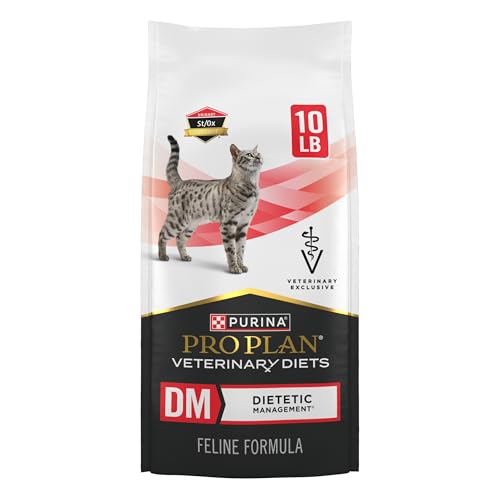

If your cat has diabetes, the “best” dry food is usually the one that’s low in carbohydrates, high in protein, and fits your cat’s vet-made plan. Here’s how to choose a safer option by reading labels for carb/fiber patterns, switching gradually, and spotting when dry food is quietly undermining glucose control.
Who this advice is for (and when to apply it)
The best dry-food choices for diabetic cats are those used as part of an actively managed treatment plan, not an experiment. This guide is designed for caregivers who need a practical dry option (kibble storage, routine consistency, or picky eating) while maintaining safe glucose stability.
– Works best for cats whose diabetes is being actively managed with a vet-made plan (often including insulin).
– Helps when you specifically need a dry-food option (storage convenience, picky eating, caregiver routines).
– If your cat’s diabetes is unstable or you’re seeing concerning low/high glucose episodes, treat this as guidance—not a substitute for urgent vet input.
In 2026, the most consistent theme across veterinary nutrition counseling is that “diabetic-friendly” marketing is not the same as measured carbohydrate control. Your cat can feel fine at home while their glucose curve drifts upward, so the practical goal is to align dry food selection with the same monitoring and adjustment approach your veterinarian is using. Repeat dosing changes, simultaneous diet changes, and treat upgrades at the same time are the fastest way to lose clarity on what’s causing what.
How to pick the best dry food for cats with diabetes
The best dry food for cats with diabetes is the one that’s genuinely lower-carb and approved for your cat’s current insulin and target glucose pattern. Don’t let “grain-free” branding distract you—what matters most is the recipe’s carbohydrate load in the context of total daily intake.
– Prioritize low-carb, high-protein formulas over “grain-free” marketing—carbs matter more than buzzwords.
– Look for foods that are either veterinary-recommended or clearly formulated for metabolic control (and get your vet’s OK).
– Avoid guessing: ask your vet whether they want you to target a specific carbohydrate level for your cat.
From a label-reading standpoint, you’re aiming for predictable digestion and a stable post-meal glucose rise. Carbohydrates contribute to glucose availability, while protein and fat support lean mass and energy density without the same rapid carb-driven effect. If your veterinarian has already set a “carb target” (sometimes expressed as grams of carbs per serving, or a carbohydrate percentage), make the dry-food match your first priority—then adjust portion size and treat allowance around it.
A quick “no surprises” budgeting approach
If you want dry food to be safer, treat the diet as a daily system: kibble grams + treats + toppers + any supplements that contain digestible calories. Even small extras can nudge total carbohydrate intake enough to change glucose timing, especially when insulin is being adjusted.
Label checklist: carbs, protein, fiber, and ingredients
The safest dry food for a diabetic cat starts with confirming the formula composition: lower carbs, adequate protein, and a fiber strategy your vet agrees with. Then you translate label information into your cat’s actual daily meal.
– Carbohydrates: choose options designed to be lower-carb; avoid treats/“toppers” that raise total daily carbs.
– Protein & fat: select a dry food where protein is a main component (not filler) and the overall formula supports stable energy.
– Fiber ingredients: some cats do better with added fiber that can help with glucose handling—confirm with your vet before switching.
Carbohydrates in dry food can come from multiple ingredients, including grains and non-grain starches (for example, certain legumes or tuber-derived starches). “Grain-free” only tells you what isn’t in the recipe; it does not guarantee low carb. A practical way to think about it: for diabetic cats, you’re evaluating the carb math, not the marketing label.
Moisture matters for interpreting “dry” nutrition targets
Dry matter basis (DMB) conversions help you compare foods fairly, because the same ingredient percentages can look different across wet vs dry foods. A key data point is that “dry” pet foods are regulated by moisture category; per AAFCO’s moisture definitions, dry foods are typically ≤14% moisture (AAFCO Model Regulation definitions for pet food product categories). That moisture ceiling affects how concentrated nutrients become and why carb targets are often expressed on a DMB basis.
Dry-food moisture levels and the dry-matter math used for carb targets
| # | Moisture in “dry” food | Dry matter factor | Concentration effect | Typical label context | Diabetes-fit signal |
|---|---|---|---|---|---|
| 1 | 6% moisture | ×1.064 | +6.4% | Very dry kibble | ★★★☆☆ |
| 2 | 8% moisture | ×1.087 | +8.7% | Common dry kibble | ★★★★☆ |
| 3 | 10% moisture | ×1.111 | +11.1% | Mid-range dry | ★★★★☆ |
| 4 | 12% moisture | ×1.136 | +13.6% | Dry but less “crispy” | ★★★☆☆ |
| 5 | 14% moisture | ×1.163 | +16.3% | Upper end of “dry” | ★★★☆☆ |
| 6 | 16% moisture | ×1.190 | +19.0% | Borderline “soft dry” | ★★☆☆☆ |
| 7 | 18% moisture | ×1.220 | +22.0% | Often not true kibble | ★☆☆☆☆ |
This table doesn’t claim a certain moisture level “treats” diabetes; it shows why carb comparisons can drift if you compare foods with different moisture profiles without accounting for dry matter concentration. In 2026, this is a common caregiver error: switching to a new kibble that “looks similar” by volume while changing the dry-matter concentration enough to alter total carb math.
Fiber is not one-size-fits-all
Added fiber (for example, certain soluble fibers) can sometimes improve post-meal glucose patterns by slowing digestion. But fiber can also affect stool quality and appetite. Because diabetic cats often have varying gastrointestinal sensitivity, you should treat fiber changes as a planned intervention, not an accidental outcome of buying the “next” kibble bag.
Dry-food ingredient structure: what to look for
– Look for protein sources that are listed early in the ingredient list, not buried behind multiple starches.
– Be cautious when the recipe is built around soy, corn, wheat, rice, potatoes, or peas even if it’s “grain-free,” because the starch fraction can still be clinically relevant.
– Confirm taurine and overall micronutrient completeness (many diabetic cats still need a complete-and-balanced formulation unless your veterinarian prescribed otherwise).
Feeding plan: how to transition without upsetting glucose control
The safest transition is a slow, measured switch while you keep portions consistent and monitor glucose trends. The goal is to avoid a sudden change in appetite, digestion, and carbohydrate load.
– Switch gradually over several days so your cat’s body and routine can adjust.
– Keep portions consistent and measure food (free-pouring can quietly change carb intake).
– Track what you feed and when (especially in relation to insulin timing), so you can spot patterns fast.
A careful transition also protects you as the caregiver. If glucose moves, you want to know whether it’s due to insulin dose changes, stress, infection, dosing timing, or diet. When owners change multiple variables at once, the “cause” becomes untraceable—and your veterinarian has less signal to work with.
A practical transition framework you can discuss with your vet
Even without a perfect formula length, the pattern that typically reduces surprises is:
1) Start with a small proportion of the new kibble mixed into the old one.
2) Increase gradually while watching stool consistency and appetite.
3) Maintain insulin timing exactly as prescribed.
4) Log glucose and meal details for interpretation.
Also, avoid free-feeding because “same bowl, different fill level” can change daily carb intake without anyone noticing. In 2026, many glucose monitoring setbacks trace back to portion drift rather than the insulin itself.
What can go wrong with dry food for diabetic cats
Dry food fails diabetic goals most often due to carbohydrate creep, abrupt changes, or mismatch with the cat’s individual physiology. If you see consistent high readings or frequent symptoms, the issue is rarely “bad luck”—it’s usually a controllable variable.
– Carb creep: even a “diabetic-friendly” dry food can fail if the daily amount, treats, or toppers add carbs.
– Too-fast transitions: abrupt changes can disrupt appetite and glucose stability.
– Not all cats respond the same: some cats do better on wet or prescription diets; dry food isn’t automatically the best choice.
Here’s a quick pros/cons comparison to keep decisions grounded:
| Option | Pros (why owners choose it) | Cons (where it can undermine control) |
|---|---|---|
| Low-carb dry | Portionable; easy storage; can reduce carb spikes vs typical kibble | Carbs can still be high if you add treats/toppers or over-portion |
| Wet (low-carb) | Often lower carbohydrate by recipe; higher moisture; helps some cats with appetite | Requires planning (refrigeration); easier to over-serve without weighing |
| Prescription diabetic diets | Formulated with metabolism in mind; usually consistent formulations across lots | May not be a fit if your cat rejects the texture/flavor; can cost more |
Red flags that dry food isn’t working
If your cat’s glucose pattern worsens after a transition (especially if portions weren’t identical), take it seriously. Examples include:
– Repeated high readings despite consistent insulin timing
– Appetite swings or persistent vomiting/diarrhea after switching
– Symptoms that suggest hypoglycemia (shaking, weakness, unusual hunger) after intake increases
These scenarios are “stop-and-call-your-vet” situations because your cat’s dose needs safe recalibration alongside any diet adjustments.
Verdict: the best dry food is the one that fits your cat’s plan
The best dry food for cats with diabetes is typically a vet-approved, low-carbohydrate diet that you can portion consistently and transition to gradually. Dry food can support glucose control—but only when your caregiver routine prevents carb creep and your veterinarian confirms the carb profile fits the treatment strategy.
– Dry food can be a good tool if it’s truly low-carb, portioned carefully, and your vet agrees with the carbs for your cat.
– Skip dry food (or pause and reassess with your vet) if your cat is having repeated high readings, appetite swings, vomiting, or frequent “crash” symptoms.
– If you can’t confirm the carb profile your vet wants, consider wet food or a vet-supervised prescription approach instead.
Dry vs wet: which is “better” for diabetic cats right now?
Use the comparison below to decide what to discuss with your veterinarian in 2026.
| Criteria | Low-carb dry | Low-carb wet |
|---|---|---|
| Carb control depends on | Label + portion math | Recipe + measured serving |
| Ease of storage | High | Moderate (refrigeration) |
| Portion drift risk | Higher if not weighed | Lower if servings are pre-measured |
| Moisture support | Lower | Higher |
| Picky-eater tolerance | Often easier | Can require texture acclimation |
| Gut tolerance during transitions | Can be stable if similar | Can vary by brand/formulation |
| Carb creep via treats | Common (kibble + treats) | Still possible (toppers), but easier to track |
| Long-term consistency | Good when formula stays the same | Good when formula stays the same |
| When vet wants a tight carb target | Possible, but confirm label math | Often simpler to match |
| Risk if you can’t confirm carbs | Higher | Lower with vet-supervised selection |
| Verdict row | Best when carb level is confirmed and portions are strict | Often best when you need simpler carb control and higher moisture intake |
Quick scan checklist (save this)
| What to check | What to look for | What to avoid |
|---|---|---|
| Carbohydrates | “Lower-carb” formulation; vet-approved choice | High-starch ingredients or frequent carb-rich treats |
| Protein | Protein is a primary component | Diets where carbs dominate the ingredient structure |
| Fiber | Added fiber if your vet thinks it helps | Random snacks/toppers that increase total carbs |
| Consistency | Measured daily portions | Free-feeding or changing portions often |
– Ask your vet: “Do you want me to target a specific carb level for my cat?”
– Keep feeding times and portion sizes steady.
– Log glucose trends and what you fed each day.
Frequently Asked Questions
What is the best dry food for cats with diabetes?
The best dry food for cats with diabetes is one that is low in carbohydrates, moderate in protein, and high in quality animal-based ingredients. Look for options that clearly state ingredients and have a low carbohydrate profile rather than “grain-free” marketing alone. Many veterinarians recommend focusing on diet consistency and feeding the same measured meals each day to help maintain stable blood glucose. If you’re unsure which formula fits your cat, ask your vet to review the label and target carbs based on your cat’s current insulin and blood glucose response.
How do I choose a low-carb dry cat food for diabetes-friendly nutrition?
Start by checking the guaranteed analysis and ingredient list, then choose diets with fewer carbohydrate-containing fillers (like corn, wheat, or rice) and more protein from meat sources. For a more accurate assessment, compare the label’s fiber and moisture and ask your vet or use reputable carb calculations to estimate carbohydrate percentage (since “fat” and “protein” alone don’t tell the full story). Avoid frequent switches between dry foods, as sudden dietary changes can affect blood sugar and complicate insulin adjustments. Finally, ensure your cat stays well-hydrated, since dry food can increase thirst for some diabetic cats.
Why can’t all “grain-free” dry foods be considered best for diabetic cats?
“Grain-free” only means the food doesn’t use grains like wheat or corn, but it can still contain significant carbs from other sources such as peas, potatoes, or tapioca. Diabetic cats typically do best when overall carbohydrates are low enough to reduce glucose spikes after meals. That’s why the best dry food for diabetes is chosen based on carbohydrate content and feeding consistency, not just the absence of grains. Always verify the formula’s nutritional profile and discuss targets with your veterinarian.
Which dry foods have lower carbohydrate levels and better ingredients for diabetic cats?
Many people look for veterinarian-recommended diabetic cat dry options that emphasize high protein and low carbs, often using quality meat as primary ingredients. Specific products vary by country and formula changes, so the safest approach is to compare carbohydrate estimates and ingredient quality from current labels rather than relying on old reviews. Your vet may also recommend certain “diabetes management” diets or a transition plan if your cat has been eating a different formula. If your goal is to keep dry food, choose a formula that consistently meets low-carb criteria and monitor glucose closely during the switch.
How should I transition my diabetic cat to a new dry food safely?
Transition gradually over 7–14 days by mixing the new low-carb dry food with the current food, increasing the new portion slowly to reduce GI upset. Keep meal timing consistent with insulin dosing, and measure portions carefully to avoid accidental calorie or carbohydrate swings. After the diet change, closely monitor blood glucose and watch for signs of hypoglycemia (like weakness or unusual behavior), especially if your cat’s insulin dose needs adjustment. Consult your veterinarian before making diet changes, since even the best dry food for cats with diabetes may require insulin monitoring and fine-tuning.
📅 Last Updated: November 25, 2026 | Topic: best dry food for cats with diabetes | Content verified for accuracy and freshness.
References
- https://www.vet.cornell.edu/departments-centers-and-institutes/cornell-feline-health-center/your-cat/diabetes-mellitus
- https://www.merckvetmanual.com/cat-owners/endocrine-disorders-of-cats/diabetes-mellitus
- Diabetes
- https://pubmed.ncbi.nlm.nih.gov/?term=feline+diabetes+mellitus+low+carbohydrate+diet
- https://pubmed.ncbi.nlm.nih.gov/?term=feline+diabetes+dietary+carbohydrate+restriction
- https://pubmed.ncbi.nlm.nih.gov/?term=diabetes+mellitus+cat+high+protein+low+carbohydrate+dry+food
- low carbohydrate diet feline diabetes – Search Results – PMC
- https://scholar.google.com/scholar?q=best+dry+food+for+cats+with+diabetes+mellitus Google Scholar
- https://scholar.google.com/scholar?q=feline+diabetes+low+carbohydrate+diet+dry+food Google Scholar
- https://scholar.google.com/scholar?q=carbohydrate+restriction+cats+diabetes+mellitus+diet Google Scholar






Pingback: Best Dry Fruits for Diabetic Patients: What to Choose - Best For Diabetics