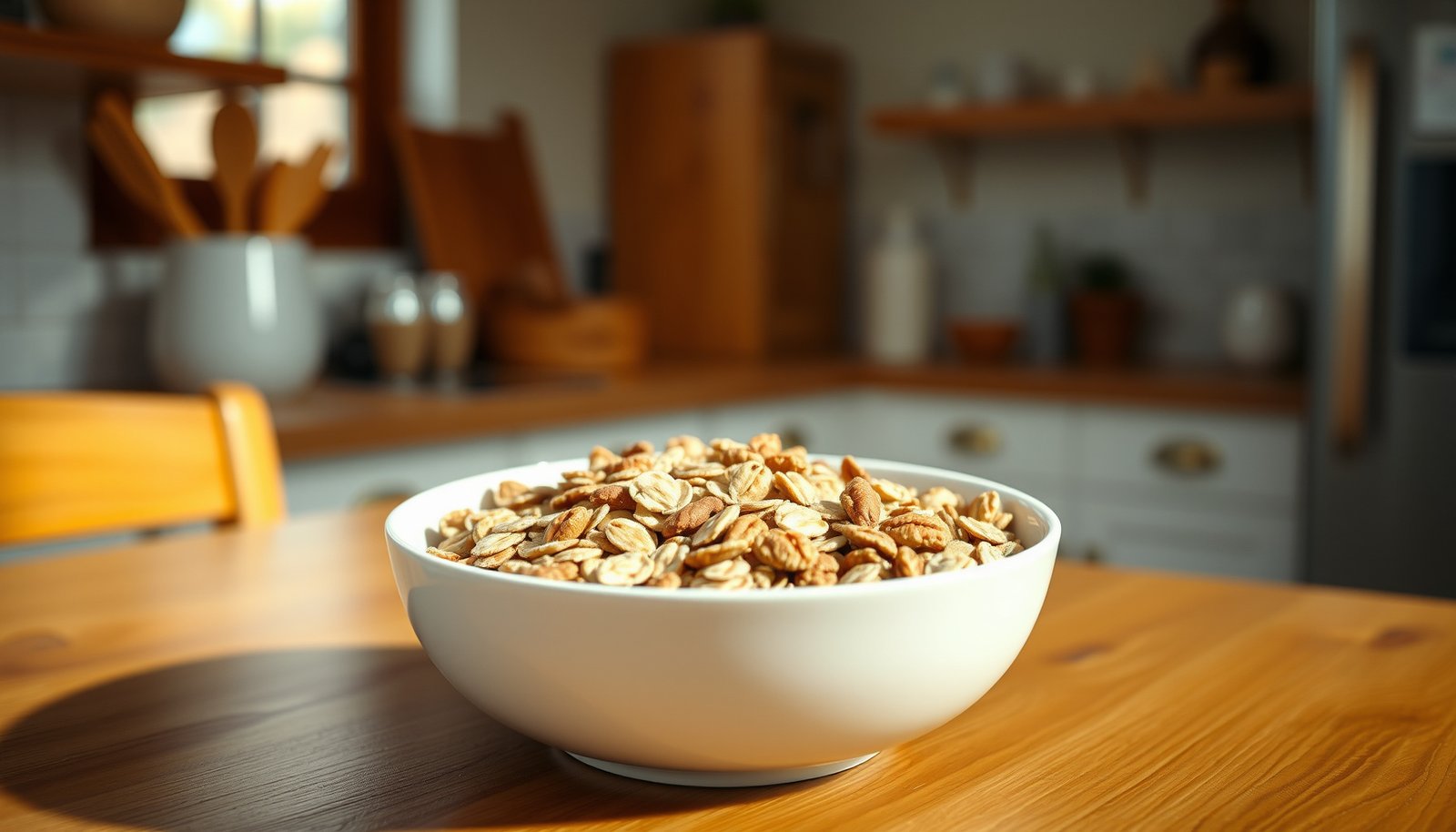

The best cereal for people with diabetes is the one that keeps carbs low and avoids sugar spikes—so this guide tells you exactly what to choose. You’ll get a clear verdict on the healthiest picks (based on fiber, total carbs, and added sugar) and the cereals to avoid. If you want a single, practical standard for reading labels and making your next box the right one, you’ll have it here.




For many people with diabetes, the best cereal is the one with high fiber, mostly whole grains, and low added sugar—picked by carb amount per serving, not marketing claims. You’ll also get better blood-sugar results when you pair cereal with protein or healthy fat and stick to a consistent portion. In this guide, we’ll show you exactly how to read labels and choose a diabetes-friendly cereal without guesswork.
If you’ve been trying to figure out which cereal won’t spike your blood sugar (or you’re newly diagnosed and want an easier breakfast), this is for you. It’s especially useful if you snack on cereal often and want a repeatable way to compare brands.
How to pick the best cereal for blood sugar control

The best cereal for blood sugar control is the one that minimizes your carb load per serving while maximizing fiber and minimizing added sugar. Here’s the practical approach: compare nutrition facts side-by-side, then build a balanced bowl.
A diabetes-friendly cereal choice starts with the Nutrition Facts label—especially total carbohydrate (carbs), dietary fiber, and added sugars—because those numbers predict how your body will respond after you eat.
According to the American Diabetes Association (ADA) Standards of Care in Diabetes (2024), glucose targets for many nonpregnant adults are typically about 80–130 mg/dL before meals and less than 180 mg/dL after meals, reinforcing the need to control post-meal carb impact.
According to the FDA Nutrition Facts label regulations (2016), total carbohydrate is listed in grams and dietary fiber is also listed, which helps you estimate how much carbohydrate reaches your bloodstream.
– Look for cereal that’s high in fiber and made with whole grains (not just “whole grain” on the front).
– Compare nutrition labels by net carbs/total carbs per serving and added sugars, then choose the lower-impact option.
– Plan your portion size first—many “diabetes-friendly” cereals still raise glucose when eaten in large bowls.
What “best” means in real life (not on the box)
When people say “this cereal is good for diabetes,” they’re usually talking about lower post-meal glucose for most people. But diabetes-friendly cereal that works well for one person can still cause a noticeable rise for another due to medication timing, insulin sensitivity, sleep, stress, and the rest of the meal.
In practice, the “best” cereal is the one that keeps your carb math and portion size predictable—while fiber helps slow digestion. That’s why carb counting frameworks and glycemic management strategies both start with the Nutrition Facts label rather than front-of-pack buzzwords.
How to compare cereals quickly (a repeatable workflow)
Use this ordering every time you compare diabetes-friendly cereal:
1. Start with carbs per serving (total carbs; optionally net carbs if your clinician uses net-carb logic).
2. Confirm fiber is meaningful (higher fiber usually means less rapid glucose absorption).
3. Check added sugar, not just “total sugar,” because added sugars can still be high even when total sugar is moderate.
4. Match the serving size (measure at first—boxes assume a specific bowl size).
If you do only one thing, do this: measure the first few breakfasts so your portion matches the label. That single step often improves results more than switching brands.
Read the label like a pro (the 5 things that matter)
The label-reading shortcut for diabetes-friendly cereal is to focus on fiber, carb math, and added sugar—because those directly relate to post-meal glucose. The “pro” part is using the label the same way every time.
For diabetes-friendly cereal, “fiber” is the most consistently helpful nutrient on the label because it slows digestion and reduces the speed of carbohydrate absorption.
According to the FDA Nutrition Facts label regulations (2016), dietary fiber is declared in grams per serving, and the Daily Value for dietary fiber is based on 28 g/day, giving you a standardized reference point.
According to the FDA Nutrition Facts label regulations (2016), added sugars are declared in grams per serving and use a Daily Value framework (50 g/day), which is useful for comparing cereals with “natural” or “sugar-free” marketing.
Serving size consistency matters because the grams of fiber and carbs on a cereal label are specifically tied to the listed serving size—doubling your bowl typically doubles most carbs.
– Fiber: More fiber generally means slower digestion and a smaller glucose rise (aim for a higher-fiber option rather than “sugar-free”).
– Added sugar vs. total sugar: “Sugar-free” doesn’t always mean low carb impact; added sugar can still be high in some brands.
– Carbs per serving: Treat this as your starting point for carbohydrate counting—then adjust with your meal plan.
– Serving size consistency: Start with the exact serving listed and measure at least until you can estimate portions accurately.
– Ingredients: Watch for frequent sweeteners (honey, syrups) and lots of refined grains early in the ingredient list.
1) Fiber: the “slower absorption” lever
Fiber is the easiest label item to interpret. In general, a diabetes-friendly cereal with more fiber tends to digest more slowly, reducing the speed of glucose entry into the bloodstream.
A common practical benchmark (not a medical rule) is choosing cereals where fiber is a noticeable portion of the Daily Value. According to the FDA Nutrition Facts label regulations (2016), the Daily Value for dietary fiber is 28 g/day. If a serving provides, say, 4–6 g fiber, that’s already a meaningful chunk of the day for breakfast.
2) Added sugar vs. total sugar: marketing isn’t metabolism
Total sugar includes naturally occurring sugars and added sugars. Two cereals can have the same total sugar but very different added sugar content. For diabetes-friendly cereal decisions, added sugar is the “flag” nutrient.
3) Carbs per serving: start here, then personalize
Carbs are the nutrient that most directly drives post-meal glucose. According to the FDA Nutrition Facts label regulations (2016), the Daily Value for total carbohydrate is 275 g/day (based on a 2,000-calorie diet). That doesn’t mean you target the Daily Value—your goal is individualized—but it gives you a consistent reference to compare cereals.
4) Serving size: where “healthy” bowls often go off track
Many people underestimate how quickly portions change. A “small” extra handful can materially change carbs for a diabetes-friendly cereal. Measuring early on helps you learn your real intake.
5) Ingredients: the order often tells a hidden story
Ingredient order matters. If refined grains or sweeteners appear early, you may see higher carbs per serving or lower fiber than the front label implies.
Quick label reference table (FDA-backed numerics)
FDA Daily Values on Nutrition Facts (Key Lines for Diabetes-Friendly Cereal Decisions)
| # | Nutrition Facts line | FDA Daily Value | Why it matters | Diabetes relevance |
|---|---|---|---|---|
| 1 | Total Carbohydrate | 275 g/day | Primary driver of post-meal glucose impact | ★★★★★ |
| 2 | Dietary Fiber | 28 g/day | Slows digestion; often lowers glucose rise rate | ★★★★☆ |
| 3 | Added Sugars | 50 g/day | Compare cereals that look “clean” but still add sugar | ★★★★☆ |
| 4 | Protein | 50 g/day | Helps balance carbs when paired with cereal | ★★★☆☆ |
| 5 | Saturated Fat | 20 g/day | Relevant for cardiovascular risk in diabetes | ★★☆☆☆ |
| 6 | Total Fat | 78 g/day | More relevant when you add milk/toppings | ★★☆☆☆ |
| 7 | Sodium | 2,300 mg/day | Relevant for overall metabolic and blood pressure health | ★☆☆☆☆ |
Note: These Daily Values are from FDA labeling regulations and are used on Nutrition Facts %DV; your diabetes targets are individualized by your care plan.
Best cereal types for people with diabetes (and why)
The best cereal types for diabetes are the ones that naturally deliver higher fiber and lower added sugar without pushing carbs too high. In 2026, that typically means you’ll get the most consistent results from whole-grain, minimally processed cereals that you pair intentionally.
Whole-grain cereals tend to be a better starting point than “refined grain” cereals because they more often provide fiber, which slows carbohydrate digestion.
According to the FDA Nutrition Facts label regulations (2016), added sugars appear on the label as grams (and %DV), enabling apples-to-apples comparisons even when brands use “natural” or “sugar-free” wording.
When you choose a diabetes-friendly cereal based on fiber and added sugars, you still need to verify carbs per serving because portion size and carb grams ultimately drive glucose response.
– High-fiber whole-grain cereals: Typically the best baseline choice because they combine whole grains with more fiber.
– Lower-sugar, minimally processed options: Often work better than “fitness” cereals that hide sugar under fruit flavoring.
– Protein-added cereals (if carbs fit your plan): Can help blunt spikes for some people—especially when paired correctly.
High-fiber whole-grain cereals (baseline winner)
If you want one default category for diabetes-friendly cereal, choose high-fiber whole-grain options. The logic is simple: whole grains and fiber are aligned with slower digestion and less rapid glucose entry.
A key nuance: “whole grain” on the front isn’t enough. For a diabetes-friendly cereal, verify fiber and carbs per serving on the back label.
Lower-sugar, minimally processed cereals (less label “spin”)
Some cereals market “healthy” through imagery or vague claims, but still include significant added sugar. Minimally processed cereals often make it easier to keep added sugars low while keeping fiber respectable.
Protein-added cereals (useful, but not automatic)
Protein-added cereals can be helpful, but they’re not a magic shield. If carbs are still high, glucose can still rise. For diabetes-friendly cereal, protein works best when it comes alongside manageable carbs and you eat an appropriate portion.
Comparison: what usually performs best
| Cereal type | What to look for on the label | Likely advantage for diabetes-friendly cereal | Common downside |
|---|---|---|---|
| Whole-grain, high-fiber | Higher fiber + reasonable carbs | Slower digestion; often steadier rise | Can be higher in carbs if portion is large |
| Lower-sugar, minimally processed | Lower added sugars + decent fiber | Less rapid sugar load | Fiber may still be modest |
| Protein-added | Protein per serving + controlled carbs | Better balance for some people | Still may spike if carbs are high |
| “Sugar-free” / “keto” cereals | Added sugars (often zero) + carbs + fiber | Can reduce added sugar | Carbs and fiber types still matter for glucose response |
Best ways to eat cereal (to reduce spikes)
The best way to reduce glucose spikes with cereal is to treat it like a balanced meal, not a standalone snack. That means pairing diabetes-friendly cereal with protein or healthy fat and controlling toppings.
Adding protein to cereal (for example, Greek yogurt) can slow the post-meal glucose response by changing digestion and meal composition.
Adding healthy fat (such as chia/flax or nuts) can reduce the speed of gastric emptying, which may help blunt glucose spikes for some people.
Toppings like dried fruit and sweet granola mixes can significantly increase total carbohydrate even when the cereal base is “diabetes-friendly.”
– Eat cereal with protein (e.g., Greek yogurt or nuts) rather than cereal alone.
– Add healthy fat (like chia/flax or a small handful of nuts) if it fits your carbohydrate plan.
– Keep toppings in-check: dried fruit, chocolate chips, and sweet granola mixes can quickly increase carbs.
Protein pairing: what it changes
When you pair diabetes-friendly cereal with protein, you’re not just adding nutrients—you’re changing the overall meal structure. Many people see steadier post-breakfast glucose patterns when breakfast includes protein rather than cereal-only carbs.
A practical approach: choose your cereal first using carbs and fiber, then allocate remaining carbs/treats to your meal plan.
Healthy fat pairing: where it helps
Healthy fats can improve satiety and may reduce how quickly carbohydrates are absorbed. If your meal plan includes fats, a diabetes-friendly cereal bowl with a small amount of nuts or chia can be a good strategy.Toppings: the hidden carb multiplier
In my experience with how people track meals, the most common “label failure” isn’t the cereal—it’s what goes on top. Even when a diabetes-friendly cereal has modest carbs, dried fruit, sweetened nut mixes, chocolate chips, and flavored granola can raise total carbs fast.
What can go wrong when choosing “diabetes-friendly” cereal
The biggest mistakes with diabetes-friendly cereal are trusting marketing claims and ignoring portion size. The rest usually comes down to overlooking carbs from milk and toppings—where the real total can be very different from what you expected.
“Sugar-free” on cereal packaging does not guarantee low carbohydrate impact, because blood sugar response depends on carbohydrate grams and meal composition, not only added sugar wording.
According to the FDA Nutrition Facts label regulations (2016), Nutrition Facts numbers are tied to the listed serving size, so eating more than the serving generally increases carbs and sugars proportionally.
Even if cereal is diabetes-friendly, milk and sweet toppings can become the main source of carbohydrates that drive post-meal glucose rises.
– Relying on front-of-pack claims: “Whole grain,” “natural,” or “sugar-free” can still come with meaningful carbs or low fiber.
– Ignoring portion size: Two bowls can double the carb load—even if the label looks reasonable.
– Not accounting for milk and toppings: Carbs from milk (and any sweet add-ins) can be the real driver of your blood sugar response.
– Switching without checking response: If you change brands often, your usual routine may no longer match your insulin/medication timing.
Edge case: “healthy” cereal can still spike you
A diabetes-friendly cereal can still spike glucose if:
– your portion is larger than the label serving,
– the cereal has lower fiber than you assumed,
– you pair it with high-carb milk or sweet toppings,
– or your body’s morning insulin sensitivity is lower (a common pattern for many people).
Edge case: “natural” or “fruit-forward” cereals
Some brands rely on fruit flavoring, dried fruit pieces, or syrups. These can look wholesome but still raise carbs enough to matter for diabetes-friendly cereal decisions.
Medication timing and consistency
If you use insulin (especially rapid-acting) or other diabetes medications with specific meal timing, sudden cereal changes can make glucose outcomes harder to predict. If you want to change brands, do it in a controlled, repeatable way—so your diabetes care plan still matches your routine.
Verdict: what we recommend—and who should skip this approach
The best approach for most people with diabetes is to pick cereal by fiber, added sugar, and carbs per serving, then eat it with protein or healthy fat in a measured portion. This strategy is practical, label-based, and easier to repeat—especially in 2025 and 2026 when Nutrition Facts labeling is standardized.
For diabetes-friendly cereal, choosing based on fiber and added sugars plus verifying carbs per serving is more reliable than trusting “whole grain” or “sugar-free” marketing alone.
According to the American Diabetes Association (ADA) Standards of Care in Diabetes (2024), many adults use glucose targets to guide meal planning and medication decisions, reinforcing the importance of monitoring responses to breakfast.
If you change cereals, you should evaluate your post-breakfast glucose response because cereal composition and portion size together determine carbohydrate exposure.
– Recommendation: Prioritize cereals that are higher in fiber, lower in added sugar, and reasonable in carbs per serving, then pair your bowl with protein/fat and measure portions at first.
– Downsides: Even “best” cereals can spike glucose for some people—especially if you eat large portions, choose low-fiber options, or skip protein/fat pairing.
– Who should be extra cautious or skip this approach: If you don’t currently track carbs or monitor glucose after breakfast (or if your diabetes meds require precise meal timing), don’t change cereal routines without guidance from your clinician or diabetes educator.
Quick scan checklist (save this)
| What to check | Choose more of | Choose less of |
|---|---|---|
| Fiber | Higher-fiber cereals | Low-fiber “light” cereals |
| Added sugar | Lower added sugar | Flavored/often-sweetened varieties |
| Carbs per serving | Lower total carbs (fit your plan) | High-carb cereals and granola mixes |
| Portion size | Measured servings first | “Looks small” bowls (easy to overfill) |
| Meal pairing | Protein/fat alongside | Cereal-only breakfasts with sweet toppings |
Sources (primary/official)
– American Diabetes Association (ADA) — Nutrition guidance in its *Standards of Care in Diabetes* (latest edition).
– U.S. Food & Drug Administration (FDA) — Rules and definitions for the Nutrition Facts label and added sugars labeling (official labeling guidance).
The takeaway is straightforward: the “best cereal” for diabetes is the one that keeps carbs controlled, fiber meaningfully high, and added sugar low, while your breakfast also includes protein or healthy fat and a measured portion. If you follow those steps consistently (and adjust based on your glucose response), you’ll have a repeatable way to choose diabetes-friendly cereal without guesswork.
Frequently Asked Questions
What is the best cereal for people with diabetes?
The best cereal for people with diabetes is typically one that is high in fiber and low in added sugar, with a lower carbohydrate impact per serving. Look for options with at least 3–5 grams of fiber per serving and minimal sweeteners, such as plain oats, unsweetened shredded wheat, or high-fiber bran cereals. Checking the nutrition label for total carbs and sugar can help you choose cereal that fits your glucose goals.
Which cereals have the lowest sugar and lowest glycemic impact for diabetics?
Cereals labeled “unsweetened” or “no sugar added” usually have less sugar than regular breakfast cereals, but you should still compare total carbohydrates and fiber. Products made from whole grains like oats or bran tend to digest more slowly, which can reduce blood sugar spikes when portion sizes are controlled. Always review the ingredient list and nutrition facts to confirm the sugar content and fiber level for each brand.
How can I choose a diabetes-friendly cereal that won’t spike my blood sugar?
Start by measuring your serving size, because even healthy cereals can raise glucose if eaten in large portions. Choose cereals with higher fiber (ideally at least 3–5 grams per serving) and fewer added sugars, then pair the cereal with protein or healthy fats like Greek yogurt, nuts, or milk to slow digestion. If you monitor your blood glucose, test your response to specific cereals to find what works best for you.
Why is fiber important when selecting cereal for diabetes?
Fiber helps slow down carbohydrate absorption, which can lead to a steadier rise in blood sugar after meals. It also supports heart health and digestive health—two key concerns for many people managing diabetes. When shopping for the best cereal for diabetics, prioritize whole grains and higher-fiber options rather than “sugar-free” cereals that may still be made with refined starches.
How do oats compare to bran cereal for people with type 2 diabetes?
Oats are often a great choice because they are high in soluble fiber (including beta-glucan), which can improve post-meal blood sugar control. Bran cereals can also be effective due to their fiber content, though the glycemic response depends on the exact ingredients and added sweeteners. For either option, compare labels for total carbs, fiber grams, and added sugars, and start with a smaller serving to see how your body responds.
📅 Last Updated: October 24, 2026 | Topic: best cereal for people with diabetes | Content verified for accuracy and freshness.
References
- https://www.cdc.gov/diabetes/managing/eat-and-exercise.html
- https://www.niddk.nih.gov/health-information/diabetes/overview/diet-eating-foods
- https://www.mayoclinic.org/diseases-conditions/diabetes/in-depth/diabetes-nutrition/art-20048309
- Diabetes
- Glycemic index
- https://pubmed.ncbi.nlm.nih.gov/?term=breakfast+cereal+glycemic+response+diabetes
- https://pubmed.ncbi.nlm.nih.gov/?term=whole+grain+consumption+type+2+diabetes
- https://scholar.google.com/scholar?q=best+cereal+for+diabetes+whole+grain+fiber Google Scholar
- https://scholar.google.com/scholar?q=breakfast+cereal+type+2+diabetes+glycemic+index Google Scholar
- https://scholar.google.com/scholar?q=added+sugar+breakfast+cereal+diabetes+risk Google Scholar