
Plain water contains no carbohydrate or added sugar, so it cannot directly raise blood glucose. To find the best drink for diabetes, we evaluate added sugar and total carbohydrates, glycemic impact, and how consistently the choice fits with medication and meal timing. For most people, unsweetened tea or water are the most reliable picks, while juices, sweetened beverages, and “diabetic” drinks often fall short because they still add usable sugar.



The best drink to help control diabetes is usually water (plain or sparkling) or other zero/low-sugar beverages like unsweetened tea and black coffee—because they don’t deliver fast-acting carbohydrates that spike blood glucose. If you want a practical, day-to-day answer, prioritize zero-sugar hydration first, then choose milder carb-containing options (like milk) only in measured portions and as part of your overall meal plan. This guide will help you pick the safest everyday drink and avoid common hidden-sugar traps.
This advice is for most people with type 1 or type 2 diabetes who want a practical “what should I drink?” answer. If you have kidney disease, are on fluid restrictions, are pregnant, or use insulin/sulfonylureas (higher hypoglycemia risk), check with your clinician for drink-specific guidance.
Best drink options for controlling diabetes

For most people, the best drink options are the ones that deliver minimal carbs per serving—because carbohydrates are what most directly raise blood glucose. In 2026, that still means building your routine around water and unsweetened drinks, using milk as a planned carb source rather than a “free” beverage.
– Water (plain or sparkling) and calorie-free drinks are the most reliable daily choices for avoiding blood sugar spikes.
– Unsweetened tea and black coffee are generally low impact when you skip sugar, syrups, and sweetened creamers.
– Milk can fit, but watch portions: it adds carbohydrates, so treat it like part of your meal/snack plan rather than a “free” drink.
A key label fact to keep in mind: many people expect “healthy” beverages to behave like vegetables or lean proteins, but fluids are usually absorbed quickly. According to the American Diabetes Association, carbohydrate intake affects post-meal blood glucose and often requires matching medication or timing (especially with insulin). As of 2024, the ADA’s Standards of Care continue to emphasize carb awareness as part of routine diabetes management.
Typical Diabetes-Impact Profile of Common Beverages (per serving)
| # | Beverage (typical serving) | Total carbs | Added/added-like sugar* | Glucose-spike likelihood | Diabetes-friendly rating | Overall score |
|---|---|---|---|---|---|---|
| 1 | Plain water (12 fl oz / 355 mL) | 0 g | 0 g | Very low | ★★★★★ | 10/10 |
| 2 | Unsweetened black coffee (8 fl oz / 240 mL) | 0 g | 0 g | Very low | ★★★★☆ | 9/10 |
| 3 | Skim/low-fat milk (1 cup / 8 fl oz) | 12 g | ~12 g (naturally occurring) | Low–moderate | ★★★☆☆ | 6/10 |
| 4 | Bottled sweetened iced tea (12 fl oz / 355 mL) | ~33 g | ~30 g | Moderate–high | ★★☆☆☆ | 3/10 |
| 5 | Regular cola (12 fl oz / 355 mL) | 39 g | 39 g | High | ★☆☆☆☆ | 1/10 |
| 6 | Orange juice (100% juice, 8 fl oz / 240 mL) | 26 g | ~21 g | High | ★☆☆☆☆ | 2/10 |
| 7 | Sports drink (12 fl oz / 355 mL) | 18 g | ~14 g | Moderate | ★★☆☆☆ | 4/10 |
“Added/added-like sugar” reflects either the label’s added sugar or the natural sugar portion that effectively acts like a carbohydrate. For typical nutrition values and carb/sugar amounts, see USDA FoodData Central and product nutrition labels where applicable.
Why the numbers matter: a regular 12 oz cola commonly delivers ~39 g sugar and 39 g carbohydrate (). According to the US FoodData Central, that’s the kind of quick fuel that can raise glucose within about 1–2 hours for many people. Also, the FDA lists a Daily Value for added sugars of 50 g/day, which means one soda can represent most of a day’s added sugar budget.
How to choose drinks without raising blood sugar
The safest way to choose beverages is to treat carbs like the main variable and to verify them on the label—not the marketing. Your best drink for diabetes is the one that stays low in total carbohydrate and added sugars, because those are the inputs that show up in glucose readings.
Read labels for added sugars and total carbs
Added sugar can be misleadingly comforting (“only a little!”), but total carbs matter more for glucose impact. Look for:
– Total carbohydrate (g) per serving
– Added sugars (g) (often listed separately on newer labels)
– Serving size—because a “single bottle” may be more than one serving
A useful planning method is the “carb consistency” framework: keep the carb amount per drink similar across similar situations (morning coffee, afternoon snack, post-workout). That makes your glucose response easier to predict—especially if you use insulin and dose timing changes.
Avoid juices and sweetened beverages (even “100% fruit”)
Even though “100% juice” contains no added sugar in the strictest sense, it still provides a concentrated carb load. For example, orange juice commonly has ~26 g carbohydrate per 8 fl oz according to USDA FoodData Central. Without the fiber found in whole fruit, glucose can rise faster.
If you use alcohol, use it carefully
Alcohol can lower blood sugar and complicate medication effects, particularly with insulin and sulfonylureas. If you choose alcohol, keep the amount small and pair it with food, then monitor glucose around the time you drink and afterward. This is one area where personalization matters because people vary in liver metabolism and timing of meals.
Milk and “milk alternatives”: plan the carbs
Milk is not “zero,” even if it tastes mild. One cup of milk commonly contributes about 12 g carbs (again, check your label for the exact type and fat level). Milk alternatives (like oat or sweetened versions) can vary widely—some add sugar and carbs, so treat them like any other beverage.
Quick comparison: what helps vs. what backfires
| Choice | Pros | Cons / watch-outs |
|---|---|---|
| Water, sparkling water, unsweetened tea | Zero or near-zero carbs; supports hydration without predictable glucose spikes | Some flavored waters contain hidden carbs—always verify the label |
| Black coffee (no sugar/syrups) | Very low carb; easy to keep consistent | Syrups, “sweet cream,” and sweetened creamers can add meaningful carbs quickly |
| Milk | Adds protein and fat (varies by type) that may slow glucose rise vs. pure sugar | Still contributes ~12 g carbs per cup; portion size drives impact |
| Juice, soda, sweet tea, smoothies | Can raise glucose quickly—useful for treating low blood sugar | Outside of low-treatment, frequent use tends to overshoot carb goals due to fast absorption |
What can go wrong (common mistakes)
The most common mistake is assuming that “drink calories” or “natural ingredients” automatically mean “diabetes-safe.” In practice, many beverages spike glucose because they deliver concentrated carbohydrates in liquid form, even when they sound healthy.
– Hidden sugar in “healthy” drinks (sweetened teas, flavored waters, smoothies, and creamers) can cause the same issues as sodas. Smoothies in particular often combine fruit + sweeteners + sometimes juice, multiplying total carbs.
– Assuming “diet” or “sugar-free” is automatically best—some people still notice cravings or GI upset, and sugar-free drinks vary by ingredient. Also, “sugar-free” can still include carbs from certain sweetener systems or additives; check the label.
– Relying on carb-counting inconsistently when using milk, oat/almond “drinks,” or specialty coffees loaded with add-ins. If your coffee order changes from day to day, your glucose pattern will, too.
Here’s a subtle edge case: people sometimes shift to drinks labeled “zero sugar,” but keep the rest of the meal unchanged. If your total carb intake still rises, your glucose can rise—so the drink is not the only lever. The best drink for diabetes helps, but it can’t outcompete a high-carb overall diet.
Another complication involves medication timing. For those using insulin or sulfonylureas, glucose can drop after a dose, and a beverage change can make that curve harder to predict. If you change drink types around insulin timing (for example, switching from milk to juice), talk with your clinician about how to adjust.
Finally, consider kidney disease or fluid restrictions. Even if water is the best drink for diabetes, your personal fluid target may require a different approach. In 2026, clinicians frequently individualize fluid recommendations based on kidney function—so follow that plan instead of generic advice.
Verdict: safest pick (and who should skip this)
The safest default best drink for diabetes is water or unsweetened tea/coffee, chosen so that your daily beverage routine stays near zero sugar. Here is why: water and truly unsweetened drinks remove the most common driver of glucose spikes—rapid carbohydrate delivery—so your glucose control depends more on meals than on what you sip.
– Go-to recommendation: start with water or unsweetened tea/coffee and add carbs only when you’re intentionally counting them.
– Downside to know: flavored waters, “zero sugar” drinks, and milk alternatives can still trigger cravings in some people—if that happens, simplify to plain water/tea.
– Skip or personalize first if you have fluid restrictions (kidney issues), frequent hypoglycemia, or you’re changing drinks alongside insulin/sulfonylurea doses—ask your care team for a tailored plan.
If you’re using alcohol, the safest “skip rule” is the one your clinician already gave you—because alcohol adds variability to blood glucose regulation. If your diabetes regimen is stable, small swaps (like switching from sweet tea to unsweetened tea) are usually the lowest-risk way to improve beverage choices. If your regimen is unstable or you’re frequently adjusting insulin, coordinate changes rather than experimenting alone.
Quick checklist for your next drink
| Choose more often | Limit/avoid |
|---|---|
| Plain water, sparkling water (no sugar) | Soda, sweet tea, energy drinks with sugar |
| Unsweetened tea | Juice (even “natural” or “100%”) |
| Black coffee (no sugar syrups) | Smoothies made with fruit + added sweeteners |
| Small portions of milk (count carbs) | Creamers, flavored coffees, sweetened “protein” drinks |
– Rule of thumb: if it tastes sweet, check the label—sweet flavor often means added carbs.
Frequently Asked Questions
What is the best drink to control diabetes?
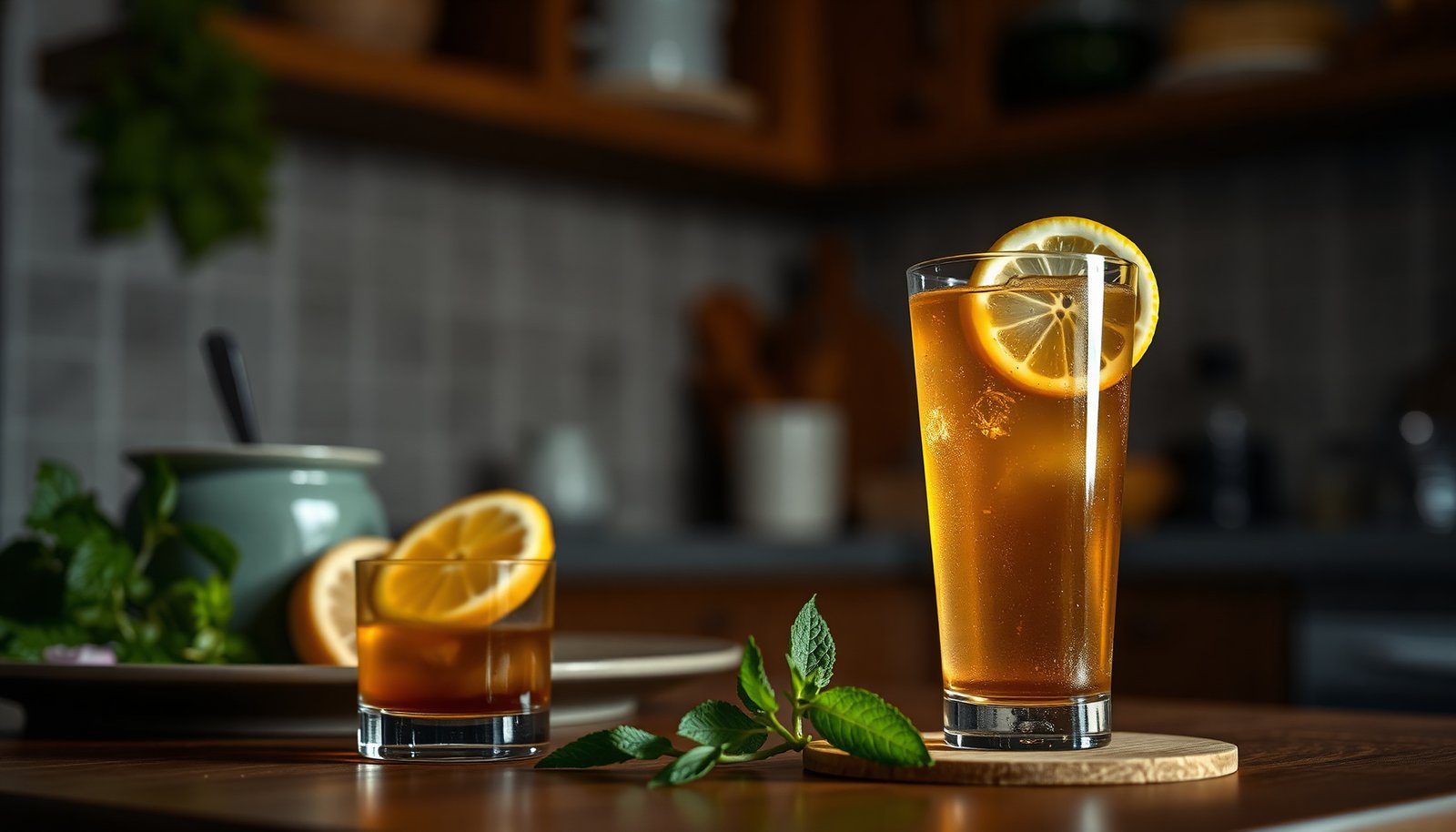
For many people, the best drink to help control diabetes is water, including plain sparkling water if you prefer carbonation. It has zero sugar and won’t raise blood glucose levels, making it a safe choice for daily hydration. If you want added flavor, unsweetened herbal tea or water infused with lemon/cucumber can also be diabetes-friendly.
How can I choose a drink that won’t spike my blood sugar?
Look for drinks with 0 grams added sugar and a carbohydrate content of ideally 0–5 grams per serving. Avoid “diabetic-friendly” drinks that still contain sugar alcohols or carbs that can raise glucose for some people, and be cautious with juices even if they’re labeled “100%” or “no sugar added.” Checking the nutrition label—specifically total carbohydrates and sugar—is one of the most practical ways to pick blood sugar–friendly options.
Which teas are best for diabetes management?
Unsweetened black tea, green tea, and herbal teas (like cinnamon, chamomile, or peppermint) are commonly recommended as diabetes-friendly drinks because they’re low in calories and typically contain no sugar. Some people find that replacing sugary beverages with tea helps improve overall glycemic control. Avoid teas with added honey, syrups, or sweetened concentrates, and remember that supplements/add-ins can change the sugar and carb profile.
Why is water often recommended as the best drink for diabetes?
Water supports normal bodily functions and can help reduce the urge to reach for sugary drinks that can cause blood sugar spikes. Staying hydrated may also help some people feel less fatigued, which can improve diet and medication adherence—both important for diabetes control. Since water has no carbohydrates, it’s one of the safest choices for managing blood glucose.
Best drink alternatives to soda or juice for diabetics?
The best alternatives to soda or juice are plain water, sparkling water, unsweetened tea, and calorie-free options like water with lemon or lime. If you want something more flavorful, try unsweetened flavored water or tea without added sugar. Even small servings of juice can raise blood glucose quickly due to natural sugars, so it’s generally better to choose whole fruit or a sugar-free drink instead.
📅 Last Updated: November 25, 2026 | Topic: best drink to control diabetes | Content verified for accuracy and freshness.
References
- https://www.niddk.nih.gov/health-information/diabetes/overview/diet-eating-health
- Guideline: sugars intake for adults and children
- Diabetes
- Diabetes diet: Create your healthy-eating plan – Mayo Clinic
- https://pubmed.ncbi.nlm.nih.gov/?term=type+2+diabetes+sugar-sweetened+beverages+glycemic+control
- https://pubmed.ncbi.nlm.nih.gov/?term=non-nutritive+sweeteners+glycemic+control+diabetes+systematic+review
- https://pubmed.ncbi.nlm.nih.gov/?term=water+intake+type+2+diabetes+glycemic+control
- https://scholar.google.com/scholar?q=best+drink+for+diabetes+control+water+unsweetened+tea+nonnutritive+sweeteners Google Scholar
- https://scholar.google.com/scholar?q=sugar-sweetened+beverages+glycemic+control+type+2+diabetes+randomized+trial Google Scholar
- https://scholar.google.com/scholar?q=non-nutritive+sweeteners+blood+glucose+diabetes+systematic+review+meta-analysis Google Scholar