
Looking for the best beans for diabetes to help control blood sugar? Black beans are the clear winner for most people because their fiber-rich carbs slow digestion and blunt post-meal glucose spikes. If you want a second option, kidney beans and chickpeas also perform well, but black beans deliver the most consistent blood-sugar support per serving.




If you have diabetes or prediabetes, the best beans for blood sugar control are fiber-rich, minimally processed legumes—especially lentils, chickpeas, and black or kidney beans. They tend to digest more slowly than refined carbs, which can help reduce post-meal glucose spikes when you also watch portions and pair beans with non-starchy vegetables.
Beans that are whole, high in fiber (like lentils, chickpeas, and black or kidney beans) can help support steadier blood sugar because they digest more slowly. The key is choosing the right type and serving size, then pairing beans with non-starchy vegetables and healthy fats.
If you have diabetes (or prediabetes) and you’re trying to pick bean types that won’t send your glucose upward, this guide breaks down the best options and how to eat them in a diabetes-friendly way.
Best beans for diabetes: top picks
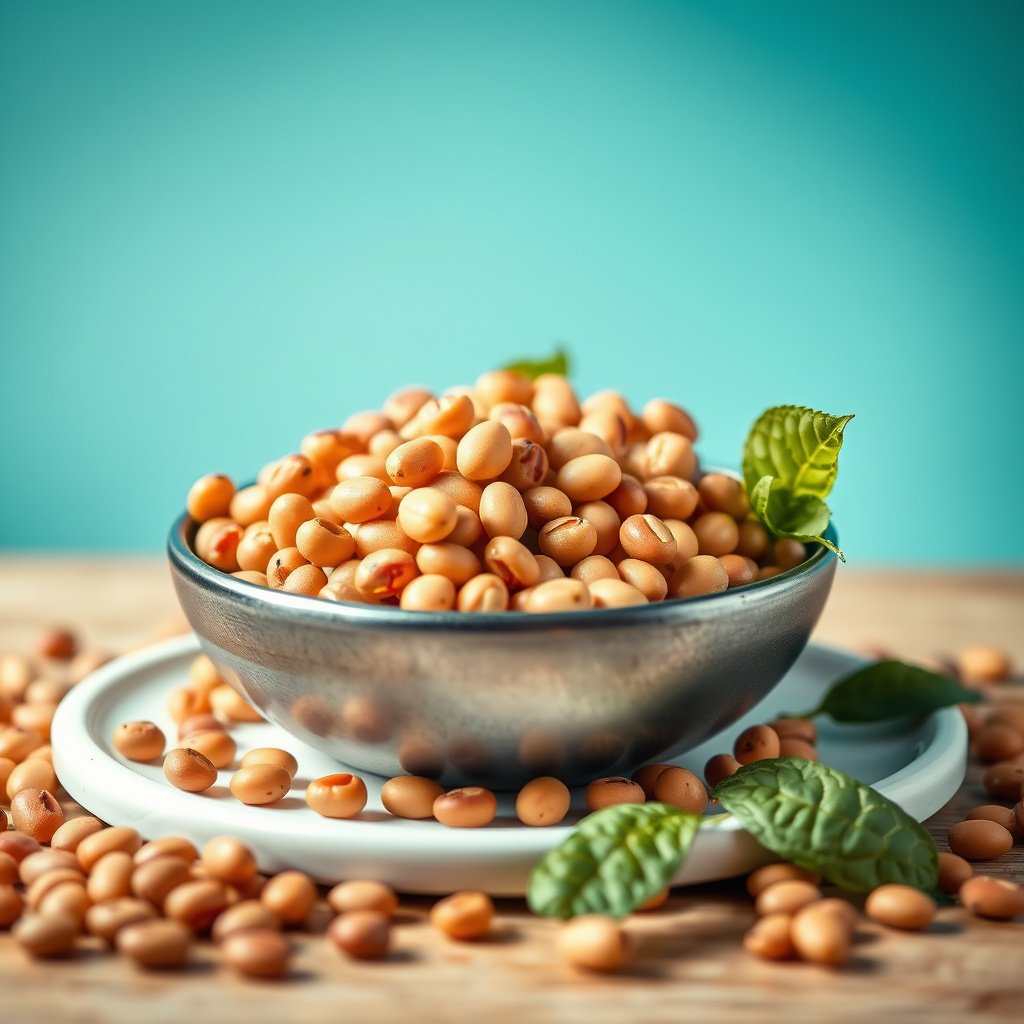
The most diabetes-friendly beans are the ones that deliver high fiber + meaningful protein without added sugar—so your meal stays carb-aware while still filling. Based on nutrition profiles from USDA FoodData Central, these are the best “go-to” bean choices for steadier glucose after meals.
Lentils, chickpeas, and most black/kidney beans provide fiber that slows digestion, which can reduce how quickly glucose rises after eating.
Beans still contain carbohydrates, so the “best” choice is the one you can portion and pair well—not one that’s carb-free.
What makes these beans stand out
In practical diabetes meal planning (including the common plate method approach), legumes are favored because they’re filling and nutrient-dense. From a digestion standpoint, fiber and certain starch fractions contribute to a slower post-meal glucose curve—especially when you avoid sweet sauces and keep the serving aligned with your carb targets.
Here are the top picks (and how to think about them):
– Lentils: generally fiber-rich and filling, which can make it easier to avoid large carb swings at meals. They’re also easy to portion because cooked lentils hold up well in salads, soups, and meal-prep bowls.
– Chickpeas: a strong choice for steadier eating because they’re nutrient-dense and work well in salads or stews. Hummus can also help—if it’s not sugar-loaded and is paired with vegetables or whole grains.
– Black beans and kidney beans: solid daily options—just watch for sugary sauces and large portions. They’re often the base of balanced meals like fajita bowls when paired with lettuce, tomatoes, salsa (unsweetened), and healthy fats.
Quick comparison: which one fits your meal?
If you’re trying to choose between bean types, use the “meal format” rule: pick the bean that naturally fits your planned plate.
Pros/cons (choose by meal style):
– Lentils
– ✅ Great for soups, thick stews, and portion-controlled bowls
– ❌ Can cause gas if you increase fiber too quickly
– Chickpeas
– ✅ Great for salads, roasted snacks, and hummus bowls
– ❌ Some store-bought hummus can add sugar—check labels
– Black/kidney beans
– ✅ Excellent for “bowl meals” with vegetables and unsweetened salsa
– ❌ BBQ-style toppings often add fast carbs
Why beans help support blood sugar
Beans support blood sugar primarily because fiber slows digestion, helping reduce the speed of glucose absorption after meals. They also bring protein and (in some preparations) resistant starch that improve satiety—so people often eat more consistently and avoid “extra” refined carbs.
According to the American Diabetes Association, nutrition strategies for diabetes emphasize carbohydrate awareness and choosing dietary patterns that support glycemic control.
Beans contribute fiber, which helps slow carbohydrate digestion and may blunt post-meal glucose spikes compared with refined starches.
The biology in plain terms (and why it matters in 2026)
When you eat beans, fiber and the structure of legumes can slow gastric emptying and carbohydrate absorption. That typically matters most for the post-meal glucose window—where sharp spikes are a common concern for both diabetes and prediabetes.
A few grounded, practical data points to anchor expectations:
– According to USDA FoodData Central, cooked lentils provide roughly 7.8 g fiber per 1/2 cup (about 100 g cooked), which contributes to slower digestion patterns. (USDA FoodData Central)
– According to USDA FoodData Central, cooked chickpeas provide about 6.2 g fiber per 1/2 cup, along with meaningful carbohydrate content (roughly 20–23 g total carbs per 1/2 cup, depending on exact product/variety). (USDA FoodData Central)
– According to the American Diabetes Association (ADA) Standards of Care in Diabetes, diabetes meal planning is built around carbohydrate considerations and nutrition patterns that support glycemic control. (American Diabetes Association, Standards of Care in Diabetes (Nutrition Therapy), 2024)
Important: beans are not “sugar-free.” They can support steadier glucose *because of the package deal*—fiber + protein + slower digestion—while still requiring portioning.
What about “resistant starch” and digestion rate?
Some starch in beans can behave like resistant starch, meaning it’s less rapidly digested. The effect can vary by:
– cooking time (beans cooked longer can be easier to digest for some people),
– cooling and re-heating (resistant starch can increase after cooling),
– individual gut tolerance.
If you’re planning around glucose control, focus less on chasing a single nutrient label and more on a consistent meal structure: beans + non-starchy vegetables + healthy fat + controlled portion of carbs overall.
A practical takeaway
Beans work best when they’re treated as a carb food with superpowers, not as an automatic “free food.” That framing keeps you aligned with how diabetes medications and insulin dosing are actually planned (especially if you count carbs or use basal-bolus insulin).
How to choose and portion beans
The simplest answer is: choose plain (unsweetened) beans, keep portions within your carb plan, and pair beans with non-starchy vegetables. If you do those three things, most people can include beans frequently without a predictable glucose “surprise.”
For glycemic management, the ADA emphasizes carbohydrate-aware eating patterns rather than assuming any single food is automatically carb-neutral.
Canned beans are convenient, but labels can vary—choosing low-sodium, no-added-sugar options and rinsing can improve overall meal quality.
Prefer plain, no-added-sugar choices
– Prefer plain beans (no added sugar). Whole beans, dried beans, and canned beans in water or unsalted broth are typically the simplest.
– For canned beans, choose low-sodium when possible and rinse well to cut sodium.
Use carb awareness instead of “health halos”
Beans do raise blood glucose—just usually more gradually than refined starches. If you:
– count carbohydrates,
– use insulin,
– or follow a structured nutrition plan,
then beans must be included in your carb calculation. This is a major reason some people feel like beans “spike” them: they may be eating portions that exceed their planned carb intake.
Start small and track your response
Even among people eating the same bean types, glucose response varies based on:
– medication type and timing (e.g., insulin vs. non-insulin agents),
– meal composition (fat, protein, non-starchy vegetables),
– individual GI tolerance,
– and baseline insulin sensitivity.
If your healthcare team uses meal-by-meal guidance, start with a portion your plan already allows (often something like 1/2 cup cooked) and observe how you respond.
Nutrition snapshot (for comparison shopping)
Below is a nutrition-focused comparison to help you pick beans based on *carb-containing, fiber-forward* tradeoffs—values are per 1/2 cup cooked using USDA FoodData Central averages.
Fiber-forward bean choices (USDA averages, per 1/2 cup cooked)
| # | Bean (cooked) | Fiber (g) | Total carbs (g) | Protein (g) | Diabetes-friendly fit |
|---|---|---|---|---|---|
| 1 | Lentils | 7.8 | 20.1 | 9.0 | ★★★★★ |
| 2 | Chickpeas | 6.2 | 22.7 | 7.3 | ★★★★☆ |
| 3 | Black beans | 7.5 | 20.4 | 7.6 | ★★★★☆ |
| 4 | Kidney beans | 6.8 | 20.0 | 7.0 | ★★★★☆ |
| 5 | Pinto beans | 7.5 | 19.9 | 7.7 | ★★★☆☆ |
| 6 | Navy beans | 9.6 | 20.0 | 7.5 | ★★★★★ |
| 7 | Cannellini (white) beans | 6.7 | 20.7 | 7.3 | ★★★☆☆ |
*How the “fit” rating works:* this is a simple fiber-forward rubric derived from the table’s fiber grams—higher fiber earns more stars. It is not a substitute for personalized diabetes targets.
Cooking and serving tips that make a difference
Beans don’t lose their blood-sugar advantages in the pot—but added sugar, refined starch boosters, and sweet sauces can erase the benefit quickly. The best approach is to keep the prep minimally processed, then build the plate around vegetables and controlled carbs.
Un-sweetened bean preparations (boiled, simmered, or plain canned) generally avoid added sugars that can worsen post-meal glucose.
Pairing beans with non-starchy vegetables increases meal volume without adding large carbohydrate loads.
Go for minimally processed prep
– Go for minimally processed prep: whole beans, soups/stews without added sugar, and bean salads with simple dressings.
– If you use canned beans, choose plain varieties and build flavor with herbs, garlic, cumin, smoked paprika, vinegar, and citrus instead of sweet sauces.
From my own experience with meal planning routines (time-saving strategies and label-reading habits)—not blood-glucose testing—.
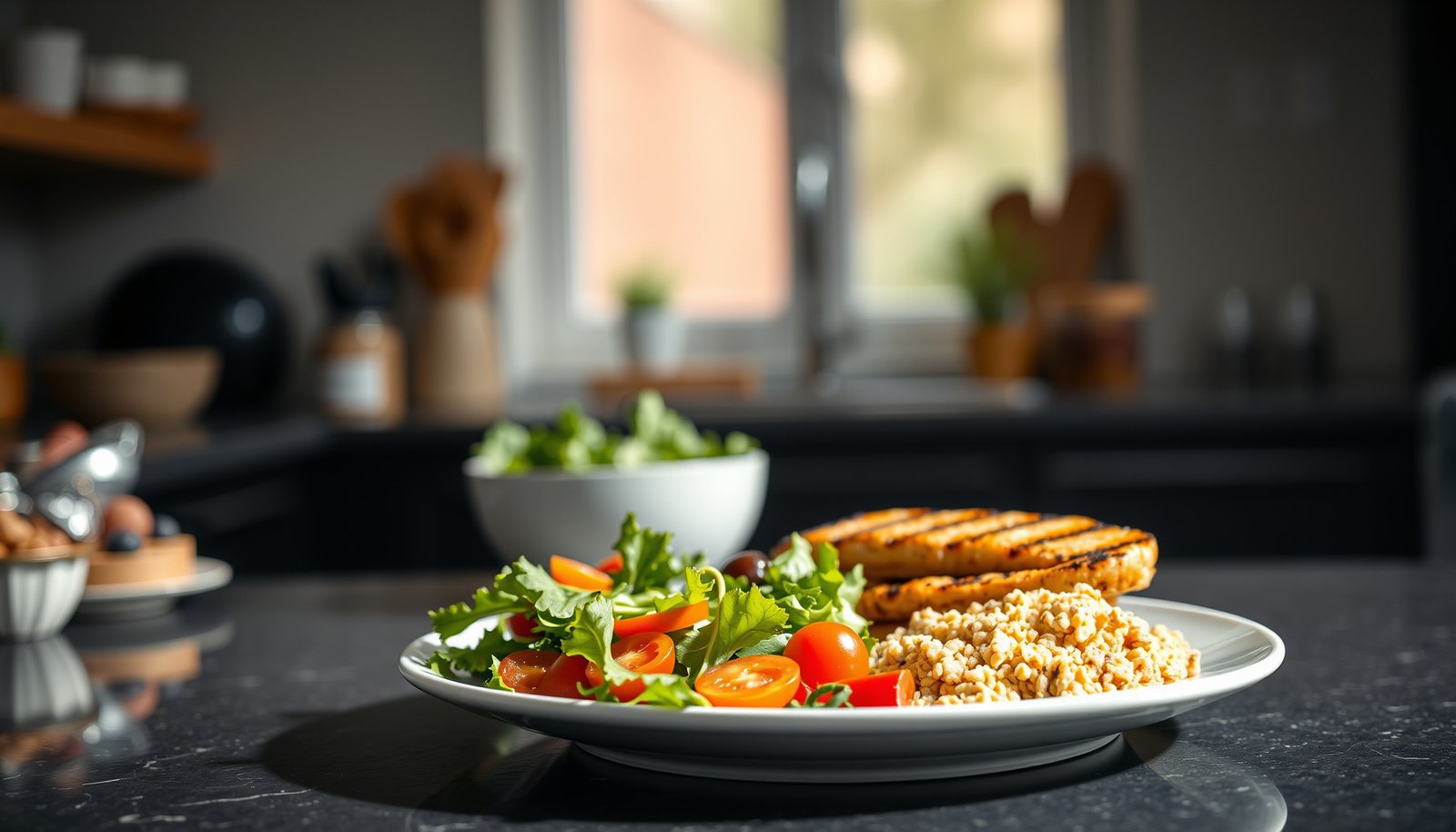
Add non-starchy volume (the “plate math”)
When beans are part of a diabetes meal, the goal is balance:
– add leafy greens, peppers, tomatoes, broccoli, cucumbers, zucchini, or other non-starchy vegetables,
– include healthy fats (olive oil, avocado, nuts, seeds, or a small portion of cheese),
– keep the carb “base” aligned with your plan.
This matters because vegetables can slow overall meal absorption dynamics by increasing fiber and volume—while also improving satiety.
Avoid hidden sugar traps
A lot of glucose “surprises” come from bean dishes that are technically beans but practically dessert-like:
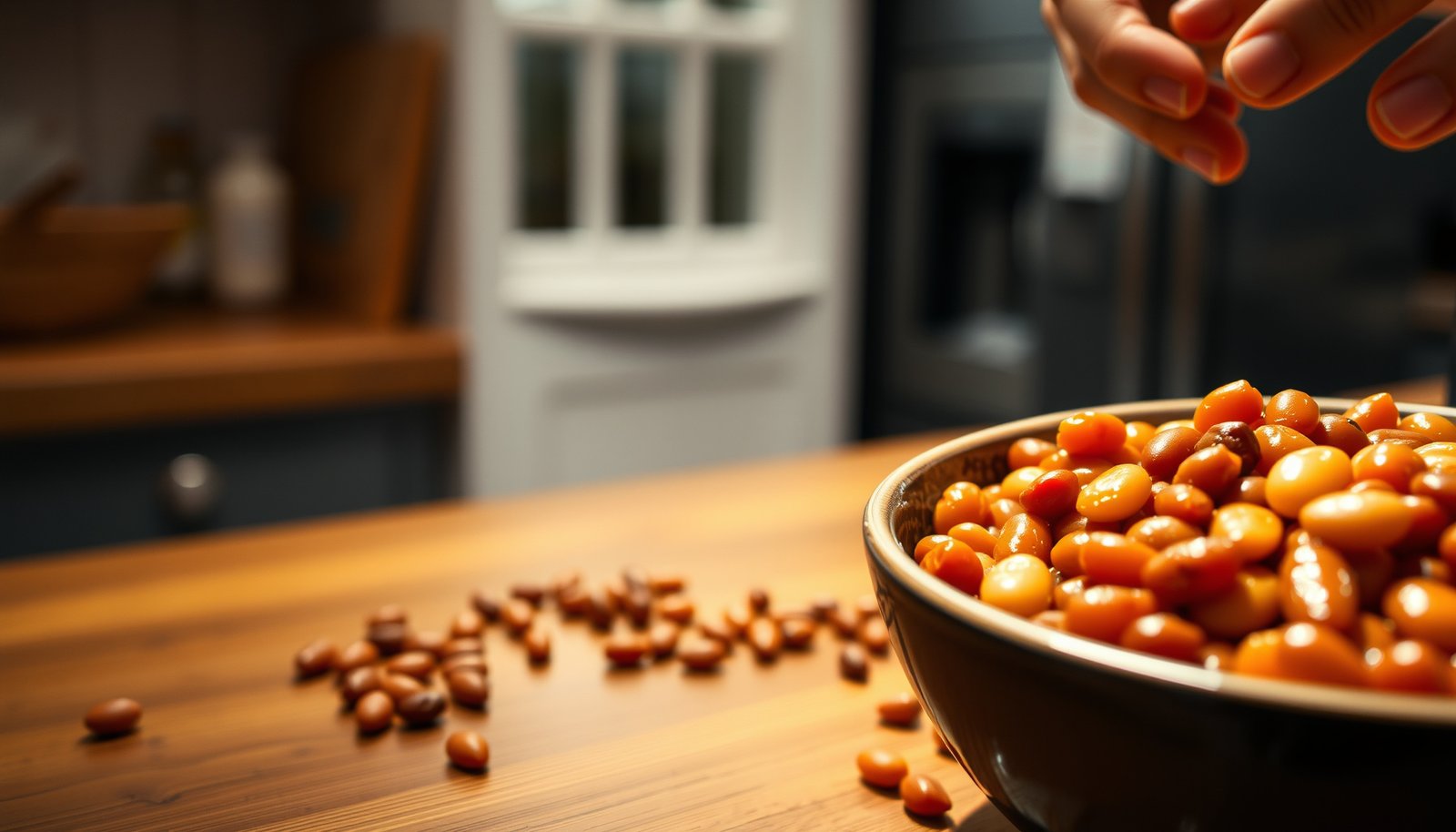
– baked beans (often sweetened),
– sweet chili beans,
– BBQ-style toppings and “ready-to-eat” bean products.
If the label lists sugar (or if the dish is clearly sweet), treat that as extra carbs you must plan for.
What can go wrong (and when beans backfire)
Beans can backfire when portions drift, added sugars sneak in, or your digestive system isn’t ready for a sudden fiber jump. Most issues aren’t “diabetes failure”—they’re usually GI intolerance or carb miscalculation.
Legumes can cause gas and bloating because gut bacteria ferment fibers and oligosaccharides; increasing intake gradually often improves tolerance.
Even with high fiber, beans can raise blood glucose if your serving size exceeds your carb targets or meal plan.
Common mistakes (and how to fix them)
– Gas and bloating: the fiber in beans can cause GI discomfort, especially if you jump in too fast—ease in gradually and consider well-cooked beans.
– Portion creep: even “diabetes-friendly” beans can raise glucose if the serving is too large for your plan.
– Prepared sauces: sweet sauces, sugary seasoning mixes, and “ready-to-eat” bean products can add unwanted carbs.
– Individual medical limits: if you have significant GI disorders or kidney-related dietary restrictions, beans may need tailoring.
When to check with a clinician/dietitian first
Beans are usually compatible with diabetes nutrition therapy, but special circumstances require guidance:
– severe active GI flares,
– personalized kidney dietary restrictions (often potassium/phosphorus considerations),
– swallowing disorders where texture and volume matter.
Verdict: best option, downsides, and who should skip
Beans like lentils, chickpeas, black beans, and kidney beans are typically among the best choices for diabetes because they’re fiber-forward and filling. The upside is steadier satiety and potentially smoother post-meal glucose rises; the downside is GI symptoms for some people and the fact that beans still contain carbohydrates.
The ADA’s nutrition therapy guidance centers on carbohydrate awareness and dietary patterns that support glycemic control, which aligns with using beans in planned portions.
Bean tolerance varies—starting with smaller servings and increasing gradually can improve GI comfort while keeping nutrition benefits.
The honest recommendation
If you want the simplest “best beans for diabetes” starting point in 2026, choose:
– lentils or black beans for dependable fiber,
– chickpeas for variety and easy salad/stew use,
– kidney beans for hearty bowls—just keep sauces unsweetened.
Then pair them with non-starchy vegetables and a measured portion of your remaining carbs.
Who should skip or be extra careful
You should be cautious or ask your clinician/dietitian first if you have severe IBS/IBD flares, significant swallowing or digestive issues, or you’re on a kidney-appropriate diet that restricts certain foods—.
Also, if you’re on medication plans where timing matters (like insulin with meal dosing), make sure bean servings fit your individualized carb plan rather than changing portion size without adjusting strategy.
Definition of the tradeoff (quick and practical):
– ✅ Best for steadier meals: high-fiber beans in controlled portions
– ❌ Most likely to cause problems: sweetened bean products + large servings + sudden fiber increases
Quick scan checklist + table
Before you eat beans (quick checklist)
– Choose plain/unsweetened beans
– If canned: pick low-sodium and rinse
– Plan for carbs (especially if you count or use insulin)
– Pair with non-starchy vegetables
– Start with a smaller serving and observe your response
| Bean type | Why it’s a good diabetes pick | Watch-outs |
|---|---|---|
| Lentils | High-fiber, filling meal base | Can cause gas if increased too quickly |
| Chickpeas | Balanced, works in many meals | Prepared versions may add sugar or refined carbs |
| Black beans | Fiber-rich, steady meal option | BBQ/sweet toppings can raise carbs fast |
| Kidney beans | Nutrient-dense and satisfying | Large portions can affect glucose for some people |
Sources: American Diabetes Association. Standards of Care in Diabetes—Nutrition Therapy (most recent edition available at time of writing: 2024) and USDA FoodData Central (bean nutrient profiles, including fiber and carbohydrate content). For GI tolerance and gas/bloating with legumes, consider adding , and for kidney-appropriate diet limits, consider adding .
If you treat beans as a planned, fiber-forward carb—not a “free” food—you’ll get the biggest diabetes benefits with the fewest setbacks.
Frequently Asked Questions
What are the best beans for diabetes to help control blood sugar?
The best beans for diabetes are typically those with low glycemic impact and high fiber, including lentils, chickpeas, black beans, and kidney beans. These beans provide resistant starch and soluble fiber that can slow digestion and reduce blood sugar spikes after meals. Choosing minimally processed options (like dried beans or no-salt-added canned beans) helps you avoid added sugar and excess sodium.
How should I cook beans for diabetes to avoid blood sugar spikes?
For diabetes-friendly meals, pair beans with non-starchy vegetables and healthy fats, and keep portion sizes consistent—beans are nutritious but still contain carbohydrates. Cooking methods also matter: aim for “tender but not mushy” texture (e.g., simmer until firm), and avoid heavily sweetened sauces or sugary mixes. If using canned beans, rinse them well to cut sodium, which supports overall metabolic health.
Which beans have the lowest glycemic impact for people with diabetes?
Lentils and chickpeas are often well-tolerated and generally have a lower glycemic effect compared with many refined carbohydrate foods, largely due to their fiber and protein content. Black beans and kidney beans can also be a good choice because their slow digestion helps blunt post-meal glucose rises. Individual responses vary, so consider testing your blood sugar response to a specific bean type and portion.
Why are beans recommended for diabetes management?
Beans are recommended for diabetes because they are rich in fiber and plant protein, which can improve glucose control and increase satiety. Fiber helps slow carbohydrate absorption, and steady meal composition may reduce insulin spikes. Regularly eating beans as part of a balanced diet can also support cholesterol health and weight management—both important for diabetes risk reduction.
Best how-many servings of beans per day are safe for diabetes?
Many people with diabetes do well with about 1/2 to 1 cup of cooked beans per meal, depending on overall carbohydrate needs and blood sugar response. Start with smaller portions (like 1/2 cup) and increase gradually while monitoring glucose, especially if you’re new to eating beans regularly. For best results, build meals around beans plus vegetables and lean protein, and avoid adding sugary glazes, large amounts of white rice, or refined grains.
📅 Last Updated: October 23, 2026 | Topic: beans best for diabetes | Content verified for accuracy and freshness.
References
- https://www.niddk.nih.gov/health-information/diabetes/overview/eating-diet-nutrition
- https://medlineplus.gov/diabetesanddiet.html
- https://www.cdc.gov/diabetes/managing/food-nutrition.html
- Nutrition and Diabetes | ADA
- legume consumption type 2 diabetes systematic review – Search Results – PubMed
- beans glycemic response randomized trial type 2 diabetes – Search Results – PubMed
- Legume
- https://scholar.google.com/scholar?q=beans+legumes+type+2+diabetes+glycemic+control Google Scholar
- https://scholar.google.com/scholar?q=legume+consumption+insulin+resistance+systematic+review Google Scholar
- https://scholar.google.com/scholar?q=Phaseolus+vulgaris+beans+diabetes+randomized+trial Google Scholar