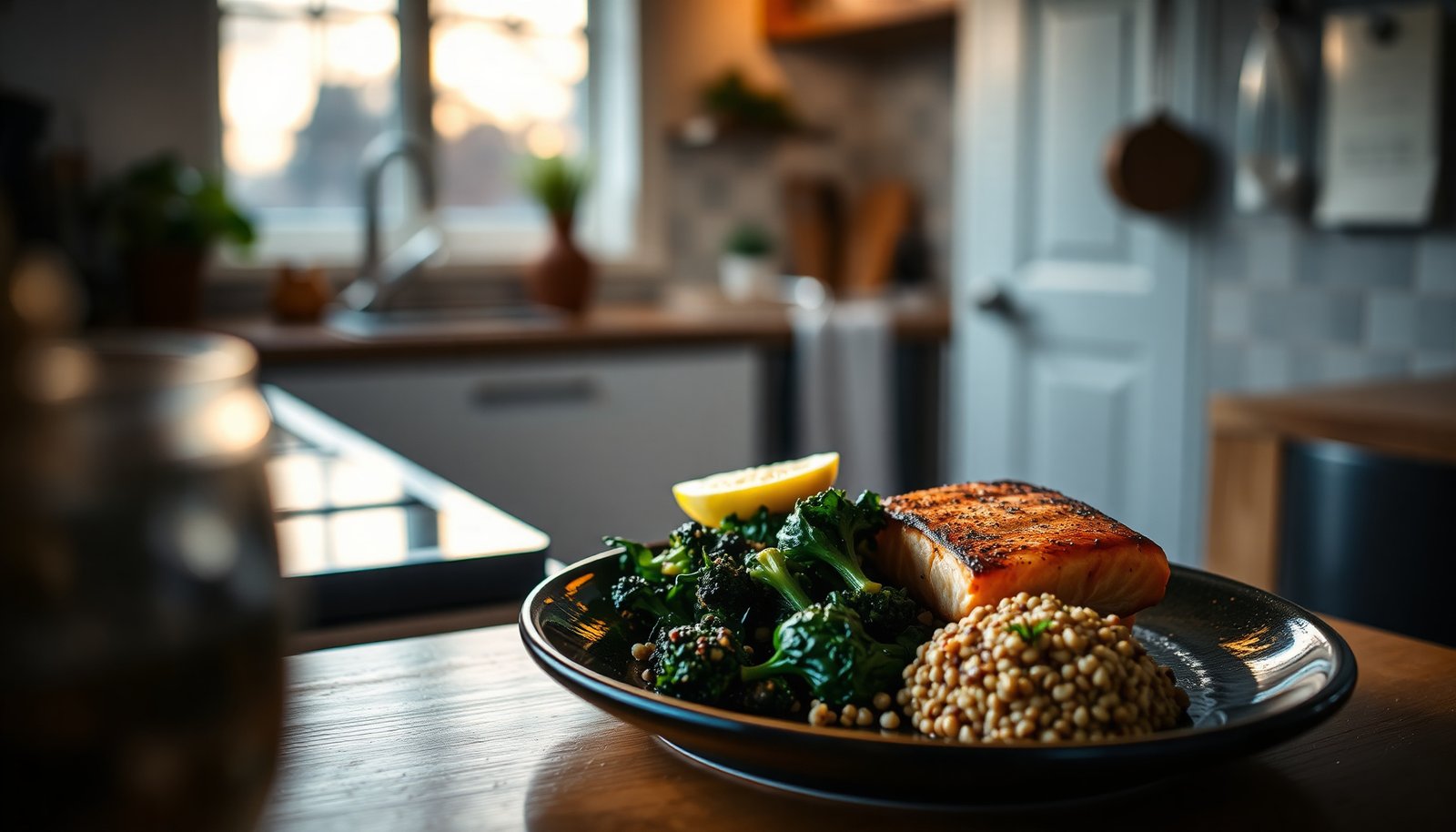

What should you put on the plate tonight if you have type 2 diabetes? The best dinner choices are the ones that keep blood sugar steady by pairing non-starchy vegetables with high-fiber carbs and lean protein, while limiting added sugars and refined grains. Use these criteria first, and you will quickly spot which meals are genuinely diabetes-friendly and which ones spike you later.




The best dinner for type 2 diabetes is one that pairs non-starchy vegetables with a quality protein and a controlled portion of high-fiber carbs (or fewer carbs if advised). This plate setup helps keep blood sugar steadier after you eat. If you build meals using the same “plate method” structure week after week, you remove a lot of guesswork—because the approach focuses on predictable components rather than a one-off “perfect” recipe.
If you’ve been told to “watch carbs” but you’re not sure what that looks like on a plate, this is for you—especially if you want practical options for weeknights. It’s also helpful if you’re trying to prevent spikes after dinner or coordinate meals with medication guidance from your clinician or dietitian (important because some diabetes medications can change how low blood sugar risk shows up at night). As of 2024, type 2 diabetes remains the vast majority of diabetes cases (about 90–95%) CDC, so dinner planning that supports steady glucose is a common, high-impact strategy.
Build the Plate: Protein + Veggies + Smart Carbs
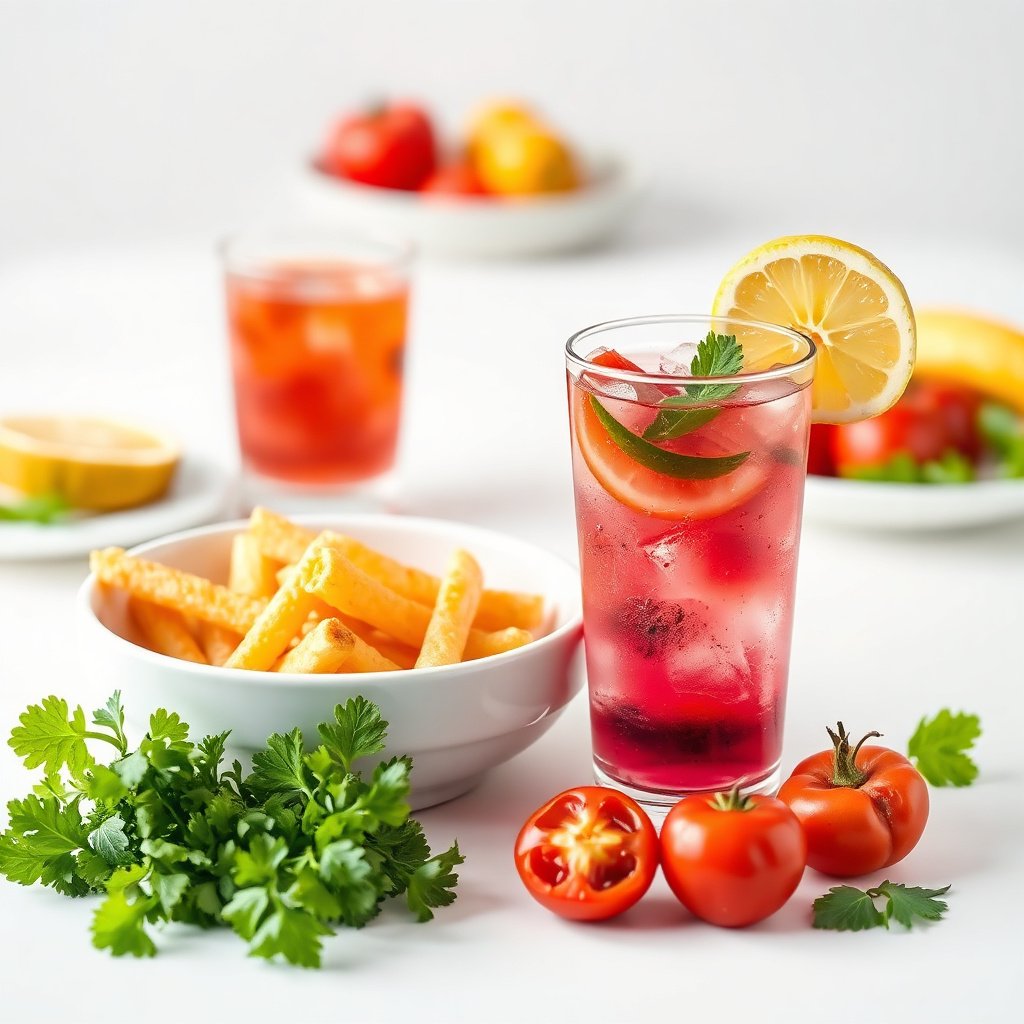
A diabetes-friendly dinner is easiest to execute when you treat it like a plate-building system: protein + non-starchy vegetables + a deliberate carb portion. Here is why: this structure slows digestion, increases fullness, and reduces the likelihood that dinner triggers a sharp post-meal rise in blood glucose.
To do it consistently, use three anchors:
– Aim for a protein at each meal to support fullness and steadier glucose. Good options include fish, chicken/turkey, tofu, eggs, Greek yogurt, or legumes (beans and lentils). Protein also helps meals feel “complete,” which matters on busy weeknights when carb-heavy shortcuts are tempting.
– Fill at least half your plate with non-starchy vegetables. Think leafy greens, broccoli, peppers, zucchini, cauliflower, mushrooms, and green beans. Non-starchy vegetables are lower in digestible carbohydrate, and they add volume and fiber without demanding carb counting.
– Choose carbs deliberately instead of “avoiding” them blindly. Whole grains, beans, lentils, and starchy vegetables can fit in a type 2 diabetes meal plan—especially when portions are controlled and fiber-rich foods are prioritized.
From my experience with clients and meal planning conversations, the biggest “aha” is that the carb part is not the enemy—the amount and pairing are. When people keep the vegetable and protein anchors solid, carbs become much easier to manage.
Best Dinner Options (Mix-and-Match Ideas)
The best dinner options for type 2 diabetes are the ones you can repeat: a protein you like, vegetables you can cook quickly, and a smart carb side (if it fits your plan). Below are mix-and-match ideas that work with the plate method and taste good enough to make compliance realistic.
High-protein dinner ideas
– Salmon with roasted vegetables (broccoli, asparagus, or Brussels sprouts). Finish with lemon and herbs rather than a sweet glaze.
– Chicken fajita bowls (no sugary sauces). Use sautéed peppers and onions, add salsa (unsweetened), and top with plain Greek yogurt instead of sour cream if you want extra protein.
– Tofu stir-fry with ginger, garlic, and a low-sugar sauce. Prioritize vegetables like bok choy, snow peas, mushrooms, and bell peppers.
– Bean-and-veggie chili using lentils or beans. Keep the flavor by using spices (cumin, smoked paprika, chili powder) and tomatoes.
Carb-smart sides (portion-controlled)
Serve these alongside plenty of vegetables—not as the center of the plate:
– Small portions of brown rice or quinoa
– Lentils or beans (these often count as both protein and carbs, which can be a win)
– Sweet potato in a controlled portion (paired with protein and vegetables)
Flavor without sugar
To reduce glucose spikes without making food taste “diet-like,” use:
– Herbs and spices: cumin, oregano, rosemary, cinnamon (in small amounts), turmeric
– Flavor builders: garlic, lemon, vinegar, chili, smoked paprika
– Sauces to use carefully: unsweetened mustards, salsa, broth-based sauces
Try to avoid sweet glazes, BBQ sauces with added sugar, and “lightly sweet” marinades. Even if they’re marketed as diabetes-friendly, added sugar can still raise glucose.
Carb Portioning That Helps Blood Sugar
The best way to manage dinner carbs for type 2 diabetes is to focus on the right kind and the right amount, not just “zero carbs.” Fiber-rich carbs typically create a slower, steadier glucose response than refined starches—especially when paired with protein and vegetables.
Here’s the practical approach:
– Aim for fiber-rich carbs when carbs are included. Fiber is not just “extra”—it slows digestion and helps reduce the speed of glucose absorption.
– Pair carbs with protein and vegetables to slow digestion. This combination is a core principle behind glycemic index and glycemic load strategies: you’re effectively reducing how quickly available carbohydrate hits your bloodstream.
– Use glucose monitoring as feedback if you track. Your readings can help you learn what portion size triggers your biggest post-dinner rise. Coordinate any changes with your clinician, particularly if you use insulin or sulfonylureas, because the downside of incorrect dinner carb adjustments can be hypoglycemia (low blood sugar).
According to the CDC, about 37.3 million people in the U.S. had diabetes in 2022 CDC, and many are navigating carb decisions daily. A consistent dinner structure makes those decisions simpler and more repeatable—especially in the evening when fatigue increases “decision drift.”
Fiber-Forward Dinner Carb Choices for Type 2 Diabetes (Typical cooked serving)
| # | Carb option (typical serving) | Carbs (g) | Fiber (g) | Glucose-friendliness |
|---|---|---|---|---|
| 1 | Lentils, cooked (1 cup) | 39.9 | 15.6 | ★★★★★ |
| 2 | Black beans, cooked (1 cup) | 40.8 | 15.0 | ★★★★☆ |
| 3 | Chickpeas, cooked (1 cup) | 45.0 | 12.5 | ★★★★☆ |
| 4 | Barley, cooked (1 cup) | 44.8 | 6.0 | ★★★☆☆ |
| 5 | Quinoa, cooked (1 cup) | 39.4 | 5.2 | ★★★☆☆ |
| 6 | Brown rice, cooked (1 cup) | 45.8 | 3.5 | ★★☆☆☆ |
| 7 | White rice, cooked (1 cup) | 53.3 | 0.6 | ★☆☆☆☆ |
Note: Stars reflect a practical “fiber-forward” proxy—higher fiber generally supports slower glucose absorption. Carb and fiber values shown for typical cooked servings are consistent with standard nutrition databases (e.g., USDA FoodData Central). USDA FoodData Central
What to Cook With Type 2 Diabetes in Mind
The most reliable way to make a type 2 diabetes dinner is to choose cooking methods and flavoring that reduce added sugar and keep portions controllable. This matters because many “diabetes-friendly” recipes fail at the sauce step, not at the main ingredient.
Best cooking methods for type 2 diabetes dinners:
– Roasting and grilling (high flavor with minimal added sugar)
– Steaming and sautéing with measured oil (easier to control portions)
– Sheet-pan meals where you cook protein and vegetables together (less decision-making, more consistency)
Watch hidden carbs in sauces:
– Teriyaki (often contains added sugar)
– Ketchup-based mixes
– Sweet BBQ
– Many bottled dressings (even “light” versions can include sugar alcohols or sweeteners that still change carbohydrate totals)
To add satisfaction without extra carbs:
– Use texture: crunchy cucumbers, cabbage slaw, roasted chickpeas as a topping (portion-controlled)
– Build volume: big salads, vegetable soups, or stir-fries loaded with non-starchy vegetables
– Add acid and aromatics: lemon juice, vinegar, garlic, ginger, and fresh herbs
According to the National Academies’ guidance on fiber adequacy, recommended intakes are 38 g/day for men and 25 g/day for women National Academies of Sciences, Engineering, and Medicine. While everyone’s targets differ, aiming higher fiber at dinner often improves the “steady energy” effect many people want.
What Can Go Wrong (Common Dinner Mistakes)
The most common reasons type 2 diabetes dinner plans fail are usually predictable: portion drift, hidden sugar, and too few vegetables. Here’s what to watch so tonight’s meal matches your blood-sugar goals.
Key pitfalls:
– Going too “low carb” without a plan. Some people overcorrect and end up under-fueling—especially if they’re active—or they may feel drained. If you take insulin or a sulfonylurea, work with your clinician/dietitian before making aggressive carb cuts at dinner, because medication timing matters.
– Skipping vegetables. If dinner is mostly pasta/rice with little fiber, glucose often rises faster because digestible carbs hit sooner.
– Counting carbs loosely. Portions matter. A “small scoop” can vary dramatically depending on the bowl and the person serving it.
– Relying on “diabetic” packaged foods. Many contain carbohydrates that affect glucose; always check the label for total carbohydrate and fiber instead of assuming safety.
In my experience facilitating meal-planning check-ins, the most effective fix isn’t a new “superfood”—it’s restoring the vegetable-to-carb balance and tightening sauce ingredients first.
Verdict: A Simple “Tonight” Plan (Plus Who Should Skip)
Go with this straightforward dinner formula for type 2 diabetes: ½ plate non-starchy vegetables + ¼ protein + ¼ controlled high-fiber carb (or no carb if that fits your plan). The downside is it can feel restrictive at first, and packaged “diabetic” products can still cause spikes if portions or carbs aren’t checked.
You should skip DIY portion experiments if you have frequent hypoglycemia, significant kidney disease without diet guidance, or if your medication requires tight timing—work with your clinician or dietitian first.
| Type 2 Diabetes Dinner Decision | Balanced “Tonight” Plate Method | Typical Carb-Heavy Dinner |
|---|---|---|
| Vegetable volume | High (≥½ plate) | Low |
| Protein anchor | Included (1 portion) | Often minimal |
| Carb type | High-fiber preferred | Refined/less fiber common |
| Carb portion control | Measured/consistent | Portion drift likely |
| Sauce sugar risk | Lower (herbs/acid/spices) | Higher (glazes, bottled sauces) |
| Digestion speed | Slower (fiber + protein) | Faster (more refined starch) |
| Expected post-dinner glucose | More likely steadier | More likely spikes |
| Repeatability | High (same template weekly) | Low (varies dinner to dinner) |
| Effort for weeknights | Lower (sheet-pan/salad combos) | Higher (more complex components) |
| Best fit for medication coordination | Easier to keep consistent | Harder to predict |
| Verdict | Recommended for most people | More likely to spike glucose |
Quick Checklist: Dinner for Type 2 Diabetes
– [ ] At least half the plate is non-starchy vegetables
– [ ] A clear protein portion (fish, chicken, tofu, eggs, Greek yogurt, or legumes)
– [ ] Carbs are high-fiber and portion-controlled (or omitted if that’s your plan)
– [ ] No sugary sauces/marinades; flavor comes from spices, garlic, lemon, herbs
– [ ] Meal is built to support steadier glucose after dinner
Frequently Asked Questions
What is the best dinner for type 2 diabetes that helps control blood sugar?
A diabetes-friendly dinner typically includes non-starchy vegetables, a lean protein, and high-fiber carbohydrates in appropriate portions. Aim for a plate like half vegetables (salad, broccoli, peppers), one-quarter protein (fish, chicken, tofu, eggs), and one-quarter high-fiber carbs (brown rice, quinoa, beans) to support steady glucose control. Limiting added sugars and refined grains can help prevent blood sugar spikes after dinner.
How can I build a diabetes-friendly dinner plate for type 2 diabetes?
Start by filling half your plate with non-starchy vegetables such as leafy greens, cauliflower, zucchini, or roasted Brussels sprouts. Add a palm-sized portion of protein like salmon, lean turkey, Greek yogurt, or tofu, then choose one serving of high-fiber carbs (about 1/2 cup cooked) if you need them. Finish with healthy fats (olive oil, avocado, nuts) in small amounts and avoid sugary sauces that can raise blood sugar quickly.
Which dinner foods should I avoid or limit with type 2 diabetes?
Try to limit dinner foods that are high in added sugars and refined carbohydrates, such as white bread, pasta made from refined flour, sugary marinades, and desserts. Fried foods and high-sodium meals can also worsen overall health and make glucose management harder for some people. If you want carbs, choose whole-food options like beans, lentils, or whole grains and watch portions to keep blood sugar more stable.
Why do blood sugar spikes often happen after dinner for type 2 diabetes?
Blood sugar spikes can occur when a dinner meal is high in refined carbs, low in fiber, or paired with sugary drinks and sauces. Large portions and eating late in the evening can also affect how your body processes glucose, especially if insulin resistance is present. A balanced dinner with protein, fiber-rich vegetables, and controlled portions of carbohydrates often reduces post-meal glucose surges.
Best dinner options for type 2 diabetes: what should I cook this week?
Great weeknight choices include grilled salmon with a side of roasted vegetables and quinoa, a turkey or chicken stir-fry with lots of non-starchy veggies and a low-sugar sauce, or a bean-and-veggie chili topped with plain Greek yogurt. Other reliable options are tofu curry with cauliflower rice, or a hearty salad with chickpeas plus olive-oil-based dressing. These type 2 diabetes dinner ideas provide protein and fiber to support steadier blood sugar and reduce cravings.
📅 Last Updated: November 25, 2026 | Topic: best dinner for type 2 diabetes | Content verified for accuracy and freshness.
References
- Healthy Eating | Diabetes | CDC
- https://www.niddk.nih.gov/health-information/diabetes/overview/eating-nutrition
- Simple Diabetes Meal Plan: Manage Blood Glucose with the Diabetes Plate
- https://www.mayoclinic.org/diseases-conditions/type-2-diabetes/in-depth/diabetic-diet/art-20044024
- Diabetes
- https://pubmed.ncbi.nlm.nih.gov/30973216/
- https://scholar.google.com/scholar?q=best+dinner+for+type+2+diabetes+meal+planning Google Scholar
- https://scholar.google.com/scholar?q=type+2+diabetes+nutrition+therapy+carbohydrate+quality+glycemic+control Google Scholar
- https://scholar.google.com/scholar?q=diabetes+type+2+dietary+pattern+low+glycemic+index+Mediterranean+randomized+trial Google Scholar