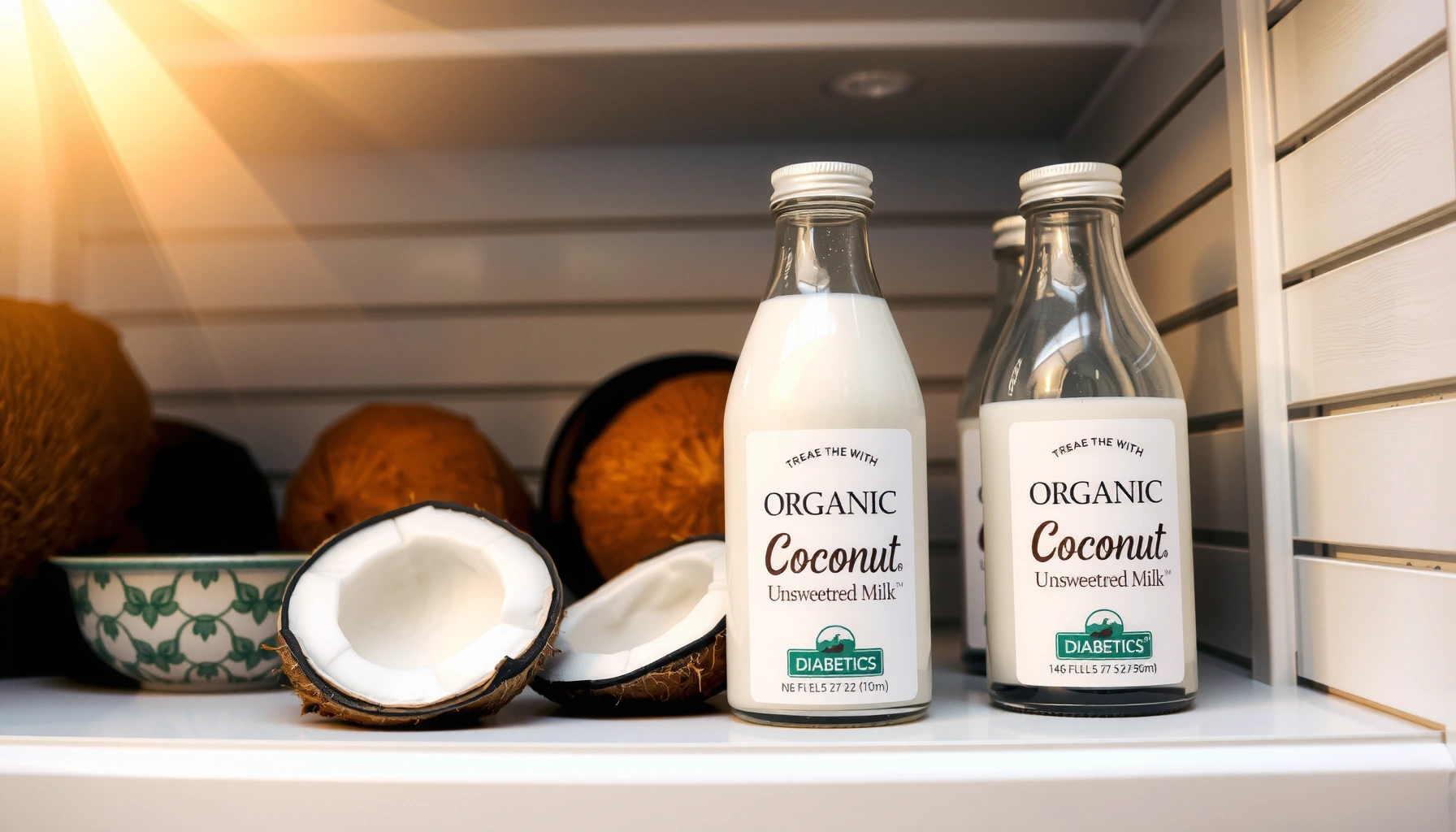
The best milk for diabetic isn’t a guess—it’s the one that keeps blood sugar steadier: unsweetened, plain dairy milk (especially low-fat) or unsweetened soy milk. This guide answers which milk to choose and why, based on carbohydrates, added sugar, and how quickly different milks can affect glucose. You’ll get a clear winner for everyday drinking and the rules to avoid milk that quietly spikes blood sugar.




If you have diabetes, the “best milk” is the one with the lowest added sugar and the fewest carbs per serving—so your blood sugar doesn’t spike after you drink it. In practice, that usually means unsweetened milk (dairy or plant) and careful portion control, paired with how you personally respond when you test your glucose.
This guide is for people with diabetes who want a simple way to compare milk options using nutrition labels (not marketing claims). You’ll learn what to look for, which types are usually the best fit, and the most common mistakes that can backfire.
If you want a one-line takeaway before you start: prioritize “unsweetened” and use total carbohydrates per serving as your main decision metric for the “best milk for diabetes.”
How to pick the best milk for diabetes

The best milk for diabetes is the one you can compare objectively on nutrition labels: added sugar first (keep it low) and total carbohydrates second (keep it lowest). The logic is straightforward—carbohydrate content is what most directly influences blood glucose after you drink milk.
The American Diabetes Association emphasizes that carbohydrate intake is central to blood glucose management, so milk choices should be evaluated primarily by carbs per serving (ADA, Standards of Care in Diabetes).
USDA FoodData Central provides nutrient amounts for milk types, which can help you compare total carbohydrate and sugar consistently across options (USDA FoodData Central).
On a Nutrition Facts label, “total carbohydrate” includes sugars (naturally occurring and added), which is why two milks with similar “sugar” may still differ in glucose impact due to serving size and carbs (Nutrition Facts labeling guidance).
What to compare on the label (fast and reliable)
Here’s the practical label method I use when helping people narrow down the best milk for diabetes:
– Prioritize unsweetened options and check the label for added sugar (not just “no sugar” wording)
– Compare total carbohydrates per serving, since carbs are what most directly affect blood glucose
– Choose milk you can measure consistently (same serving size each time helps you spot patterns)
A label-based comparison (per 1 cup / 240 mL)
Below is a label-style snapshot of common milk categories using typical nutrient values from USDA FoodData Central for generic product categories (not a specific brand). It’s meant to show the *direction* differences you’ll usually see for the best milk for diabetes.
Nutrient Comparison of 7 Common Milk Types (per 1 cup / ~240 mL)
| # | Milk option (typical category) | Calories | Total carbs (g) | Total sugars (g) | Protein (g) | Diabetes fit |
|---|---|---|---|---|---|---|
| 1 | Almond milk, unsweetened | 30 | 1.0 | 0.0 | 1.0 | ★★★★★ |
| 2 | Soy milk, unsweetened | 80 | 4.0 | 1.0 | 7.7 | ★★★★☆ |
| 3 | Skim milk (0% milkfat) | 83 | 12.0 | 12.0 | 8.3 | ★★☆☆☆ |
| 4 | Lowfat milk (1% milkfat) | 102 | 12.2 | 12.2 | 8.3 | ★★☆☆☆ |
| 5 | Reduced-fat milk (2% milkfat) | 122 | 12.2 | 12.2 | 8.7 | ★★☆☆☆ |
| 6 | Whole milk (3.25% milkfat) | 146 | 11.7 | 11.7 | 7.9 | ★★☆☆☆ |
| 7 | Lactose-free lowfat milk | 104 | 11.4 | 11.4 | 8.3 | ★★☆☆☆ |
Data directionally reflects USDA FoodData Central category values per 1 cup; always verify your specific brand’s label for the best milk for diabetes.
Three label facts that matter for blood sugar (and show up on most milks)
– According to the ADA Standards of Care in Diabetes, carbohydrate management is a core part of nutrition therapy for diabetes (2024). American Diabetes Association, Standards of Care in Diabetes (2024), Nutrition Therapy/Carbohydrate considerations
– According to USDA FoodData Central, lowfat milk provides about 12.2 g total carbohydrate per cup (accessed 2026). USDA FoodData Central: “Milk, lowfat”
– According to USDA FoodData Central, unsweetened almond milk is typically around 1 g total carbohydrate per cup (accessed 2026). USDA FoodData Central: “Milk, almond” (unsweetened)
Where people get tripped up (even with good labels)
When I review nutrition labels for the best milk for diabetes, the most common “false comfort” is thinking calories are the main driver. Calories help with overall weight goals, but for glucose spikes, carbs per serving are usually the limiting factor—especially if you drink milk quickly or on its own.
Dairy milk options (what usually fits best)
The best dairy milk for diabetes is usually plain, unsweetened, and lower in total carbs per measured serving—but dairy carbs are relatively similar across fat levels because lactose drives much of the carbohydrate content. In other words, switching from whole to low-fat often improves calories, while unsweetened vs sweetened improves glucose impact.
Plain dairy milk naturally contains lactose, which contributes to total carbohydrate and sugar grams—so “lower fat” doesn’t automatically mean “lower carbs” (USDA FoodData Central).
If you tolerate dairy, the diabetes-relevant question is typically whether the milk is sweetened and what the Nutrition Facts “total carbohydrate” reads per serving (ADA, carbohydrate considerations).
For lactose intolerance, lactose-reduced (lactose-free) dairy products may improve tolerance while still requiring you to check total carbs on the label (manufacturer nutrition facts/specifications).
The usual winning pattern: low-fat + plain (no added sugar)
– Low-fat or reduced-fat dairy milk is often easier to fit into diabetes meal planning than higher-fat or flavored varieties
– Stick to plain dairy milk (avoid sweetened/“sweet” coffees, chocolate milk, and bulk-added sugar blends)
– If you’re lactose sensitive, you may prefer lactose-reduced milk—but still check the label for carbs and any added sugar
Which dairy factors can help besides carbs?
Even though carbs drive glucose impact, other label elements influence how “workable” dairy milk becomes as part of the best milk for diabetes:
1) Protein and satiety
Protein can slow digestion for some people, which may blunt spikes when milk is paired with higher-fiber foods. It won’t replace carbohydrate awareness, but it can make portioning easier.
2) Portion size consistency
Two servings of the same milk can double total carbs. I recommend treating “1 cup” as a testing baseline (or whatever portion your clinician advises) so you can learn your personal response to dairy milk.
3) Added flavorings are the real danger
Flavored milks often add carbs quickly through added sugar (or syrup-based sweeteners). If it’s not plain, assume you’ll need to recalculate your carbohydrate contribution.
Quick dairy pros/cons (so you can choose confidently)
| Dairy option | Pros for diabetes | Potential downside |
|---|---|---|
| Plain skim or low-fat | Usually straightforward nutrition label; easy to portion | Still contains lactose carbs (~12 g/cup typical) |
| Plain reduced-fat or whole | Often tastes better, so adherence can improve | Higher calories and saturated fat; carbs may be similar |
| Lactose-free / lactose-reduced | Helps if dairy causes GI symptoms | Still requires label checks for carbs; tolerance ≠ glucose control |
Best plant-based milks for diabetics (unsweetened matters most)
The best plant-based milk for diabetes is unsweetened first, with a close second on total carbs per serving. “Plant-based” doesn’t automatically mean “blood sugar friendly,” and many popular varieties are effectively sugar drinks in disguise.
Many unsweetened plant milks are low in total carbohydrate compared with cow’s milk, but brands vary—verify “total carbohydrate” per serving before choosing (USDA FoodData Central).
Fortification is common but not guaranteed; for plant milks, check labels for calcium and vitamin D content (manufacturer nutrition facts).
Carb load—not marketing terms like “diabetes-friendly”—is the practical driver of post-drink glucose response (ADA, carbohydrate considerations).
What to look for on the label (unsweetened + fortified)
– Look for unsweetened versions and verify they’re fortified (commonly calcium and vitamin D), since “plant-based” doesn’t guarantee nutrition
– Many “diabetes-friendly” plant milks are really just lower sugar options—the deciding factor is still carbs + added sugar
– If you want more fullness, consider options with higher protein (varies by brand), but don’t assume—always read the nutrition panel
Why “unsweetened” matters more than “no sugar”
A lot of packages use wording that sounds reassuring, but glucose impact depends on total carbs per serving. “No sugar added” can still have carbs from ingredients like fruit concentrates or thickeners; it can also still carry lactose-like equivalents from blended bases.
Protein can be useful—if it doesn’t come with extra carbs
From an adherence standpoint, higher protein may help with fullness and reduce snacking. From a glucose standpoint, protein rarely replaces carbohydrate math. If a plant milk increases protein and also increases total carbs, it may not be the best milk for diabetes for your routine.
A practical decision rule for 2026 shopping trips
As of 2026, Nutrition Facts labels remain the most consistent tool for comparing plant milks. Here’s the rule I suggest:
– If total carbs are low *and* added sugar is 0 g, it’s usually a top contender for the best milk for diabetes.
– If you see carbs creeping up (especially from sweetened oat-based varieties), treat it like a carbohydrate source, not a “free drink.”
How to use milk without spiking glucose
The best way to avoid spikes is to treat milk as a planned carbohydrate—use consistent portions and pair it with protein/fiber so glucose rises more gradually. For the best milk for diabetes, the label matters, but so does how you drink it.
The ADA’s nutrition therapy approach connects carbohydrate intake to blood glucose responses, so timing and pairing foods can influence post-meal glucose patterns (ADA, Standards of Care in Diabetes).
Pairing carbohydrate with protein and/or fiber can slow digestion and may reduce peak glucose for many people, even when total carbs are unchanged (carbohydrate/satiety principles in diabetes nutrition therapy).
Total carbohydrate per serving is the actionable metric when deciding whether milk fits a glucose plan (ADA carbohydrate considerations).
Use milk like a measured “ingredient,” not a free beverage
– Start with a measured serving (e.g., 1 cup) and test your glucose response if your clinician recommends it for your routine
– Pair milk with fiber and protein (like nuts, yogurt, or whole-food carbs) rather than drinking it on its own with a high-carb meal
– Don’t “stack” sugar: avoid combining sweet milk with added sweeteners (honey, syrups, sugar in cereal/coffee)
Timing and pairing: what usually works in real routines
1) With breakfast
If your breakfast already contains refined carbohydrates (bagel, pastry, sweet cereal), adding milk may add carbs back-to-back. In those cases, consider a milk with lower total carbs (often unsweetened plant options like almond/soy) or reduce the breakfast portion.
2) With coffee/tea
Milk in coffee often leads to “portion creep” because people pour more than they intended. If you’re aiming for the best milk for diabetes, measure your pour at least during the learning phase.
3) As a snack
Milk-only snacks may spike faster for some people because there’s less fiber to slow digestion. If your snack includes nuts or seeds, the combination can be easier to manage.
What can go wrong (common mistakes)
The most common reasons “good” milk still causes spikes are hidden carbs, inconsistent portions, and ignoring how your meal structure changes absorption. Even the best milk for diabetes can backfire if label reading or routine control falls apart.
Calories are not a substitute for total carbohydrate tracking when managing diabetes-related glucose responses (ADA, carbohydrate considerations).
Nutrition claims such as “no added sugar” can still allow meaningful carbohydrate contributions from ingredients other than sugar (label-based comparison recommended by ADA nutrition therapy principles).
Serving size determines total carbohydrate intake; doubling the serving doubles the carbohydrate load (standard nutrition labeling principle).
The mistakes that most often derail glucose control
– Choosing by calories only: a milk can be low-calorie but still contain carbs/sugar that raise glucose
– Falling for flavored “no added sugar” labels: some products use sweeteners that may still affect your overall carb load—check total carbs and ingredients
– Not tracking portion size: a bigger serving can double the carbs even if the label looks “reasonable”
– Switching brands without re-checking: different brands can have very different carb and sugar amounts per serving
Edge cases where “best milk” might not be the point
– If your glucose is unstable right now, the label-based method may be necessary but not sufficient—you may need medication timing review with your clinician.
– If you rely on milk as a large part of your calorie intake, the “carb minimization” goal might need adjustment for overall nutrition balance.
Verdict: best milk choice (and who should skip this approach)
Best overall: unsweetened, low-added-sugar milk that matches your carb target for the day—dairy (often low-fat/plain) or a fortified unsweetened plant milk. The “best” choice is the one you can consistently drink in the same portion while staying within your personal glucose plan.
ADA nutrition therapy highlights that individualized carbohydrate management is central, meaning “best” depends on your targets and response—not just a universal label ranking (ADA, Standards of Care in Diabetes).
USDA nutrient data supports comparing total carbohydrate across milk categories, which can guide initial selection for the best milk for diabetes (USDA FoodData Central).
For some people, non-carbohydrate factors (tolerance, fortification, and kidney-related dietary guidance) can outweigh small label differences in carbs (clinical nutrition considerations).
Skip or get extra guidance if:
– You have kidney disease or have been given a specific protein/phosphorus guidance (milk choices can matter)
– You’ve had frequent hypoglycemia/hyperglycemia and haven’t established a safe testing/adjustment plan with your clinician
– You’re using milk as a major source of calories and aren’t sure how it fits into your meal plan
The honest downside of this approach
Even with careful label reading, milk can affect people differently due to differences in gut tolerance, meal composition, activity levels, and medication timing. This is why “best milk for diabetes” ultimately becomes a personal fit confirmed by glucose data—not a single nutrition label.
Quick checklist: scan labels before you buy
Use this every time you compare brands:
– Unsweetened? (Look for “unsweetened” clearly on the front/back.)
– Added sugar (g): lower is better
– Total carbs per serving (g): the key number for glucose impact
– Serving size: make sure it matches what you actually drink
– Fortification (for plant milks): calcium and vitamin D (common, but varies)
– Protein (optional): higher can help with satiety, but carbs are still the main driver for blood sugar
Mini “choose in 30 seconds” checklist (save this)
| Step | What to look for | If you see… | Do this |
|---|---|---|---|
| 1 | “Unsweetened” | Not clearly unsweetened | Skip or re-check total carbs |
| 2 | Added sugar (g) | 1g+ added sugar | Compare total carbs; don’t rely on “no sugar added” wording alone |
| 3 | Total carbs (g) | High per cup/serving | Reduce portion or switch to a lower-carb option |
| 4 | Serving size | Larger than your usual pour | Measure and plan (consistency matters) |
Sources (primary/official)
– American Diabetes Association (ADA), Standards of Care in Diabetes (Nutrition Therapy / carbohydrate considerations):
– U.S. Department of Agriculture (USDA) FoodData Central (nutrient data for milk and other beverages):
– Manufacturer nutrition facts and product specifications for individual milk brands (for checking carbs, added sugar, and fortification details):
A clear, label-driven approach usually leads to the best milk for diabetes: start with unsweetened options, use total carbs per serving as the primary glucose metric, and keep portions consistent while you learn your personal response. If you have kidney disease, frequent glucose swings, or special dietary guidance, get clinician input before treating milk like a “simple swap.”
Frequently Asked Questions
What is the best milk for diabetics?
The best milk for diabetics is usually unsweetened dairy or unsweetened fortified soy milk, because they tend to be lower in added sugar and more predictable for blood glucose. Look for “unsweetened” or “no added sugar” on the label and check the nutrition facts for total carbohydrates per serving. If you choose dairy, plain skim or low-fat milk can work well for portion-controlled amounts.
Which milk is lowest in sugar for diabetes?
Unsweetened almond milk and unsweetened soy milk are often among the lowest-sugar options, especially when they’re not “vanilla,” “sweetened,” or “flavored.” For dairy, plain unsweetened milk (like skim or low-fat) typically has fewer carbs than sweetened milk products, but it still contains natural lactose. To choose confidently, compare carbohydrate grams per serving across brands and prioritize products with fewer carbs and no added sugar.
How does milk affect blood sugar for people with diabetes?
Milk contains carbohydrates that can raise blood glucose, but the impact depends on the milk type, serving size, and whether it’s sweetened. For example, cow’s milk includes lactose, while some plant milks include added sugars or starches that increase total carbs. Pairing milk with protein or fiber (like nuts or a balanced snack) can help reduce blood sugar spikes by slowing digestion.
Why is unsweetened milk often recommended for diabetics?
Unsweetened milk is recommended because added sugars can quickly increase blood glucose and make diabetes management harder. Even if a milk is “light” or “reduced sugar,” it’s important to check the label for total carbohydrates, not just sugar grams. Choosing unsweetened versions helps you control carbs more effectively and supports steadier blood glucose levels.
How much milk can a diabetic drink in a day?
A common practical approach is to start with 1 cup (about 240 mL) per serving and track how your blood sugar responds, since individual needs and medications vary. Many people with diabetes do well staying within their overall daily carbohydrate goals and spreading milk servings out rather than drinking large amounts at once. If you’re using insulin or other glucose-lowering medication, consider using consistent portions and checking glucose after trying a new milk type to fine-tune your plan.
📅 Last Updated: October 22, 2026 | Topic: best milk for diabetic | Content verified for accuracy and freshness.
References
- https://pubmed.ncbi.nlm.nih.gov/?term=dairy+consumption+type+2+diabetes
- https://pubmed.ncbi.nlm.nih.gov/?term=low-fat+dairy+whole+milk+type+2+diabetes
- https://pubmed.ncbi.nlm.nih.gov/?term=milk+consumption+gestational+diabetes
- Diabetes
- Diabetes | CDC
- What Is Diabetes? – NIDDK
- Milk
- https://scholar.google.com/scholar?q=best+milk+for+diabetes+unsweetened+low-fat Google Scholar
- https://scholar.google.com/scholar?q=dairy+consumption+type+2+diabetes+meta-analysis Google Scholar
- https://scholar.google.com/scholar?q=milk+glycemic+response+diabetes Google Scholar