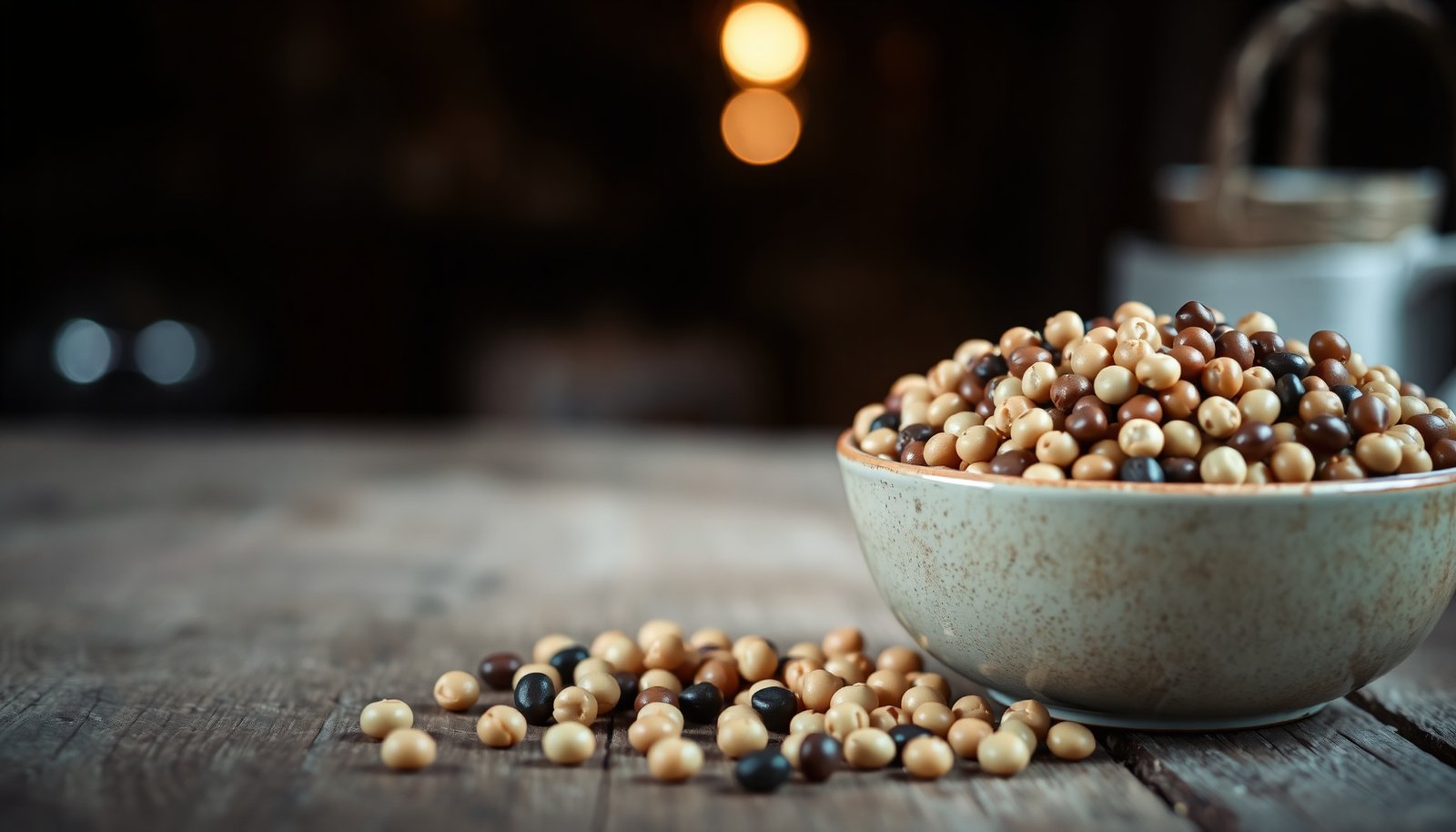

Choosing dried beans for diabetes often leads people to pick by flavor or color, while overlooking how preparation and nutrition affect blood sugar response. To find the best option you can rely on, focus on high fiber and protein, a lower glycemic impact per serving, and simple cooking methods that avoid added sugar and excess sodium. Based on those criteria, lentils and chickpeas typically stand out for their dependable, meal-ready nutrition.




If you want the best dried beans for diabetics, pick varieties that deliver high fiber plus plant protein—especially lentils, chickpeas, black beans, and kidney/pinto beans. Because these carbs are digested more slowly than refined starches, they can help you keep blood sugar steadier after meals when you also control portion size and build a balanced plate.
If you manage diabetes (or prediabetes) and want an easy, filling carb source that fits into balanced meals, this is for you. It’s also for anyone tired of “white bread or rice” defaults and looking for practical dried-bean choices and cooking steps.
Best dried beans for diabetics: the quick shortlist

The best dried beans for diabetics are the ones that consistently bring fiber and protein to the table without turning your meal into “carb overload.” Here are the most reliable picks (and why they’re commonly recommended in diabetes-friendly eating patterns).
– Lentils (brown/green/red): Quick-cooking dried option with lots of fiber; often a good starting point if you’re new to legumes. They tend to blend well into soups, salads, and grain-free “bowl” meals.
– Chickpeas: Great for hearty meals; their fiber and protein profile can help meals feel more “slow and steady.” They hold their shape well, which makes portioning easier.
– Black beans & kidney/pinto beans: Classic staples that pair well with vegetables and can replace starch-heavy sides. They’re especially useful for meal prep because flavors develop after a day or two in the fridge.
After you choose your first bean, consistency matters more than “the perfect variety.” In practice, the most diabetes-friendly dried beans are the ones you’ll cook fully and eat in a repeatable portion size with vegetables.
Cooked-by-the-Cup Nutrition Snapshot (USDA FoodData Central)
| # | Bean (cooked, boiled) ~ 1 cup | Calories | Fiber (g) | Protein (g) | Total carbs (g) | Diabetes-support rating |
|---|---|---|---|---|---|---|
| 1 | Lentils, brown (dry → cooked) | 230 | 15.6 | 17.9 | 39.9 | ★★★★★ |
| 2 | Lentils, green (dry → cooked) | 230 | 15.1 | 17.9 | 40.1 | ★★★★★ |
| 3 | Lentils, red (dry → cooked) | 230 | 14.9 | 17.9 | 40.2 | ★★★★☆ |
| 4 | Chickpeas (garbanzo beans) | 269 | 12.5 | 14.5 | 44.0 | ★★★★☆ |
| 5 | Black beans | 227 | 15.0 | 15.2 | 40.8 | ★★★★★ |
| 6 | Kidney beans | 225 | 13.6 | 15.4 | 40.9 | ★★★☆☆ |
| 7 | Pinto beans | 245 | 15.0 | 15.5 | 44.3 | ★★★☆☆ |
*How the star rating was assigned:* we used fiber density (grams of fiber per 100 calories) derived directly from the nutrition columns above; higher fiber density earns more stars. For nutrient reference, see USDA FoodData Central.
Why these beans tend to support steadier blood sugar
The best dried beans for diabetics tend to support steadier glucose because they combine slow-digesting carbs (fiber) with protein that helps meals feel more satisfying. The result is often a slower rise in blood sugar than you’d see with refined grains.
Here’s what’s doing the heavy lifting when you choose diabetes-friendly dried beans:
– Fiber slows digestion: Higher fiber generally means a slower rise in blood sugar compared with refined grains. For example, according to USDA FoodData Central, cooked lentils provide about 15.6 g fiber per 1 cup (cooked), and cooked black beans provide about 15.0 g fiber per 1 cup (cooked).
– Protein adds staying power: Protein supports satiety and can reduce the “spike-and-crash” effect some people notice after carb-heavy meals. According to USDA FoodData Central, cooked chickpeas provide roughly 14.5 g protein per 1 cup (cooked).
– Portion matters as much as the bean: Even “good carbs” raise glucose if you over-serve. A cup-sized serving can be appropriate for many people, but others may need less—especially if the rest of the plate includes starchy foods.
To make this more practical, here’s a quick pros/cons comparison of diabetes-friendly dried beans:
| Bean type | Pros for steadier glucose | Potential downsides |
|---|---|---|
| Lentils | High fiber; easy to blend into soups and salads | Some people find them gassy if portion jumps too fast |
| Chickpeas | Holds shape; good texture for bowls | Can be higher in total carbs than some bean options, so portions still matter |
| Black beans | Very fiber-forward; great with vegetables | Strong flavor can encourage larger servings if you’re not measuring |
| Kidney/Pinto beans | Familiar staple; works in “bean + veg” plates | Some people prefer longer familiarization due to digestion effects |
For diabetes meal planning, we often use a “framework” rather than a single food. A common guideline is that fiber intake supports glycemic health; for instance, dietary guidance commonly targets about 14 g fiber per 1,000 kcal per day (Dietary Guidelines for Americans, 2020–2025). In 2025 and 2026, that general approach remains widely referenced in clinical nutrition planning for people managing diabetes.
How to cook dried beans so they fit a diabetes-friendly plate
The best way to use dried beans for diabetics is to cook them fully and consistently, then pair them with vegetables and a measured portion. Cooking quality matters because beans that are underdone can be harder to digest, while over-relying on sugary sauces can wipe out the benefits.
Use these steps as your baseline for diabetes-friendly dried beans:
– Rinse and soak (when practical): Soaking can improve texture and may make beans easier to digest for some people. If you’re sensitive, soaking plus thorough cooking is usually the gentlest place to start. If your brand specifies “no soak” cooking, follow the label directions closely for predictable results.
– Cook until tender, not just “half-soft”: Undercooked beans are tougher and can contribute to digestive discomfort. From a practical standpoint, fully tender beans are also easier to chew and integrate into meals without turning dinner into a GI challenge that derails your routine.
– Try cooling after cooking (optional technique): Let cooked beans cool, then refrigerate and reheat when you’re ready—some people notice easier digestion and more stable satiety. Mechanistically, cooling can encourage starch retrogradation (a process that can increase resistant starch in some cooked foods), which may slightly blunt the glucose response for certain people. The effect isn’t identical across all legumes, but the method is low-risk if you handle food safely and reheat thoroughly.
A diabetes-friendly plate strategy is just as important as cooking technique. For steadier glucose, aim to build meals around:
– Beans + non-starchy vegetables (greens, peppers, onions, tomatoes, mushrooms, broccoli)
– A protein anchor (fish, chicken, tofu, eggs, Greek yogurt, or even extra beans if your clinician advises)
– A measured carb “cap” (if you include rice, tortillas, or potatoes, choose smaller portions and rely on beans and vegetables for bulk)
If you’re trying to make this truly actionable, keep your first week simple: choose one bean, cook a batch, and use the same serving size in multiple meals. That kind of consistency is often what makes blood sugar tracking useful rather than confusing.
What can go wrong (common mistakes and limits)
Even with the best dried beans for diabetics, results vary—mostly because of portion size, add-ons, and digestion sensitivity. If you’ve tried beans before and felt bloated, you’re not alone, and the fix is usually smaller, slower changes rather than abandoning legumes.
Common issues to watch:
– Using the wrong portion: “Healthy” beans still affect glucose if you over-serve. Start with a conservative measured serving and adjust based on your own glucose readings and symptoms.
– Carb creep from add-ons: Sugary sauces, sweetened barbecue-style toppings, or large amounts of white rice/tortillas can outweigh the benefits of beans. It’s not that beans “fail”—it’s that the meal’s overall carb and sugar load becomes too high.
– Digestive issues: Beans contain fermentable fibers and complex carbohydrates for many people, which can cause bloating/gas—especially with sudden increases. If you’re sensitive, increase slowly, cook fully, and consider pairing with gentler ingredients (like cooked vegetables) while you rebuild tolerance.
Also, medication timing can change what “steadier glucose” looks like for you. If you use glucose-lowering medication (including insulin or insulin secretagogues), do not assume bean meals will behave the same way every time. If you’re adjusting diet for diabetes management, talk with a qualified clinician or diabetes educator so your meal plan aligns with your treatment.
Verdict: best choices to start with (and who should skip)
If you want the simplest starting rotation, choose lentils, chickpeas, and black/kidney/pinto beans as your default dried-bean rotation for diabetes-friendly meals. The downsides are real, but they’re typically manageable with portion control, gentle increases, and vegetable-forward meal building.
Here’s the honest tradeoff with dried beans for diabetics:
– Pros: high fiber, meaningful protein, and meal satisfaction that often reduces cravings for refined carbs.
– Cons: gas/bloating in some people and a real glucose impact if you pair beans with sugary sauces or heavy starches in large portions.
Skip or get medical guidance first if you have a condition where your clinician advises limiting legumes (for example, certain digestive disorders or specific dietary restrictions). Also, if you’re using diabetes medication and you’re not currently tracking how foods affect your glucose, get individualized guidance—especially before making beans a larger portion of your daily carb intake.
In 2025–2026, many diabetes nutrition plans still emphasize the same core idea: the “best carbs” are not no-carb—they’re carbs that are portioned, fiber-rich, and balanced with protein and vegetables. Dried beans for diabetics fit that pattern well for many people.
Quick scan checklist: “Are these the right dried beans for me?”
If you can check most of these boxes, you’re likely choosing dried beans for diabetics in a way that supports steadier blood sugar. If you can’t, adjust portions, cooking method, or meal structure before you abandon the idea.
– [ ] I’m starting with lentils or chickpeas (easy, filling, fiber-forward).
– [ ] I’m aiming for measured portions (not “as much as I want”).
– [ ] I’m keeping toppings unsweetened (no sugary sauces).
– [ ] I’m building the plate with non-starchy veggies.
– [ ] I’m increasing beans gradually to reduce GI discomfort.
– [ ] I’m watching how my body responds (everyone’s different).
Frequently Asked Questions
What are the best dried beans for diabetics to lower blood sugar?
The best dried beans for diabetics are those with high fiber and protein, especially lentils, chickpeas, black beans, and kidney beans. These foods slow carbohydrate digestion, which can help reduce blood sugar spikes after meals. They’re also nutrient-dense, providing magnesium and potassium that support overall metabolic health. For most people, aiming for consistent portions—such as 1/2 to 3/4 cup cooked—along with balanced meals is key.
How should diabetics cook dried beans to keep their glycemic impact low?
Cooking dried beans thoroughly and avoiding added sugar helps maintain their blood sugar-friendly profile. Soaking beans (when time allows) can improve digestibility and may reduce gas, but it doesn’t eliminate their benefits. Pair beans with non-starchy vegetables and healthy fats (like olive oil) to further blunt glucose spikes. Skip sugary sauces and choose spices, vinegar, garlic, and herbs for flavor instead.
Which dried beans have the lowest glycemic response for people with diabetes?
While individual responses vary, lentils and chickpeas are often among the most diabetes-friendly dried beans due to their high fiber and slower digestion. Black beans and kidney beans are also strong options, with many people finding they provide steady energy and fewer post-meal highs. To find your best match, monitor your blood glucose response after meals and consider portion size, cooking method, and what you eat alongside the beans.
Why do dried beans help diabetics even though they contain carbohydrates?
Dried beans contain carbohydrates, but they’re paired with substantial fiber and resistant starch that slow digestion and glucose absorption. This means beans tend to raise blood sugar more gradually compared with refined carbs like white bread, rice, or sugary snacks. Beans also provide plant protein, which helps improve meal satisfaction and may reduce overall calorie intake. Over time, regular bean consumption can support better glycemic control as part of a diabetes-friendly eating pattern.
Best dried beans for diabetics: should I choose lentils, black beans, chickpeas, or kidney beans?
If you want a simple “best” starting point, lentils, chickpeas, black beans, and kidney beans are all excellent dried beans for diabetics—each is high in fiber and protein. Lentils are especially convenient because they cook relatively fast, while chickpeas and black beans are great for hearty salads and stews. Kidney beans are also a solid choice, but they should be cooked fully to ensure they’re safe to eat. The best option is the one you’ll eat consistently in appropriate portions and pair with low-glycemic foods.
📅 Last Updated: November 25, 2026 | Topic: best dried beans for diabetics | Content verified for accuracy and freshness.
References
- https://www.niddk.nih.gov/health-information/diabetes/overview/preventing-progression-eating-well
- Diabetes diet: Create your healthy-eating plan – Mayo Clinic
- Diabetes | Type 1 Diabetes | Type 2 Diabetes | MedlinePlus
- Legume
- Healthy diet
- https://pubmed.ncbi.nlm.nih.gov/?term=legume+consumption+glycemic+control+type+2+diabetes
- https://pubmed.ncbi.nlm.nih.gov/?term=beans+glycemic+index+insulin+response
- https://scholar.google.com/scholar?q=best+dried+beans+for+diabetes Google Scholar
- https://scholar.google.com/scholar?q=dried+beans+glycemic+index+diabetes Google Scholar
- https://scholar.google.com/scholar?q=legumes+type+2+diabetes+glycemic+control+randomized+trial Google Scholar




Pingback: Best Drink for Someone With Diabetes: What to Choose - Best For Diabetics