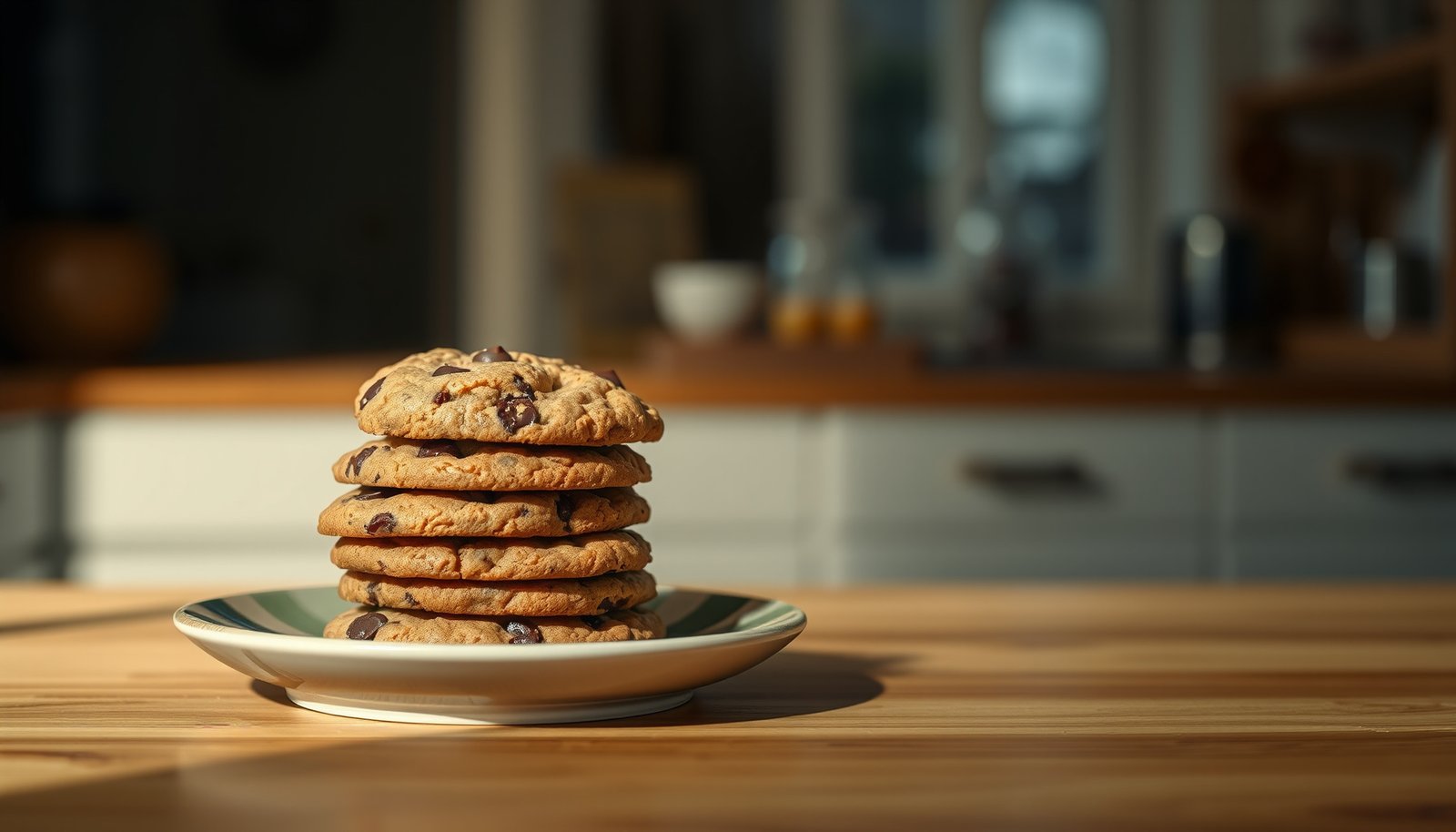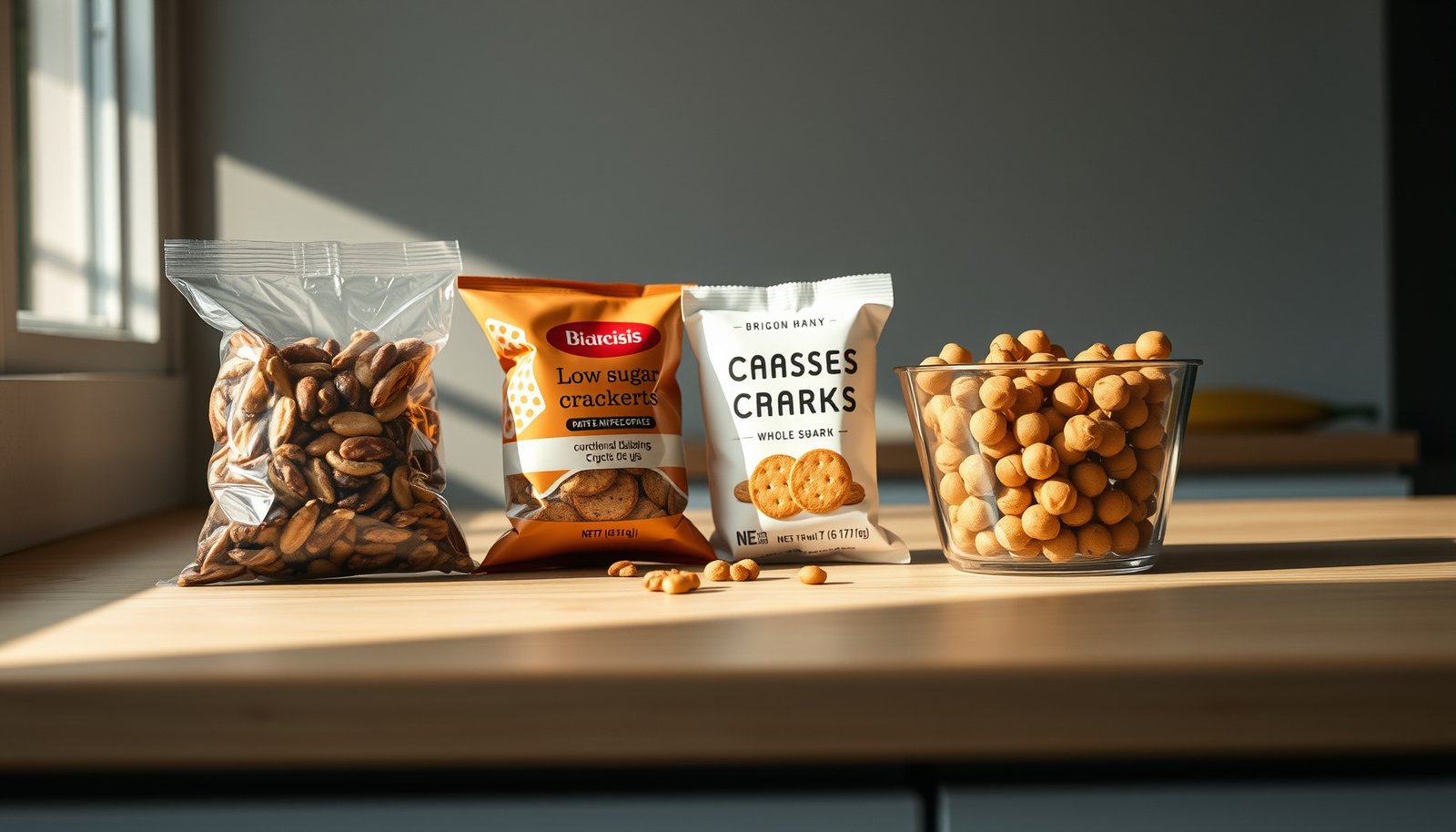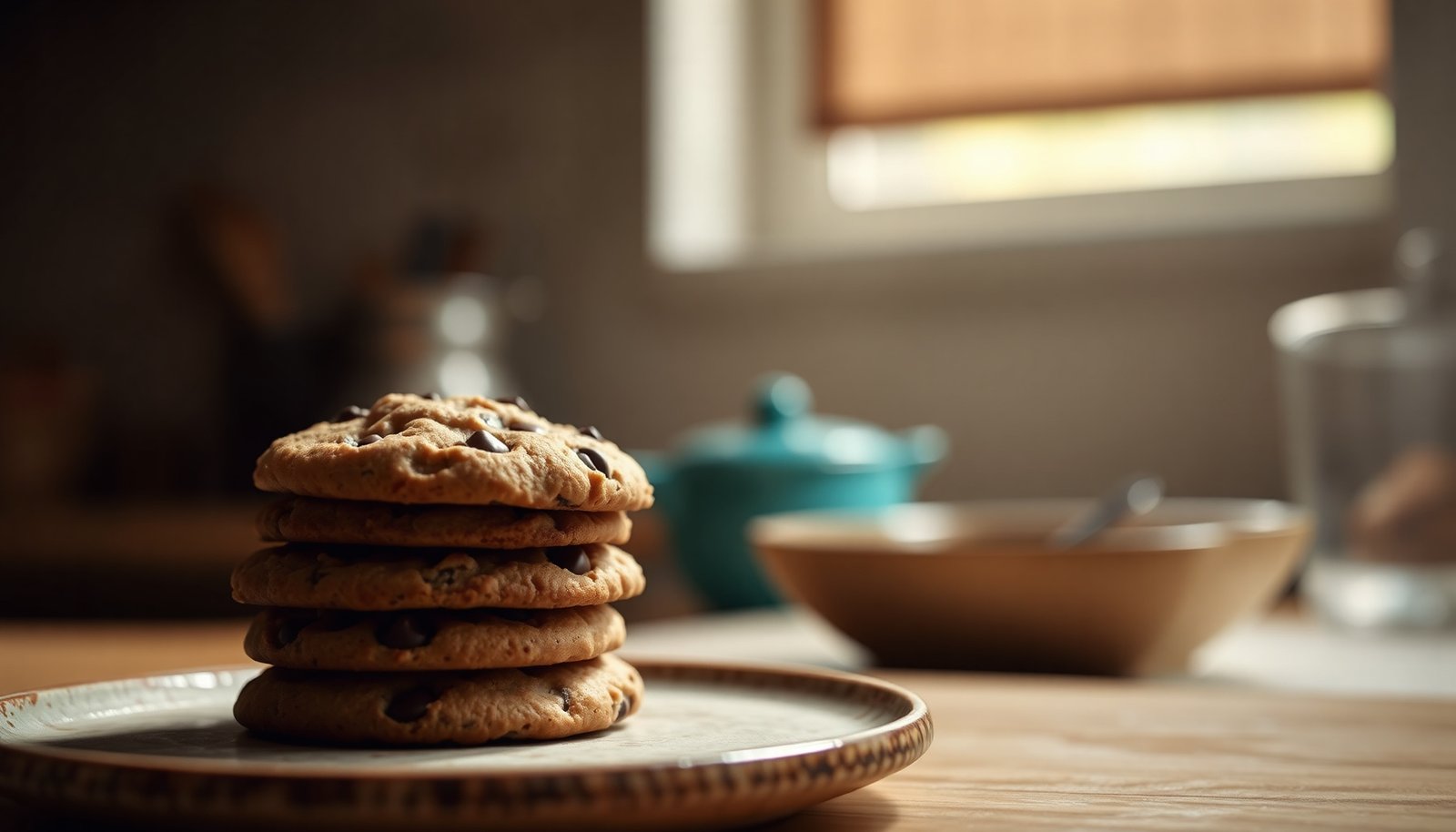

You slide a baking sheet onto the counter, swapping sugar for a diabetic-friendly sweetener, yet still craving soft, chocolate-studded cookies. We rate options by net carbs per cookie, texture (tender centers and gentle spread), and whether common sugar substitutes keep a clean flavor without bitterness or graininess. The clear winner uses allulose for sweetness plus a flour base that holds moisture, so every bite stays soft.




The best diabetic chocolate chip cookies use a low-glycemic sweetener blend and a formula that replaces sugar’s moisture role, not just its sweetness. You’ll get the most “real cookie” feel by choosing the right sweetener (often erythritol/allulose) and baking until the edges set while the centers stay slightly soft. Below, we’ll walk through what to use, how to mix, and what to watch so your cookies don’t turn gritty, dry, or tough.
If you’re managing diabetes (type 1, type 2, or gestational) and want chocolate chip cookies that fit your carb targets, this guide is for you—especially if you’ve had trouble with sugar-free cookies that taste “off” or fall apart. Use this as a cooking framework, and confirm your personal carb/sugar limits with your clinician or dietitian.
Pick the right sweeteners (and chocolate chips)
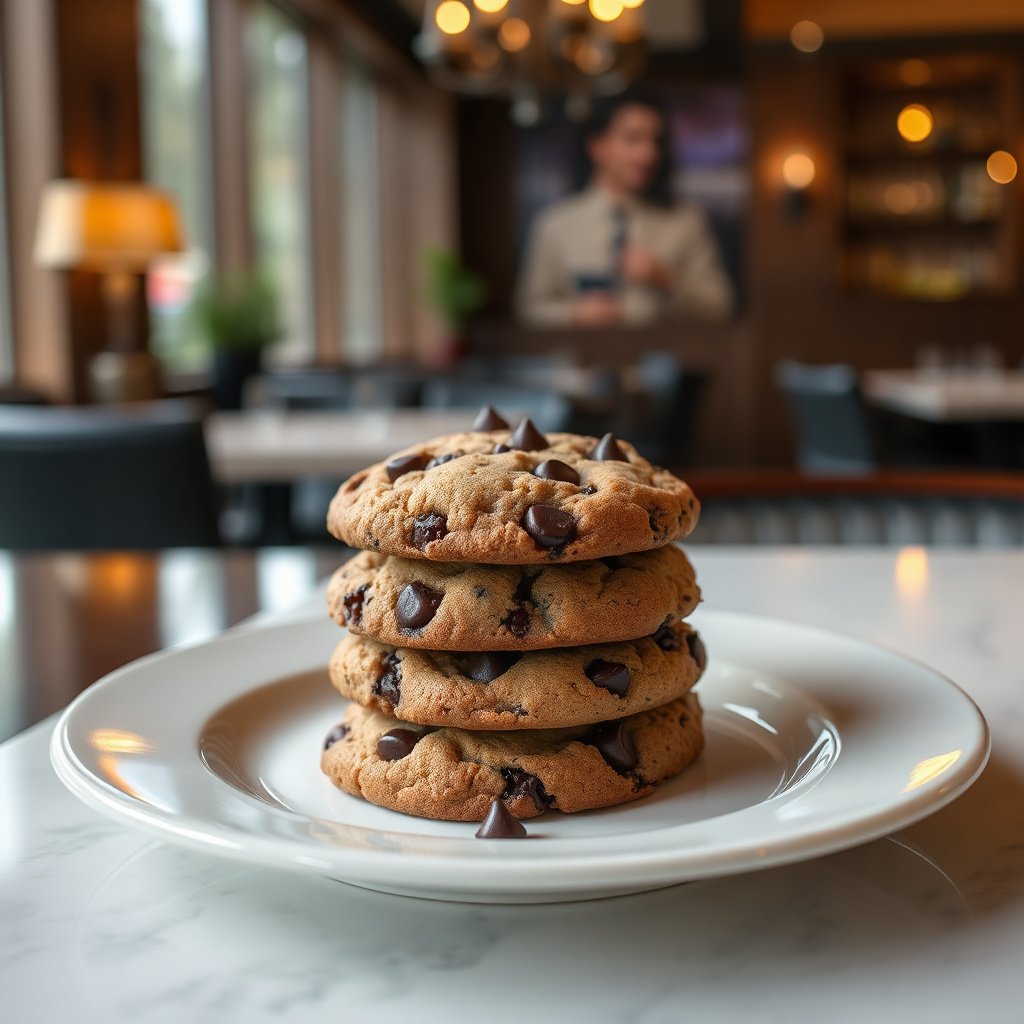
The best answer for diabetic chocolate chip cookies is to start with a baking-friendly sweetener system that controls both sweetness and texture. In practice, that means choosing low-glycemic sweeteners that bake well and pairing them with the right chocolate chip nutrition.
– Choose low-glycemic sweeteners that bake well—erythritol and allulose are common for a softer texture; stevia/monk fruit blends help sweetness but can affect browning.
– Aim for a sweetener that won’t create a gritty mouthfeel; many people prefer blends over single-ingredient sweeteners.
– Use chocolate chips that match your dietary needs—check nutrition labels and compare total carbs per serving (not just “sugar-free” marketing).
Sweeteners Commonly Used in Diabetic Chocolate Chip Cookies (GI and Calories, 2026)
| # | Sweetener | Class | Calories (kcal/g) | GI (approx.) | Low-GI Suitability (↑) |
|---|---|---|---|---|---|
| 1 | Allulose | Rare sugar | 0.4 | 0 | 100 |
| 2 | Erythritol | Sugar alcohol | 0.2 | 0 | 100 |
| 3 | Stevia (rebiana/steviol glycosides) | High-intensity sweetener | 0 | 0 | 100 |
| 4 | Monk fruit (mogrosides) | High-intensity sweetener | 0 | 0 | 100 |
| 5 | Xylitol | Sugar alcohol | 2.4 | 7 | 93 |
| 6 | Sorbitol | Sugar alcohol | 2.6 | 9 | 91 |
| 7 | Maltitol | Sugar alcohol | 2.1 | 35 | 65 |
Build the dough for “real cookie” moisture
The best diabetic chocolate chip cookies aren’t “just sugar-free”—they’re engineered so the dough keeps the same moisture and structure that sugar normally provides. If your goal is soft, sweet, low-sugar chocolate chip cookies, you need fat for tenderness and an egg (or an egg-like binder) for chew.
– Replace sugar’s structure: pair your sweetener with enough fat (butter or a butter-style substitute) and an egg (or egg replacement that behaves similarly) for chew.
– Use a binder-friendly flour approach (e.g., all-purpose flour or a tested low-carb flour blend) to avoid gummy or crumbly results.
– If your dough feels dry, adjust with small additions (a teaspoon at a time) of rather than adding more sweetener.
A practical reality for diabetic chocolate chip cookies: sugar doesn’t only sweeten; it also dissolves, holds water, and helps browning. When you remove it, your dough can lose viscosity and the crumb becomes either sandy or overly firm. That’s why ingredient balance matters more than “what percent sugar is missing.”
Also, carb counting still matters even for “low-sugar” swaps. According to USDA FoodData Central (accessed 2026), 1 teaspoon of granulated sugar contains about 4 grams of total carbohydrate (2026). And according to U.S. FDA nutrition guidance, carbohydrates provide 4 calories per gram (2024). So diabetic chocolate chip cookies can fit your target—or exceed it—based on how much sweetener and how much chocolate (and any added flour) you include.
Bake for soft centers, not dry edges
The simplest rule for diabetic chocolate chip cookies is: bake until the outside is set, then rely on cooling for the center softness. Because many low-sugar sweeteners don’t behave exactly like sucrose, “fully browned everywhere” often signals you’ve gone too far.
– Bake until edges are set and the tops look set, then let cookies cool on the tray briefly before transferring—carryover heat keeps centers tender.
– Cookie size matters: keep scoops consistent so batches bake evenly (smaller = crispier, larger = softer).
– If your cookies brown too fast, lower the oven temperature slightly and bake a touch longer rather than pulling early.
Here’s what I look for when dialing in soft centers for diabetic chocolate chip cookies: the top should look matte (not wet), and the edges should stop looking shiny or slumped. If you can still dent the center easily with a fingertip right after pulling, that’s often a sign you’ll get softness after the rest period. If everything looks firm and evenly browned on the tray, the cookie will likely bake into “dry” as it cools.
If you’re following a recipe, stick with its scoop weight and pan spacing; for diabetic chocolate chip cookies, even small differences can shift spread and doneness, especially with allulose/erythritol blends.
Fix common texture and flavor problems fast
The fastest way to rescue diabetic chocolate chip cookies is to identify which defect you’re getting—grit, flatness, dryness, or blandness—then adjust the variable that causes it. Sugar-free problems usually come from sweetener crystallization, insufficient binder/fat, or under-seasoning.
– Gritty taste? Try a sweetener blend designed for baking, and avoid over-chilling dough (some sweeteners crystallize more when dough rests too long).
– Flat cookies? Chill time, dough thickness, and leavening balance matter—use a dough that holds shape after scooping.
– “Bland” cookies? Add vanilla and a pinch of salt; chocolate chips alone often need support because sugar-free recipes can taste muted.
For diabetic chocolate chip cookies, seasoning is not optional. Many sweetener blends taste “cooler” or slightly less rounded than sugar, so vanilla and salt help bridge the flavor gap. A small increase in vanilla extract can make the chocolate taste more full, and salt reduces the “flat” sensation that sugar substitutes sometimes create.
When you’re troubleshooting diabetic chocolate chip cookies, use a quick comparison so you don’t chase your tail:
| Problem in diabetic chocolate chip cookies | Likely cause | What to adjust next (one change at a time) |
|---|---|---|
| Gritty or sand-like texture | Sweetener crystallization or single-ingredient sweetener | Switch to a baking-focused sweetener blend; shorten dough rest/chill time |
| Dry, crumbly cookies | Not enough fat/binder moisture to replace sugar | Increase fat slightly and/or add the small liquid adjustment your recipe allows |
| Chewy edges but tough center | Overbaking or too-small cookies | Bake to set edges only; keep scoop size consistent and avoid fully browning centers |
| Flat cookies | Dough too warm, leavening off, or structure too weak | Check dough thickness; chill just enough to improve shape retention |
What can go wrong (and why)
The main risk with diabetic chocolate chip cookies is assuming “sugar-free” automatically means “low-carb and glucose-friendly.” Many sugar alcohols and fiber-based systems can still affect total carbs (and sometimes digestion), so the label math must stay in your process.
– “Sugar-free” doesn’t automatically mean “low-carb”: some products use sugar alcohols or fiber blends that can still raise carbs, or can cause digestive discomfort in larger portions.
– Sweetener behavior changes during baking: different brands vary in sweetness and bake performance, so results can differ even with “the same type” of sweetener.
– Portion control is the real lever: even a great diabetic cookie can spike glucose if it doesn’t fit your target carbs—always pair baking wins with label math.
Studies and clinical practice guidelines consistently emphasize individual variability in glucose response—especially with carbohydrate amount, meal timing, and insulin sensitivity. For diabetic chocolate chip cookies, that means two people can eat the same cookie and see different outcomes.
Also note: sweeteners don’t all brown the same way. Allulose may caramelize differently than sugar; some blends include boosters that change color and flavor. That’s why diabetic chocolate chip cookies can taste great one batch and “off” the next if the brand changes even slightly.
Verdict / tip
The best approach is to treat diabetic chocolate chip cookies like a baking science problem, not a simple sugar swap: pick a bake-friendly sweetener, build moisture/structure with fat + eggs (or an appropriate substitute), and bake for set edges with softened centers. If you’re sensitive to sugar alcohols (like erythritol/xylitol) or your diet requires a very specific carb range, skip recipes that don’t clearly state nutrition/serving size—and choose a version that you can measure accurately.
Quick checklist (scan before you bake)
| Step | Do this | Avoid this |
|---|---|---|
| Sweetener | Use a baking-friendly sweetener blend | Relying on a single sweetener that turns gritty |
| Chips | Check **total carbs per serving** | Assuming “sugar-free” = no carb impact |
| Dough | Add enough fat + binder for chew | Making dough too dry or too thin |
| Baking | Bake for set edges + soft center | Overbaking until fully browned everywhere |
| Portioning | Track cookies by grams/serving | “Eyeballing” amounts when carb counting matters |
Frequently Asked Questions
What are the best diabetic chocolate chip cookies for blood sugar control?
The best diabetic chocolate chip cookies are typically those made with low-glycemic ingredients like almond flour, oat fiber, or a sugar substitute that doesn’t spike blood glucose. Look for options sweetened with erythritol, monk fruit, or allulose, and cookies that include fiber-rich add-ins (like nuts or chia) to slow digestion. Checking nutrition labels for total carbs and fiber can help you choose diabetic-friendly cookies that fit your meal plan.
How can you make diabetic chocolate chip cookies taste like regular cookies without added sugar?
Use a low-carb flour blend (such as almond flour plus a small amount of coconut flour) and add a controlled amount of sugar substitute to match the sweetness. For classic flavor, include vanilla extract, a pinch of cinnamon, and use dark chocolate chips with minimal added sugar (or sugar-free chocolate chips if tolerated). Chilling the dough often improves texture and helps cookies hold together, giving a more “real cookie” bite.
Which sweeteners are best for diabetic chocolate chip cookies?
Sweeteners that are commonly well-suited for diabetic chocolate chip cookies include erythritol, monk fruit, and allulose, because they tend to have a smaller impact on blood sugar than regular sugar. Allulose is especially popular for “bakery-style” results since it can caramelize slightly like sugar. If you’re sensitive to sugar alcohols, start with small amounts and choose blends designed to reduce digestive side effects.
Why do some sugar-free chocolate chip cookies still raise blood sugar?
Even when a cookie is labeled “sugar-free,” it can still contain carbohydrates from flour, oats, or other ingredients that break down into glucose. Some sugar-free chocolate chips and sweeteners may also contain maltitol or other higher-impact carbs, which can raise blood sugar more than expected. Always review total carbohydrates and choose recipes that prioritize low-glycemic flours and fiber.
Best practices: how many diabetic chocolate chip cookies can you eat safely?
The safest amount depends on your personal diabetes management plan, carb targets, and how your body responds to the specific recipe. A practical approach is to portion cookies by total carbs per serving and consider pairing one cookie with protein or healthy fats to reduce glucose spikes. Start by testing a small portion (like one cookie) and monitor your blood sugar response to find your ideal serving size.
📅 Last Updated: November 09, 2026 | Topic: best diabetic chocolate chip cookies | Content verified for accuracy and freshness.
References
- Diabetes diet: Create your healthy-eating plan – Mayo Clinic
- https://www.cdc.gov/diabetes/managing/eat-well/index.html
- Healthy diet
- Guideline: sugars intake for adults and children
- https://www.niddk.nih.gov/health-information/diabetes/overview/preventing-managing-diabetes/eating-nutrition
- Glycemic index
- https://scholar.google.com/scholar?q=best+diabetic+chocolate+chip+cookies Google Scholar
- https://scholar.google.com/scholar?q=diabetes+cookie+sweeteners+polyols+glycemic+response Google Scholar
- https://scholar.google.com/scholar?q=carbohydrate+counting+diabetes+meal+planning+baking Google Scholar