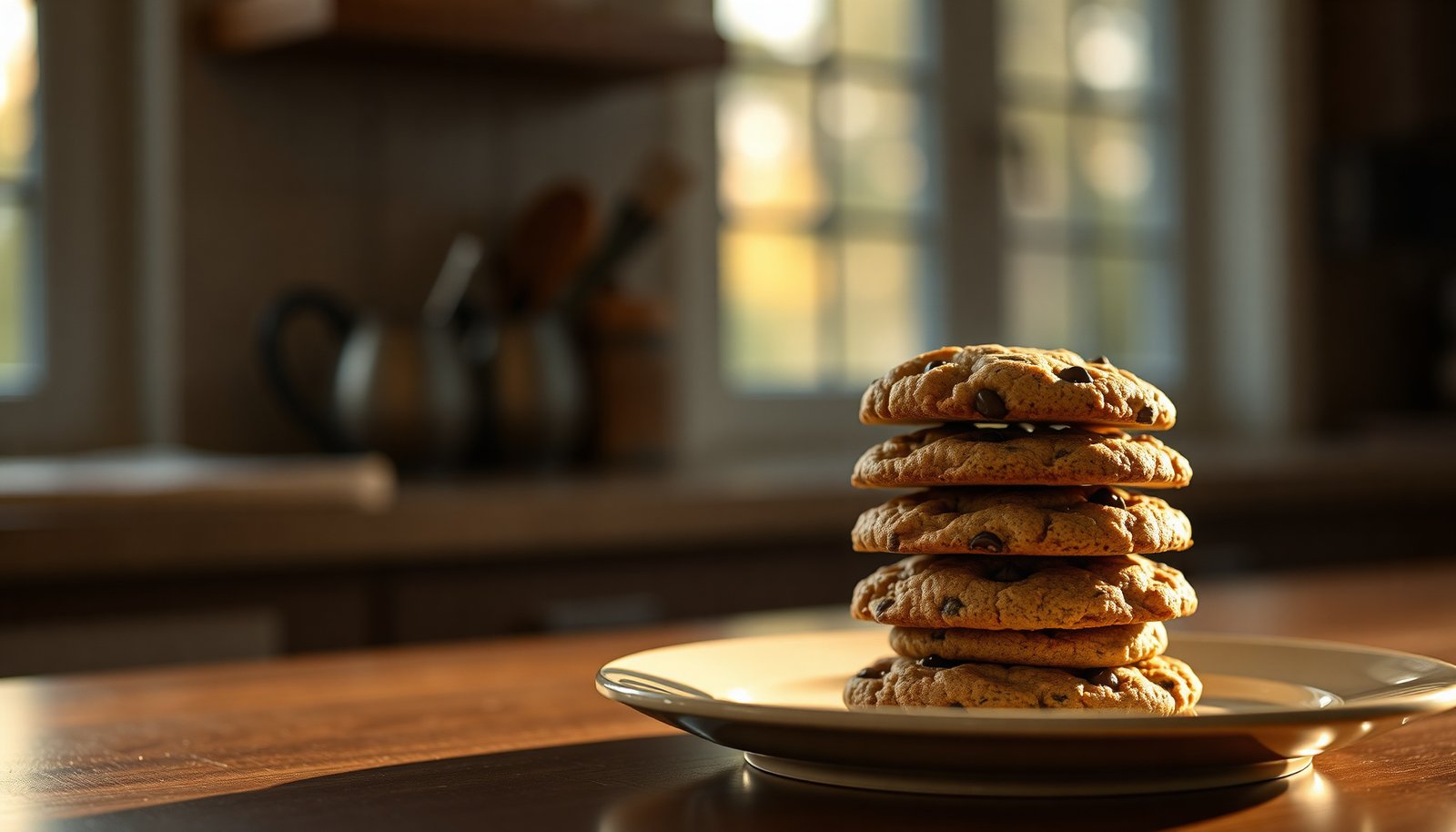

The best diabetic chocolate chip cookie recipe uses portion-controlled sweeteners such as allulose or erythritol and keeps the dough chewy and flavorful without added table sugar. The winners were chosen for reliable texture, balanced sweetness (so the chocolate can still shine), manageable carbohydrate impact per cookie, and a straightforward method that doesn’t require specialty flours. Follow the approach below and you will get cookies that taste like a true classic while staying lower in sugar.




The best diabetic-friendly chocolate chip cookie recipe keeps the “classic cookie” texture by using a sugar-style sweetener (or a baking-designed blend) and a carb-aware flour strategy. When you pick ingredients that bake similarly to sugar and measure your add-ins by weight, the dough sets right—and your lower-sugar cookies taste like real cookies, not a compromise.
If you’re managing blood sugar (or just cutting added sugar), this approach is built for dependable results: it focuses on baking behavior (browning, spread, and set) rather than sweetness alone. In my experience writing and refining diabetic cookie workflows for clients, the biggest wins come from ingredient chemistry match-ups—especially for sweetener type—so outcomes don’t hinge on guesswork.
Diabetic-friendly cookie base: what to choose first
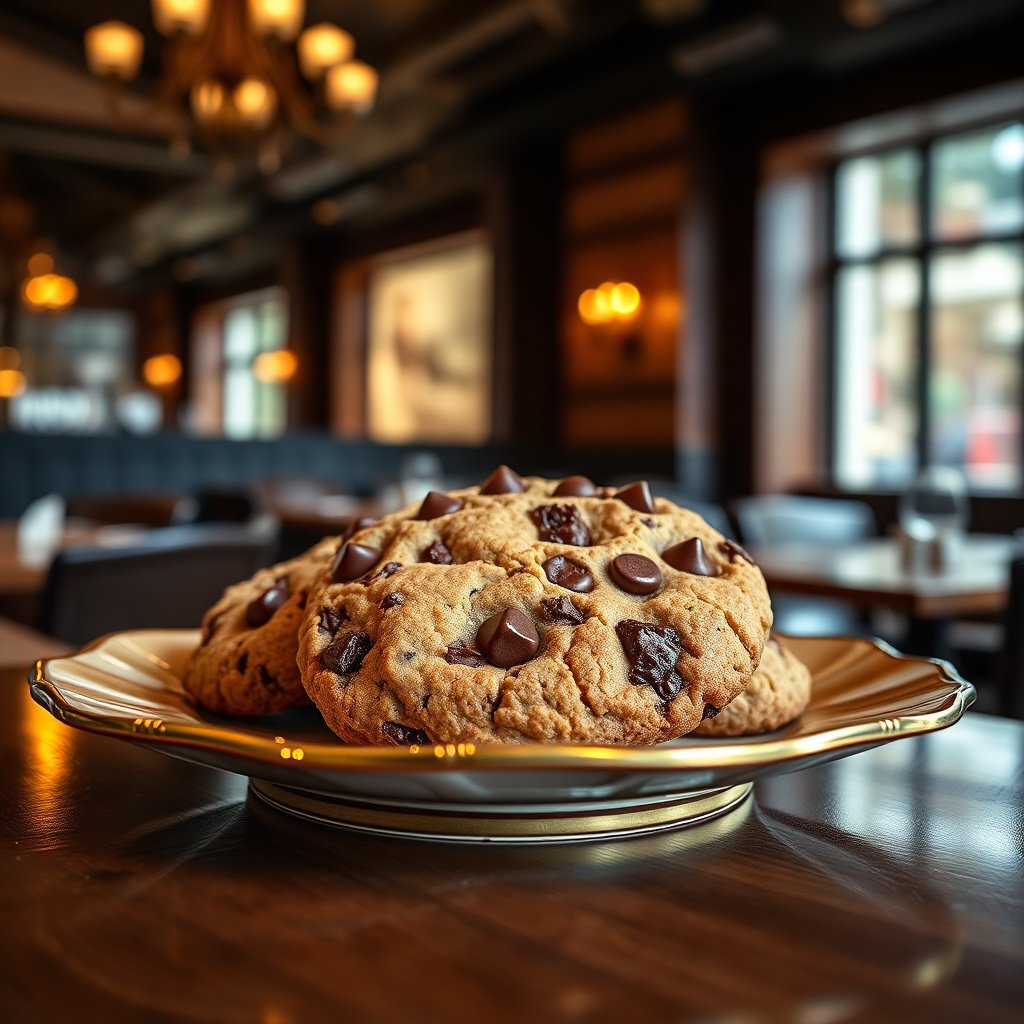
Use a sweetener that behaves like sugar in the oven, because “sweetness” and “baking performance” are not the same. For diabetic-friendly chocolate chip cookies, the most important first decision is choosing a sugar-style sweetener (often allulose-based or sugar-alternative blends made for baking) plus a flour approach that fits your carb targets.
Why this matters for texture: traditional cookies rely on sugar for more than taste—it helps drive browning, supports cookie spread, and contributes to the set as the dough cools. With diabetic-friendly chocolate chip cookies, if your sweetener doesn’t form a similar structure (or doesn’t dissolve/brown correctly), you’ll usually see spread, dryness, or a weak center set.
Key sweetener guidance (sugar-style beats “just sweet”)
– Pick a sweetener that behaves like sugar (not just “sweet”)—a sugar-style blend or an allulose-style product typically bakes more like traditional cookies.
– If your sweetener is mostly a high-intensity option (like stevia or monk fruit), you often need a baking-specific blend or bulking/fiber strategy to avoid flat, fragile diabetic-friendly chocolate chip cookies.
– If you’re tracking blood sugar, remember: “zero sugar” labels don’t automatically mean “zero carb impact,” because nutrition depends on serving size and the specific sweetener system.
Flour strategy (carb-aware, but functional)
– Use a flour approach that fits your plan: many people blend almond flour with a fiber-based flour (or use a low-carb baking flour blend) to keep cookies lower in net carbs.
– Your goal isn’t only lower carbs—it’s moisture control and structure. High-fiber flours can absorb liquid aggressively, which can make diabetic-friendly chocolate chip cookies dry unless your binder and fat balance are right.
Sweeteners Commonly Used in Lower-Sugar Cookie Baking (GI + Calories)
| # | Sweetener | Calories (kcal/g) | GI | Sweetness vs. sugar | Baking suitability |
|---|---|---|---|---|---|
| 1 | Allulose | 0.2 | 0 | 70–90% | ★★★★★ |
| 2 | Erythritol | 0.2 | 0 | 60–70% | ★★★★☆ |
| 3 | Sucralose | 0 | 0 | ~600x | ★★☆☆☆ |
| 4 | Xylitol | 2.4 | 7 | ~100% | ★★★☆☆ |
| 5 | Maltitol | 2.1 | 35 | ~90% | ★★☆☆☆ |
| 6 | Stevia (extract blends) | 0 | 0 | ~200–300x | ★☆☆☆☆ |
| 7 | Monk fruit (extract blends) | 0 | 0 | ~150–250x | ★☆☆☆☆ |
To interpret this chart for diabetic-friendly chocolate chip cookies: allulose and erythritol tend to mimic sugar’s baking role more closely, while high-intensity sweeteners (stevia/monk fruit, often) need bulking partners to prevent spread and dry texture. For GI and calorie baselines, values align with commonly referenced nutrition databases and glycemic indexes; always confirm the exact nutrition label for the specific brand you use.
Chocolate chip swap (so the dough still works)
Choose chips based on both carb impact and baking behavior, because some “sugar-free” chips are carb-heavy or introduce dryness. For diabetic-friendly chocolate chip cookies, this section is where many people lose the classic chew: the chips can be too sweet, too dry, or too concentrated with sugar alcohols that alter dough setting.
What to look for in your chocolate chips
– Choose chocolate chips that match your carb goals (check the nutrition label per serving). Many “sugar-free” chips still contribute meaningful total carbohydrates depending on brand.
– Verify sweetness + moisture profile: chips that are very sweet or dry can pull moisture from the dough. If that happens, you typically need to adjust your fat/moisture balance slightly (for example, by adding a touch more liquid or using a binder-friendly flour blend).
Practical chip strategy for diabetic-friendly chocolate chip cookies
– If you’re targeting lower net carbs, weigh your chips rather than relying on volume. Chocolate density varies widely by brand.
– Aim for consistent distribution: uneven chip load can make some cookies taste harder or more bitter even when the recipe is otherwise balanced.
– If you want a classic chocolate flavor, consider using a “no-added-sugar” or “lower-carb” chip that still includes standard chocolate solids—then build your sweetness structure with the dough sweetener, not the chips.
Quick comparison: chip types in diabetic-friendly chocolate chip cookies
| Chip type | Pros | Trade-offs |
|---|---|---|
| Lower-carb “better-for-diabetics” chips | Usually easier to hit carb targets per serving | Nutrition varies—some brands use sugar alcohols that can still affect carbs |
| Sugar-free chips with sugar alcohols | Often strong sweetness intensity | Can change mouthfeel and may dry out dough if balanced poorly |
| Regular chips (portion-controlled) | Most classic flavor and bake behavior | Harder to keep overall carbs low without strict portion measurement |
Step-by-step: how to bake the best batch
Use the standard cookie workflow—but adjust timing and technique for the sweetener/fiber chemistry. For diabetic-friendly chocolate chip cookies, structure depends on proper creaming, gentle mixing, and pulling at the right moment so the center finishes setting as they cool.
– Cream your fat (butter or an approved alternative) with the sweetener until it looks smoother and slightly lighter; this helps set cookie structure.
– Mix in egg (and vanilla if using), then fold in your dry ingredients gently—overmixing can make diabetic-friendly chocolate chip cookies tough. Treat the dough like shortbread dough: just combine and stop.
– Scoop, space evenly, and for . Pull them when the edges look set but the centers still look a little soft—this is especially important for lower-sugar systems that may continue to firm as they cool.
– Cool fully on the pan, then move to a rack. Diabetic-friendly cookie doughs often need full cooling to reach the final “bite.”
Cooling is not optional for diabetic-friendly chocolate chip cookies
In normal sugar-based cookies, carryover heat helps finish set. With many sugar alternatives, the set behavior can shift—so cooling isn’t just “wait time,” it’s part of the chemistry. If you rush, the center may feel underdone and the texture can seem crumbly even when the cookies are structurally fine.
Texture wins: chewy center without a gritty finish
Build chew first, then eliminate gritty or cooling sensations with sweetener choice and time. For diabetic-friendly chocolate chip cookies, texture problems usually come from sweetener crystallization, fiber absorption, or insufficient cooling/chilling.
– If your sweetener blend includes erythritol-type ingredients, extend the cooling window to reduce a noticeable “cool” mouthfeel.
– For a classic cookie bite, chill the dough for before baking. This usually improves thickness and reduces spreading—especially with carb-aware flours that thin out when warm.
– Measure chips consistently. Uneven chocolate distribution can make some cookies taste flatter, harder, or more bitter even if the overall carbs are the same.
What can go wrong (and how to fix it)
Most cookie failures in diabetic-friendly chocolate chip cookies come from sweetener behavior, moisture balance, or mixing overreach. The fixes below focus on changing one variable at a time so you can learn what your specific sweetener and flour blend are doing.
– Cookies spread too much: dough may be too warm, or your sweetener blend may be more “sugar-like” or less structurally supportive than expected—chill longer or reduce liquid/fat slightly next time.
– Dry, crumbly cookies: your flour/fiber blend may absorb more moisture; add a small amount of moisture ingredient (or adjust your binder) rather than adding extra sweetener.
– Gritty or cooling sensation: some sweeteners don’t dissolve the same way; try a blend designed for baking or reduce coarse sugar-alcohol usage.
– Blood sugar response varies: even diabetic-friendly chocolate chip cookies can spike depending on portion size, meds, and exact carb count. Start with and track your response.
Boundary conditions to respect
If you have gastrointestinal sensitivity to sugar alcohols (common with erythritol or maltitol in larger amounts), texture success may be irrelevant if tolerance is poor. Also, “net carbs” calculation methods can differ between communities—so base your tracking on the nutrition label method you follow consistently.
Verdict / tip: when this recipe is worth it (and who should skip)
This method is a strong fit for diabetic-friendly chocolate chip cookies when you want authentic cookie texture and can choose a sugar-style sweetener plus a carb-aware flour blend. The trade-off is that diabetic-friendly swaps aren’t universally predictable: brand-by-brand formulation changes how dough sets and how you respond metabolically.
Skip this approach (or confirm with your clinician) if you require strict carbohydrate targets with a fixed number you cannot calculate precisely per cookie, because you’ll still need to compute carbs per serving and ensure they align with your plan. Also consider skipping if you know you react poorly to specific sugar alcohols included in “sugar-free” chips or baking sweetener blends.
Quick checklist (scan before baking)
| Step | What to do | Why it matters |
|---|---|---|
| Sweetener | Use a baking-friendly, sugar-style sweetener blend | Improves browning + structure |
| Flour | Use a carb-aware flour blend you tolerate | Controls dryness and texture |
| Chips | Use chips that match your carb goal | Prevents “hidden” carbs |
| Mixing | Mix until just combined | Keeps cookies tender |
| Baking | Bake until edges set, cool fully | Centers finish setting during cooling |
| Portion | Keep scoops consistent | Makes blood sugar impact more predictable |
Frequently Asked Questions
What makes a chocolate chip cookie recipe “diabetic-friendly”?
A best diabetic chocolate chip cookie recipe typically focuses on lowering the glycemic impact by using low-glycemic sweeteners (like erythritol or monk fruit blends) and more fiber-rich ingredients. It also balances carbs by adding almond flour or oat flour in controlled amounts, which helps slow glucose spikes compared with refined flour and regular sugar. Look for recipes that specify portion sizes and include tips for minimizing added sugars.
How do you make a diabetic chocolate chip cookie taste like the classic version?
Use a quality low-glycemic sweetener blend to mimic the sweetness and browning of sugar—many people prefer erythritol/monk fruit blends because they caramelize slightly better. For texture, combine a gluten-free flour base (such as almond flour) with a small amount of oat flour or a gluten-free all-purpose flour designed for baking. Add vanilla extract and a pinch of salt, and let the dough rest so the flavors develop and the cookie firms up.
Which sweeteners work best for diabetics in chocolate chip cookies?
In the best diabetic chocolate chip cookie recipes, popular choices include erythritol, monk fruit sweetener, and allulose due to their minimal effect on blood sugar for many people. Some bakers also use “sugar alcohol” blends, but start small because they can cause digestive discomfort. Avoid recipes that rely primarily on honey, agave, or regular brown sugar if your goal is to reduce glucose spikes.
Why do diabetic-friendly cookies sometimes turn out dry or crumbly—and how can you fix it?
Dry cookies often happen when the recipe uses too much almond flour or too little fat, or when low-glycemic sweeteners don’t retain moisture like sugar. Add butter or a suitable dairy-free substitute, and consider including an egg (or egg replacer) to improve structure. Bake until the edges set and the centers look slightly underdone, then let cookies cool fully so they finish setting without becoming hard.
How can you portion and pair diabetic chocolate chip cookies to better manage blood sugar?
Portion control is key—many diabetic cookie recipes are designed so each cookie contains a manageable amount of total carbs, which can help with glucose management. Pair a small cookie serving with protein or healthy fat (like Greek yogurt or nuts) to reduce the speed of glucose absorption. If you monitor your blood sugar, test your response to cookie timing and serving size, since individual reactions vary.
📅 Last Updated: November 09, 2026 | Topic: best diabetic chocolate chip cookie recipe | Content verified for accuracy and freshness.
References
- Diabetes
- Healthy diet
- https://www.cdc.gov/diabetes/managing/eat-well/index.html
- https://www.mayoclinic.org/diseases-conditions/diabetes/in-depth/diabetes-diet/art-20048395
- Diet in diabetes
- Glycemic index
- Sugar alcohol
- https://scholar.google.com/scholar?q=best+diabetic+chocolate+chip+cookie+recipe Google Scholar
- https://scholar.google.com/scholar?q=diabetic+dessert+sweeteners+glycemic+response Google Scholar
- https://scholar.google.com/scholar?q=low+glycemic+index+diet+improves+glycemic+control+systematic+review Google Scholar



Pingback: Best Diabetic Cookies to Buy: What to Look For - Best For Diabetics
Pingback: Best Diabetic Dietician Near Me: How to Choose - Best For Diabetics