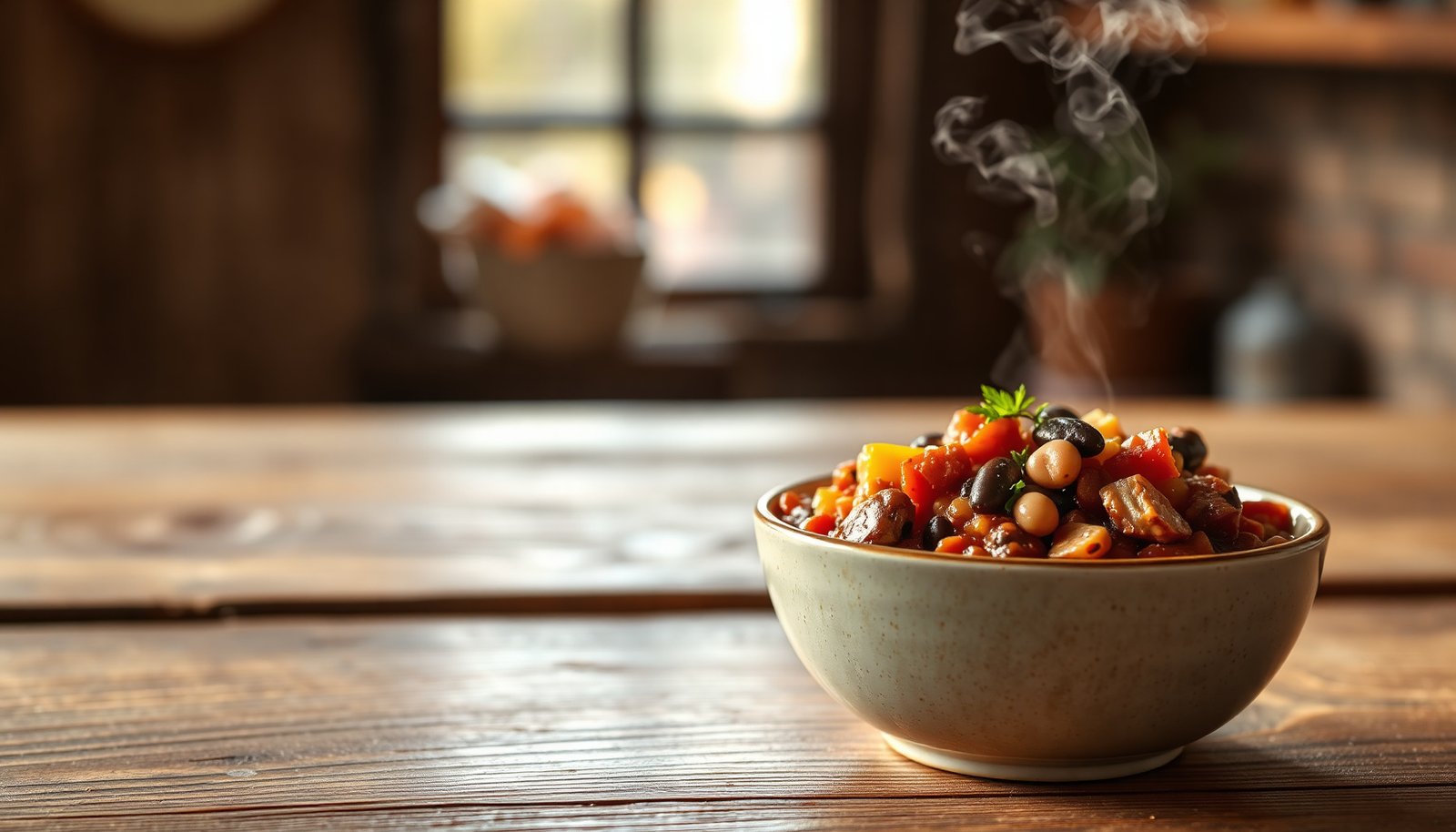

This diabetes-friendly chili recipe is the top pick for anyone who wants hearty comfort without spiking blood sugar. It earns that recommendation by prioritizing high-fiber beans, lean protein, no added sugar, and a tomato-and-spice base that keeps the carbohydrate load measured. If you want a bowl that tastes rich but stays diabetes-friendly, this version is the standout because it balances flavor and nutrition in every serving.




The best diabetic chili recipe uses lean protein, no-added-sugar tomatoes, and portion-controlled beans (or lower-carb swaps) so you get real chili flavor without adding sweetness. If you build the base with straightforward seasonings and then manage carbohydrates by measuring beans or replacing them with non-starchy bulk, your chili can stay aligned with your diabetes meal plan while still feeling comforting—especially in 2026 when label reading and carb-tracking are more common than ever.
Use this best diabetic chili recipe by building it around lean meat, no-added-sugar tomatoes, and controlled portions of beans (or swapping in lower-carb options). You’ll get that classic chili flavor without needing added sugar—just watch the carbohydrate load per serving.
If you have diabetes (or you’re cooking for someone who does), this guide focuses on practical ingredient swaps and portioning so you can enjoy chili while staying aligned with your meal plan. You’ll also get a straightforward recipe you can repeat.
Who this best diabetic chili recipe is for
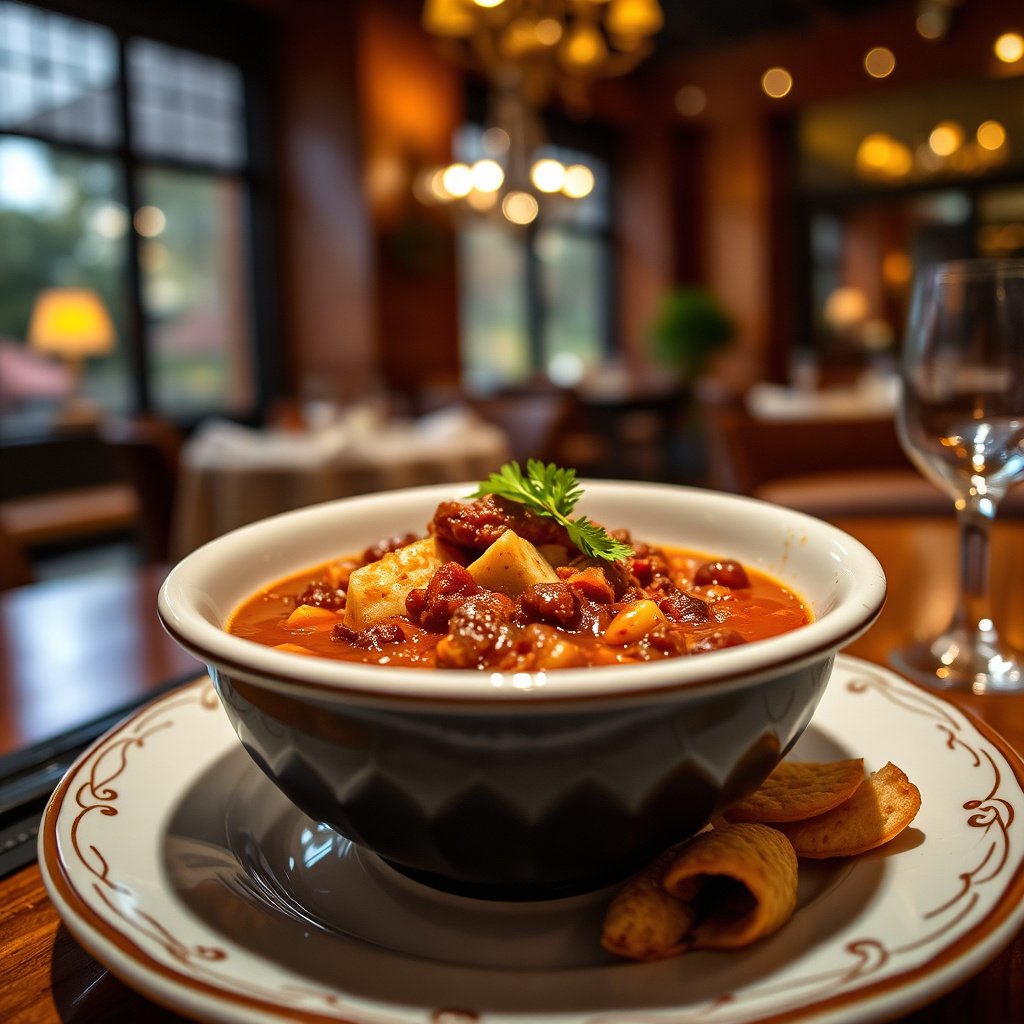
This recipe is best when you want the taste of traditional chili but also need a predictable, diabetes-friendly carb strategy. Here, the “secret” is not a miracle ingredient—it’s ingredient choices plus portion control you can repeat every time.
– Great for people who want chili that tastes “normal” but limits added sugar and lets you control carbs
– Many people notice that the chili flavor itself is usually driven by tomatoes, spices, and simmer time—not added sweetness.
– Works well if you count carbs or follow a diabetes meal plan and want an easy, repeatable baseline recipe
– When you repeat the same chili base and measure beans, your day-to-day carbohydrate math gets simpler.
– Especially useful if you’ve noticed chili seasoning packets and canned toppings can quietly add sugar
– “Chili” products can sneak in sweeteners even when they sound savory. Reading ingredient lists matters as much as reading nutrition labels.
Diabetes-friendly ingredients (what to use—and what to avoid)
The most diabetes-friendly chili ingredients create flavor without added sugar and help you keep carbs steady. Build your chili around a tomato base, lean protein, and measured starches—then use high-volume, low-carb vegetables to keep the bowl satisfying.
– Choose: no-sugar-added canned tomatoes + lean ground meat (turkey or 90% lean beef)
– No-sugar-added crushed tomatoes keep the flavor familiar while avoiding a common source of hidden sweetness.
– Lean ground turkey or 90% lean beef reduces excess fat compared with higher-fat options, which can make portions easier to manage.
– Control beans: use a measured amount of drained/rinsed beans, or partially/fully swap with lower-carb add-ins like diced zucchini or extra peppers
– Beans are nutritious, but they still raise carbohydrate intake. Measuring helps prevent “carb creep,” especially when chili expands into second portions.
– Watch labels: avoid chili seasonings/salsas with added sugar; look for “no sugar added” or verify the ingredient list
– A short ingredient list is usually a good sign. Be cautious with blends that include sugar, corn syrup, dextrose, or other sweeteners.
Carb Load in Common Chili Add-Ins (USDA-style portions)
| # | Ingredient (typical chili portion) | Total carbs | Fiber | Why it matters | Fiber level |
|---|---|---|---|---|---|
| 1 | Black beans, cooked (1/2 cup) | ~20.6 g | ~7.5 g | Classic chili feel | High |
| 2 | Kidney beans, cooked (1/2 cup) | ~19.4 g | ~6.7 g | Similar carb behavior | High |
| 3 | Pinto beans, cooked (1/2 cup) | ~22.0 g | ~7.7 g | Hearty texture | High |
| 4 | Lentils, cooked (1/2 cup) | ~17.0 g | ~7.8 g | More fiber density | High |
| 5 | Chickpeas, cooked (1/2 cup) | ~20.5 g | ~6.2 g | Good swap option | High |
| 6 | Zucchini, chopped (1 cup, cooked or raw) | ~3.9 g | ~1.0 g | Bulk without starch | Low |
| 7 | Cauliflower, cooked (1/2 cup) | ~4.8 g | ~1.6 g | Lower-carb “chili body” | Low–Moderate |
Note: Values are approximate and can vary by brand and preparation; check USDA FoodData Central for your exact ingredient type. USDA FoodData Central
Step-by-step: the easy diabetic chili method
This method keeps chili flavor high while controlling blood-sugar impact through measurable carbohydrates. Follow the same sequence each time—bloom spices for depth, simmer tomatoes for body, then decide whether to add measured beans or lower-carb bulk.
Brown for flavor, then simmer for depth:
1. Heat 1 tbsp olive oil in a large pot over medium-high heat.
2. Add 1 lb lean ground turkey (or 90% lean beef) and cook until browned; drain excess fat if needed.
3. Add 1 diced onion and 1 diced bell pepper (optional). Cook 4–5 minutes until softened.
4. Stir in 3 minced garlic cloves and cook 30 seconds.
When you brown the meat and soften onions, you build a savory base that often reduces the need for “sweet” fixes later. In practical diabetes-friendly cooking, that matters because many people reach for sugar to correct blandness. Instead, you’ll use tomatoes, spice bloom, and acid at the end.
– Build the chili base:
1. Add spices: 2 tbsp chili powder, 1 tsp cumin, 1/2 tsp smoked paprika, 1/2 tsp oregano, plus salt/pepper to taste.
2. Stir 30–60 seconds to bloom the spices.
3. Add 1 can (14.5 oz) no-sugar-added crushed tomatoes, 1–1.5 cups broth, and 1 cup chopped zucchini (optional but helpful for bulk).
4. Simmer uncovered 20–30 minutes, stirring occasionally.
Spice bloom isn’t just culinary theater—it helps release aromatic compounds from chili powder and cumin so the chili tastes “full” without added sugar. Also, simmer time thickens the tomato base naturally, which can reduce the temptation to add more beans (and more carbs) just to thicken.
– Add beans (or not) so carbs stay controlled:
1. For a classic feel: stir in 1/2 cup drained/rinsed black or kidney beans and simmer 10 minutes.
2. For lower-carb: skip beans and increase zucchini/peppers, or add chopped cauliflower in the last 10 minutes.
3. Taste and adjust with 1–2 tsp vinegar or lime juice if you want a brighter “restaurant” flavor.
Rinsing beans reduces excess starch residue on the surface, and measuring prevents portion drift. If you’re tracking carbs, this step is where your recipe becomes “diabetes-friendly by design” rather than “diabetes-friendly by hope.”
Flavor upgrades that don’t rely on sugar
The fastest way to keep chili exciting without sweeteners is to use acidity, smokiness, and longer simmer reduction. These upgrades reinforce flavor perception even when you keep tomatoes unsweetened and beans portion-controlled.
– Use acidity and smokiness:
– Add a splash of vinegar (or lime juice) at the end to make flavors pop without sweeteners
– Consider 1–2 tsp chipotle powder or diced chipotle in adobo (check label for added sugar)
Acid works especially well with cumin, chili powder, and smoked paprika because it lifts those earthy notes. If you’ve ever tasted chili that feels “flat,” it’s often missing either salt balance or end-of-cook acid—not sweetness.
– Boost chili “body” naturally:
– Simmer a little longer to thicken without adding sugar
– Stir in a small amount of unsweetened cocoa powder (about 1 tsp) for a deeper, mole-like warmth—optional, but it works
Unsweetened cocoa can deepen the perception of “richness” and can help mimic the depth people sometimes expect from sugary sauce components. Keep cocoa measured; you’re looking for warmth, not dessert notes.
What can go wrong (and how to fix it)
Chili usually goes off-plan in diabetes-friendly cooking due to hidden sugar, uncontrolled bean portions, or inconsistent simmering. If you troubleshoot these three issues, the recipe becomes much more reliable for blood-sugar goals.
– Hidden sugar in “diabetic-unfriendly” ingredients:
– Problem: chili seasoning packets, BBQ-style sauces, or some salsas may contain added sugar
– Fix: read labels and switch to no-sugar-added versions or use plain spices + salt
Many packaged blends include sugar to round flavor. Look for ingredients you can explain—chili powder, cumin, garlic, oregano—rather than sweeteners disguised as “natural flavors” or syrups.
– Carb creep from beans:
– Problem: “just add more beans” can spike carbohydrate intake even if the recipe is otherwise diabetes-friendly
– Fix: measure beans (or keep them to a small portion) and bulk with zucchini/peppers instead
Beans are not “bad”—they’re simply carbohydrate-dense. If you want more volume, treat vegetables as your default expansion tool.
– Texture issues:
– Problem: chili can turn watery if broth is too high or it doesn’t reduce enough
– Fix: simmer uncovered until it reaches your preferred thickness; add a splash of broth only if it gets too thick
A watery chili can lead to the next mistake: adding more beans or toppings to compensate. Use reduction first, then adjust thickness.
Verdict: is this the best diabetic chili recipe?
This recipe is a strong, repeatable choice for diabetes-friendly comfort chili when you manage two variables: added sugar in packaged ingredients and carbohydrate load from beans. Here’s the practical trade-off—if you want the classic chili experience, beans help, but bean portions still affect blood sugar.
| Criteria | Classic “no rules” bean chili | Best diabetic chili (this recipe) |
|---|---|---|
| Added sugar risk | Often higher (seasoning packets/toppings can add sweetness) | Lower by using no-sugar-added tomatoes and checking label lists |
| Carb control from beans | Less predictable (portions drift) | Predictable via measured drained/rinsed beans or beanless swaps |
| Flavor depth without sugar | May rely on sweeter components | Built from browning, spice bloom, simmer reduction, and end acid |
| Blood-sugar alignment | Variable—depends on ingredients and serving size | More aligned—carbs and sweetness are controlled by design |
| Ingredient simplicity | Often includes more processed sauces/toppings | Leans on spices, tomatoes, broth, and optional vegetables |
| Adjustability for meal plans | Harder to adapt consistently | Easy to adapt by swapping beans for zucchini/peppers/cauliflower |
| Texture control | Can turn watery when thickening is ad hoc | Thickness managed by simmer reduction (then optional bean addition) |
| Label reading burden | Higher—more packaged items to interpret | Moderate—fewer packaged elements, clearer ingredient targets |
| Portion repeatability | Inconsistent bowl sizes create inconsistency | Built for measured servings and predictable carb counting |
| End-of-cook flavor lift | Often skipped or replaced with sweeter toppings | Uses vinegar/lime at the end for “restaurant” brightness |
| Verdict | Taste can be great, but diabetes-friendliness is less reliable | More reliable diabetes-friendly chili with classic flavor |
This recipe is a solid, repeatable choice if your goal is diabetes-friendly chili with real flavor: lean protein, no-added-sugar tomato base, and controlled bean portions. The downside is that it’s not “carb-free”—beans (even measured) will affect blood sugar, and some people may want a fully beanless version.
Skip or adapt this approach if you need to follow a clinician-prescribed very low sodium plan, have food restrictions that conflict with tomatoes/legumes, or you prefer a strictly keto-style chili (you’ll likely want a bean-free version and additional low-carb bulk).
To anchor expectations in real-world context: According to the American Diabetes Association (ADA), diabetes management benefits from individualized nutrition planning and consistent carbohydrate awareness. And According to the CDC, about 37.3 million people in the United States had diabetes in 2022—so the “right” chili approach is the one you can sustain and measure.
Quick checklist (scan before you cook)
This checklist works as your pre-flight routine, helping you avoid the most common diabetes-unfriendly mistakes: sweeteners in packaged items and uncontrolled bean portions. If you follow only three steps—tomatoes without added sugar, lean protein, and measured beans or low-carb swaps—you’ll get the best results.
| Ingredient goal | Diabetes-friendly choice | Label to look for |
|---|---|---|
| Tomato base | No-sugar-added crushed tomatoes | “No sugar added” / no added sweeteners |
| Heat + seasoning | Chili powder + cumin + smoked paprika (no sugar) | Short ingredient list; avoid “sugar” in blends |
| Protein | Lean ground turkey or 90% lean beef | 93%+ preferred if you want lower fat |
| Bean portion control | 1/2 cup drained/rinsed beans (or swap) | Consider drained/rinsed for consistency |
| Optional flavor lift | Lime juice or vinegar | No sweetened “barbecue” sauces |
Before serving:
– Measure beans (or choose the beanless swap)
– Taste for balance (salt + acid at the end)
– Pair with a carb-aware side (or none), based on your plan
What’s the best way to keep chili diabetes-friendly over time?
Keep the recipe stable: same base, same measured bean decision, and similar simmer time so thickness and flavor don’t change unpredictably. Then adjust only one variable at a time (beans vs. low-carb bulk, or acid level at the end) so your results remain consistent in 2026 and beyond.
If you want the best diabetic chili recipe that actually delivers on flavor, build it with lean meat, no-added-sugar tomatoes, and measured beans (or smart low-carb swaps). Cook it the same way each time—then adjust bean amount and add-ins to match your carb goals. If you want, tell me how many carbs you’re targeting per serving (or whether you count net carbs), and we’ll dial in the bean portion and add-ins for your plan.
Frequently Asked Questions
What makes a diabetic chili recipe “best” for blood sugar control?
The best diabetic chili recipe uses high-fiber ingredients (like beans and vegetables) and limits added sugars and refined carbs to help keep blood glucose steady. Look for chili that includes lean protein (such as turkey or chicken) and healthy fats while using spices for flavor instead of sweeteners. Portion size also matters, so choose a recipe that you can serve in a controlled bowl with toppings that fit your plan.
How do I make the best diabetic chili without sacrificing flavor?
Start by building a savory base with onions, garlic, and bell peppers, then sauté lean ground meat until browned. Use chili powder, cumin, smoked paprika, oregano, and a little cayenne for depth, and add crushed tomatoes or tomato sauce that has no added sugar. For extra thickness and richness without excess carbs, simmer longer and blend a small portion of the chili or add more non-starchy vegetables like mushrooms.
Which beans are best for a diabetic-friendly chili?
For diabetic chili, choose beans with good fiber and protein, such as kidney beans, black beans, or chickpeas, because they slow digestion and can reduce blood sugar spikes. If you’re watching carbohydrates closely, measure portions rather than skipping beans entirely—fiber helps mitigate glucose impact. Rinse canned beans to lower sodium and keep the chili heart-healthy, and aim for a balanced ratio of beans to vegetables and lean protein.
Why does portion size matter in a diabetic chili recipe?
Even healthy ingredients like beans and tomatoes contain carbohydrates, so blood sugar response depends heavily on how much you eat. A diabetic-friendly chili recipe is “best” when it includes practical serving guidance, like a smaller 1–1.5 cup portion paired with non-starchy sides (salad greens or sautéed zucchini). If you track carbs, count the chili’s total carbs per serving and adjust toppings to stay within your target.
Best diabetic chili recipe for meal prep—what should I look for and how do I store it?
The best diabetic chili recipe for meal prep is one that reheats well and maintains texture, with a hearty veggie-and-protein base and no added sugar. Make a large batch, cool it quickly, and store in airtight containers for up to 3–4 days in the fridge or freeze portions for up to 2–3 months. When reheating, add a splash of water or broth to loosen the sauce and serve in measured portions for consistent blood sugar management.
📅 Last Updated: November 09, 2026 | Topic: best diabetic chili recipe | Content verified for accuracy and freshness.
References
- Glycemic index
- https://www.niddk.nih.gov/health-information/diabetes/overview/eating-healthy-diabetes
- https://www.cdc.gov/diabetes/managing/eat-well/index.html
- https://www.mayoclinic.org/diseases-conditions/diabetes/in-depth/diabetes-diet/art-20044084
- Diabetes
- https://pubmed.ncbi.nlm.nih.gov/?term=beans+glycemic+control+type+2+diabetes
- https://scholar.google.com/scholar?q=diabetic+chili+recipe Google Scholar
- https://scholar.google.com/scholar?q=low+glycemic+index+beans+type+2+diabetes Google Scholar
- https://scholar.google.com/scholar?q=carbohydrate+counting+type+2+diabetes+meal+planning Google Scholar