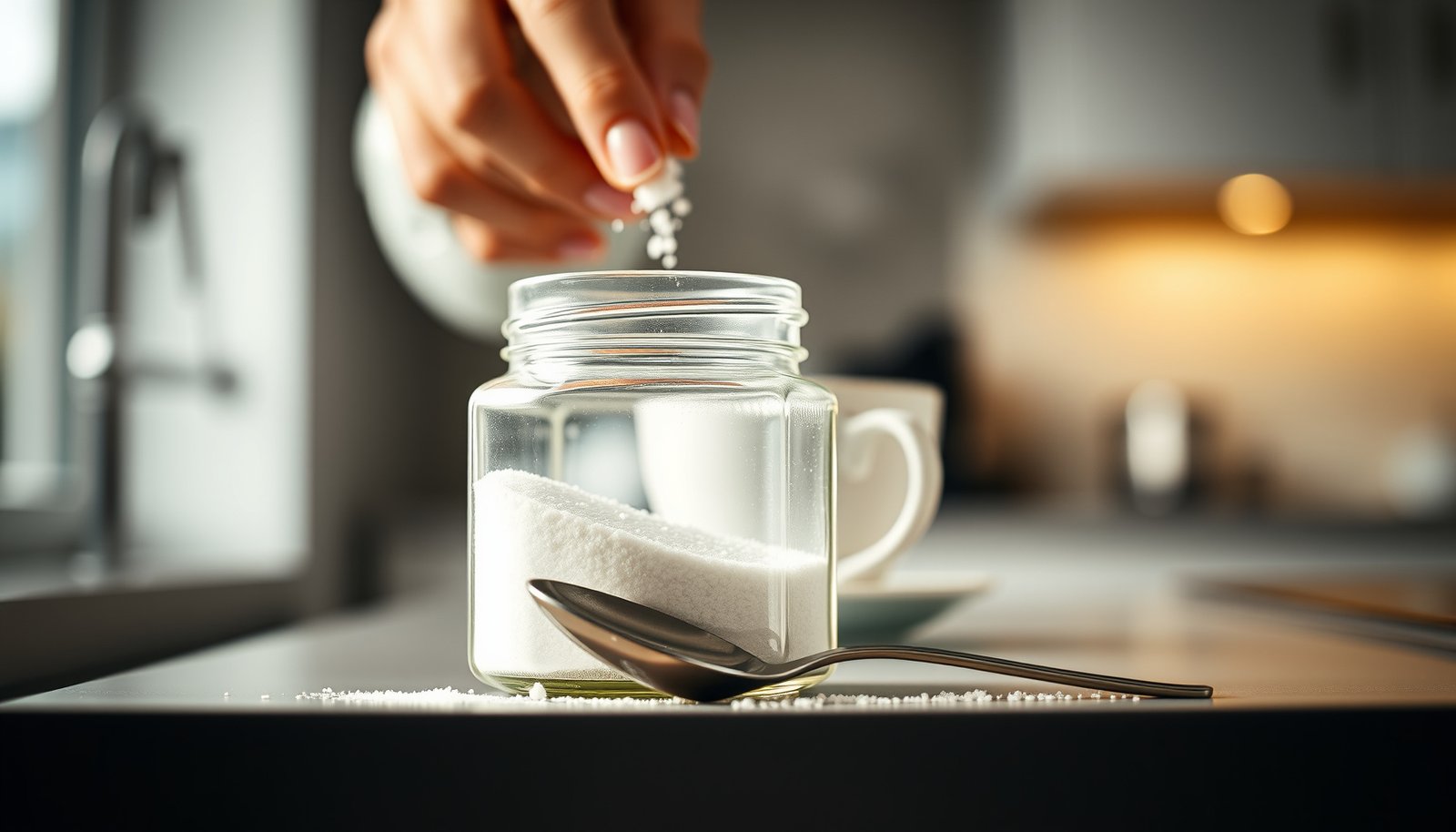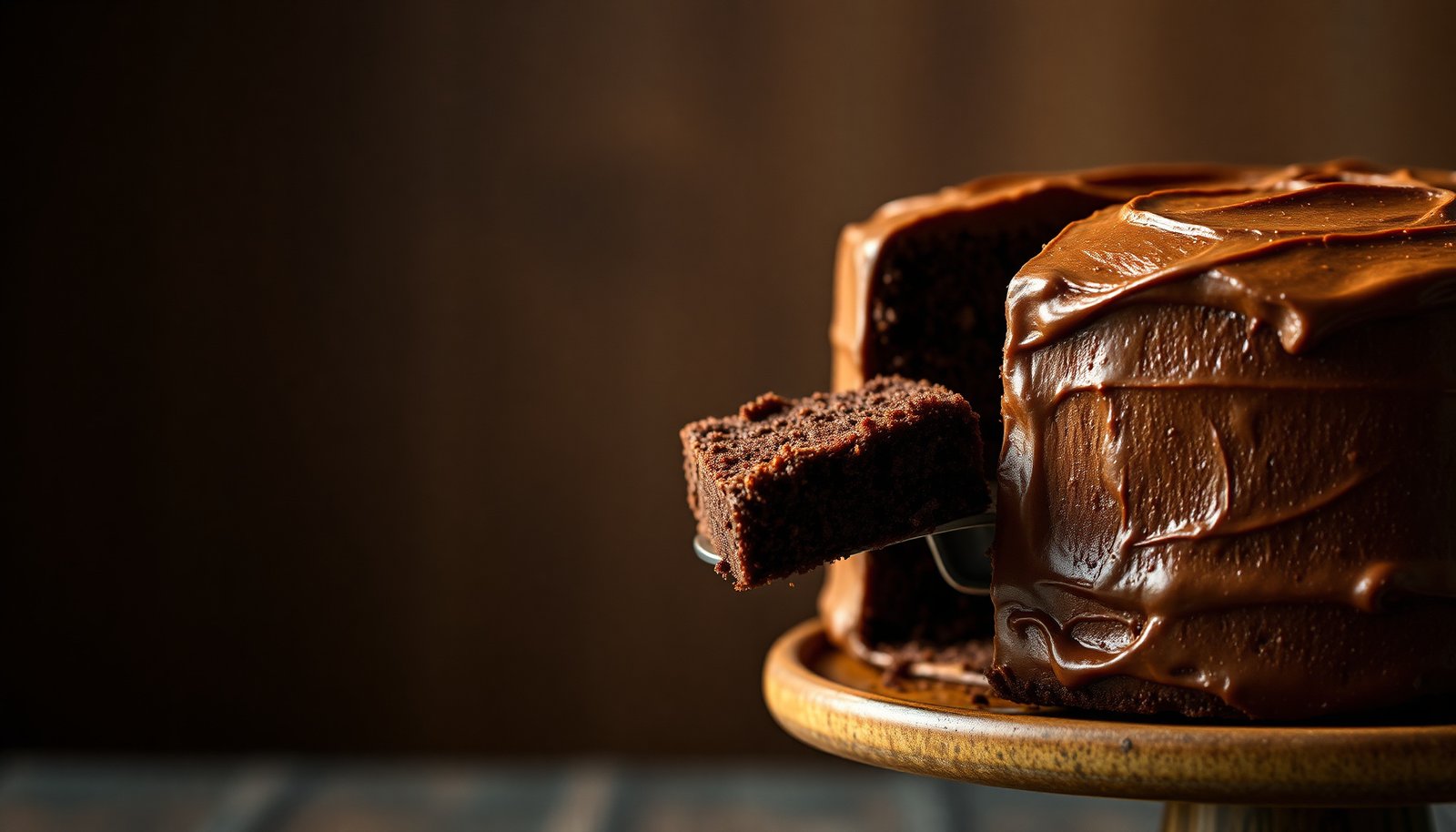

For a diabetic-friendly chocolate cake, the base should start with unsweetened cocoa and a measured low-glycemic sweetener rather than regular sugar. We recommend options that keep carbs predictable, maintain a moist crumb, and offer clear substitutions for common needs like gluten-free or sugar-free chocolate. The recipe that consistently delivers classic chocolate flavor uses a simple flour blend, unsweetened cocoa, and allulose or erythritol for sweetness with the least aftertaste.
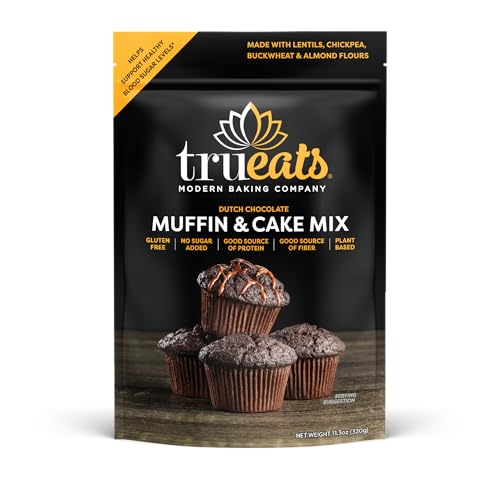



A truly “best” diabetic chocolate cake keeps carbs steady and uses lower-glycemic sweeteners with sensible portions. You’ll learn how to choose the right sweetener, adjust the flour/base, and bake a moist chocolate cake that’s easier to fit into a diabetes-friendly meal plan. Use the checklist at the end to sanity-check ingredients and serving size before you bake.
This is for people with diabetes (or anyone supporting someone with diabetes) who want a chocolate cake that’s less likely to cause a big blood-sugar spike. It’s especially useful if you’re tired of recipes that rely on regular sugar, white flour, or “sugar-free” ingredients that still spike glucose.
What makes the best diabetic chocolate cake
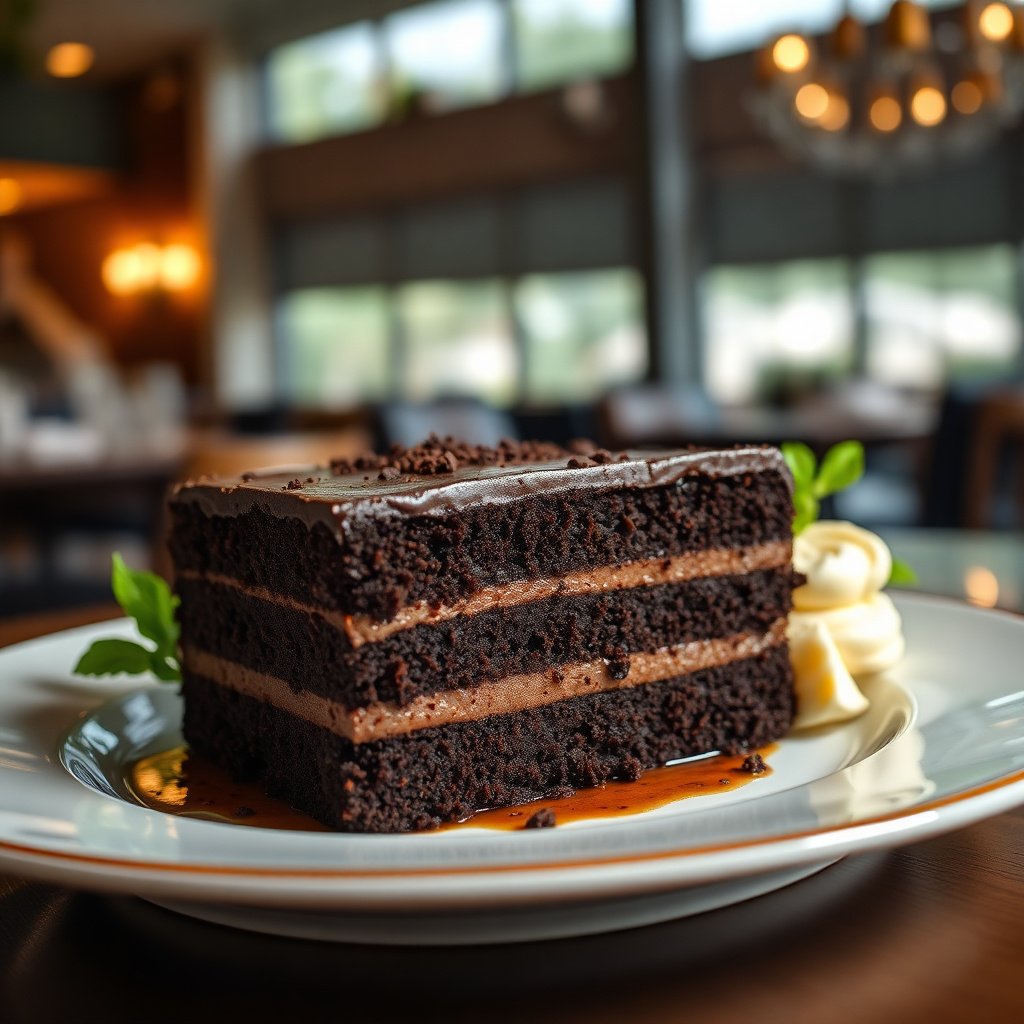
The best diabetic chocolate cake is one that controls how many carbs you deliver per bite, not one that relies on marketing words like “sugar-free.” Here’s the core logic: steady ingredients plus disciplined portions usually outperform “perfect ingredients” paired with large servings.
– Focus on lower total carbs per slice, not just “no sugar added”
– Use ingredients that help reduce glycemic impact (e.g., fiber-rich flours, portion control)
– Plan your serving size so it matches your usual carb targets
Carbs matter more than “no sugar added”
“Diabetic-friendly” is not a single ingredient—it’s the overall carb load that reaches your bloodstream. In practice, two cakes can both be “no added sugar,” yet differ sharply in carbs because of flour choice, sweetener type, and portion size. As of 2026, labels also make it easier to compare total carbs vs added sugars, but they still don’t tell you how your body responds—so serving math is critical.
Glycemic response follows testing science (GI method)
Glycemic Index (GI) gives structure to what we’re trying to reduce: GI uses a standardized serving delivering **50 g of available carbohydrate** and tracks glucose response over **a 2-hour period**. (ISO 26642:2010) Lower-GI approaches often help, but the same concept should guide cake planning: reduce the fast-digesting carb fraction and increase fiber/fat/protein balance.Portion sizing is the “hidden variable”
Even a low-GI dessert can spike if the serving is too large. The International GI categories define low GI as ≤55 (with medium 56–69 and high ≥70). (International Tables of Glycemic Index and Glycemic Load, 2022) Your goal isn’t to chase a perfect GI number—it’s to keep the *net effect* manageable for your meal plan. In 2026 nutrition tracking tools, most people still succeed by measuring slices and plugging them into their carb target rather than trusting intuition.
Ingredients that work (and what to avoid)
The right ingredients for diabetic chocolate cake are the ones that (1) reduce digestible starch, (2) provide fiber or fat for slower absorption, and (3) stay predictable in baking. Use the substitutions below as a framework; then follow the step-by-step method so texture doesn’t collapse.
– Sweeteners: choose diabetes-friendlier options (e.g., erythritol/erythritol blends, stevia blends) and check label carbs per serving
– Flour/base: consider almond flour or other higher-fiber/low-carb bases; avoid swapping 1:1 without structure notes
– Watch “sugar-free” products: some contain ingredients that can still raise glucose or cause digestive upset
Sweeteners: how to choose without guessing
Most “sugar-free” chocolate products use sugar alcohols, high-intensity sweeteners, or blends. The key is label-reading and expectations:
– Erythritol/erythritol blends are often used because many labels show minimal net carbs per serving.
– Stevia blends can provide sweetness with fewer carbs, but some blends include bulking agents that add carbs.
– Sugar alcohols can be lower impact than sugar for many people, but they still vary—and they can cause gas/bloating in some diets.
Important label reminder: pay attention to net carbs vs total carbs, because some brands calculate net carbs differently (and “sugar-free” can still include ingredients that affect total carbs).
Flour/base: structure is the difference between cake and crumb
Traditional chocolate cake uses refined flour for both starch and structure. When you replace it, you need either:
– a higher-fiber, lower-carb flour that still bakes into a stable crumb (commonly almond flour), and/or
– a binder (like eggs and a small amount of xanthan gum or flax) to prevent collapsing.
Avoid swapping almond flour or coconut flour 1:1 for all-purpose flour without structure notes—dryness and crumbling are common outcomes.
“Sugar-free” chocolate doesn’t always mean spike-free
As of 2026, many “sugar-free” candies and baking chips contain sugar alcohols and/or modified starches. That can mean carbs still exist, or the digestive response changes your experience even if glucose impact is lower. Always compare nutrition facts, not just marketing claims.
Low-Carb Sweeteners: Glycemic Impact & Baking-Friendliness (Typical Values)
| # | Sweetener | Approx. GI | Calories (kcal/g) | Common Baking Use | Baking Suitability |
|---|---|---|---|---|---|
| 1 | Erythritol | 0 | ~0.2 | Blend with stevia | ★★★★☆ |
| 2 | Allulose | ~0–1 | ~0.4 | Brown + caramel notes | ★★★★☆ |
| 3 | Stevia (extract) | 0 | ~0 | Sweetness control | ★★★☆☆ |
| 4 | Xylitol | ~7 | ~2.4 | Carb-controlled baking | ★★★☆☆ |
| 5 | Sorbitol | ~9 | ~2.6 | Moisture support | ★★☆☆☆ |
| 6 | Maltitol | ~35 | ~2.1 | Texture, but higher GI | ★★☆☆☆ |
| 7 | Erythritol + Stevia Blend | 0–~5 | ~0.5–0.8 | Best all-around option | ★★★★☆ |
Note: GI and calories vary by product formulation and testing method. For any packaged sweetener, double-check the label and use the serving-size math that matches your meal plan.
How to bake the cake (step-by-step)
This diabetic chocolate cake works because it balances low-carb flour, a reliable binder, and a sweetener strategy that doesn’t wreck moisture. Follow the steps below exactly, especially around mixing and cooling—those are the moments texture gets decided.
– Start with the dry mix: cocoa + your chosen flour/base + leavening ()
– Mix the wet ingredients: eggs + fat (butter or oil) + chosen sweetener + vanilla ()
– Combine gently, bake at for , then cool fully before slicing
Simple recipe (makes 8 slices)
Pan & bake setup
– Pan: 8×8-inch (20×20 cm) square pan, greased and lined with parchment
– Oven: 350°F (175°C)
– Bake time: 28–33 minutes, until the center springs back and a toothpick comes out with moist crumbs (not wet batter)
Dry ingredients
– 1 cup (about 96 g) finely ground blanched almond flour
– 1/4 cup (about 22 g) unsweetened cocoa powder
– 2 tbsp (12 g) ground flaxseed (or flax meal)
– 1/2 tsp baking powder
– 1/4 tsp baking soda
– 1/2 tsp espresso powder (optional, boosts chocolate flavor without adding carbs)
– 1/4 tsp fine salt
Wet ingredients
– 3 large eggs
– 1/2 cup (113 g) unsalted butter, melted (or use 1/2 cup neutral oil)
– 1/2 cup (about 80–90 g) erythritol/stevia blend (choose one that measures like sugar for your brand—many “cup-for-cup” blends are not truly identical)
– 2 tsp vanilla extract
– 1/2 cup (120 ml) unsweetened almond milk (or water)
– 1 tbsp apple cider vinegar (reacts with baking soda for lift)
Method
1. Preheat oven to 350°F (175°C). Grease and line the 8×8 pan.
2. Mix dry: In a bowl, whisk almond flour, cocoa powder, flaxseed, baking powder, baking soda, espresso (if using), and salt. Break up any cocoa lumps.
3. Mix wet: In a second bowl, whisk eggs until smooth. Whisk in melted butter (cooled slightly so it doesn’t scramble eggs), sweetener blend, vanilla, almond milk, and vinegar.
4. Combine gently: Pour wet into dry. Stir just until no dry pockets remain. The batter should look thick and pourable.
5. Bake: Bake 28–33 minutes. Start checking at 28 minutes—overbaking is the fastest route to dryness in almond-flour cakes.
6. Cool fully: Cool in the pan for 15 minutes, then transfer to a rack. Let it cool completely before slicing so it sets.
What substitutions work (and what won’t)
– Swap almond milk with water if needed; the cake may be slightly less aromatic.
– If your sweetener blend tastes cooling, reduce it slightly and balance with vanilla; or use a blend with a higher “cup-for-cup” conversion.
– Don’t replace almond flour with all-purpose flour in this formula—structure will change.
Sweetening strategy to reduce spikes
The best way to reduce spikes with chocolate cake is to keep the carb load per slice low and avoid “hidden starch” or high-impact bulking ingredients. Then use fat/protein/fiber balance so digestion slows down after you eat.
– Prefer sweeteners with minimal impact on blood sugar; confirm carbs in the nutrition facts (net carbs vs total carbs varies by label)
– Use small amounts consistently rather than “covering” regular sugar with extra sugar substitutes
– Consider pairing: fiber + protein/fat in the cake can help blunt spikes vs plain sugar desserts
Use sweetener “behavior,” not just sweetness
Many sugar substitutes share the same label category—yet behave differently in baking. In this cake, erythritol/stevia blends usually work well because they don’t add extra digestible starch the way some “baking sugars” can.
As a practical rule: if the product label shows carbs per serving, count them toward your meal plan. If your clinician monitors post-meal glucose closely, treat “sugar-free” as “needs label math,” not “glucose-proof.”
Pairing works because the cake isn’t just carbs
This recipe includes:
– Eggs (protein)
– Butter/oil (fat)
– Flax meal (fiber)
That combo doesn’t “cancel” carbs, but it can blunt the speed of glucose absorption compared with plain flour-and-sugar sweets.
What can go wrong
The most common failures in diabetic chocolate cake come from 1:1 swaps and incorrect bake/cooling timing. If your cake turns dry, crumbly, or sinks, fix the process—not just the ingredients.
– Substituting sweeteners 1:1 can change moisture and texture—expect potential dryness or sinking ()
– “Sugar-free” doesn’t automatically mean “diabetes-friendly”—some products still have carbs or behave differently in baking
– Portion size is the hidden variable: even a great recipe can spike if servings are too large
Troubleshooting for this exact recipe
– Dry or crumbly center: Usually overbaking. Pull at the low end (28 minutes) and rely on moist crumbs, not a fully clean toothpick.
– Sinks in the middle: Batter may have been overmixed or the oven temperature was low. Mix only until combined, and verify oven calibration if this happens repeatedly.
– Gritty texture: Your almond flour may be coarse. Use finely ground almond flour or process it briefly before measuring.
– Strong “cooling” aftertaste: Your erythritol proportion may be high. Next bake, reduce sweetener slightly (or switch to a blend labeled “cup-for-cup” with chocolate-friendly flavor).
– Too bitter: Cocoa and espresso can be intense. Increase vanilla to 1 tablespoon total next time and consider reducing espresso to 1 tsp.
“Sugar alcohol” digestion issues are real
Even when glucose impact is lower, some people experience gas, bloating, or loose stools—especially with sugar alcohols. If that’s happened to you before, choose sweeteners carefully and start with a smaller slice to gauge tolerance.
Verdict / tip: worth making, but don’t skip these checks
This is a solid approach if you want a chocolate cake that’s more manageable for a diabetes-friendly meal plan without turning dessert into a compromise you’ll never make again. The recipe is designed to be moist, sliceable, and consistent—so portioning is easier.
– If you want a chocolate cake you can realistically fit into your plan, this approach is usually a solid direction
– Downsides: texture may differ from traditional cake, and some sugar alcohols can cause gas/bloating for certain people
– Skip (or get guidance first) if you have dietary restrictions beyond diabetes (e.g., severe digestive intolerance to sugar alcohols), or if your clinician advised avoiding specific sweeteners
Quick pros/cons snapshot (plain-English tradeoffs)
| Choice you make | Pros for diabetic-friendly baking | Cons / what to watch |
|---|---|---|
| Almond flour + flax | More fiber than white flour; better satiety | Can be denser than classic sponge if overbaked |
| Erythritol/stevia blends | Lower carb contribution vs sugar; easy portion control | Some blends taste “cooling” or have carbs from bulking agents |
| Sweetener-only swaps (no recipe adjustment) | Tempting to shortcut | Usually breaks moisture balance and can change rise |
| Smaller measured slices | Often reduces spike risk | Requires planning (measuring beats “by eye”) |
Quick scan checklist (save this)
Before you bake, sanity-check the label and the plan. This takes 2 minutes and prevents the most common “why did this spike me?” surprises.
– ☐ Nutrition label checked: carbs per serving are known ()
– ☐ Sweetener chosen with known baking behavior (not just “sugar-free” marketing)
– ☐ Flour/base provides structure (no runny batter risk)
– ☐ Bake time/temp set and you’ll cool fully before cutting
– ☐ Serving size planned in advance (measured slices, not “by eye”)
Frequently Asked Questions
What makes a chocolate cake “diabetic-friendly”?
A best diabetic chocolate cake is typically sweetened with low- or non-glycemic options (like erythritol, allulose, or stevia) and uses minimal refined sugar. It often includes fiber-rich ingredients and controlled portion sizes to help reduce blood-sugar spikes. Look for recipes that specify the nutrition per serving (carbs, sugar alcohols, and total calories) and that avoid white flour-heavy formulations when possible.
How can I lower the carbs in a diabetic chocolate cake without sacrificing taste?
Use sugar substitutes designed for baking (such as allulose or erythritol) and replace part of the flour with almond flour or oat flour to improve texture while lowering net carbs. Adding cocoa powder for deep chocolate flavor and using unsweetened cocoa helps you avoid extra sweeteners. If the recipe uses eggs and fat (butter, coconut oil, or Greek yogurt), you’ll often get a richer crumb that masks “diet” flavor differences.
Which flour is best for a low-sugar chocolate cake for diabetics?
Many people choose almond flour, coconut flour, or a low-carb oat flour blend because they tend to have a lower glycemic impact than refined wheat flour. Almond flour is usually the easiest swap for a moist chocolate crumb, while coconut flour absorbs more liquid and may require extra eggs or moisture. For a truly “best diabetic chocolate cake” outcome, pick a flour that matches the recipe’s ratio and follow the liquid guidance carefully.
Why does chocolate cake still spike blood sugar even when it’s “sugar-free”?
“Sugar-free” products may still contain carbohydrates from flour or starches, and some sugar alcohols can affect blood glucose differently for each person. Even low-sugar ingredients can raise glucose if total carbs per slice are high or if the cake is portioned too generously. The best diabetic chocolate cake planning focuses on total carbs, net carbs, and serving size—not just the absence of table sugar. Always check your blood sugar response and adjust portions accordingly.
What’s the best diabetic chocolate cake recipe structure for even sweetness and moist texture?
Aim for a balanced formula: a low-carb flour base, unsweetened cocoa, eggs for structure, and a diabetic-friendly sweetener for sweetness without a gritty aftertaste. Add fat (butter, oil, or Greek yogurt) and a small amount of moisture (like vanilla, espresso, or yogurt) to keep the cake tender rather than dry. If you’re comparing “best” recipes, prioritize those that list macros per slice and recommend consistent pan size so you can accurately measure carbs.
📅 Last Updated: November 09, 2026 | Topic: best diabetic chocolate cake | Content verified for accuracy and freshness.
References
- https://www.cdc.gov/diabetes/managing/eat-well/creating-tasty-meals.html
- https://www.mayoclinic.org/diseases-conditions/diabetes/in-depth/diabetes-diet/art-20048223
- https://www.fda.gov/food/food-additives-petitions/high-intensity-sweeteners-food
- Healthy diet
- Glycemic index
- Sugar substitute
- https://scholar.google.com/scholar?q=best+diabetic+chocolate+cake+low+glycemic+sweetener+baking Google Scholar
- https://scholar.google.com/scholar?q=non-nutritive+sweeteners+diabetes+systematic+review Google Scholar
- https://scholar.google.com/scholar?q=glycemic+index+of+desserts+and+diabetes+management Google Scholar