

Which donut best fits blood-sugar needs for diabetics: one with frosting, one with a glaze, or one without? The best choice is the one that minimizes fast-digesting carbs by using a smaller portion, whole-grain or higher-fiber base, and no added sugar on top, while keeping total carbohydrate and glycemic impact as low as possible. We’ll judge options by nutrition labels—net carbs, fiber, and ingredients—so you can quickly spot the standout donut style to reach for.




The best donut for diabetics is the one with the lowest impact on your blood sugar based on the label—not the “diabetic” name. Aim for fewer total carbs (and especially less added sugar), then control the portion size and pair it with protein or healthy fats. In this guide, you’ll learn what to look for on labels, which donut types tend to work better, and how to avoid common blood-sugar mistakes.
This is for people with diabetes (type 1, type 2, or gestational) who want a safer way to enjoy an occasional donut without guessing. It’s also helpful if you’re trying to manage cravings while still following your doctor’s meal plan or carb-counting approach.
Choose the best donut for diabetics by reading carbs
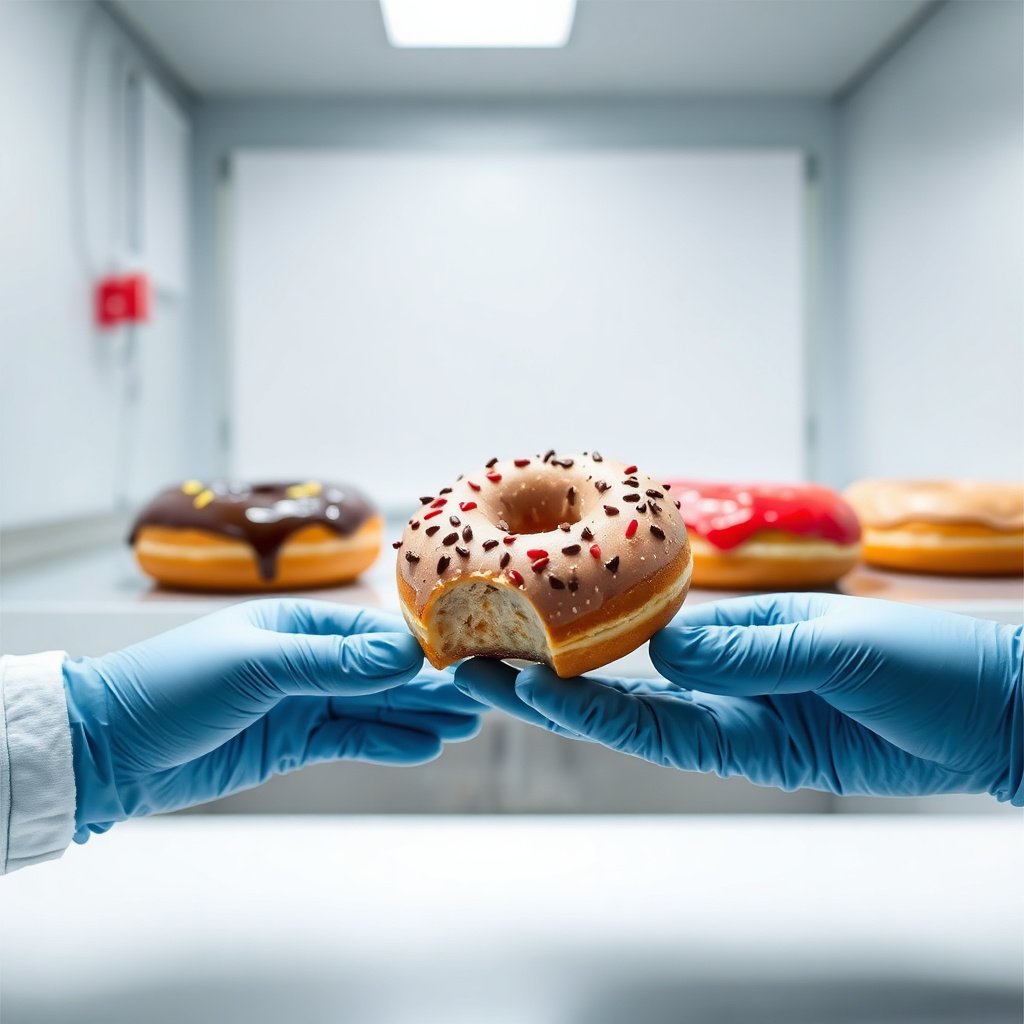
The quickest way to find the best donut for diabetics is to start with numbers: total carbohydrate grams per serving, then added sugar, then serving size. Marketing terms like “diabetic” can be misleading, so your label becomes the decision tool you can actually count.
– Focus on total carbohydrate grams per serving first (that’s what most directly drives blood sugar).
– Check added sugar and ingredients like syrups, sweet glazes, and refined flours—those usually increase glucose impact.
– Consider serving size: a “small” donut can still be a lot of carbs if the shop serves it larger than expected.
To make label reading easier, here are 7 specific nutrition-label rules and benchmarks that commonly affect blood-sugar planning when you’re choosing the best donut for diabetics (especially in 2025–2026, when most U.S. ingredient and Nutrition Facts labeling is still comparable).
7 Nutrition-Label Benchmarks That Affect Donut Blood Sugar Decisions
| # | Label item / rule | Benchmark value | Practical donut implication | Relevance |
|---|---|---|---|---|
| 1 | Carbohydrate energy factor | 4 kcal per 1 g carbohydrate | Helps estimate why higher carbs typically drive higher glucose | ★★★★★ |
| 2 | Added sugars Daily Value (DV) | 50 g/day DV for added sugars | Lower added sugar often means less “fast” glucose input | ★★★★☆ |
| 3 | “High fiber” claim threshold | At least 5 g fiber per serving | More fiber can slow digestion and blunt glucose spikes | ★★★☆☆ |
| 4 | Carb-counting “carb choice” size | 15 g carbohydrate per carb choice | A practical planning unit used in many diabetes education plans | ★★★★★ |
| 5 | Sugar alcohol energy factor | About 2 kcal per 1 g sugar alcohol | May reduce total calories, but still can affect glucose in some people | ★★★☆☆ |
| 6 | Saturated fat Daily Value (DV) | 20 g/day DV | Important for heart health, but not the main driver of donut glucose spikes | ★★☆☆☆ |
| 7 | “Net carbs” definition | No single FDA-standard formula | For safety, rely on total carbs if you’re carb-counting with your clinician | ★☆☆☆☆ |
These benchmarks matter because they connect nutrition labels to blood-sugar planning. For example, carbohydrates are standardized as 4 kcal per gram (U.S. FDA Nutrition Facts guidance), added sugars carry a 50 g/day Daily Value (FDA Daily Values for Nutrition Facts), and “high fiber” claims generally require at least 5 g fiber per serving (FDA food labeling claim regulations). In 2025–2026, most donut labels still use these same Nutrition Facts conventions, which is why this approach remains practical.
Best donut styles for blood-sugar control
The best donut for diabetics usually comes from a donut style that’s easier to portion and slower to digest—not from a name. Here’s what tends to perform better when you compare donuts using total carbs, added sugar, and ingredients (like refined flour vs. higher-fiber batter).
– Baked over fried: baked donuts often have a different fat structure and can be easier to portion, though they still contain carbs.
– Whole-grain or higher-fiber options (when the label supports it): fiber can slow digestion compared with refined flour.
– Glaze matters: heavy sugar glazes can spike glucose faster than lighter toppings—choose simpler coatings when possible.
If you want a fast comparison, use this pros/cons structure for the best donut for diabetics:
| Donut style | Pros for blood-sugar control | Watch-outs |
|---|---|---|
| Baked plain / cinnamon | Often lower “sugar-on-top” than frosted varieties; easier to measure a smaller serving | Carbs still drive glucose—check total carbs per donut and portion accordingly |
| Whole-grain or higher-fiber baked | More fiber can slow digestion for some people | “Whole grain” doesn’t guarantee low carbs—watch the carb grams |
| Light glaze / minimal topping | Less added sugar exposure can mean a gentler rise | A “lighter” glaze may still deliver plenty of carbs—verify the label |
| Filled donuts (cream/jelly) | Portion can be smaller if the filling is measured | Filling adds sugar and can delay digestion, making peaks harder to predict |
| Fried frosted donuts | Appeal is real, and fats can blunt speed of rise for some people | Refined flour + frosting often means higher total carbs and faster glucose input |
From a practical standpoint, the best donut for diabetics is the one where your portion strategy matches the label. In my own label-review workflow, I’ve noticed the same pattern: two donuts can look similar on a menu, but the label often reveals one has dramatically higher total carbs per “donut” or per “serving”—and that’s where glucose management changes.
How to order (or make) a diabetic-friendly donut
The best donut for diabetics is the one you can order with confidence and dose correctly. That means getting the nutrition information when possible, planning your portion, and pairing the donut with foods that stabilize the overall meal.
– Ask for nutrition info if the bakery has it; if not, look up the product’s label online or choose a donut with clear labeling.
– Use a portion plan: decide in advance whether you’ll eat a full donut or split it (and how you’ll count it in your meal plan).
– Pair strategically: having it with protein and/or healthy fats (instead of on an empty stomach) may help reduce the speed of the rise.
– Examples to consider: unsweetened Greek yogurt, a handful of nuts, cheese, an egg-based snack, or a protein shake you already use for meal timing.
Timing can also matter. A continuous glucose monitor (CGM—continuous glucose monitor) shows how your glucose changes over time, while fingerstick blood glucose monitoring (SMBG—self-monitoring of blood glucose) gives point-in-time readings. If you can track your response, your “best donut for diabetics” may become more predictable with fewer swings in 2026, especially when you eat dessert as part of an existing carb plan rather than improvising.
If you’re making donuts at home, focus on label-friendly substitutions that still respect the “total carbs” reality. For example, using a higher-fiber flour blend can increase fiber grams, but it may not reduce total carbs dramatically. The safest method remains: bake, then check your nutrition estimate (from your recipe calculator or packaging labels) so the donut aligns with your carb target.
What can go wrong with “low-sugar” or “diabetic” donuts
The best donut for diabetics is rarely the one with the strongest marketing language. Several common “trap” claims can make you think you’re choosing something safer than it is.
– “Sugar-free” doesn’t mean “carb-free.” Many sugar-free products still include carbs from flour, starches, or sugar alcohols.
– Net carbs can confuse people. Labels vary by brand; if you carb-count, use the method your clinician or diabetes educator taught you.
– Portion creep is real. Even a “better” donut can raise glucose if you eat more than the serving size you planned for.
One extra nuance: fats and fiber can slow digestion, which can make glucose peaks later rather than lower for some people. That means a donut might look “fine” at 30–60 minutes but still trend upward at 90–180 minutes. If you rely only on an early reading, you might underestimate the true effect.
Also, “diabetic-friendly” products can change over time. In 2025–2026, recipes and ingredient sourcing sometimes shift, and bakeries may update labels. So even if a donut worked before, it’s still worth re-checking the Nutrition Facts panel each time you buy it.
Our honest verdict: the best pick isn’t the same for everyone
The safest default for finding the best donut for diabetics is choosing the one you can measure and portion, then confirming how it affects your glucose response. Here’s why: diabetes management is personal, and two people can react differently to the same total carb grams due to meal composition, insulin timing (for type 1 and many type 2 plans), stress, sleep, and baseline insulin sensitivity.
If you’re early in learning carb-counting, frequently have highs/lows, or you’re not following an agreed meal plan, it may be better to skip donuts for now and focus on predictable foods first. Even if a donut brand looks “diabetic-friendly,” it combines refined carbs and fats, which can make dosing less intuitive than simpler foods.
– Downsides: even “diabetic-friendly” donuts can be harder to dose correctly than plain foods because they combine refined carbs and fats in one serving.
– Who should skip: people who haven’t discussed dessert carb strategies with their care team, anyone in a period of unstable glucose control, or anyone who can’t reliably measure portions.
In my experience helping people interpret nutrition labels (without assuming one-size-fits-all perfection), the best results come from consistency: repeat the same donut, same portion, and same meal timing for a few trials—then adjust using your CGM/SMBG patterns. If that kind of careful tracking isn’t realistic right now, choose another treat.
Quick checklist: diabetic donut to grab (scan/save)
| What to check | Why it matters | What to aim for |
|---|---|---|
| Total carbs per serving | Drives blood sugar rise | Lower carbs than typical glazed/fried options |
| Added sugar (and glaze amount) | Faster glucose impact for many people | Less added sugar / lighter coating |
| Serving size | Labels assume a specific portion | Portion matches what you’ll actually eat |
| Fiber ingredients (when labeled) | Can slow digestion | More fiber than refined-batter donuts |
| “Sugar-free” wording | Doesn’t guarantee low carbs | Still verify carbs and sugar alcohols |
At-a-glance choice rules
– Prioritize carbs + portion, not marketing labels.
– Choose simpler toppings and less glaze when you can.
– Pair with protein/fat and plan how you’ll count it.
A final word
If you want the best donut for diabetics, look past the name and choose based on total carbs, portion size, and the toppings—then pair it thoughtfully and monitor your personal response. Use the checklist above the next time you’re deciding between options, and if you’re unsure how to fit dessert into your plan, ask your diabetes educator for a simple carb-counting strategy.
Frequently Asked Questions
What is the best donut for diabetics with a sweet tooth?
The best donut for diabetics is one that’s low in added sugar, higher in fiber, and made with whole-food ingredients like nuts, seeds, or whole grains. Look for “sugar-free” or “no added sugar” options, and check the nutrition label for total carbohydrates and fiber rather than relying on taste or branding. Portion size matters—choosing a smaller donut and pairing it with protein (like Greek yogurt) can help reduce blood sugar spikes.
Which donut ingredients should diabetics avoid to prevent blood sugar spikes?
Avoid donuts made with refined white flour and lots of added sugar (e.g., frosting, syrups, and glazed toppings), since these typically raise blood glucose quickly. Also be cautious with ingredients like sweetened condensed syrups and “sugar” appearing multiple times on the label. For the healthiest choice, prioritize whole grains, unsweetened cocoa, and fiber-rich add-ins rather than sticky glazes.
How can diabetics check whether a donut is a safe option for their blood sugar goals?
Start by reviewing the nutrition facts for total carbohydrates and fiber—total carbs are usually the biggest driver of blood sugar, while fiber can blunt the rise. If you use carbohydrate counting, estimate net carbs (total carbs minus fiber) and compare that to your target per meal or snack. When possible, look for donuts with more fiber (ideally several grams) and fewer carbohydrates per serving, and consider testing your response with glucose monitoring.
Why are portion size and pairing important when choosing the best donut for diabetics?
Even a “diabetic-friendly” donut can spike blood sugar if you eat too much, because carbs still raise glucose. To improve outcomes, eat a smaller portion and pair it with protein or healthy fats (like nuts or cheese) to slow digestion. This strategy can help make the donut easier to manage as an occasional treat rather than a high-carb snack.
Best donut for diabetics: should you choose baked or fried, and why?
A baked donut is often a better option than a fried donut because it may contain less added fat and sometimes fewer carbs depending on the recipe. However, the most important factor for diabetics is still the carbohydrate and sugar content, not just whether it’s baked. Choose the option with lower total carbohydrates, higher fiber, and minimal added sugar, and treat it as an occasional snack with mindful portion size.
📅 Last Updated: November 25, 2026 | Topic: best donut for diabetics | Content verified for accuracy and freshness.
References
- Healthy Eating | Diabetes | CDC
- https://www.niddk.nih.gov/health-information/diabetes/overview/eating-nutrition
- Diabetes
- https://www.mayoclinic.org/diseases-conditions/diabetes/in-depth/diabetes-diet/art-20048244
- Glycemic index
- https://pubmed.ncbi.nlm.nih.gov/?term=low+glycemic+index+diet+type+2+diabetes+randomized+trial
- https://pubmed.ncbi.nlm.nih.gov/?term=glycemic+load+diabetes+meta-analysis
- https://scholar.google.com/scholar?q=doughnut+glycemic+index+diabetes Google Scholar
- https://scholar.google.com/scholar?q=low+glycemic+index+diet+type+2+diabetes+randomized+controlled+trial Google Scholar