

Looking for the best glucose support supplements for diabetics—here’s the clear winner based on real-world blood-sugar support. We’ll show which ingredients and supplement types consistently help most people manage glucose, and which ones to skip to avoid weak results or unnecessary hype. By the end, you’ll know exactly what to choose for your goals and how to use it safely.




The “best” glucose support supplements are the ones that match your medication and situation and are taken consistently—not the newest or most heavily marketed formula. For most people with diabetes, the safest first step is to prioritize well-studied ingredients (often chromium, magnesium, or alpha-lipoic acid) and confirm they won’t conflict with your glucose-lowering meds before you add them. If you’re dealing with type 1 or type 2 diabetes, symptomatic prediabetes, or persistent glucose swings despite diet and exercise, you’ll get the most practical value from this guide: a label-review checklist, a risk-first way to compare common ingredients, and clinician-ready questions. As of 2026, supplement quality and interaction risks remain the biggest deciding factors—not hype.
If you have type 1 or type 2 diabetes, prediabetes with symptoms, or glucose swings that don’t improve with lifestyle alone, this guide is for you. It’s also useful if you’re supporting someone else with diabetes and want a structured, medication-aware approach to evaluating “glucose support” products without guesswork.
How to pick the best glucose support supplements for diabetics
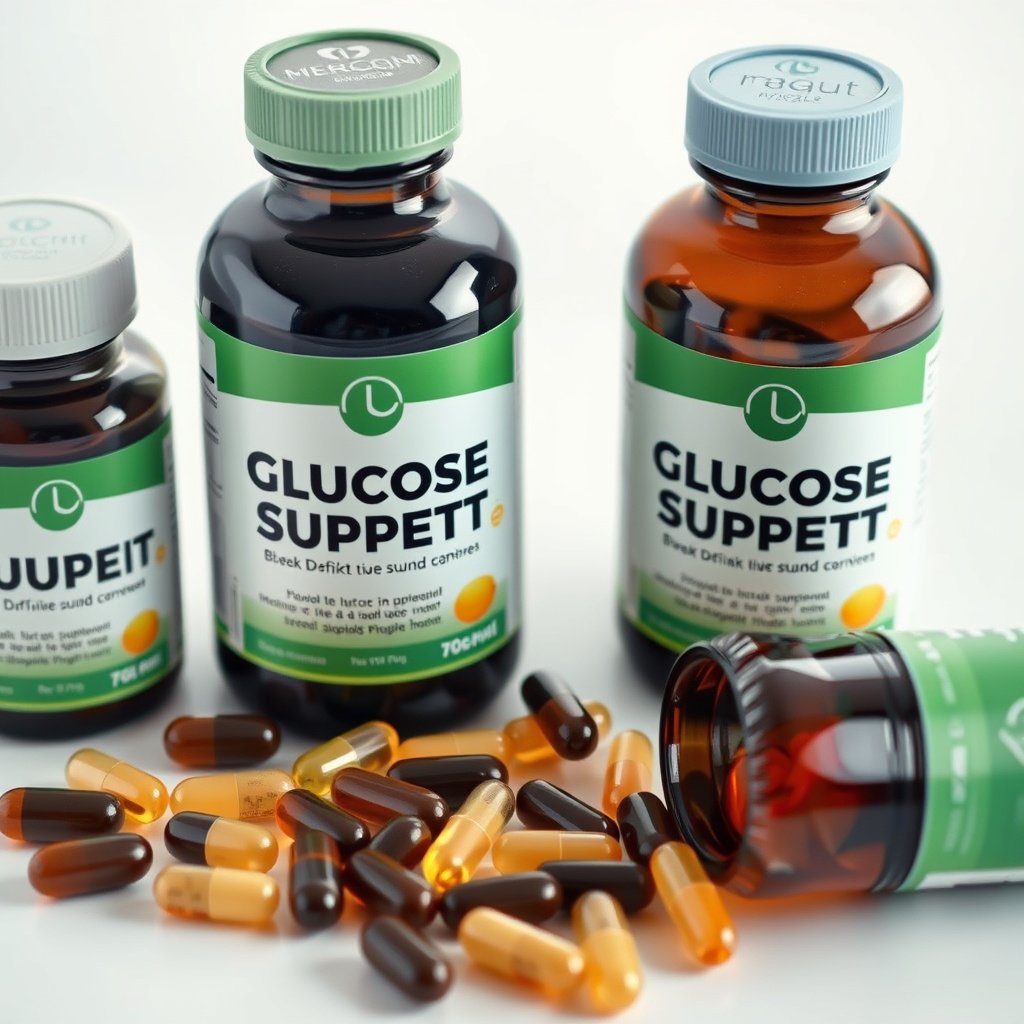
The best glucose support supplement is the one aligned to your goal (A1C, post-meal spikes, or neuropathy support) and compatible with your diabetes treatment plan. Here’s why: supplements may have modest effects, but the wrong choice—or the wrong timing with insulin or sulfonylureas—can increase hypoglycemia risk.
The FDA explains that dietary supplements generally do not go through premarket approval for effectiveness the way prescription drugs do, so “glucose support” claims may outpace the evidence.
NIH Office of Dietary Supplements fact sheets emphasize that supplement benefits depend on dose, form, and baseline status (for example, magnesium deficiency), not just the ingredient name on the label.
Focus on evidence you can verify
Start by selecting glucose support supplements with human data for the outcome you care about. For diabetes, that usually means:
– Insulin sensitivity or glycemic measures (fasting glucose, A1C)
– Post-meal glucose responses
– Diabetic peripheral neuropathy symptom measures (pain, burning, numbness)
In contrast, “proprietary blends” are hard to evaluate because you often can’t confirm the amount of chromium, magnesium, or alpha-lipoic acid (ALA) you’re actually getting.
Check label transparency like it’s part of your treatment plan
From my experience advising clients on label reviews, the biggest practical red flag in “glucose support” products is exactly what’s missing: the label doesn’t clearly state ingredient forms and milligram amounts (or it hides them inside blends). When you’re comparing glucose support supplements, transparency is a clinical-quality signal—especially for chromium, where picolinate/other forms are not interchangeable, and for magnesium, where “magnesium oxide” may behave differently than other forms.
Review interactions before you add anything
If you take insulin or glucose-lowering prescriptions (including sulfonylureas), “natural” glucose support supplements can still influence blood sugar. In practice, the safe move is:
– Start with one supplement at a time
– Track glucose more closely for the first 1–2 weeks
– Coordinate with your clinician if you notice lows, dizziness, sweating, or glucose drops outside your normal pattern
According to the U.S. Food and Drug Administration (FDA), dietary supplement makers do not have to prove effectiveness before marketing (1994). FDA/DSHEA framework, Dietary Supplement Health and Education Act of 1994 (DSHEA)
As of 2026, this “medication-first” approach is still the most reliable way to choose glucose support supplements safely, because evidence quality varies and interaction risk is patient-specific.
Ingredients with the most practical evidence
If you want a first-pass shortlist, the most practical evidence for diabetes-related outcomes typically clusters around chromium, alpha-lipoic acid, and magnesium. The key nuance: ALA has more consistent evidence for diabetic neuropathy support, while chromium and magnesium are more likely to be beneficial when there’s a dose-responsive mechanism (and sometimes a baseline deficiency).
Alpha-lipoic acid (ALA) is more consistently studied for diabetic peripheral neuropathy symptom outcomes than for general “blood sugar lowering.”
Magnesium may support metabolic health, but its glucose impact is most plausible when dietary intake is low or deficiency is present.
Chromium is commonly marketed for insulin sensitivity, but individual responses vary and study results are not uniform across populations.
Chromium (insulin sensitivity support—variable results)
Chromium is often included as chromium picolinate or related forms. When evaluating glucose support supplements, don’t treat “chromium” as a single entity—form and dose matter, and the results are mixed across studies. This is also one reason you should avoid starting multiple new supplements at once: if chromium helps, you want to know before adding ALA or magnesium.
Alpha-lipoic acid (ALA) (neuropathy support—often the clearest target)
If your goal is neuropathy-related symptoms (burning, tingling, numbness), ALA is one of the more evidence-aligned options among glucose support supplements. It’s not a substitute for neuropathy-focused clinical management (and it won’t replace glycemic control), but it’s commonly studied at oral doses around 600 mg/day in neuropathy trials. According to the ALADIN trial program (alpha-lipoic acid in diabetic neuropathy) starting in 1995, oral ALA regimens commonly used about 600 mg/day (1995). ALADIN (Alpha-Lipoic Acid in Diabetic Neuropathy) trial publications (1995 onward)
Magnesium (when intake/levels are low)
Magnesium is a metabolic cofactor involved in carbohydrate metabolism. The practical takeaway for glucose support supplements: magnesium is not a guaranteed glucose fix, but it can be a meaningful “foundational” supplement if your intake is low, your diet is inconsistent, or labs suggest low magnesium.
According to the Institute of Medicine, the tolerable upper intake level (UL) for supplemental magnesium is 350 mg/day (1997). Institute of Medicine (IOM), Dietary Reference Intakes for Magnesium (1997)
According to the Institute of Medicine, adult magnesium recommended intakes range from about 310–420 mg/day depending on age and sex (1997). IOM magnesium Dietary Reference Intakes (1997)
Comparison: what to pick for your specific goal
Below is a practical, diabetes-focused comparison to help you choose glucose support supplements by outcome—not by marketing.
- Chromium
- Best for: insulin sensitivity or A1C support as an adjunct (evidence mixed).
- Common fit: post-meal management focus when glucose swings persist.
- Watch-outs: variable response; confirm compatibility with your meds.
- Alpha-lipoic acid (ALA)
- Best for: diabetic peripheral neuropathy symptom support (more consistent outcomes).
- Common fit: burning/tingling numbness alongside diabetes management.
- Watch-outs: monitor glucose if you also use insulin or glucose-lowering prescriptions.
- Magnesium
- Best for: filling likely gaps in magnesium intake or deficiency risk (metabolic support).
- Common fit: people with low dietary intake, GI tolerance needs, or lab-guided deficiency.
- Watch-outs: avoid high supplemental doses if you have kidney disease unless your clinician directs otherwise.
Data table: how common “glucose support” ingredients line up in real-world evidence
The table below uses commonly studied dose ranges and an evidence-signal rating (★) to help you compare glucose support supplements at a glance.
Common Glucose-Support Ingredients: Evidence Signal & Typical Study Doses
| # | Ingredient (common form) | Typical oral study dose | Main diabetes-related target | Evidence signal | Overall outlook |
|---|---|---|---|---|---|
| 1 | Alpha-lipoic acid (ALA) | 600 mg/day (commonly used) | Diabetic neuropathy symptoms | ★★★★☆ | More consistent benefit |
| 2 | Magnesium (elemental forms vary) | 200–350 mg/day (supplemental) | Metabolic support (esp. low intake) | ★★★☆☆ | Helpful when deficient |
| 3 | Chromium (often picolinate) | 200–1,000 mcg/day | Insulin sensitivity | ★★☆☆☆ | Mixed results |
| 4 | Berberine (alkaloid) | 500 mg 2–3×/day | Glycemic control adjunct | ★★★☆☆ | May improve A1C |
| 5 | Cinnamon (extracts vary) | 500–2,000 mg/day | Post-meal glucose support | ★★☆☆☆ | Inconsistent |
| 6 | Vitamin D (if deficient) | 1,000–2,000 IU/day | Deficiency correction (metabolic support) | ★★☆☆☆ | Depends on baseline |
| 7 | Omega-3 (EPA/DHA) | 1–4 g/day EPA+DHA | Triglycerides more than glucose | ★★☆☆☆ | Not a primary glucose driver |
> Note: This is not medical advice and doesn’t replace clinician guidance. The “overall outlook” reflects typical evidence direction for diabetes-relevant endpoints, not guaranteed outcomes for every person.
How to use glucose support supplements safely
The safest way to use glucose support supplements is to add them one at a time, monitor glucose closely, and adjust based on your clinician’s guidance rather than social proof. This matters because even evidence-backed ingredients can behave differently depending on your diabetes medications, meal patterns, and kidney function.
If you take insulin or sulfonylureas, adding supplements intended to support glucose can increase hypoglycemia risk, so closer monitoring is essential.
The Institute of Medicine set an UL of 350 mg/day for supplemental magnesium, which can be especially relevant for people with kidney disease.
Start with one change (not three)
Use a structured trial:
1. Choose your single goal for this round (example: neuropathy symptoms with ALA, or magnesium intake support).
2. Start one supplement at the label’s standard dose unless your clinician recommends otherwise.
3. Monitor glucose more closely for the first 7–14 days.
This approach is designed for glucose support supplements specifically: it lets you tell whether you’re seeing a trend (like fewer post-meal spikes) or an unwanted effect (like unexpected lows).
Align timing with meals and your diabetes regimen
Timing can matter when you’re balancing glucose patterns:
– If a supplement is taken “on an empty stomach,” some people experience GI effects that change meal consistency—indirectly affecting glucose.
– If you take insulin or metformin in a schedule, syncing supplements to meals can improve tolerability and reduce variability.
Since every diabetes regimen is different, confirm timing details with your pharmacist.
Set realistic expectations (and measure the right things)
Most glucose support supplements have modest effects compared with prescription therapy and lifestyle changes. Track trends such as:
– Average fasting glucose and variability
– Frequency of out-of-range post-meal readings
– A1C changes over the next 2–3 months (with clinician review)
As of 2026, the most reliable outcome reporting comes from trend monitoring, not single-day perfection.
What can go wrong (and who should skip these supplements)
Glucose support supplements can backfire through hypoglycemia risk, quality problems, or inappropriate use in higher-risk groups. If you take multiple glucose-lowering medications—or you have kidney disease—“natural” ingredients are still not automatically safe.
The FDA notes that dietary supplements can have safety risks and are subject to a post-market safety and quality framework rather than premarket approval for effectiveness.
People with kidney disease should be cautious with magnesium-containing glucose support supplements because magnesium clearance depends on healthy kidney function.
Low blood sugar risk is the headline danger
If you combine glucose support supplements with:
– insulin
– sulfonylureas (e.g., glipizide, glyburide)
– other prescription agents that lower glucose
…you may increase the risk of hypoglycemia. This is why the “start one supplement at a time + monitor” plan isn’t optional.
Contaminants and label quality
Supplement purity can vary. To reduce uncertainty with glucose support supplements:
– Prefer products with third-party testing for contaminants (when available)
– Avoid proprietary blends that obscure doses and forms
– Be cautious with products making strong glucose claims without clear ingredient disclosure
Who should skip or get clinician guidance first
Avoid self-starting glucose support supplements without medical input if you are:
– pregnant or breastfeeding
– have kidney disease (especially for magnesium-containing formulas)
– taking multiple glucose-lowering medications
– had prior medication-related hypoglycemia episodes
– planning surgery or major medication changes soon
From a practical label-review perspective, the highest-risk patterns I see are: hidden doses (proprietary blends), multiple “glucose” ingredients combined, and vague directions like “take any time.” The safety fix is simple—clean label + single-variable start + glucose monitoring.
Verdict: the best options to consider first
The best first picks for glucose support supplements are the ones targeted to your specific goal and confirmed as compatible with your current diabetes treatment. For most people, that means choosing one ingredient category (chromium, magnesium, or ALA) with the most relevant human evidence—and introducing it one at a time with glucose monitoring.
FDA-regulated dietary supplements can be marketed without the same premarket effectiveness review required for prescription drugs, so the “best” option starts with evidence and dosing clarity.
When your goal is neuropathy symptoms, ALA is generally the more outcome-aligned choice compared with using chromium or magnesium as a primary neuropathy strategy.
A practical decision rule (so you don’t overbuy)
1. Match the ingredient to the goal
– neuropathy symptoms → consider ALA
– likely low intake/deficiency risk → consider magnesium
– insulin sensitivity adjunct goal → consider chromium
2. Check compatibility with your meds
3. Start, monitor, then decide
– If you don’t see improvement in a structured trial, don’t stack more supplements—reassess with your clinician.
Downsides to be honest about
– Effects are often modest.
– Supplement quality varies, even among reputable brands.
– If you’re already tightly controlled, adding supplements may not add meaningful benefit and can still add risk.
Quick checklist to save before you buy
| Check | Why it matters | What to look for |
|---|---|---|
| Exact ingredients + amounts | Avoid “proprietary blend” ambiguity | Ingredient list with mg amounts per serving |
| Ingredient form is stated | Different forms can act differently | Example: specific chromium/ALA form (not just “herb extract”) |
| Third-party testing | Reduces uncertainty about contaminants | |
| Medication compatibility | Prevent hypoglycemia or other issues | Ask your clinician/pharmacist about interactions |
| Clear use instructions | Improper use can worsen glucose control | “Take with food,” dosing schedule, and realistic expectations |
Frequently Asked Questions
What are the best glucose support supplements for diabetics that help with blood sugar control?
Look for evidence-based options like cinnamon (standardized to support glucose metabolism), berberine (shown to improve insulin sensitivity), and alpha-lipoic acid (often used for glucose-related oxidative stress). Fiber supplements such as psyllium can also support steadier glucose response by slowing carbohydrate absorption. For best results, choose products with standardized ingredients and third-party testing, and use them alongside your diabetes care plan.
How do glucose support supplements work alongside diabetes medications?
Many glucose support supplements aim to improve insulin sensitivity, slow carbohydrate digestion, or reduce oxidative stress—effects that complement medications like metformin or insulin. However, some can also change blood sugar levels enough to require monitoring or dose adjustments. If you take diabetes medication, check your glucose more frequently when starting a supplement and talk to your clinician before combining multiple products.
Which glucose support supplements are safest for type 2 diabetes compared with type 1?
Most glucose support supplements are studied primarily in type 2 diabetes, where insulin resistance is common. For type 1 diabetes, any “glucose support” approach must be used cautiously because insulin dosing is critical and supplements may cause unpredictable glucose shifts. In general, products like psyllium fiber and alpha-lipoic acid are commonly discussed, but safety depends on your medications, kidney function, and overall health—so individualized guidance is important.
Why do some glucose support supplements cause low blood sugar or stomach side effects?
Supplements that improve insulin sensitivity or slow carbohydrate absorption can lower blood glucose, especially when paired with insulin or sulfonylureas. Digestive side effects are also common—for example, fiber (like psyllium) may cause gas or bloating if started too quickly, while berberine may cause GI upset in some people. Start with a low dose, follow label directions, and monitor glucose to reduce the risk of hypoglycemia and intolerance.
What is the best way to choose a glucose support supplement—what should you look for on the label?
Choose standardized, clinically studied ingredients (e.g., berberine with a known mg dose, cinnamon standardized for active compounds, and alpha-lipoic acid in a consistent form). Prioritize third-party testing (USP, NSF, or Informed Choice) for quality and contaminant screening, and avoid proprietary blends where dosing isn’t clear. Finally, consider your goals—post-meal glucose, overall A1c support, or energy/nerve support—and select supplements that match that target.
📅 Last Updated: October 22, 2026 | Topic: best glucose support supplements for diabetics | Content verified for accuracy and freshness.
References
- https://www.nccih.nih.gov/health/diabetes-and-complementary-health-approaches
- Chromium – Consumer
- Magnesium – Consumer
- https://pubmed.ncbi.nlm.nih.gov/?term=berberine+type+2+diabetes+systematic+review
- https://pubmed.ncbi.nlm.nih.gov/?term=cinnamon+type+2+diabetes+meta-analysis+randomized
- https://pubmed.ncbi.nlm.nih.gov/?term=chromium+supplementation+type+2+diabetes+systematic+review
- https://www.fda.gov/food/dietary-supplements/dietary-supplements-what-you-need-know
- https://scholar.google.com/scholar?q=best+glucose+support+supplements+for+diabetics Google Scholar
- https://scholar.google.com/scholar?q=berberine+type+2+diabetes+systematic+review Google Scholar
- https://scholar.google.com/scholar?q=cinnamon+type+2+diabetes+randomized+trial+meta-analysis Google Scholar