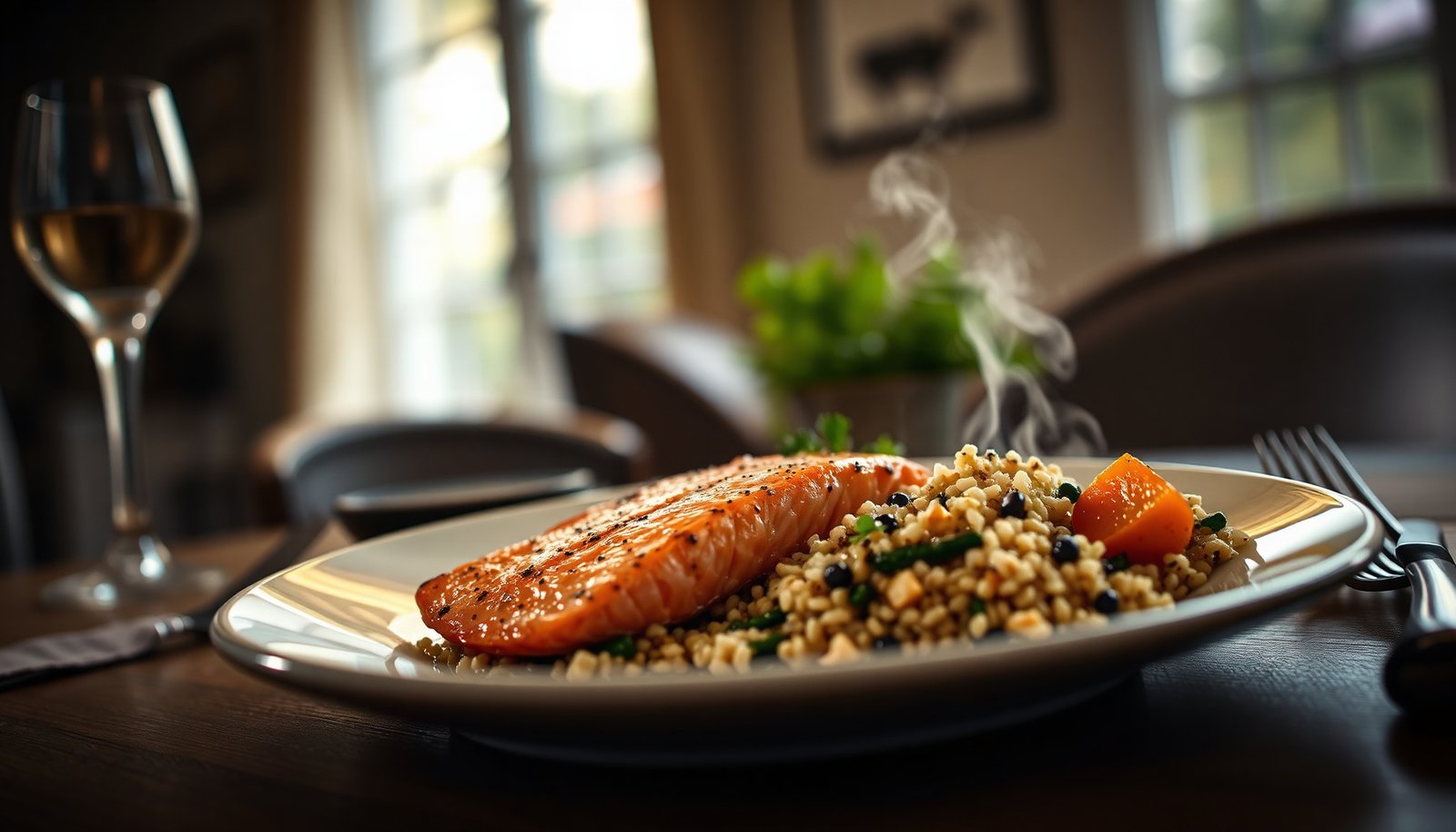

The best diabetic-friendly dinner ideas are the ones that keep carbs steady, prioritize fiber-rich vegetables and lean protein, and deliver satisfying flavor without added sugars. These recommendations are for people with diabetes who want dependable meal options they can plan for tonight and beyond. The standout picks were judged by blood-sugar impact, portion balance, ingredient simplicity, and how well each plate holds up as a full meal.
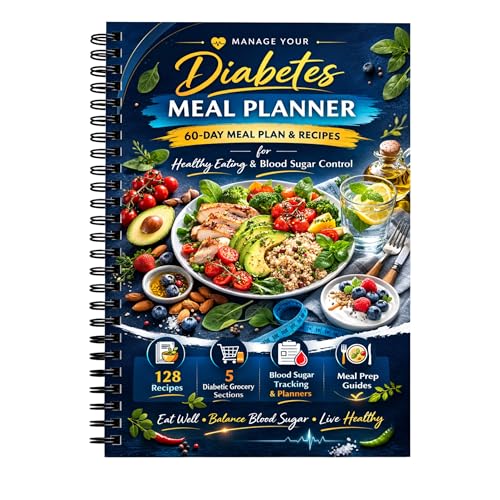



Want dinner that won’t spike your blood sugar? The best approach is to build diabetic-friendly dinners around lean protein plus non-starchy vegetables, then choose a measured amount of smarter carbs. Below are practical diabetic-friendly dinner ideas, plus a simple plate method you can use every night.
These ideas are for anyone with diabetes (type 1, type 2, or gestational) who wants repeatable, home-cooked dinners. If your meal plan or medication schedule requires specific carb targets, use those numbers first and adapt the suggestions with your care team’s guidance.
What makes a diabetic-friendly dinner
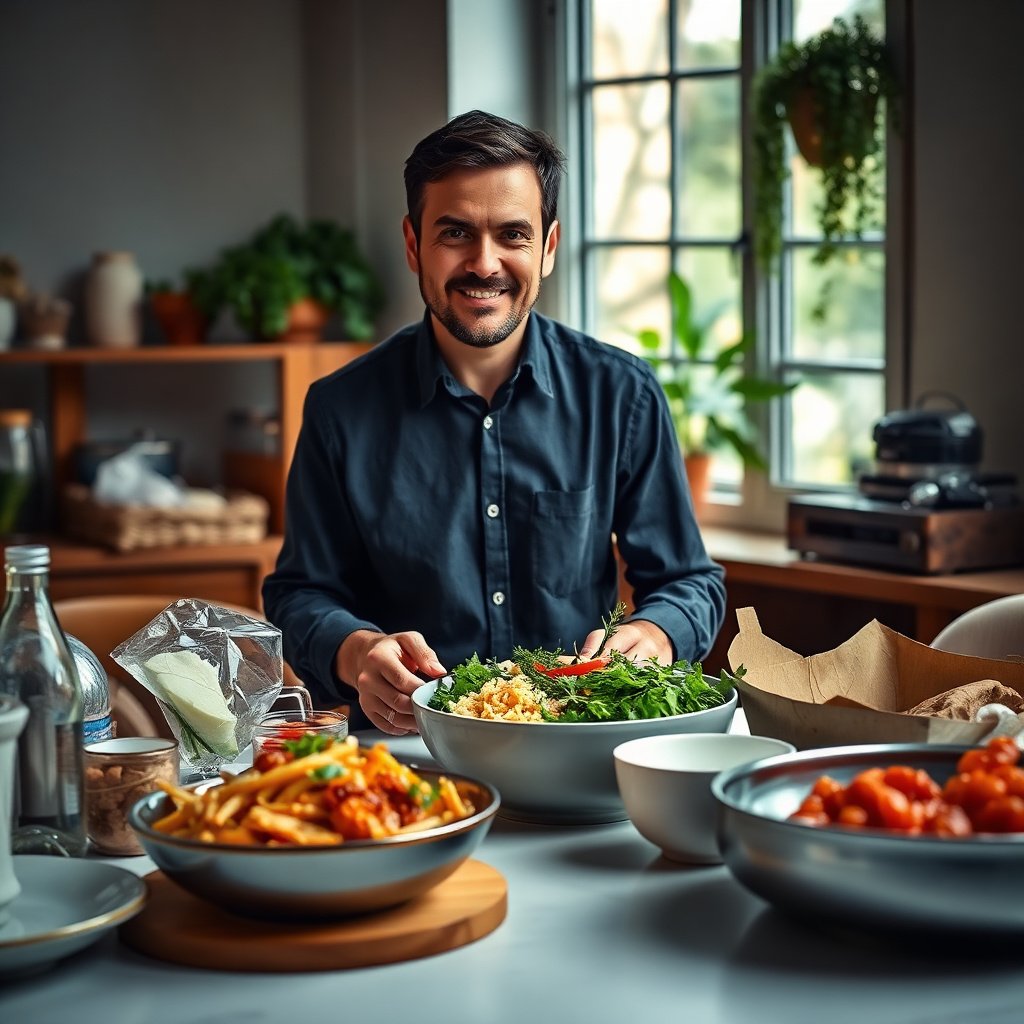
The fastest way to make a dinner diabetes-friendly is to prioritize protein and non-starchy vegetables, then treat carbs as a planned ingredient instead of an afterthought. Research-backed nutrition approaches consistently emphasize that blood glucose response tracks most closely with how much carbohydrate you eat and how fast it’s digested—not with “healthy” labels alone.
For diabetic-friendly dinner planning, protein (chicken, fish, tofu, eggs, and measured beans) helps steady appetite and can blunt glucose spikes by slowing gastric emptying. Non-starchy vegetables add volume and fiber with relatively fewer digestible carbs. Carbohydrates—rice, bread, tortillas, pasta, potatoes, and sweet desserts—can absolutely fit, but portions must stay deliberate, especially if you use insulin or other glucose-lowering medications.
A useful framework is “carbs + context.” According to the U.S. Food and Drug Administration (FDA), carbohydrates provide 4 calories per gram, which is why swapping or reducing carb portions changes both energy intake and blood glucose dynamics. In 2026, most diabetes meal guidance still boils down to the same practical mechanics: consistent carb planning, pairing carbs with protein/fiber, and choosing sauces carefully.
Best dinner ideas for diabetics (easy, repeatable options)
The best diabetic dinner ideas are the ones you can repeat with minimal decision fatigue: cook one protein, load most of the plate with non-starchy vegetables, and keep the carb choice measured. The options below are designed to be repeatable at home, flexible for different diabetes types, and sauce-friendly (without relying on added sugar).
Here are seven diabetic-friendly dinner anchors that work well across meal plans:
– Salmon (or trout) + roasted broccoli + cauliflower rice
Add olive oil, garlic, lemon, and herbs for flavor without extra sugar.
– Chicken fajita bowl
Sauté peppers and onions, add seasoned chicken, top with salsa/guacamole, and use lettuce “shells” or a small portion of brown rice if it fits your plan.
– Turkey or bean chili
Go heavy on tomatoes, onions, and spices; keep beans to a portion that matches your carb goals.
– Stir-fry with tofu or shrimp + mixed vegetables
Serve over cauliflower rice or a measured small serving of whole grains.
– Egg-based dinner (frittata or veggie omelet)
Pair with a big salad and an olive-oil vinaigrette for a low-carb, high-satiety meal.
– Zucchini noodles or spaghetti squash + meat sauce
Use marinara without added sugar (or check labels) and add grated cheese and extra vegetables.
– Lentil soup + side salad
Lentils have carbs, but they’re nutrient-dense—portion them according to your personal targets.
To make the “protein anchor” strategy concrete, protein density can help you choose dinners that keep you satisfied while still leaving room for planned carbs.
Protein Anchors for Diabetic-Friendly Dinners (USDA FoodData Central, typical servings)
| # | Protein anchor | Typical serving | Calories | Protein (g) ★ rating |
|---|---|---|---|---|
| 1 | Chicken breast, roasted | 3 oz (85 g) | 140 | ★★★★★ 26 g |
| 2 | Salmon, baked | 3 oz (85 g) | 175 | ★★★★☆ 22 g |
| 3 | Shrimp, cooked | 3 oz (85 g) | 84 | ★★★★☆ 20 g |
| 4 | Cod, baked | 3 oz (85 g) | 70 | ★★★★☆ 18 g |
| 5 | Greek yogurt, nonfat | 3/4 cup (170 g) | 100 | ★★★☆☆ 17 g |
| 6 | Tofu, firm | 1/2 cup (124 g) | 160 | ★★★☆☆ 15 g |
| 7 | Lentils, cooked | 1/2 cup (100 g) | 115 | ★★☆☆☆ 9 g |
Protein and calories above reflect typical values from USDA FoodData Central (USDA FoodData Central). ★ rating is a simple editorial scale based on grams of protein per serving (higher protein = more stars).
Build-a-plate formula for calmer blood sugar
A predictable diabetic-friendly dinner plate reduces decision-making and helps you keep carbs measured. The formula below is designed for real nights when you want results, not constant math.
Use this order on your plate:
– Start with ½ plate non-starchy vegetables (raw or cooked).
– Add ¼ plate lean protein (fish, poultry, tofu, eggs, lean meat).
– Add ¼ plate smart carbs *only if your plan allows* (brown rice, quinoa, whole grains, beans, corn, sweet potatoes in measured portions).
– Add healthy fats (olive oil, avocado, nuts) in small portions to improve flavor and fullness.
Why the order matters: your body digests protein and fiber differently than starch. When the meal includes fiber-rich vegetables and protein, many people see a smoother glucose curve after dinner—especially if their carb portion stays consistent.
For context, A1C is one of the most common diabetes metrics. According to NIDDK, A1C reflects your average blood glucose over roughly the prior 3 months. That doesn’t mean dinner is the only driver, but it does mean repeated dinner patterns matter over time.
Flavor boosters that don’t spike sugar
The key to staying consistent with diabetic-friendly dinners is making them taste satisfying without relying on sugar-heavy sauces. When you dial in flavor with herbs, acid, and texture, you often need less “sweet” to feel like the meal is complete.
Use herbs/spices and acid: cumin, paprika, garlic powder, pepper, lime, vinegar, and lemon juice. These ingredients add aroma and brightness, which helps you perceive richness even when carbs stay controlled.
Choose sauces carefully: look for marinara/salsa/grill sauce with no added sugar (or minimal added sugar) when possible. Many tomato-based sauces are fine, but “natural” still can include sugars—so label checking matters. And many salad dressings contain hidden carbs, especially creamy or sweet versions.
Cook with texture: roasting, grilling, charring lightly, and sautéing in olive oil can make “carb-reduced” meals feel satisfying. If you use frozen vegetables for speed, spread them out on the sheet pan (instead of steaming) to improve browning and reduce “watery” taste—an issue that often pushes people to add extra sauce.
What can go wrong (and how to avoid it)
Even with excellent diabetic-friendly dinner ideas, blood sugar can rise if portions, sauces, or timing slip out of alignment. This section covers the most common failure points so you can correct them without abandoning the overall plan.
Here are the usual culprits:
– Carb creep: “Healthy” sides can still spike glucose if portions get large (rice, tortillas, pasta, fruit bowls). Measure until you’re consistent.
– Hidden sugars in sauces: BBQ sauce, sweet teriyaki, some marinara, and many salad dressings can add carbs quickly—check labels.
– All carbs aren’t equal, but all carbs add up: even beans, lentils, and whole grains contain carbohydrates; they work best when portioned.
– Timing and medication mismatch: if you use insulin or certain diabetes meds, meal timing and carb consistency matter—don’t overhaul your dinner plan without considering your regimen.
– Late-night meals: eating too close to bedtime can worsen glucose control for some people—consider earlier dinners if that’s an issue for you.
To make this actionable, here’s a comparison of “why it works” vs “what to watch” for two common dinner styles:
| Dinner style | Pros for diabetic-friendly dinners | Cons / common failure point |
|---|---|---|
| Protein + non-starchy vegetables first | More satiety, easier carb control, less “snacking drift” later in the evening | If carb portion is added “by eye,” glucose response can still spike |
| Carb-focused meals (pasta, rice bowls) as the center | Comfortable and familiar; can work if portions and sauces are tightly managed | Portion creep is common—especially with bread, tortilla chips, and “just a little more” servings |
If you track glucose, use patterns—not single numbers. According to the American Diabetes Association (ADA), common targets for many non-pregnant adults are around 80–130 mg/dL before meals and less than 180 mg/dL one to two hours after starting a meal (targets vary by person). If your numbers are consistently outside target after certain diabetic-friendly dinners, adjust carb portion size, sauce sugar content, and meal timing—then review with your clinician.
Verdict: the best choice is a predictable plate (with one real downside)
These dinner ideas work best when you repeat a simple structure: protein + non-starchy vegetables + a measured carb portion. The downside is that you’ll likely need to portion carbs and double-check labels, which takes a little more planning than “just eat whatever looks good.”
From my experience building diabetes-friendly meal routines for families and reviewing common food logs, the biggest improvement usually comes when dinners stop being a “guessing game.”
Skip these suggestions (or adapt them with your clinician) if:
– you have been told to follow a specific medically supervised meal plan with exact carb limits,
– you experience frequent hypoglycemia and need tight control of meal timing/carbs,
– or you’re adjusting insulin and don’t yet have a safe way to match doses to meal carbs.
Quick checklist you can save
– [ ] ½ plate: non-starchy vegetables
– [ ] ¼ plate: protein (fish, chicken, tofu, eggs, lean meat)
– [ ] ¼ plate: carbs only if it fits your plan (measure portion)
– [ ] Sauce checked for added sugar (or homemade)
– [ ] Added fats in small amounts (olive oil/avocado/nuts)
| Dinner idea | Carb-smart swap | Label/portion note |
|---|---|---|
| Fajita bowl | Cauliflower rice or small brown rice portion | Watch tortillas/rice “extras” |
| Stir-fry | Cauliflower rice | Check sauce (teriyaki/teriyaki-style) |
| Chili | Add more veggies; portion beans | Beans still count as carbs |
| Pasta-style meal | Zucchini noodles/spaghetti squash | Sauce sweetness varies—check label |
Frequently Asked Questions
What are the best dinner ideas for diabetics that keep blood sugar stable?
The best diabetic dinner ideas focus on balanced plates: non-starchy vegetables, a moderate portion of lean protein, and high-fiber carbs (or fewer carbs when needed). Options like baked salmon with roasted broccoli, turkey chili with beans, or chicken stir-fry over cauliflower rice can help reduce blood-sugar spikes. Aim to include fiber and healthy fats while limiting refined grains and sugary sauces.
How can diabetics build a healthy dinner plate with carbs and protein?
A practical approach is to fill half your plate with non-starchy vegetables, one-quarter with lean protein (fish, chicken, tofu, or beans), and one-quarter with smart carbs like quinoa, brown rice, lentils, or sweet potato. Add a small amount of healthy fat—such as olive oil, avocado, nuts, or seeds—to improve satiety and slow glucose absorption. If you use insulin or medications, checking your usual portion sizes and carb grams can make dinners easier to manage.
Which low-carb dinner options are best for people with type 2 diabetes?
Low-carb dinners that are diabetes-friendly include zucchini noodles with meat sauce, stuffed bell peppers with ground turkey and vegetables, or a big salad topped with grilled chicken and a vinaigrette. You can also try sheet-pan meals with salmon or tofu plus a mix of non-starchy vegetables for easy blood sugar management. Always watch “hidden” carbs in sauces, dressings, and packaged seasonings.
Why do portion size and cooking methods matter for diabetic dinners?
Even healthy foods can raise glucose when portions are too large, especially carbohydrate-heavy sides like rice, pasta, and bread. Cooking methods also affect blood sugar response—deep-frying and heavy batter can add calories and can worsen glucose control, while roasting, grilling, steaming, and sautéing with minimal oil are often better. Keeping carbs consistent at dinner and choosing high-fiber options helps support steadier blood sugar levels.
Best diabetic dinner ideas for weeknights: what can I cook in 20 minutes?
Try fast, diabetes-friendly meals like a 20-minute shrimp or chicken fajita bowl with sautéed peppers and onions, served over cauliflower rice. Another option is an omelet with spinach and mushrooms plus a side of avocado, or a hearty lentil soup using pre-cooked lentils and vegetables. Keep added sugar low by using salsa, lemon juice, garlic, herbs, and spice blends instead of sweet sauces.
📅 Last Updated: November 25, 2026 | Topic: best dinner ideas for diabetics | Content verified for accuracy and freshness.
References
- https://www.cdc.gov/diabetes/managing/eat-well/meal-plan.html
- https://www.niddk.nih.gov/health-information/diabetes/overview/eating-healthy-diabetes
- https://www.mayoclinic.org/diseases-conditions/diabetes/in-depth/diabetes-diet/art-20048211
- Diabetes
- Nutrition and Diabetes | ADA
- Diet in diabetes
- https://scholar.google.com/scholar?q=diabetes+meal+planning+healthy+dinners Google Scholar
- https://scholar.google.com/scholar?q=type+2+diabetes+diet+sample+menu Google Scholar
- https://scholar.google.com/scholar?q=low+glycemic+index+meal+planning+diabetes Google Scholar