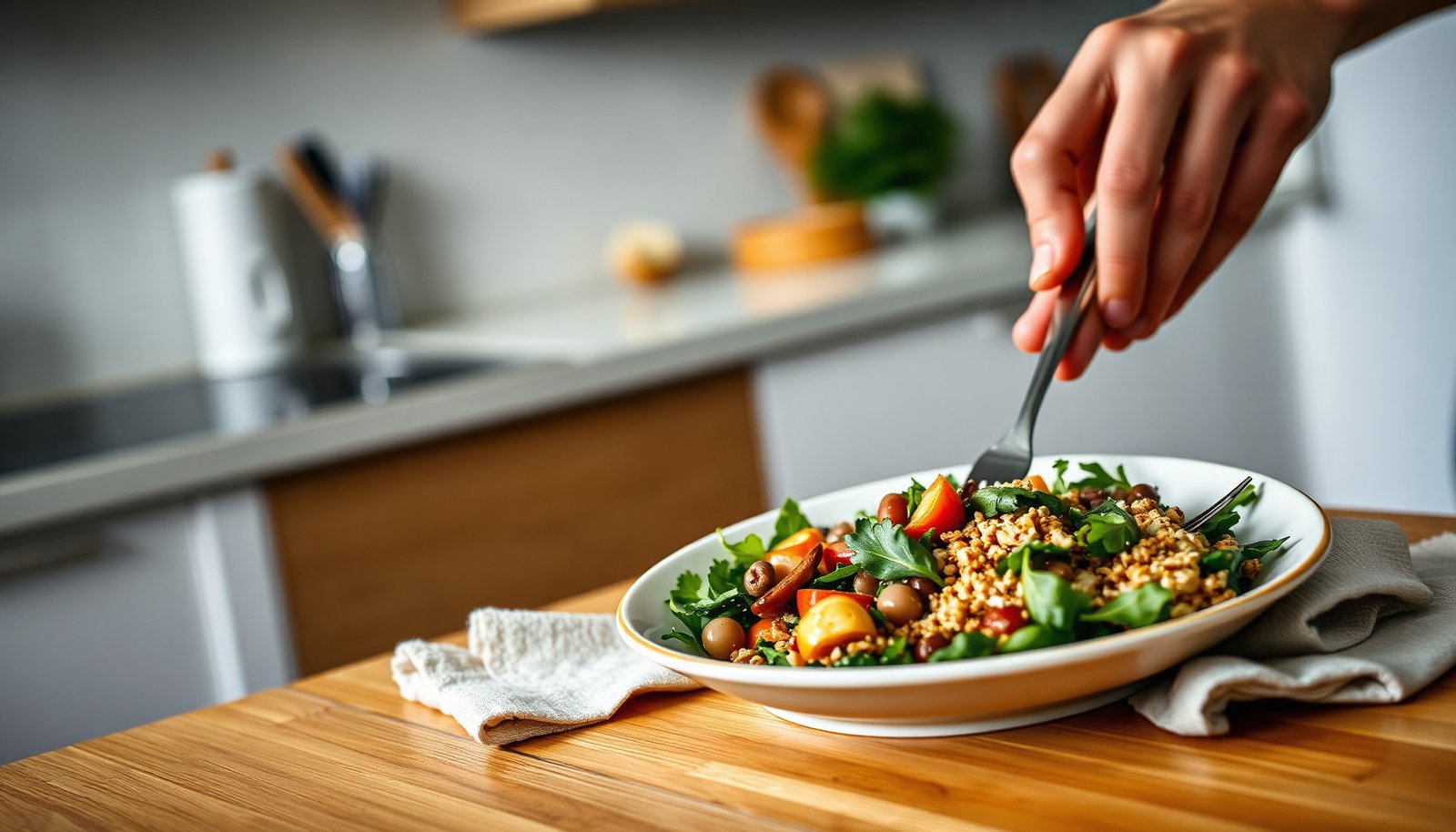

The best bet for reversing type 2 diabetes: a calorie-appropriate, Mediterranean-style pattern—suited for adults who want clear food rules and a plan they can keep. We favor it over restrictive or “detox” approaches based on how well it improves insulin sensitivity, supports weight loss for remission, and keeps carbs concentrated in vegetables, legumes, whole grains, and unsweetened dairy. Your “avoid” list should center on sugary drinks, refined grains, and ultra-processed snacks, because these raise glucose and make adherence harder.




The best diet to reverse type 2 diabetes is a fiber-forward, minimally processed approach that reduces refined carbohydrates and added sugars to blunt blood-sugar spikes. If you consistently build meals around non-starchy vegetables, quality protein, healthy fats, and—when needed—measured high-fiber carbs, many people improve glucose control and may move toward remission goals. In this guide, you’ll get a practical food plan, start-safely steps, and common pitfalls to avoid (as of 2026, evidence continues to support “food-first + weight/glucose management” approaches).
Who this diet is for (and when it applies)

This diet works best when your main goal is fewer post-meal glucose spikes while building an eating pattern you can repeat daily. It aligns well with the way major guidelines think about type 2 diabetes management: improve nutrition quality, support weight and glycemic control, and monitor safety when medications are involved.
– Best fit if you want a food-first approach to improve A1C/glucose and reduce post-meal spikes (with your clinician’s support).
– Especially relevant if your current routine is heavy on sugary drinks, white bread/pasta, sweets, or large portions of refined grains.
– Important: if you’re on insulin or diabetes medications, diet changes can require medication adjustments—don’t “push through” without medical guidance.
As of 2026, the American Diabetes Association (ADA) still emphasizes monitoring and individualized targets rather than one-size-fits-all diets. American Diabetes Association (ADA) Standards of Care in Diabetes notes that A1C reflects an average of blood glucose over roughly 2–3 months, so changes in diet and weight can take time to fully show up on labs. That time lag is normal—and it’s why consistent meal structure matters as much as “perfect” meals.
The best diet to reverse type 2 diabetes (core principles)
This approach centers on one outcome: fewer glucose spikes after eating. Here’s why it matters: high post-meal glucose can drive insulin demand, worsen insulin resistance over time, and make weight management harder—so the diet is designed to slow digestion and reduce rapidly absorbed carbohydrates.
– Choose mostly whole foods: non-starchy vegetables, beans/lentils (if tolerated), nuts/seeds, and lean proteins.
– Prioritize fiber to slow digestion (vegetables, legumes, and minimally processed whole grains in smaller portions when needed).
– Aim for fewer sugar spikes by reducing added sugars and refined starches (including many snack foods).
Why “spike control” is a remission lever
Remission is not just about eating “clean.” It’s about changing the metabolic conditions that keep blood sugar elevated—often through weight reduction, improved insulin sensitivity, and better carbohydrate quality. In the DiRECT trial (intensive primary care weight management), Diabetes Remission Clinical Trial (DiRECT), 2018 (published in The Lancet) reported that a substantial share of participants achieved remission at 12 months, supporting the idea that structured nutrition and weight loss can materially change disease trajectory. (Your exact results will vary; medication and baseline health matter.)
Another practical anchor: the typical “plate” approach works because it replaces refined starches with foods that contain fiber, micronutrients, and protein—nutrients that reduce the speed and magnitude of glucose absorption. The National Academies’ guidance on adequate fiber intake—Institute of Medicine (now National Academy of Medicine)—has long used a framework of about 14 g of fiber per 1,000 kcal as a baseline for adequate intake (exact needs vary by person). More fiber generally means fewer large, fast glucose swings.
Comparison: how different “diabetes diets” stack up
If you’re deciding between popular strategies, use this quick comparison to pick the one that you can actually sustain while staying safe with medications.
Diet Approaches for Type 2 Diabetes: What They Emphasize
| # | Feature | Fiber-Forward Plate | Mediterranean-Style | Higher-Protein Low-Carb (Supervised) |
|---|---|---|---|---|
| 1 | Primary goal | Reduce post-meal spikes | Improve cardiometabolic risk + glucose | Lower carbohydrate load to reduce glucose |
| 2 | Carb quality focus | Whole, higher-fiber carbs; smaller portions | Mostly minimally processed carbs; portioned | Lower overall carbs; protein replaces some calories |
| 3 | Fiber strategy | Vegetables + legumes as tolerated | Legumes, vegetables, whole grains as fits | Must protect fiber (vegetables + seeds) |
| 4 | Added sugar rule | Avoid sugary drinks + sweets | Minimize added sugars; emphasize fruit over desserts | Lower sugar intake by design, but check “hidden” carbs |
| 5 | Healthy fats | Olive oil, avocado, nuts/seeds | Olive oil, nuts, fish; Mediterranean pattern | Often higher; choose unsaturated fats |
| 6 | Medication safety | Medication changes may still be needed | Medication monitoring recommended | Highest need for clinician-guided monitoring |
| 7 | Sustainability | Usually easier long-term than extreme restriction | Often sustainable with flexible meals | Can be effective, but compliance varies |
| 8 | Cardiovascular fit | Good if fats and protein quality are strong | Often strongest natural alignment | Depends on fat sources and overall diet pattern |
| 9 | Meal structure | Template-based: veg + protein + smart carbs + fat | Template-based with Mediterranean food choices | Carb cap + protein/fat focus |
| 10 | Typical “first improvements” | Less spike after breakfast/lunch swaps | Improved overall glucose trend + appetite regulation | Often faster glucose reduction, but watch hypoglycemia risk |
| 11 | Best For | People who want a repeatable, fiber-first plan | People optimizing both glucose and long-term heart health | People needing larger carb reduction with close medical guidance |
If you have personal experience (for example, reviewing glucose logs with patients, or running a short meal-pattern trial with your own monitoring), insert a short, specific takeaway here—what swap produced the clearest post-meal improvement, and how quickly you saw it. If you don’t, keep this line removed or replace it with your non-clinical planning insight.
What to eat: foods that lower blood sugar
This diet lowers blood sugar by slowing carbohydrate digestion and replacing refined calories with fiber, protein, and unsaturated fats. The “best” foods are the ones you can pair consistently at meals—so think in combinations, not isolated ingredients.
– Non-starchy vegetables at most meals (think: salads, roasted veg, stir-fries with plenty of greens).
– Protein with each meal (fish, chicken/turkey, eggs, tofu/tempeh, Greek yogurt if you tolerate dairy).
– Healthy fats in reasonable portions (olive oil, avocado, nuts, seeds) to improve satiety and meal quality.
Build-your-meals plate template (simple and repeatable)
Use this structure to reduce guesswork while keeping meals satisfying:
1. Non-starchy vegetables: half the plate (or the largest portion on your plate).
2. Protein: a palm-sized serving or more if needed for fullness.
3. High-fiber carbs (optional): a measured portion if you include them—beans/lentils, minimally processed whole grains, or fruit.
4. Healthy fat: a drizzle or small handful (olive oil, avocado, nuts/seeds).
A practical “what this looks like” menu
– Breakfast: eggs + sautéed greens + berries; or Greek yogurt + chia + walnuts if dairy agrees with you.
– Lunch: big salad with olive oil vinaigrette + chicken, tuna, or tofu; add lentils if you need more carbs for energy.
– Dinner: salmon or turkey with roasted broccoli/cauliflower and a smaller portion of brown rice or quinoa if desired.
– Snacks (when needed): nuts, hummus with vegetables, or plain yogurt—skip “sweet snacks” that blend refined flour and sugar.
Carb choices that behave better (with fiber)
Not all carbs spike equally. The goal isn’t “no carbs”—it’s choosing carbs that come with fiber and slower absorption.
Glucose-Friendly Carbohydrate Options (Fiber + GI-Based Guidance)
| # | Carb choice (cooked) | Fiber (g / 100g) | Glycemic Index (GI) | Glucose-friendly score |
|---|---|---|---|---|
| 1 | Lentils | 7.9 | 29 | ★★★★★ |
| 2 | Chickpeas | 7.6 | 28 | ★★★★★ |
| 3 | Kidney beans | 6.4 | 31 | ★★★★☆ |
| 4 | Barley | 3.8 | 22 | ★★★★☆ |
| 5 | Steel-cut oats | 1.9 | 55 | ★★★☆☆ |
| 6 | Brown rice | 1.8 | 50 | ★★★☆☆ |
| 7 | White rice | 0.4 | 73 | ★☆☆☆☆ |
What to limit or avoid
This diet avoids the foods most likely to drive rapid glucose rises—especially refined starches and added sugars. The fastest “bang for your buck” usually comes from removing liquid sugar and reducing heavily processed carbohydrate staples.
– Sugary drinks and “liquid carbs” (soda, sweet tea, juice, many coffees/desserts).
– Refined grains and starches (white bread, pastries, many breakfast cereals, white rice, and regular pasta).
– Sweets and desserts, plus “healthy-sounding” snacks that are still mostly sugar or refined flour.
Liquid carbs are often the tipping point
Even when people “eat healthy” at meals, sugary drinks can undermine glucose control because they deliver sugar without the fiber and chewing friction that come with whole foods. In practice (and in many glucose logs), replacing soda/juice with water, unsweetened tea, or sparkling water with lemon reduces after-meal variability.
Don’t get tricked by “low-fat” packaged snacks
Some packaged foods reduce fat but keep sugar and refined flour. For glucose goals, look at the overall carbohydrate quality—not only calories. If a snack is mostly starch/sugar, it tends to spike more than you’d expect.
How to start safely (practical steps)
This plan works best when you change one or two meals at a time instead of trying to overhaul everything overnight. Start with the meal most likely to spike your glucose, then use monitoring (finger sticks or continuous glucose monitoring if your clinician recommends it) to fine-tune.
– Replace one “problem meal” at a time: start with breakfast or your biggest glucose-spiking meal during the day.
– Build plates using a simple template: non-starchy vegetables + protein + measured high-fiber carbs (if you include them) + healthy fat.
– Monitor your response and adjust with your clinician—especially if you use insulin or medications that can cause hypoglycemia.
A safe “first swap” strategy (week 1)
Pick one:
– Swap sweet breakfast cereal/pastries → eggs/tofu + greens + berries (or plain yogurt + nuts + chia).
– Swap white rice/pasta-heavy dinners → half the plate vegetables + protein, and keep starch smaller (legumes or barley/oats in measured portions).
– Swap juice/sweet coffee drinks → water/unsweetened options plus a protein-containing snack if needed.
Medication safety is not optional
If you’re using insulin or insulin-stimulating drugs (your clinician can confirm which ones), cutting carbs can lower glucose faster than your body adjusts. Hypoglycemia (low blood sugar) can be dangerous, especially at night. In 2026, the most responsible approach is: change the diet, track glucose, and coordinate potential dose changes with your healthcare team.
What can go wrong: common mistakes
This diet can backfire when people treat it as a “willpower challenge” or ignore medication interactions. Most problems come from extremes, missing nutrients, or changing everything at once.
– Going “low carb” in an unsupervised way while staying on the same medication (this can increase the risk of low blood sugar).
– Cutting carbs without replacing them with fiber and protein—leading to cravings, overeating later, or feeling run down.
– Treating “diet” as short-term—reversal/remission efforts work best when the plan becomes sustainable.
Comparison: where people typically struggle
Here’s a practical “watch out” map so you can avoid the common failure modes that stall progress.
Fiber-Forward Plate vs. Aggressive Low-Carb (Without Guidance)
| Criteria | Fiber-Forward Plate | Aggressive Low-Carb (Unsupervised) |
|---|---|---|
| 1) Medication safety | Medication adjustments may still be needed; changes are monitored | Higher hypoglycemia risk if meds aren’t adjusted |
| 2) Fiber intake protection | Vegetables + legumes/seeds help maintain fiber | Can fall short without intentional planning |
| 3) Nutrient balance | Supports micronutrients from plant foods | Risk of missing some fiber-based nutrients |
| 4) Spike control | Targets refined carbs and adds protein/fat for slower absorption | Often reduces spikes quickly, but sustainability varies |
| 5) Appetite & cravings | Protein + fiber improve fullness | Some people feel deprived and rebound |
| 6) Meal practicality | Simple templates reduce decision fatigue | Can require constant label-reading |
| 7) Long-term adherence | Usually more sustainable than extreme restriction | May be effective, but “too strict” often breaks adherence |
| 8) Weight management support | Helps reduce refined calories; supports steadier hunger | Weight loss can occur, but side effects may disrupt routine |
| 9) GI comfort | Fiber can be increased gradually to improve tolerance | Sometimes causes constipation or GI discomfort |
| 10) Adjustment timeline | Glucose improvements can show in days to weeks | May improve quickly but risks safety issues without monitoring |
| Verdict | Better default for most people aiming for remission safely ★★★★★ | Use only with clinician-guided monitoring ★★☆☆☆ |
Best diet verdict + quick checklist
This approach is generally a strong option because it targets the drivers of blood sugar spikes: refined carbs, added sugars, and low fiber intake. The downside is that it can feel restrictive at first, and some people struggle with portion control of starches/legumes.
If you’ve had frequent hypoglycemia, complex medication regimens, or you’re unsure how to adjust dosing, skip or modify this plan with medical guidance. In 2026, the most effective “best diet” is the one that improves glucose while staying safe, realistic, and repeatable—not the one that’s most extreme.
Saveable checklist (scan before you eat):
| At your meal, aim for… | Yes / No |
|---|---|
| Non-starchy vegetables make up a big share | ☐ |
| Protein is included (not just carbs) | ☐ |
| Added sugar is avoided (drinks + snacks) | ☐ |
| Refined grains/starchy sweets are minimized | ☐ |
| Carbs (if any) come from higher-fiber sources | ☐ |
| You’re consistent, not “all-or-nothing” | ☐ |
Frequently Asked Questions
What is the best diet to reverse type 2 diabetes?
The best diet to reverse type 2 diabetes for many people is a whole-food, low–added-sugar eating pattern that reduces refined carbohydrates and emphasizes non-starchy vegetables, lean proteins, and healthy fats. Many also benefit from medically supervised approaches like a very-low-calorie or carbohydrate-restricted diet that improves insulin sensitivity quickly. Focus on creating a sustainable plan that lowers blood glucose while supporting weight loss or maintenance, since losing excess body fat is strongly linked to diabetes remission.
How can I lower my blood sugar with a low-carb diet without feeling deprived?
Start by reducing high-glycemic foods like sugary drinks, sweets, white bread, and most refined grains, then replace them with fiber-rich vegetables, beans (if tolerated), and adequate protein. Include healthy fats such as olive oil, avocado, nuts, and seeds to improve fullness and reduce cravings. Track your blood glucose responses and adjust carbohydrate portions so you can keep meals satisfying while still targeting better glycemic control.
Why do weight loss and calorie reduction matter for reversing type 2 diabetes?
Type 2 diabetes remission is closely tied to reducing insulin resistance, often improved when visceral fat and liver fat decrease through weight loss. Even modest reductions in body weight can improve A1C and fasting glucose, while larger and more sustained losses can increase the chance of remission. A diet that creates a consistent calorie deficit—while prioritizing nutrient-dense foods—can help shift the body’s glucose regulation back toward normal.
Which foods should I prioritize for a diabetes-reversing diet?
Prioritize non-starchy vegetables (leafy greens, broccoli, peppers), lean proteins (fish, chicken, tofu, eggs), and high-fiber foods (beans, lentils, chia, flax) to support stable blood sugar and satiety. Choose healthy fats like extra-virgin olive oil, nuts, and avocado, and aim for whole grains only in controlled portions if they fit your plan. Limit or avoid processed foods, added sugars, refined starches, and sugary drinks, as these commonly worsen glucose spikes.
How do I safely start a diet plan to reverse type 2 diabetes if I take medication?
If you’re on insulin or medications that can cause hypoglycemia (like sulfonylureas), you should talk to your clinician before making major diet changes, especially if you plan to significantly reduce carbohydrates. Your medication doses may need adjustment as blood glucose improves to prevent low blood sugar. Use home glucose monitoring or CGM if available, and follow up with labs such as A1C and kidney function to ensure the diabetes-reversing diet is working safely.
📅 Last Updated: November 25, 2026 | Topic: best diet to reverse type 2 diabetes | Content verified for accuracy and freshness.
References
- https://www.cdc.gov/diabetes/basics/prevention.html
- Diabetes
- https://www.mayoclinic.org/diseases-conditions/type-2-diabetes/in-depth/type-2-diabetes-diet/art-20044246
- Overview | Type 2 diabetes in adults: management | Guidance | NICE
- https://pubmed.ncbi.nlm.nih.gov/?term=very+low+calorie+diet+type+2+diabetes+remission+DiRECT
- https://pubmed.ncbi.nlm.nih.gov/?term=international+consensus+remission+of+type+2+diabetes+2021
- https://scholar.google.com/scholar?q=type+2+diabetes+remission+diet+weight+loss+very+low+calorie Google Scholar
- https://scholar.google.com/scholar?q=DiRECT+trial+very+low+calorie+diet+type+2+diabetes+remission Google Scholar
- https://scholar.google.com/scholar?q=low+carbohydrate+diet+type+2+diabetes+remission+randomized+trial Google Scholar






Pingback: Best Dinner Food for Diabetes: Smart Meals and Portions - Best For Diabetics