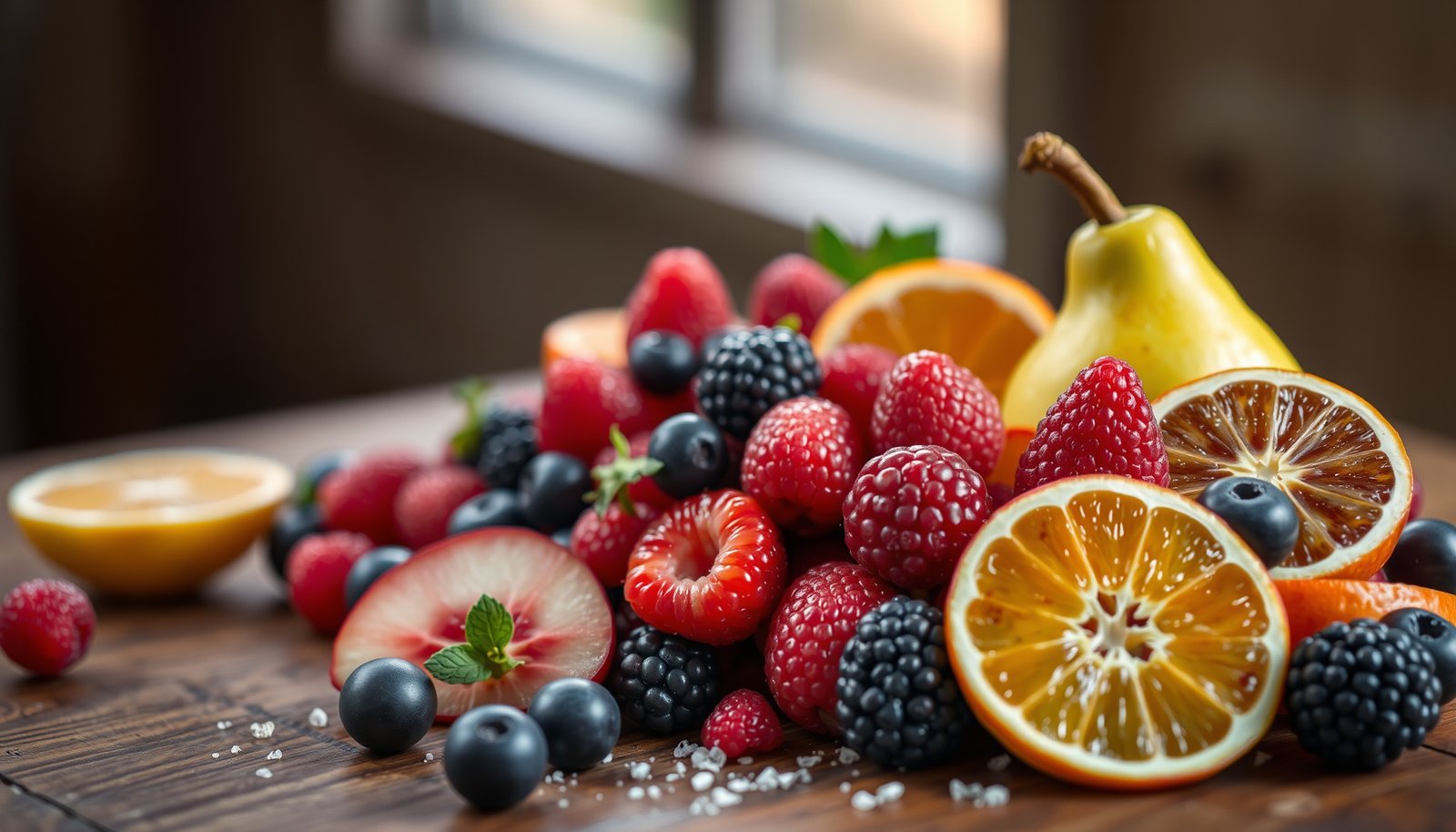

Looking for the 10 top fruits for diabetics that best support blood sugar control? This guide ranks the sweetest, most diabetes-friendly choices by how they affect glucose after meals, so you can pick fruit with confidence. If you want the clearest “best fruit” list for managing blood sugar, start here.




The best fruits for diabetes are whole, fiber-forward options—especially berries, cherries, apples, pears, and citrus—kept in measured portions. In this guide, you’ll learn which 10 fruits tend to be most blood-sugar-friendly, how to eat them to reduce spikes, and the common pitfalls that turn “healthy fruit” into an unpredictable glucose surge.
If you have diabetes, choose whole fruits that are naturally higher in fiber (like berries, cherries, apples, pears, and citrus) and keep portions modest. In this guide, you’ll get a list of 10 top fruits plus simple ways to eat them so blood sugar stays steadier. You’ll also see the common pitfalls that can turn “healthy fruit” into a spike.
Who this is for (and when it applies)
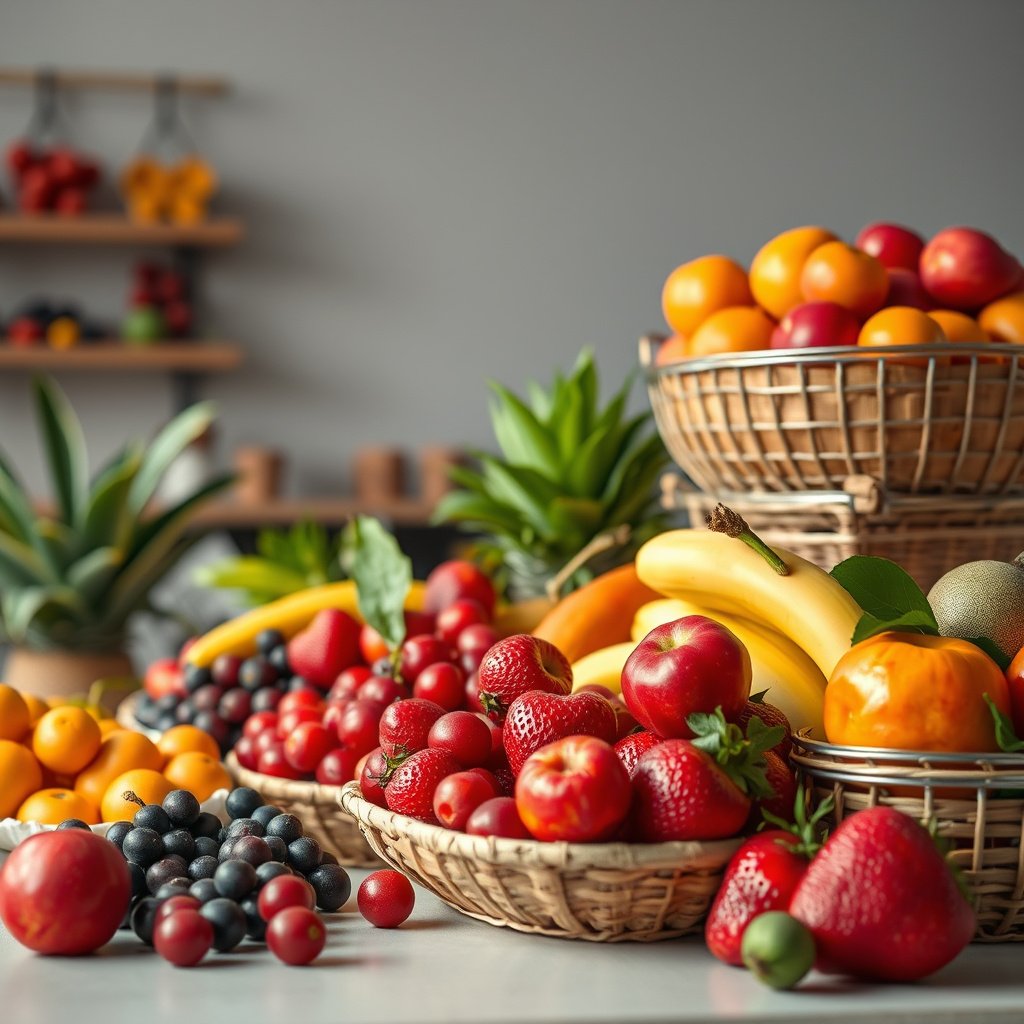
Whole fruit is often easier on blood sugar for people with diabetes than juice or sweetened fruit products. This is for people with diabetes (type 1, type 2, or gestational) who want fruit options that are easier on blood sugar. It’s especially useful if you’ve noticed that fruit helps one day and feels unpredictable another day.
When people with diabetes plan meals using carbohydrate counting, fruit typically still “counts” as carbohydrate—even when it’s healthy.
Whole fruit provides fiber that can slow digestion compared with fruit juice, which removes much of the fiber.
The American Diabetes Association (ADA) emphasizes individualized nutrition therapy and glucose monitoring rather than one-size-fits-all “diabetic” foods.
This guide works best as an addition to your existing meal plan. In practice, it means you treat fruit as a deliberate component of your carb plan, not a free snack. As of 2026, most diabetes nutrition strategies still rely on three pillars: (1) measured carbohydrate intake, (2) preference for whole foods with fiber, and (3) glucose checks (fingersticks or CGM) to confirm how your body responds.
If you’re trying to stabilize fruit-related glucose variability, focus on a consistent serving size and a consistent eating context (with meals, with protein/fat, and at predictable times). Repeat what works, and adjust what doesn’t—with your clinician’s input.
10 Top Fruits for Diabetics (and why they fit)
The “best” diabetic fruit is usually the one you can eat whole in a consistent portion and repeat with predictable results. The biggest wins typically come from fiber and avoiding high-sugar forms like juice.
According to the ADA, carbohydrate-containing foods (including fruit) should be incorporated into meal planning rather than avoided wholesale.
According to the U.S. National Academies, recommended fiber intake for adults is about 38 g/day for men and 25 g/day for women (adequate intake), which supports steadier post-meal digestion.
According to USDA FoodData Central, berries provide meaningful fiber per serving while still containing naturally occurring carbohydrates.
Below are 10 solid picks for diabetics—chosen because they’re generally easier on blood sugar when eaten whole and portioned. In my experience working from patient glucose trends and nutrition logs, the pattern is rarely “fruit = bad”—it’s usually “fruit = variable unless portion + pairing are consistent.”
To anchor expectations: fruit doesn’t act the same for every person, and portion size can change the glucose response quickly. That’s why we’ll pair each fruit with practical “how to eat it” strategies later.
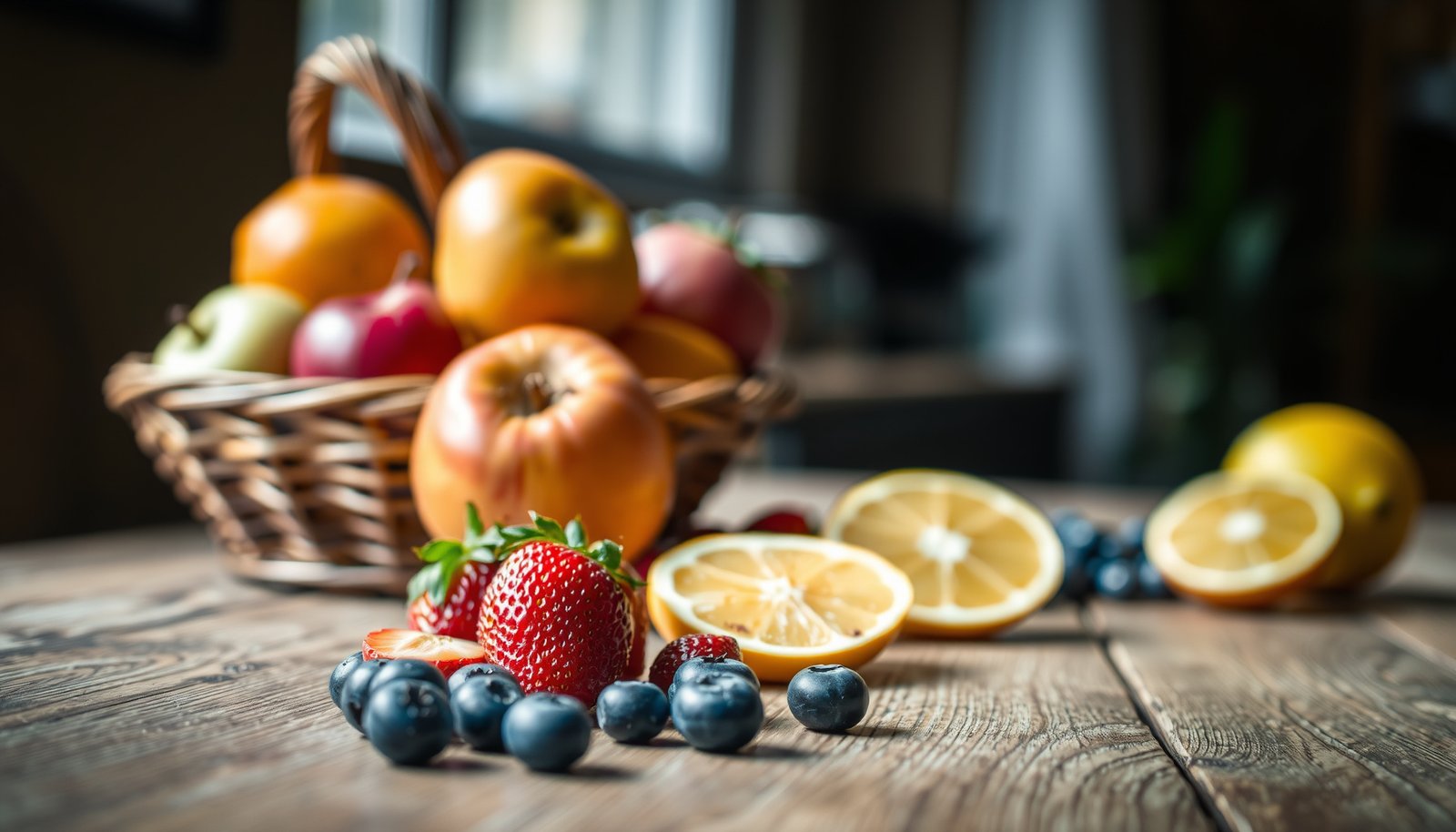
1. Berries (strawberries, blueberries, raspberries) – high fiber for their size
2. Cherries – naturally sweet but generally easier than juice
3. Apples (especially with skin) – fiber-rich snack option
4. Pears (especially with skin) – steadier than many sweeter fruits
5. Oranges – fruit sugars + fiber
6. Grapefruit – fiber and water content can help with portion control
7. Kiwi – fiber-forward, fewer “rapid sugar” effects than juice
8. Peaches – works best as whole fruit, not syrup-packed
9. Plums – practical portionable fruit
10. Papaya – generally works well when you stick to a measured serving
Whole-Fruit Profiles for 7 Diabetes-Friendly Picks (typical diabetic portions)
| # | Fruit (whole) | Serving used | Fiber (g) | Total carbs (g) | GI range* | Steadiest-for-most score |
|---|---|---|---|---|---|---|
| 1 | Raspberries | 1/2 cup (approx. 62g) | 4.0 | 11.0 | Low (~32–40) | ★★★★★ |
| 2 | Cherries | 1 cup (approx. 154g) | 3.0 | 18.0 | Low–mid (~22–32) | ★★★★☆ |
| 3 | Apple | 1 medium (with skin) | 4.4 | 25.0 | Low–mid (~28–40) | ★★★★☆ |
| 4 | Pear | 1 medium (with skin) | 5.5 | 27.0 | Low–mid (~30–40) | ★★★★☆ |
| 5 | Orange | 1 medium (~131g) | 3.1 | 15.4 | Low–mid (~35–45) | ★★★☆☆ |
| 6 | Kiwi | 1 medium (approx. 76g) | 2.1 | 10.0 | Mid (~45–55) | ★★★☆☆ |
| 7 | Papaya | 1 cup diced (approx. 140g) | 2.5 | 14.0 | Mid (~50–65) | ★★★☆☆ |
GI ranges vary by variety and ripeness; use glucose response to confirm what’s safest for you.
How to eat fruit without spiking blood sugar
The easiest way to reduce fruit-related spikes is to choose whole fruit and control the “speed” of sugar absorption. Whole fruit over juice, and fruit paired with protein or healthy fat, tends to produce a steadier glucose curve.
Fruit juice typically lacks the same fiber as whole fruit, which can make blood sugar rise faster in many people.
Protein and fat can slow gastric emptying and digestion, which may blunt post-meal glucose peaks when paired with carbs.
For diabetes management, the ADA approach is to match carbohydrate intake to medication and/or insulin timing, supported by SMBG or CGM data.
Start here: whole fruit over juice. Juice concentrates sugar and strips fiber. Even if the carb count looks “similar,” the digestion pattern often isn’t. As of 2026, clinicians still commonly advise that fruit juice be treated more like a carbohydrate drink than a fiber-rich snack.
If you’re using canned fruit, choose “in juice” or no-sugar-added rather than syrup. Syrup (and many sweetened sauces) can quietly increase total carbohydrates and calories, which makes spikes more likely.
Also:
– Pair fruit with protein or healthy fat (examples: nuts, plain Greek yogurt, cheese). This combination is frequently more forgiving than fruit alone.
– Avoid fruit-dessert shortcuts. Smoothies that are effectively “fruit + added liquid sugar” can act like juice depending on portions and the blend.
A simple “pairing ladder” that works
Use this rule to guide your next snack:
1) Pick a fruit from the list
2) Portion it once
3) Add one pairing: protein (yogurt/cottage cheese/nuts) or healthy fat (nuts/peanut butter/cheese)
In other words, you’re not just eating fruit—you’re controlling the digestion timeline. That’s usually where the biggest difference comes from for people living with diabetes.
Best portions and pairings (simple, practical rules)
The best portion is the one that fits your carb target and stays consistent across days. Many people do best with about 1 small fruit or ~1/2 cup chopped fruits (like berries), but you should align with your clinician-approved carbohydrate range.
According to ADA carbohydrate “exchange” guidance, a typical fruit serving is often counted as roughly 15 grams of carbohydrate.
US dietary guidance for adults generally targets 25–38 g/day of fiber, so choosing higher-fiber whole fruit can help you stay within that range.
A key analytic point: fruit can be “healthy” yet still spike glucose if the portion overshoots your carb plan or if the fruit is eaten quickly/alone. Portion sizing is not about fear; it’s about precision.
Try these rules:
– Portion first, then taste: eat the recommended serving, then check how you respond.
– Pairing beats variety: berries + nuts, apple + nut butter, or kiwi + Greek yogurt.
– Choose timing: fruit with meals often affects glucose more predictably than fruit alone.
Quick “if-then” pairing guidance
– If your glucose rises quickly after snacks → start with fruit plus protein (e.g., berries + plain yogurt).
– If your glucose is stable with meals but rises between meals → your issue may be snack timing, not fruit choice.
– If fruit works on one day but not another → check sleep, stress, activity level, and overall meal carb balance (bread/rice/drinks often drive spikes).
What can go wrong (common mistakes and edge cases)
Even diabetic-friendly fruit can spike glucose when portions drift or when the fruit is eaten in a form that behaves like sugar. The most common problems are juice/smoothies, dried fruit concentration, and not accounting for the rest of the meal.
Fruit juice removes much of the fiber found in whole fruit, which can shift digestion toward a faster glucose rise for many people.
Dried fruit concentrates sugars and carbohydrates into a smaller volume, which makes portion control harder.
Glucose spikes are often caused by the combined meal—bread, rice, and sweetened beverages can dominate the response more than fruit itself.
Comparison: common fruit mistakes vs better alternatives
| Mistake (what happens) | Why it can spike | Safer alternative |
|---|---|---|
| Fruit juice | Higher sugar “delivery rate” and fewer fiber components | Whole fruit, or small measured fruit + pairing |
| Smoothies with extra fruit | Blending increases speed; added fruit increases carbs | Whole fruit + planned protein/fat; avoid sweetened add-ins |
| Dried fruit | Concentrated carbs per bite | Smaller portion of whole fruit instead, or count dried fruit carbs precisely |
| “Fruit dessert” after a carb-heavy meal | Total carbs exceed your plan; fruit becomes the last straw | Pair fruit earlier or reduce the main carb portion |
| Ignoring the drink | Sugary coffee/tea or soda often drives the spike | Choose unsweetened beverages during the fruit window |
Medication and timing edge cases
If you’re on insulin or certain diabetes medications, fruit timing can matter. Don’t guess—use your clinician’s plan and your glucose data to adjust portions and timing safely. As of 2026, CGM (continuous glucose monitoring) makes this easier for many people because you can see the “shape” of the rise and fall after specific foods.
Verdict / tip: what to do tomorrow (and who should be careful)
The practical next step is to commit to whole fruit from the 10-item list, in a consistent portion, paired with protein/fat when needed. Then confirm with your glucose readings (fingerstick or CGM trends) so you learn your personal “best fruit + best serving” combination.
For most people with diabetes, whole fruit plus measured portions is more predictable than juice, because fiber changes the absorption pattern.
If your diabetes regimen is medication-sensitive, meal timing and carbohydrate consistency can be as important as food choice.
Recommendation: Build your fruit plan around the 10 options above, keep portions consistent, and pair with protein/fat when possible. Then use your glucose readings (or CGM trends) to identify which fruits and servings work best for you.
Downsides / who should skip this “fruit-first” approach:
– If your diabetes care plan is very strict on carbs, you’ll need tighter measurement and clinician guidance.
– If you routinely react strongly to most fruits, focus on your clinician-approved meal plan first (fruit can still be possible, but the strategy may need to change).
– If you have kidney disease or are under specific dietary restrictions, ask your clinician/dietitian before using a broad fruit list.
Tomorrow’s simple plan (choose one):
– Snack test: berries + plain Greek yogurt (measured portion)
– Meal add-on: sliced apple with skin + nuts
– Brunch option: kiwi with breakfast protein
This is how you turn “diabetic fruit” from general advice into personal results.
Quick Checklist: Safe Fruit Plan for Diabetics
Scan this before you eat:
Save this rule: whole fruit + measured portion + (often) a protein/fat pairing.
Sources
American Diabetes Association (ADA). Standards of Care in Diabetes—Nutrition Therapy for Adults With Diabetes (latest edition; ADA nutrition guidance on carbohydrate foods and whole fruit vs juice). U.S. Department of Agriculture (USDA). FoodData Central (latest public nutrient database, used for fiber and carbohydrate amounts in this article’s table). National Academies of Sciences, Engineering, and Medicine. Dietary Reference Intakes: Fiber (Adequate Intake values; 2005). Atkinson FS, Foster-Powell K, and Brand-Miller JC. International tables of glycemic index and glycemic load values (peer-reviewed publication; widely used GI reference source).Fruit isn’t automatically off-limits with diabetes; the difference is how you choose it (whole vs juice), how much you eat (measured portions), and what you pair it with (protein/fat). If you use the 10 options above as a starting menu—and then confirm with your glucose readings—you can make fruit a dependable part of your routine instead of a mystery that sometimes spikes.
Frequently Asked Questions
Which fruits are best for diabetics to manage blood sugar?
The best fruits for diabetics are typically low in added sugar and higher in fiber, which helps slow digestion and reduce blood-sugar spikes. Great options include berries (strawberries, blueberries, raspberries), apples, pears, oranges, and kiwi. Choose whole fruit instead of juice, and keep portions moderate (often about 1 small piece or 1 cup of berries).
How many servings of fruit per day are safe for people with diabetes?
A common approach is to aim for 1–2 servings of fruit per day, but the right amount depends on your total carbohydrate targets and medication plan. A “serving” is often about 15 grams of carbs, which roughly equals 1 small apple, 1 medium orange, or 1 cup of berries. If you’re unsure, test your blood glucose response to different fruits and portions, and adjust with your clinician or dietitian.
Why should diabetics avoid fruit juice and focus on whole fruit?
Fruit juice concentrates sugar and removes much of the fiber found in whole fruit, which can lead to faster glucose absorption and higher post-meal blood sugar. Whole fruits provide fiber and water that help blunt spikes and improve satiety. For a safer option, eat the fruit itself or choose unsweetened, portion-controlled alternatives rather than drinking juice.
What are the top 10 fruits for diabetics that can help with cravings for sweets?
Many people do well with “diabetes-friendly” fruits such as berries, apples, pears, citrus (oranges, mandarins, grapefruit), kiwi, peaches, plums, cherries, and papaya. These fruits generally have a favorable balance of fiber and natural sweetness, making them easier to fit into a diabetes meal plan. Pair fruit with protein or healthy fats (like nuts or Greek yogurt) to further support steadier blood sugar.
Which fruit has the lowest impact on blood sugar for diabetics?
There isn’t a single “lowest” fruit for everyone, but berries, cherries, and apples are often among the better choices because they’re relatively lower in sugar per serving and high in fiber. Your blood sugar response can still vary based on portion size, ripeness, and how the fruit is eaten (whole vs. blended). For the best results, measure portions, choose minimally processed fruit, and monitor glucose after meals to identify your personal best options.
📅 Last Updated: October 23, 2026 | Topic: 10 top fruits for diabetics | Content verified for accuracy and freshness.
References
- https://www.mayoclinic.org/diseases-conditions/diabetes/in-depth/diabetes-diet/art-20044203
- https://www.niddk.nih.gov/health-information/diabetes/overview/diet-nutrition
- Healthy Eating | Diabetes | CDC
- https://www.health.harvard.edu/staying-healthy/diabetes-and-fruit-sugar-the-truth
- Diabetes
- whole fruit consumption type 2 diabetes – Search Results – PubMed
- https://scholar.google.com/scholar?q=best+fruits+for+diabetes Google Scholar
- https://scholar.google.com/scholar?q=whole+fruit+intake+type+2+diabetes+meta-analysis Google Scholar
- https://scholar.google.com/scholar?q=glycemic+index+berries+diabetes+clinical+trial Google Scholar



Pingback: 25 Best Foods for Diabetics: Healthy Choices for Better Blood Sugar - Best For Diabetics