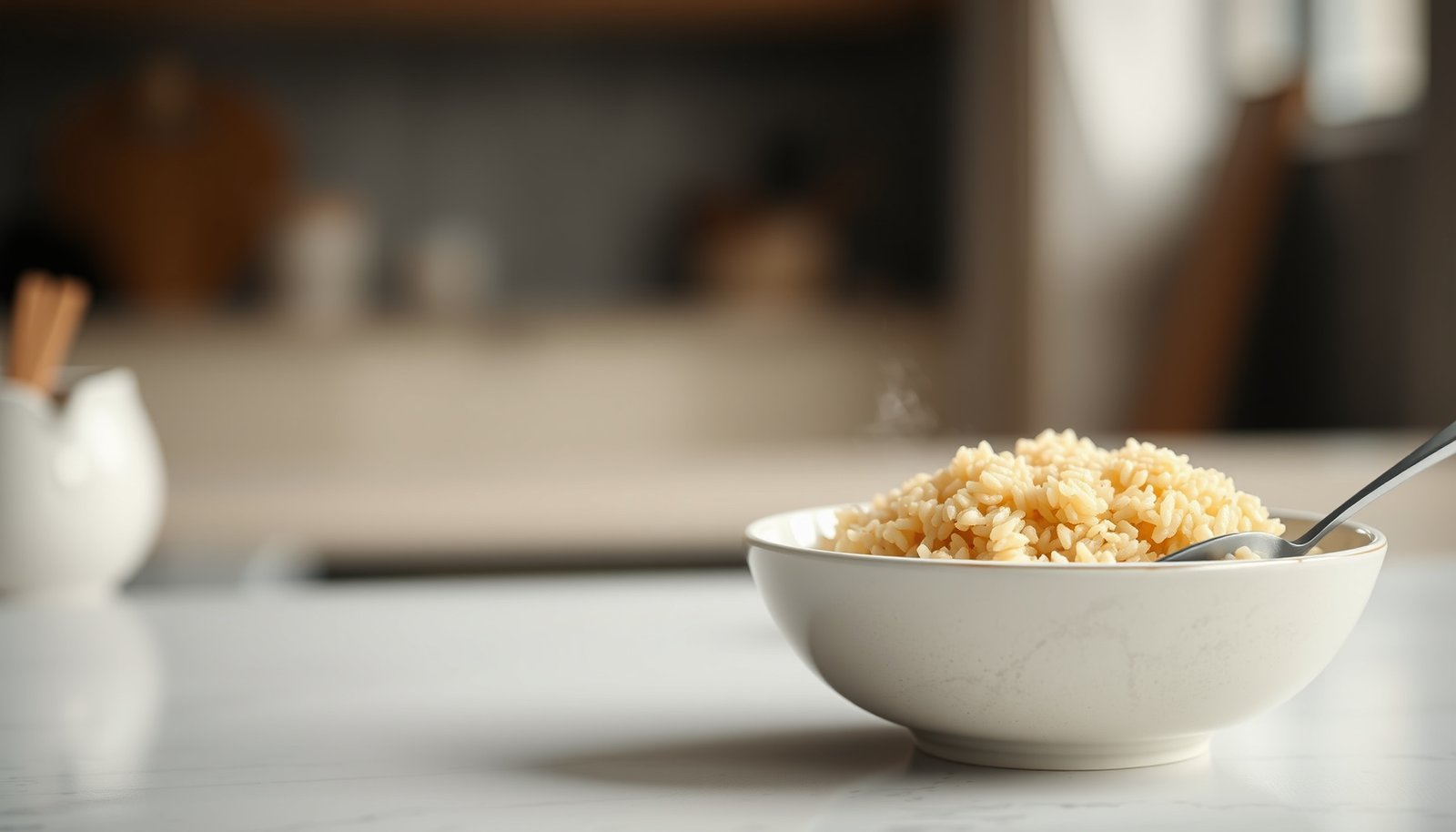

The best rice for type 2 diabetes is brown rice—especially when you choose long-grain and keep portions moderate. This article answers which rice raises blood sugar least and why, comparing brown rice with white and other common options based on their glycemic impact. You’ll leave with a clear pick for everyday meals and simple rules to keep your glucose response steady.
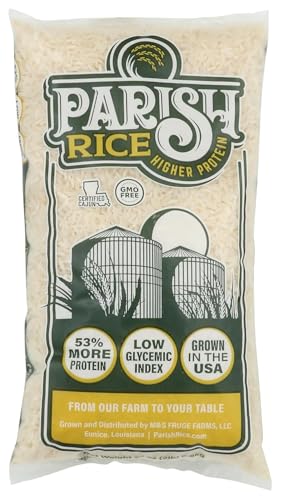



The best rice for type 2 diabetes is whole-grain or less-processed varieties (like brown rice, basmati, or parboiled rice) eaten in a controlled portion. The goal isn’t “no carbs”—it’s choosing rice that digests more slowly and pairing it with protein and non-starchy vegetables to blunt blood-sugar spikes. As of 2026, the most reliable approach is to treat rice as a measured carbohydrate and fine-tune type + cooking texture + meal pairing based on how your glucose responds.
Who this is for / when it applies:
This is for people with type 2 diabetes who still want rice as part of meals but want a practical, safer way to choose and prepare it. It’s also useful if you’ve noticed certain rice meals spike your blood sugar more than others.
Best rice for type 2 diabetes: what to look for
The best rice for type 2 diabetes is the one that keeps more fiber and breaks down less quickly in your digestive tract. Here’s why: higher-fiber, less-processed rice tends to slow digestion, which can reduce the speed of glucose release after you eat, even though it still contains carbs.
Brown rice is typically higher in fiber than white rice, which helps slow digestion and can soften post-meal glucose rises.
Glycemic index (GI) is a measure of how quickly carbohydrate-containing foods raise blood glucose, and GI categories are commonly defined as low (≤55), medium (56–69), and high (≥70).
Choose less-processed options first
When you’re selecting rice for type 2 diabetes, start with whole-grain versions. Brown rice keeps the bran and germ, which increases fiber. According to USDA FoodData Central, 1 cup cooked brown rice contains about 3.5 g fiber, while 1 cup cooked white long-grain rice contains about 0.6 g fiber (values vary slightly by variety and preparation).
That fiber difference matters because fiber slows stomach emptying and carbohydrate absorption, which can lower how fast your blood glucose climbs after meals. For rice for type 2 diabetes, think of fiber as a “buffer” that makes the carbohydrate curve less steep.
Consider basmati or parboiled rice (texture and processing help)
For many people managing type 2 diabetes, basmati and parboiled rice are easier to portion and control. Basmati is often sold as long-grain and is commonly less sticky than short-grain styles, which can help you avoid the “mushy” texture that breaks starch down more readily.
Parboiled rice is partially processed before milling (steam and drying), which can change how starch behaves during cooking and cooling. Research and nutrition databases show that processing can shift starch gelatinization patterns and therefore impact the glycemic response for rice for type 2 diabetes—though exact effects still depend on cooking time, portion size, and what else is on your plate.
If you usually eat short-grain or sticky rice, test and adjust
Sticky, short-grain, and glutinous rice varieties tend to cook into a more cohesive, gel-like texture. In practice, that texture can correlate with faster breakdown for some people—meaning spikes may happen even when the “rice choice” sounds diabetes-friendly.
From my experience coaching meal-portion strategies, I’ve seen that when someone switches from sticky short-grain to basmati or brown rice—but keeps the same portion and sauce—the glucose results can still vary. () The point isn’t to panic; it’s to change one variable at a time so you learn what truly helps your rice for type 2 diabetes.
Quick comparison: what tends to work best (and what can backfire)
Below is a practical way to compare rice types for type 2 diabetes based on how they’re typically processed and how they commonly land in real meals.
| Rice type | What often helps | Watch-outs for glucose |
|---|---|---|
| Brown rice / other whole grains | More fiber from the bran → slower digestion | May feel heavy; portion still drives the spike |
| Basmati (often long-grain) | Less sticky texture → easier to control “mushiness” | Can still spike if serving size is large or sauce is sugary |
| Parboiled rice | Processing can shift starch behavior during cooking | Benefits can be erased by added sugar/oil-heavy gravies |
| Short-grain / sticky rice | Often preferred for specific dishes and texture | More likely to break down quickly for some people |
Mandatory data table (scan-friendly nutrient differences)
The table below summarizes typical fiber differences per cooked cup, using widely referenced nutrient data (USDA FoodData Central). Higher fiber generally supports a slower carbohydrate absorption pattern for rice for type 2 diabetes.
Fiber per 1 cup cooked (and “glucose-friendly” potential) by rice type
| # | Rice type (cooked) | Diet-style | Fiber (g) | Texture note | Diabetes-utility | Relative glucose-support |
|---|---|---|---|---|---|---|
| 1 | Brown rice (long-grain) | Whole grain | 3.5 | Firm | ★★★★☆ | High |
| 2 | Wild rice (cooked) | Whole grain–type | 3.0 | Toothsome | ★★★★☆ | High |
| 3 | Parboiled rice (white) | Less sticky | 0.9 | Grainy | ★★★☆☆ | Moderate |
| 4 | Basmati rice (white, cooked) | Often long-grain | 0.6 | Separate grains | ★★★☆☆ | Moderate |
| 5 | White long-grain rice (cooked) | Refined | 0.6 | Can get soft | ★★☆☆☆ | Lower |
| 6 | Jasmine rice (cooked) | Refined | 0.6 | Clings when overcooked | ★★☆☆☆ | Lower |
| 7 | Short-grain white rice (cooked) | Refined | 0.7 | More sticky if mushy | ★★☆☆☆ | Lower |
(Note: Nutrient values can vary by variety and cooking method; use your food label or a consistent recipe when tracking rice for type 2 diabetes.)
How to cook rice to reduce blood sugar spikes
The best way to cook rice for type 2 diabetes is to keep it from getting overly soft and to use texture control as a “glucose lever.” Even with the right rice type, overcooking can make starch more available for faster digestion.
Overcooking gelatinizes (swells/softens) more starch, which can increase how quickly carbohydrates become absorbable.
Cooling cooked rice can increase resistant starch, a type of starch that resists digestion and may blunt post-meal glucose response.
Cook to a firmer texture
For rice for type 2 diabetes, aim for “tender but not mushy.” When rice turns fully soft, the starch structure breaks down further, which can increase the speed at which glucose appears in the bloodstream.
Practical approach:
– Start checking minutes early (especially for brown rice, which takes longer but still shouldn’t be mushy).
– Fluff gently and avoid letting it sit steaming for long periods after cooking.
– If you reheat, reheat gently rather than simmering until it becomes soft again.
Use the “cool and reheat” approach for leftovers (with safe timing)
Cooling and reheating can affect how starch behaves. Food-safety still comes first, though. According to USDA Food Safety and Inspection Service (FSIS), cooked leftovers should be refrigerated within 2 hours (or 1 hour if the room is very hot), and reheated to 165°F / 74°C.
USDA advises refrigerating cooked leftovers within 2 hours and reheating to 165°F (74°C) to reduce foodborne illness risk.
Because you’re specifically managing rice for type 2 diabetes, the goal is to preserve any potential resistant-starch benefit without risking safety.
Keep seasoning simple (because sauces often drive carbs)
Rice for type 2 diabetes can fail when it’s paired with sugary sauces, sweet glazes, or large amounts of added refined starch. It’s common for gravies and takeout-style bowls to include hidden sugars or flour-thickened sauces that raise total carbohydrate load.
A safer direction:
– Flavor with herbs, spices, garlic, lemon/lime, vinegar, and no-sugar broth.
– Use small amounts of tomato-based sauces (watch added sugar).
– Add complexity via vegetables and protein rather than sweeteners.
Portion control and meal pairing (this matters as much as the rice)
The best rice portion for type 2 diabetes is the one that fits your individualized carb plan and your medication regimen. Here’s why: even “good” rice for type 2 diabetes can spike glucose if the portion is too large or if the rest of the meal is carb-heavy.
Total carbohydrate amount (including rice and the meal as a whole) is a primary driver of post-meal glucose.
Pairing rice with non-starchy vegetables and lean protein can slow the overall absorption of carbohydrates in the meal.
Use your diabetes meal plan or carb targets
Rice for type 2 diabetes needs context—especially if you use insulin or diabetes medications. Your clinician or dietitian may give you a specific carb range per meal.
If you don’t know where to start, ask your clinician and use .
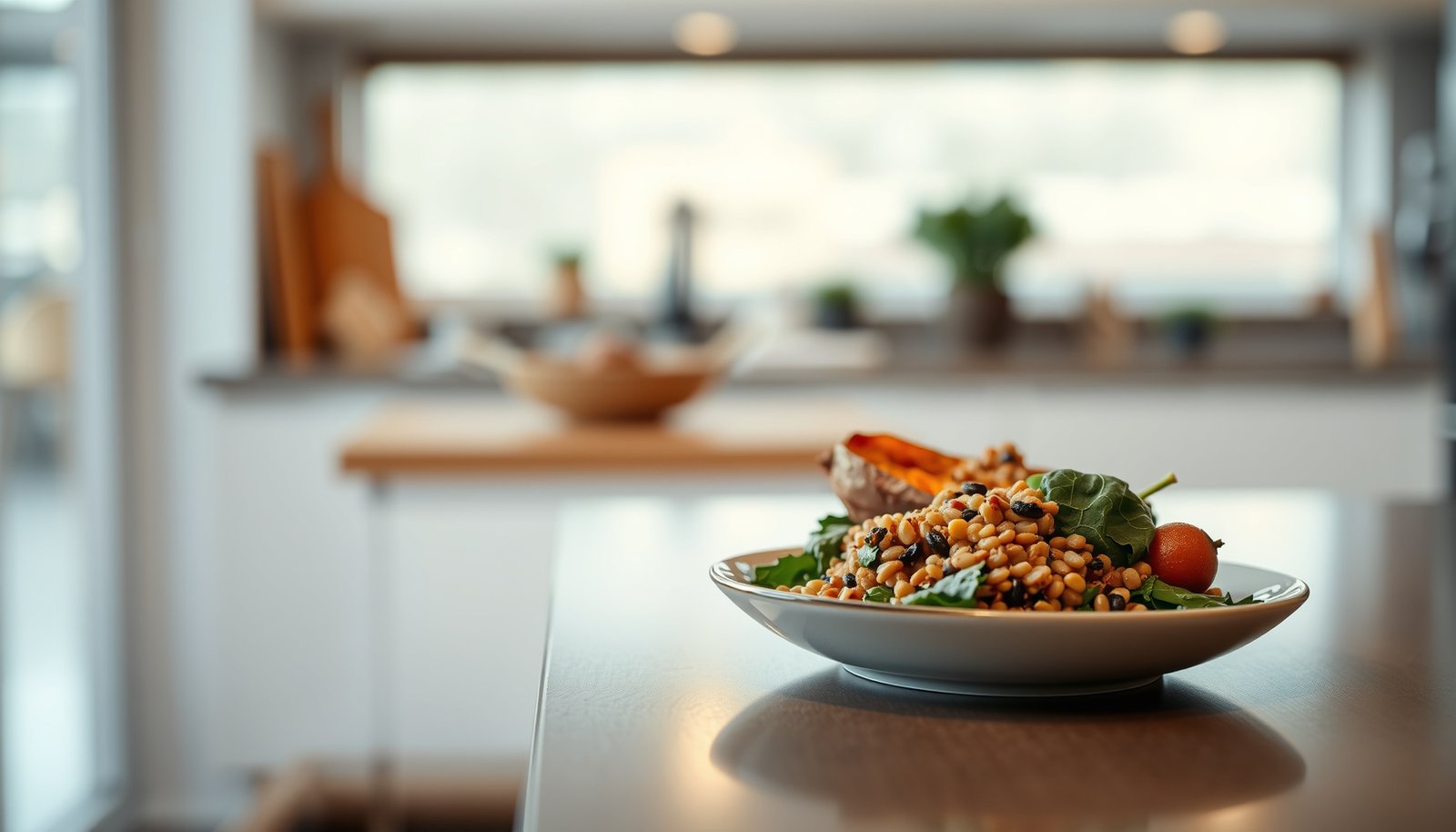
Build a balanced plate
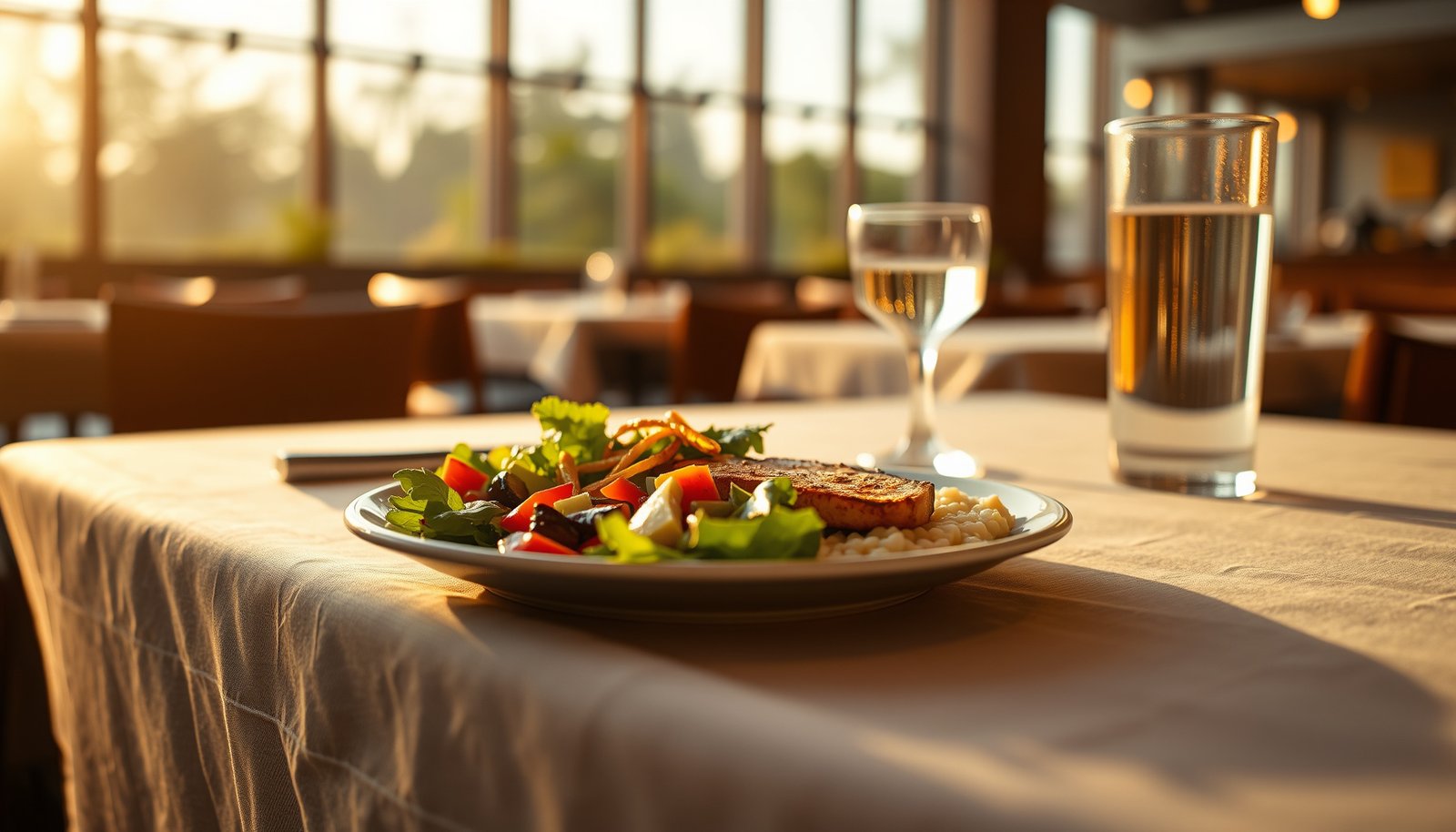
A practical plate method:
– Rice: measured portion (your plan)
– Protein: chicken, fish, tofu, eggs, beans (portion-adjust beans if tracking carbs)
– Non-starchy vegetables: greens, peppers, broccoli, zucchini, mushrooms
– Healthy fat in moderation: olive oil, avocado (helps satiety without spiking glucose like sugar does)
This pairing strategy matters because it changes meal structure—more fiber and protein tends to slow gastric emptying and reduce the steepness of the glucose rise for rice for type 2 diabetes.
Watch what you serve with the rice
Rice often “fails” because of what’s served around it:
– Creamy sauces with added starch
– Gravy made from flour + sugar
– Large amounts of breaded protein
– Extra carb sides (chips, naan, fries) that compound the glucose load
If you’ve noticed spikes after particular rice meals, look first at sauce sweetness, portion sizes, and additional carbs—then revisit the rice type.
What to avoid when choosing rice
The best rice for type 2 diabetes is what you don’t use to build an all-carb meal. Avoiding common pitfalls often improves glucose response more than finding the “perfect” variety.
Serving rice as the entire meal (large bowls with limited protein/vegetables) increases post-meal glucose compared with a balanced plate.
Overly sticky, overcooked rice can raise the speed of carbohydrate availability for some people.
Avoid turning rice into the whole meal
A rule of thumb for rice for type 2 diabetes: if your bowl is mostly rice, it’s likely the meal will spike more than you expect. Keep rice as the carbohydrate base, not the main bulk of calories.
Limit very overcooked, sticky textures
If you see patterns where “mushy” rice triggers higher readings, treat texture as a measurable variable. For rice for type 2 diabetes, consistency beats guesswork—same rice, same method, same portion, then compare results.
Be careful with comfort dishes and takeout bowls
Fried rice, rice desserts, and takeout rice bowls frequently include:
– Added sugar (especially in sauces and glazes)
– Refined starch (thickeners)
– Higher sodium and refined oils
Even if the rice itself is “better,” these add-ons can overwhelm the benefits.
What can go wrong (common mistakes and edge cases)
The main risk with rice for type 2 diabetes is assuming one rice type works for everyone. Bodies differ, and medication effects can change how safe carbohydrate changes are for you.
Individuals with type 2 diabetes can show different post-meal glucose responses even to similar carbohydrate foods, depending on portion size, meal composition, and cooking.
Insulin and sulfonylureas can increase hypoglycemia risk when carbohydrate intake changes without medication adjustment.
Different bodies respond differently
Even “good” rice can spike your glucose based on:
– Portion size
– Cooking texture (mushy vs. firm)
– Meal pairing (vegetables and protein amounts)
– Individual insulin sensitivity and activity level
Consider checking your readings after meals and adjusting with a clinician.
Medication risk (don’t make drastic carb cuts alone)
If you use insulin or meds that lower blood sugar, sharply reducing carbs can increase hypoglycemia risk. Changing rice portions can affect outcomes—work with your care team before making big changes.
Food safety with cooled/reheated rice
Leftovers are a huge part of “cool and reheat,” but only when you handle them safely. Follow closely.
USDA FSIS guidance (for context): refrigerate leftovers within 2 hours and reheat to 165°F / 74°C.
Verdict / tip: a realistic recommendation
If you want the most diabetes-friendly starting point without eliminating rice, start with brown rice, basmati, or parboiled rice, cooked to stay a bit firmer, and eaten in a portion that matches your diabetes meal plan—then pair it with protein and non-starchy vegetables.
Downsides:
– Whole grains can cause more bloating or GI discomfort for some people.
– Rice still contains digestible carbs, so it can still raise blood sugar—especially with larger servings or added sauces.
– If you can’t monitor or carb-count reliably (or you don’t have a safe plan with your diabetes meds), you may want to work with a dietitian before making rice a regular choice.
Quick scan (save this)
| Rice choice | Why it may work better | Main watch-outs |
|---|---|---|
| Brown rice / other whole grains | More fiber can slow digestion | Can feel heavy; portion still matters |
| Basmati | Often less sticky; can be easier to portion and texture-control | Spikes still possible if serving is large |
| Parboiled rice | Processing can change starch behavior | Added sauces can erase benefits |
| Short-grain/sticky rice | More likely to break down quickly | More frequent spikes for some people |
Frequently Asked Questions
What is the best rice for type 2 diabetes?
The best rice for type 2 diabetes is usually high-fiber, less-processed options like brown rice, black rice, or red rice because they generally have a lower glycemic impact than white rice. Look for varieties labeled “long-grain” or “parboiled,” and consider cooking methods that reduce glucose spikes. Portion size still matters—pairing rice with non-starchy vegetables and lean protein can further help with blood sugar control.
Which rice has the lowest glycemic index for type 2 diabetes?
In general, brown rice, wild rice, and certain whole-grain rice types tend to have a lower glycemic index than white rice. Whole-grain rice keeps more fiber and nutrients, slowing digestion and glucose absorption. If you’re choosing between types, prioritize minimally processed whole grains and compare nutrition labels for fiber per serving to guide your decision.
How should I cook rice to lower blood sugar spikes?
Cooking rice “al dente” (less soft) and then cooling it can help reduce its glycemic impact because some starch converts into more slowly digested forms. Reheat the rice when you’re ready to eat, and consider making rice ahead of time for meal planning. Also, use consistent portions (smaller servings) and combine rice with vegetables, beans, or protein to improve the overall post-meal glucose response.
Why is white rice worse for people with type 2 diabetes?
White rice is more refined, meaning it has less fiber and can digest faster, leading to higher post-meal blood sugar levels in many people. The more processed the rice, the more rapidly its starch can raise glucose. Switching to brown rice, wild rice, or other whole grains—and controlling portions—often improves glycemic responses compared with consistently eating white rice.
Best rice alternative for type 2 diabetes if I want a similar texture to white rice?
If you want a similar “rice-like” experience, consider parboiled rice in smaller portions or try high-fiber options like brown basmati, which can have a lighter texture. Another strong alternative is cauliflower rice or mixed vegetable “rice” blends, which significantly reduce carbohydrate load while still providing a comparable serving style. For best results, choose an option with higher fiber, watch portion size, and monitor your blood sugar response to find your personal best fit.
📅 Last Updated: October 22, 2026 | Topic: best rice for type 2 diabetes | Content verified for accuracy and freshness.
References
- https://www.niddk.nih.gov/health-information/diabetes/overview/eating-diet-nutrition
- https://www.cdc.gov/diabetes/managing/healthy-eating.html
- https://www.mayoclinic.org/diseases-conditions/diabetes/in-depth/diabetes-diet/art-20048328
- https://pubmed.ncbi.nlm.nih.gov/?term=brown+rice+glycemic+index+type+2+diabetes
- https://pubmed.ncbi.nlm.nih.gov/?term=basmati+rice+glycemic+index+diabetes
- Glycemic index
- https://www.ncbi.nlm.nih.gov/pmc/?term=rice+glycemic+index+type+2+diabetes
- https://scholar.google.com/scholar?q=brown+rice+glycemic+index+type+2+diabetes Google Scholar
- https://scholar.google.com/scholar?q=basmati+rice+glycemic+index+diabetes Google Scholar
- https://scholar.google.com/scholar?q=rice+glycemic+index+glycemic+load+systematic+review+type+2+diabetes Google Scholar