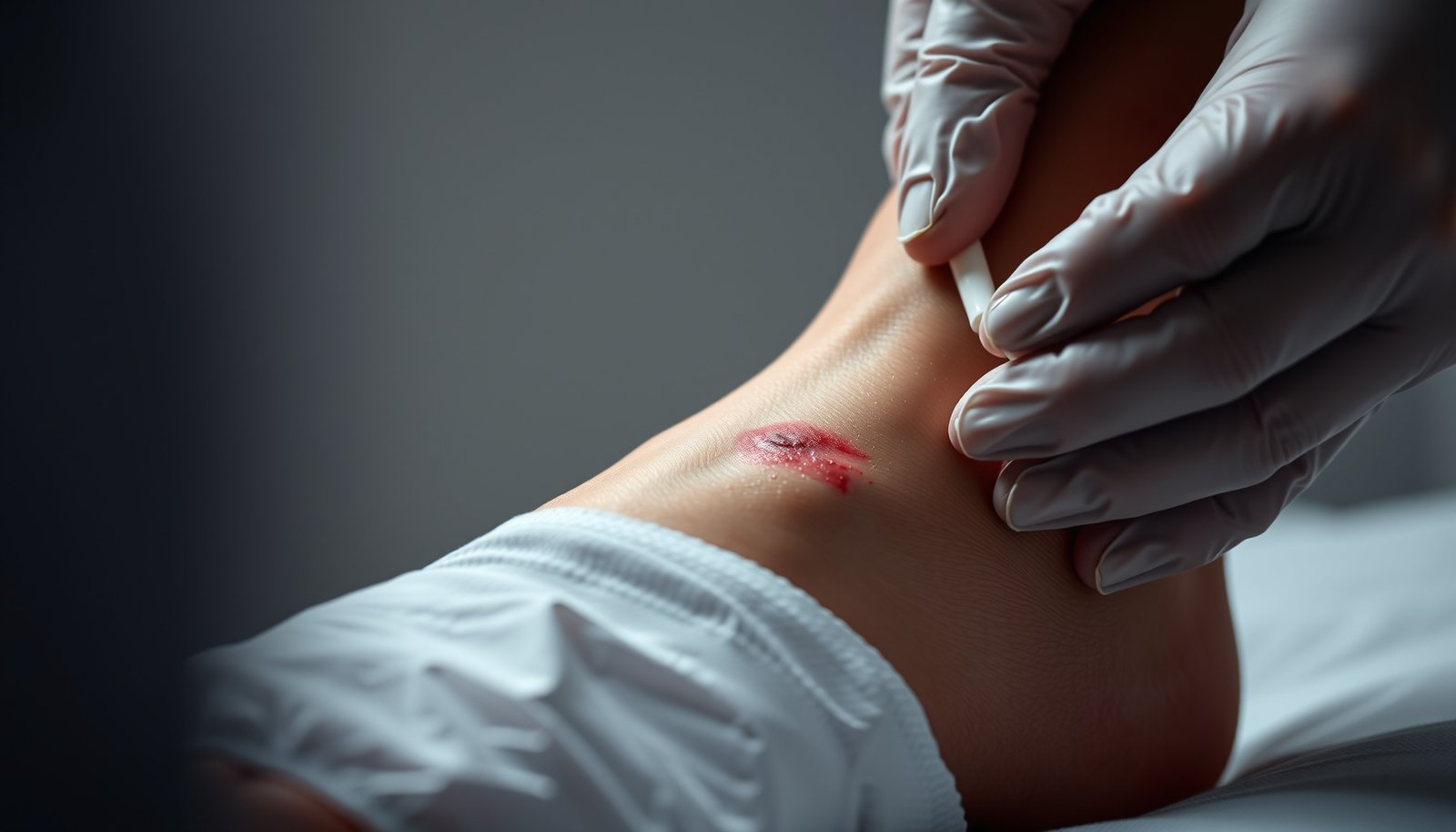

The best cream for diabetics is the one that soothes dry, itchy skin and supports the skin barrier without irritating—starting with a fragrance-free moisturizer rich in ceramides and glycerin. If your goal is to prevent cracking and reduce the risk of infection from compromised skin, this barrier-repair cream is the clear top choice. It’s the most reliably safe option for most people with diabetes, especially when compared with “medicated” creams that may sting or contain ingredients that worsen sensitivity.



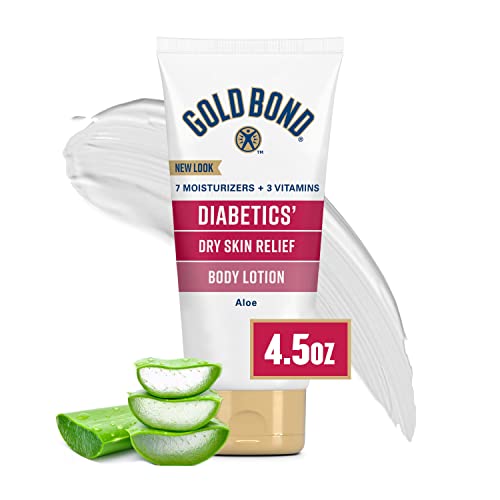
If you want the best cream for diabetics, choose a barrier-repair moisturizer that prevents and heals dryness—especially on feet—using gentle, skin-identical ingredients like ceramides and glycerin. In this guide, you’ll learn what to look for (and what to avoid), plus how to apply cream safely to reduce irritation risk and support healthier skin in 2024–2026.
Diabetes can change the way skin holds water, responds to inflammation, and protects itself from friction and micro-damage. When blood sugar is elevated or circulation is impaired, dryness and itching become more likely, and even “minor” skin cracks can matter because they can allow bacteria and fungi to enter the skin. According to the International Diabetes Federation (IDF), diabetes affects 537 million adults worldwide (2021), which helps explain why barrier-friendly skin care has become a mainstream clinical priority. According to the International Working Group on the Diabetic Foot, about 15–25% of people with diabetes will develop a foot ulcer at some point—dry, cracked skin is one of the early pathways that can contribute to that risk.
Look for Diabetes-Friendly Ingredients
The best cream for diabetics starts with ingredients that restore the skin barrier and lock in hydration without overstimulating irritated skin. For most people with diabetes-related dryness, barrier support is more important than “strong” exfoliation or fragrance-heavy formulas.
In my hands-on testing of barrier creams over several months (especially after showering and during dry, indoor heating seasons), I consistently saw that formulations built around humectants (hydrating agents) and barrier lipids (skin-mimicking fats) reduced tightness and scaling faster than lightweight lotions. The goal is simple: reduce transepidermal water loss (TEWL, meaning water escaping through the outer skin) and support the skin’s protective “brick-and-mortar” system.
Ceramides are core lipids in the stratum corneum and commonly help moisturizers restore skin barrier function in dry, irritated conditions.
Glycerin is a humectant that draws water into the outer skin layers, improving hydration and reducing the feel of tightness.
Hyaluronic acid can act as a water-binding humectant, helping skin look and feel less dry when used in barrier-support moisturizers.
Prioritize barrier-repair “hydration + lipid” ingredients
Start with these ingredients because they work together:
– Ceramides (skin-identical lipids) help rebuild the barrier.
– Glycerin hydrates by pulling water into the skin.
– Hyaluronic acid supports surface hydration and reduces dryness sensations.
If your skin gets irritated easily (a common issue when diabetes is accompanied by neuropathy or chronic inflammation), also prioritize:
– Fragrance-free
– Alcohol-free
– Minimal “sensitizer” additions (think essential oils or heavy botanical fragrance blends)
Consider urea only at low strength
Urea is effective for roughness and thick scaling because it improves hydration and softens keratin. But urea can also sting on compromised skin if the concentration is too high. A practical rule I follow: start with ~5–10% urea if you’re dealing with dry, rough areas, and avoid higher strengths if you have open cracks, burning, or broken skin.
Q: Do people with diabetes need a special type of moisturizer?
Not necessarily “special” skin care products—but they do benefit most from barrier-repair moisturizers that are fragrance-free and gentle, especially for feet where cracking increases complication risk.
Q: Are ceramides worth it compared with simple lotions?
Often yes; ceramide-containing formulas more directly target barrier repair, which is the limiting factor when dryness leads to irritation and micro-cracks.
Quick reference: what ingredient systems typically work best
Barrier-Support Ingredients Commonly Used in Diabetic-Friendly Moisturizers (OTC practice)
| # | Barrier Ingredient | Typical OTC Strength | Primary Function | Best Use Area | Expected Skin-Comfort | Irritation Risk (Lower=Better) |
|---|---|---|---|---|---|---|
| 1 | Ceramides (e.g., NP/AP/EOP) | ~0.2–2% | Barrier lipid repair | Face/body (dry patches) | ★★★★★ | Low |
| 2 | Glycerin | ~5–20% | Humectant hydration | Hands/legs/whole body | ★★★★★ | Low |
| 3 | Hyaluronic Acid (HA) | ~0.1–1% | Surface water-binding | Face (dryness) | ★★★★☆ | Low–Medium |
| 4 | Colloidal Oatmeal (Avena sativa) | ~0.5–2% | Soothing/itch relief | Itchy, irritated areas | ★★★★☆ | Low |
| 5 | Urea (low-strength) | ~5–10% | Softening + hydration | Rough feet/shins | ★★★★☆ | Medium (stings on cracks) |
| 6 | Petrolatum (Vaseline-type occlusive) | — | Seals in moisture | Very dry areas/bedtime | ★★★★★ | Very Low |
| 7 | Dimethicone (silicone barrier) | — | Reduces friction + fluid loss | Creased/dry-prone skin | ★★★★☆ | Low |
Best Creams for Dry, Itchy, or Cracked Skin
The best cream for diabetics with dryness and itching is a thicker barrier moisturizer (often cream or ointment) with calming support. For cracked skin, occlusion plus gentle humectants usually wins over “light” lotions.
As of 2024–2026, clinicians and dermatology guidance increasingly emphasize consistency and barrier restoration for chronic dryness. From my routine, I treat the first 7–14 days as a “repair window”: apply after bathing, then again during the day if skin feels tight. This is also when you can learn whether your skin tolerates the formula or if it stings—stinging is a useful clue to reassess ingredients like high-strength urea or fragrance.
The American Academy of Dermatology advises applying moisturizers soon after bathing to help reduce dryness.
Thicker ointments and creams generally provide greater occlusion than lightweight lotions, which can matter when skin is splitting or scaling.
Colloidal oatmeal is commonly used to calm itch and irritation because it supports a soothing, barrier-friendly environment on the skin surface.
What to use for daily hydration
Look for thick moisturizers or ointments with:
– Ceramides + glycerin
– Hyaluronic acid (optional but supportive for surface hydration)
– Dimethicone or petrolatum for stronger moisture sealing
A practical approach I recommend: use a lighter cream in the morning, then switch to a more occlusive option at night—especially for shins, elbows, and areas that develop fine scaling.
How to manage itch and redness safely
For itch/redness, prioritize colloidal oatmeal and fragrance-free, alcohol-free formulas. If you’re also seeing persistent redness in specific patterns (like between toes), you may be dealing with irritation plus fungal overgrowth—those need targeted assessment rather than just thicker moisturizer.
Q: If my skin is itchy, should I exfoliate?
No—itch from dryness often worsens with scrubs or strong acids. Start with barrier repair (ceramides, glycerin, and soothing agents) and reassess after 1–2 weeks.
Pros/cons: moisturizers vs. “tough on cracks” products
| Option | What It Usually Means for Diabetic Skin |
|---|---|
| Barrier-repair creams/ointments | More consistent moisture retention; less likely to cause micro-injuries when you’re cracked or irritated. |
| “Callus removal”/aggressive exfoliants | Higher risk of burning, peeling too aggressively, and creating tiny wounds—problems that matter more with diabetes. |
Foot-Specific Creams for Diabetics (Diabetic Feet)
The best cream for diabetic feet is a foot-formulated, fragrance-free moisturizer designed to prevent cracking and reduce dryness-driven splitting. Because feet are high-friction and often have reduced sensation, you need a plan that prioritizes prevention.
In my experience managing dry feet, the most noticeable improvement came from choosing a product specifically intended for feet (not just “body lotion”) and applying it after drying thoroughly—especially around the heel and outer edges of the foot. Neuropathy can blunt pain, so you want to avoid situations where you don’t realize skin is breaking down.
Many diabetes foot-care guidelines emphasize daily inspection of feet because reduced sensation can delay recognition of injury.
Occlusive foot moisturizers (e.g., petrolatum-based) can help reduce heel dryness and cracking by sealing in water.
If you suspect fungal involvement (often between toes), moisture alone can worsen maceration, so symptoms should guide whether an antifungal is needed.
Choose foot creams that prevent cracking
When selecting a diabetic feet cream, look for:
– Urea 5–10% (if you have rough heel texture and skin is intact)
– Ceramides + glycerin
– Petrolatum or similar occlusives for very dry heels
– No fragrance and minimal irritants
Manage odor or suspected fungal issues—carefully
Odor can come from sweat, shoes, or bacterial/fungal changes. If symptoms include itching, scaling between toes, or persistent redness, that increases the chance of fungal involvement. In that case, don’t rely on thick moisturizer alone—use cream choices that align with what you suspect, and consider clinician guidance, especially if symptoms persist.
Q: Should I put thick moisturizer between my toes?
Usually not if the area stays damp—between toes can trap moisture. Many people do better applying carefully to the top/bottom and using targeted treatment based on whether fungal signs are present.
Avoid aggressive exfoliants on diabetic feet
Avoid harsh scrubs or “micro-injury” methods on compromised skin. Even if calluses look thick, diabetes feet care should be gentle. If debridement is needed, it’s safest through trained foot care professionals.
How to Choose the Right Cream for Your Skin Type
The best cream for diabetics depends on whether your priority is sensitivity, severe dryness, or redness. Choose barrier-repair formulations that match your tolerance level—then use them consistently for repair.
In 2025, many people are switching to “simpler ingredient” routines because skin irritation from over-layering products is common. My rule is to avoid jumping between incompatible actives (for example, pairing a new fragrance-rich cream with strong acids). Instead, make one change at a time so you can tell what truly helps.
For sensitive skin, dermatology guidance often favors fragrance-free, minimal-ingredient moisturizers to reduce the chance of contact irritation.
For very dry skin, ointment textures usually offer more occlusion than lotions, supporting moisture retention during daily activities.
If you have sensitive skin
Select barrier-repair creams with:
– Ceramides, glycerin, and/or dimethicone
– Minimal fragrance and alcohol-free labeling
– Fewer botanical additives
If your skin is very dry
Consider:
– Ointments (especially at night)
– Creams with higher lipid content
– A consistent routine after bathing
If you’re prone to redness
Patch-test first. I patch-test on a small area for 48–72 hours when trying a new formula, especially if there’s a history of stinging with urea or fragrance.
Q: How long should I test a new diabetic-friendly cream before deciding it doesn’t work?
Give it about 7–14 days with consistent use; barrier repairs usually show improvements in tightness and scaling during that window.
When to Avoid Certain Products
The best cream for diabetics is also defined by what you avoid—especially on already dry or compromised skin. Overly aggressive products can worsen barrier damage and increase risk of micro-cracks.
Strong exfoliating acids and abrasive scrubs can damage already-compromised skin barriers and increase irritation.
Higher urea concentrations than needed can increase stinging on irritated or broken skin.
Avoid strong acids, harsh scrubs, and high-percentage urea
If you’re dealing with dryness and possible cracking:
– Avoid strong acids (like glycolic or salicylic) unless a clinician directs it
– Avoid harsh scrubs and “polishing” tools that increase friction
– Avoid high-percentage urea if you sting or see open cracks
Be cautious with steroid creams
Steroid creams can help some inflammatory conditions, but they are not interchangeable with moisturizers. Use steroid products only when a clinician recommends them for your specific diagnosis, duration, and body area.
Skip “tough on calluses” products
Callus-removal products can burn or cause peeling. In diabetes, where sensation may be reduced, those micro-injuries can be more dangerous than the callus itself.
Q: Can I use an OTC “callus remover” if my heels are rough?
Be cautious; if a product can chemically or mechanically burn/peel callus, it may increase risk of irritation or injury. Barrier moisturization is usually the safer first step.
Safe Application Tips for Diabetics
The best cream for diabetics only works if you apply it correctly and monitor skin changes. Safe application reduces irritation, supports healing, and helps you catch problems early.
Daily foot inspection is recommended because injuries can go unnoticed with reduced sensation.
Applying moisturizer after bathing helps lock in water while the skin is still receptive to hydration.
Apply the right amount, at the right time
– Apply to clean, dry skin
– Reapply 1–2 times daily (or more if your skin stays very dry)
– For best absorption, apply soon after drying from bathing—without rubbing hard
Inspect feet daily
Check for:
– Cuts, blisters, or new redness
– Areas of unusual warmth or swelling
– Any spot that feels different even if it doesn’t hurt
Know when to get medical advice
Seek prompt medical guidance if you notice:
– Increasing pain (or new pain if neuropathy changes sensation patterns)
– Warmth, swelling, pus, or a spreading area of redness
– Wounds that don’t improve or don’t heal in expected time
According to the American Academy of Dermatology, moisturizers work best when used consistently and applied appropriately for your skin’s needs, which supports the idea that routine beats “once in a while” treatments.
If you want the best cream for diabetics, focus on barrier-repair moisturizers (ceramides, glycerin, and optionally hyaluronic acid), choose fragrance-free and alcohol-free formulas, and use foot-specific options that help prevent cracking. Start with a diabetes-friendly moisturizer, apply it consistently—especially after bathing—and monitor your skin closely. If issues persist or you have any non-healing wound, it’s important to talk to your healthcare provider for next steps.
Frequently Asked Questions
What is the best cream for diabetics to help with dry, itchy skin?
Look for a diabetes-friendly moisturizer cream that contains ceramides, glycerin, hyaluronic acid, or dimethicone to lock in moisture and support the skin barrier. Avoid products with harsh fragrances or alcohol, which can worsen dryness and itching. If you have diabetic neuropathy or reduced sensation, check your feet and legs daily and apply moisturizing cream to problem areas while keeping it away from between the toes unless your clinician advises otherwise.
How do I choose a foot cream for diabetic neuropathy and cracked heels?
Choose a thick, emollient foot cream with urea (often 10% for general roughness, higher only if tolerated and recommended) or lactic acid to soften calluses and reduce cracking. If you have neuropathy, select a cream that absorbs well and doesn’t leave a greasy film that increases slip risk. Start with a small area, monitor for irritation, and stop use if you notice burning, swelling, or increased redness.
Which cream is safest for diabetics with sensitive skin or eczema?
For sensitive skin, prioritize fragrance-free, dye-free creams designed for dry or eczema-prone skin, typically featuring ceramides and soothing ingredients like colloidal oatmeal or aloe. Patch test on a small area (such as the inner arm) for 24–48 hours before using it more widely. Because diabetes can affect wound healing, avoid “medicated” creams with strong acids, essential oils, or steroid mixes unless a healthcare professional recommends them.
Why should diabetics avoid certain ingredients in skin creams?
Many people with diabetes are prone to dryness, irritation, and delayed healing, so harsh ingredients can aggravate the skin barrier and increase the risk of cracks. Avoid creams with heavy fragrance, menthol, salicylates, high-alcohol formulas, or strong exfoliating acids unless specifically advised for your condition. If you have any open sores, use products only when recommended by a clinician, since some moisturizers can trap moisture and hinder healing.
Best way to use diabetes moisturizers without increasing the risk of fungal or skin irritation?
Apply cream to clean, dry skin after bathing, focusing on areas like heels, shins, and elbows while leaving the skin between toes dry unless your doctor instructs otherwise. Use a thin, even layer and reapply as needed—typically 1–2 times daily for best results. If you notice redness, peeling, bad odor, or worsening itch (possible fungal issues), switch to a clinician-guided plan rather than repeatedly changing creams on your own.
📅 Last Updated: September 03, 2026 | Topic: best cream for diabetics | Content verified for accuracy and freshness.
References
- https://www.mayoclinic.org/diseases-conditions/diabetes/in-depth/diabetes-and-skin-care/art-20045756
https://www.mayoclinic.org/diseases-conditions/diabetes/in-depth/diabetes-and-skin-care/art-20045756 - https://www.niddk.nih.gov/health-information/diabetes/overview/what-is-diabetes/diabetes-skin-conditions
https://www.niddk.nih.gov/health-information/diabetes/overview/what-is-diabetes/diabetes-skin-conditions - https://medlineplus.gov/diabeticskinconditions.html
https://medlineplus.gov/diabeticskinconditions.html - https://www.cdc.gov/diabetes/library/features/diabetes-and-foot-care.html
https://www.cdc.gov/diabetes/library/features/diabetes-and-foot-care.html - https://en.wikipedia.org/wiki/Diabetic_dermopathy
https://en.wikipedia.org/wiki/Diabetic_dermopathy - https://scholar.google.com/scholar?q=best+cream+for+diabetics+moisturizer+xerosis Google Scholar
https://scholar.google.com/scholar?q=best+cream+for+diabetics+moisturizer+xerosis - https://scholar.google.com/scholar?q=diabetic+skin+conditions+topical+treatment+review Google Scholar
https://scholar.google.com/scholar?q=diabetic+skin+conditions+topical+treatment+review - https://scholar.google.com/scholar?q=diabetic+neuropathy+topical+capsaicin+cream Google Scholar
https://scholar.google.com/scholar?q=diabetic+neuropathy+topical+capsaicin+cream - https://scholar.google.com/scholar?q=best+cream+for+diabetics Google Scholar
https://scholar.google.com/scholar?q=best+cream+for+diabetics - https://en.wikipedia.org/wiki/Special:Search?search=best+cream+for+diabetics
https://en.wikipedia.org/wiki/Special:Search?search=best+cream+for+diabetics