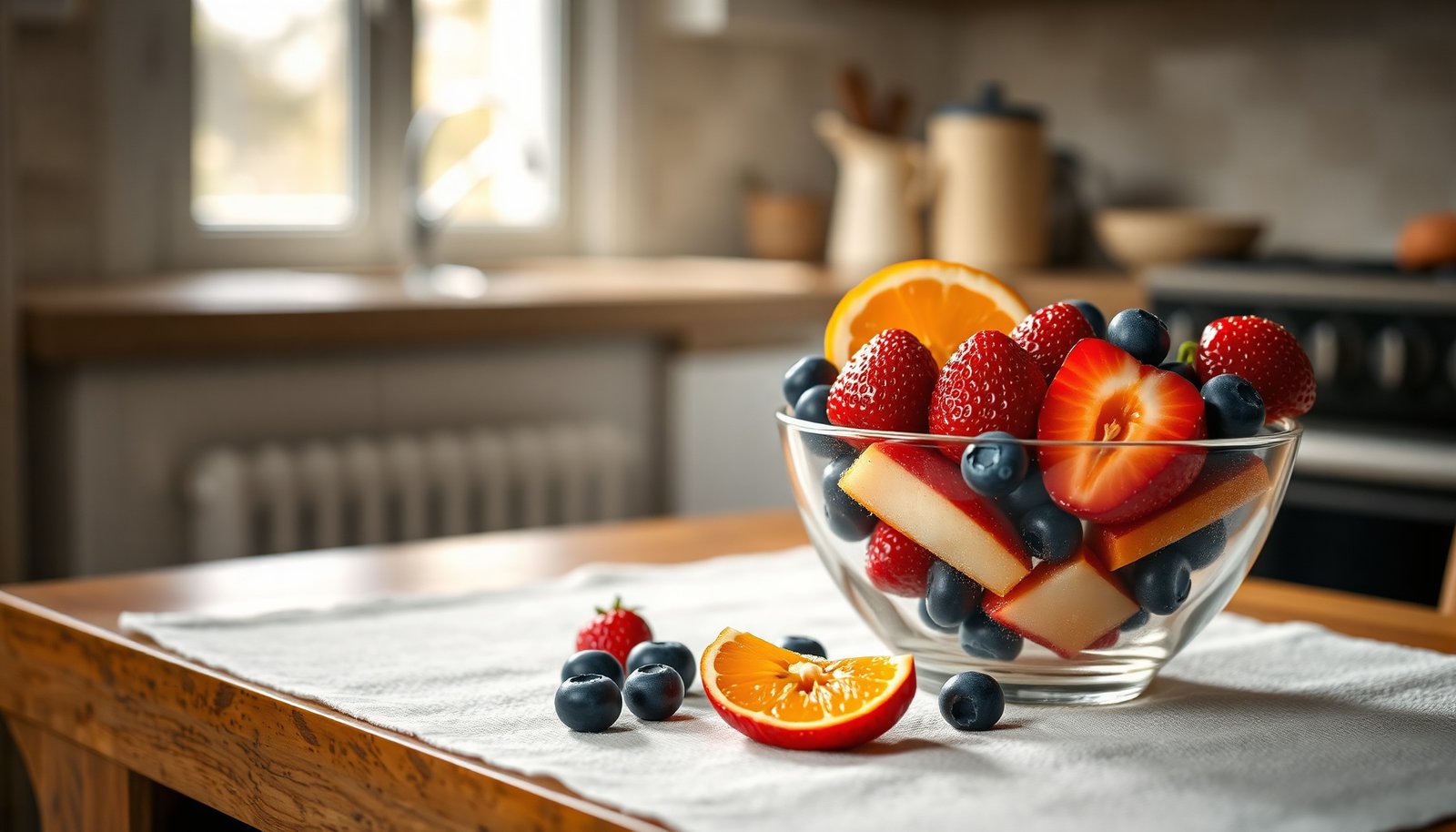

Choosing the best diabetic fruits requires more than picking “healthy” fruit; it depends on how each serving affects blood sugar. Most people think all fruit is equally safe for diabetes, but the real difference comes from fiber content, typical portion size, and how quickly the fruit’s carbs digest. You’ll see which fruits stand out—like berries—and which ones tend to push glucose higher and deserve tighter limits.




Best diabetic fruits are the ones that stay lower in sugar and higher in fiber—think berries, cherries, apples, pears, citrus, and kiwi. The key is to eat them in sensible portions and skip fruit juice, which can spike blood sugar faster; for steadier glucose, you’re really managing how quickly carbs enter your bloodstream, not just the fruit “type.” In this guide, you’ll learn which fruits usually fit best and how to choose servings that are easier on glucose levels based on current nutrition guidance (as of 2026).
If you have diabetes (type 1, type 2, or gestational) or you’re supporting someone who does, this is for planning everyday snacks and meals. It’s also useful if you notice that certain fruits or fruit drinks raise readings more than expected—so you can make swaps without giving up fruit entirely, and without relying on one-size-fits-all lists that ignore portion size and meal context (still true in 2026).
Best diabetic fruits (generally lower sugar, higher fiber)
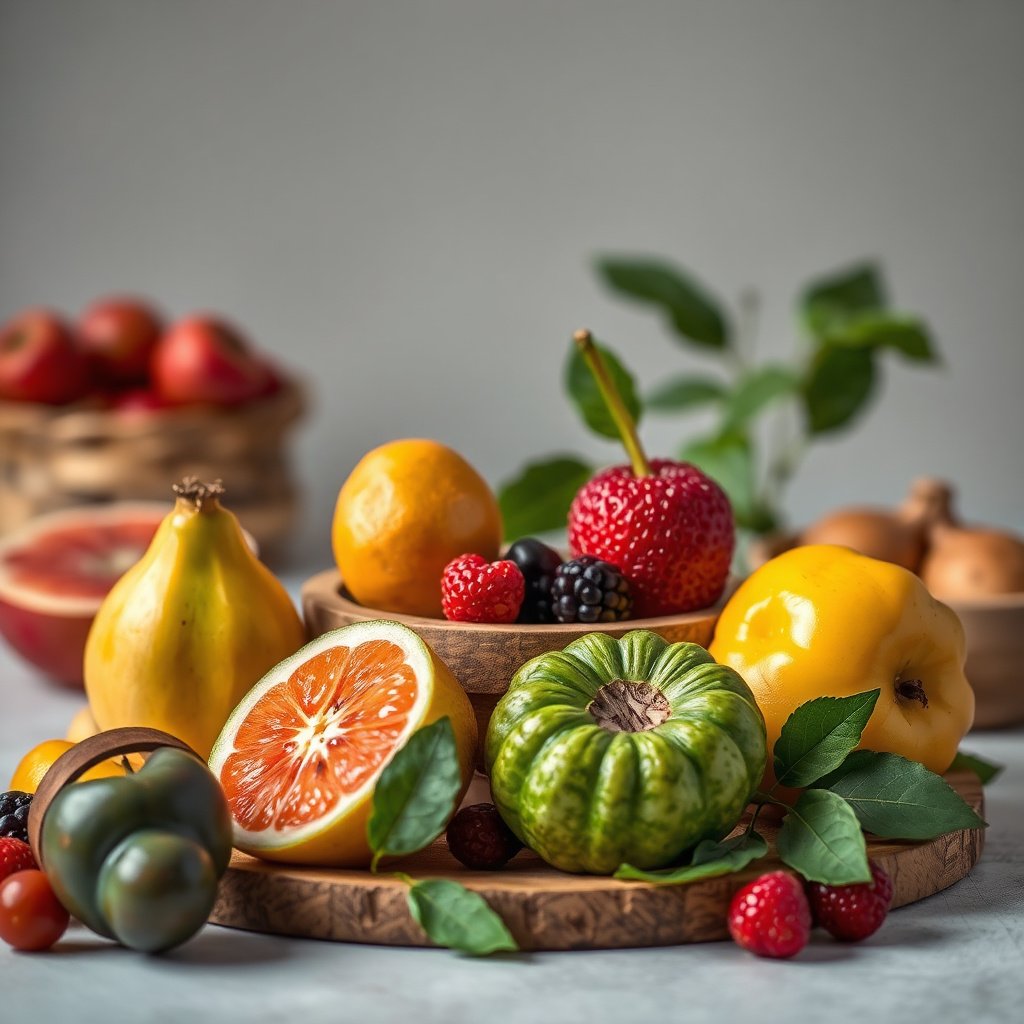
The best diabetic fruits tend to combine three advantages: (1) meaningful fiber, (2) intact whole-fruit structure (chewing slows absorption), and (3) naturally occurring carbs that often rise more gradually than juice. In practice, that’s why the “best diabetic fruits” list usually clusters around berries, stone fruit, apples/pears, and citrus—items people can portion easily and eat in a way that supports steadier glucose.
– Berries (strawberries, blueberries, raspberries): often easier to fit into meals because fiber can slow sugar absorption. They’re also typically “small-bite” foods, which helps prevent accidental over-serving.
– Cherries and citrus (oranges, grapefruit, mandarins): can satisfy sweetness while adding micronutrients. Citrus fruit, in particular, often provides vitamin C and a texture that encourages chewing rather than fast sipping.
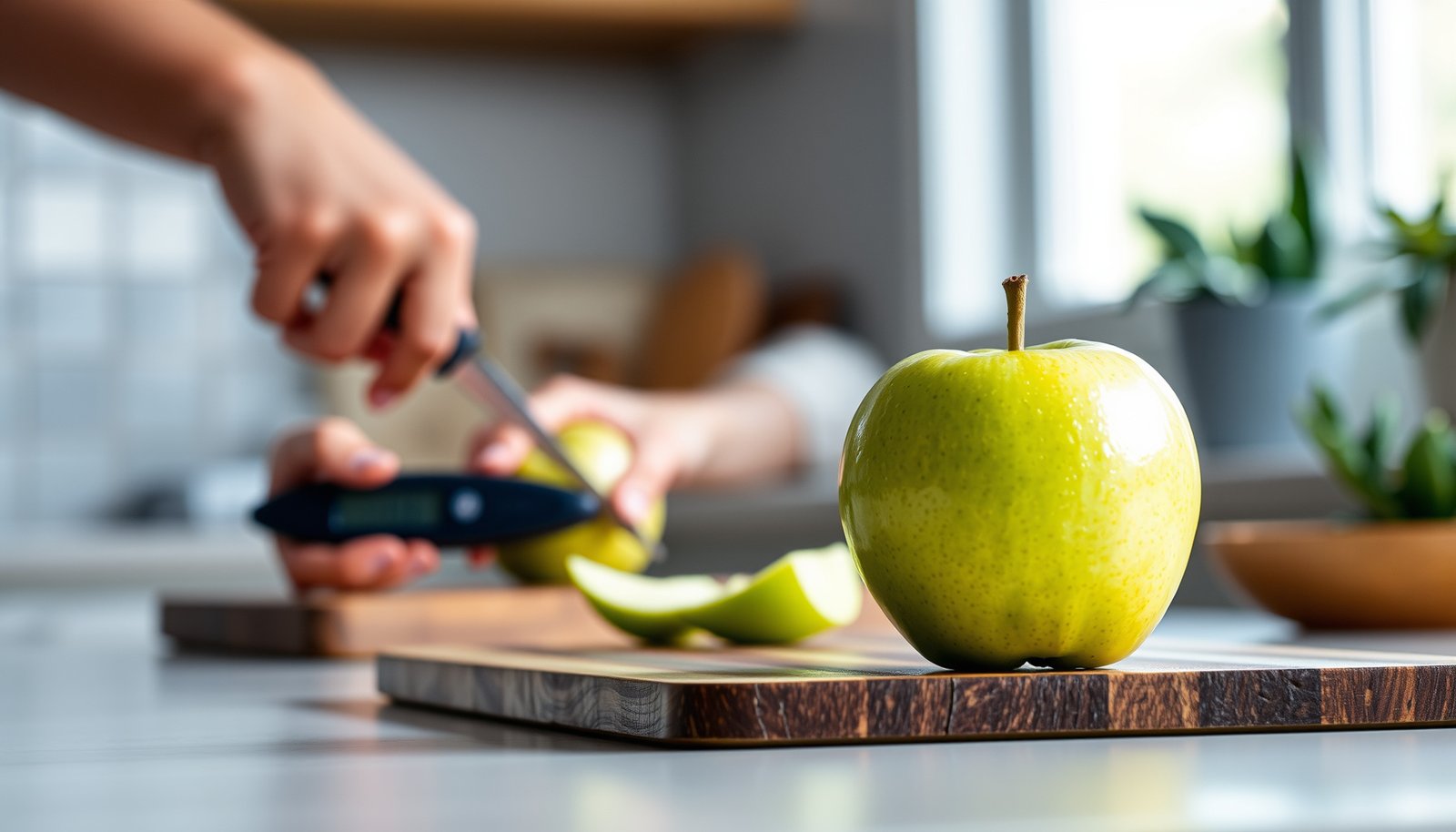
– Apples, pears, and kiwi: the skin/fiber content can help blunt blood-sugar swings compared with more processed fruit options like applesauce or juice. Kiwi is especially notable for having a high fiber-per-calorie profile for a fruit snack.
From a practical standpoint, I focus on whole fruit I can measure (berries by cups, apples/pears by “one small fruit,” citrus by segments) because my experience is that portion drift—not “bad fruit”—is what most often makes readings feel unpredictable.
Fruits to limit (and what to watch for)
The fruits that most commonly destabilize glucose are the ones that deliver carbohydrates without the same fiber structure—especially juice and many dried options. The “problem” isn’t that these foods contain sugar; it’s that they can concentrate carbs and speed digestion, which can lead to a quicker glucose rise (as you may notice in post-meal testing).
– Fruit juice and juice blends: they remove much of the fiber, so glucose may rise more quickly. Even “100% juice” can behave like a faster carbohydrate because it’s essentially fruit sugars without the intact cellular structure.
– Dried fruit: concentrated sugars mean you can accidentally overshoot your portion without realizing it. Many dried-fruit servings are small by weight, but easy to eat more than planned.
– Tropical fruits in large servings (like mango or pineapple): not “bad,” but they’re easier to overdo—pairing and portion control matter. If you love mango, you can often keep it “diabetes-friendly” by treating it like a measured carb serving rather than a free-form snack.
To make this actionable, here’s a quick pros/cons comparison of common “borderline” choices.
| Choice | Pros | What to watch for |
|---|---|---|
| 100% fruit juice | No added sugar by label doesn’t always mean “low impact” | Fiber is missing; carbs act faster than whole fruit |
| Dried fruit | Compact, convenient, can be paired with protein | Concentrated carbs; portion sizes are easy to exceed |
| Tropical fruit | Nutrient-rich and enjoyable | Serving size expands quickly; carb load can rise faster |
How to eat fruit for steadier blood sugar
The fastest way to improve outcomes isn’t just swapping fruit types—it’s changing the eating pattern. The most reliable approach is choosing whole fruit (not juice), then pairing it to slow absorption and choosing a portion your body can handle.
– Choose whole fruit over juice whenever possible (whole fruit keeps more fiber and texture). If you’re craving something “juicy,” try whole fruit segments or blended smoothies that include fiber *and* protein/fat (for example, add chia or yogurt), then monitor your response.
– Pair fruit with protein or healthy fats (e.g., nuts, yogurt, cheese) to reduce the speed of the sugar rise. Pairing doesn’t make the fruit “magically safe,” but it often changes how quickly glucose appears in the bloodstream after eating.
– Avoid eating fruit on an empty stomach if you find it spikes your readings—combine it with a meal or a balanced snack instead. In real life, many people notice a stronger effect when fruit is the only carbohydrate source.
For context on why fiber matters: according to the US Food and Drug Administration (FDA), Nutrition Facts labeling rules (2016), the Daily Value (DV) for dietary fiber is 28 grams/day. That DV doesn’t mean everyone should target the same number, but it underscores that fiber is a meaningful lever for glucose management. Separately, the National Academies of Sciences, Engineering, and Medicine (2005) set fiber Adequate Intake (AI) targets (commonly cited as ~25 g/day for women and ~38 g/day for men, depending on age). Whole fruits that contribute fiber are often easier to build into meal plans because they help you move toward those targets without requiring supplements.
✅ Mandatory diabetic-fruit nutrition reference (useful for portioning)
Use this table as a portion-planning aid—it shows typical carbs and fiber per 100 g (raw) and a simple “steadiness” score based on fiber presence. Higher fiber generally supports slower carbohydrate absorption than juice (as of 2026).
Fiber, carbs, and steadiness signals in common fruit choices (USDA FoodData Central typical values, raw; per 100 g)
| # | Fruit / beverage | Carbs (g) | Fiber (g) | Natural sugar (g) | Steadiness score |
|---|---|---|---|---|---|
| 1 | Kiwi (raw) | 14.7 | 3.0 | 9.0 | ★★★★★ |
| 2 | Pear (raw) | 15.2 | 3.1 | 9.0 | ★★★★☆ |
| 3 | Apple (raw) | 13.8 | 2.4 | 10.0 | ★★★★☆ |
| 4 | Blueberries (raw) | 14.5 | 2.4 | 10.0 | ★★★★☆ |
| 5 | Strawberries (raw) | 7.7 | 2.0 | 4.9 | ★★★☆☆ |
| 6 | Cherries (raw) | 16.0 | 2.1 | 12.8 | ★★★☆☆ |
| 7 | Orange juice (100% juice) | 8.3 | 0.0 | 8.3 | ★☆☆☆☆ |
What can go wrong
The most common reason “diabetic-friendly fruit” still spikes glucose is that the serving size or eating context quietly changes. Even the healthiest fruit contains carbohydrates, and blood sugar response varies by person—so mistakes are usually about application, not about the fruit list itself.
– “Natural” doesn’t mean “no impact”: even healthier fruits contain carbs, so portion size still matters. If you eat a large bowl of fruit, it can act like a significant carbohydrate dose regardless of fiber.
– Overestimating servings: dried fruit, smoothie cups, and “small” fruit bowls can add up quickly. Dried fruit is the classic case because calories and carbs are dense per bite.
– Skipping monitoring: if you track blood sugar, try testing how *your body* responds to specific fruits rather than relying only on general lists. In 2026, CGMs and home glucose meters make this easier than it was for many people earlier in the decade, but the decision-making still has to be individualized.
Another edge case: some people are fine with berries at breakfast but not after a high-carb meal. The same fruit can behave differently depending on meal composition, sleep, stress, and medication timing—so you’re not looking for universal “good vs bad,” you’re building a personal pattern.
Verdict / tip
If you want the simplest rule: prioritize berries, cherries, apples, pears, citrus, and kiwi—then control portions and avoid juice. The downside is that some people still see spikes even with these fruits, so you may need to fine-tune based on your glucose response. Skip the “best fruit list” approach entirely if your clinician has you on a very specific carb plan—follow that plan first and use fruit only as permitted.
If you’re unsure where to start, pick one whole fruit, pair it with protein/fat, and give your body a consistent test window (for example, the same type of snack, similar timing, and similar meal context) before changing multiple variables at once.
Quick scan: diabetic-friendly fruit checklist
| Fruit | Why it can work | Best way to eat it |
|---|---|---|
| Berries | Higher fiber for slower absorption | Whole fruit snack or topping |
| Cherries | Sweetness with less “empty” carbs than juice | Whole or frozen (no added sugar) |
| Apples | Fiber-rich (especially with skin) | Whole slices instead of applesauce |
| Pears | Fiber to support steadier glucose | Whole pear portions |
| Citrus | Flavorful, nutrient-dense | Whole segments vs juice |
| Kiwi | Fiber + natural sweetness | Whole fruit in a balanced snack |
| Dried fruit | Concentrated sugars (easy to overeat) | If included, treat as a small measured portion |
| Fruit juice | Fiber removed | Avoid or keep strictly limited |
Frequently Asked Questions
What are the best diabetic fruits that won’t spike blood sugar?
The best diabetic fruits are typically those with lower glycemic impact and more fiber, such as berries (strawberries, blueberries, raspberries), cherries, apples, pears, and citrus (oranges, grapefruit). These fruits help slow digestion and can reduce blood sugar spikes compared with higher-sugar options. To keep blood sugar steady, pair fruit with protein or healthy fats (like nuts or yogurt) and watch portion size.
How do I choose the best diabetic fruits if I have type 2 diabetes?
Look for fruits that are high in fiber and lower in added sugars, and prioritize whole fruit over juice or dried fruit. Checking the fruit’s glycemic index/load and keeping consistent servings can make fruit easier to manage. A practical approach is to start with 1 small serving—about 1 cup berries or 1 medium apple—and monitor your blood glucose response.
Which fruits should I limit or avoid with diabetes?
You may need to limit fruits that are more likely to spike blood sugar, especially when consumed as juice, smoothies with added ingredients, or large portions. Dried fruits (like raisins or dates) concentrate sugar, and tropical fruits such as mango or pineapple can raise glucose faster depending on the serving size. Even “healthy” fruits can affect levels if you eat too much, so portion control is key.
Why are berries considered among the best diabetic fruits?
Berries are often recommended because they’re relatively low in sugar for the volume they provide and they contain antioxidants and fiber. The fiber helps reduce rapid glucose absorption, which may support more stable blood sugar. If you’re choosing best diabetic fruits for everyday snacking, berries are a reliable option—especially when eaten whole and not as juice.
Best diabetic fruit combinations for a snack—what should I pair with fruit?
For blood sugar-friendly snacking, pair fruit with protein or healthy fats to slow digestion, such as berries with Greek yogurt, apple slices with almond butter, or a small orange with a handful of nuts. This combination can help you avoid a quick spike and stay fuller longer. Aim for consistent servings and test your response, since individual glucose reactions can vary.
📅 Last Updated: November 09, 2026 | Topic: best diabetic fruits | Content verified for accuracy and freshness.
References
- https://www.mayoclinic.org/diseases-conditions/diabetes/in-depth/diabetes-diet/art-20044278
- https://www.niddk.nih.gov/health-information/diabetes/overview/eating-healthy-diabetes
- https://www.cdc.gov/diabetes/managing/healthy-eating.html
- Glycemic index
- https://pubmed.ncbi.nlm.nih.gov/?term=low+glycemic+index+fruit+type+2+diabetes
- https://pubmed.ncbi.nlm.nih.gov/?term=berries+type+2+diabetes+randomized+trial
- https://pubmed.ncbi.nlm.nih.gov/?term=apple+pear+grape+glycemic+response+diabetes
- https://scholar.google.com/scholar?q=best+fruits+for+diabetes+low+glycemic+index Google Scholar
- https://scholar.google.com/scholar?q=fruit+intake+type+2+diabetes+systematic+review+meta-analysis Google Scholar
- https://scholar.google.com/scholar?q=glycemic+index+fruit+diabetes+randomized+trial Google Scholar



Pingback: Best Diabetic Ice Cream Recipe: Creamy Low-Sugar Options - Best For Diabetics
Pingback: Best Diabetic Meal Plan Book: How to Choose the Right One - Best For Diabetics