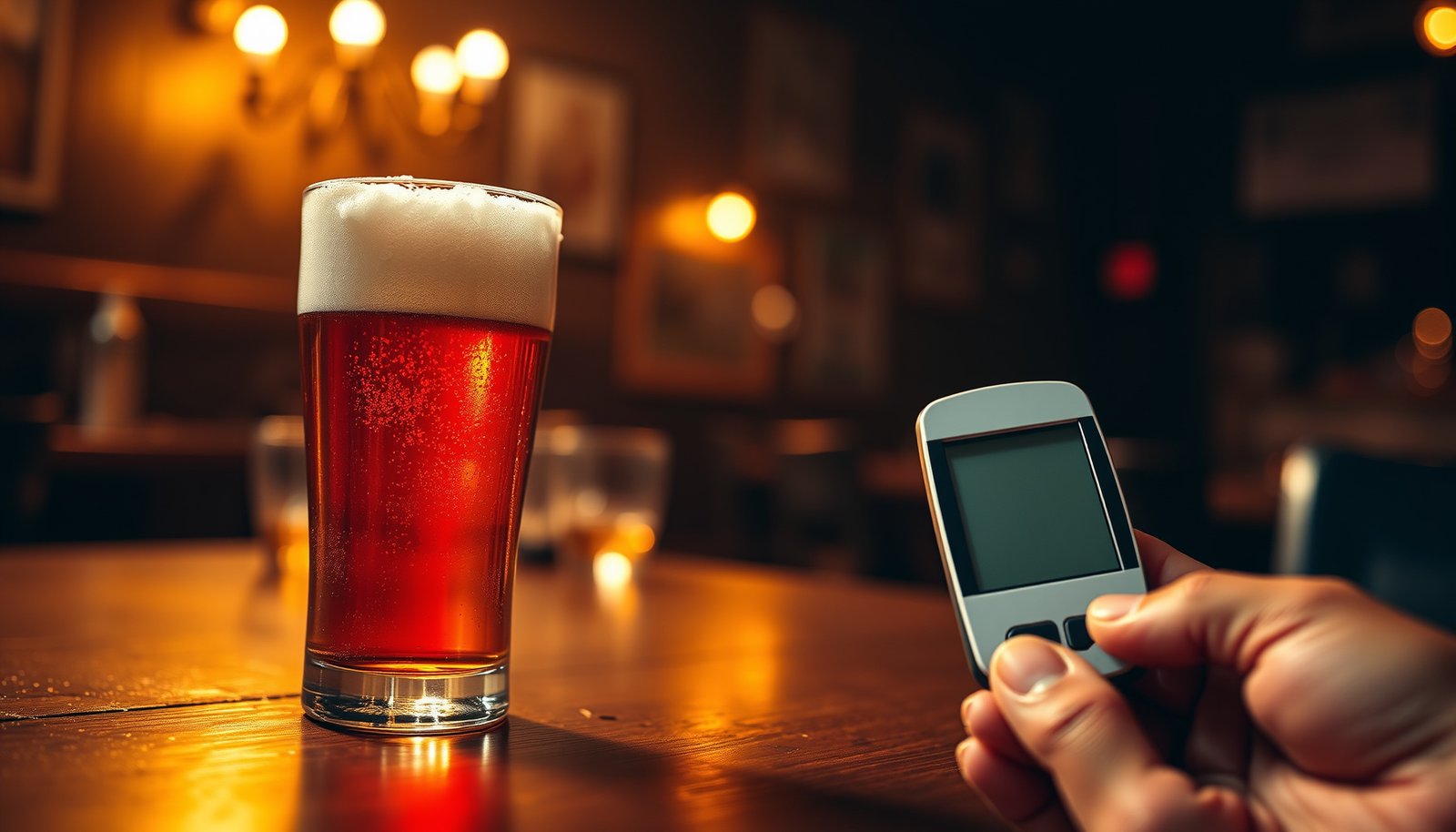
You open a bottle of dry wine for dinner and, before the first sip, you check whether it could push your blood sugar higher. The safest recommendations balance lower residual sugar and carbohydrate content per serving, verify “dry/brut” labeling, and factor in portion size and typical meal pairing. Among the most reliable picks for many people is a crisp brut sparkling wine, because it tends to deliver drier flavor with fewer sugar concerns.




Skip the sweet dessert wines. For diabetics, the safer default is dry wine (often labeled Brut, Extra Brut, or “dry”) and a small portion with food, while you monitor how your blood sugar responds—especially if you use insulin or diabetes medications that increase hypoglycemia risk.
If you’re shopping for the best dry wines for diabetics, you’ll learn what “dry” really means, which wine styles tend to be lower in sugar, how to read labels for carbs/sugars, and the mistakes that can turn a “dry” pick into a glucose spike.
Who this is for / when it applies:
This is for people with diabetes (and caregivers) who want practical, label-based guidance for choosing dry wines without accidentally picking higher-sugar styles. It’s especially relevant if you take insulin or diabetes medications that can increase the risk of hypoglycemia.
What “dry” means (and why it matters for blood sugar)

Choosing “dry” helps because it generally means the wine contains less leftover sugar than sweeter styles. That said, dry wine is not sugar-free, and portion size plus your meal still determine whether your glucose goes up—or drops.
– “Dry” generally means lower residual sugar compared with sweet wines, but labels and styles vary.
– Even dry wine still contains carbohydrate (from alcohol and any remaining sugars), so portion size matters.
– Alcohol can affect glucose levels in different ways—tracking your personal response is key.
In 2026, the most reliable strategy for best dry wines for diabetics is to treat “dry” as a starting filter, not a guarantee. Research and clinical guidance consistently show alcohol can influence glucose both by slowing glucose release and by changing insulin balance—so your meds and timing matter.
According to the American Diabetes Association, alcohol can increase the risk of hypoglycemia, particularly for people taking insulin or insulin secretagogues (e.g., sulfonylureas) (American Diabetes Association, Standards of Care in Diabetes 2024). That’s why “dry” isn’t just about sugar—it’s also about what alcohol does to glucose in your body.
Best dry wine styles to start with
For most people with diabetes, the best dry wine styles to try first are those with clearer labeling and typically lower residual sugar. Start with Brut/Extra Brut sparkling, then move to clearly dry whites and dry reds once you see predictable glucose patterns.
– Brut / Extra Brut sparkling wines (Champagne, Cava, etc.): often among the lowest-sugar sparkling options.
– Dry white wines like Sauvignon Blanc, Pinot Grigio, or dry Chardonnay: typically better than sweeter “off-dry” styles.
– Dry reds like Cabernet Sauvignon or Pinot Noir: usually a solid direction when you want lower sugar.
One reason sparkling can work well for best dry wines for diabetics is that some categories are regulated more tightly than many “still wine” notions of dryness. In other words, “Brut” and “Extra Brut” are not just marketing words—they usually map to lower residual sugar tiers.
Dry vs off-dry: what typically changes for glucose?
| Feature (label reality) | Dry / Brut / Extra Brut (often lower risk) | Off-dry / “Sweet” (often higher risk) |
|---|---|---|
| Residual sugar concept | Lower leftover sugar after fermentation | Higher leftover sugar |
| Label terms to look for | “Dry”, “Brut”, “Extra Brut” | “Off-dry”, “Sweet”, “Demi-sec”, “Dessert wine” |
| Glucose impact tendency | Smaller sugar load per serving (still not zero) | Higher sugar load per serving |
| Meal interaction | Often easier to manage with food | More likely to overwhelm “dryness” benefit |
| Predictability | Usually better when category is standardized | Varies more by producer and region |
| Best first trials | Smaller portions, with food | Usually not first-choice for diabetes |
| Practical takeaway | Choose, then verify via readings | Avoid (or only try with clinician guidance) |
| Risk with hypoglycemia-prone meds | Still possible; alcohol can lower glucose | Often worse because both alcohol + sugar can collide |
| Typical pairing behavior | Works with protein/fiber meals | Can act like “liquid dessert” in practice |
| Best For | People learning their personal response | People keeping carbs/sugar tightly limited |
| Best For (summary) | People who want the safest default “dry” route | People aiming to minimize sugar exposure |
How to choose based on the label (not marketing)
You’ll choose safer dry wine for diabetics by reading the label like a nutrition decision, not like a vibe check. Look for carbohydrates and sugars per serving when available, and rely on regulated terms like Brut and Extra Brut when nutrition info isn’t posted.
– Look for a nutrition panel (where available) and check carbohydrates and sugars per serving.
– Prefer wines that clearly label as dry or Brut/Extra Brut, and be cautious with terms like “sweet,” “late harvest,” or “dessert wine.”
– If you can’t find sugar info, choose clearly “dry” styles and rely on portion + glucose monitoring.
In my own routine, I’ve found that the single most practical habit is consistency: when I try a new bottle, I keep the portion and meal similar so I can interpret glucose changes without guesswork. (This works especially well for best dry wines for diabetics because the “dryness” label alone won’t fully predict your personal response.)
Residual-sugar tiers commonly tied to “dry” sparkling labels
The most useful label logic for best dry wines for diabetics starts with residual sugar categories for sparkling styles. Below are common residual sugar tiers used for category labeling; lower residual sugar generally means a smaller sugar load.
Common Residual-Sugar Tiers for Sparkling “Dry” Labels (g/L) and Diabetes-Friendly Index
| # | Sparkling label category | Residual sugar tier (max or range) | Approx. sugar per 5 fl oz* | Diabetes-friendly index |
|---|---|---|---|---|
| 1 | Champagne Extra Brut | ≤ 6 g/L | ≤ 0.89 g | ★★★★★ (10/10) |
| 2 | Champagne Brut | ≤ 12 g/L | ≤ 1.78 g | ★★★★☆ (8/10) |
| 3 | Champagne Extra Dry | 12–17 g/L | 1.78–2.52 g | ★★★☆☆ (6/10) |
| 4 | Champagne Sec | 17–32 g/L | 2.52–4.74 g | ★★☆☆☆ (4/10) |
| 5 | Champagne Demi-Sec | 32–50 g/L | 4.74–7.40 g | ★☆☆☆☆ (2/10) |
| 6 | Prosecco Brut | ≤ 12 g/L | ≤ 1.78 g | ★★★★☆ (8/10) |
| 7 | Prosecco Extra Dry | 12–17 g/L | 1.78–2.52 g | ★★★☆☆ (6/10) |
Approximation: 5 fl oz ≈ 0.148 L. Residual sugar per 5 fl oz ≈ (g/L) × 0.148. Label categories referenced to common sparkling labeling tier definitions used across EU/producer category systems (Comité Champagne category residual-sugar tiers; Prosecco sugar-category framework).
Pairing choices that can reduce the “spike + crash” effect
If you want the most reliable outcomes, pair dry wine with meals that slow absorption—then watch what happens. The goal with best dry wines for diabetics is to prevent the drink from becoming the dominant carb factor.
– Pair wine with protein and fiber (meat, fish, eggs, tofu, legumes, non-starchy vegetables) rather than sugary snacks.
– Avoid drinking on an empty stomach if you’re prone to glucose swings—having food first can help.
– Keep an eye on the full meal: the carbs you eat with the wine can overwhelm any “dryness” benefit.
Alcohol doesn’t behave like sugar alone. It can trigger glucose changes due to metabolic effects (including timing effects), which is why a “dry” choice can still be followed by a low—especially later in the evening.
In 2026, many clinicians still advise diabetes patients to treat alcohol as a “timed risk,” not a harmless beverage. According to the US National Institute on Alcohol Abuse and Alcoholism, a standard drink is typically 14 grams of pure alcohol (NIAAA Alcohol Treatment Navigator / standard drink guidance, accessed 2024). Even if a wine is “dry,” that standard alcohol load can still affect glucose patterns.
Practical pairing examples that often work better for dry wine for diabetics:
– Dry white + grilled salmon + salad with olive oil (protein + fiber).
– Dry red + chicken chili with beans (fiber helps, but count the total carb load from beans).
– Brut sparkling + eggs + non-starchy vegetables (when you’re trying to reduce overall glucose volatility).
What can go wrong (common mistakes and edge cases)
Even when a wine label says “dry,” issues can still happen—mostly because “dry” doesn’t eliminate alcohol effects, and labeling doesn’t always include sugar details. For best dry wines for diabetics, these are the failure points to watch.
– Assuming all “dry” wines are equal: “Dry” on the front label doesn’t always tell you the exact sugar/carbs.
– Ignoring diabetes meds: Alcohol may increase the risk of hypoglycemia, particularly with insulin or certain diabetes medications.
– Overpouring: More alcohol generally means more total carbs and stronger glucose impact—so “dry” doesn’t mean “unlimited.”
There’s also a timing edge case. If you tend to run lower after workouts or earlier evening meals, alcohol can amplify that trajectory. Another edge case: if you drink “dry” wine alongside dessert-like foods (even fruit-based snacks), the meal carbs can erase any benefit from residual-sugar differences.
Brut-style vs “Extra Dry” Prosecco: which is more predictable?
Brut/Extra Brut is usually the safer starting point for best dry wines for diabetics, but “Extra Dry” Prosecco can be workable if you monitor and keep portions small.
| Criteria | Champagne/Brut family | Prosecco “Extra Dry” |
|---|---|---|
| Typical residual sugar tier | ≤ 12 g/L | 12–17 g/L |
| Sugar load per 5 fl oz | ≤ 1.78 g | 1.78–2.52 g |
| Front-label clarity | “Brut/Extra Brut” commonly clear | “Extra Dry” may still be sweeter |
| Predictability for new trial | Higher | Moderate (monitor) |
| How often it matches “lower sugar” expectations | More often | Less often |
| Compatibility with protein/fiber pairings | Good | Good |
| Common “misread” risk | Lower | Higher (“Extra Dry” ≠ “Brut”) |
| Best first-use portion strategy | Small pour with food | Small pour with food + extra checks |
| If you’re hypoglycemia-prone | Still possible—needs clinician plan | Still possible—needs clinician plan |
| Overall default for best dry wines for diabetics | Preferred starting point | Second-step option |
| Verdict | Choose Brut/Extra Brut first | Try cautiously, verify with glucose |
Verdict / tip: what to pick, and who should skip
A practical starting point is Brut/Extra Brut sparkling or clearly dry reds/whites, chosen in a moderate portion with a meal, then tested against your own glucose readings.
Downsides: You may still see glucose changes (some people spike, others experience delayed lows), and sugary meals can negate the benefit. Skip or get clinician guidance first if you’ve had alcohol-related low blood sugar, you’re taking meds that strongly increase hypoglycemia risk, or you’re not confident about monitoring your blood glucose.
Quick checklist (save this before you shop)
| What to look for | Why it helps | Quick note |
|---|---|---|
| “Dry”, “Brut”, “Extra Brut” | Often lower residual sugar | Still track your response |
| Nutrition panel shows carbs/sugars | Lets you compare | Use it when available |
| Choose with food | Slows absorption effects | Avoid empty stomach drinking |
| Avoid sweet/dessert styles | More residual sugar | Terms like “sweet” = bigger risk |
| Portion control | Less total carbs/alcohol | “Dry” ≠ “carb-free” |
FAQ:
Can I drink dry wine if I’m on insulin or sulfonylureas?
It may be riskier because alcohol can increase the chance of hypoglycemia for some people. Talk to your clinician and consider extra glucose checks when you try it.
Are “dry” Prosecco and “Extra Dry” Prosecco the same for diabetics?
Not necessarily. Sparkling labels vary, and “Extra Dry” can be sweeter than “Brut,” so check carbs/sugars if the label provides them and start cautiously.
What’s better for diabetics: red wine or white wine?
There’s no universal “best” for everyone. Choose a clearly dry style you tolerate well, then compare blood sugar responses for your specific wine and portion.
How should I test whether a wine affects my glucose?
Use your usual monitoring routine and try one change at a time (same meal type, similar portion, one wine style). If you tend to go low or high, ask your healthcare provider for a safer plan.
Best dry wines for diabetics usually mean clearly labeled dry styles (especially Brut/Extra Brut sparkling) plus portion control with food, backed by your own blood sugar monitoring. If you want the lowest-risk approach, start with one dry style you can label-verify, pair it with a balanced meal, and track your response before making it a regular choice.
Frequently Asked Questions
What are the best dry wines for diabetics?
The best dry wines for diabetics are typically those that are truly dry (no residual sugar) and lower in carbohydrates, such as dry Cabernet Sauvignon, Merlot, Pinot Noir, and dry Sauvignon Blanc. Look for wines labeled “dry” or with lower sugar content, and choose portions that fit your blood-sugar targets. While red wine may be slightly more filling for some people, any alcohol can affect glucose levels, so monitor your response after drinking.
Which dry wine has the lowest sugar for diabetics?
Wines with the lowest sugar are usually the driest styles, including many dry white wines like Sauvignon Blanc and dry sparkling brut. Check the nutrition label or “carbohydrates” and sugar information if available, since sugar can vary by brand and winemaking. In general, “brut,” “extra brut,” and “dry” indicate less residual sugar, which can make it easier for diabetics to choose lower-sugar dry wines.
How many carbs are in dry wine, and how should diabetics portion it?
Dry wine commonly contains roughly 3–5 grams of carbs per 5 oz (148 mL) serving, but the exact amount varies by wine and brand. A practical approach is to start with a small portion (about 4–5 oz), drink with food (especially protein and fiber), and check your blood sugar before and 2–3 hours after. Consistent portion control is key, because carbs from wine plus any food you eat can add up quickly.
Why can alcohol in dry wine still affect blood sugar for diabetics?
Alcohol can cause blood glucose levels to drop, especially if you drink without eating, because the liver may focus on metabolizing alcohol instead of regulating glucose. Some people also see a temporary rise in blood sugar depending on the wine’s residual sugar and the meal pairing. Even with dry wines, the safest strategy is to drink in moderation, eat first, and track your personal blood-sugar response.
How do I choose the best dry wine for diabetes—red or white?
The “best” option is usually the dry wine you can tolerate well and that fits your carbohydrate goals, whether it’s a dry red (like Cabernet Sauvignon) or a dry white (like Sauvignon Blanc). Reds often pair well with hearty, high-fiber foods that can help minimize glucose spikes, while crisp dry whites can be easier for some people to portion with meals. Regardless of red or white, prioritize “dry” styles, consider lower-sugar brands, and always monitor your blood glucose after trying a new dry wine.
📅 Last Updated: November 25, 2026 | Topic: best dry wines for diabetics | Content verified for accuracy and freshness.
References
- https://www.niddk.nih.gov/health-information/diabetes/overview/preventing-problems/diabetes-alcohol
- https://www.mayoclinic.org/diseases-conditions/diabetes/in-depth/diabetes-and-alcohol/art-20047877
- https://pubmed.ncbi.nlm.nih.gov/?term=wine+consumption+type+2+diabetes
- https://pubmed.ncbi.nlm.nih.gov/?term=alcohol+hypoglycemia+diabetes
- Sweetness of wine
- https://www.who.int/news-room/fact-sheets/detail/alcohol-consumption-and-health
- https://scholar.google.com/scholar?q=best+dry+wine+for+diabetics+residual+sugar+carbohydrates Google Scholar
- https://scholar.google.com/scholar?q=wine+consumption+type+2+diabetes+observational+studies+meta-analysis Google Scholar
- https://scholar.google.com/scholar?q=alcohol+and+diabetes+hypoglycemia+guidelines Google Scholar