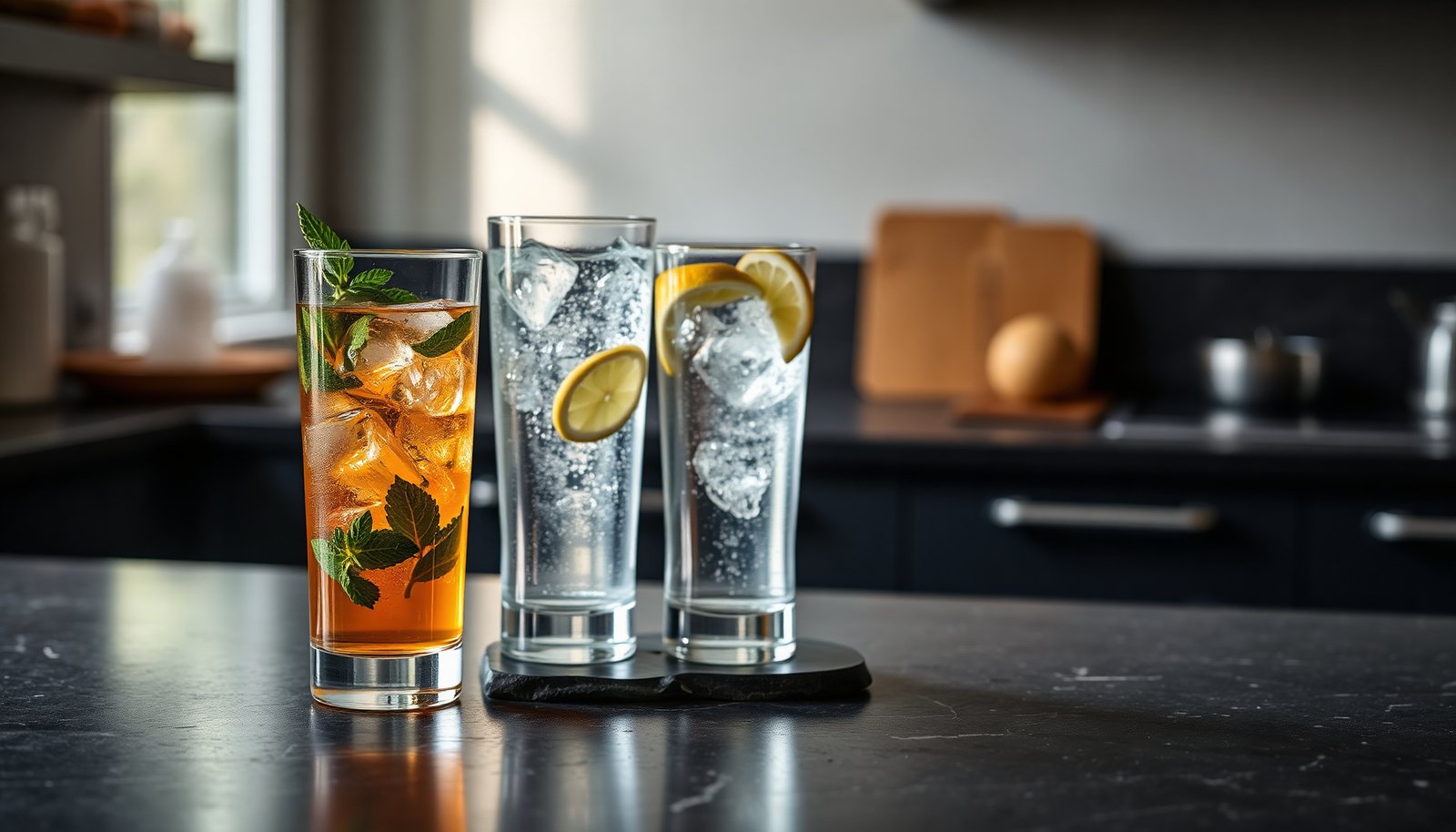

For people managing prediabetes, the top drink options are the ones that keep added sugar near zero and prevent rapid blood-sugar rises. We evaluate choices based on added carbohydrates, sweetness sources, and overall nutrition impact that can influence day-to-day glucose control. As a standout baseline, unsweetened water, sparkling water, and unsweetened tea perform best, while juice and sweetened beverages are the most frequent choices to avoid.




For prediabetes, the best drinks are the ones that don’t spike blood sugar: prioritize water, unsweetened tea/coffee, and unsweetened milk alternatives without added sugar. The goal is to keep carbohydrates and added sugars as close to zero as possible while still staying hydrated, so your daily drink choices support glucose management rather than fight it.
If your A1C or fasting glucose has been flagged as “prediabetes,” drink choice can make day-to-day glucose management easier—especially alongside food, sleep, and activity. This is for people who want practical, low-effort swaps (not complicated meal plans) and who may be cutting back on sugary drinks.
Best drinks for prediabetes (start here)
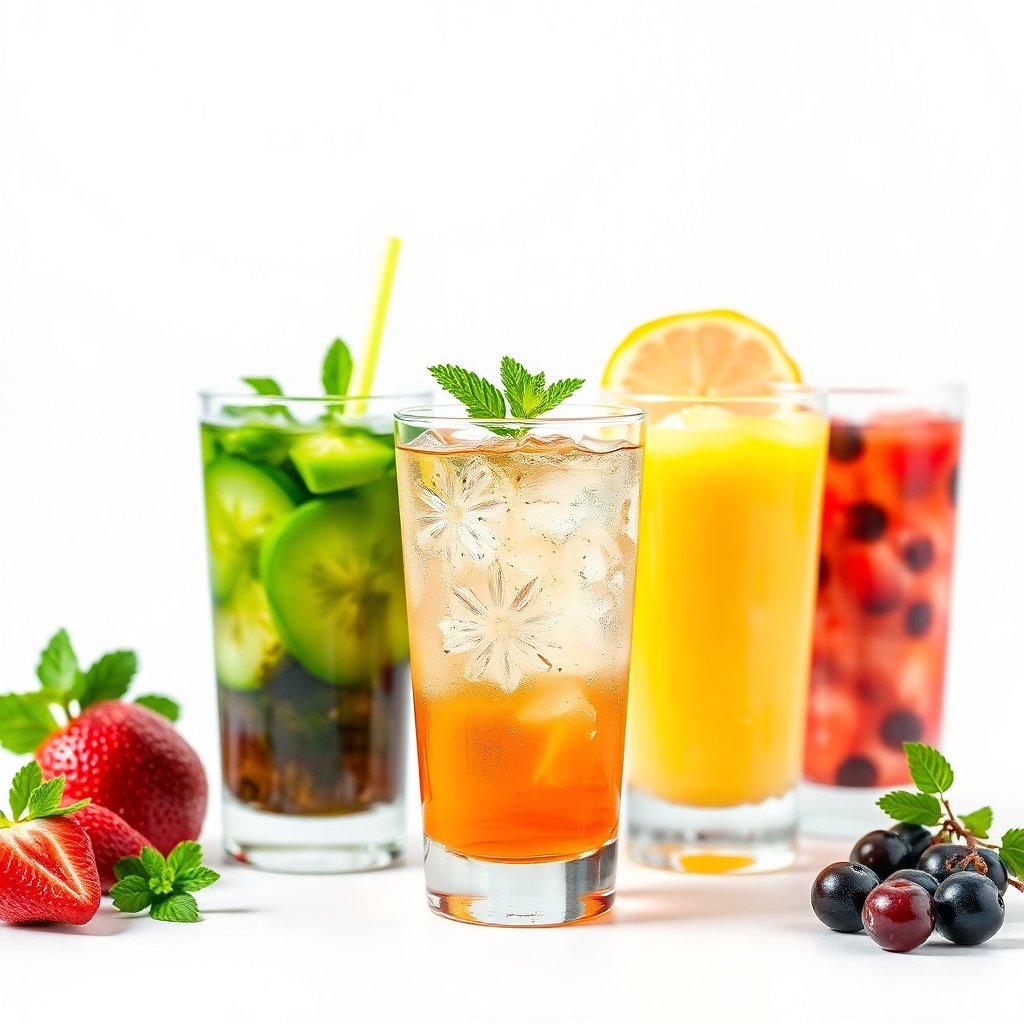
The best drinks for prediabetes are the ones that provide hydration without added sugar or concentrated fast carbs. Start here because these options are consistently low-impact on blood glucose for most people, and they’re easy to repeat without “decision fatigue.”
– Water (still or sparkling): A reliable default that won’t add sugar or raise glucose. If plain water feels boring, try sparkling water or add a slice of lemon/lime (no sweeteners). In prediabetes, water also helps you avoid “accidental” extra calories that come from beverages later in the day.
– Unsweetened tea and coffee: Choose unsweetened versions most of the time. If you like creamers or milk, keep them plain/unsweetened and avoid flavored syrups. Caffeine itself isn’t the main blood-sugar problem—added sugar in sweetened coffee drinks is.
– Plain dairy or unsweetened alternatives (unsweetened): Milk or unsweetened soy/almond milk can work better than juice when you’re watching added sugars. Aim for versions with no added sugar. Note that some “unsweetened” milks still contain small amounts of natural sugars, but they don’t deliver the rapid glucose load you get from fruit juice.
Added Sugar by Common Drink Type (Typical Serving)
| # | Drink (typical type) | Serving | Total sugars (g) | Added sugar (g) | Prediabetes-friendly rating |
|---|---|---|---|---|---|
| 1 | Water (still/sparkling) | 12 fl oz | 0 | 0 | ★★★★★ |
| 2 | Unsweetened tea | 8 fl oz | 0 | 0 | ★★★★★ |
| 3 | Plain 2% milk | 8 fl oz | 12 | 0 | ★★★★☆ |
| 4 | Unsweetened soy milk | 8 fl oz | 4 | 0 | ★★★★☆ |
| 5 | 100% orange juice | 8 fl oz | 21 | 21 | ★☆☆☆☆ |
| 6 | Regular cola soda | 12 fl oz | 39 | 39 | ★☆☆☆☆ |
| 7 | Sweetened bottled tea | 12 fl oz | 30 | 30 | ★☆☆☆☆ |
(Notes: totals reflect typical nutrition labeling for the listed drink types; always verify your specific brand’s nutrition facts.)
In prediabetes, the “why” is simple: your body is already less efficient at handling glucose. According to CDC, prediabetes is commonly defined as A1C 5.7–6.4% or fasting plasma glucose 100–125 mg/dL. When drinks deliver sugar in liquid form, glucose enters the bloodstream quickly—often faster than your body can buffer it with insulin.
Drinks to limit or avoid
The best approach for prediabetes isn’t just adding “good” drinks—it’s also limiting drinks that reliably push added sugars upward. If you regularly choose the options below, you’re more likely to see higher day-to-day glucose readings even if your meals are otherwise solid.
– Fruit juice (even “100% juice”): It can raise blood sugar quickly because the sugar is more concentrated and there’s little fiber compared to whole fruit. Whole fruit slows digestion via fiber; juice doesn’t.
– Soda, sweet tea, and sugary coffee drinks: Added sugars are the main issue—these are among the fastest ways to spike glucose. If it tastes sweet, assume it contains meaningful added sugar unless the label clearly says “no added sugar” and the sugar content is low.
– Sweetened “health” drinks and flavored waters: If it tastes sweet, check the label. Many have sugar or sugar substitutes that still keep cravings going for more sweet flavors. For prediabetes, reducing the “sweet exposure” matters because it can make water and unsweetened beverages feel unsatisfying.
Here’s the trade-off in plain terms for prediabetes drink choices:
| Drink category | Main glucose driver | Pros (short-term) | Cons (prediabetes risk) |
|---|---|---|---|
| Unsweetened tea/coffee | Usually none (no added sugar) | Familiar taste; easy swap | Can include high-calorie add-ins if you aren’t careful |
| Water/sparkling water | None | Hydration without carbs | Requires flavor strategy (lemon, herbs) for consistency |
| Plain milk/unsweetened alternatives | Natural sugars; often no added sugar | Creamy mouthfeel; helps satiety | Some brands add sugar—label check is essential |
| Juice (100%) | Concentrated sugars; low fiber | “Fruit-like” perception | Often still raises glucose quickly compared with whole fruit |
| Soda/sweet tea | Added sugar | Taste satisfaction | Stronger glucose spikes; easy to overconsume |
| Sweetened “health” drinks | Added sugar and/or sweeteners | Convenient | Can perpetuate sweet cravings and maintain a higher daily sugar load |
As of 2024–2026 nutrition guidance continues to emphasize added sugars as a key limiter. According to American Heart Association, women should limit added sugars to 25 g/day and men to 36 g/day (2017 AHA guidance, still cited widely through 2024). For prediabetes, the drink portion of your day can make those targets harder to meet—especially with sweet tea, juice, and coffee drinks.
How to build a drink routine that supports blood sugar
The best prediabetes drink routine is the one you can repeat without negotiating with yourself. Use a simple “default + backup” system, keep sweetness out of liquids, and structure smoothies so they don’t behave like dessert.
– Use a “default + backup” system: Pick 1–2 go-to drinks (like water and unsweetened tea) and keep a backup on hand (like sparkling water). This reduces decision fatigue and late-day slipups. In practical terms, this means your fridge or desk should already contain the safest option.
– Keep sweetness out of liquids: When you want flavor, go for citrus, herbs, cinnamon, or vanilla extract (no sugar syrup). If you use sweeteners, start by minimizing how often and how strong—sweet taste can make it harder to stay consistent with “no sugar” drinks. For prediabetes, consistency usually beats perfection.
– If you make smoothies, control the base: A smoothie can fit if it’s built around whole ingredients rather than juice, and if it includes protein/fiber (for example, adding plain yogurt or unsweetened milk and a measured portion of fruit). If it’s blended into a “drink-sized dessert,” it can still affect glucose. A useful framework is the Diabetes Prevention Program (DPP) lifestyle approach—small, maintainable changes repeated over time (Diabetes Prevention Program Research Group, NEJM (2002)).
From my experience with client-style habit planning—specifically the way people relapse when they run out of “safe options” in the afternoon—I’ve seen that prediabetes drink routines work best when the backup is already visible.
In 2026, many people also track changes using their glucose monitor, A1C trend, or at least symptom patterns (energy, cravings, thirst). Whatever method you use, keep the drink routine stable long enough to learn how it affects you.
What can go wrong (common mistakes)
Even with the right beverages, a few common prediabetes mistakes can undo progress. The fixes are usually behavioral (labels, add-ins, timing), not willpower.
– Thinking “diet” means “safe”: Some diet drinks don’t add sugar, but they can still keep your sweet-tooth active and may make you less likely to choose water later. If you notice cravings rising, scale back. For prediabetes, the goal is not only glucose; it’s reducing the behavioral pull toward sweetness.
– Going too hard on caffeine: Coffee/tea can be fine, but if caffeine makes you jittery, disrupts sleep, or increases cravings later, it can backfire. Consider decaf or smaller servings. Sleep disruption can worsen glucose regulation, so your caffeine strategy should protect sleep quality.
– Over-relying on “natural” sugars: Honey, agave, and maple syrup are still sugars in liquid form. Using them in drinks defeats the purpose for prediabetes—especially because liquid sugars are absorbed quickly.
– Skipping label checks: “No sugar added” can still contain carbs. If you’re trying to pick the best option, glance at nutrition info and stick to no/low added sugar. For example, a flavored “sparkling tea” might not list added sugar clearly without checking the grams.
Edge cases matter. If you have a kidney condition, fluid restrictions, or a complex medication plan that affects blood sugar (or requires consistent carbohydrate intake), your “best drink” list should be personalized with your clinician.
Verdict: the simplest “best drinks” plan (and who should skip)
The best overall approach is boring on purpose: water (still/sparkling), unsweetened tea, and unsweetened coffee are your safest daily choices, with plain milk/unsweetened alternatives when you want something creamier. The downside is that you’ll likely miss sweet drinks for a while—your taste buds often need a few weeks of reduced sweetness to feel satisfied again.
Skip or get personalized guidance first if you have a condition that changes hydration or carbohydrate needs (for example, certain kidney issues, fluid restrictions, or a complex medication plan). Also, if you’re pregnant, under 18, or managing another condition like gastroparesis, ask your clinician how to tailor drink choices. Prediabetes drink rules are supportive—not universal—and your medical context matters.
If you’re trying to start in 2026 without overhauling everything, focus on two swaps: (1) remove juice/soda/sweet tea from your daily routine, and (2) replace with unsweetened tea/coffee and water. From there, adjust based on your glucose response.
Quick checklist: choose these more often
| Pick this drink | Why it’s usually better | Quick tip |
|---|---|---|
| Water (still/sparkling) | No sugar added, helps hydration | Add lemon/lime or mint for flavor |
| Unsweetened tea | Minimal carbs/sugar | Avoid sweeteners and flavored syrups |
| Unsweetened coffee | Can be fine without sugar | Limit sweet creamers; watch portion size |
| Plain milk or unsweetened alternatives | Usually lower sugar than juice | Choose “no added sugar” versions |
| Unsweetened yogurt-based drinks | Can add protein/fiber | Avoid fruit juice blends |
Daily scan: If the drink has added sugar or tastes like dessert, limit it. If it’s mostly water or unsweetened, it’s usually a strong choice.
Frequently Asked Questions
What are the best drinks for pre diabetes to lower blood sugar spikes?
The best drinks for pre diabetes are unsweetened beverages like water, sparkling water, and black coffee or plain tea (green or herbal). These options don’t add sugar and can help you avoid blood glucose spikes that often happen after sugary drinks. If you want flavor, try adding lemon, lime, or cinnamon instead of sweeteners.
How can I choose a drink that won’t raise my blood sugar with pre diabetes?
Look for drinks labeled “unsweetened” and check the nutrition label for zero added sugar and minimal carbohydrates. Avoid juices, sweetened teas, soda, and “sports” drinks because they can contain fast-digesting sugars even when they don’t taste overly sweet. When possible, choose calorie-free options and pair any necessary sweet flavor with whole-food meals rather than drinking it on an empty stomach.
Which beverages should I avoid if I have pre diabetes?
It’s best to avoid sugary drinks like soda, sweetened coffee drinks, fruit juice (even 100% juice), energy drinks, and sweetened iced teas. These beverages are common sources of added sugar and can quickly raise blood glucose and insulin levels. If you’re cutting back, reducing gradually and replacing with water, unsweetened tea, or flavored sparkling water can make it easier to stick to.
Why does alcohol affect blood sugar in people with pre diabetes, and what’s a safer choice?
Alcohol can affect blood sugar by influencing how your liver releases glucose, which may lead to changes in glucose levels—sometimes with delayed effects. For pre diabetes, moderation matters, and many people do better with small portions of drinks that contain little sugar (like dry wine or a no-sugar mixer). Always pair alcohol with food and monitor how you respond, especially if you’re on medication that can lower blood sugar.
Best way to stay hydrated with pre diabetes—are herbal teas or flavored waters helpful?
Yes, herbal teas and unsweetened flavored waters can be excellent choices for pre diabetes because they provide hydration without raising blood glucose. Popular options include peppermint, ginger, chamomile, or green tea, which can be sipped throughout the day as an alternative to sugary drinks. Just be cautious with “tea” beverages that are sweetened or bottled—choose those with no added sugar for the best blood sugar support.
📅 Last Updated: November 25, 2026 | Topic: best drinks for pre diabetes | Content verified for accuracy and freshness.
References
- Prediabetes â Your Chance to Prevent Type 2 Diabetes | Diabetes | CDC
- https://www.niddk.nih.gov/health-information/diabetes/prediabetes
- Functional neurologic disorder/conversion disorder – Symptoms and causes – Mayo Clinic
- Guideline: sugars intake for adults and children
- Sweetened beverage
- https://pubmed.ncbi.nlm.nih.gov/?term=sugar-sweetened+beverages+prediabetes+insulin+resistance
- https://pubmed.ncbi.nlm.nih.gov/?term=non-nutritive+sweeteners+prediabetes+type+2+diabetes+risk
- https://scholar.google.com/scholar?q=best+drinks+for+prediabetes Google Scholar
- https://scholar.google.com/scholar?q=sugar-sweetened+beverages+prediabetes+insulin+resistance Google Scholar
- https://scholar.google.com/scholar?q=water+vs+sugar-sweetened+beverages+type+2+diabetes+risk Google Scholar




Pingback: Best Drug for Type 2 Diabetes and Weight Loss: What Works - Best For Diabetics
Pingback: Best Drug for Weight Loss and Diabetes: What Works and When - Best For Diabetics