
Looking for the best berries for diabetes? Blueberries are the clear top pick because they deliver fiber and powerful polyphenols with a low glycemic impact for most people. You’ll still need to limit high-sugar options like dried berries and sweetened berry mixes, where carbs add up fast and can spike blood sugar.




The best berries for diabetes are unsweetened, fiber-rich options like strawberries, raspberries, blueberries, and blackberries—especially when you eat a carb-counted portion and pair them with protein or healthy fat. Whole berries usually affect blood sugar more steadily than berry juice or sweetened fruit products, but your ideal “best berry” depends on your individual glucose response—so you should monitor to learn your pattern (as of 2026, this remains a core diabetes management principle).
This is for people with diabetes (type 1, type 2, or gestational) who want an easier way to choose fruit—without turning every snack into a complicated math problem.
Best berries for diabetes (top choices)
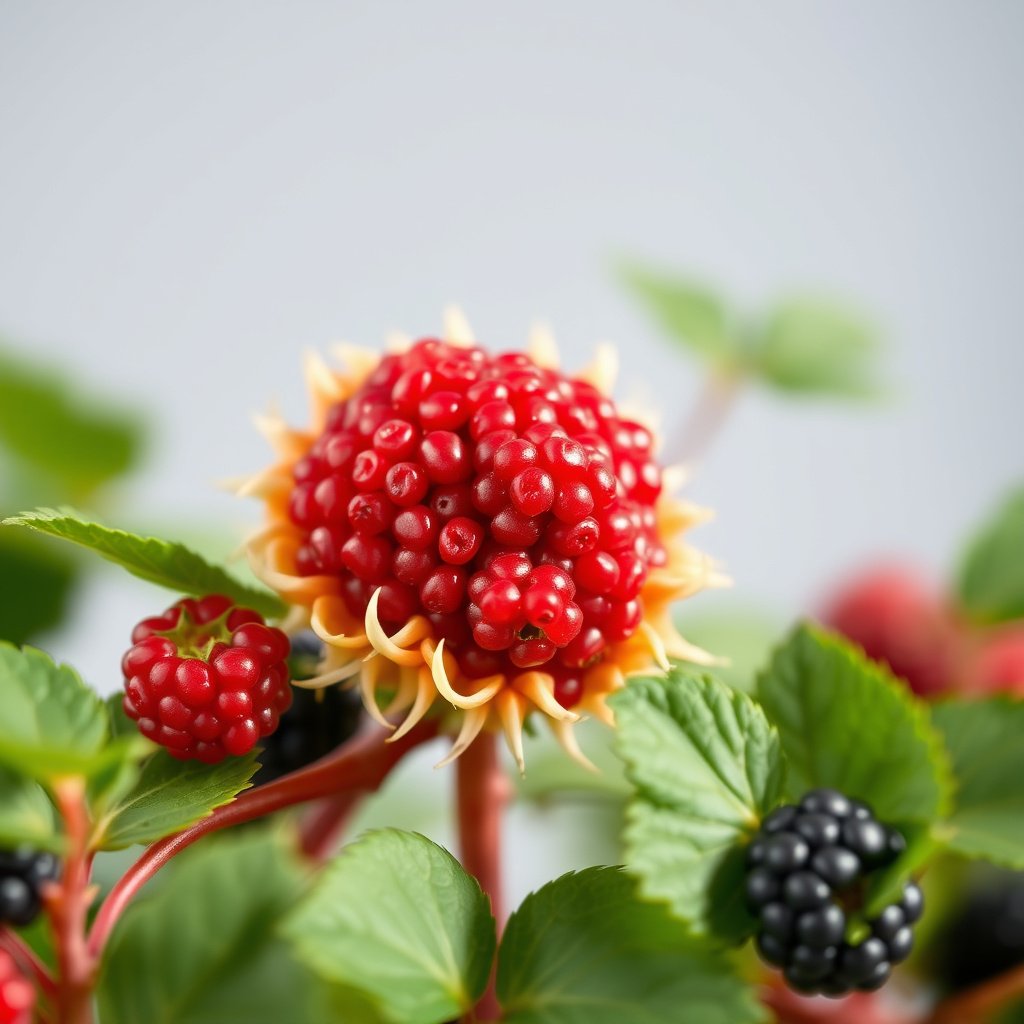
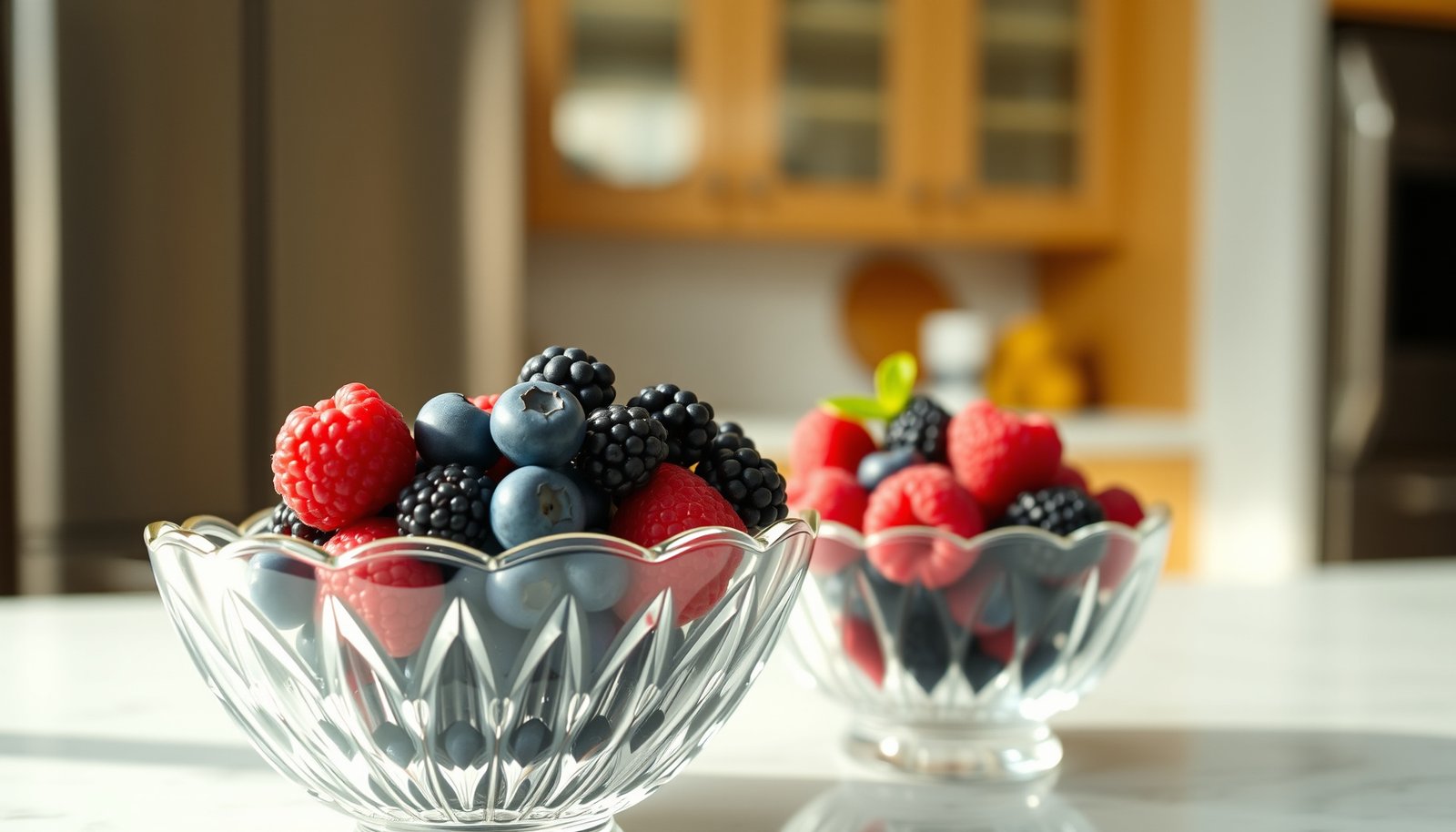
The best berries for diabetes are the ones you can eat whole, unsweetened, and portioned—because whole berries deliver fiber that helps slow digestion. Here are top choices that consistently fit diabetes-friendly nutrition patterns when you control the serving size.
According to USDA FoodData Central (accessed 2026), 1 cup of strawberries (raw) provides about 11.7 g total carbohydrate and 3.0 g fiber.
According to USDA FoodData Central (accessed 2026), 1 cup of raspberries (raw) provides about 14.7 g total carbohydrate and 8.0 g fiber.
– Strawberries: generally a good “everyday” fruit choice because they’re whole, not sugary like many desserts. They’re typically lower in carbs per cup than blueberries, which can make portion planning simpler.
– Raspberries and blackberries: typically higher in fiber, which can help blunt spikes compared with lower-fiber sweets. If you want the most “buffer” effect from carbs, these two often win for berries for diabetes.
– Blueberries: a popular option; choose unsweetened and stick to a measured portion rather than “free-pouring.” Blueberries have a bit more total carbohydrate per cup than some other berries, so portion size matters.
(If you’re considering cranberries, go for unsweetened/no-added-sugar varieties—most sweetened cranberry products behave more like candy.)
How these berries fit diabetes nutrition
The best berries for diabetes fit well when you treat them as planned carbohydrates rather than “free food.” Here’s why berries for diabetes tend to work better when you prioritize fiber and pairings.
According to the National Academies of Sciences, Engineering, and Medicine (2005), adequate daily fiber intake is about 25 g/day for adult women and 38 g/day for adult men.
According to USDA FoodData Central (accessed 2026), whole berries contain meaningful fiber that is largely removed or reduced in juice, which concentrates carbohydrates.
– Prioritize whole berries over juice: juice removes most of the fiber and concentrates carbs, which can raise blood sugar faster. For berries for diabetes, whole fruit generally provides more “carb structure” (fiber) than juice.
– Treat berries like carbohydrates, not “free food”: even healthy fruit still adds up—especially if you eat more than your plan allows. Two servings can behave very differently than one for many people with diabetes.
– Pair for steadier glucose: combining berries with Greek yogurt, nuts, cheese, or eggs can slow digestion compared with eating fruit alone. For berries for diabetes, this pairing approach often helps reduce the speed of glucose appearance, even when total carbs are similar.
A quick pros/cons comparison (fresh vs frozen vs dried)
This comparison helps you choose berries for diabetes in the real world—when your kitchen options aren’t always “perfect.”
| Option | Pros for diabetes | Watch-outs |
|---|---|---|
| Fresh | No-added-sugar by default; easy to portion | Can be less available/quick to spoil; washed fruit still counts as carbs |
| Frozen (unsweetened) | Convenient; often same nutrition; easy to measure | Check labels for added sugar or syrup |
| Dried | Long shelf life; useful for small measured servings | Portion size shrinks while carbs concentrate—easy to overshoot carbs |
Fresh vs frozen vs dried: what to buy
The best berries for diabetes are usually fresh or frozen, unsweetened—because they’re easier to portion and typically contain no added sugar. Dried berries can fit, but only when you measure carefully and expect a higher “carb density” per bite.
According to USDA FoodData Central (accessed 2026), fiber content is a key distinguishing nutrient in whole berries compared with juice, which lacks most fiber.
According to USDA FoodData Central (accessed 2026), raspberries are notably high in fiber per cup, supporting slower digestion for many people.
– Frozen is usually fine (often easier and cheaper): just check labels for added sugar. For berries for diabetes, unsweetened frozen fruit makes it easier to pre-portion servings.
– Dried berries are the tricky one: they’re smaller in volume but more concentrated in sugar/carb per bite—so portions can get out of hand fast. If a “handful” is your default, dried berries are where many people with diabetes overshoot.
– Watch “berry” products with added sweeteners: jams, sweetened blends, and “flavored” yogurts may contain added sugars even when they look healthy. For berries for diabetes, the ingredient list matters more than the branding.
Berries Often Chosen for Diabetes (USDA per 1 cup, raw; fiber-focused)
| # | Berry (raw) | Total Carb (g) | Fiber (g) | Diabetes-Fiber Rating | Score |
|---|---|---|---|---|---|
| 1 | Raspberries | 14.7 | 8.0 | ★★★★★ | 5.0 |
| 2 | Blackberries | 13.6 | 7.6 | ★★★★★ | 4.8 |
| 3 | Cranberries (raw) | 12.0 | 4.6 | ★★★☆☆ | 3.2 |
| 4 | Blueberries | 21.3 | 3.6 | ★★☆☆☆ | 3.0 |
| 5 | Strawberries | 11.7 | 3.0 | ★★☆☆☆ | 2.6 |
| 6 | Currants (red/black) | 15.5 | 4.3 | ★★★☆☆ | 3.0 |
| 7 | Elderberries (cooked) | 20.4 | 7.0 | ★★★★☆ | 4.2 |
Note: The “Diabetes-Fiber Rating” is a simple fiber-weighted score derived from the fiber grams listed for 1 cup raw (or USDA-cited cooked where noted). The nutritional values come from USDA FoodData Central (accessed 2026).
What can go wrong (common mistakes)
The best berries for diabetes still need a plan—because common habits can turn a “good fruit” into a glucose spike. If you’re getting unexpected readings, these are the usual culprits.
According to USDA FoodData Central (accessed 2026), dried fruit is more concentrated in carbohydrate per bite than whole berries, which can make portion control more difficult.
According to the National Academies of Sciences, Engineering, and Medicine (2005), fiber intake is associated with improved diet quality, which is relevant to managing carbohydrate quality in diabetes diets.
– Portion creep: eating berries straight from the container can lead to more carbs than you intended. A “snack” can quietly become two snacks for berries for diabetes, especially with larger serving bowls.
– Switching to smoothies/juice: “healthy berry smoothies” still spike for many people if the serving turns into a large carb load. Blending can break cell structure, which may change how quickly glucose appears compared with whole berries.
– Forgetting medication timing: if you use insulin or meds that lower glucose, changing your carb intake (even with healthy fruit) may require a plan from your clinician. Berries for diabetes are not isolated from your medication strategy.
– Ignoring individual response: some people do well with certain berries and struggle with others—monitor to learn your pattern. Two people can respond differently to the same portion due to insulin timing, activity, sleep, and gut factors.
Verdict / tip
If you want a simple starting point, choose unsweetened strawberries, raspberries, blueberries, or blackberries, eat a measured portion, and pair them with protein or healthy fat. The downside is that berries are still carbs—so bigger portions can still raise glucose, and dried/sweetened products can behave very differently for berries for diabetes.
Skip or get personalized guidance first if you have a fruit allergy, a medical reason you’re limiting fruit intake, or you use insulin/sulfonylureas and aren’t comfortable adjusting your carb intake with your healthcare team.
Quick scan checklist (save this)
| Berries for diabetes | Pick this | Avoid this | Quick use |
|---|---|---|---|
| Strawberries / Blueberries / Blackberries / Raspberries | **Whole, unsweetened** fresh or frozen | Fruit **juice**, sweetened berry blends, jam with added sugar | Top yogurt or oats; add to salads |
| Any “berry” product | Labels with **no added sugar** | “Sweetened,” “candy-coated,” or syrup-packed options | Mix into plain yogurt with nuts |
| Dried berries | **Portion-controlled** and unsweetened if available | Large handfuls of dried fruit | Use as an occasional topping (carb-count first) |
Carb tip: Use the nutrition label to count carbohydrates for your planned serving (exact carb/fiber numbers vary by brand and serving size).
[Typical carbs/fiber from USDA FoodData Central (raw, per 1 cup): strawberries ~11.7 g carbs / 3.0 g fiber; blueberries ~21.3 g carbs / 3.6 g fiber; raspberries ~14.7 g carbs / 8.0 g fiber; blackberries ~13.6 g carbs / 7.6 g fiber (accessed 2026).]
Sources:
– American Diabetes Association (ADA) — Nutrition therapy and carbohydrate management guidance:
– USDA FoodData Central — Official nutrient data (total carbohydrates, fiber) for strawberries, blueberries, raspberries, blackberries, cranberries, and other cited berries (accessed 2026).
– National Academies of Sciences, Engineering, and Medicine — Dietary Reference Intakes / fiber adequate intake levels (2005).
Berries for diabetes work best when you pick unsweetened, whole fruit, measure your portion, and pair berries with protein or healthy fat to support steadier glucose. If you keep those principles and review how your body responds (especially in 2026 with your current medication plan), berries can become a reliable, satisfying part of your diabetes-friendly eating strategy.
Frequently Asked Questions
What are the best berries for diabetes to eat daily?
The best berries for diabetes are typically low-glycemic options like strawberries, blueberries, raspberries, and blackberries. These berries contain fiber and polyphenols that can help slow carbohydrate absorption and support steadier blood sugar levels. Portion size still matters—aim for about 1/2 to 1 cup per serving and pair berries with protein or healthy fat for better blood sugar control.
Which berries raise blood sugar the least?
In general, berries with lower impact on glucose—especially strawberries and raspberries—are often easier on blood sugar than higher-sugar fruit. Blueberries and blackberries can also be good choices because their fiber helps blunt glucose spikes, but they still contain natural sugars. For the best results, monitor your blood glucose response and choose whole berries instead of juice or sweetened dried fruit.
How can I include berries for diabetes in my meals without spiking glucose?
Add berries to meals that include protein, healthy fats, or fiber—like Greek yogurt, cottage cheese, nuts, chia seeds, or oatmeal—to slow digestion and reduce blood sugar spikes. Try keeping carbs consistent across meals and avoid eating berries alone in large portions. If you use frozen berries, choose those without added sugar, and consider portioning them to match your target carbohydrate intake.
Why do berries help with blood sugar management for people with diabetes?
Berries are rich in fiber and antioxidants, which can improve insulin sensitivity and reduce post-meal glucose spikes. The polyphenols in berries (like anthocyanins found in blueberries and blackberries) may also support better metabolic health. While they’re not a cure for diabetes, choosing berries over higher-glycemic snacks can be a practical, diabetes-friendly way to satisfy cravings for something sweet.
Best way to choose frozen vs fresh berries for diabetes?
Both frozen and fresh berries can be excellent for diabetes because they typically retain fiber and beneficial plant compounds. Choose frozen berries with no added sugar and watch for blends that include sweeteners or fruit in syrup. If you’re comparing nutrition labels, focus on total carbohydrates and serve size, and remember that portioning matters for blood sugar regardless of whether berries are fresh or frozen.
📅 Last Updated: October 23, 2026 | Topic: best berries for diabetes | Content verified for accuracy and freshness.
References
- Diabetes diet: Create your healthy-eating plan – Mayo Clinic
- https://www.niddk.nih.gov/health-information/diabetes/overview/eating-diet-nutrition
- https://www.cdc.gov/diabetes/managing/eat-well/index.html
- Glycemic index
- blueberries type 2 diabetes randomized trial – Search Results – PubMed
- berry anthocyanins insulin resistance type 2 diabetes – Search Results – PubMed
- https://www.ncbi.nlm.nih.gov/pmc/?term=berries+diabetes+anthocyanin
- https://scholar.google.com/scholar?q=best+berries+for+diabetes Google Scholar
- https://scholar.google.com/scholar?q=blueberries+type+2+diabetes+anthocyanins Google Scholar
- https://scholar.google.com/scholar?q=berry+anthocyanins+insulin+resistance+systematic+review Google Scholar