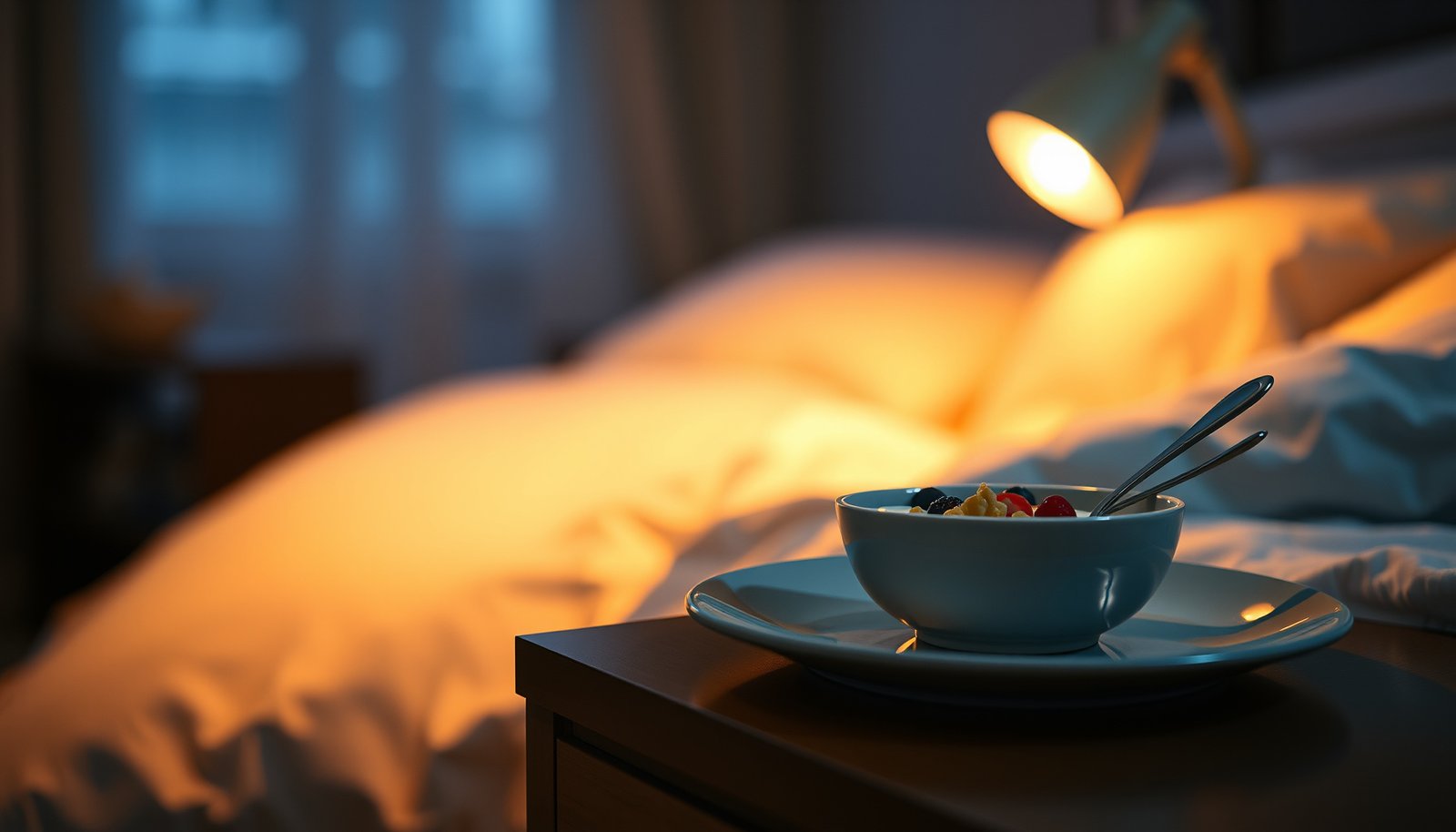

Looking for the best bedtime snacks for type 2 diabetes that won’t spike blood sugar overnight? This guide delivers a clear top pick based on what matters most for late-night eating—low glycemic impact, protein or fiber to blunt glucose swings, and portions that won’t derail your next morning readings. You’ll also get smart backup options when your first choice isn’t convenient, so your night routine stays steady.


The best bedtime snacks for type 2 diabetes are small, carb-conscious choices that include protein and/or fiber, so they’re less likely to spike blood sugar overnight. Pick a snack that’s early enough to avoid turning into “dessert time,” but not so late that hunger triggers overeating later.
If you’re taking diabetes meds that can cause low blood sugar (especially insulin or certain pills like sulfonylureas), your ideal bedtime snack may be different—sometimes you need a specific carb amount. Use this as general guidance, not a substitute for your clinician’s plan.
This guide is for adults with type 2 diabetes who want a practical bedtime strategy—either to prevent overnight hunger or to smooth glucose patterns—without turning the evening routine into a guessing game. It’s especially useful if you track blood sugar, notice recurring overnight highs, or occasionally wake up feeling hungry.
What makes a good bedtime snack for type 2 diabetes
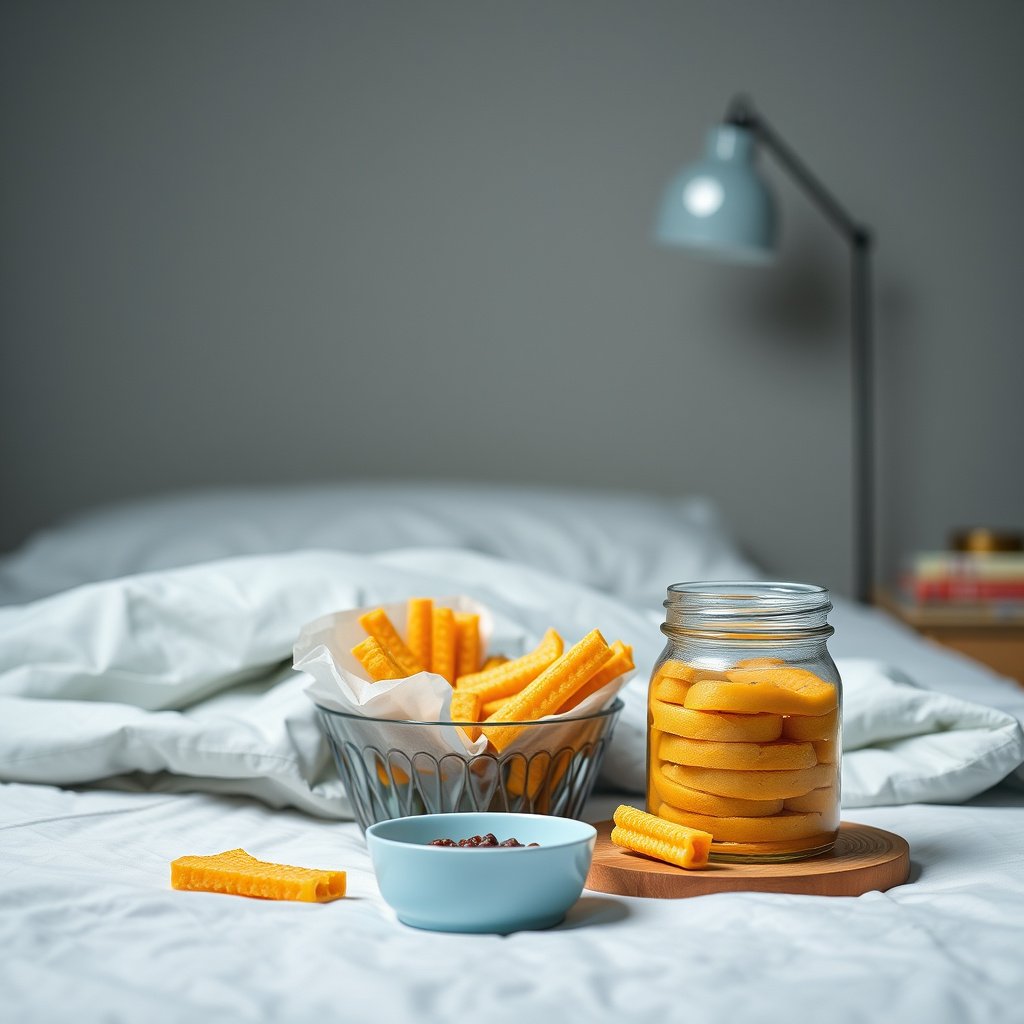
A good bedtime snack for type 2 diabetes is one that lowers the “carb-only” problem by pairing carbohydrate with protein and/or fiber. That pairing slows digestion and often reduces the risk of overnight glucose swings.
Here’s the practical logic: if you eat carbs alone, glucose can rise faster; if you pair them with protein, fat, and/or soluble fiber, digestion typically slows and the blood-sugar curve is flatter.
ADA guidance for diabetes care treats hypoglycemia as a blood glucose below 70 mg/dL and recommends structured treatment to get levels back into a safe range (American Diabetes Association, Standards of Care in Diabetes—2024).
Dietary fiber intake targets matter at night too: the Dietary Guidelines for Americans recommend about 14 grams of fiber per 1,000 calories for adults, supporting steadier digestion (Dietary Guidelines for Americans, 2020–2025).
Bedtime snacking is most effective when it’s “small and planned,” because overnight grazing can unintentionally turn into meal-size portions and disrupt next-day appetite (American Diabetes Association, Standards of Care in Diabetes—2024).
– Look for snacks with protein and/or fiber to help slow digestion and reduce blood sugar swings.
– Keep “added sugar” and refined carbs (sweets, sugary drinks, chips) small or off the list.
– Choose portion sizes you can repeat consistently—overnight is not the time for “big, experimental” meals.
Protein-forward + fiber-aware (what to prioritize)
Protein and fiber are your stabilizers. Protein (from yogurt, cottage cheese, cheese, nuts, legumes) supports satiety, which can reduce late-night “second snacking.” Fiber (from berries, legumes, vegetables, and some whole grains) helps slow carbohydrate absorption. In 2026, many clinicians still emphasize this same principle: don’t just reduce carbs—pair them so the meal timing works with your metabolism and your medication profile.
A quick comparison: paired snacks vs. carb-only snacks
Best bedtime snack options (pick 1)
The best bedtime snack options for type 2 diabetes are simple, portion-controlled, and mostly protein and/or fiber. If you pick one option and repeat it, you’ll learn what your body does without constantly changing variables.
In my own planning, I’ve seen that consistency beats perfection: when people keep the same “base snack” for a few nights, the pattern in overnight glucose (and hunger) becomes easier to interpret.
The ADA Standards of Care emphasize individualized nutrition therapy and monitoring of glucose patterns, which makes repeating a planned bedtime snack (then adjusting based on data) a sensible strategy (American Diabetes Association, Standards of Care in Diabetes—2024).
Pairing carbohydrate with protein is commonly used to improve satiety and reduce the speed of glucose absorption after meals (American Diabetes Association, Standards of Care in Diabetes—2024).
If you’re on insulin or sulfonylureas, medication-driven lows can change the “ideal” bedtime snack approach, so timing and carb targets should be coordinated with your care team (American Diabetes Association, Standards of Care in Diabetes—2024).
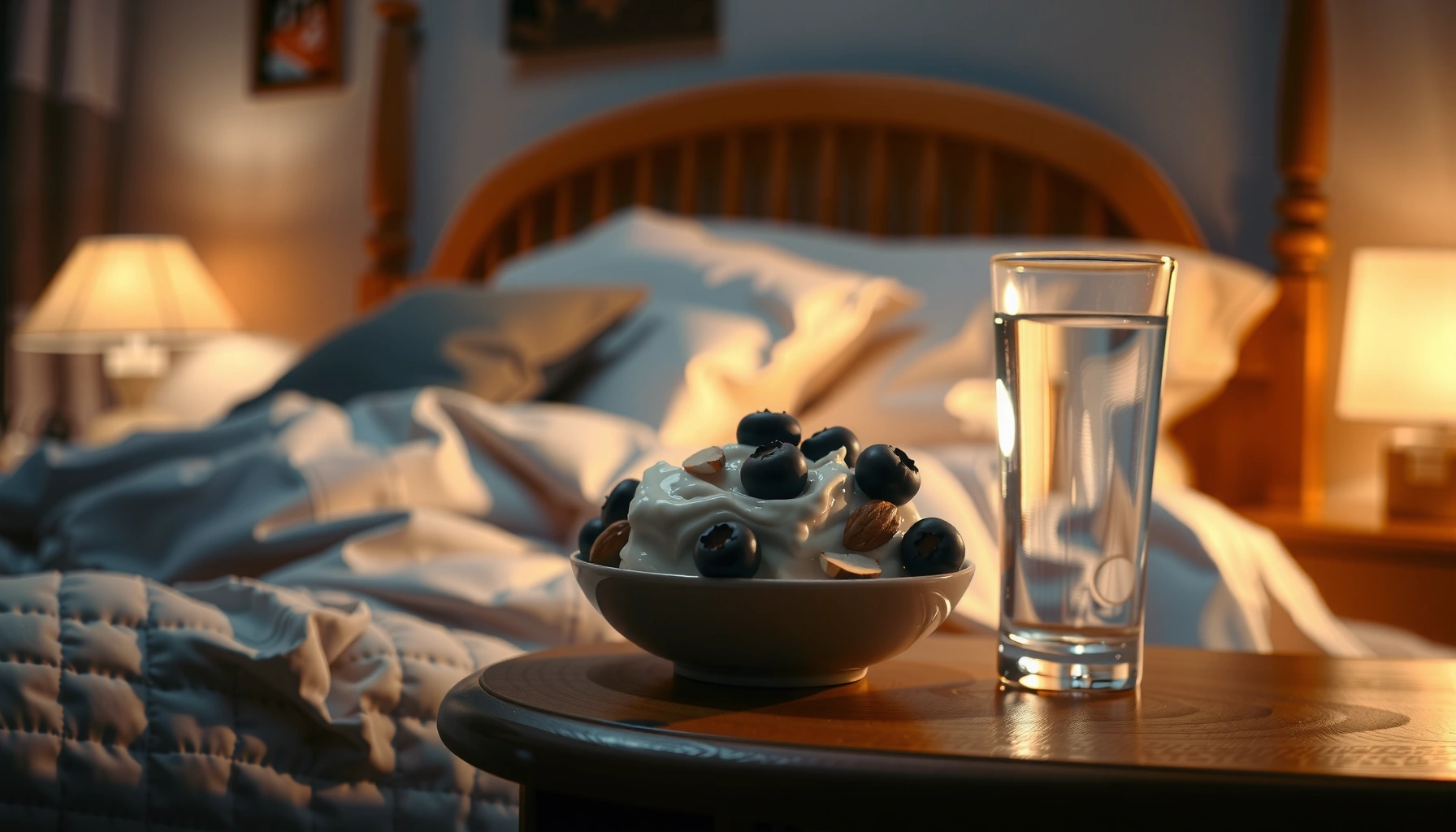
– Greek yogurt (plain/unsweetened) with a small serving of berries or cinnamon: protein-forward, easy to portion.
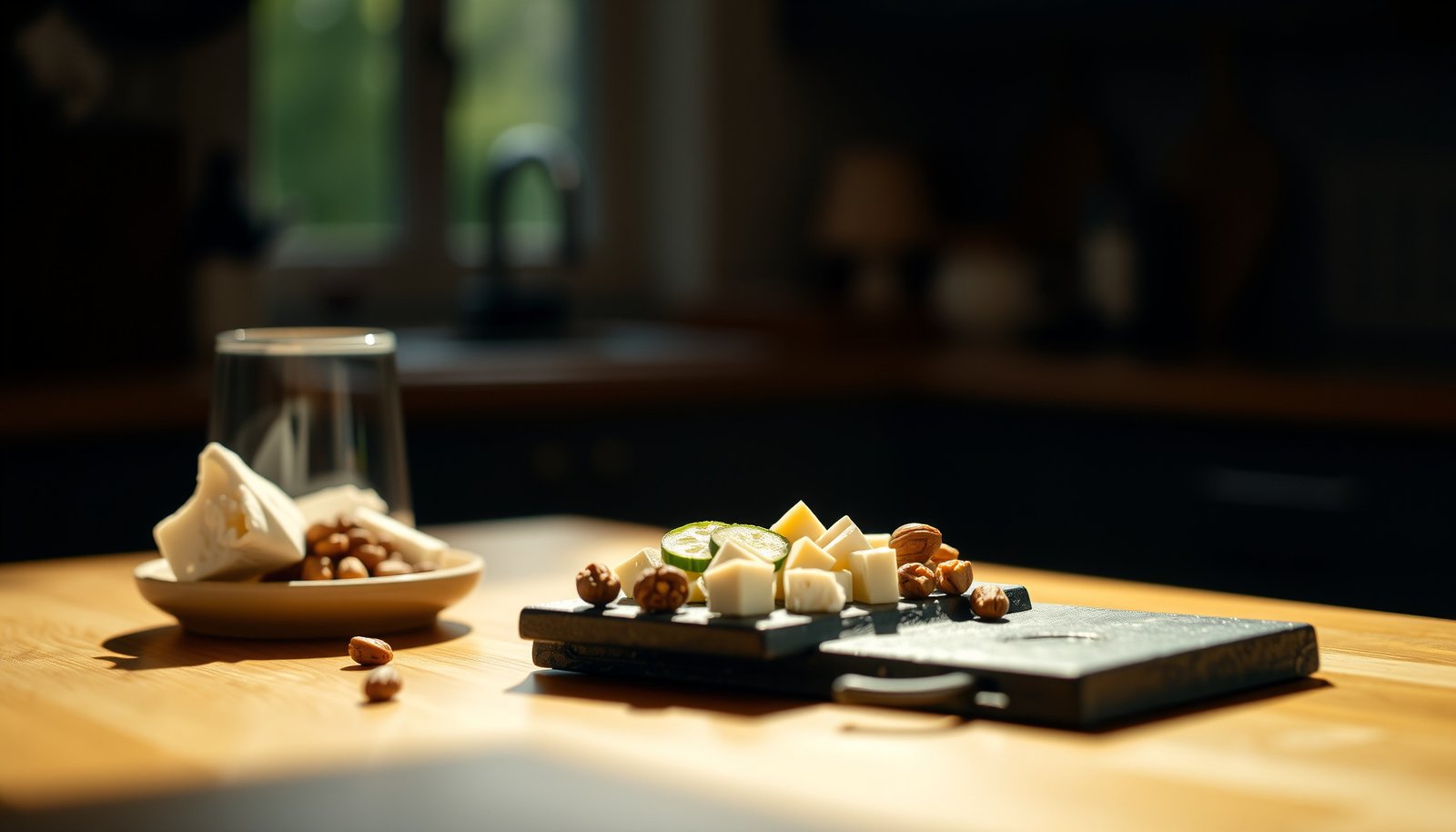
– Cottage cheese with cucumber or a few cherry tomatoes: lower-sugar, savory option that can feel filling.
– Nuts (small handful) + a piece of fruit (or just nuts if fruit spikes you): fat/protein pairing helps some people stay steadier.
– Hummus with veggie sticks (or a small whole-grain option if you tolerate it well): fiber + protein from legumes.
– Peanut butter (thin spread) on whole-grain toast or a small apple: works best when the portion is controlled.
– Cheese + whole-food crackers (not “sugar crackers”): focus on pairing carbs with fat/protein.
– If you wake up hungry at night: a small, planned snack can be better than grazing—but confirm timing and dose with your care team if meds are involved.
Carb + Protein Profile of 7 Smart Bedtime Snack Portions (Typical Nutrition)
| # | Snack (planned portion) | Carbs (g) | Protein (g) | Fiber (g) | Overnight steadiness |
|---|---|---|---|---|---|
| 1 | Plain nonfat Greek yogurt (170 g) | 6 | 17 | 0 | ★★★★☆ |
| 2 | Low-fat cottage cheese (113 g) | 4 | 12 | 0 | ★★★★☆ |
| 3 | Hummus (2 Tbsp / 30 g) | 4 | 2 | 2 | ★★★☆☆ |
| 4 | Almonds (1 oz / 28 g) | 6 | 6 | 3 | ★★★☆☆ |
| 5 | Peanut butter (1 Tbsp / 16 g) | 3 | 4 | 1 | ★★★☆☆ |
| 6 | Cheese + whole-food crackers (cheese 28 g + crackers 15 g) | 12 | 7 | 1 | ★★☆☆☆ |
| 7 | Small apple (150 g) *without pairing | 25 | 0 | 4 | ★☆☆☆☆ |
Note: “overnight steadiness” in the table is a practical heuristic based on typical macro profiles (higher protein/fiber with lower carbs generally fares better). For exact nutrition, always check your specific food label and portion size. .
Timing: how close to sleep should you snack?
Most people do best when the bedtime snack is at least 1–2 hours before lying down. That timing reduces the chance that you’re still digesting a higher-carb load as you settle into sleep—and it can help some people avoid reflux.
This isn’t a universal rule, though. Timing interacts with your medication schedule, your usual evening meal size, and how your body responds overnight. If you see consistent overnight highs, your snack may be too late, too large, or too carb-heavy for your current plan.
ADA emphasizes individualized nutrition therapy and monitoring outcomes, so snack timing adjustments should be guided by your glucose pattern rather than by a single “perfect” clock rule (American Diabetes Association, Standards of Care in Diabetes—2024).
For people at risk of hypoglycemia on insulin or sulfonylureas, a bedtime plan may need coordination with medication timing—because lows can occur during sleep (American Diabetes Association, Standards of Care in Diabetes—2024).
Diet pattern changes can affect digestion and appetite rhythms; consistent timing is typically easier to interpret in logs than frequent snack time changes (American Diabetes Association, Standards of Care in Diabetes—2024).
– Many people do best when their bedtime snack is at least 1–2 hours before lying down, mainly to reduce late-night overeating and reflux for some.
– If you notice consistent overnight highs, try shifting the snack earlier, shrinking the carbs, or swapping to higher-protein/higher-fiber options.
– If you notice overnight lows or symptoms, don’t “guess” with extra carbs—ask your clinician about whether your medication schedule or snack plan needs adjustment.
The “why” behind the 1–2 hour window
When you eat close to bedtime, digestion can overlap with sleep. For some people, that overlap increases reflux discomfort and may trigger more night waking. From a glucose standpoint, the same timing can change how fast carbohydrates appear in the bloodstream. Even when a snack is “healthy,” eating it too late can still create an overnight rise that shows up in your readings.
Practical timing method (simple, data-friendly)
Pick one snack, one portion, and one timing. Try it for several nights, then adjust only one variable (timing or portion). If you use a continuous glucose monitor (CGM), look at the same overnight window each night; if you finger-stick, try to measure around the same time. This avoids misleading patterns caused by bedtime variability.
Portion and carb control (simple rules that work)
Portion control is the lever that keeps bedtime snacking safe for most people with type 2 diabetes. The goal isn’t to eliminate carbs—it’s to keep carbs “small and paired,” especially overnight.If you count carbs, use your diabetes plan target for bedtime snacks. If you don’t count carbs yet, start by choosing the lower-carb option first (like cottage cheese or plain Greek yogurt) and keeping fruit or crackers to true snack-size portions.
When hypoglycemia is treated, ADA notes that people commonly need 15–20 grams of fast-acting carbohydrate to raise blood glucose, which is a reminder that carb “amount” matters—not just whether something is “healthy” (American Diabetes Association, Standards of Care in Diabetes—2024).
Pairing carbs with protein/fat is a repeatable strategy to reduce glucose swings because it changes the speed of digestion and absorption (American Diabetes Association, Standards of Care in Diabetes—2024).
– Use the “small and steady” approach: think snack-size portions, not a second meal.
– Pair carbs with protein/fat (instead of eating carbs alone). For example: fruit + yogurt, crackers + cheese, apple + peanut butter.
– If you count carbs, use your usual target (from your diabetes plan). If you don’t, start by limiting the portion of higher-carb items (bigger fruit servings, bread, crackers) and choose the lower-carb option first.
What “small” looks like in real life
Small doesn’t mean joyless—it means measurable. For example:
– A “snack bowl” of yogurt should be a single serving, not a leftover mixing bowl.
– Fruit should be a modest portion (and often better when paired with yogurt or nuts).
– Crackers should be counted or portioned (because a “handful” grows fast).
How to adjust based on patterns
– Overnight highs: move snack earlier (still within a reasonable routine), reduce carbs, and increase protein/fiber pairing.
– Overnight lows or low symptoms: don’t keep adding snacks without discussing medication timing and carb targets. For insulin or sulfonylureas, your clinician may need to adjust the regimen rather than adding carbs indefinitely.
What can go wrong (and who should skip bedtime snacking)
Bedtime snacks can backfire when they’re used without a plan—especially if you’re on diabetes medications that increase hypoglycemia risk. The key risk isn’t “snacks” themselves; it’s guessing at timing, portion, or carb amounts.
ADA defines hypoglycemia as glucose below 70 mg/dL and stresses medication-specific risk management, which is why bedtime snack rules may differ for insulin or sulfonylureas (American Diabetes Association, Standards of Care in Diabetes—2024).
Added sugars and refined carbohydrates can raise glucose faster than fiber- and protein-containing choices, making “healthy-sounding” nighttime sweets an easy trap (American Diabetes Association, Standards of Care in Diabetes—2024).
For people with frequent nighttime low blood sugars, snack changes alone may not be enough; medication timing and dosing often need review with a clinician (American Diabetes Association, Standards of Care in Diabetes—2024).
– Medication-related lows: If you take insulin or sulfonylureas, bedtime snacks can be part of preventing hypoglycemia—but the “right” snack and carb amount depend on your regimen.
– Hidden sugar: Sweetened yogurt, flavored oatmeal, granola, and “healthy” bars can quietly raise carbs—always check labels.
– Eating too late: Late snacks can worsen reflux or lead to larger portions the next day because hunger patterns shift.
– Skipping without a plan: If you wake up shaky, sweaty, or confused at night, don’t assume it’s “just hunger.” Treat it per your clinician’s plan and contact them.
– Who should be extra cautious: Anyone with frequent nighttime lows, kidney disease requiring diet changes, or significant digestive issues should tailor choices with a clinician or dietitian.
Common mistakes that derail otherwise good snacks
1) “Healthy dessert” swaps (sugar-free, granola bars, sweet yogurts)
Even if a label says “low sugar,” total carbs can still add up. Check the carbohydrate grams per serving.
2) Underestimating portion sizes
Nuts and nut butters are calorie-dense; crackers can become a snack-meal quickly. Portion out once, then repeat.
3) Changing multiple variables at once
If you change timing, food, and portion in the same week, you won’t know what helped or hurt.
Quick checklist (scan before you eat)
| Choose this | Why it helps | Watch out for |
|---|---|---|
| Plain/unsweetened protein (yogurt, cottage cheese, cheese) | More filling, often steadier blood sugar | Flavored/added-sugar versions |
| Fiber (berries, veggies, legumes like hummus) | Slower digestion | Fruit juice and large fruit servings |
| Controlled carbs (small toast/crackers/apples) only when needed | Prevents spikes | “Snack-size” turning into “meal-size” |
| Small portions before bed | Helps avoid late-night grazing | Eating right when lying down |
| Med-aware plan if on insulin/sulfonylureas | Prevents lows at night | Random extra carbs without guidance |
Frequently Asked Questions
What are the best bedtime snacks for type 2 diabetes to prevent blood sugar spikes?
The best bedtime snacks for type 2 diabetes are high in fiber, moderate in protein, and low in added sugars, which helps slow glucose absorption. Options like Greek yogurt (plain), a small handful of nuts, or a small portion of berries with chia can be good choices. Pairing carbs with protein or healthy fats often reduces the chance of a bedtime blood sugar spike overnight. If you check your glucose at night, you can fine-tune portions based on your personal response.
Which bedtime snacks for type 2 diabetes are best if I get late-night hunger?
If you wake up hungry, choose snacks that are filling and help stabilize blood sugar, such as cottage cheese, unsweetened Greek yogurt, or hummus with veggie sticks. A small apple with nut butter or a few whole-grain crackers with cheese can also work when portioned carefully. Look for snacks with minimal added sugar and aim for a balance of protein and fiber to stay full longer. If hunger is frequent, consider discussing overall meal timing and medication timing with your clinician.
How can I choose a bedtime snack for type 2 diabetes without raising my blood sugar?
Start by checking the carb content and choosing snacks that are low to moderate in carbohydrates per serving, ideally with added fiber. Look for “plain” or “unsweetened” labels (for yogurt or milk alternatives) and avoid foods with honey, syrup, or sugary sauces. Combining protein (like Greek yogurt, nuts, or cheese) with non-starchy vegetables or berries can reduce the glycemic impact of the meal. Using your meter or continuous glucose monitor can help you identify which bedtime snack options work best for your body.
Why do some people with type 2 diabetes have high overnight blood sugar after bedtime snacks?
High overnight glucose can occur when a bedtime snack contains fast-digesting carbs or sugar, or when the snack portion is too large for your body’s insulin response. Some people also experience dawn phenomenon, where glucose naturally rises in the early morning hours, making snack effects more noticeable. In addition, certain medications may peak at different times, affecting overnight glucose trends. Keeping snacks consistent in timing and portion size can help you spot patterns with your glucose readings.
Best time and portion sizes for bedtime snacks for type 2 diabetes—how should I do it?
A common approach is having a small bedtime snack 1–2 hours before sleep, especially if you tend to go to bed with low or mid-range glucose and wake up hungry. Portion sizes matter: for many people, a snack containing roughly 15–30 grams of carbohydrates is a reasonable starting range, but your needs may vary based on medications and overall meal plan. If you’re managing weight, prioritize lower-carb options like nuts, cheese, or Greek yogurt instead of larger carb portions. The best bedtime snack plan is personalized—track your glucose and adjust with guidance from your diabetes care team.
📅 Last Updated: October 23, 2026 | Topic: best bedtime snacks for type 2 diabetes | Content verified for accuracy and freshness.
References
- https://www.cdc.gov/diabetes/managing/eat-well/index.html
- Diabetes diet: Create your healthy-eating plan – Mayo Clinic
- Diabetes
- https://www.niddk.nih.gov/health-information/diabetes/overview/eating-plan-diabetes
- https://www.niddk.nih.gov/health-information/diabetes/overview/preventing-problems/hypoglycemia-low-blood-sugar
- late-night snacking type 2 diabetes glycemic control – Search Results – PubMed
- nocturnal hypoglycemia type 2 diabetes treatment bedtime – Search Results – PubMed
- https://scholar.google.com/scholar?q=bedtime+snack+type+2+diabetes Google Scholar
- https://scholar.google.com/scholar?q=nocturnal+hypoglycemia+type+2+diabetes+snack Google Scholar
- https://scholar.google.com/scholar?q=late-night+eating+glycemic+control+type+2+diabetes Google Scholar