Tonight, you are planning dinner and you need it to keep blood sugar steady after you eat. The best choice is one built around non-starchy vegetables, lean protein, and a controlled portion of high-fiber carbs, while avoiding sugary sauces and refined grains. If you want the safest, easiest win, try a baked chicken-and-veggie skillet with a side of quinoa or beans, which checks every box without complicated prep.




The best dinner for a diabetic person is a balanced plate that prioritizes non-starchy vegetables, lean protein, and a controlled portion of smart carbs (if you include carbs at all). If you build meals this way, you’ll usually get steadier blood-sugar responses and feel fuller without the sugar “spike” effect.
This guide is for anyone planning a dinner that supports diabetes (type 1, type 2, or prediabetes) or helping a family member choose safer meal options. It’s especially useful when you want something practical for tonight, not a complicated meal plan.
Build a blood-sugar-friendly dinner plate
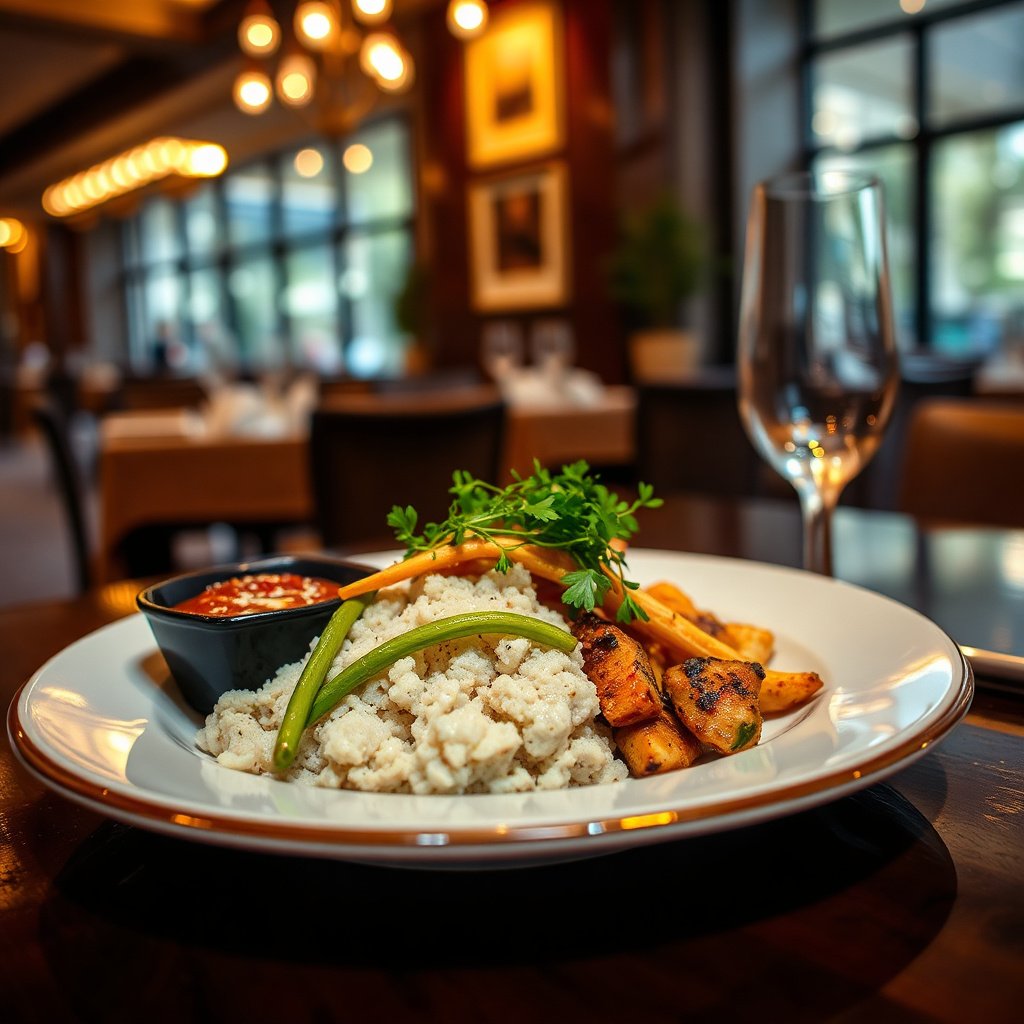
The best way to keep dinner diabetes-friendly is to follow a simple plate pattern: mostly non-starchy vegetables, solid protein, and only optional smart carbs in a controlled portion. Here’s how to construct that plate without making dinner feel “diet-like.”
– Prioritize non-starchy veggies (think leafy greens, broccoli, peppers, zucchini) to add volume without a heavy carb load.
– Choose lean protein (fish, chicken, turkey, tofu, eggs, beans in appropriate portions) to support fullness and steadier digestion.
– Add healthy fats in moderation (olive oil, avocado, nuts) for flavor—while keeping sides from turning into “hidden carbs.”
A key reason this works is that fiber and protein slow digestion and reduce how fast glucose enters the bloodstream. That steadier absorption matters for both type 1 and type 2 diabetes, because post-meal glucose swings can make it harder to predict how your body responds to insulin, medications, or activity later that evening. As of 2026, most diabetes meal guidance still points back to individualized carbohydrate planning and high-fiber foods, rather than eliminating carbs entirely.
A practical “tonight” portion guide (without a kitchen scale)
You can use your hand as a temporary measuring tool when you’re hungry and trying to move quickly:
– Non-starchy vegetables: fill at least half the plate (no need to count them)
– Protein: about the size of your palm (or ~3–5 oz cooked for many adults)
– Smart carbs (optional): about 1/2 to 1 “cupped hand” depending on your plan and how you respond
– Fats (optional): add 1–2 thumb-sized portions (like olive oil drizzles, avocado, or a small handful of nuts)
If you use insulin or take medications that depend on meal timing, keep carbs and meal size consistent—because the same insulin dose may not cover a very different meal day-to-day.
Best dinner ideas that work for diabetes
The easiest diabetes-friendly dinners are the ones where you can control portions while letting vegetables and protein do most of the work. These formats are reliable tonight because they reduce “surprise carbs” (like hidden sugars in sauces or large starch portions).
– Sheet-pan meals: protein + mixed vegetables roasted together (use herbs, garlic, lemon, and a light oil).
– Stir-fries: lean protein with lots of veggies; thicken sauces with less-sugar options and serve over cauliflower rice instead of regular rice (or use a smaller portion of whole grains).
– Chili or soup nights: bean-and-veggie chili or hearty vegetable soup with controlled carb sides.
Why these styles are so consistent
In my day-to-day work helping families plan meals, the biggest win is consistency: sheet-pan and stir-fry dinners make it harder to “accidentally” double bread, rice, or sauce. The other advantage is that cooking method can support glycemic stability—roasting and sautéing vegetables bring out flavor without relying on sweet glazes.
Simple recipe building blocks (mix-and-match)
If you want a formula rather than a single recipe, use these combinations:
– Sheet-pan: chicken thighs or salmon + broccoli or zucchini + peppers + lemon-garlic seasoning
– Stir-fry: tofu or shrimp or turkey strips + bok choy or cabbage + mushrooms + ginger-garlic + low-sugar stir-fry sauce
– Chili/soup: ground turkey or beans + canned diced tomatoes + onions/peppers/celery + spices; serve with a measured side of whole grains if needed
Smart carbs: what to include (and what to watch)
The safest approach is to choose higher-fiber carbs in smaller portions and pair them with protein and vegetables. That combination helps limit rapid glucose absorption compared with refined carbs served alone.
– Prefer high-fiber carbs when you do include them: whole grains, beans, lentils, and intact vegetables/starches rather than refined flour.
– Watch carb “multipliers” like sugary glazes, creamy sauces, and large portions of bread/pasta.
– If you use bread, rice, or pasta, aim for smaller portions and pair them with protein and vegetables so they digest more slowly.
Carbs you can build with vs. carbs that commonly backfire
Here’s a quick contrast table you can use for decision-making when you’re standing in front of the pantry:
How monitoring fits into dinner choices (A1c context)
Dinner affects what your glucose does after eating, but long-term control is also tracked with A1c (a lab test that estimates your average blood glucose over time). According to the American Diabetes Association, A1c reflects average blood glucose over about 3 months (American Diabetes Association, Standards of Care). That’s why dinner patterns—especially how often you choose smart carbs versus refined carbs—add up.
The relationship between glucose control and complications is also well supported. According to the UK Prospective Diabetes Study (UKPDS), each 1% reduction in A1c was associated with substantial reductions in microvascular complications (UKPDS, 1998). So the goal isn’t “perfect dinner,” but consistently better meal construction across weeks and months.
Estimated Average Glucose (eAG) by A1c Level (ADA eAG conversion)
| # | A1c (%) | eAG (mg/dL) | Clinical category | Control rating |
|---|---|---|---|---|
| 1 | 5.0 | 97 | Normal range | ★★★★★ |
| 2 | 5.5 | 111 | Normal range | ★★★★★ |
| 3 | 6.0 | 126 | Prediabetes range | ★★★★ |
| 4 | 6.5 | 140 | Diabetes diagnostic threshold | ★★★★ |
| 5 | 7.0 | 154 | Often a general goal (many adults) | ★★★ |
| 6 | 8.0 | 183 | Above goal | ★★ |
| 7 | 9.0 | 212 | Poorer control | ★ |
Flavor without spiking blood sugar
The best way to keep dinner flavorful is to rely on herbs, acid (like vinegar or citrus), and savory spices instead of sweetness. This lets you keep the meal satisfying while avoiding common “hidden carb” ingredients in sauces.
– Use seasoning that adds taste without sweetness: cumin, smoked paprika, chili powder, pepper, basil/oregano, vinegar, and citrus.
– Choose sauce strategies carefully: salsa (unsweetened), tomato-based sauces, plain yogurt sauces, and broth-based gravies usually beat bottled sweet sauces.
– If a recipe calls for sugar or sweet sauces, swap to cinnamon, vanilla (no added sugar), mustard, herbs, or citrus notes—or use a sugar-free option if your clinician allows it.
Sauce swaps that preserve taste
A lot of dinner “blood sugar trouble” comes from what you pour on top, not from the protein itself. Try these practical substitutes:
– Sweet-style BBQ or teriyaki → use garlic + ginger + low-sodium soy + a measured splash of vinegar (and skip added sweeteners)
– Creamy sauces → thin with broth and use Greek yogurt for tang and thickness
– Bottled salad dressings → use olive oil + lemon + dried herbs, then taste and adjust
How to build flavor fast (5-ingredient approach)
If you want a dinner you can execute tonight with minimal thinking, use:
– Olive oil (or avocado oil) + garlic + lemon/lime + black pepper + a spice blend (cumin, paprika, or Italian herbs)
What can go wrong (common dinner mistakes)
The most common dinner problems for diabetes come from portion creep and sugar hidden in sauces or drinks. If you avoid the traps below, you’ll reduce variability in how dinner affects your glucose later.
– “Healthy sounding” sides: juice-based marinades, honey-glazed items, large portions of rice, or dessert after dinner.
– Skipping veggies to “save carbs” and ending up hungrier, then overeating the next item.
– Not matching dinner to your needs: diabetes management varies by person, meds, activity, and timing—so what works for one person may not fit another.
– Underestimating liquid carbs: sweet drinks, specialty coffees, and some smoothies can add carbs faster than you expect.
Edge cases worth planning around
– If you’re having dinner later than usual, some people get a different glucose curve because insulin timing and digestion patterns shift.
– If you’re physically active after dinner (even a 10–20 minute walk), glucose often responds differently than on sedentary nights.
– If you’re trying a new medication or adjusting doses in 2026, dinner composition may need to match your clinician’s timing guidance more strictly than usual.
If you’re using insulin and notice frequent lows after meals, don’t “wing it” by changing carbs without confirming with your diabetes care team.
Verdict: the safest dinner approach for most nights
If you want the most reliable option, build dinners around vegetables + lean protein, then add a controlled serving of smart carbs only when it makes sense for your plan. The downside: you may need to adjust comfort-meal expectations (smaller starch portions, sauce swaps, or carb substitutions), and it may take a few evenings to find the combinations your body handles best.
Skip this approach (or check with your healthcare team first) if you’re dealing with frequent low blood sugar, have medication adjustments that are tightly timing-dependent, or you’ve been told to follow a specific carbohydrate target for meals.
Quick scan checklist (save this)
| Dinner part | Choose more of | Go light / avoid |
|---|---|---|
| Vegetables | Non-starchy, lots of them | Starchy veggie sides in large amounts |
| Protein | Fish, poultry, tofu, eggs, beans (portion as needed) | Breaded/fried proteins with sweet sauces |
| Carbs (optional) | Whole grains, beans/lentils, intact carbs | Refined grains, sugary coatings, big pasta/bread portions |
| Fats | Olive oil, avocado, nuts (moderate) | Heavy creamy sauces loaded with sugar |
| Drinks | Water, unsweetened tea, plain sparkling water | Soda, sweet coffee drinks, juice, sweetened beverages |
Frequently Asked Questions
What is the best dinner for a diabetic person to help control blood sugar?
A great dinner for a diabetic person is one built around non-starchy vegetables, lean protein, and controlled portions of smart carbohydrates. Aim for a plate that includes half non-starchy veggies (like broccoli, salad, or zucchini), one-quarter lean protein (fish, chicken, tofu, or beans), and one-quarter high-fiber carbs (like brown rice, quinoa, or legumes). Pair it with healthy fats (olive oil, avocado) to slow digestion and support better blood sugar control.
How should a diabetic person plan carbs for dinner without feeling deprived?
Start by choosing high-fiber carbohydrate options and portioning them based on your personal target (or guidance from your clinician). Instead of refined grains, go for quinoa, barley, wild rice, lentils, or chickpeas, and add plenty of vegetables to reduce the overall glucose impact. If you use bread or pasta, choose whole-grain and keep portions modest, then balance the meal with protein and healthy fats to reduce blood sugar spikes.
Why do blood sugar spikes happen after dinner, and how can you prevent them?
Spikes often occur when dinner includes large amounts of refined carbs, sugary sauces, or oversized portions, especially when eaten quickly. To prevent this, focus on slower-digesting carbs, increase fiber with vegetables, and include sufficient protein at each meal. Also, consider eating at a consistent time and using cooking methods like roasting, grilling, or sautéing with minimal added sugar.
Which dinner foods are best for people with diabetes when eating out or ordering takeout?
When dining out, choose meals that come with grilled or baked protein, lots of vegetables, and sauce on the side so you can control added sugar and sodium. Look for options like grilled chicken or fish with steamed veggies, salads with olive-oil based dressings, or stir-fries without sweet glaze. Avoid dishes that are breaded, heavily battered, or served with sugary sauces, and request brown rice or extra vegetables instead of fries or white rice when possible.
Best way to make a diabetes-friendly dinner at home—what should the meal include?
The best diabetes-friendly dinner at home follows the diabetes plate method: half non-starchy vegetables, one-quarter lean protein, and one-quarter high-fiber carbohydrates. Examples include salmon with roasted Brussels sprouts and quinoa, tofu stir-fry with mixed vegetables and a small portion of brown rice, or turkey chili with beans and a side salad (watching portion size). Finish with flavor from herbs, garlic, lemon, vinegar, and spices instead of sugar-heavy marinades to keep blood sugar management on track.
📅 Last Updated: November 25, 2026 | Topic: best dinner for diabetic person | Content verified for accuracy and freshness.
References
- https://www.cdc.gov/diabetes/managing/food-and-activity/healthy-eating.html
- https://www.niddk.nih.gov/health-information/diabetes/overview/eating-diet-nutrition
- Diabetes diet: Create your healthy-eating plan – Mayo Clinic
- Diabetes
- Diet in diabetes
- Diabetes management
- https://pubmed.ncbi.nlm.nih.gov/?term=type+2+diabetes+meal+planning+carbohydrate+counting
- https://pubmed.ncbi.nlm.nih.gov/?term=low+glycemic+index+diet+type+2+diabetes+randomized+trial
- https://scholar.google.com/scholar?q=diabetes+healthy+dinner+meal+planning Google Scholar
- https://scholar.google.com/scholar?q=low+glycemic+index+diet+type+2+diabetes+randomized+trial Google Scholar