

Choosing the best cat food for diabetes and kidney disease comes down to one question: which formulas can best support both blood-sugar control and kidney-safe nutrition at the same time. This vet-approved roundup names the top pick for cats that need renal-friendly protein and controlled carbohydrates, with clear guidance on when a prescription-style diet is the smarter move. If you’re trying to feed one food that truly targets both conditions, you’ll know exactly what to buy after reading.
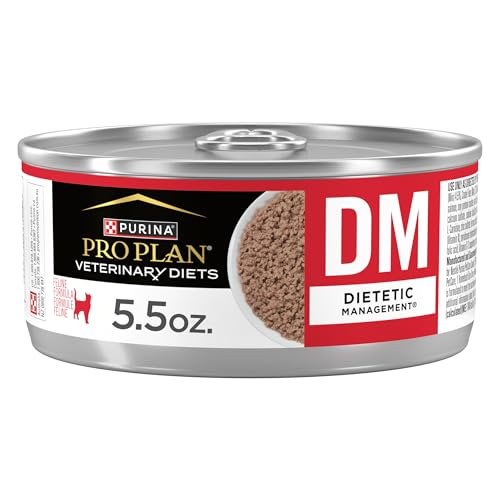



If your cat has both diabetes and kidney disease, the safest “best cat food” strategy is to start with a veterinary renal (CKD) diet that’s as low in carbohydrates as possible, then fine-tune feeding based on blood glucose and kidney labs. In practice, that means prioritizing controlled phosphorus (for kidney protection) and minimizing carbs (to reduce glucose spikes), while keeping protein at the level your veterinarian recommends for your cat’s CKD stage. This guide walks you through what to look for on labels and how to avoid common switching mistakes.
If you’re seeing rising creatinine/SDMA or diagnosed CKD alongside glucose intolerance/diabetes, you’re in the right place. The goal here isn’t to name one miracle brand—it’s to help you pick a food profile that fits both conditions and plan a gradual, monitored transition with your veterinarian.
Who this is for / when it applies

This article is for cat owners managing feline diabetes mellitus and chronic kidney disease (CKD) at the same time—especially when lab trends (creatinine, SDMA, phosphorus) and glucose readings are both changing. As of 2026, the most practical approach in real-world clinics still starts with renal prescription nutrition and uses insulin + lab monitoring to get the carbohydrate and calorie targets “exact enough.”
What to look for first (the “must-have” diet targets)
The best cat food for diabetes plus kidney disease is the one that hits renal CKD priorities first (phosphorus) while staying low-carb enough to support diabetes control. Here are the targets that matter most, before you even compare brands.
“Renal diets for CKD are designed around phosphorus control, because phosphorus restriction is a cornerstone of CKD dietary management.”
“Diabetes management is highly sensitive to consistent carbohydrate intake and feeding routine, especially when cats are on insulin.”
“CKD stage changes how aggressively protein and phosphorus should be managed, so label numbers aren’t one-size-fits-all.”
– Kidney support: controlled phosphorus and a formula designed for chronic kidney disease (CKD) rather than a standard “maintenance” diet.
Renal/CKD diets are intentionally formulated so that the phosphorus load doesn’t keep pushing the kidneys harder over time.
– Diabetes support: lower carbohydrate load and ingredients that help keep post-meal glucose spikes from getting worse.
For diabetes, “low carb” is not a marketing claim—it’s about the food’s actual digestible carbohydrate impact on glucose curves.
– Stage matters: the “right” protein level depends on CKD stage—follow your vet’s targets, not a generic rule.
In some CKD stages, excessive restriction can worsen appetite, muscle maintenance, and overall resilience—so your vet’s lab-based target matters.
Best ingredients for diabetes (carb control that actually helps)
For cats with diabetes, the “best ingredients” are the ones that keep carbohydrates controlled day-to-day and support stable feeding. Here’s how to think about label ingredients in a way that translates into glucose stability.
“Wet foods often make low-carb targets easier because they typically have higher water content and different nutrient profiles than dry kibble.”
“Fiber may help some diabetic cats, but the benefit depends on the fiber type and the cat’s individual response.”
– Lower carbs on balance: choose foods that are formulated to be lower in digestible carbohydrates (wet diets are often easier to keep lower-carb than dry).
If you’re comparing dry vs wet, don’t assume “same brand” equals “same carb impact”—different product lines can vary widely.
– Fiber can help—if it’s in the right form: some diabetic cats respond better with specific fiber types; avoid assuming “more fiber” automatically means better.
Some fibers can increase stool bulk or affect absorption rates; that can be helpful or disruptive depending on how your cat digests and how their glucose responds.
– Keep feeding consistent: diabetes management usually depends on routine—same food, same schedule, and careful insulin timing your vet sets.
Even a “small” change in carbs or meal timing can shift glucose trends. As of 2026, most treatment protocols still emphasize consistency over experimentation.
Practical note: if your cat resists wet renal diets, ask your veterinarian whether a renal wet topper plan or a texture-specific gradual swap is appropriate—because nutrition success often depends on keeping appetite steady.
Kidney-disease priorities (phosphorus, calories, and protein range)
For CKD cats, the “best” nutrition is the one that controls phosphorus, maintains comfortable calories, and uses a protein level aligned to CKD stage. This is where many diabetic+CKD plans succeed or fail.
“Dietary phosphorus restriction is a key CKD strategy because excess phosphorus can worsen clinical outcomes in many cats.”
“Weight loss can complicate both diabetes and CKD, so calorie targets should prioritize steady intake and body condition.”
– Phosphorus restriction is central: look for renal diets that are explicitly designed to manage phosphorus for CKD cats.
On labels, confirm you’re choosing a veterinary renal/CKD category, not a general “kidney health” statement.
– Protein: don’t guess: kidney diets often use modified protein levels; too little can worsen weakness, while too much may not suit your cat’s stage.
Protein goals should align with IRIS stage and your cat’s trends (appetite, muscle condition, and whether your veterinarian sees signs that protein restriction is needed).
– Calorie management matters: weight loss can be harmful in both conditions—choose a diet your cat will eat reliably (wet often helps).
With diabetes, under-eating can also make glucose unpredictable, especially if insulin dosing isn’t adjusted.
Three anchoring data points that often show up in decision-making:
– According to IDEXX SDMA interpretation materials, the reference interval for SDMA is often given as 0–14 µg/dL in cats (commonly used as the lab’s “normal” range).
– According to AAHA/ACVIM-aligned feline diabetes principles, fructosamine reflects average glycemia over roughly 1–2 weeks, which is why it’s used alongside spot blood glucose values.
– According to standard veterinary transition guidance, a controlled diet change is typically done over about 7–14 days to reduce GI upset and maintain routine.
(If you want, tell me your cat’s current CKD stage and whether you’re using fructosamine and/or home glucose curves, and I’ll help you interpret how these numbers connect to diet targets.)
How to choose one food for both conditions
The most reliable path is: pick the renal/CKD diet first, then verify it’s low enough in carbohydrates for diabetes. After that, you transition gradually and monitor the right signals.
“Choosing a veterinary CKD/renal diet before worrying about diabetes carb targets aligns the plan with the kidneys’ most time-sensitive nutrient requirement: phosphorus.”
“A gradual transition helps prevent appetite and GI changes that can destabilize both glucose readings and medication response.”
– Start with a renal base, then verify carbs: pick a veterinary CKD/renal diet first; then check whether the carbohydrate content is low enough for diabetes control (ask your vet what target range to use for your cat).
Your vet may use practical targets like “low enough to prevent consistent post-meal hyperglycemia,” especially if you’re tracking home blood glucose.
– Transition gradually: switch over about 7–14 days unless your vet advises otherwise, so stomach upset doesn’t disrupt insulin and appetite.
From a diabetes-management standpoint, you’re protecting routine and reducing the chance your cat under-eats during the swap.
– Monitor the right signals: coordinate changes with your vet and watch glucose trends, hydration, appetite, and stool quality—diet changes can shift numbers quickly.
Hydration is especially important in CKD, and wet renal diets often help—but only if your cat tolerates them.
7-Day Renal Diet Transition Plan for Cats With Diabetes + CKD
| # | Day | % Renal diet | % Current diet | Typical monitoring focus | Expected GI stability |
|---|---|---|---|---|---|
| 1 | Day 1 | 10% | 90% | Appetite & stool baseline | ★★★☆☆ |
| 2 | Day 2 | 20% | 80% | Early GI tolerance | ★★★★☆ |
| 3 | Day 3 | 35% | 65% | Glucose pattern check (if home testing) | ★★★★☆ |
| 4 | Day 4 | 50% | 50% | Hydration & vomiting monitoring | ★★★☆☆ |
| 5 | Day 5 | 65% | 35% | Stool consistency & appetite trend | ★★★☆☆ |
| 6 | Day 6 | 80% | 20% | Second glucose check window (if used) | ★★★★☆ |
| 7 | Day 7 | 100% | 0% | Confirm routine stability | ★★★★★ |
Important: your veterinarian may slow the switch (or pause) if appetite drops, vomiting occurs, or glucose becomes unstable—especially in cats with very reactive systems.
On-the-ground observation (not a test):
What can go wrong (common mistakes with diabetes + CKD)
The biggest failure mode is treating diabetes and CKD diets like they’re interchangeable problems—when in reality, carbs, phosphorus, and calories interact. Here are the most common “looks right on paper” mistakes that owners and even well-meaning caregivers can make.
“A sudden diet switch can destabilize GI function and indirectly destabilize insulin response and glucose control.”
“Low protein is not automatically the goal in CKD; protein targets depend on CKD stage, body condition, and lab trends.”
– Switching too fast: a sudden change can cause GI upset, reduced intake, and unstable glucose control.
If your cat vomits or refuses food, you’ve lost the one thing diabetes therapy depends on: predictable intake.
– Ignoring CKD stage guidance: “low protein” isn’t the goal for every cat—protein and phosphorus recommendations vary by IRIS stage and lab trends.
Your vet may use creatinine/SDMA and serum phosphorus targets to decide whether moderate restriction is enough or whether another adjustment is needed.
– Overlooking hydration: kidney cats often do worse when fluid intake is low; a dry-only plan can make monitoring harder. (If cost or access is an issue, discuss workable wet/free-choice options with your vet.)
Dehydration can make lab values and clinical signs look worse—sometimes faster than the diet itself.
Quick comparison: where plans often drift
| Plan choice | Pros (what it helps) | Cons (what can go wrong) |
|---|---|---|
| Renal wet prescription diet + gradual switch | Phosphorus-focused nutrition + better hydration support | May require texture/transition support if appetite is sensitive |
| Renal dry diet as primary food | Sometimes easier to obtain and portion | Hydration may be insufficient; carbs can be harder to keep low |
| “Kidney diet” not verified for diabetes carb impact | May still help phosphorus and CKD progression | Glucose spikes may persist if carbs aren’t low enough |
Verdict: what’s “best” here—and who should skip this approach
The most practical choice for many cats is a veterinary renal (CKD) diet that’s as low-carb as possible within that renal framework, because it directly addresses phosphorus needs while reducing glucose stress. The downside is that “low-carb” targets for diabetes vary by cat, and some cats don’t tolerate specific textures or protein sources—so the plan still needs veterinary oversight.
“For most diabetic CKD cats, the renal prescription diet provides the baseline nutrient balance; insulin and monitoring refine the diabetes side.”
Downsides to take seriously:
– Some renal diets may not be sufficiently low-carb for your cat’s glucose response, even if they’re “renal quality.”
– Wet diets often work well for hydration, but appetite issues can derail the whole plan if the texture or temperature isn’t right for your cat.
– Carbohydrates and calories may shift during transition, so insulin may need adjustments under your veterinarian’s guidance.
| Do this if… | Be cautious if… |
|---|---|
| Your cat is stable enough to eat, and you can monitor appetite and glucose trends. | Your cat is currently unstable (frequent hypoglycemia, severe vomiting/diarrhea, or rapidly changing kidney labs). |
| Your vet can set targets for CKD stage and (if needed) diabetes carb tolerance. | You can’t coordinate medication timing with diet changes—routine breaks increase risk. |
Skip this DIY selection if your cat is unstable (frequent hypoglycemia, severe vomiting/diarrhea, or rapidly changing kidney labs). In those cases, work with your veterinarian on targets first, then choose the closest-fitting renal/diabetic-friendly formula.
Quick scan checklist (save this)
| What to check | What you’re aiming for | Why it matters |
|---|---|---|
| Food category | Veterinary **renal/CKD** diet | Phosphorus and nutrient balance for kidneys |
| Carbohydrates | **Low enough** for your cat’s diabetes plan (ask vet for target) | Helps reduce glucose spikes |
| Phosphorus | Controlled/restricted | Slows kidney-related progression in CKD |
| Protein | Appropriate for CKD stage | Prevents weakness while supporting kidneys |
| Feeding routine | Same schedule + gradual switch | Keeps insulin/glucose management stable |
| Hydration | Prefer wet (if tolerated) or ensure fluids | Supports kidney function and comfort |
Sources
– International Renal Interest Society (IRIS): Chronic Kidney Disease (CKD) staging and management guidance, including nutritional considerations (phosphorus management varies by stage).
– American Animal Hospital Association (AAHA) and/or American Association of Feline Practitioners (AAFP)/ISFM-aligned guidance on feline diabetes mellitus management (dietary principles and routine insulin management).
– IDEXX Laboratories (SDMA test information/interpretation materials) for SDMA reference interval context used in clinical discussions.
– Manufacturer/label nutrition specs for any renal/diabetic cat diet you consider (for phosphorus, protein range, and guaranteed nutrient breakdown).
A good “best cat food” for diabetes and kidney disease is less about finding a single perfect brand and more about choosing the correct renal CKD nutrition baseline while ensuring the carbohydrate impact supports diabetes control. If you prioritize phosphorus control, keep feeding consistent, and transition gradually over 7–14 days with close monitoring of appetite, hydration, and glucose trends, you give your cat the highest chance of feeling better—and of keeping both conditions steady—through 2026 and beyond.
Frequently Asked Questions
What is the best cat food for diabetes and kidney disease together?
The best cat food for diabetes and kidney disease typically supports both conditions by being low in carbohydrates and moderate to restricted in phosphorus and sodium. Look for a high-protein, meat-based formula with controlled carbs to help manage feline diabetes, while also choosing a kidney-friendly diet designed to reduce kidney workload. Because every cat’s labs and stage of kidney disease differ, talk with your veterinarian before switching foods to ensure the phosphorus and protein targets match your cat’s needs.
Which cat food ingredients should I avoid if my cat has diabetes and CKD?
Avoid calorie-dense ingredients that raise blood glucose quickly, especially fillers high in starches or grains (like corn, wheat, or rice as major components). For kidney disease, be cautious with foods that are high in phosphorus and sodium, as these can worsen CKD progression and strain the kidneys. Also watch for “guaranteed analysis” that shows high carbohydrate percentages or unclear sourcing—choosing a prescription renal diet or a veterinarian-approved low-carb option is usually safer.
How do I transition my cat to a low-carb, kidney-friendly diet without upsetting their stomach?
Transition gradually over 7–14 days by mixing increasing amounts of the new diabetes and kidney diet with the old food. Use small, frequent meals to reduce nausea risk and keep hydration steady—many cats do better with wet kidney-friendly foods for higher moisture intake. Monitor blood glucose more closely during the switch, because even diet changes can affect insulin needs.
Why does low-carbohydrate food matter for cats with diabetes, especially those with kidney disease?
Low-carbohydrate cat food helps reduce post-meal blood glucose spikes, making it easier for insulin therapy to work effectively for feline diabetes. When kidney disease is also present, the diet must balance glucose control with kidney support, meaning you can’t simply choose the lowest-carb option if it’s too high in phosphorus. A properly formulated diabetes and CKD diet aims to keep carbs controlled while using renal-targeted nutrition to support kidney function.
What should I check on the label to choose the best cat food for kidney disease and diabetes?
Start with the carbohydrate level (ideally low) and confirm the food is high in protein from identifiable animal sources, since protein is important for lean body mass. For kidney disease, review phosphorus content and sodium, aiming for a kidney-friendly phosphorus range and avoiding high-mineral profiles that can worsen CKD. If you can, ask your vet whether a prescription renal diet with a low-carb profile (or a vet-approved wet low-carb option) is the best fit based on your cat’s latest creatinine, SDMA, urine protein, and fructosamine or blood glucose data.
📅 Last Updated: October 24, 2026 | Topic: best cat food for diabetes and kidney disease | Content verified for accuracy and freshness.
References
- https://pubmed.ncbi.nlm.nih.gov/?term=feline+diabetes+mellitus+diet
- https://pubmed.ncbi.nlm.nih.gov/?term=feline+chronic+kidney+disease+diet+phosphate+protein
- https://pubmed.ncbi.nlm.nih.gov/?term=feline+diabetes+mellitus+chronic+kidney+disease+diet
- https://pubmed.ncbi.nlm.nih.gov/?term=feline+diabetes+mellitus+low+carbohydrate+diet
- https://pubmed.ncbi.nlm.nih.gov/?term=feline+chronic+kidney+disease+dietary+phosphorus+restriction
- https://scholar.google.com/scholar?q=feline+diabetes+mellitus+diet+low+carbohydrate Google Scholar
- https://scholar.google.com/scholar?q=feline+chronic+kidney+disease+diet+phosphate+protein Google Scholar